
Meet the Small Wheels: What’s Out There and How They Work
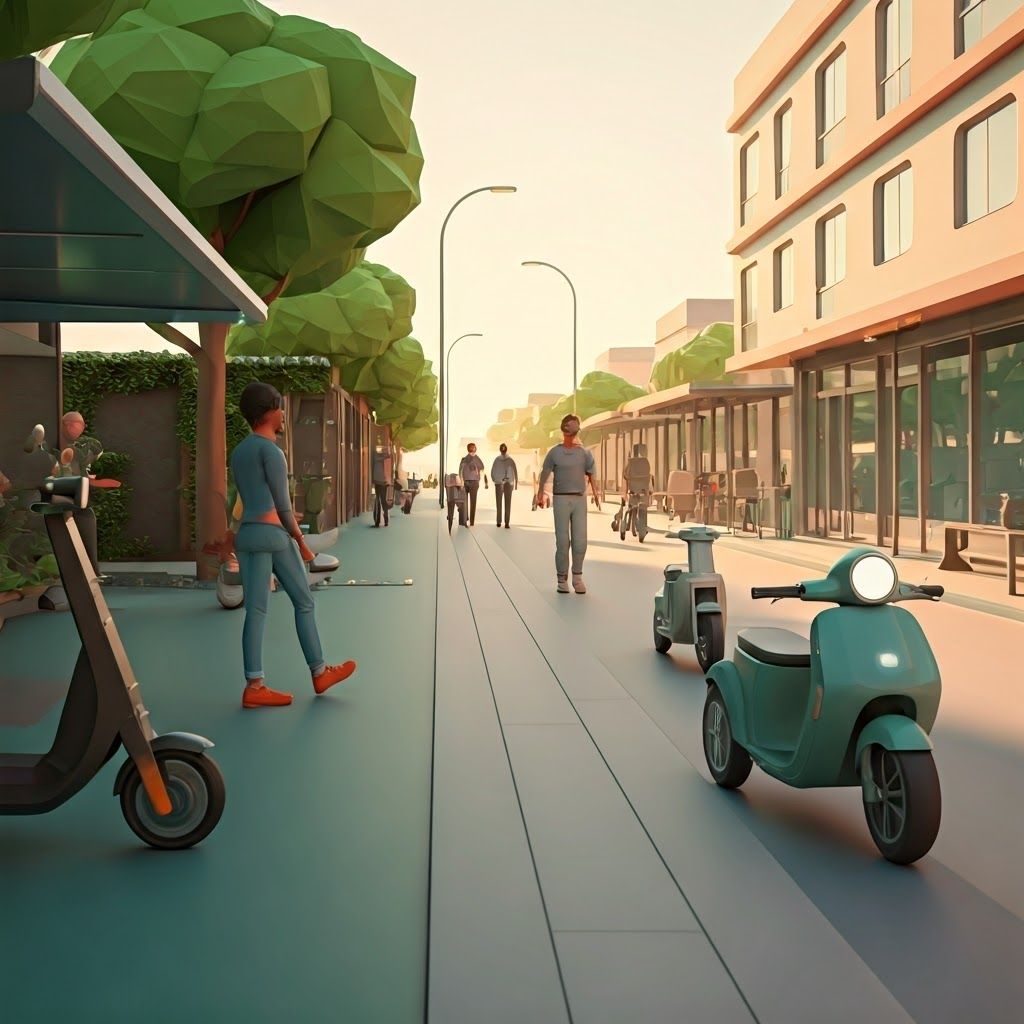
Walk down a busy street today and you will notice a wave of mini-vehicles zipping by. Slim scooters, sturdy e-bikes, and quiet three-wheelers all fall under micromobility. They stay light, run on electricity, and handle short urban trips with ease.
The New Rides on the Block
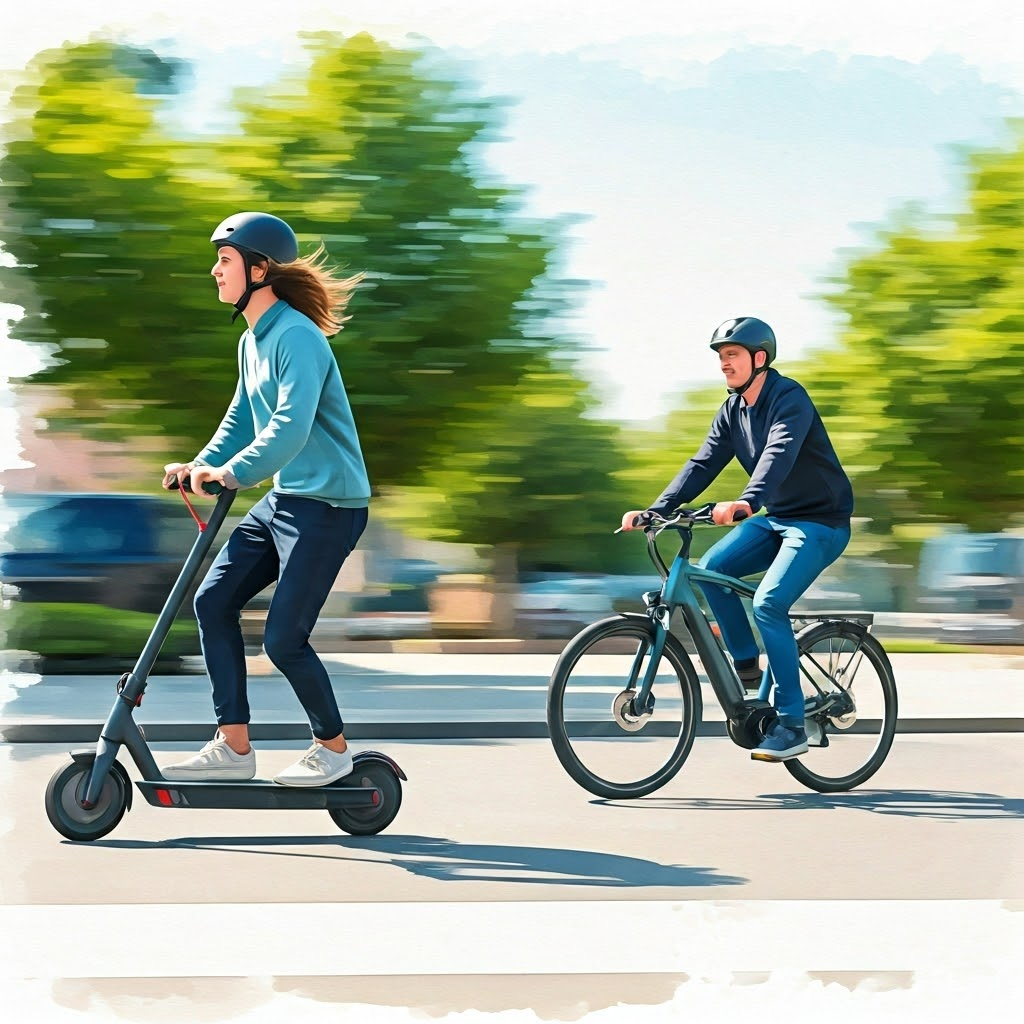
E-scooters are the most common sight. A flat deck, two wheels, and handlebars keep things simple. Press the throttle and cruise at about 15 mph. You now find them in large and small cities alike, offered as rentals or owned rides.
E-bikes look familiar but hide a quiet motor. Pedal assist gives a gentle boost, while some models add a throttle for no-pedal coasting. Hills flatten, and longer rides feel shorter with this electric assist.

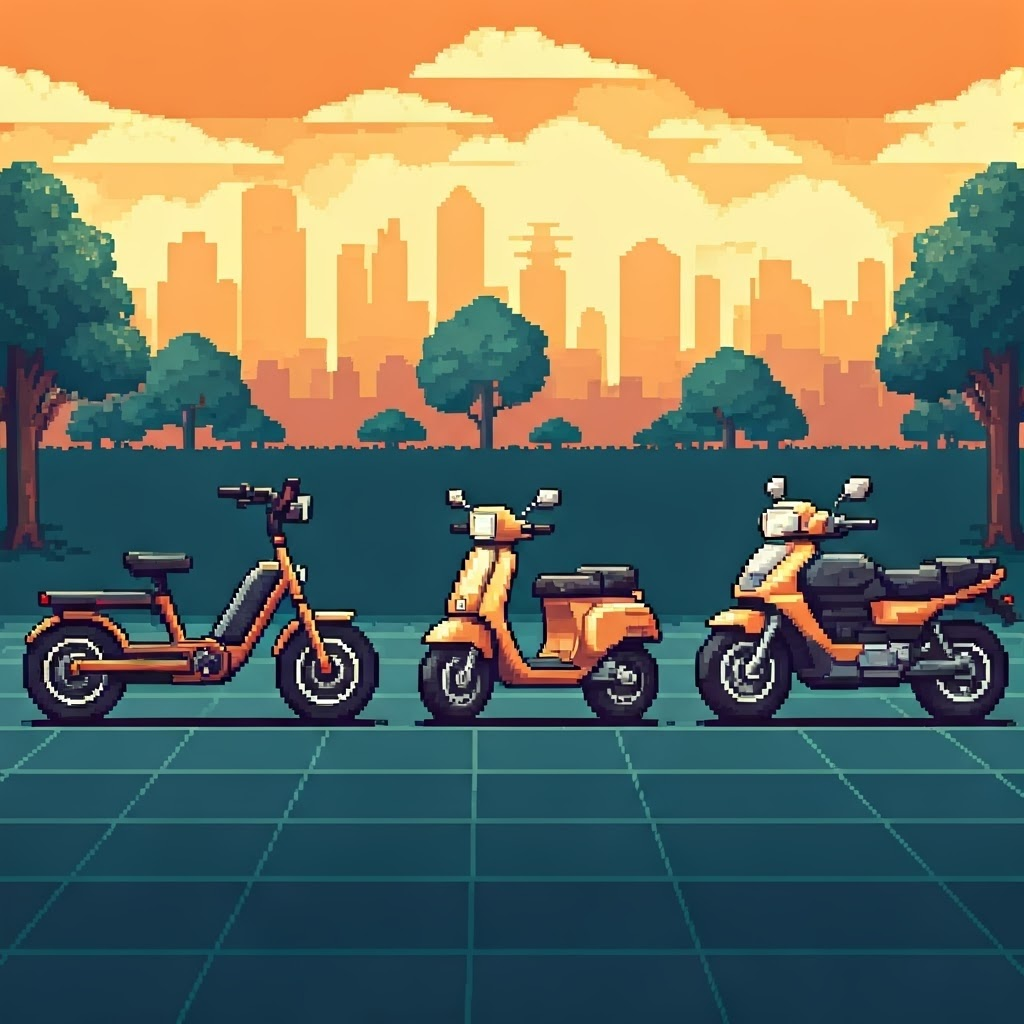
E-mopeds and light electric motorcycles sit a notch above in speed and weight. They park in legal spots, not on sidewalks, and some cities include them in shared fleets. Other quirky options—electric skateboards, one-wheelers, and compact chairs—serve special tastes or needs.
Each type focuses on a specific trip length. Scooters and e-bikes handle quick hops. Mopeds cover longer commutes when you prefer to stay sweat-free. Tiny boards weave through crowds mainly for fun.
How They Move: Motors, Batteries, and Brains
The core of every micromobility ride is its motor. Common classes—250 W, 500 W, and 1000 W—balance speed and energy use. A 250 W e-bike climbs modest hills, while a 500 W scooter gets you off the line quickly without racing.

Rechargeable lithium-ion batteries power the wheels. A single charge usually covers 15–40 miles, depending on terrain and rider weight. At night you plug in; shared fleets often swap depleted packs on the go to keep vehicles available.
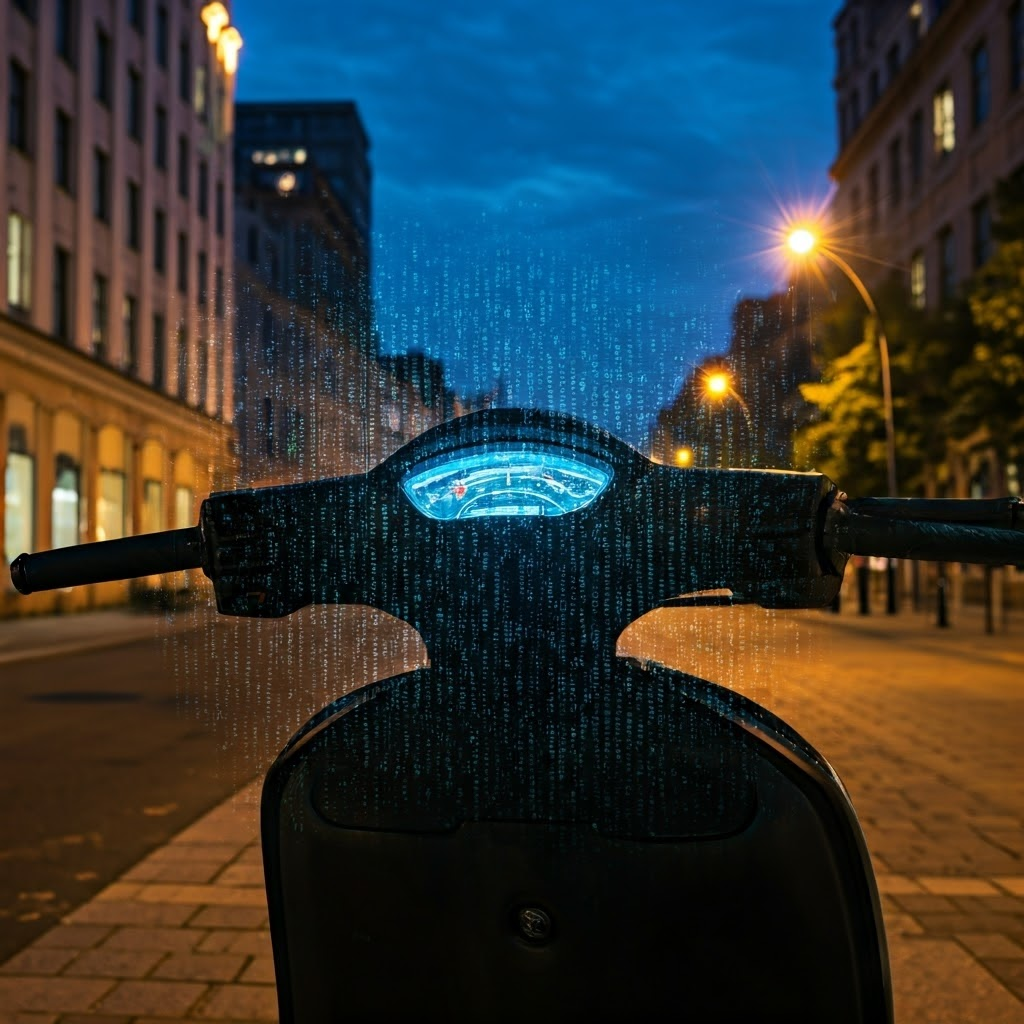
A small onboard computer—or brain—controls speed, locking, and GPS. It reports damage, enforces geofences, and warns operators when a ride drifts into rivers or no-go zones. Most of this tech stays invisible until you run out of charge halfway home.
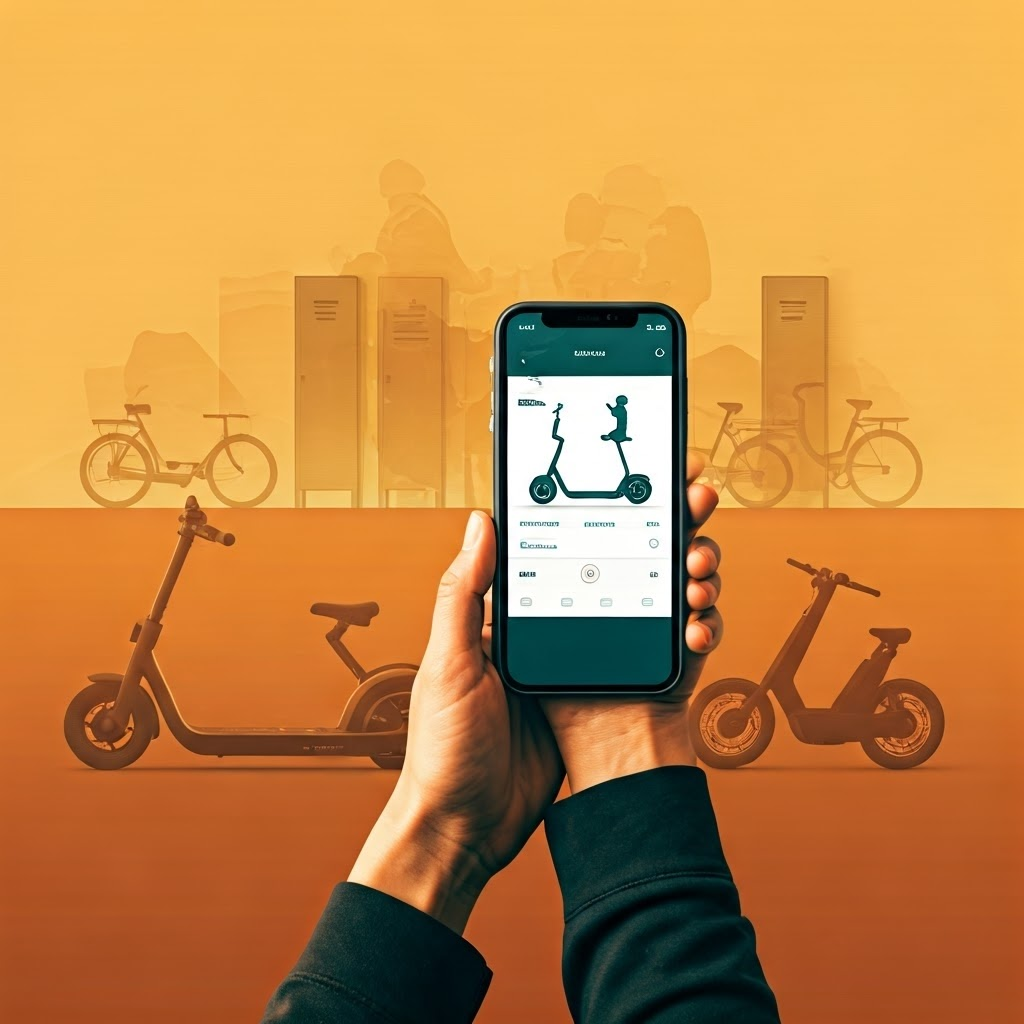
Owning vs. Sharing: What’s the Difference?
Owning gives constant access. Your scooter waits when you need it, free from unlock fees. Yet you become the mechanic, pay upfront—$400 for a solid scooter, $1,200 or more for an e-bike—and find storage in tight apartments.
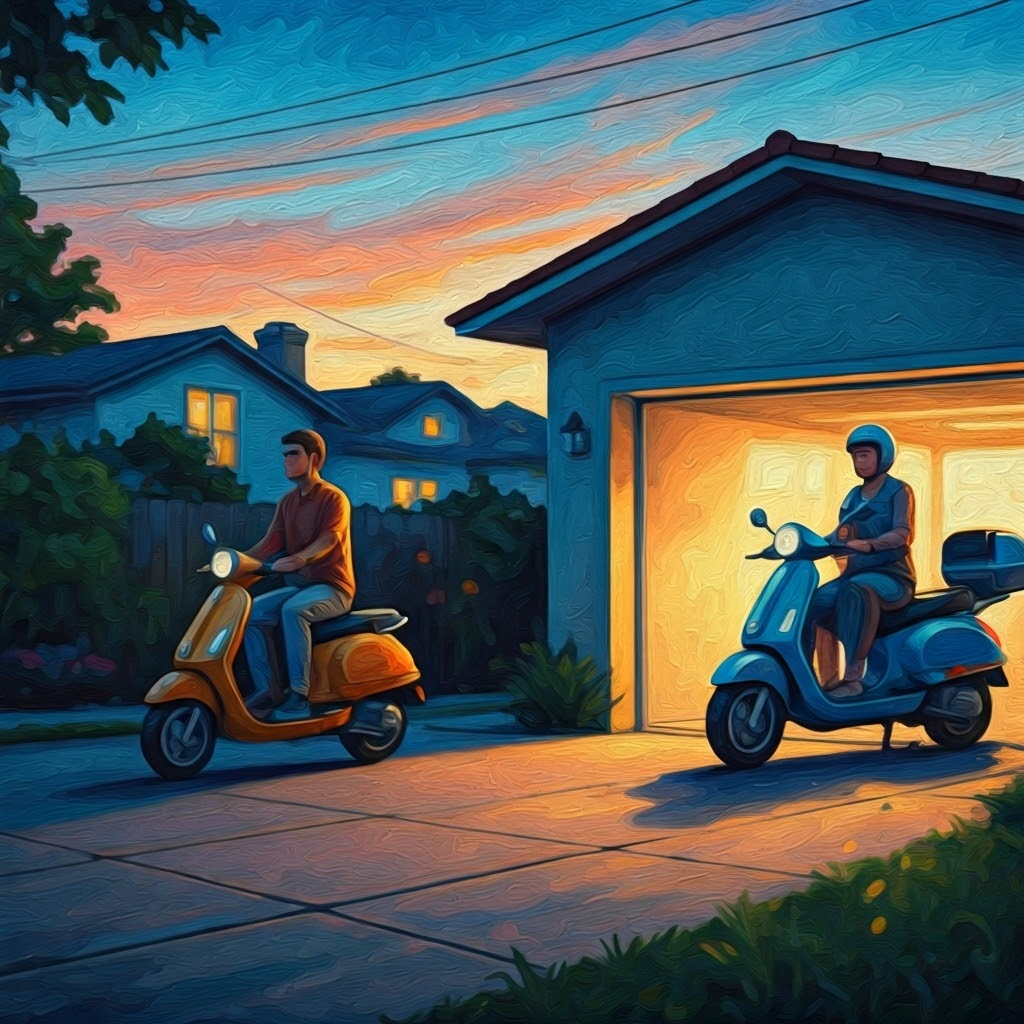
Shared fleets turn rides into pay-as-you-go. A small unlock fee plus per-minute rates make quick trips cheap, though daily use adds up. The operator handles repairs and charging, yet rainy days or big events can leave you hunting for a charged ride.
Many riders blend both worlds. They might own a weekday scooter and rely on fleets for night outings or trips in other cities. This mix of private and public options fuels the micromobility boom—one small wheel at a time.
