
The Secret Life of Vitamins: What, Why, and How Much?
Meet the Micronutrient All-Stars
Most of what keeps you thriving happens quietly inside your body. Tiny vitamins power growth, energy, mood, and even help a small cut close. They act like a hidden tech crew—fixing, tuning, and upgrading your system while you go about your day.

Vitamin C rebuilds tissues so gums stay firm and wounds seal. Vitamin A sharpens night vision by helping eyes adjust to darkness. Vitamin E shields cell walls from damage, while the B family turns food into usable fuel. Vitamin D teams with sunlight to keep bones and immunity strong.

Water vs. Fat: The Vitamin Showdown
Water-soluble vitamins—C and all the Bs—move freely in blood. Your body uses what it needs and flushes the rest, so you must top them up often.
Fat-soluble vitamins—A, D, E, and K—ride with dietary fat and settle in liver or body fat for later use. They last longer but can build up if supplements go overboard. A little healthy fat, like olive oil on salad, boosts absorption.
Example
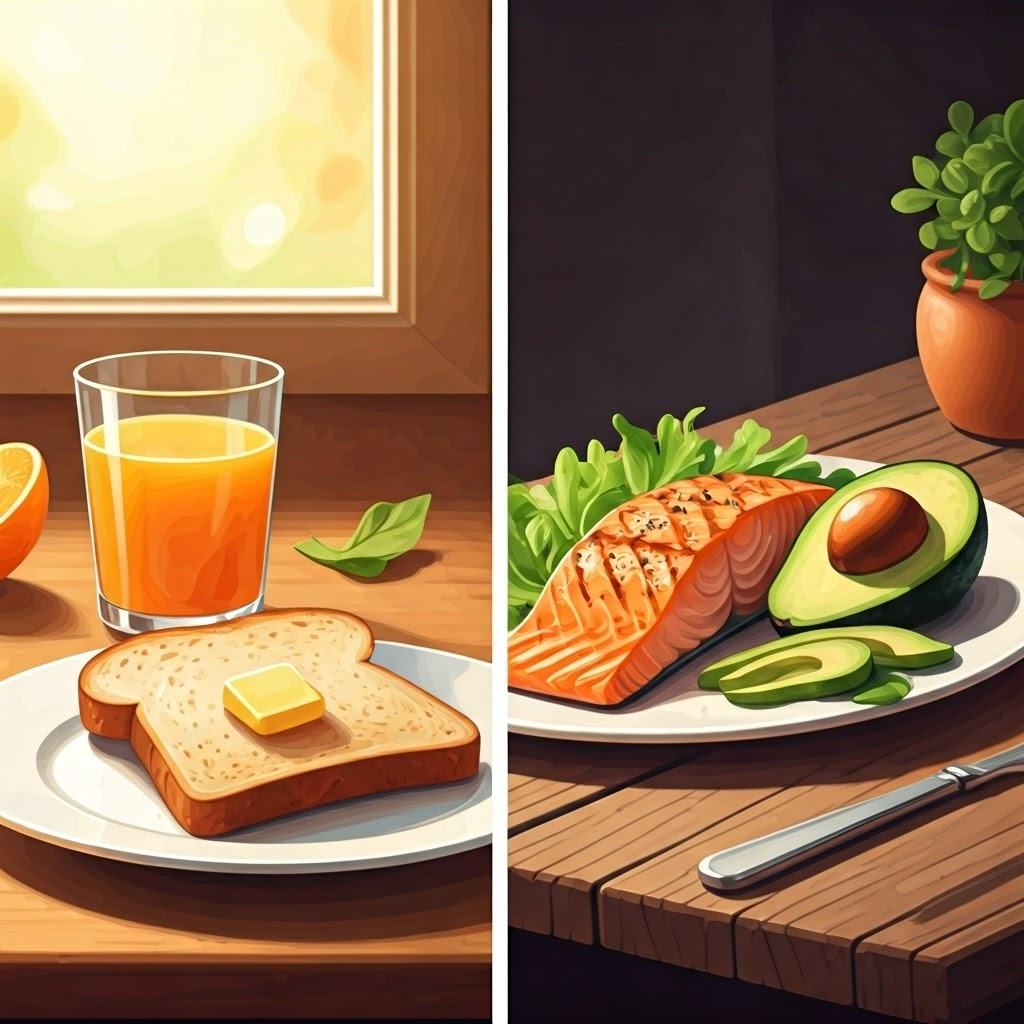
Orange juice plus whole-grain toast brings vitamin C and B vitamins—you need such foods daily. Salmon with avocado provides vitamins D and E, which the body can store for future use.
The Antioxidant Trio: A, C, and E
Free radicals form every time you breathe or bask in sunlight. The antioxidant trio—vitamins A, C, and E—neutralizes these unstable molecules before they harm cells.

Vitamin C, famous for immune support, shows up in oranges, strawberries, peppers, and broccoli. Vitamin E guards cell membranes and comes from nuts, seeds, and oils. Vitamin A, vital for vision and skin, appears as preformed A in eggs and liver or as beta-carotene in carrots and greens.

B-Complex: The Energy Crew
Eight B vitamins form your internal power plant: B1, B2, B3, B5, B6, B7, B9, and B12. They convert carbs, fats, and proteins into energy, craft red blood cells, and keep nerves firing. Vegans need fortified sources of B12, while folate (B9) rises in importance during pregnancy.
Whole grains, eggs, dairy, beans, nuts, leafy greens, and moderate meat or fish cover most B needs.

Vitamin D and the Sunlight Connection
Vitamin D helps pull calcium from food and lock it into bones. Skin makes it when UV rays strike, so limited sun lowers levels. Fatty fish, egg yolks, and fortified foods add support, but brief midday sun—10 to 30 minutes several times a week—often does the heavy lifting.
If winters are long or you stay indoors, a blood test or doctor’s advice can guide supplementation.

Deficiency and Toxicity: When Things Go Wrong
Low levels show as scurvy, night blindness, weak bones, or fatigue, depending on which vitamin is missing. Excess—mainly with fat-soluble types—can cause headaches, high calcium, or nerve issues. Aim for balance by eating varied foods and using supplements wisely.
How Much is Enough? RDAs, AIs, and You
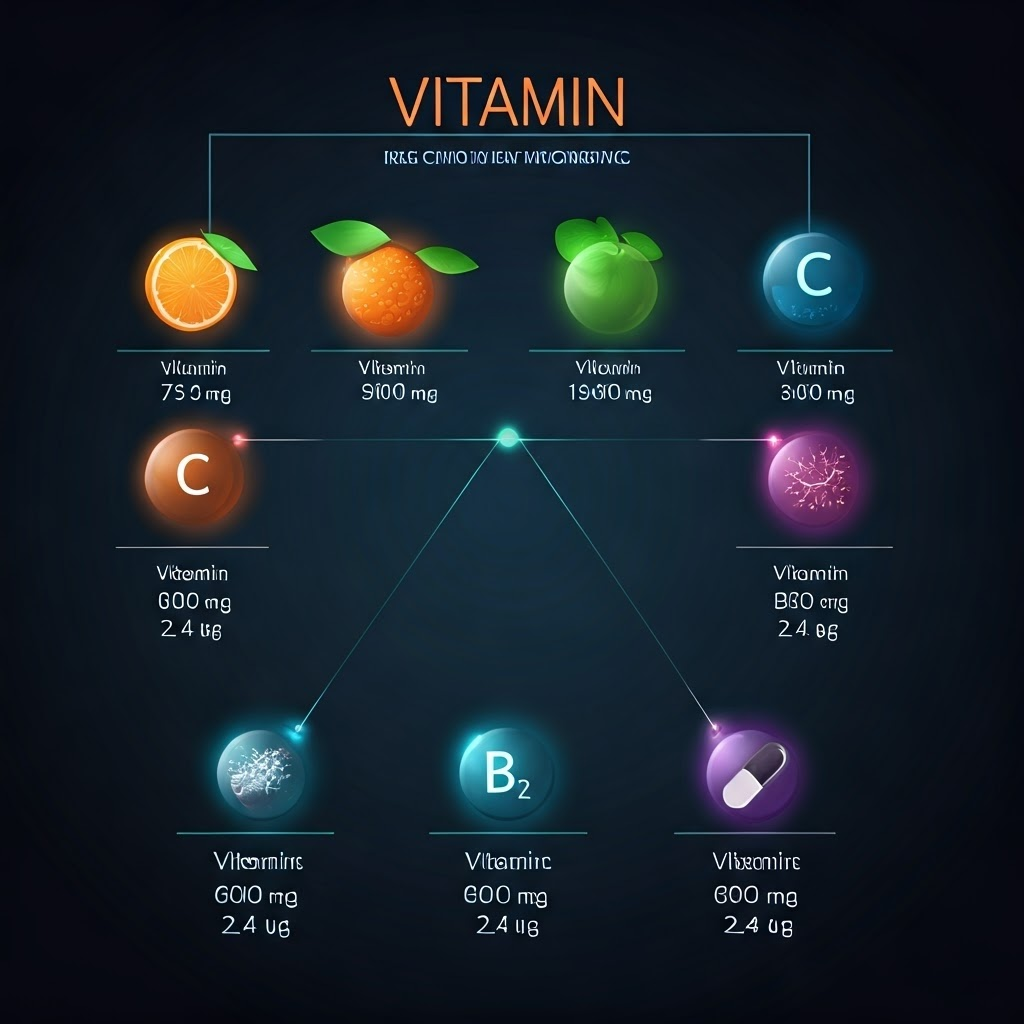
Scientists set Recommended Dietary Allowances (RDAs) and Adequate Intakes (AIs) to prevent deficiency. Adults need about 75–90 mg of vitamin C, 600–800 IU of vitamin D without much sun, and 2.4 µg of vitamin B12 each day. Needs vary by age, sex, and life stage.
Most people reach targets through diverse meals; supplements fill gaps for special diets, medical issues, or limited sunlight. Checking food logs, watching early symptoms, and consulting a dietitian keeps intake on track.
The message is simple: small yet mighty vitamins help your mood, energy, and lifelong health—no cape required.
