
Your Body’s Energy Game: The Basics You Need
What Metabolism Really Means
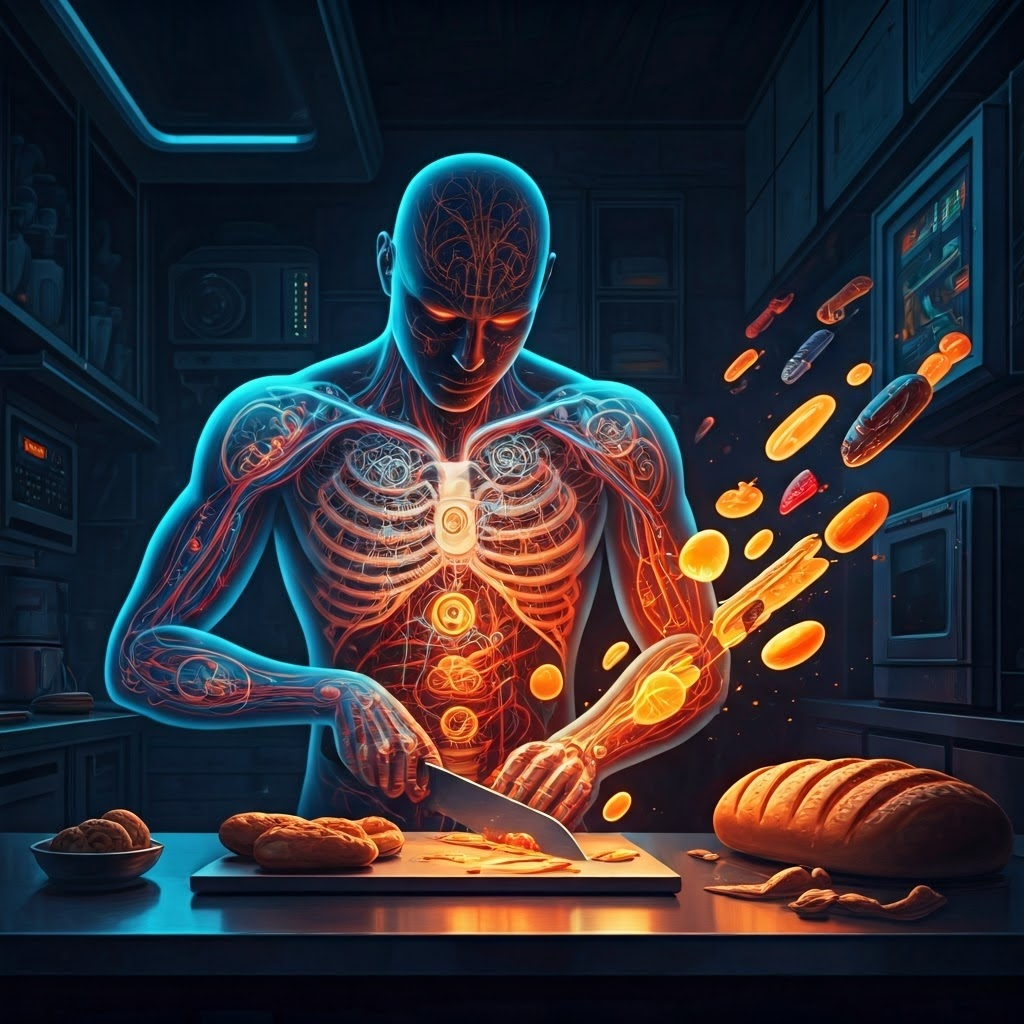
Metabolism is your body’s way of keeping its lights on. Every moment your cells turn food into energy so you can breathe, walk, and swipe your phone.
There is no single switch for metabolism. Thousands of reactions run at once, breaking food into simple parts and sending them into cells where energy is released.
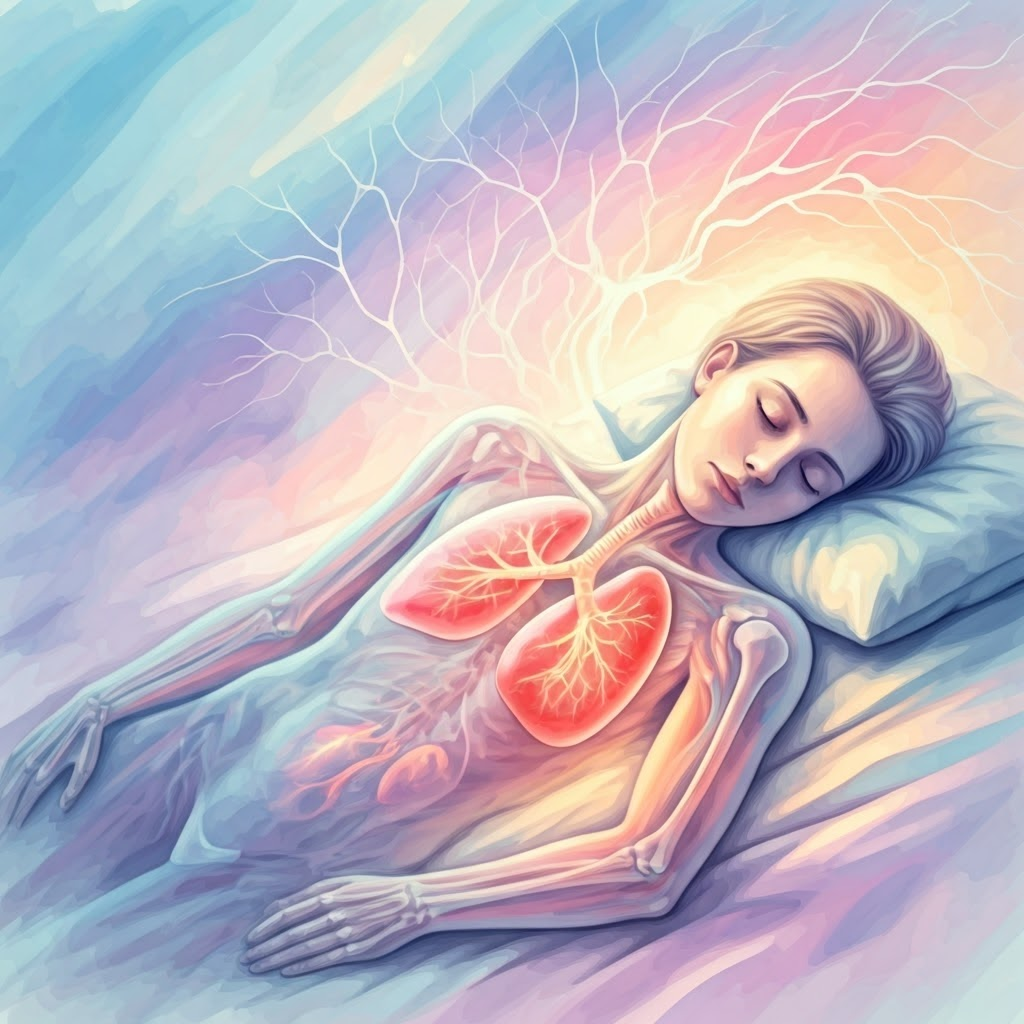
Even in deep sleep your heart pumps, lungs draw air, and the brain sorts memories. This steady work needs a constant fuel supply.
If metabolism slows too much you feel sluggish; if it races you may overheat or lose weight quickly. Scientists call it the set of life-sustaining chemical transformations.
Catabolism and Anabolism: The Two Sides of the Coin
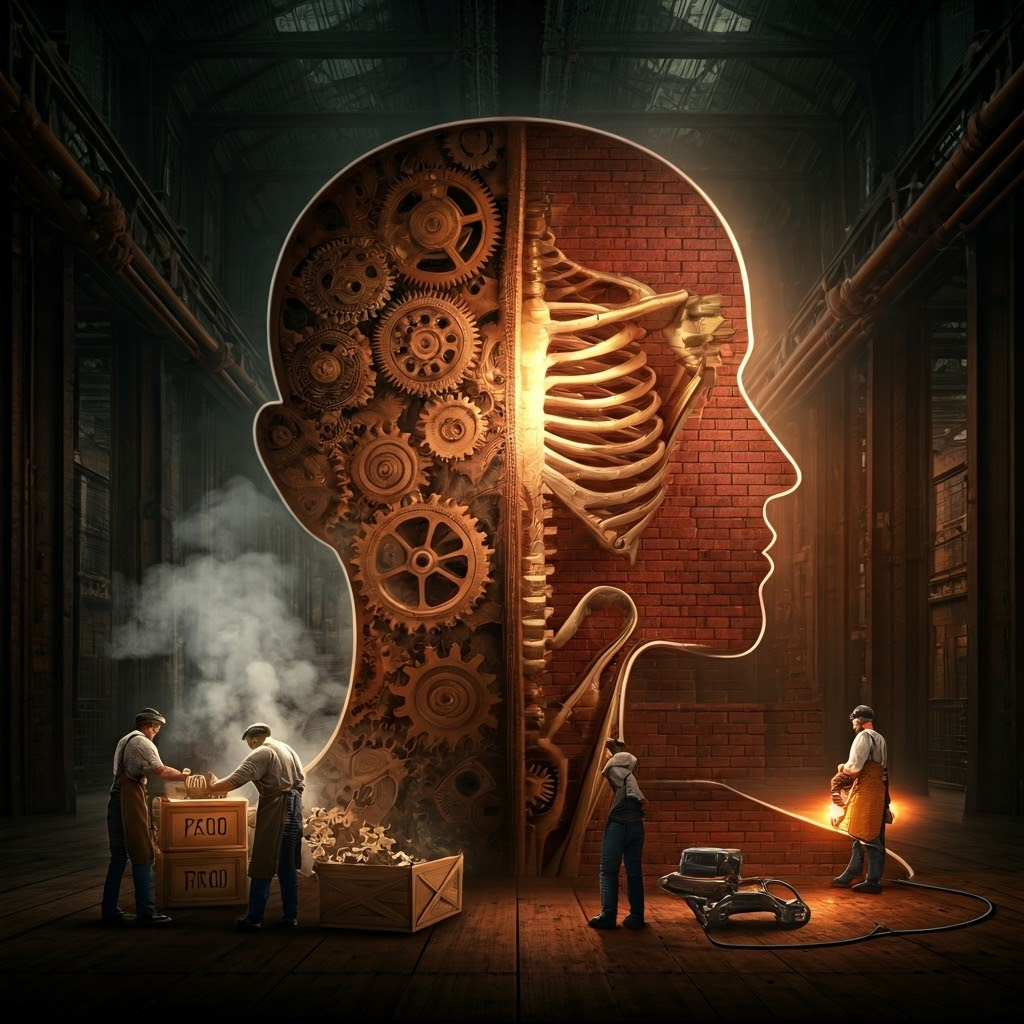
Catabolism breaks nutrients down, releasing energy like a stove burning logs. After a banana, catabolism splits the carbs into sugars your muscles can use.
Anabolism builds new tissue. It stitches small pieces into muscle, bone, or stored fat, much like a mason stacking bricks into a wall.
The Balance in Action
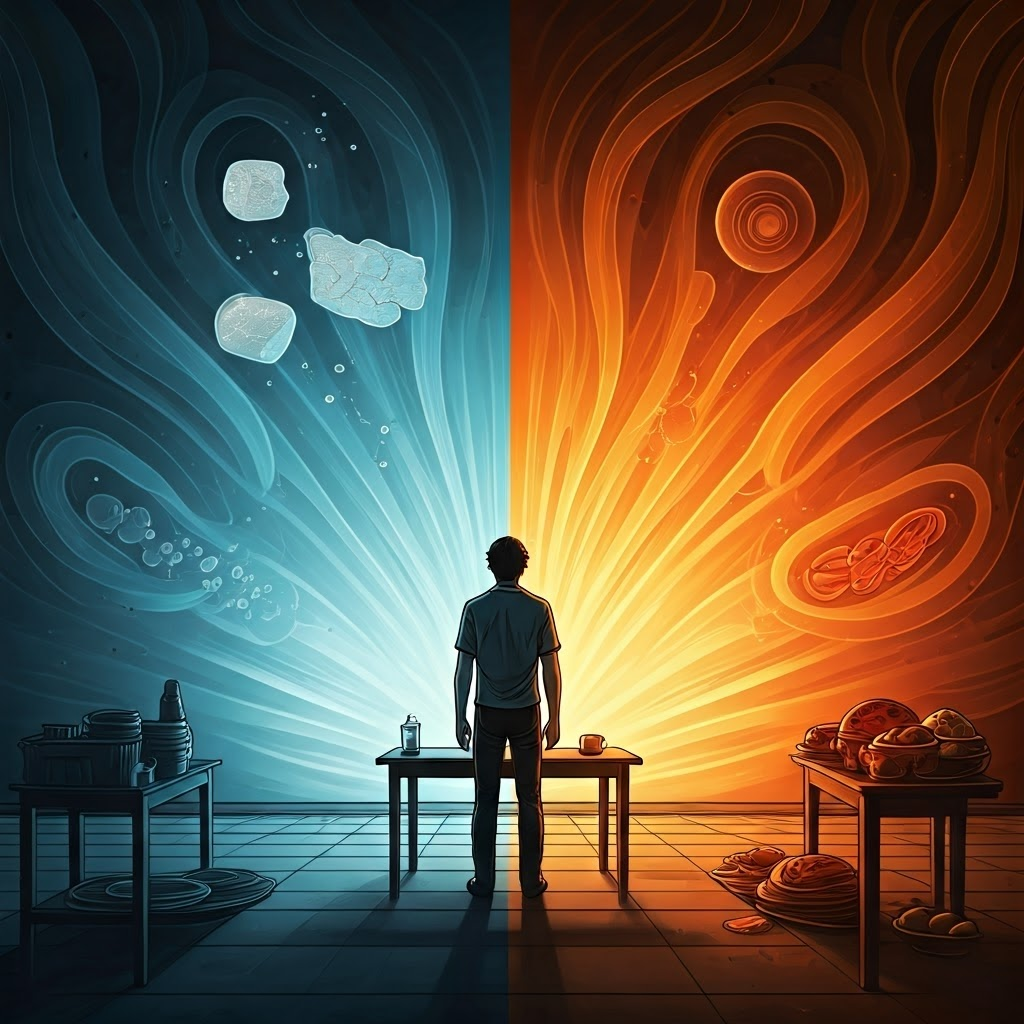
Skip breakfast and catabolism taps stored sugar and fat so you keep moving. Eat a big lunch and anabolism stores extra nutrients as glycogen, protein, or fat.
This constant dance keeps you ready to sprint for a bus or fight off a cold.
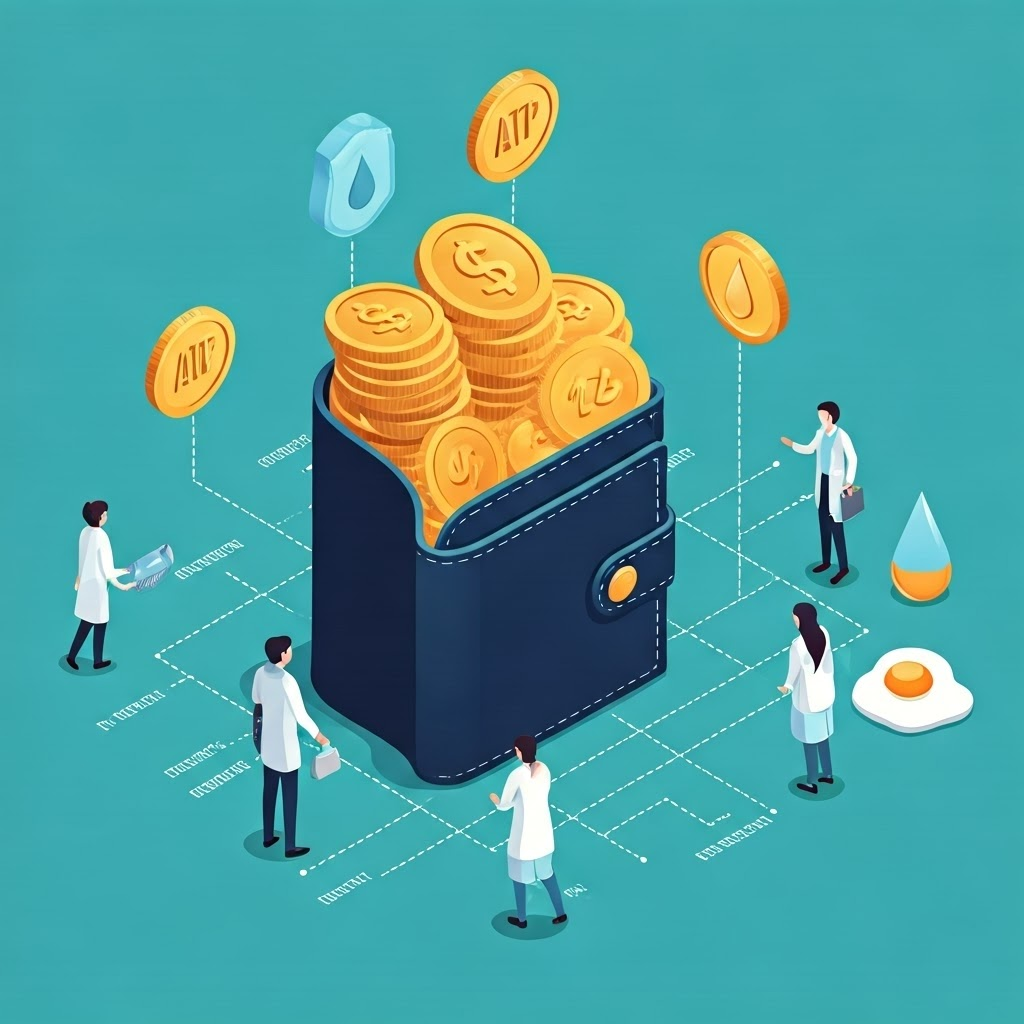
ATP: The Cell’s Pocket Change
Cells pay for every task with ATP, tiny rechargeable coins. When a bond in ATP snaps, it releases a quick jolt of power, then the molecule is recharged for reuse.
Each day you recycle roughly your own body weight in ATP—proof of how busy your inner economy stays.
The Big Picture
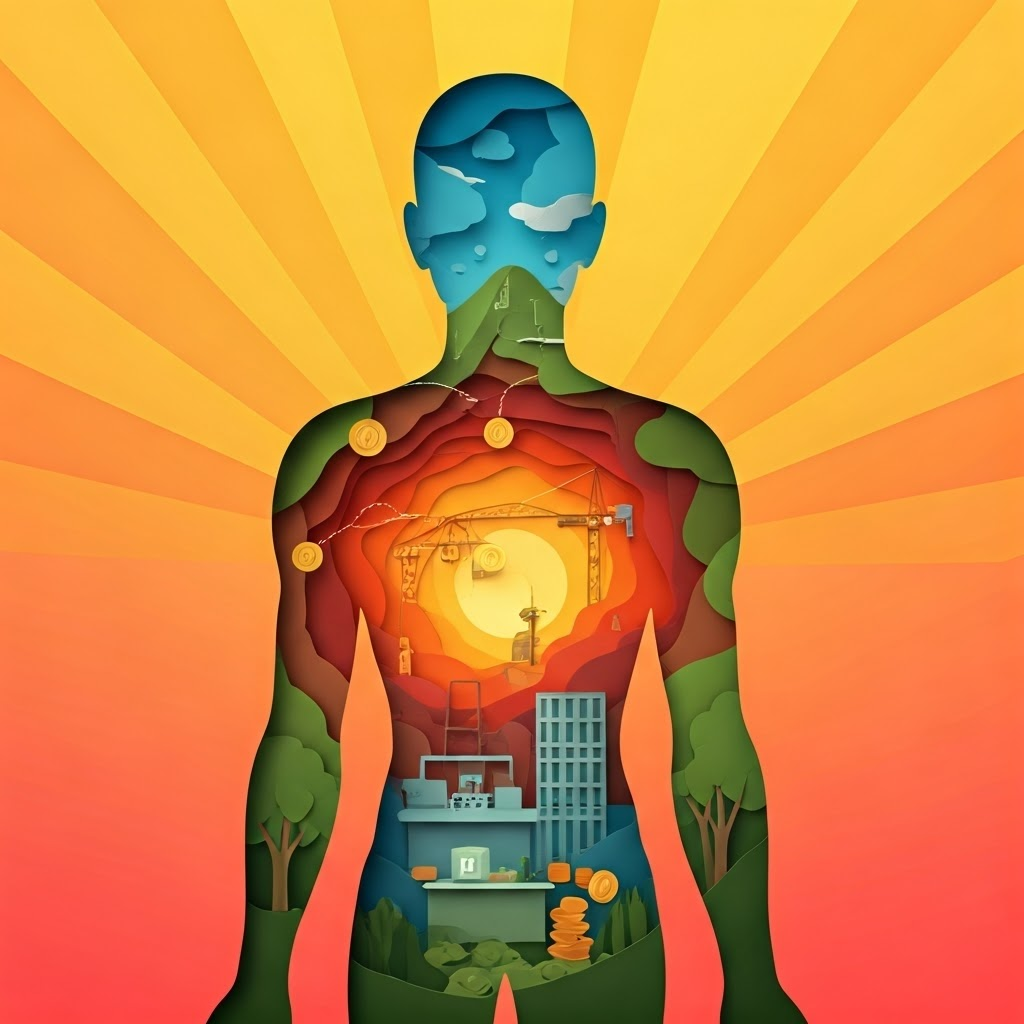
Metabolism is more than burning dessert. It is a nonstop cycle of breakdown and buildup, all funded by ATP, that powers every heartbeat, thought, and step.
