15 min read  •  11 min listen

Memory’s Mosaic

How Your Memories Shape New Ideas

Memory’s Mosaic

AI-Generated

April 28, 2025

What if your best ideas are just waiting for the right memory to spark them? Discover how the way you remember shapes the way you create, and learn to turn your mind into a playground for new connections.


Your Memory’s Double Act: Stories and Facts
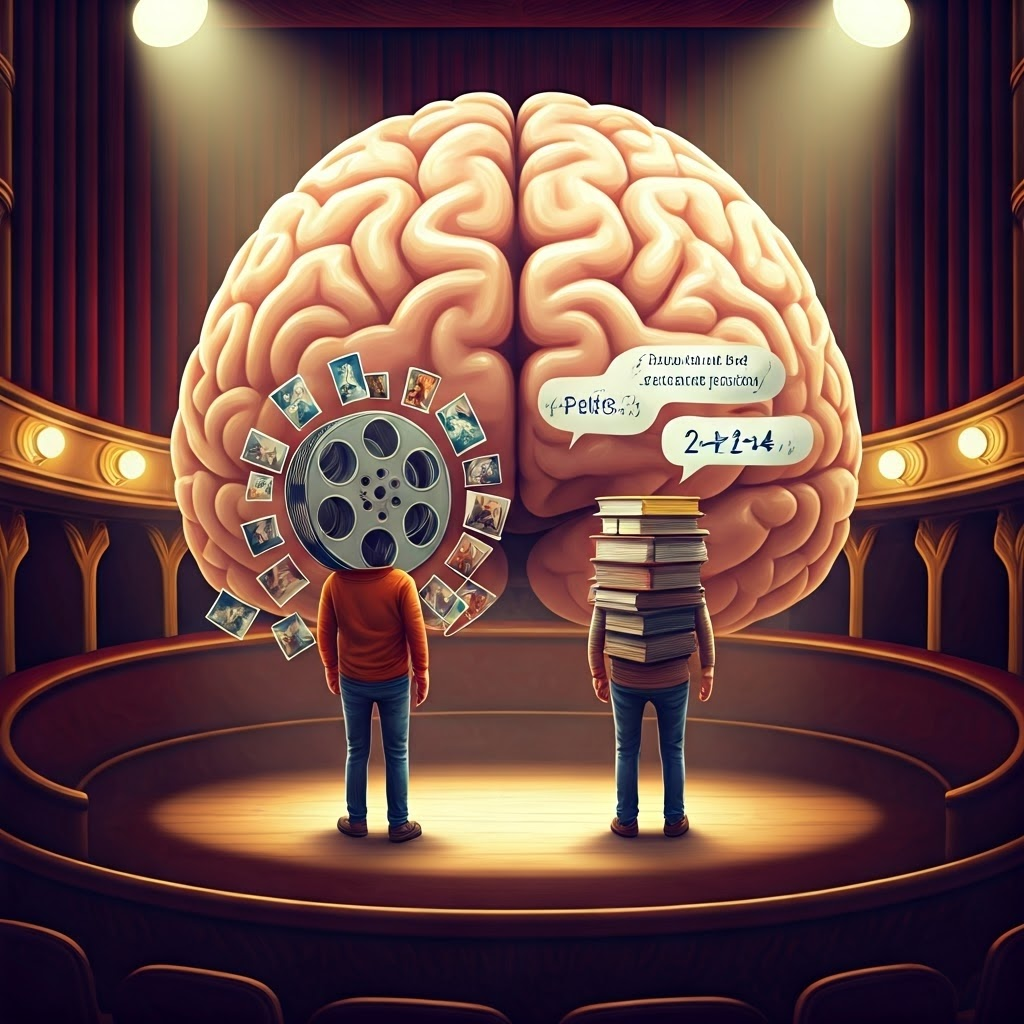
Illustration of a brain-as-theater where two characters represent episodic and semantic memory under warm spotlights, blending personal stories with factual knowledge for improved memory recall.

The Two Sides of Remembering

Picture your mind as a stage where two lead actors guide the show: episodic memory and semantic memory. Episodic memory keeps the moments of your first bike ride, a burnt tongue on hot pizza, or meeting a new friend.

Episodic memories feel like movie scenes. They carry details—where you were and how you felt.
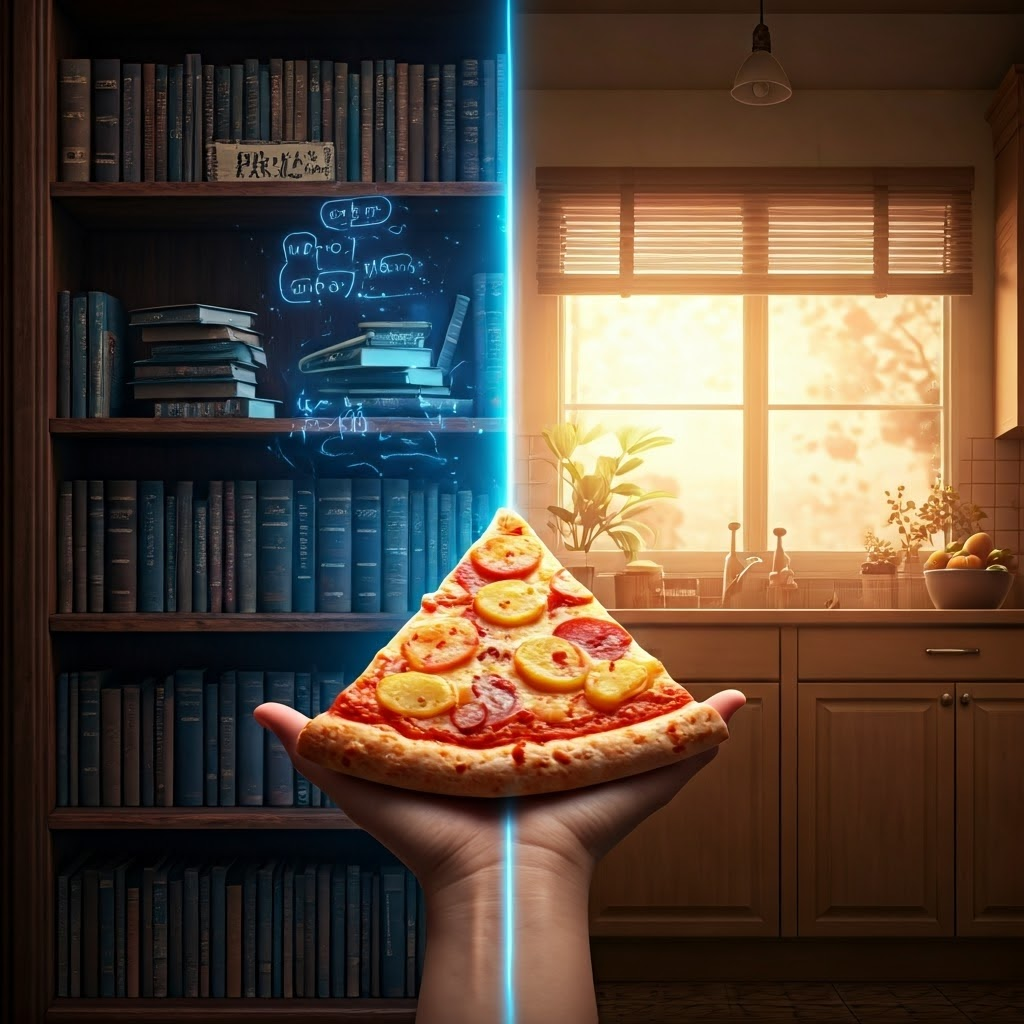
Split-screen illustration contrasting a fact-filled bookshelf with a warm kitchen memory, linked by a pineapple pizza slice held in the center, showing how semantic and episodic memories connect.

Semantic memory forms your quiet library of facts: Paris is France’s capital, 2+2 equals 4, or what a bicycle is. You know these truths without recalling the lesson where you learned them.

The two systems constantly cooperate. Knowing what pizza is draws on semantic memory, while a topping preference stems from an episodic moment—maybe a cousin shared pineapple at a birthday.
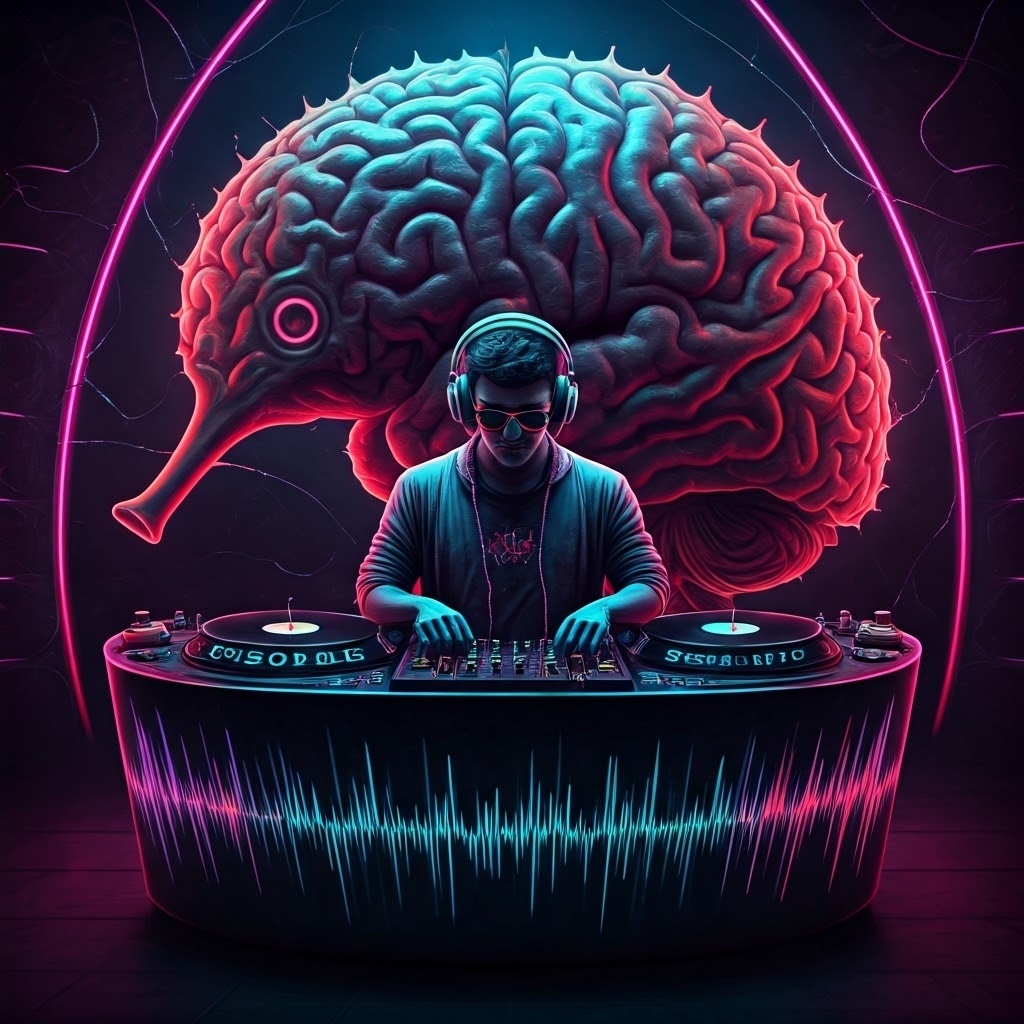
Neon-lit DJ booth shaped like a seahorse brain mixing vinyl records labeled Episodic and Semantic, symbolizing the hippocampus blending personal and factual memories.

The Hippocampus: Your Brain’s Remix Artist

Deep inside your brain, the hippocampus—shaped like a small seahorse—blends memories like a skilled DJ. When you imagine a new idea, it pulls details from both your story bank and your fact files.

Inventing a pizza recipe? The hippocampus recalls the sweet pineapple slice (episodic) and combines it with knowledge of dough and cheese (semantic). Creativity blooms where these ingredients mix.
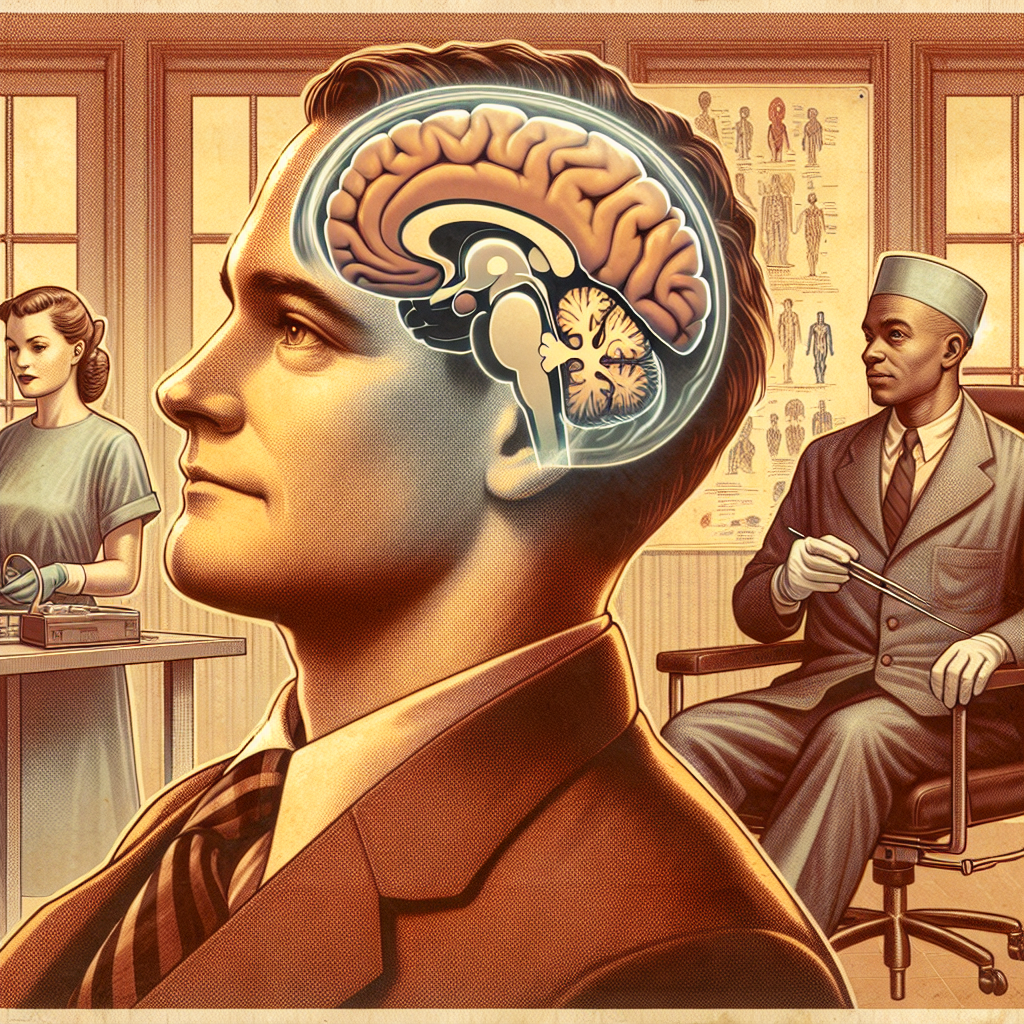
Retro medical illustration of Henry Molaison seated with a highlighted gap in his hippocampus, showing how surgery affected his ability to form new episodic memories.

Lessons from HM and Tulving

Meet Henry Molaison, known as Patient HM. After surgery removed most of his hippocampus, he kept old facts but couldn’t store fresh experiences. He proved the hippocampus is vital for new episodic memories.
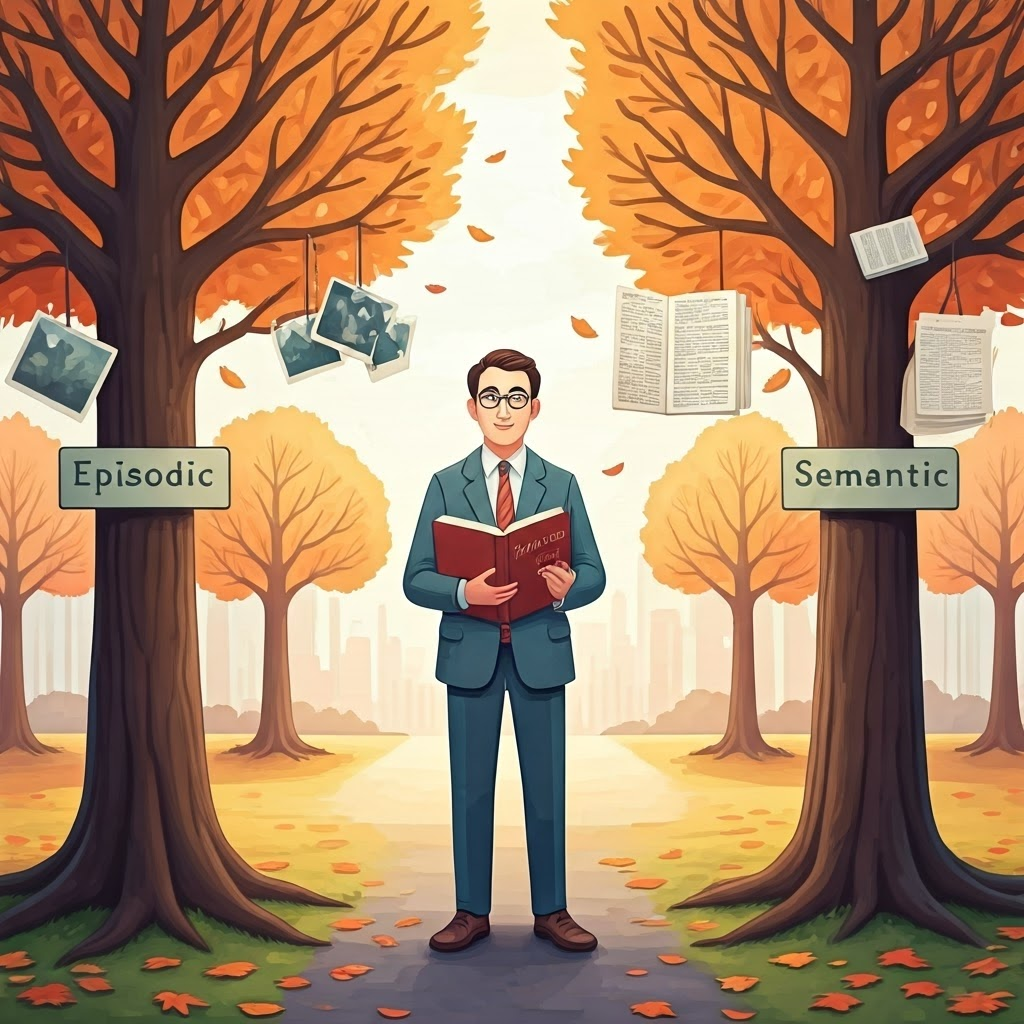
Gentle watercolor of psychologist Endel Tulving beside two trees—one decorated with photos (episodic) and one with dictionary pages (semantic)—explaining his memory theories.

Canadian psychologist Endel Tulving highlighted the split between episodic and semantic memory. You can recall the Pythagorean theorem (semantic) without remembering the exact class where you learned it.

Together, HM and Tulving showed that stories and facts live side by side. Facts enrich stories, and stories make facts stick.
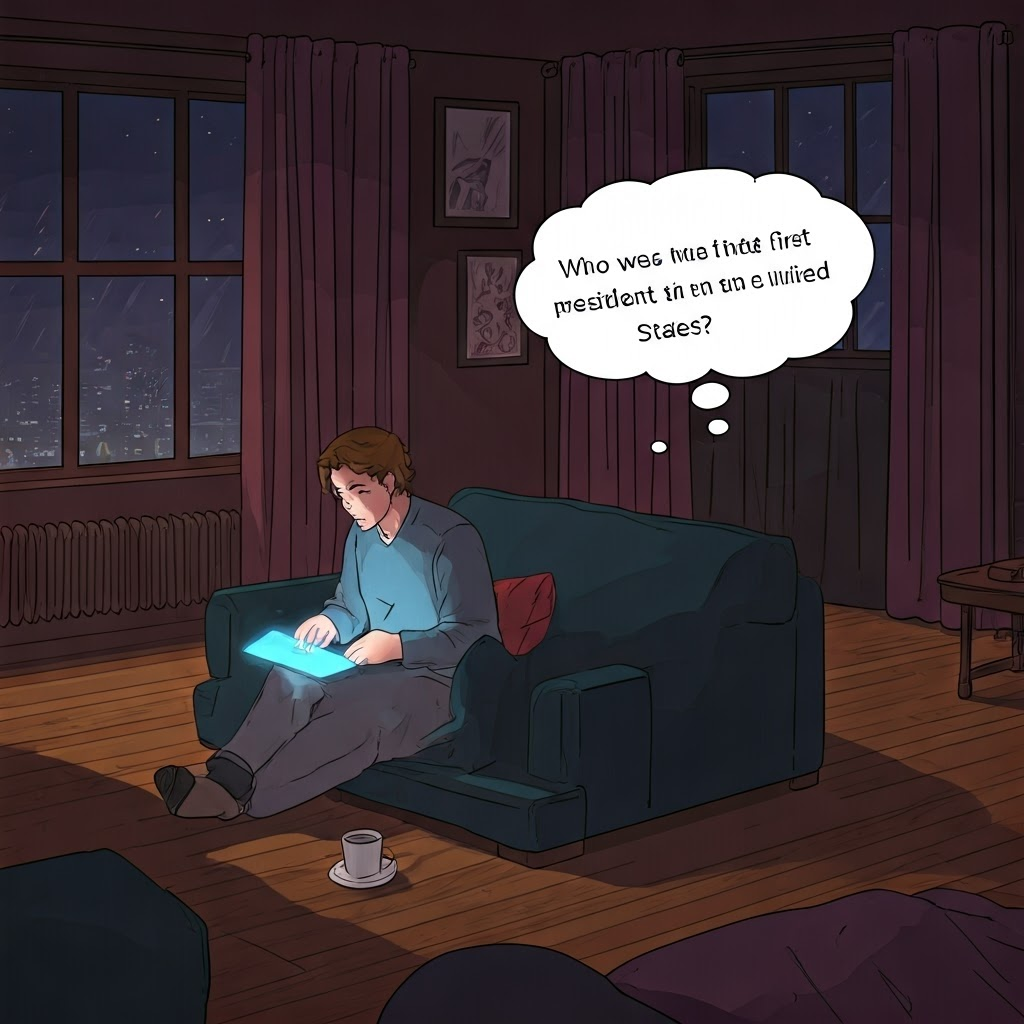
Comic-style scene of a person answering a trivia question on a smart display while remembering meeting someone with the same name, linking semantic and episodic recall.

Spotting Memory in Action

You switch between episodic and semantic memory all day. Answering “Who was the first U.S. president?” taps semantic memory. Telling a tale about meeting someone named George draws on episodic memory.

Pairing new facts with personal stories helps them stick. Imagine the hippocampus as a DJ scratching records; the playful image bonds with the concept.
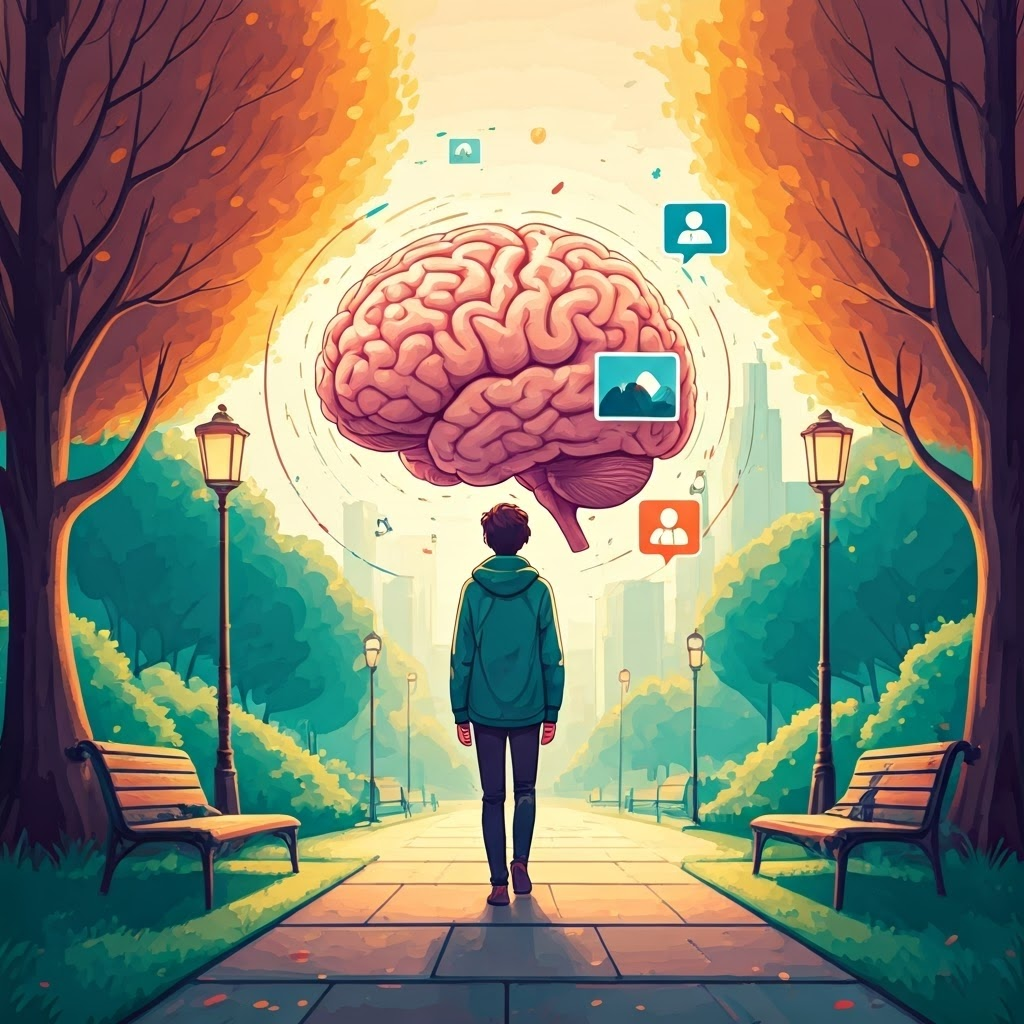
Pastel illustration of a person walking in a park as colorful fact bubbles and photo icons swirl around their head, showing conscious blending of memory types.

Pause during your day and ask, “Am I recalling a fact or a story?” Mixing the two on purpose trains your inner remix artist and sparks creativity.

Facts and stories are the two hands shaping everything you know. Notice them working together, and building new ideas becomes easier.


Tome Genius

Neuroscience of Creativity

Part 5

Tome Genius

Cookie Consent Preference Center

When you visit any of our websites, it may store or retrieve information on your browser, mostly in the form of cookies. This information might be about you, your preferences, or your device and is mostly used to make the site work as you expect it to. The information does not usually directly identify you, but it can give you a more personalized experience. Because we respect your right to privacy, you can choose not to allow some types of cookies. Click on the different category headings to find out more and manage your preferences. Please note, blocking some types of cookies may impact your experience of the site and the services we are able to offer. Privacy Policy.
Manage consent preferences
Strictly necessary cookies
Performance cookies
Functional cookies
Targeting cookies

By clicking “Accept all cookies”, you agree Tome Genius can store cookies on your device and disclose information in accordance with our Privacy Policy.

00:00