
How Memories Begin: The Brain’s First Steps

Our minds capture countless experiences each day. A few become stories we can recall, while most fade quietly. Understanding why some moments last begins with seeing how the brain files them away.
Moments That Stick: Types of Memory
Your day is filled with moments. Some stay vivid while others vanish. The brain sorts them into two groups: declarative memories and non-declarative memories.
Declarative memories cover facts and events you can describe—like yesterday’s lunch or last year’s champion team. When you recall your first bike ride, the smell of fresh grass and that scraped knee, you tap into this system.

Non-declarative memory works quietly in the background. It guides routine actions—tying shoes, riding a bike, or typing your phone code—without conscious thought. You may forget a new neighbor’s name, yet your hands still open your front door. In amnesia, people might lose recent conversations but still play the piano with ease.
The Hippocampus: Your Brain’s GPS
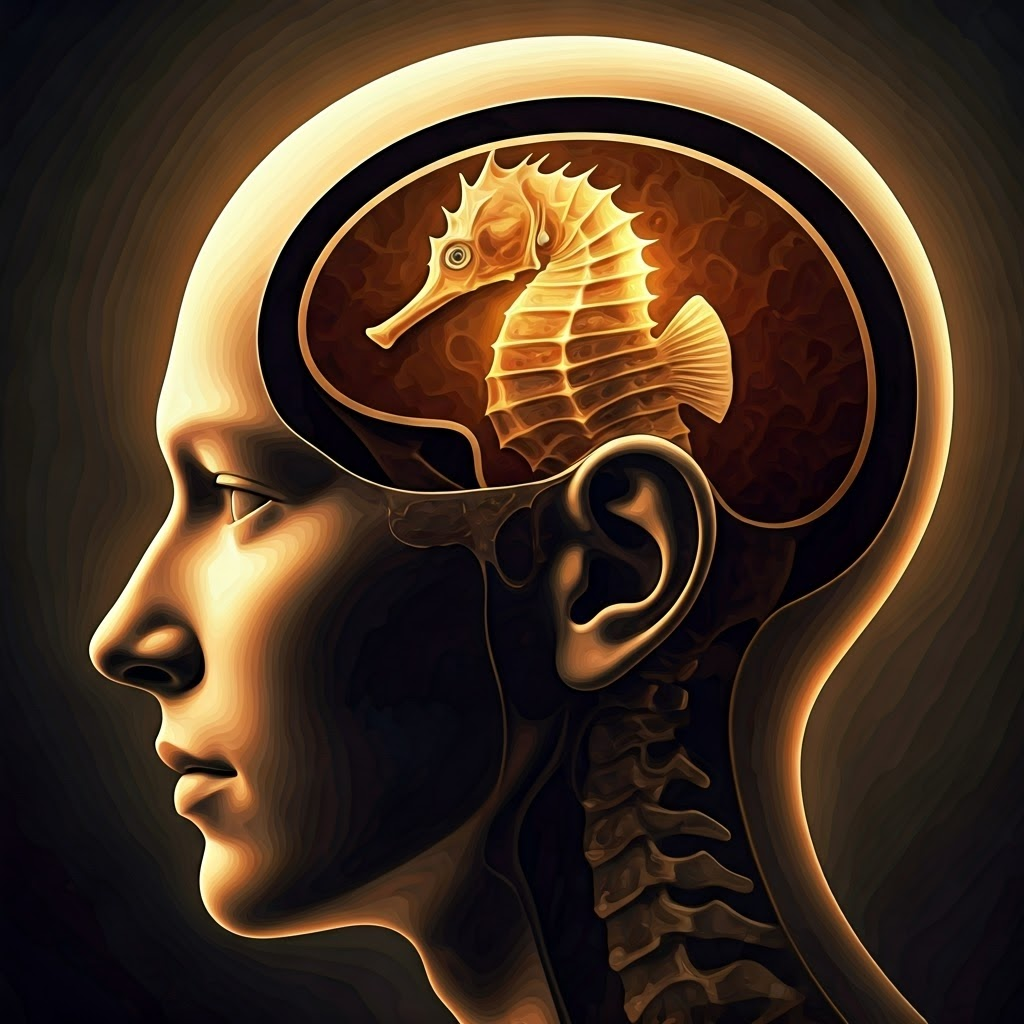
Nestled above your ears sits the hippocampus—your brain’s internal map-maker. When something important happens, this small seahorse-shaped region tags the details so you can find them later.

Place cells inside the hippocampus fire when you enter or imagine a specific location. Walking into your favorite café, they note the aroma, the counter’s shape, and your usual seat. London taxi drivers, who master a vast maze of streets, show enlarged hippocampi. Damage here can leave a person lost even on familiar roads.

From Senses to Storage: The Encoding Process
Building a memory starts with encoding. When you bite a tart apple, taste, crunch, and color flood your senses, creating a vivid snapshot.

Your senses gather raw input and drop it into temporary storage—like unloading groceries onto a table. The hippocampus sorts the pile, choosing what to keep. Surprising, emotional, or meaningful moments get priority. Repetition or linking new facts to what you already know also helps snapshots stick. Distraction, however, lets details slip away.
Why Some Moments Last (And Most Fade)
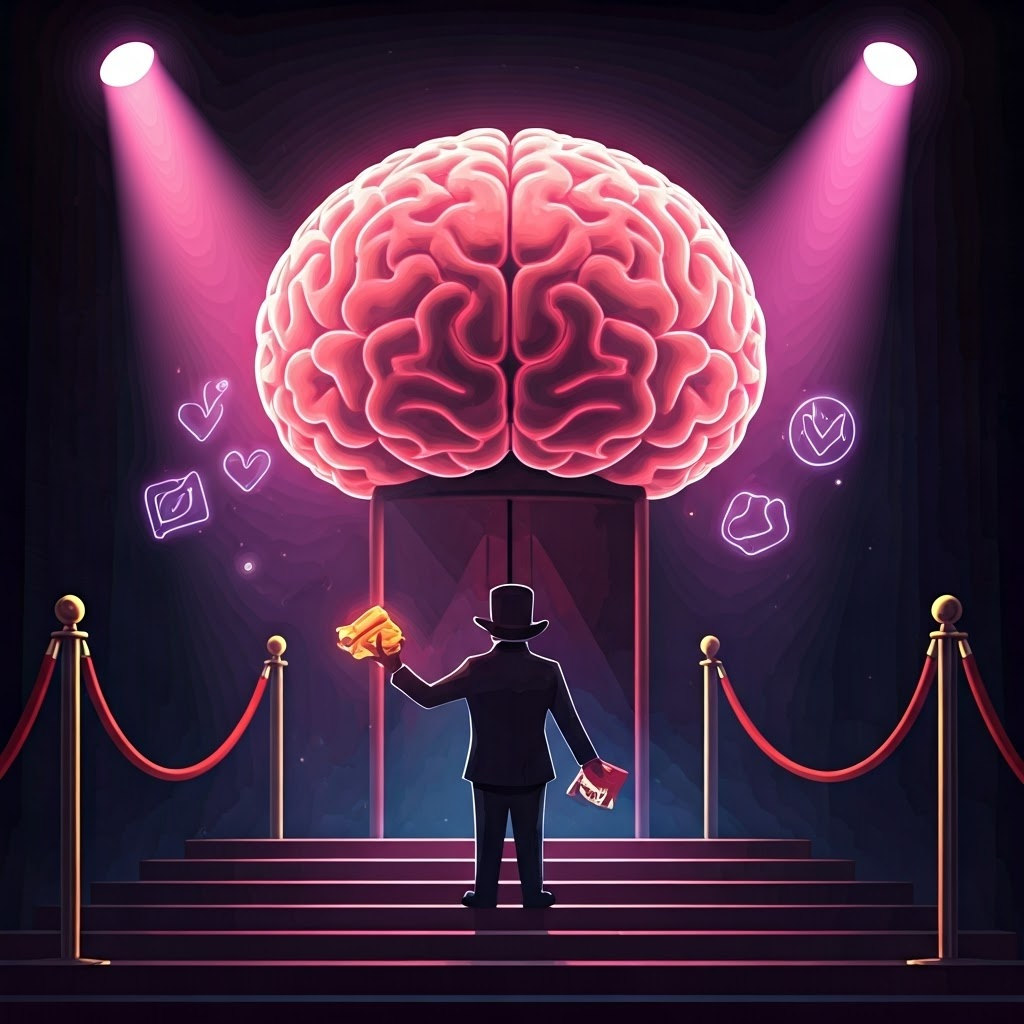
Memory acts like a club bouncer. Emotional events, striking smells, and novel scenes get past the rope. Routine details usually do not. You remember your first day at work but forget lunch from three weeks ago.

Neuroscientist Eric Kandel likens memory to a sandcastle. Initial waves shape it; revisiting and reinforcing keep it standing. Without reinforcement, memories wash away.

Senses and the First Steps of Lasting Memory
Your senses hand information to the hippocampus, which decides what stays. Clear, meaningful, and emotionally charged inputs have the best chance of lasting. Focus on how something looks, smells, or feels when you need to remember—it is like writing a note to your future self.
Sometimes you recall a moment because it is special; other times because you tried. The rest fade quietly—and that is how your brain keeps moving forward, one memory at a time.
