
Why We Remember: The Power of Shared Stories
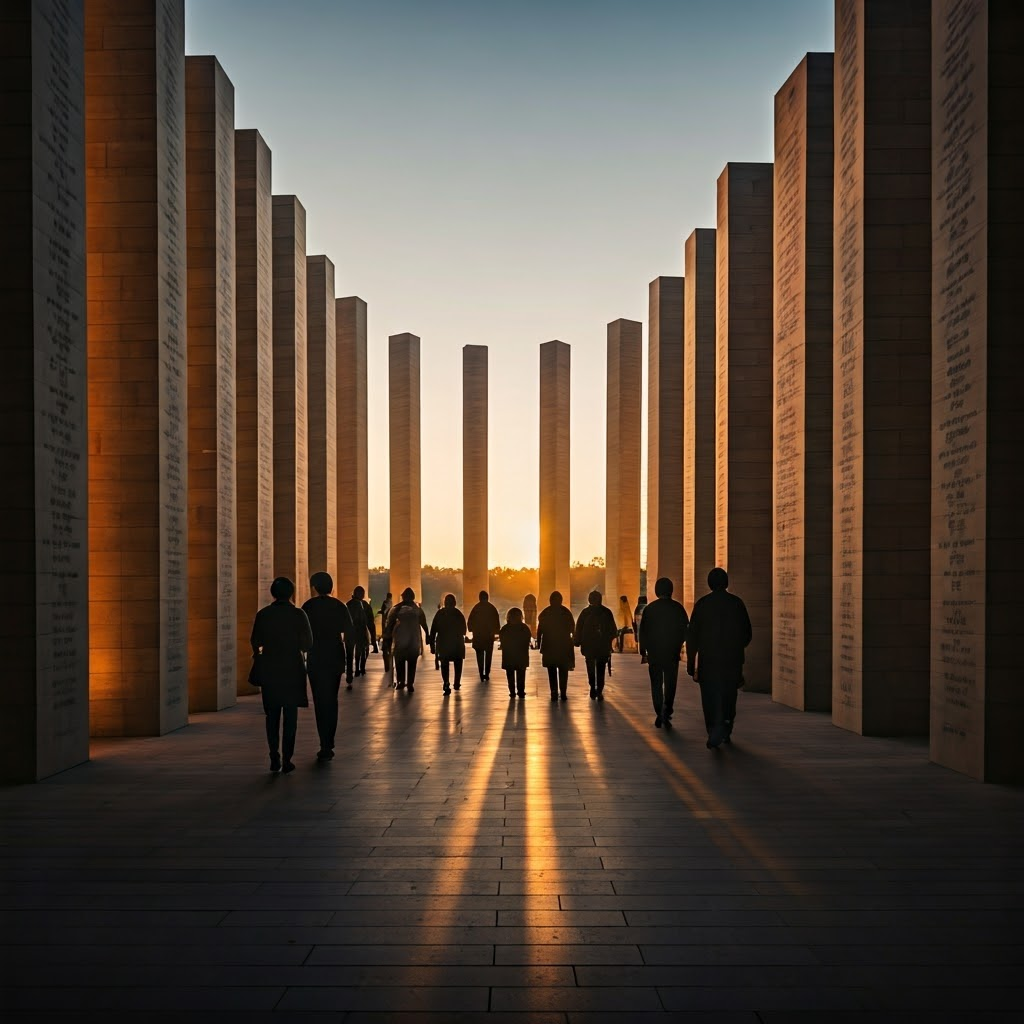
Memorials and Museums: Building Memory in Stone and Story
When you step into a World War II museum or pause before a memorial, the space gently guides your feelings. These places act like physical storytellers. They decide which moments to spotlight, which objects to reveal, and which truths to let rest in silence. Memorial spaces shape emotions.
Take the National World War II Memorial in Washington, D.C. Stone pillars circle a pool, each one named for a U.S. state or territory. Visitors stand, reflect, and remember. In Berlin, the Memorial to the Murdered Jews of Europe offers a maze of gray slabs that presses the weight of loss upon you. Design choices carry meaning.
Over in Hiroshima, the Peace Memorial Museum reminds everyone of the atomic bomb’s aftermath. Each country selects the story it wants to share. The structure, the lighting, and even the walkways guide how you feel. National narratives emerge through architecture.
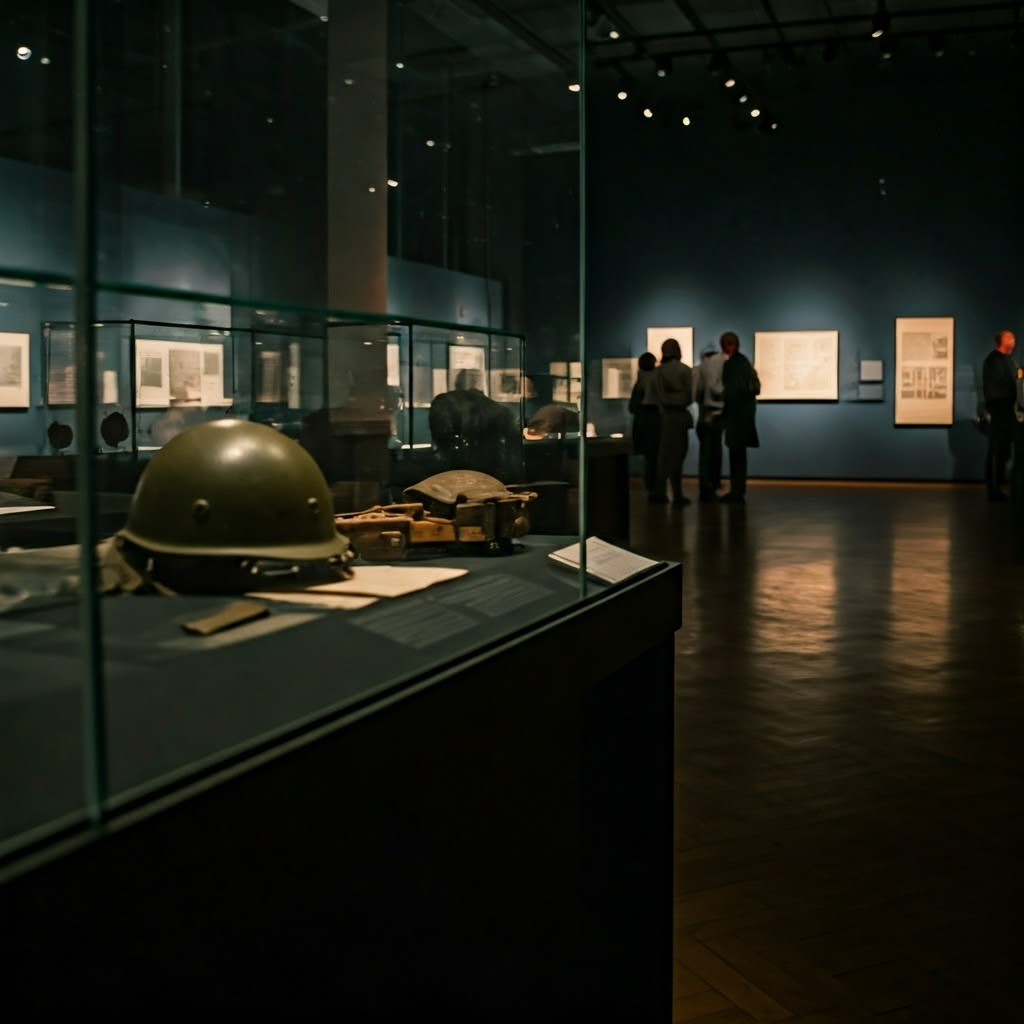
Museums also highlight ordinary lives, not just famous battles. A child’s toy or a handwritten letter can linger in your mind longer than any statistic. If curators skip certain voices, entire generations may never learn those stories. Selective memory affects what endures.
Veterans’ Voices: Stories That Refuse to Fade
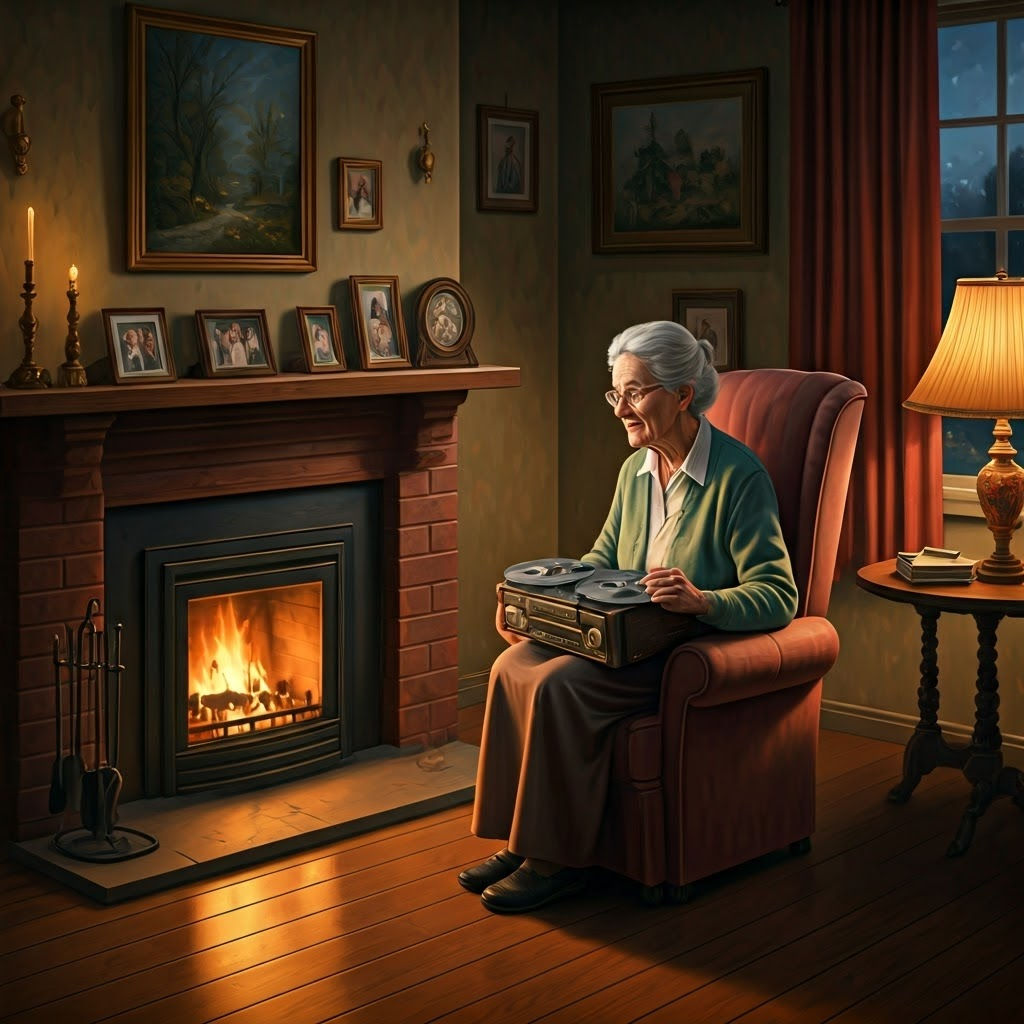
History books list dates, yet veterans’ words give those dates a heartbeat. Picture a ninety-year-old describing cellar nights during air raids or the taste of army rations in a ruined city. Personal accounts turn facts into felt experiences. Oral history keeps hearts engaged.

Fearing their stories might vanish, veterans began recording them. Projects like the U.S. Library of Congress’s Veterans History Project and the Shoah Foundation have saved thousands of interviews. A single letter or foxhole joke can teach more than a textbook. Recorded memories preserve nuance.
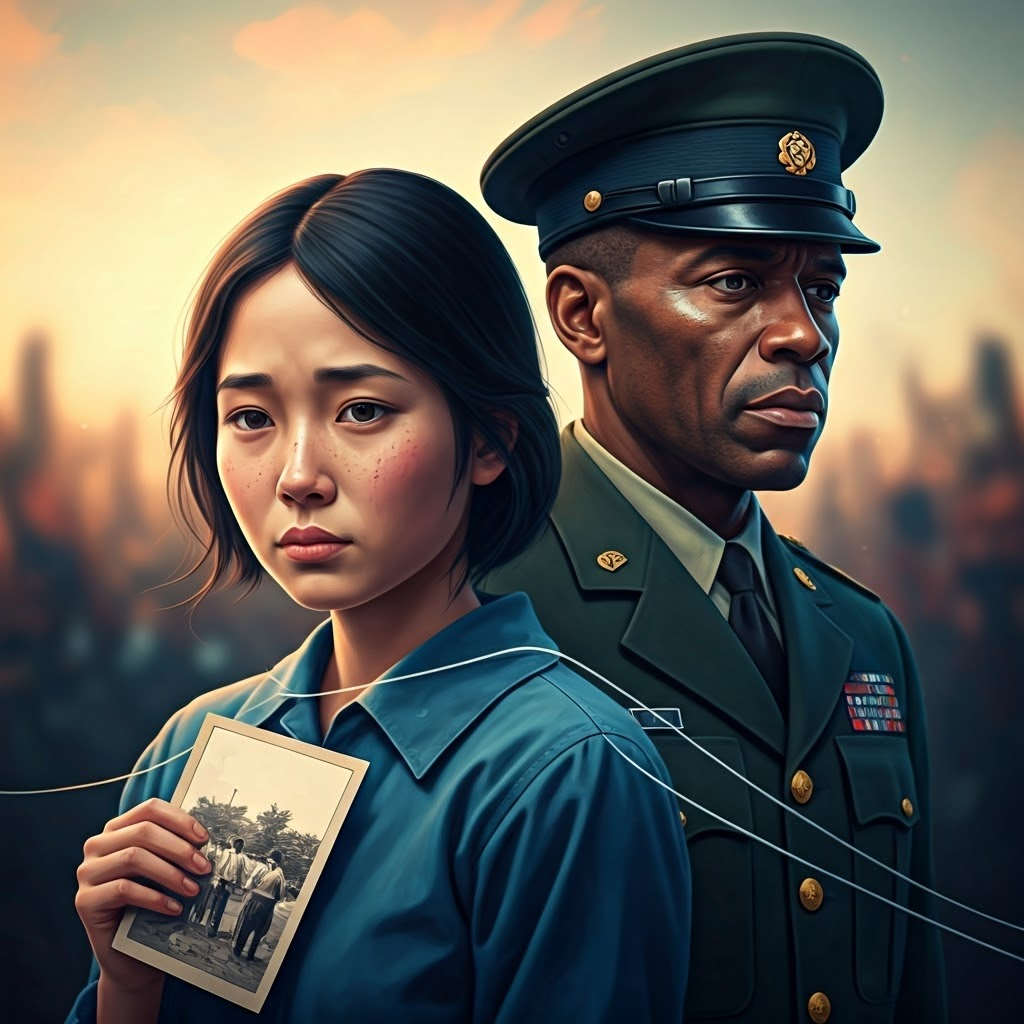
These voices carry fear, hope, guilt, and relief. Stories from Japanese American internees or African American soldiers open new windows on the past. Sometimes they challenge official tales; sometimes they confirm them. Lived emotions add depth to history.
Commemoration and Community: Remembering Together
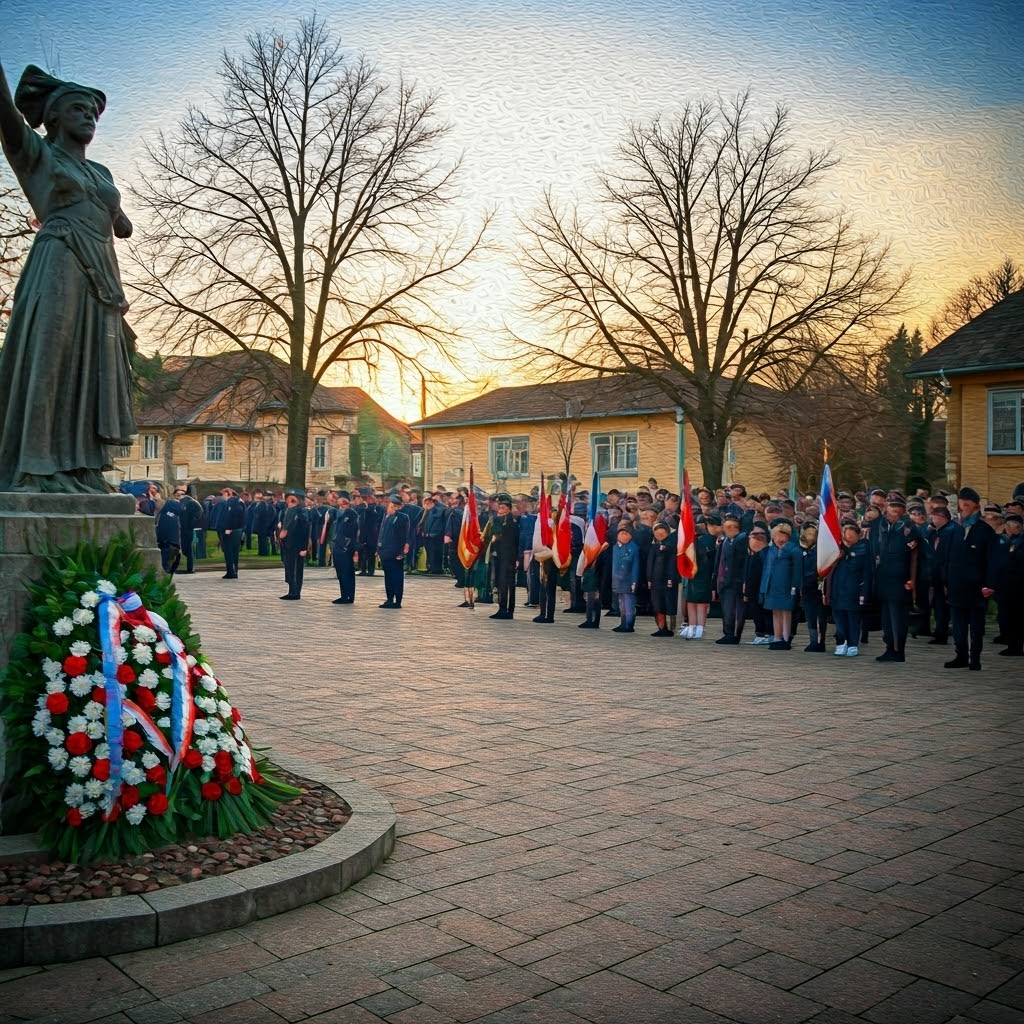
Public ceremonies like Memorial Day in the U.S. or Remembrance Sunday in the U.K. knit people to the past. Watching veterans march or children sing old songs fosters belonging. Yet debates arise—who speaks, which flag flies, or whether former enemies attend. Shared rituals shape identity.
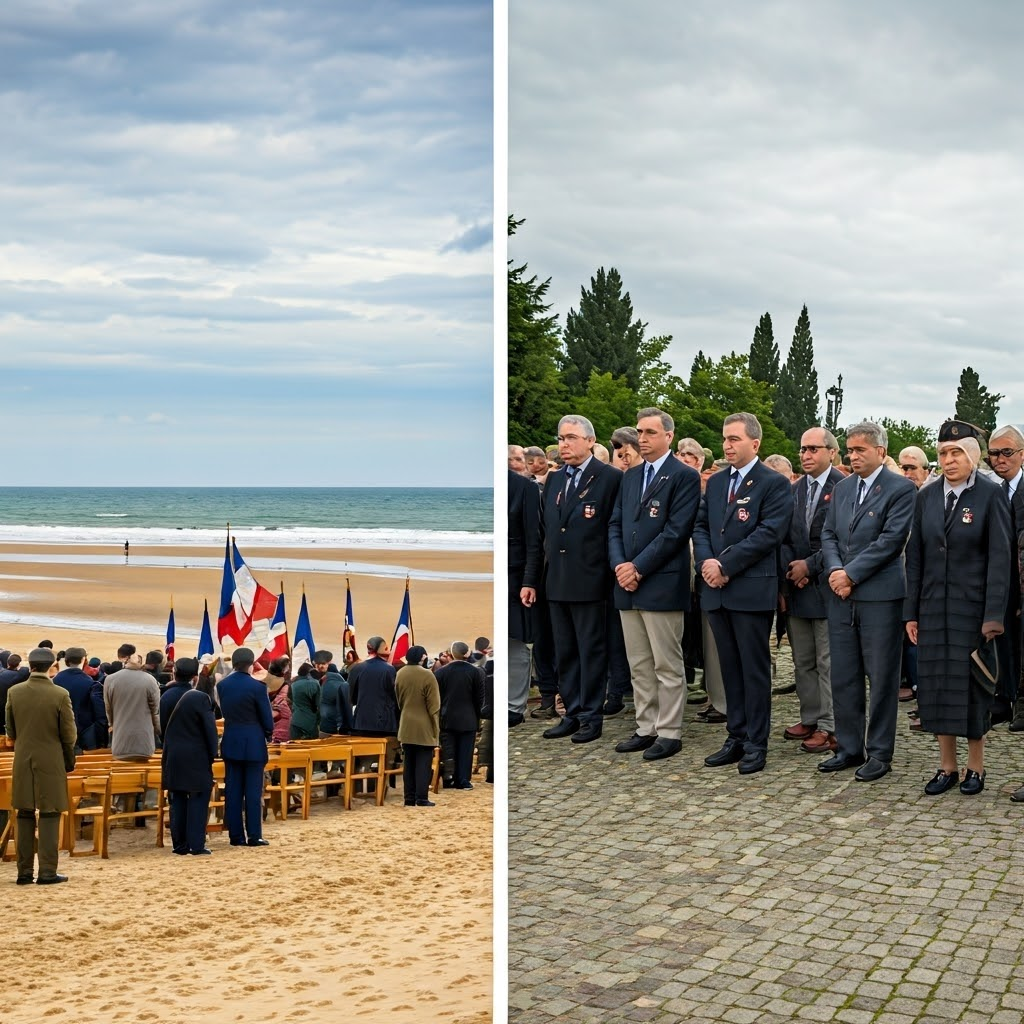
Communities remember the same events differently. France celebrates D-Day as liberation, while parts of Eastern Europe recall occupation. These contrasts reveal national values. Even with disagreement, gatherings build unity. Diverse memories coexist.
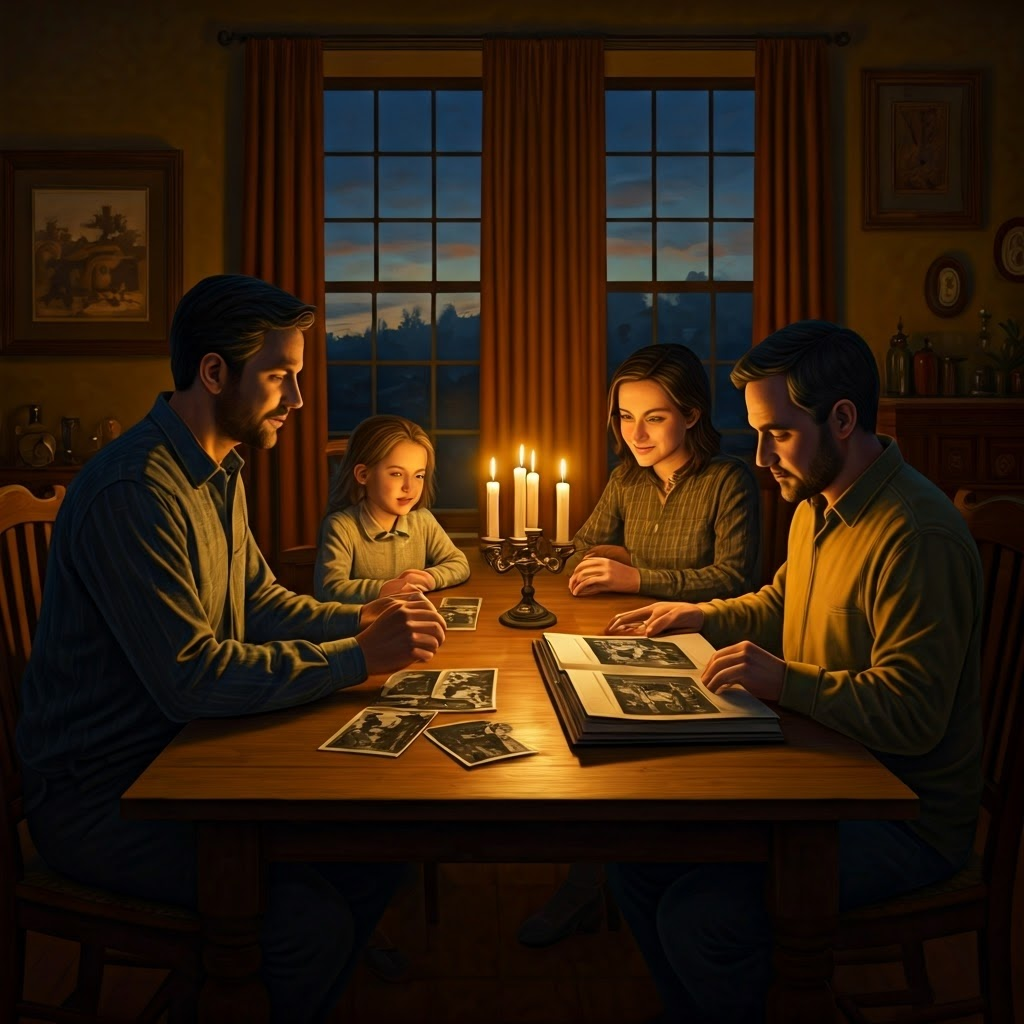
Not all remembrance is official. Families share stories over dinner or light candles at home. A single photo can spark a tale of a lost uncle. This repetition turns collective memory into something personal. Home rituals keep lessons alive.
Why Shared Stories Matter
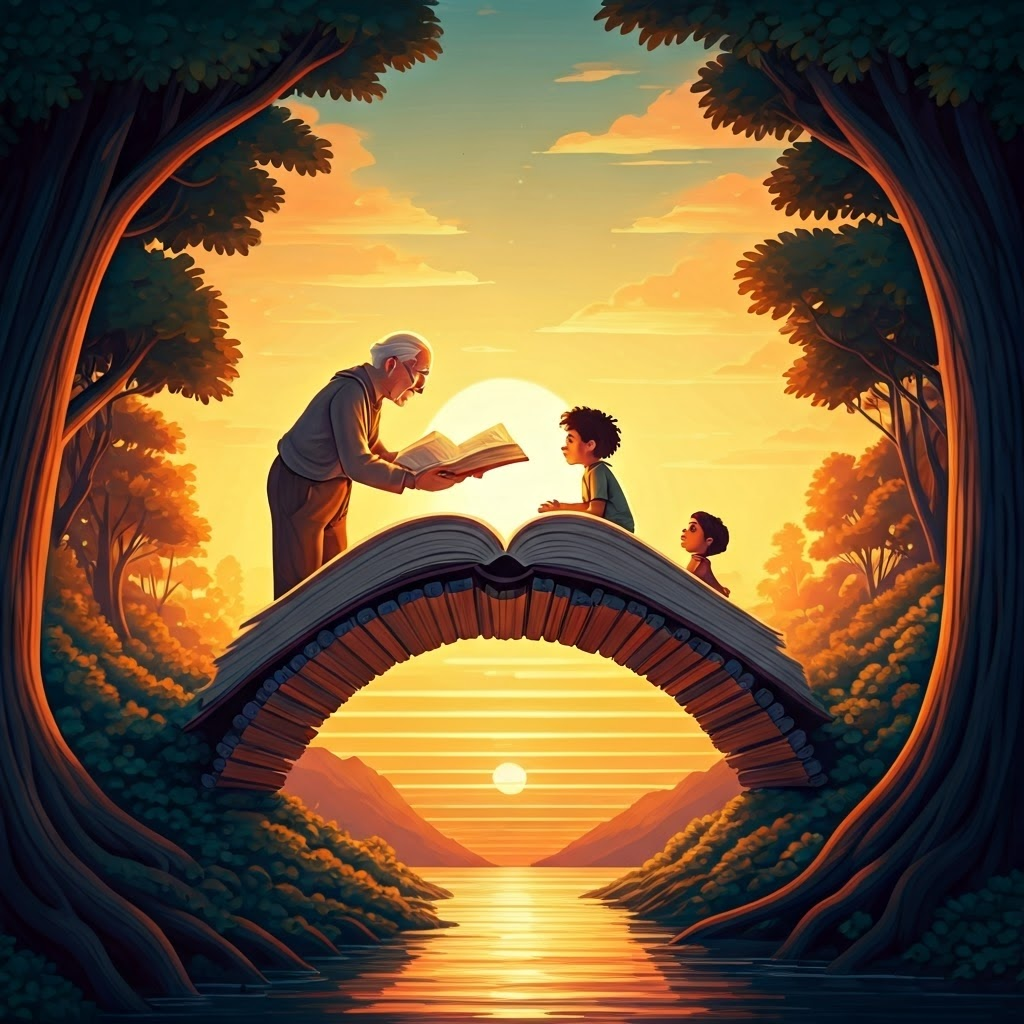
Shared World War II stories do more than record facts. They build bridges across generations, warn against unchecked hate, and highlight everyday bravery. Museums offer the big picture; personal accounts fill in the human details. Bridging narratives guide values.

Remembering is a choice. It shapes who you become and how the future judges the past. These shared stories quietly influence what you value, question, and hope for tomorrow. Active remembrance keeps us connected, curious, and a little wiser.
