
When Physics Hit a Wall: The Birth of the Quantum

The World Before Quantum
Imagine you’re looking at a streetlamp. The light it casts, the warmth you feel, and the red coils inside a toaster all trace back to classical physics—rules from the 1700s and 1800s that treated nature as smooth and predictable.
If you know a baseball’s position and speed, those old rules say you can calculate exactly where it will be later. The universe looked orderly, almost clock-like.

Energy seemed continuous—like pouring water or spreading butter. Math let scientists divide it endlessly, just as a string can be snipped into ever-smaller pieces.
Light fit the same picture. It behaved as a wave, rippling smoothly with no grains or gaps. Equations from Newton and Maxwell matched every test they faced, so few people doubted them.
The Black-Body Mystery
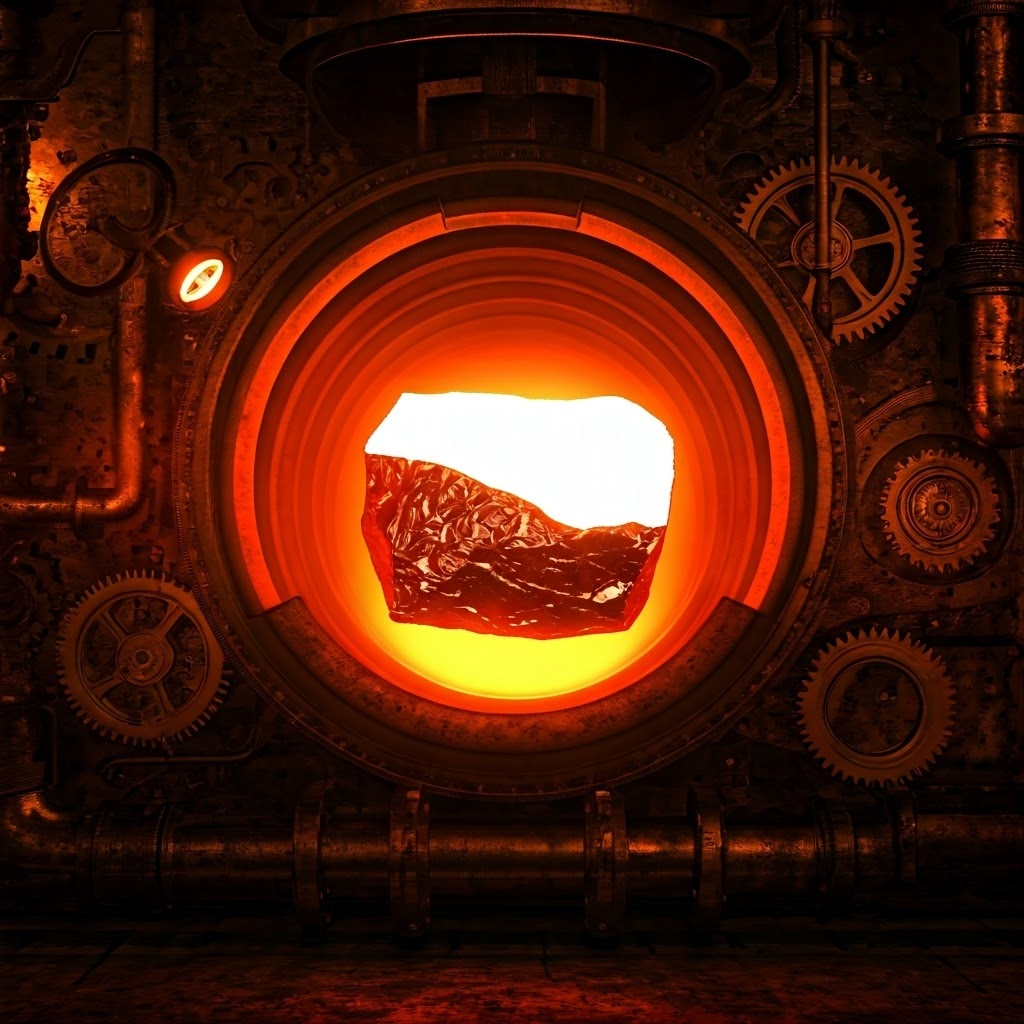
Heat a piece of metal. First it glows red, then orange, then white. Physicists call an ideal version a black body—an object that absorbs and emits light perfectly.
Classical math said hotter objects should pour out endless energy at shorter wavelengths, predicting an ultraviolet catastrophe with infinite blue and violet light.

Yet real ovens never blaze with limitless violet. Experiments showed a precise curve: plenty of red, some yellow, little blue. Data refused to match the old equations, exposing a glaring flaw.
Checkpoint
Why doesn’t a hot object shine with infinite energy? Remember the black-body problem—classical theory predicts it, reality does not.
Planck’s Leap: Energy in Chunks
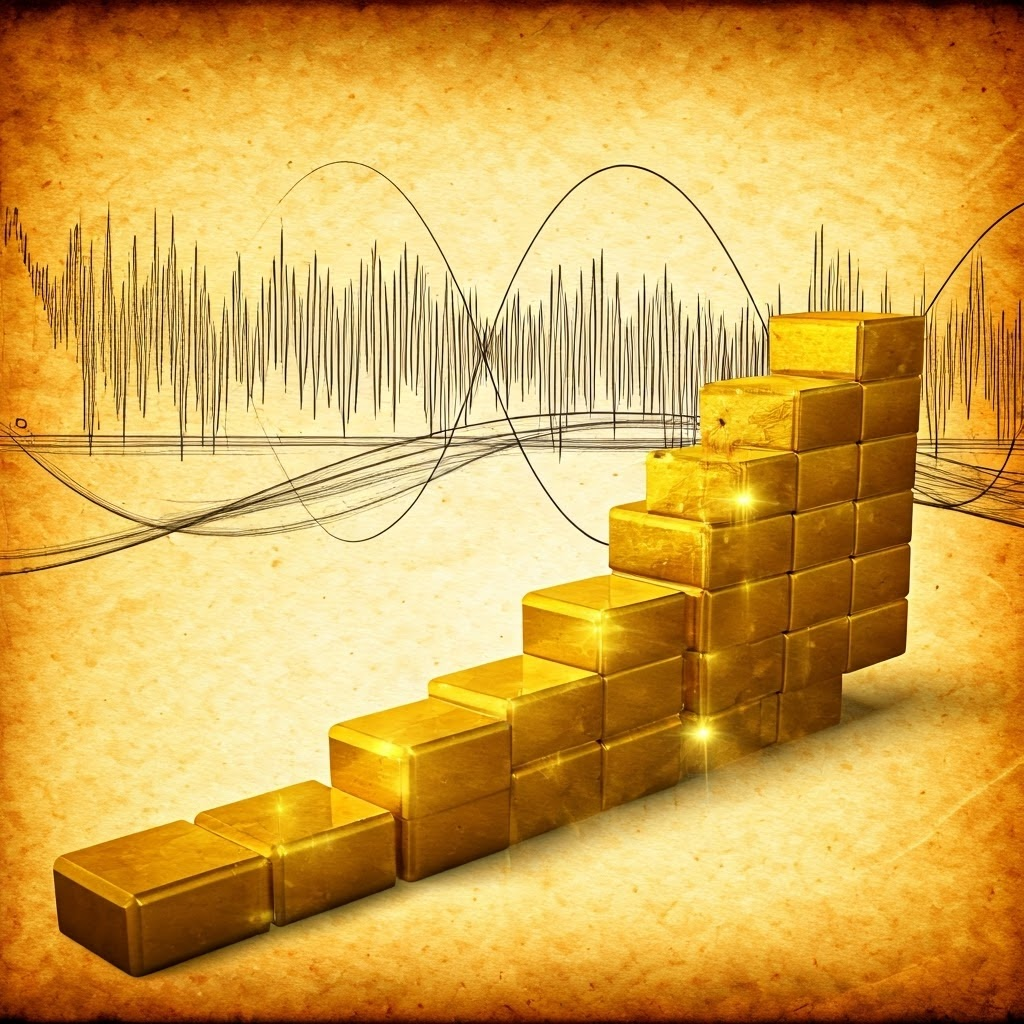
In 1900, Max Planck made a bold move. He proposed that energy comes in discrete packets—quanta—much like coins instead of sand. Each packet carries , where is Planck’s constant.

Planck’s constant ( J·s) is tiny, so steps are invisible in daily life. On atomic scales, though, these steps shape every interaction.
Analogy
Paying with cash, not sand, captures quantization. You can hand over one coin or two, but never 1.6 coins—nature insists on minimum payments.
Why It Shocked Everyone
Planck treated quanta as a stopgap, expecting smoother math to return. Many colleagues agreed—waves and continuous flows felt safer.
Experiments, however, backed the quantum view. The stepped model fit every black-body curve, forcing physicists to rethink their foundations.

The shock ran deep. Planck’s constant crept into future formulas, from Einstein’s photon work to Bohr’s atom. That single insight opened a path leading to lasers, computers, and our modern grasp of light.
Checkpoint
Whenever someone claims nature is perfectly smooth, recall the quantum—energy arrives in tiny, indivisible packets. Planck’s leap started a revolution physics still rides today.
