
Safe Havens in Changing Times
Scene Setting
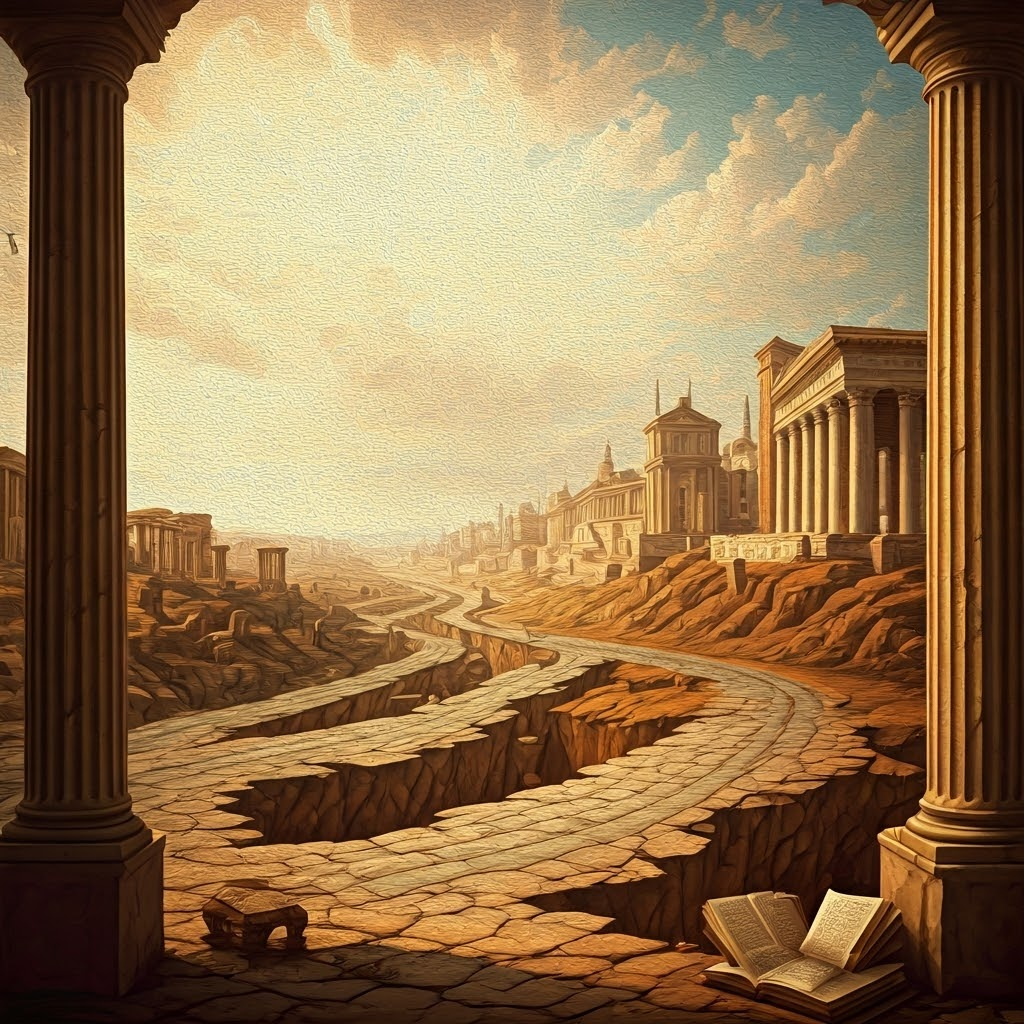
When the Roman Empire began to fade, Europe entered a time of unease. Central power waned. Roads crumbled, cities shrank, and survival became tough. In this chaos, saving old texts seemed less urgent than daily survival. Yet monasteries took on this challenge.
This is where monks came in. They didn't just pray; they spent long hours copying ancient manuscripts that might have disappeared otherwise. These devoted scribes guarded everything from philosophy to science, keeping knowledge alive.

Think of monasteries as small, out-of-the-way communities. They stood in quiet areas, safe from wars. In such disciplined places, writings from earlier cultures found shelter. Monks copied countless works—history, math, medicine, even puzzles—by hand.
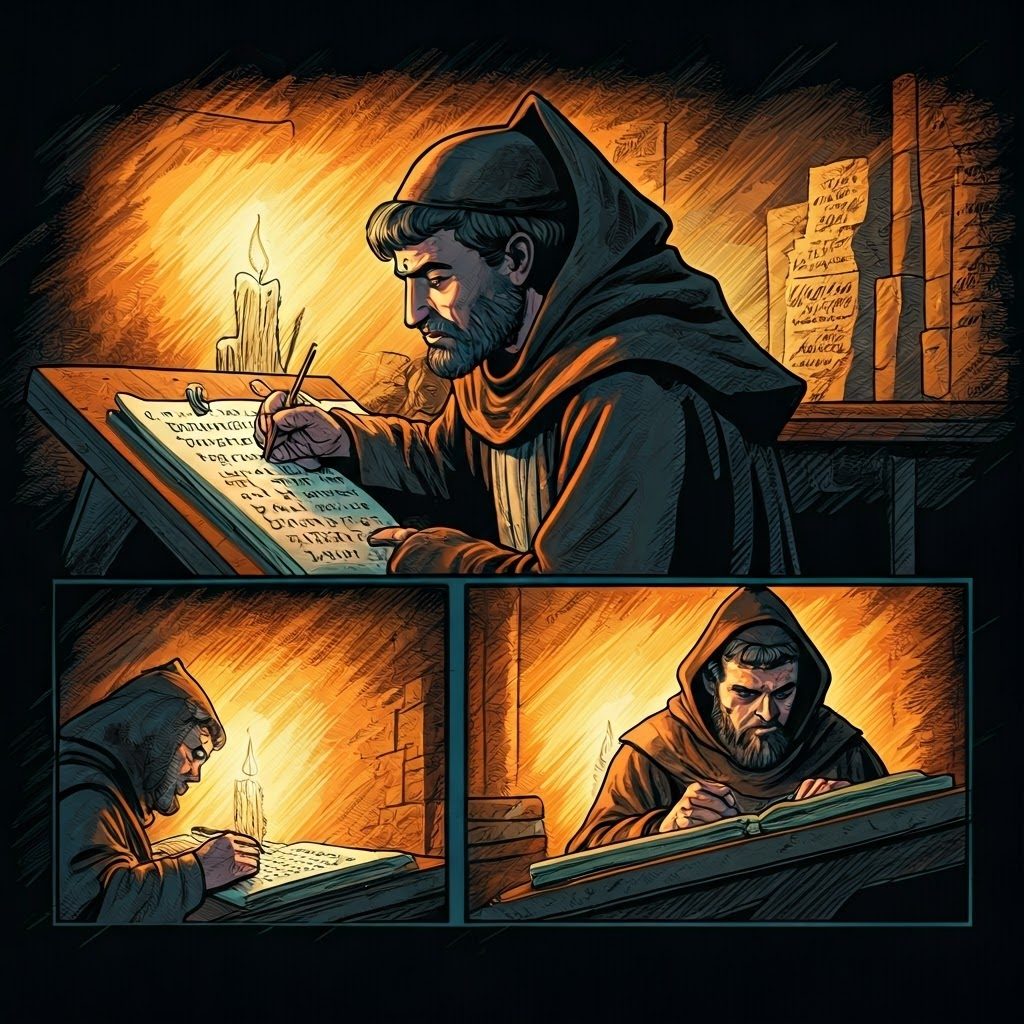
Imagine a scribe hunched over, line by line, sometimes by faint candlelight. One misstep meant starting over or scraping ink off parchment. Such careful, patient work kept knowledge safe, even in dim scriptoria.
Without these scribes, rich ancient wisdom could have vanished. But why did monks also copy math or medicine, not just religious texts? The answer lies in how monasteries viewed reading and writing as sacred duties.
Guarded Shelves in Monasteries
In their eyes, copying manuscripts was an act of service and devotion. They believed knowledge—in any field—benefited their community. Monks also wrote notes in margins, clarifying tough parts or expanding on ideas. They preserved and enhanced what they copied.
That's how places like Monte Cassino in Italy or Lindisfarne off England’s coast became major learning hubs. At Saint Gall in Switzerland, monks stored texts on medicine, agriculture, and more. They healed the sick and improved farming by using classic Roman ideas.

Each monastery developed its own style, shaped by local culture and the monks’ specialties. Some focused on Scripture, others on fields like astronomy or medicine. This variety let medieval knowledge grow in diverse ways, ensuring it didn't stagnate.
Communities Shaping Future Thought
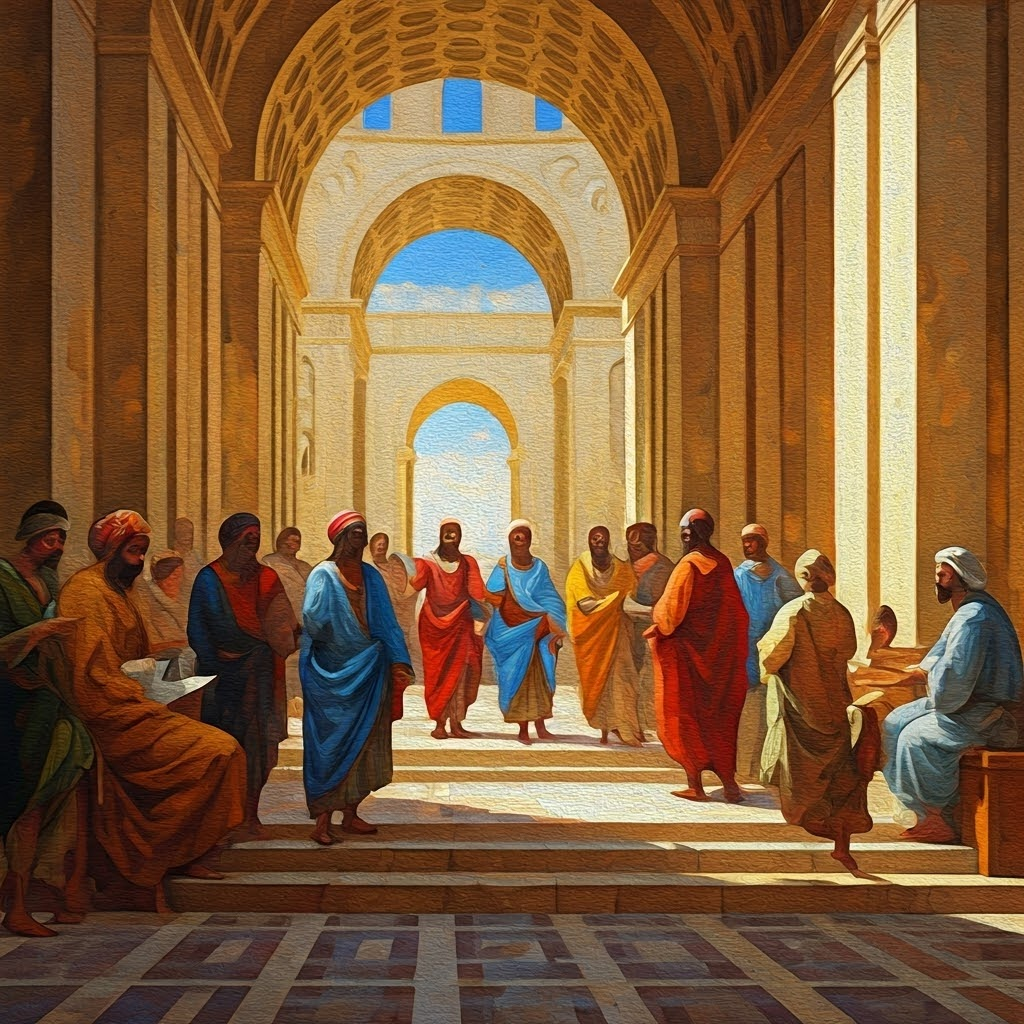
But these monasteries weren’t alone. Across the Mediterranean, places like Baghdad, Damascus, and Cordoba thrived under rulers who valued learning. These scholars built large libraries for Greek, Roman, Persian, and Indian texts.
They did more than just copy. They translated works into Arabic, debated them, and added new insights. This intellectual bloom—often called the Islamic Golden Age—pushed astronomy, medicine, and philosophy forward.
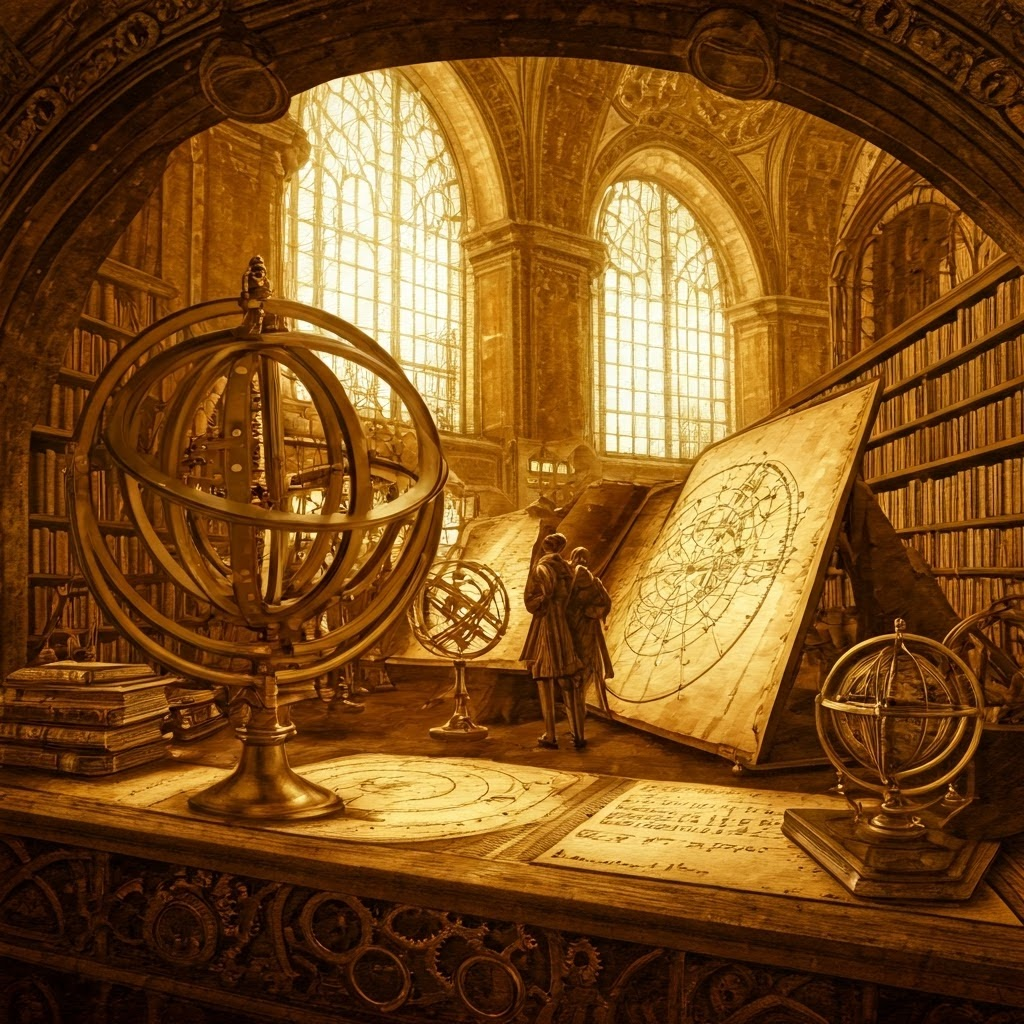
Baghdad’s House of Wisdom (Bayt al-Hikma) was a famous example. Built in the 9th century, it united diverse minds to translate key works. New ideas took shape and later flowed back to Europe, sparking future revolutions in science.

Cordoba in Spain is notable, too. Its vast library held half a million books, attracting thinkers from Christian, Jewish, and Islamic backgrounds. They preserved, translated, and debated classical texts, ensuring survival through turbulent eras.

Compare these European monasteries and Islamic learning centers. Both, despite religious and cultural differences, saw the importance of guarding old ideas. Whether in Ireland or Cordoba, they worked quietly yet boldly to keep ancient wisdom alive.
So medieval Europe and the Islamic world became safe havens for knowledge across centuries. Rather than passive bystanders, they bridged past genius with eager minds of the future. Through their careful efforts, even during upheaval, learning endured—and shaped our world.
