
From Parchment to Projection: The Maps That Changed Everything
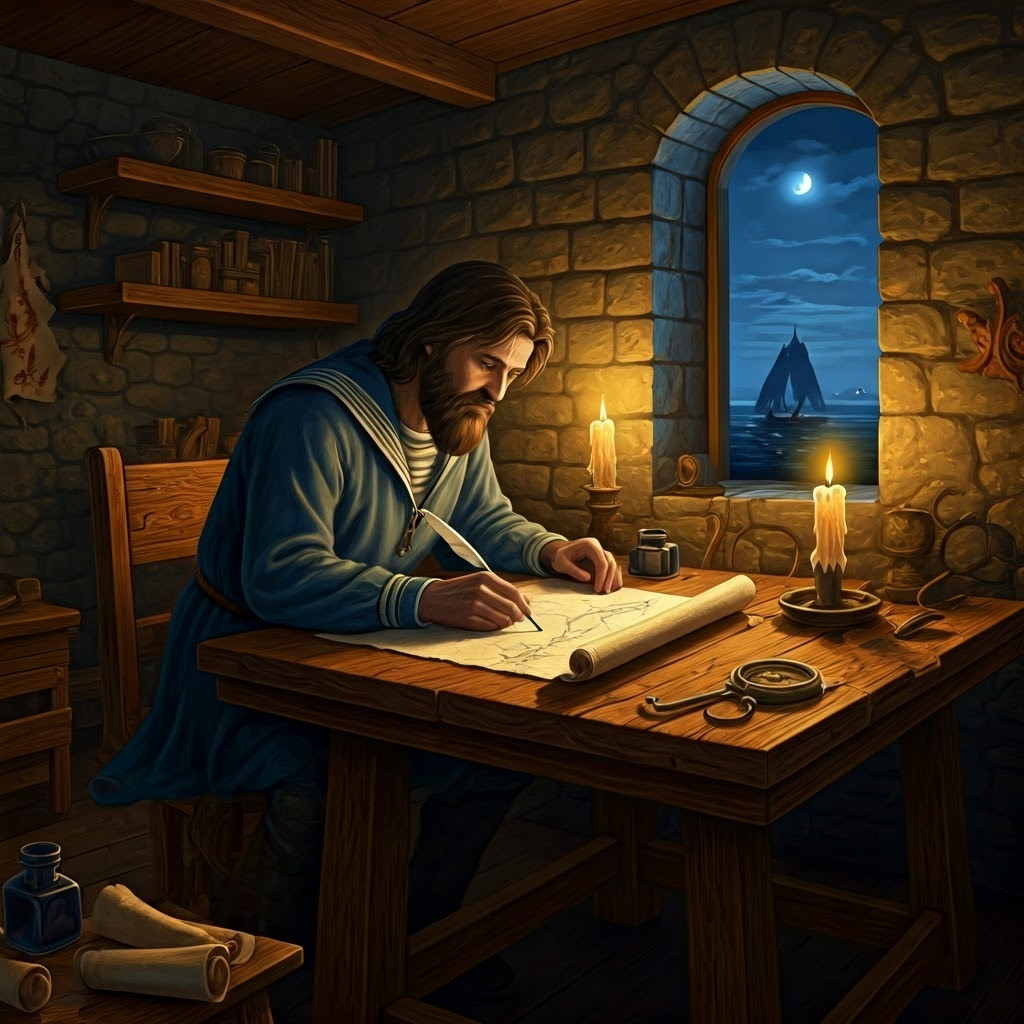
Early mapmakers worked by candlelight, turning bits of coastline and rumor into imaginative scrolls filled with sea monsters. Their beautiful sketches inspired awe, yet offered little help once a ship left sight of land. Guesswork often replaced reliable guidance.
Scribbles to Sea Charts: Early Mapping Tricks
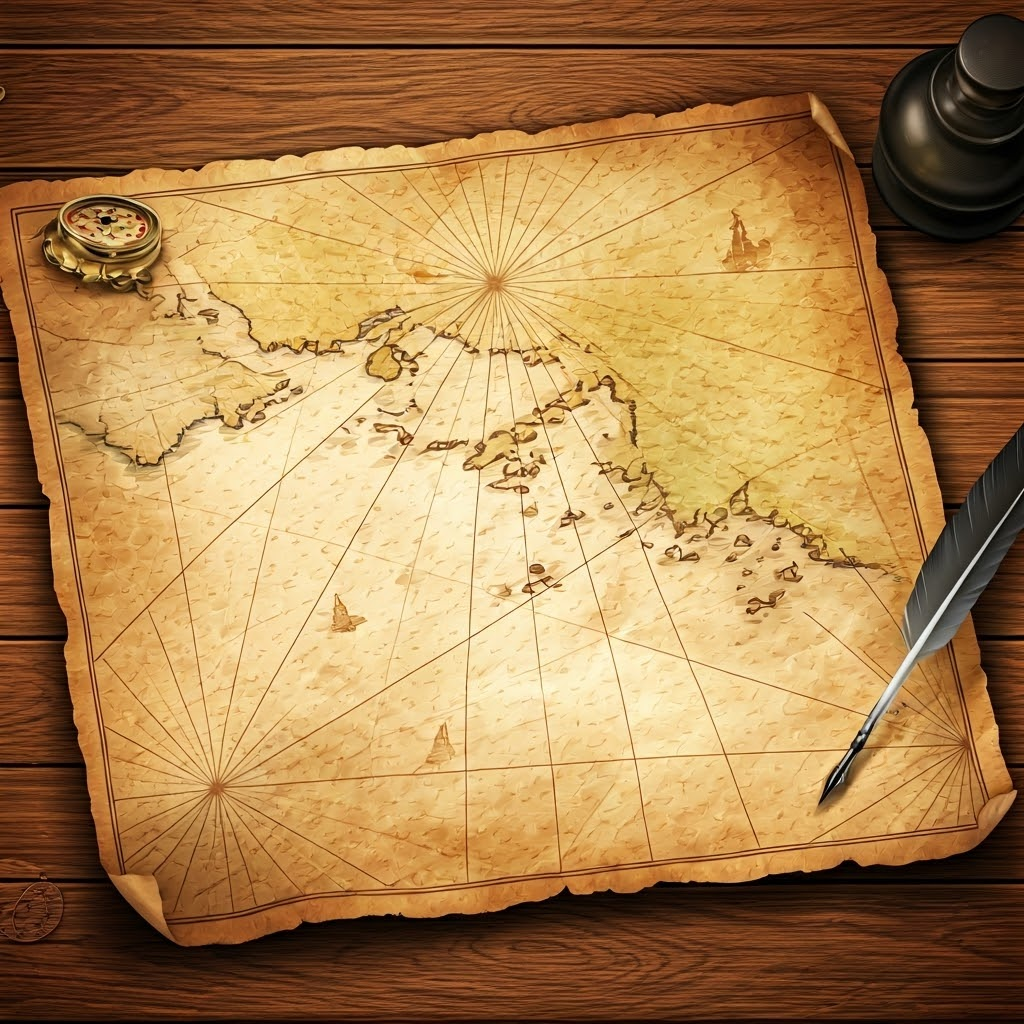
Sailors needed practical tools, not legends. Around the 1200s, Mediterranean mariners created portolan charts that showed real bays, ports, and capes. Straight rhumb lines fanned from ornate compass roses, helping crews follow a heading with new precision.
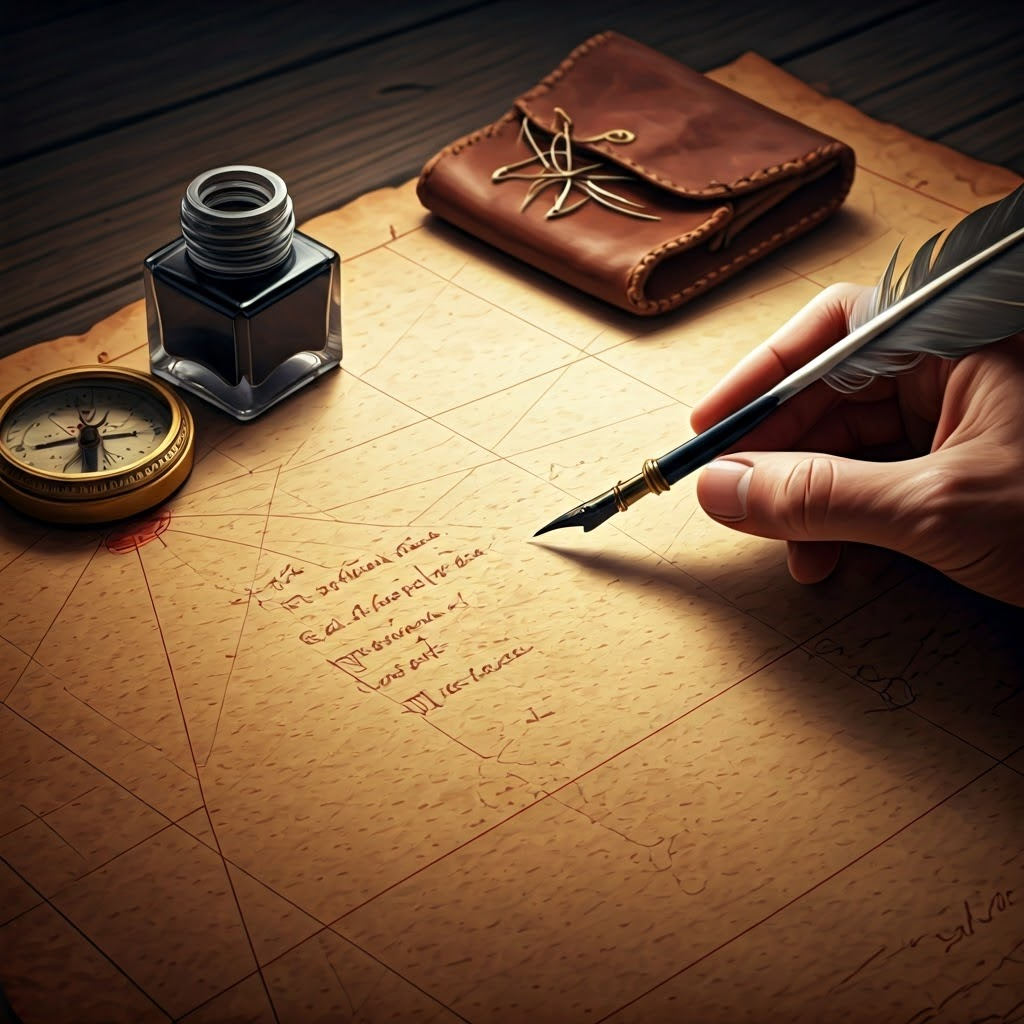
These charts grew from shared experience. Crews copied details, scribbled margin notes, and handed updates along busy trade routes. Collaboration—not royal decree—kept the information fresh and useful.
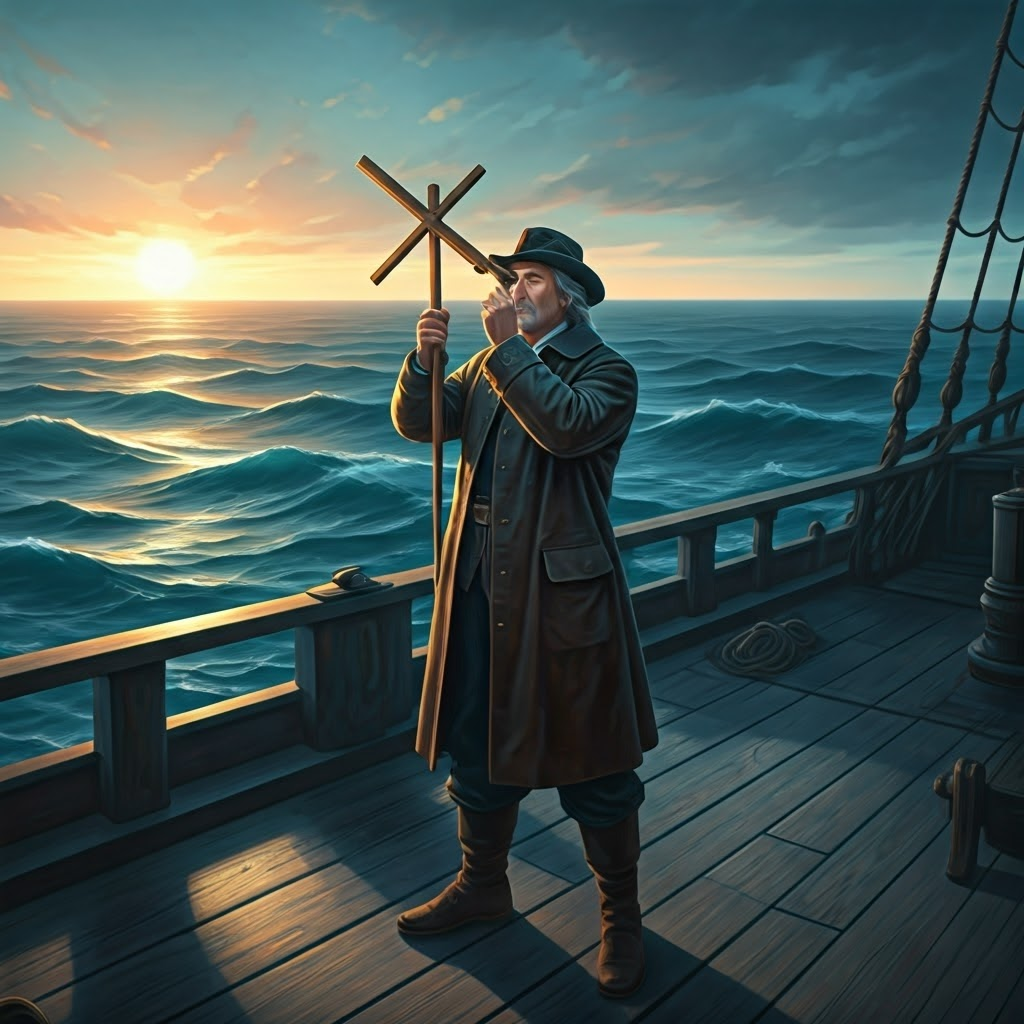
Latitude Sticks and the Magic of Lines
Finding latitude was tricky but possible. Sailors raised a cross-staff, lined it with the horizon and the sun, and read their north-south position. Even swinging decks and blinding glare were worth it; rough readings beat total uncertainty.
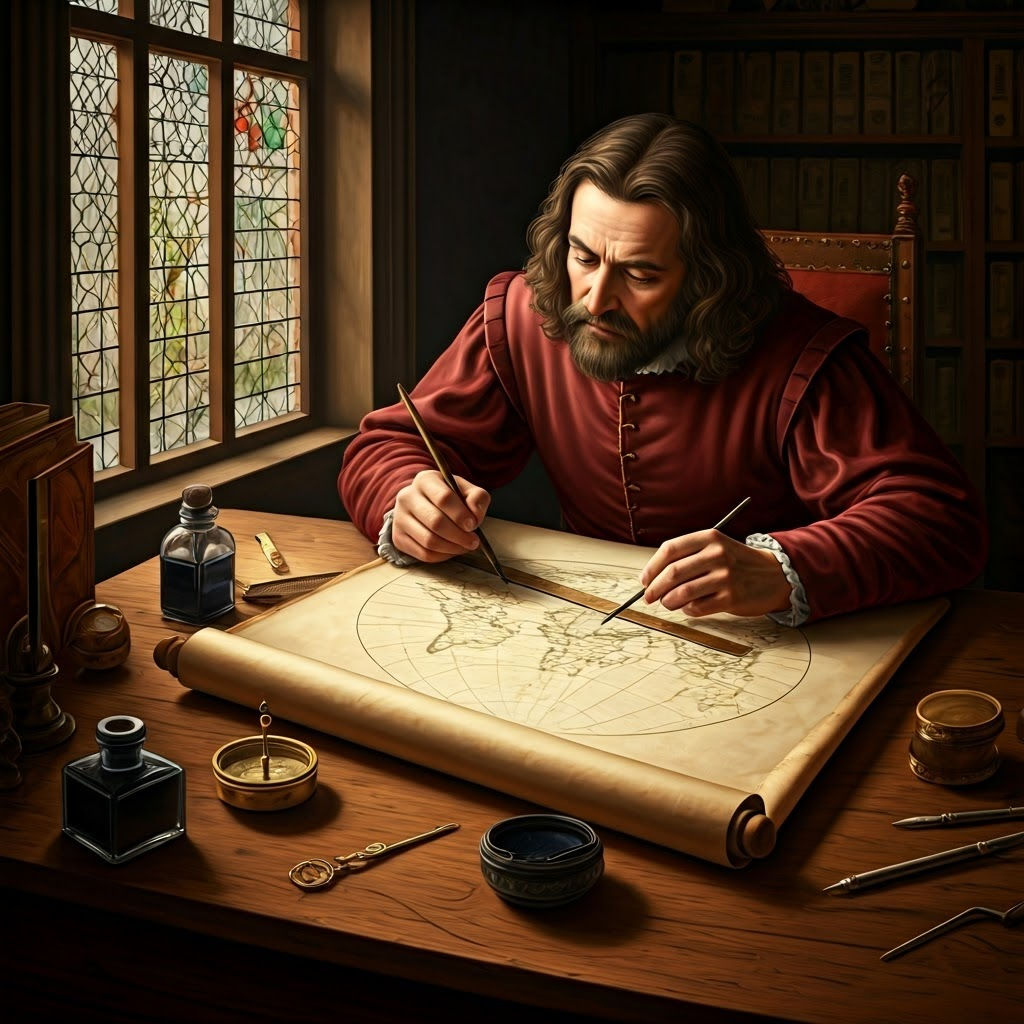
Mercator’s Big Idea: Straight Lines, New Worlds
By 1569 Gerardus Mercator offered a bold fix. His projection stretched the poles yet let sailors draw a straight line from Lisbon to the Caribbean and trust their compass all the way. Route accuracy outweighed shape distortion.
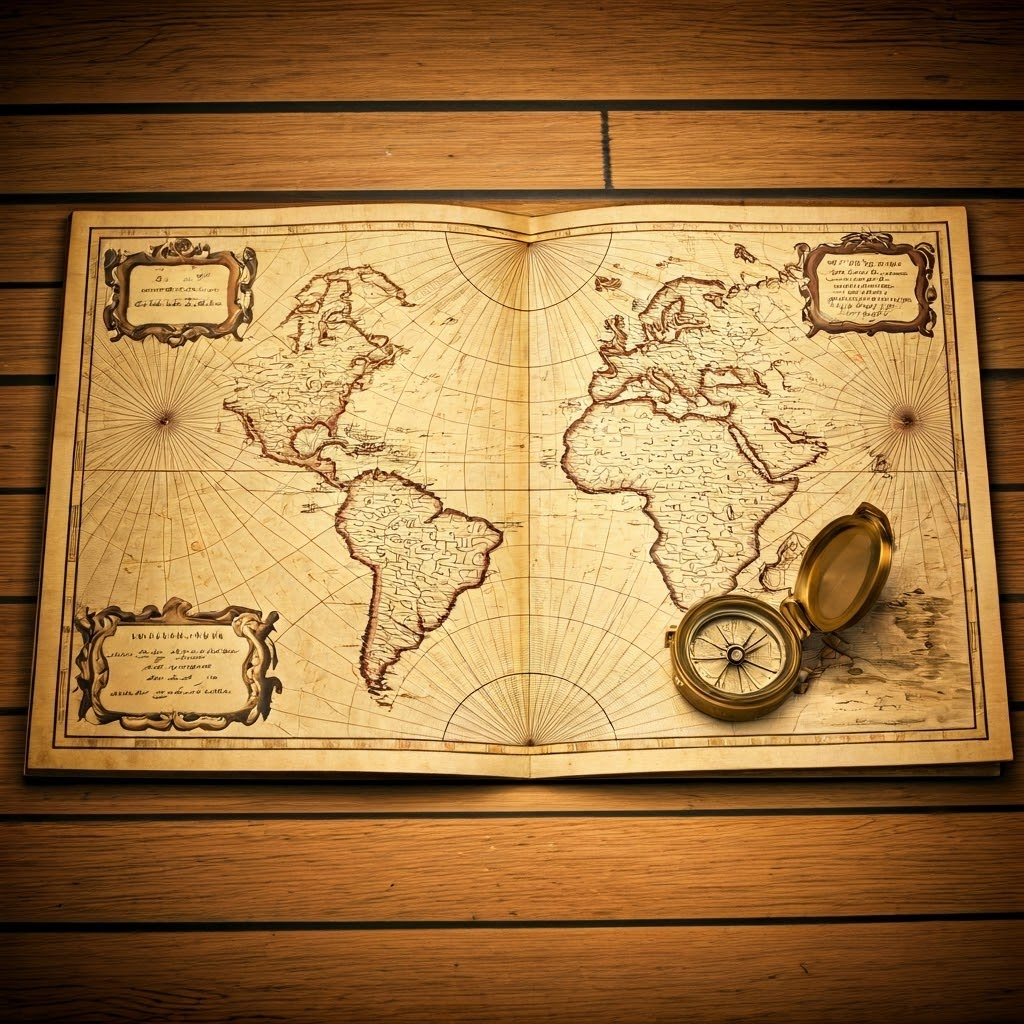
Captains quickly adopted the new layout. Standardized courses shortened voyages, predicted winds, and turned vast oceans into something closer to a navigable grid.
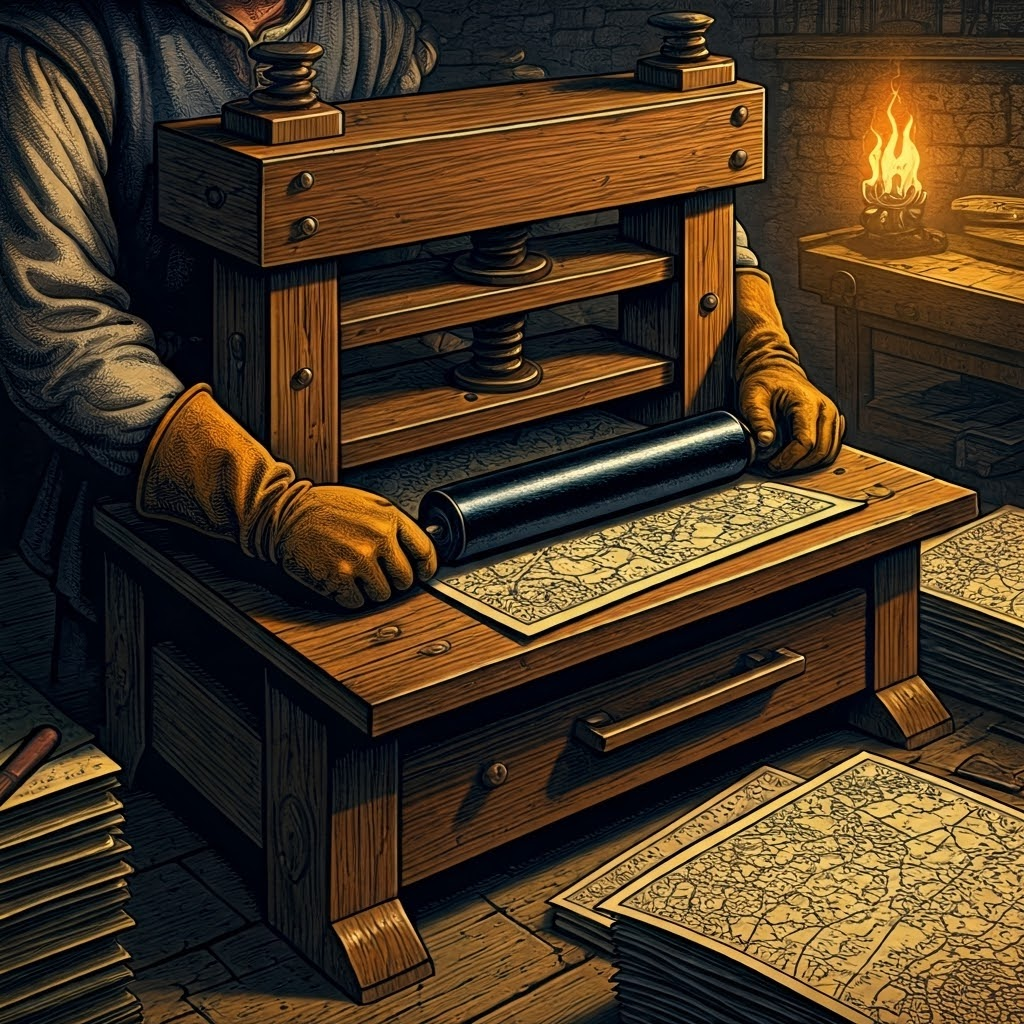
Printing Presses and the First Atlases
The printing press ended the era of single, guarded maps. Suddenly, identical charts reached rival ports, and errors got spotted and fixed. Knowledge spread as fast as printers could set fresh type.
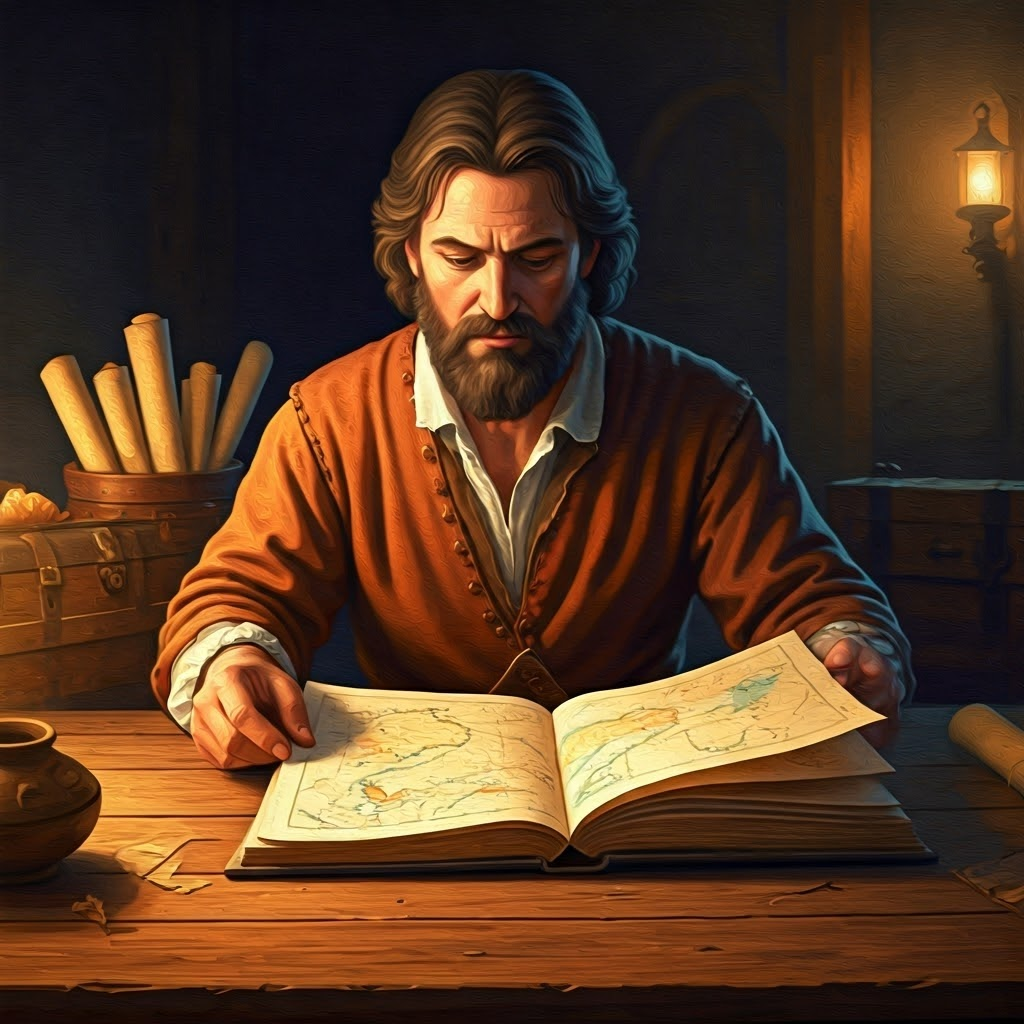
In 1570 Abraham Ortelius bound dozens of updated sheets into the first atlas. Merchants and explorers leafed through every known coast, planning ventures with shared, up-to-date insight.
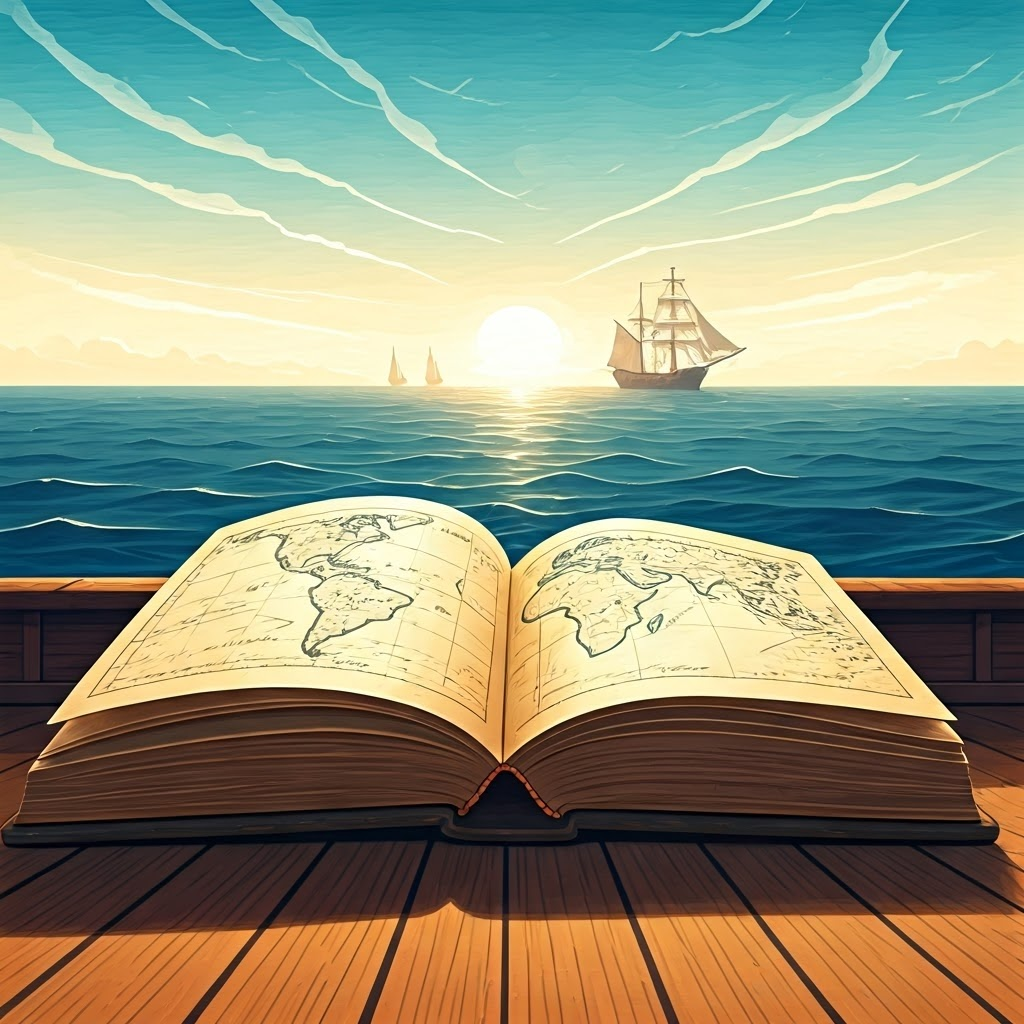
Each new voyage fed the presses again, shrinking the unknown and knitting oceans into well-traveled highways. The journey from parchment fantasies to printed projections made Earth feel smaller—an achievement born of curiosity, cooperation, and steady innovation.
