
Why They Sailed: Motives, Myths, and the Call of the Unknown
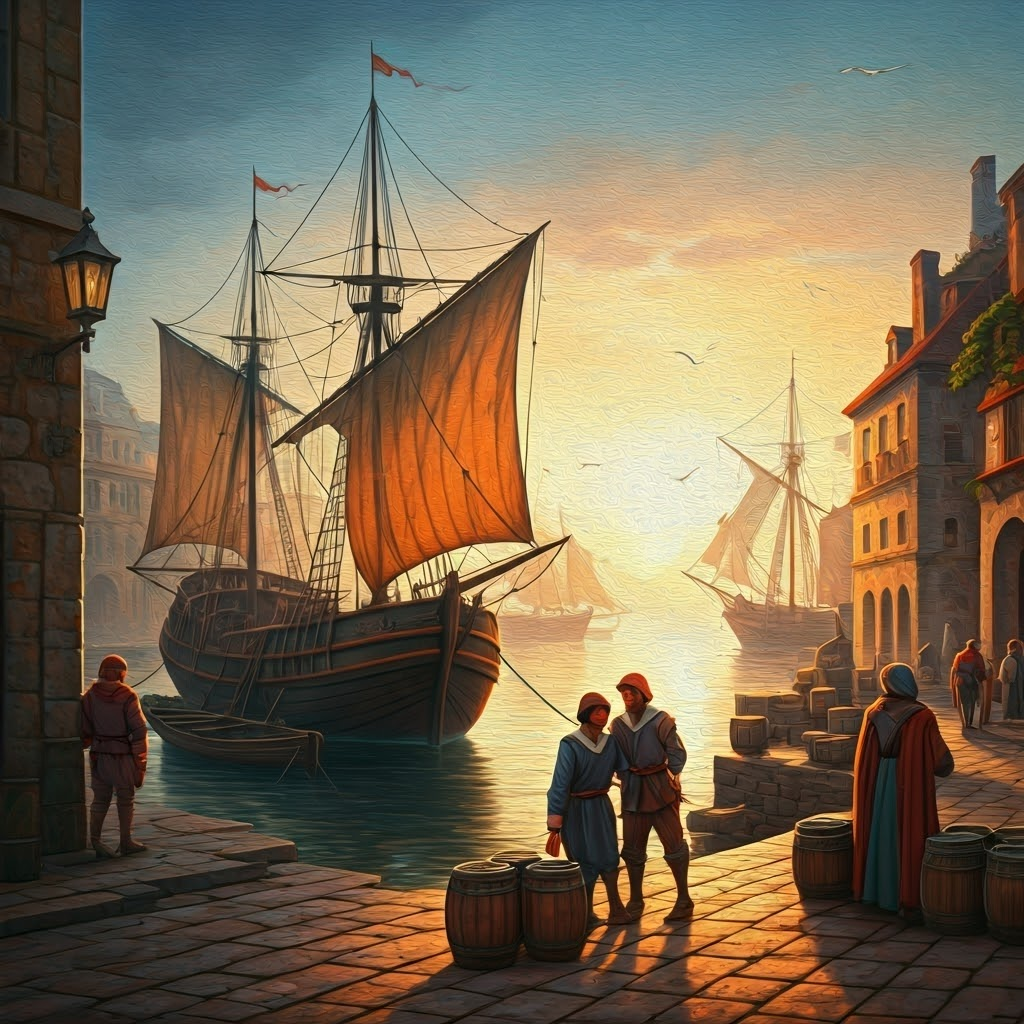
Picture a European port in 1492. Sails snap while barrels of fish roll aboard. The scene marks the start of a three-part story driven by engines that roared across the sea—God, gold, and glory.
God, Gold, and Glory: The Triple Engine
Behind every voyage stood faith. Europe’s late Middle Ages were steeped in religion, and many captains believed they sailed to spread Christianity. Monarchs framed expeditions as missions for the church, and papal support often sealed the deal, blending devotion with policy.
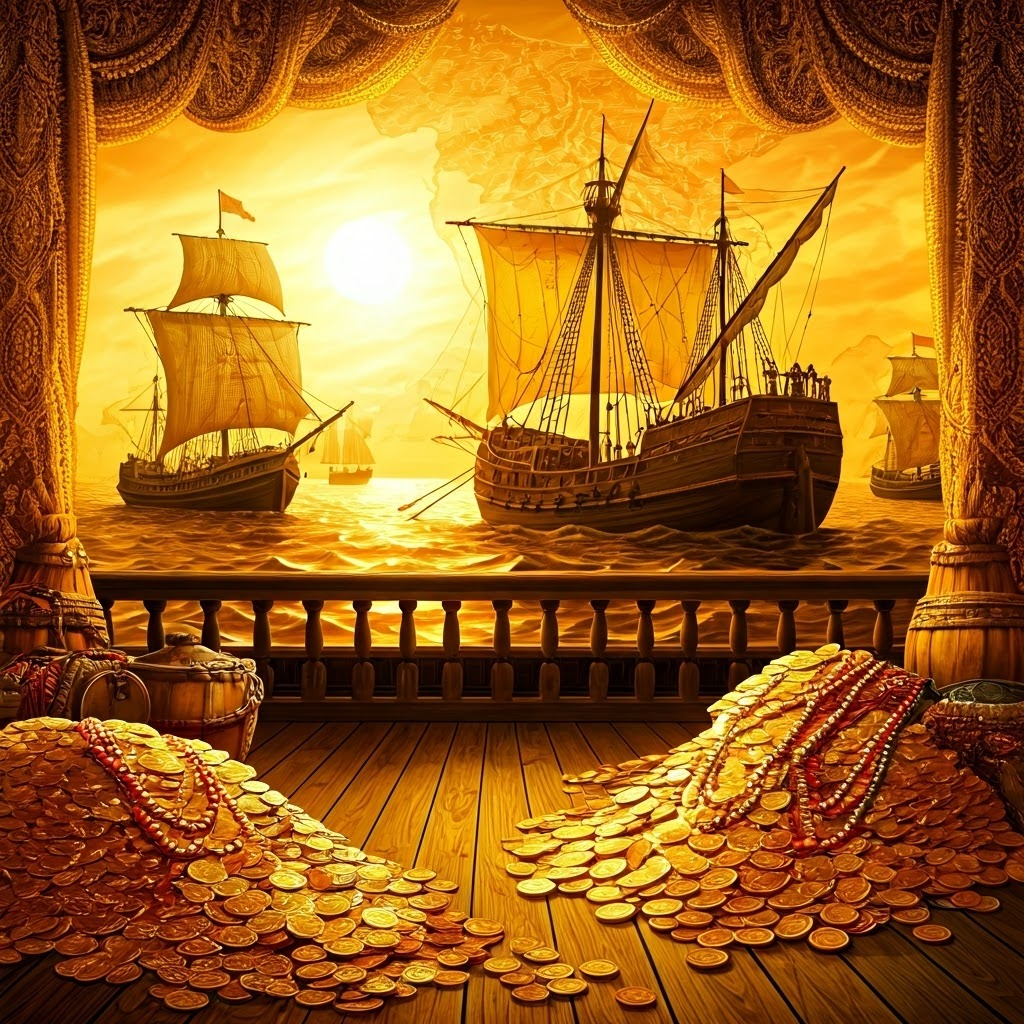
Next came the promise of wealth. Spices, silk, and precious metals lured investors after land routes fell to heavy Ottoman tolls. Sea lanes offered riches without middlemen, so crowns and crews gambled fortunes on ocean crossings that could fill coffers overnight.
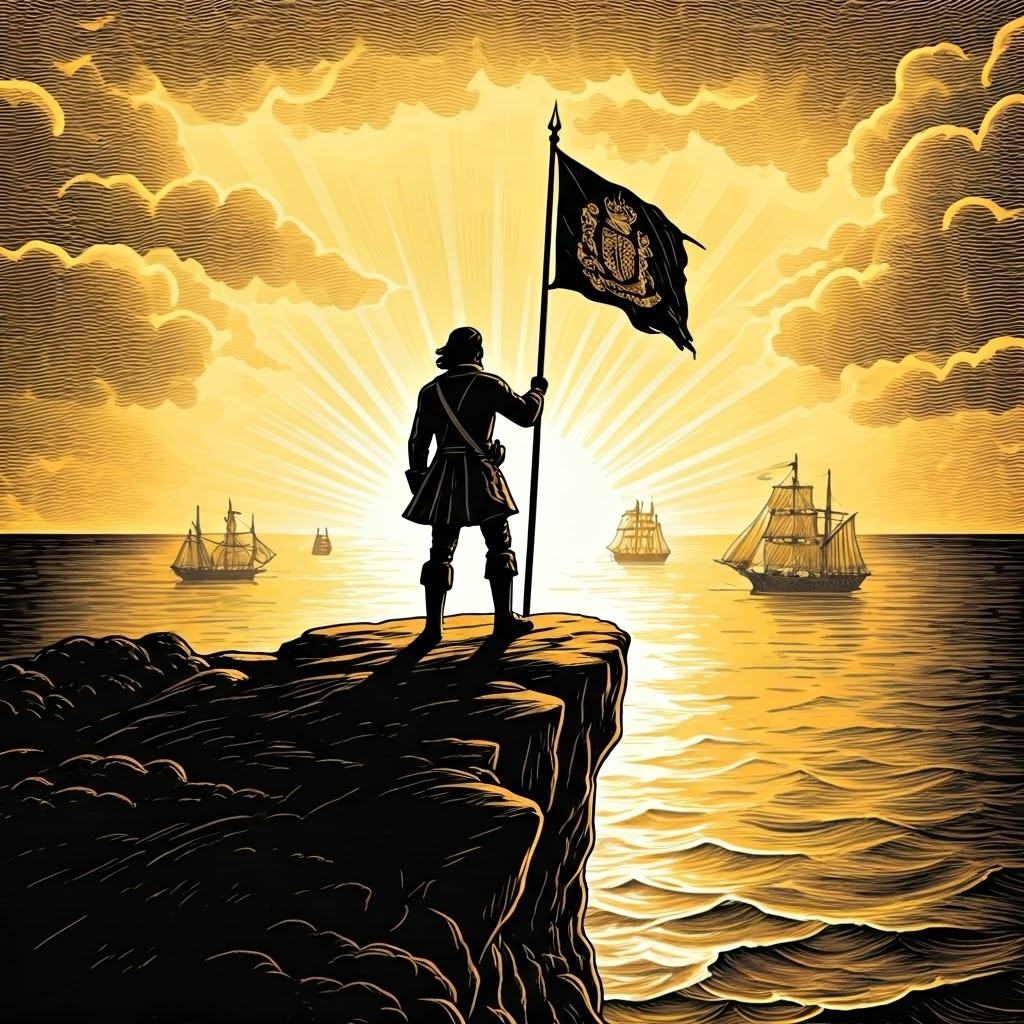
Finally, sailors chased fame. Being first to glimpse a new shore could earn titles, land, and lasting honor. Rival kingdoms pushed their crews to outdo each other, turning discovery into a contest where victory brought glory and failure meant oblivion.
All three motives entwined. Risk-takers fused faith, fortune, and fame until they felt inseparable, a single force urging them toward waters no European map yet traced.
Stories That Sparked Curiosity
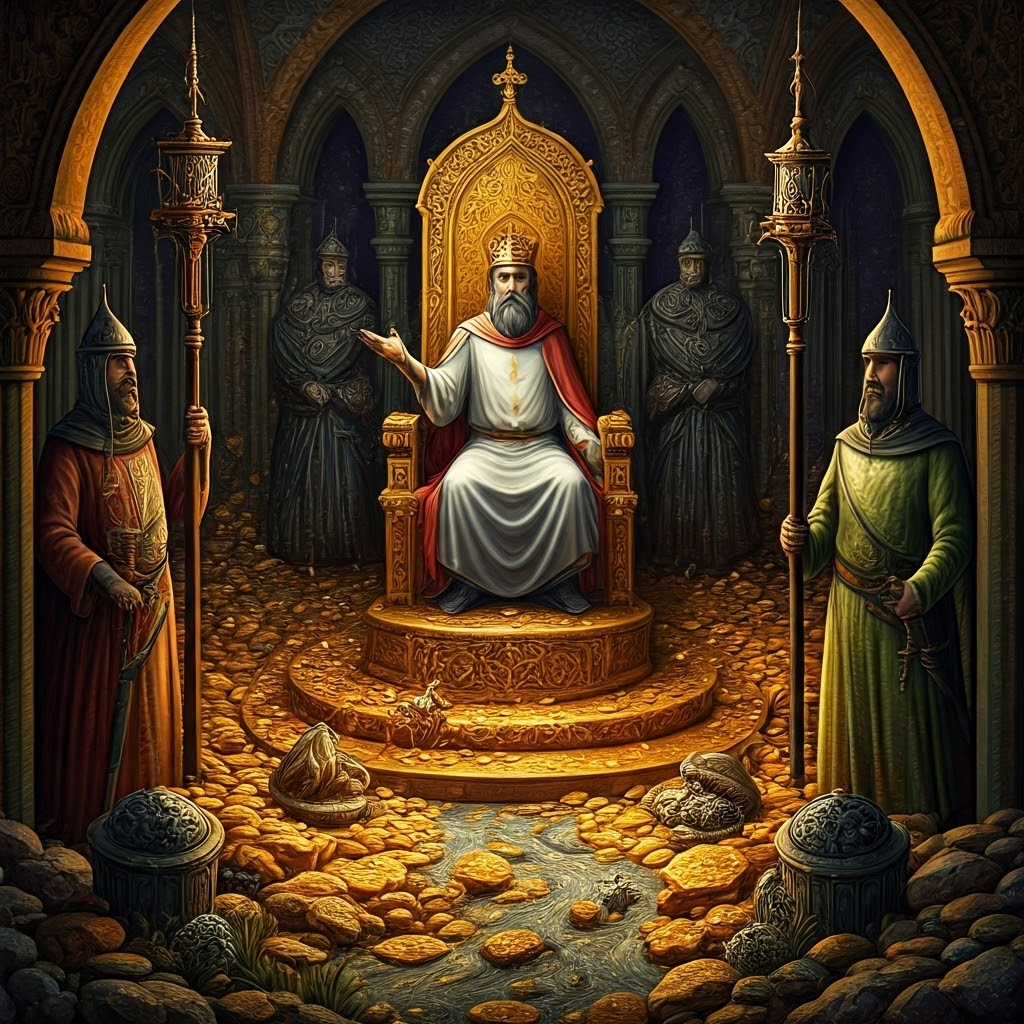
Medieval myths fueled wonder. Tales of Prester John, a distant Christian monarch with rivers of gold and giant guards, sent explorers searching Africa and Asia for a powerful ally against Islam and a kingdom rich beyond measure.
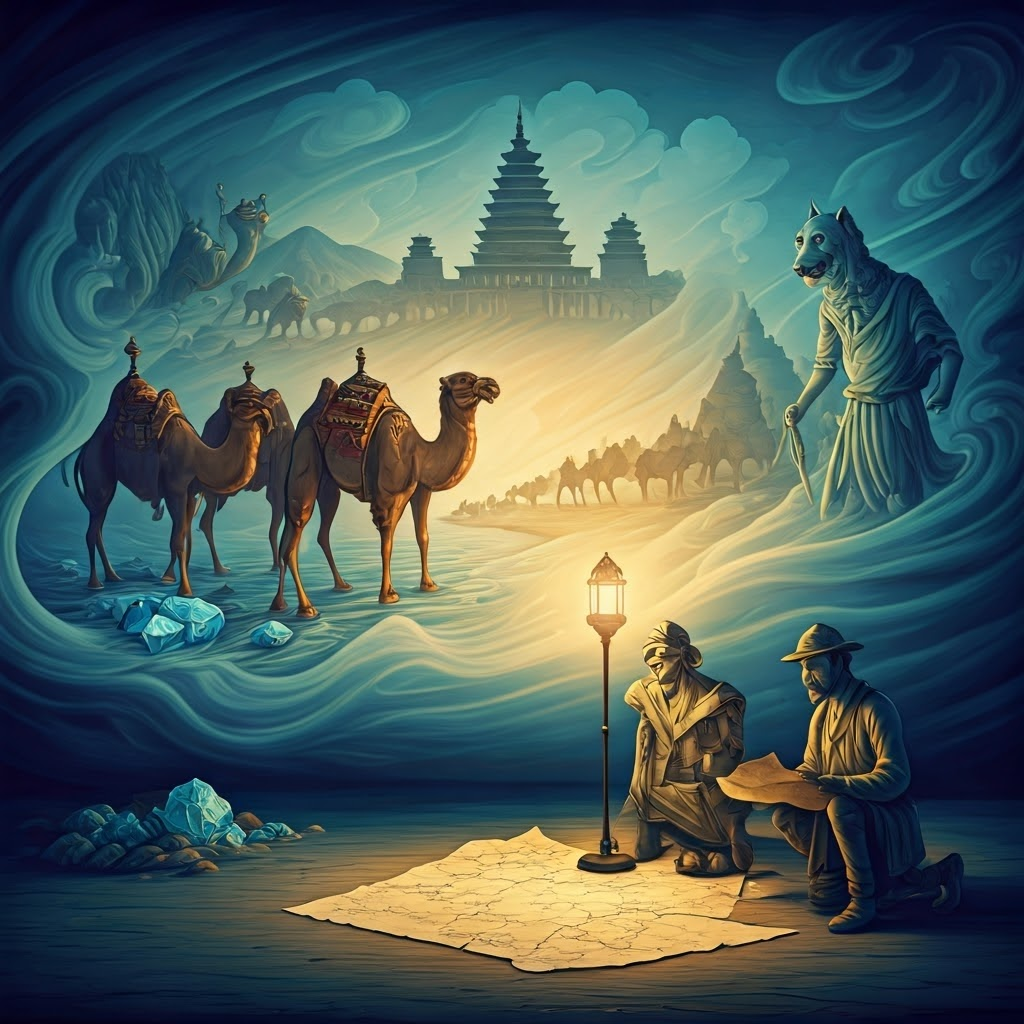
Marco Polo’s book stoked imagination two centuries before Columbus. Descriptions of Cathay’s riches blurred fact and fantasy, yet they convinced readers that marvels waited just over the horizon if one dared to sail west.
Weirder bestiaries spoke of dog-headed men and gem-filled rivers. Such rumors, notes historian Fernández-Armesto, rewarded curiosity as much as royal orders, making the unknown feel attainable—and profitable.
The Renaissance Spirit: Curiosity Unleashed
Renaissance thinkers prized direct observation. Painters chased realism, and scientists questioned Aristotle. This new habit of looking for themselves bled into navigation—if ancient maps were flawed, explorers would redraw the world by going out and seeing it.
Europe suddenly felt open. Faith, fortune, fame, and curiosity tangled together, pushing sailors beyond known edges. Rumors turned into voyages, and voyages sketched the first outlines of a new global map—a story that began because home was no longer enough.
