
The Secret Life of Light: From Sunbeams to Screens

Light shapes every moment you see, read, or move. It carries energy, paints color, and streams data from screens to your eyes. Light quietly rules your daily life.
At its core, light arrives as photons—tiny packets that race through space at the cosmic speed limit. These photons deliver energy in neat, reliable doses.
Yet light also spreads out like ripples on water. This wave-like side lets it bend around corners and interfere with itself. The single idea of duality—both particle and wave—solves puzzles that once stumped scientists.
What Is Light, Really?
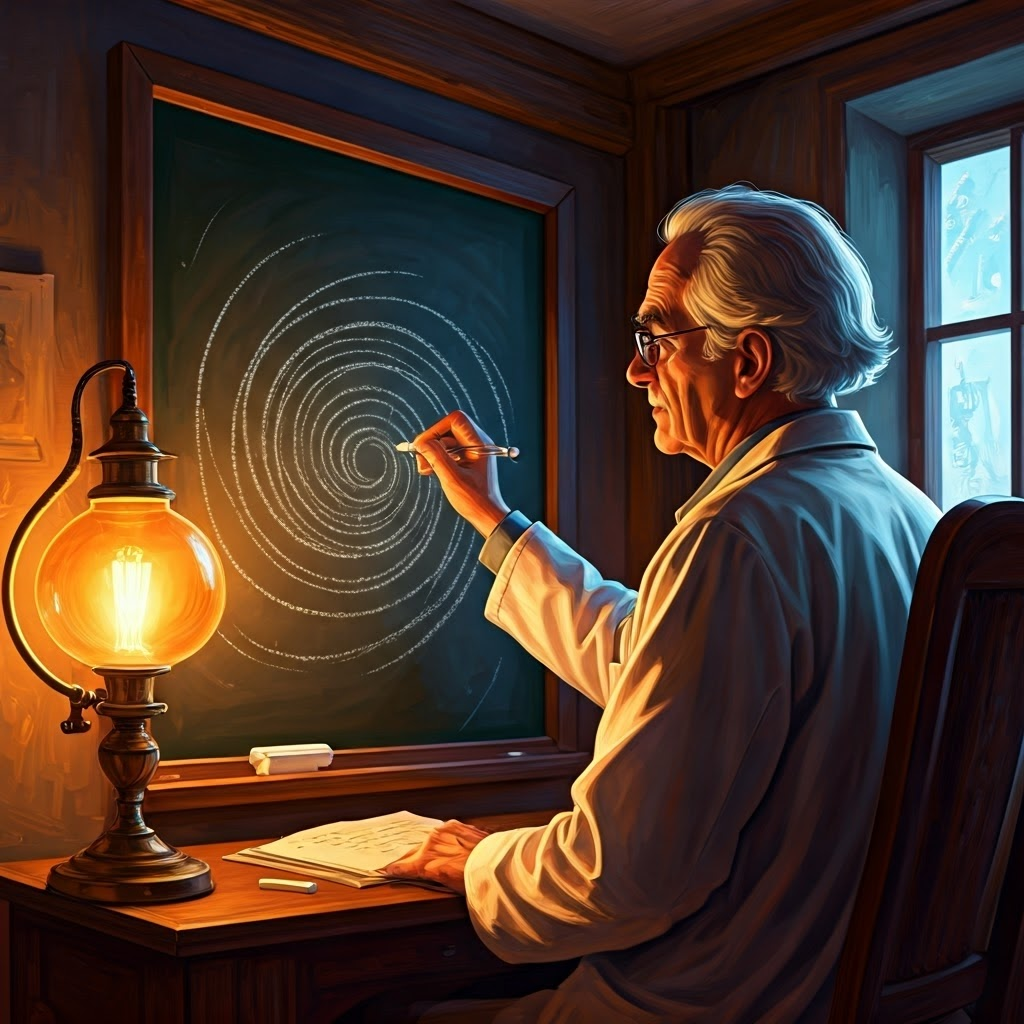
A laser’s straight beam shouts “particle,” while sunlight slipping through a narrow slit whispers “wave.” This mix once baffled great thinkers. Einstein used it to explain the photoelectric effect and open the quantum era.
Every phone photo, warm sunbeam, and vivid TV image comes from this curious blend. Without it, screens would stay dark, and the world would appear dull.
The Colors You See: The Visible Spectrum
Your eyes detect only a slim slice of all existing light. This slice—the visible spectrum—runs from deep red to violet. Each hue links to a specific wavelength, a built-in color code.
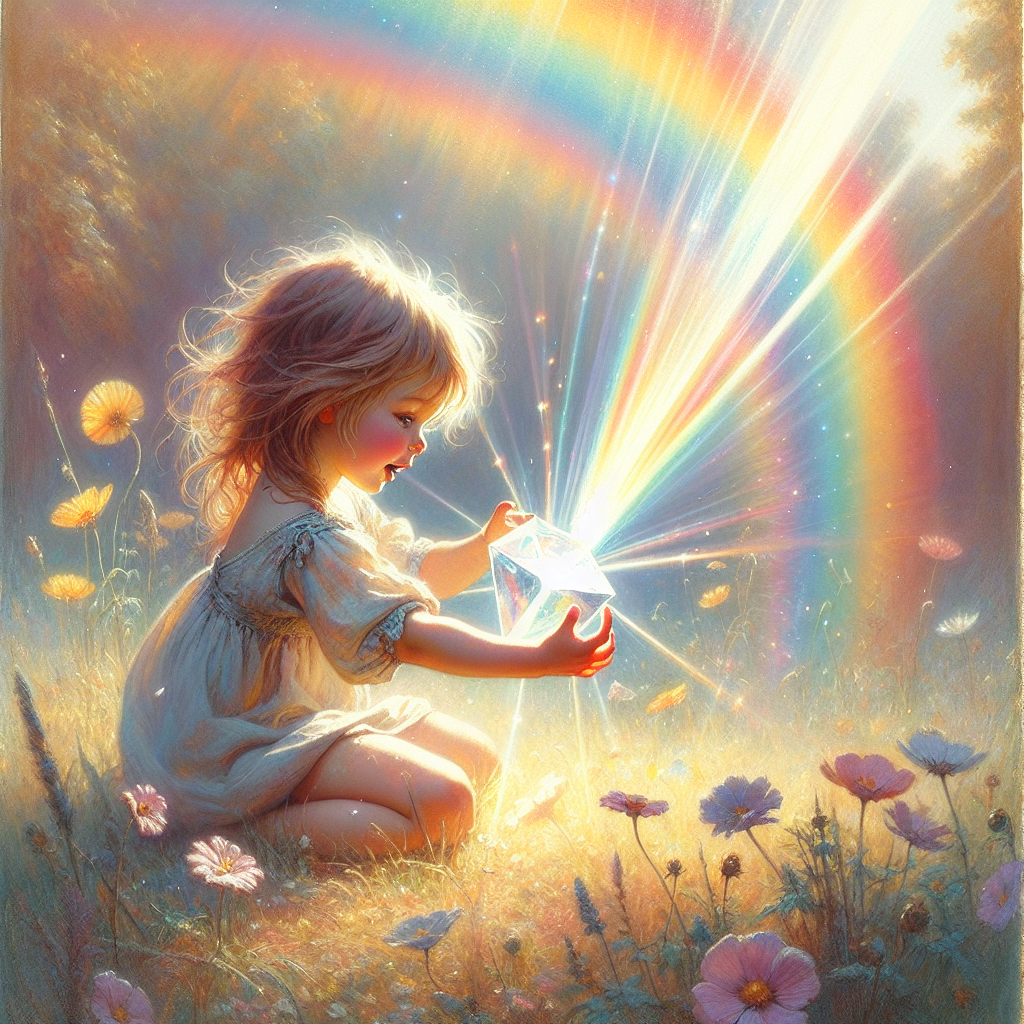
What looks like white light is really a mix of every visible hue. Raindrops act like countless prisms, spreading sunlight into arcs we call rainbows. Rainbows uncover the hidden colors living inside plain daylight.

Blue light scatters more than red because its waves are shorter and jitterier. Daytime skies glow blue for that reason. At sunset, the light travels farther through air, losing blue first and letting reds survive. This dance of scattering paints every dawn and dusk.

Mixing Colors: More Than Just Paint
Paints mix by subtraction—each new pigment removes certain wavelengths. Light mixes by addition—each beam adds wavelengths. Blend blue and yellow paint, and you get green. Blend blue and yellow light, and you get bright white.
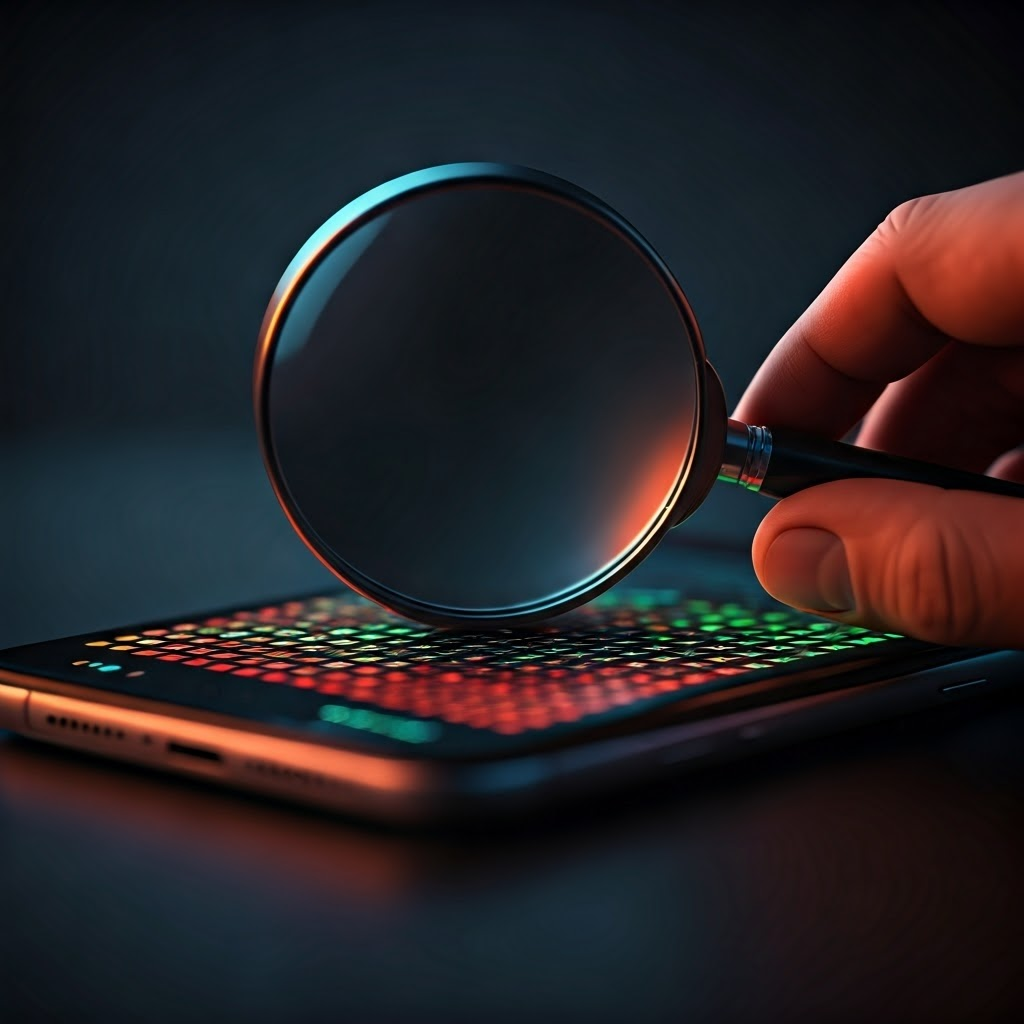
Your phone’s pixels show only red, green, and blue. Adjust their brightness, and every possible color appears. Red plus green forms yellow, blue plus green makes cyan, and all three create white. This pixel trick powers TVs, billboards, and stage lights.
Look closely with a magnifier, and you’ll see those glowing dots—the source of every selfie, movie, and meme.
Light You Can’t See
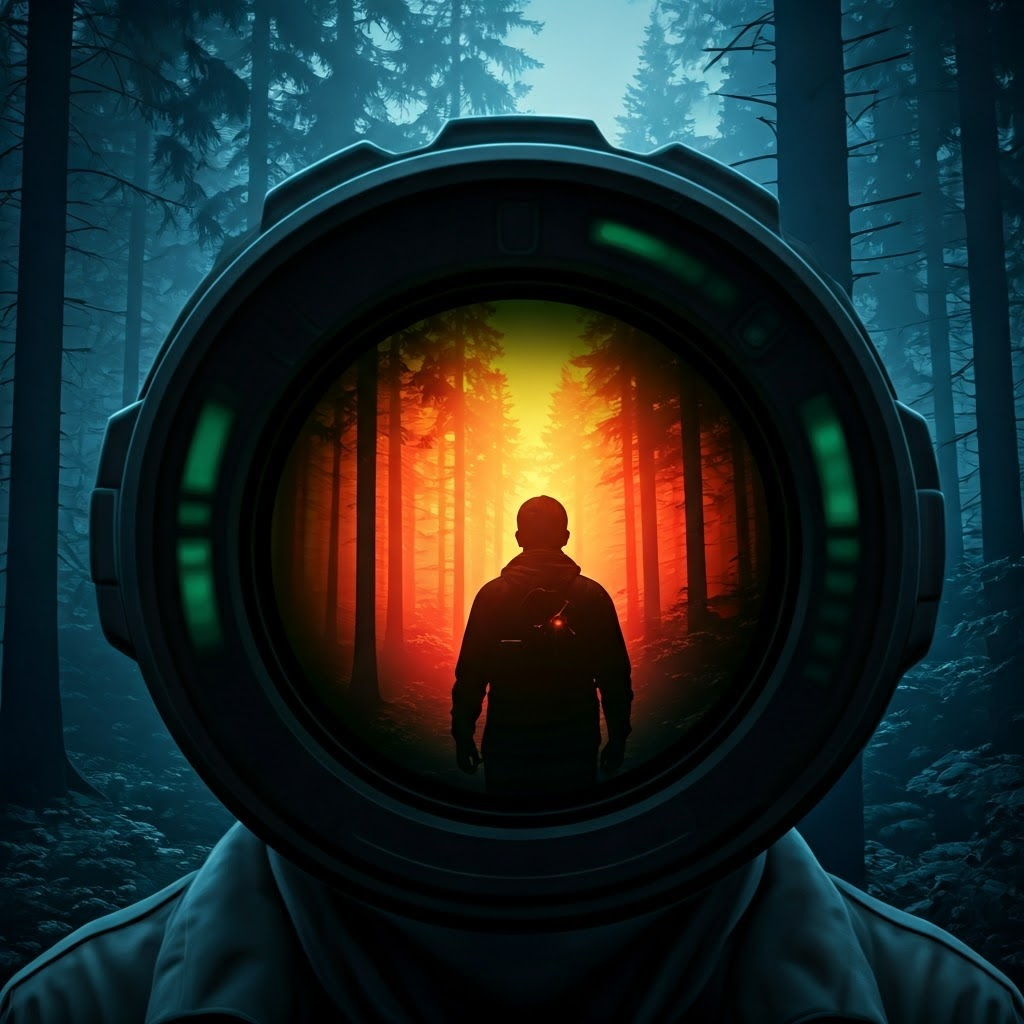
The visible band is tiny compared with the full spectrum. Infrared warms TV remotes. Ultraviolet tans skin and makes posters glow. Microwaves, X-rays, and gamma rays fill out the rest. Special instruments reveal these hidden forms, expanding our vision far beyond human eyes.
How Scientists Study Light
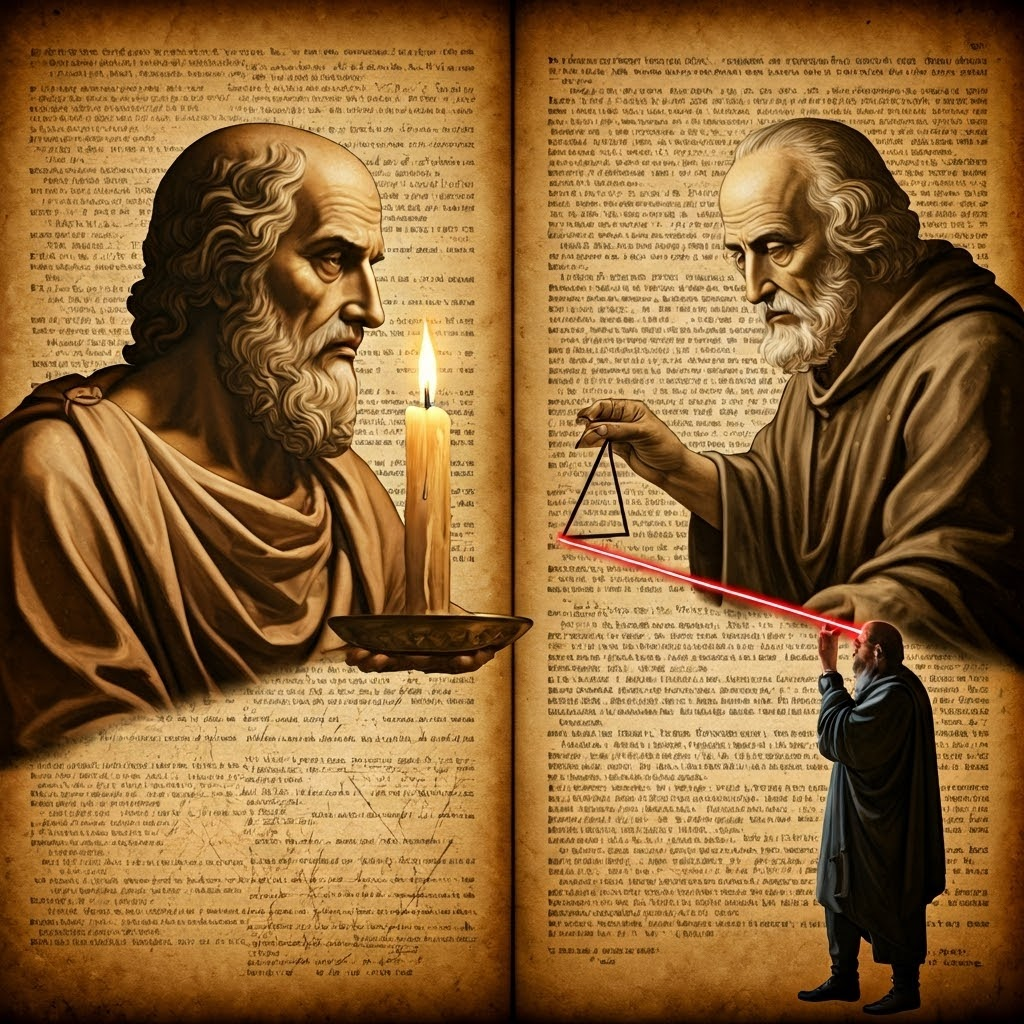
Curiosity about light stretches back millennia. Early Greeks guessed beams shot from the eyes. Later, Ibn al-Haytham and Newton showed light travels straight, bends through glass, and splits into colors. Today, lasers and atomic clocks measure light with mind-boggling precision.
Every time you glance at your phone, a sunset, or a rainbow, you join that long quest. Light remains a storyteller—painting the world in colors our minds will always chase.
