
Breaking the Wall: The Allied Push in Europe
Setting the Stage: Europe in 1944
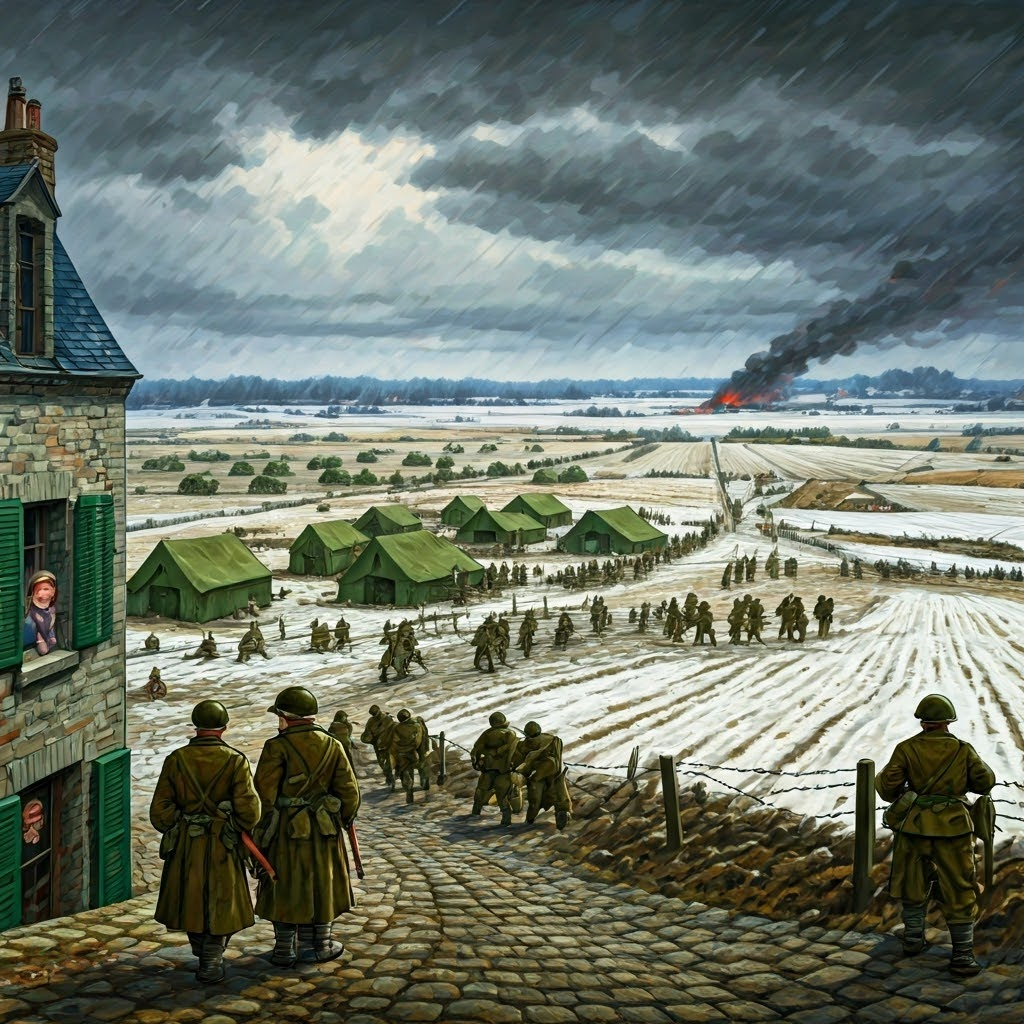
Europe in 1944 was exhausted yet hopeful. The Nazis still held vast lands from France to Poland, but their army showed cracks. Allied troops waited in crowded English camps. Occupied France held its breath. The Soviet Red Army pressed west village by village. Families mourned and listened for whispers of a second-front attack.
Hitler poured concrete into the Atlantic Wall of bunkers and mines, trying to block the coming assault. Both sides were tired, yet neither was ready to quit. The war’s final year would demand every remaining resource.
Operation Overlord: The Gamble at Normandy
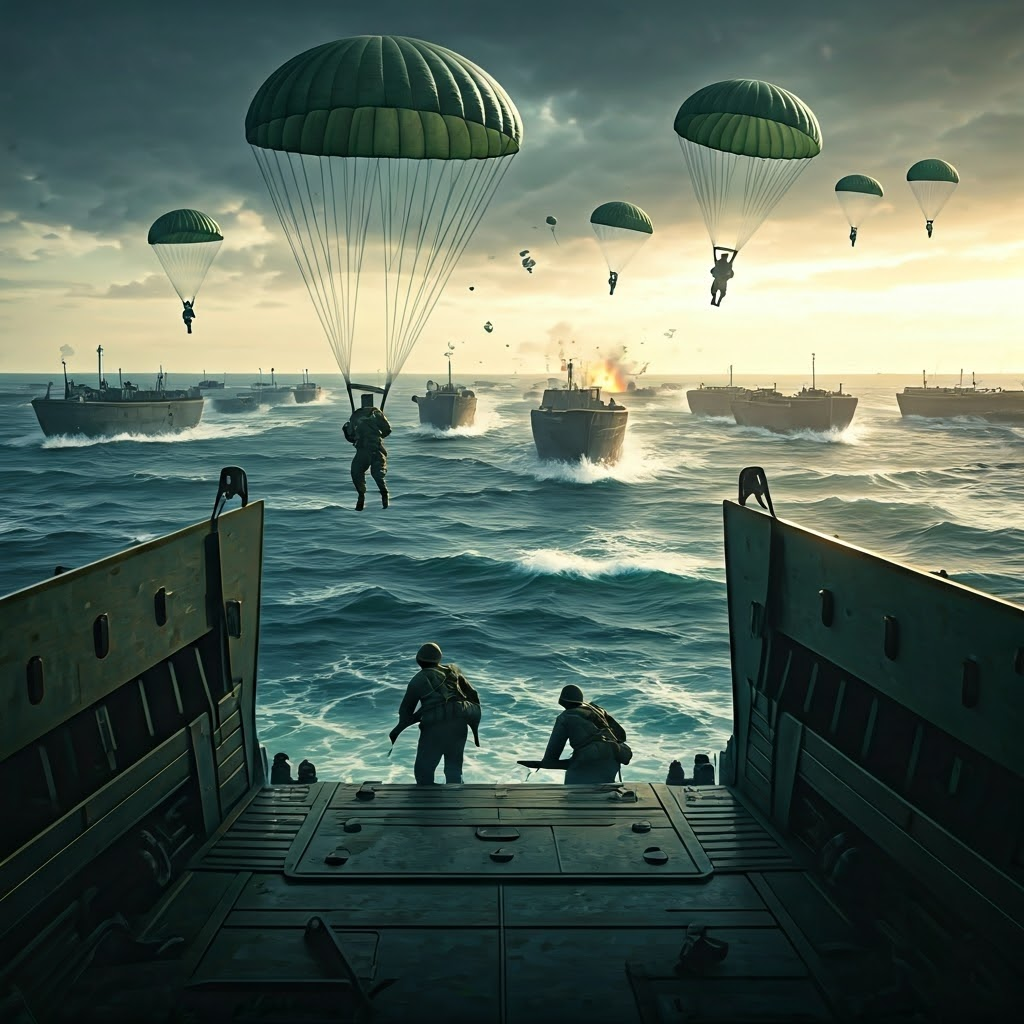
Operation Overlord was more than one day on a beach. Eisenhower’s plan aimed to shatter Germany’s grip on Western Europe. Deception units and dummy tanks misled German scouts. On 6 June 1944, over 150,000 troops crossed the Channel toward five code-named beaches.
Utah, Omaha, Gold, Juno, and Sword bristled with mines and machine-gun nests. At Omaha, American units faced a storm of fire. Still, paratroopers disrupted defenses inland while engineers cleared obstacles under fire. By nightfall the beaches held—proof that determination could punch holes in the Atlantic Wall.
Breaking Out: From Normandy to Paris
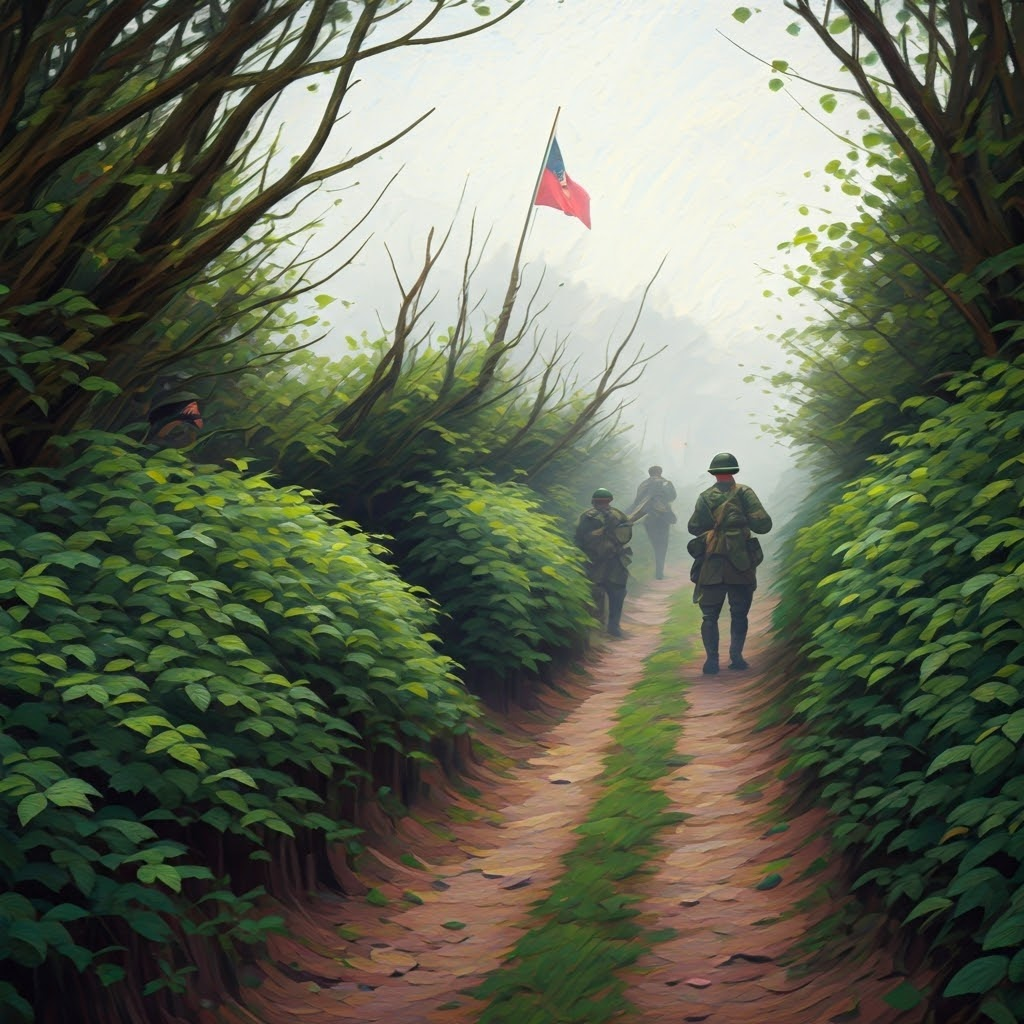
The hedgerows of Normandy slowed every advance. Thick bushes and sunken lanes favored German ambushes. Each small field became a deadly contest. Late July shifted the balance when Patton’s forces burst through at Saint-Lô. Tanks rolled into open country, and scattered German units surrendered or fled.
French Resistance fighters joined liberating troops. Towns celebrated with flags and embraces, often settling old scores. Momentum now pointed toward a free Paris.
Breaking Out: From Normandy to Paris
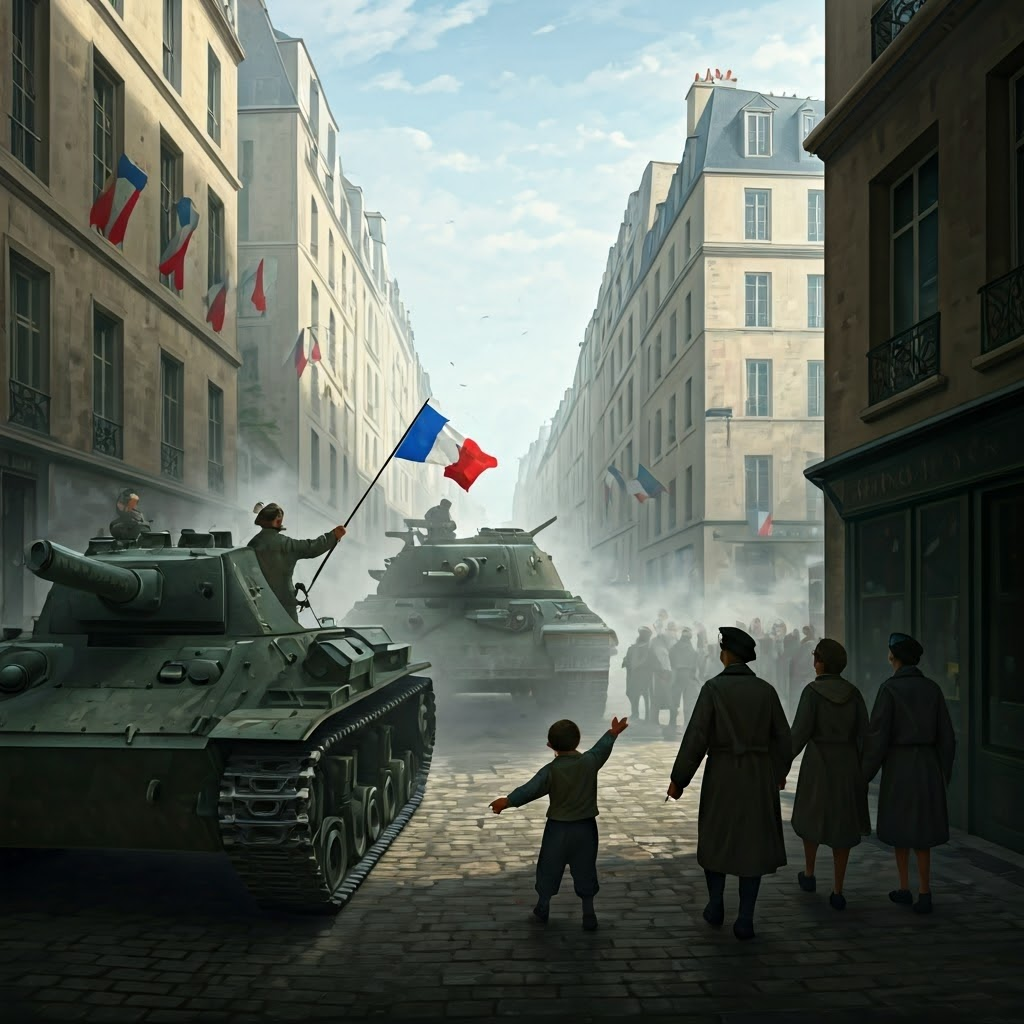
Inside Paris, strikes and an uprising forced German commanders to concede. On 25 August 1944 the city was liberated. Crowds sang and wept as the tricolor rose above city hall. For many, the war finally felt winnable, and Parisians breathed freedom after four long years.
Setbacks and Surprises: Market Garden and the Bulge
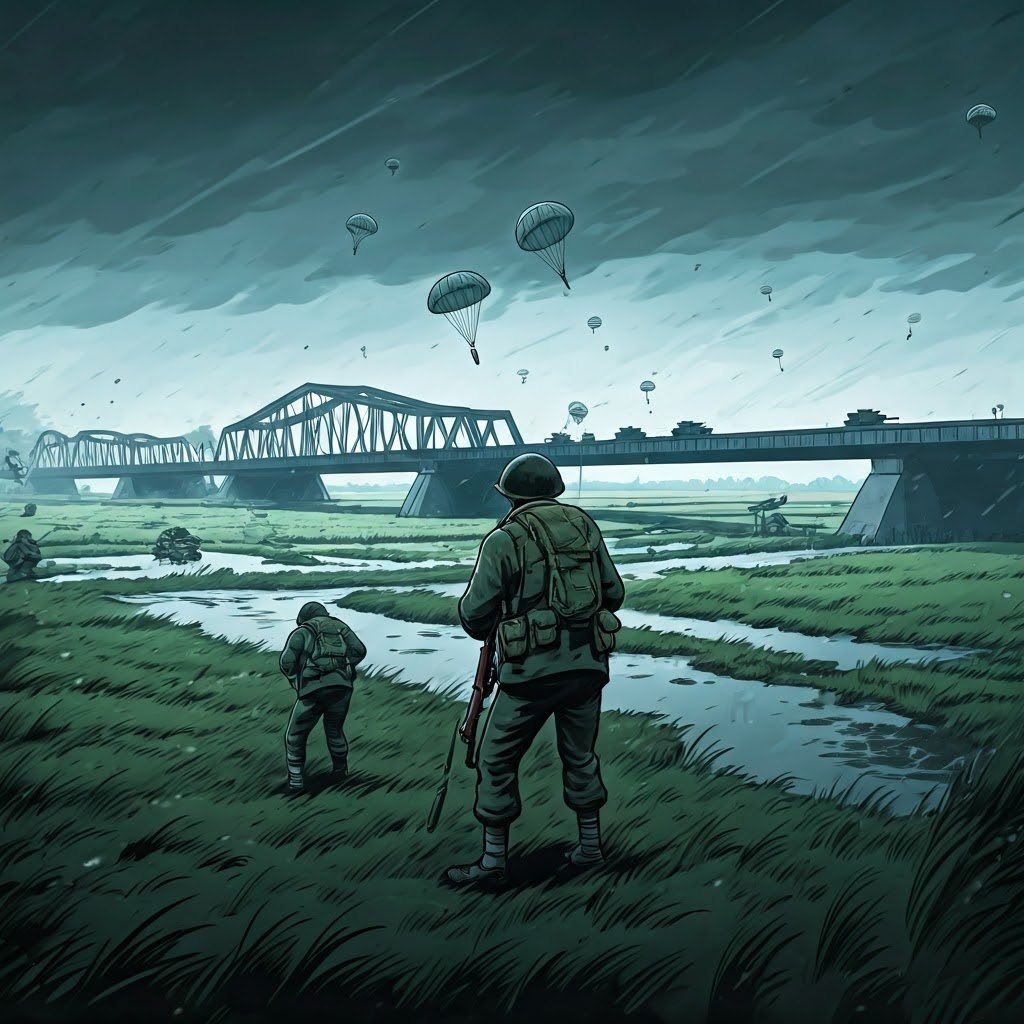
In September the Allies launched Operation Market Garden, hoping to end the war by Christmas. Airborne troops seized bridges across the Netherlands, but stiff SS resistance at Arnhem created a bridge too far. The ambitious thrust stalled, reminding planners that German forces still held teeth.
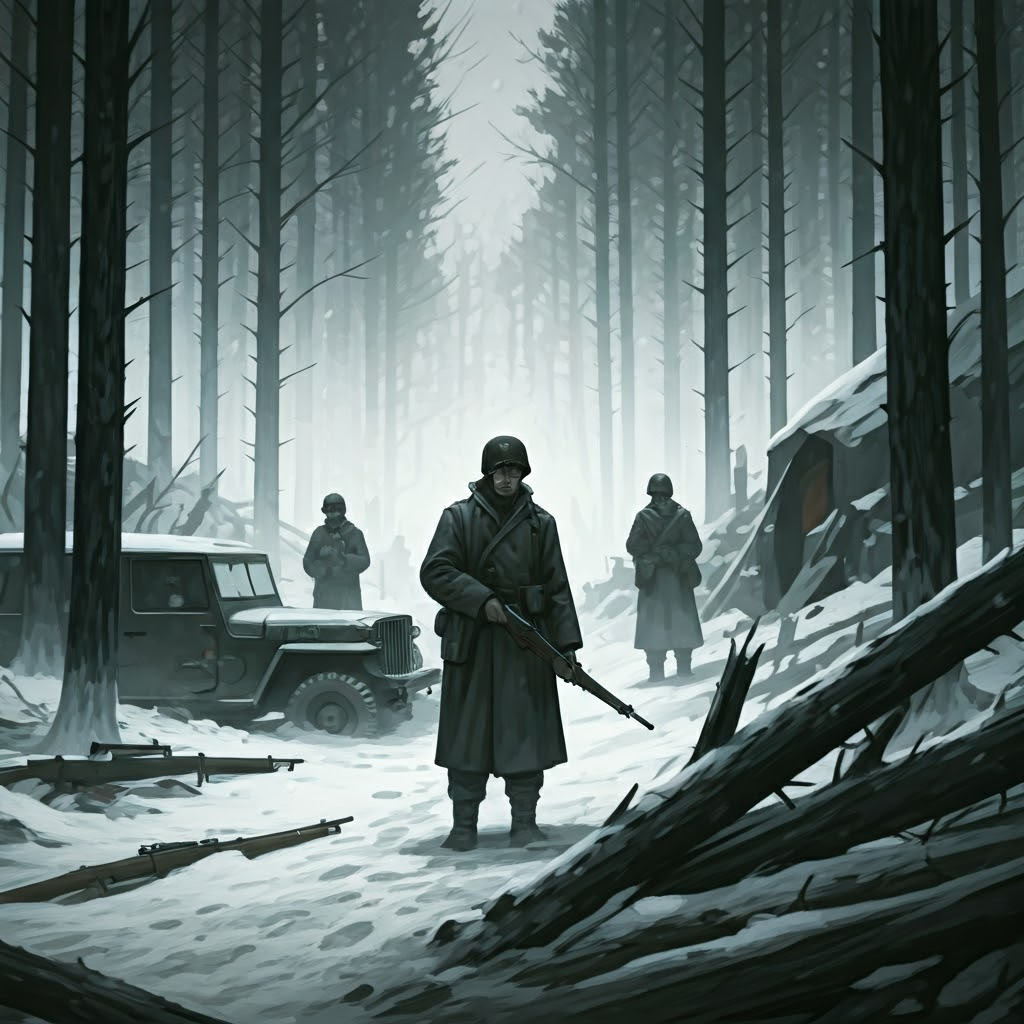
December brought Hitler’s last major gamble—the Battle of the Bulge. Fog cloaked German armor pushing through the Ardennes. Towns like Bastogne became encircled. American units, short on supplies, refused surrender. After brutal winter fighting the Allies restored their lines, but nearly 20,000 U.S. soldiers paid the ultimate price.
The Red Army Rolls West: Eastern Europe’s Turn
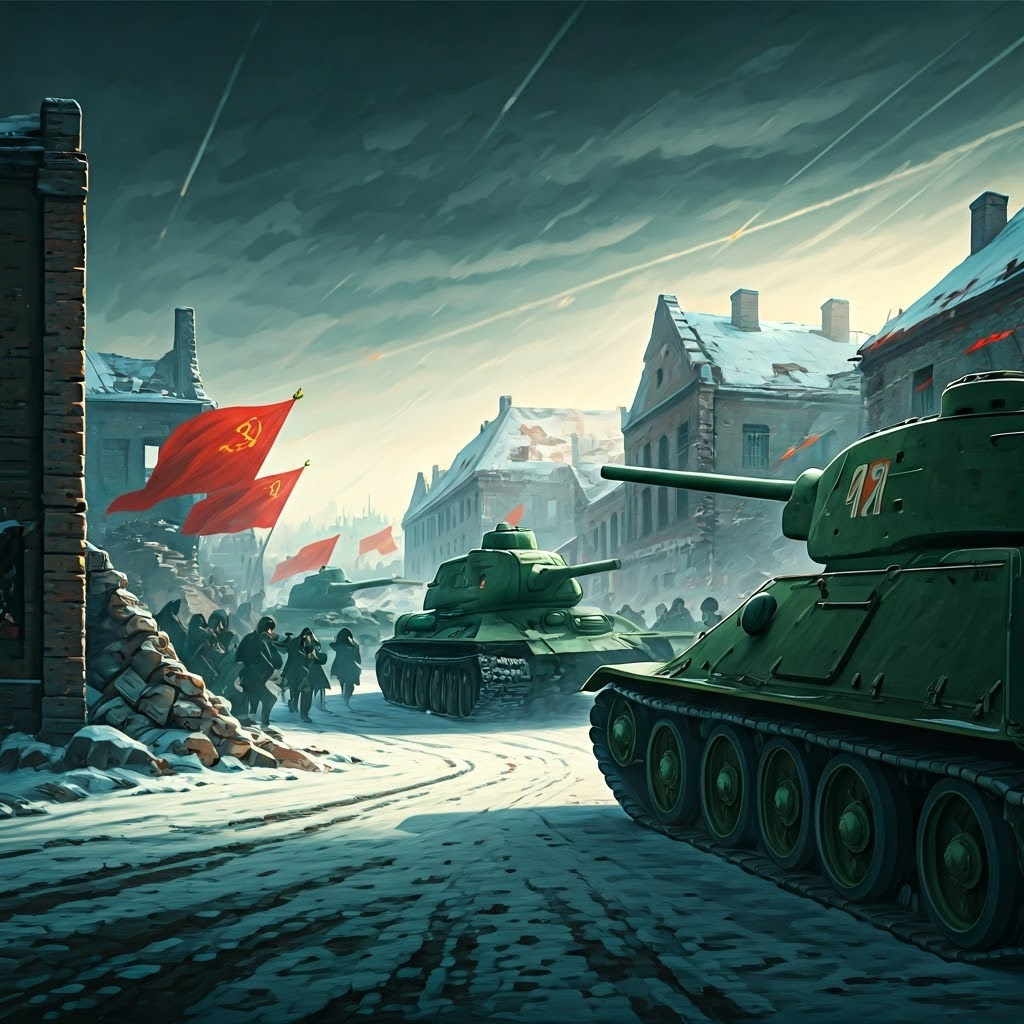
While the West fought in Belgium, the Soviet Red Army launched the Vistula–Oder Offensive in January 1945. Tanks smashed German lines and sped across Poland, shocking even Soviet commanders. Cities such as Warsaw and Budapest were freed yet left in ruins.
Many locals viewed the Soviets warily: liberation from Nazis sometimes carried harsh new controls. By April, Red Army troops stood at Berlin’s gates, and Europe’s balance of power split between two vast armies with rival visions.
The Horrors Revealed: Camps Uncovered
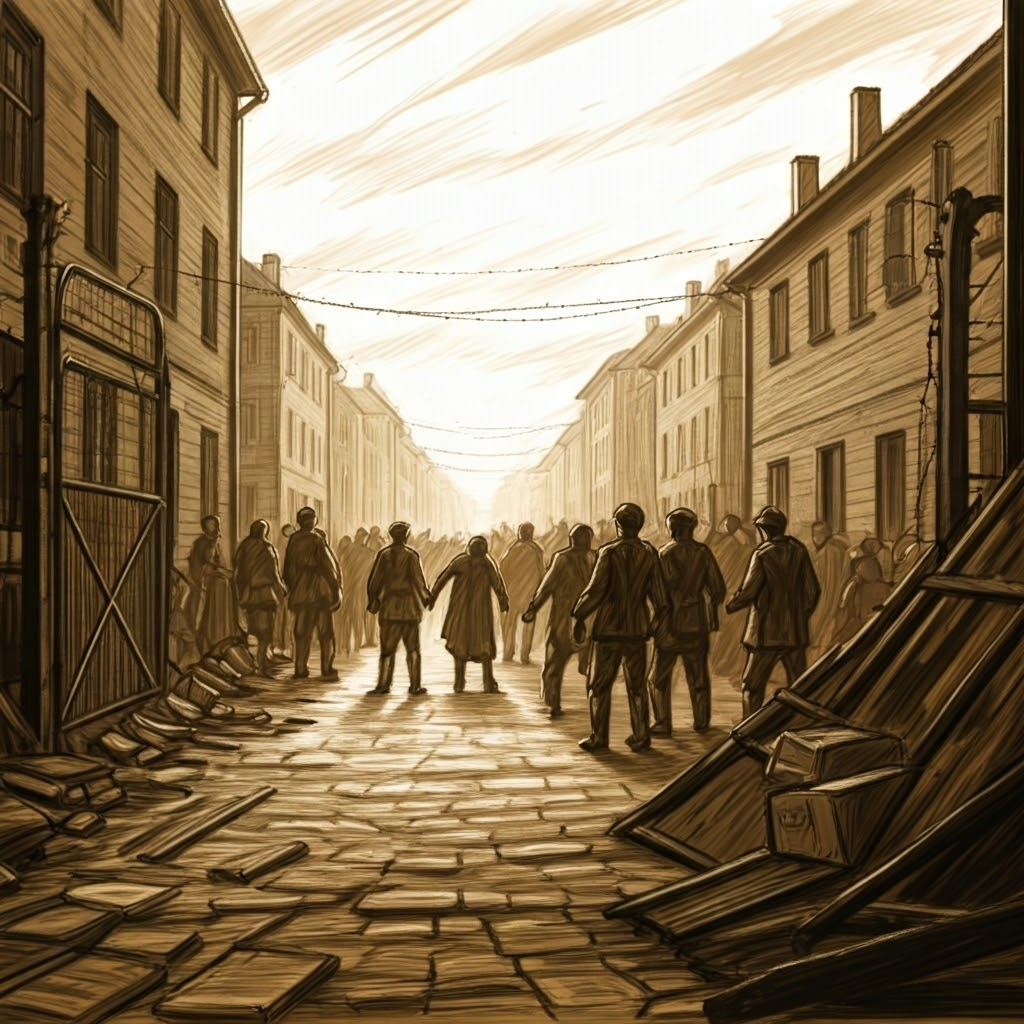
Allied and Soviet troops uncovered camps the Nazis failed to erase. Americans reached Buchenwald; British forces entered Bergen-Belsen; Soviets liberated Auschwitz. Soldiers saw emaciated prisoners, piles of bodies, and still-warm crematoria. Reports home forced the world to face industrialized atrocity.
Survivors needed urgent care and long-term support. The discoveries reshaped views on war, justice, and the duty to remember.
Connections and Meaning
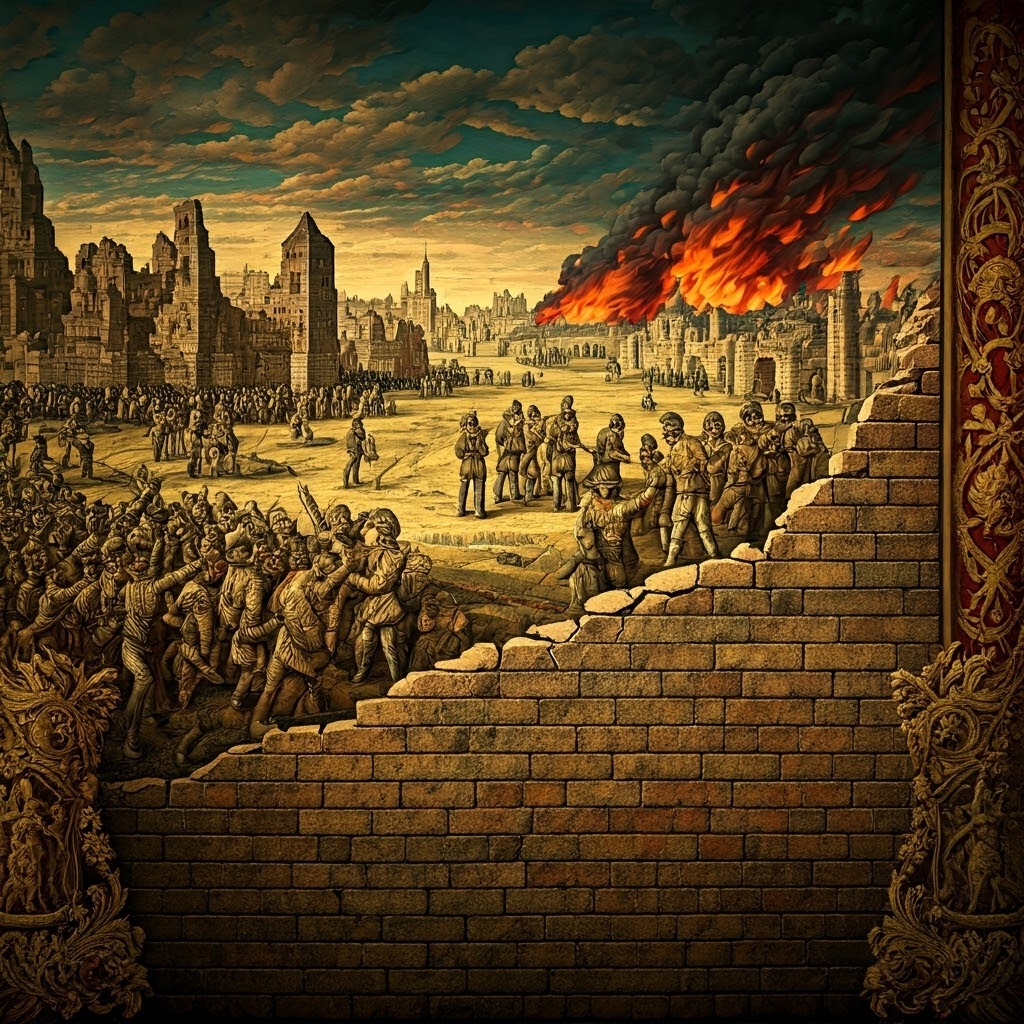
The last year in Europe tested endurance, planning, and humanity. Ordinary people became heroes, cities revived, and scars deepened. These months redrew borders and changed how nations define responsibility. The wall of tyranny cracked brick by brick, brought down by courage, sacrifice, and the unstoppable demand for change.
