
The Spark: How Discontent Became a Movement

The World Before: Life for Women in the Early 1960s
If you were a woman in the early 1960s, most people expected you to marry, raise children, and measure success by a tidy home. Choices felt limited.
Marriage was almost certain. Most jobs open to women were nurse, teacher, or secretary. Even college often pushed the so-called MRS degree.
Laws reinforced these limits. Some states banned birth control. Many banks demanded a husband’s signature for a loan or credit card.
Magazines showed smiling mothers thrilled with each new vacuum. Workplaces pushed married women out after pregnancy. Many felt a quiet sadness and asked, “Is this all?”
The Feminine Mystique and the Power of Naming
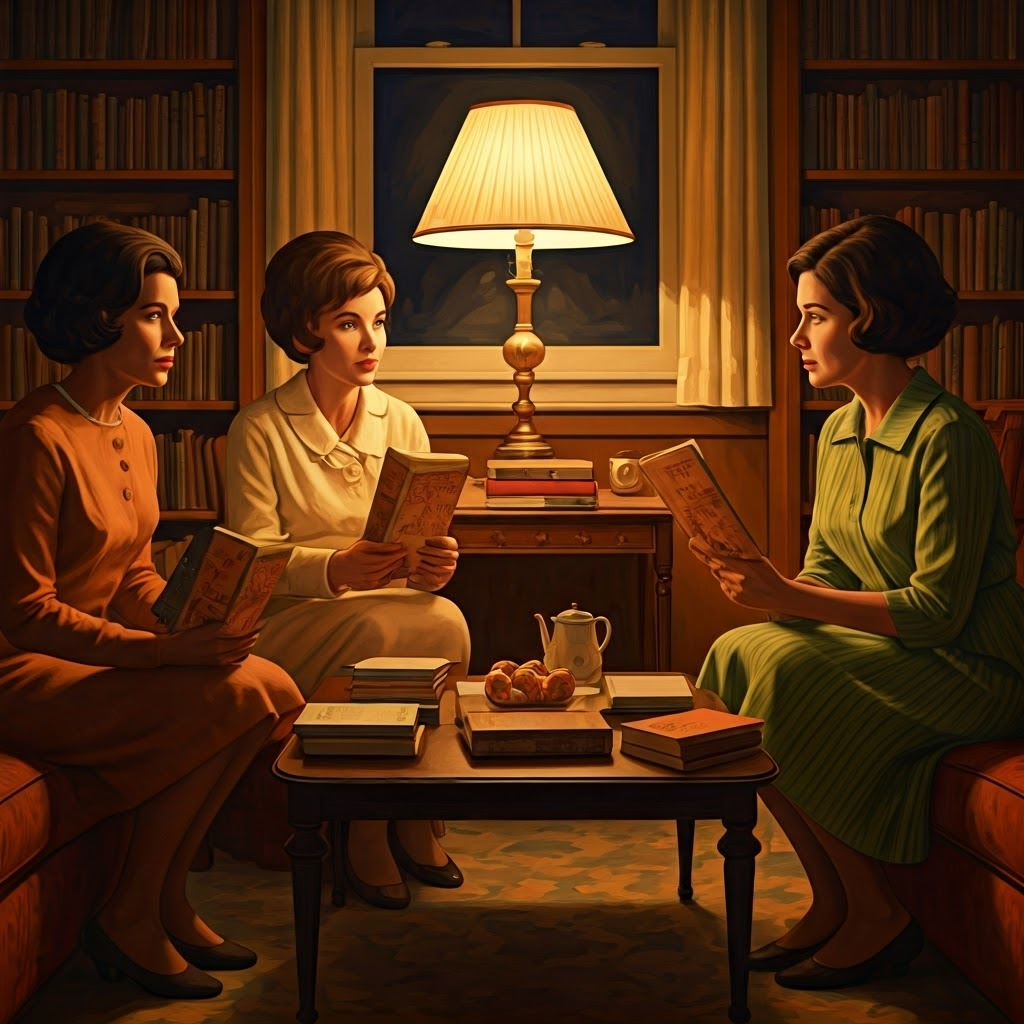
In 1963 Betty Friedan published The Feminine Mystique and named “the problem that has no name.” Her interviews showed that personal emptiness grew from strict social rules—not personal failure.
Simone de Beauvoir had raised similar ideas in The Second Sex. Friedan translated them into everyday American life. Naming the feeling let women see they shared the same struggle.
From Kitchen Tables to Meeting Halls: Consciousness-Raising
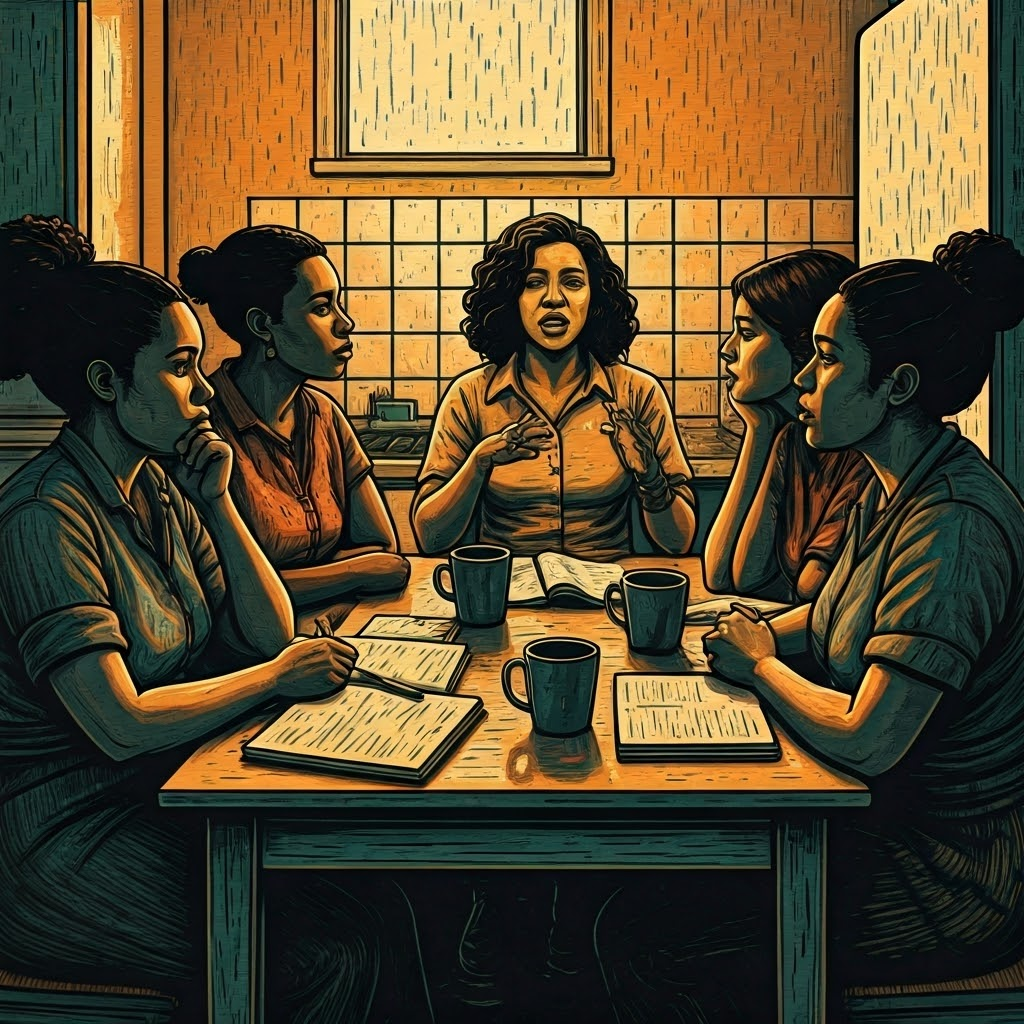
Small groups met at kitchen tables. One woman spoke, others nodded, and they all realized, “It’s not just me.” These talks connected private pain to unfair rules.
CR sessions were not therapy. Members listened, asked questions, and searched for causes. The phrase “the personal is political” emerged and linked personal stories to public change.
Building a Movement: NOW, Redstockings, and More
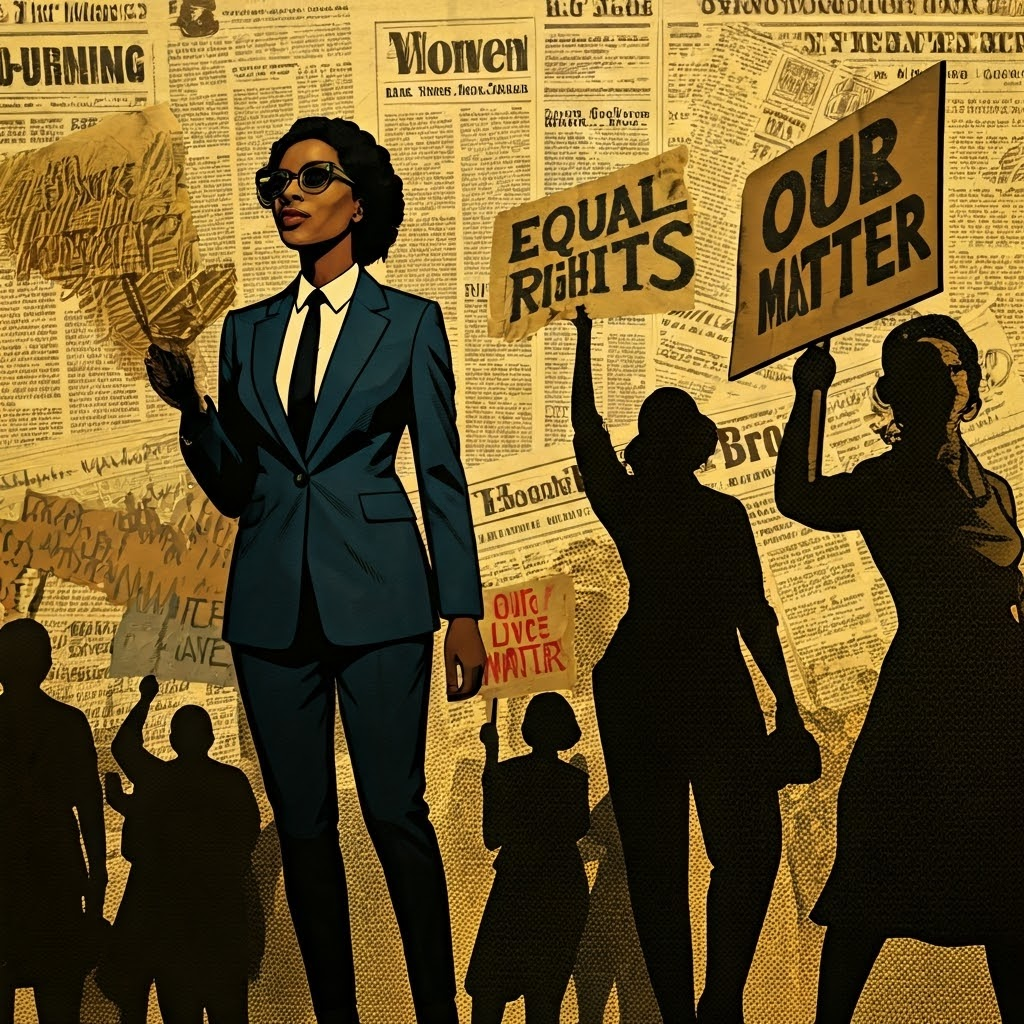
Talk turned into action. In 1966 Betty Friedan and others formed the National Organization for Women. They filed lawsuits, wrote petitions, and demanded equal pay.
Radical groups like Redstockings held speak-outs and sit-ins. Leaders such as Pauli Murray crafted legal strategies, while Shulamith Firestone argued for freedom from rigid roles.
Media mocked them with myths like “bra-burning,” yet coverage spread their message. By the late 1960s, private discontent had grown into a public roar.
