15 min read  •  11 min listen

Legacy & Transmission

How Ancient Ideas Keep Shaping Us

Legacy & Transmission

AI-Generated

April 29, 2025

Why do ancient voices still echo in our world? Discover how ideas from Greece and Rome have survived, changed, and keep shaping everything from politics to pop culture. You’ll see how old texts were saved, reimagined, and sometimes challenged—right up to today.


Lost, Found, and Carried Forward: How Ancient Ideas Survived

Guardians of the Past: Monks, Manuscripts, and Memory

If you hold a printed copy of Homer or Aristotle today, you owe that gift to centuries of patient monastic scribes. They copied each letter by hand, often in cold rooms lit only by candles. Their quiet labor kept knowledge alive for readers they would never meet.
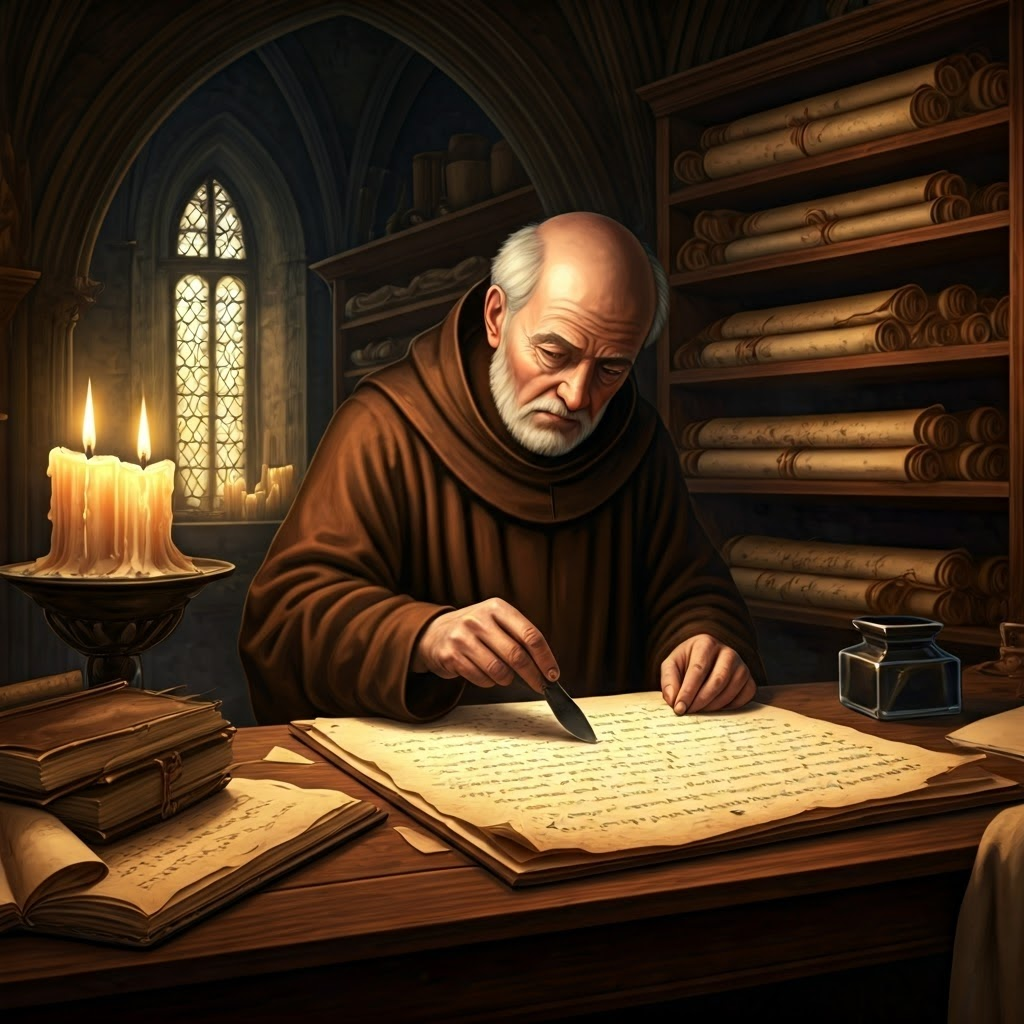
An elderly monk works by candlelight in a medieval scriptorium, carefully restoring a faded parchment to preserve classical literature for future generations.

Few books came through unscathed. Lucretius’s poem On the Nature of Things almost vanished; only two copies surfaced in the fifteenth century. Of more than 120 Sophocles plays, just seven have survived because monks chose to recopy them. Each selection reshaped the cultural record.
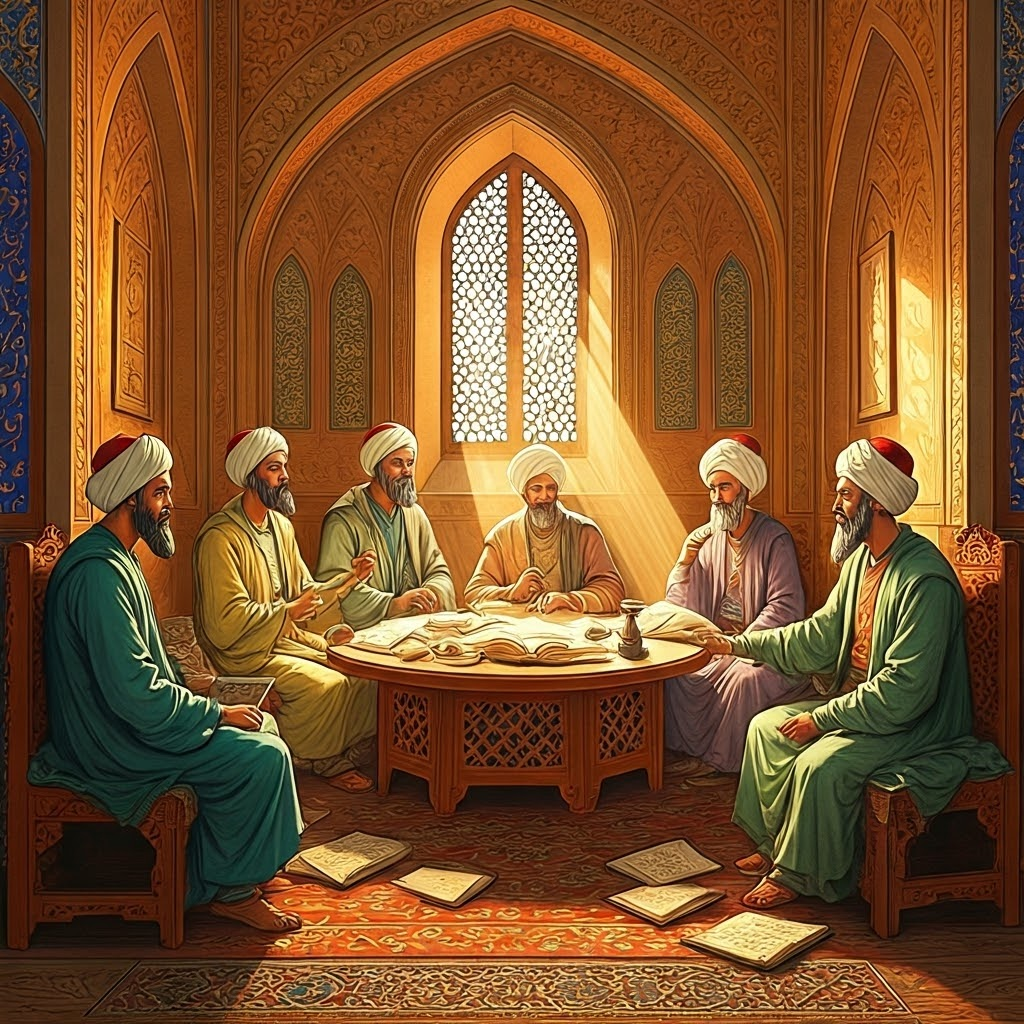
Scholars debate Greek scrolls and Arabic manuscripts inside Baghdad’s House of Wisdom, showing the city as a vibrant hub of translation in the ninth century.

Baghdad’s Golden Hour: Translation and Transformation

Medieval Baghdad shone as a beacon of learning. During the eighth and ninth centuries, Abbasid caliphs gathered texts from Greece and Rome. At the House of Wisdom, translators turned these works into Arabic and refined their ideas.
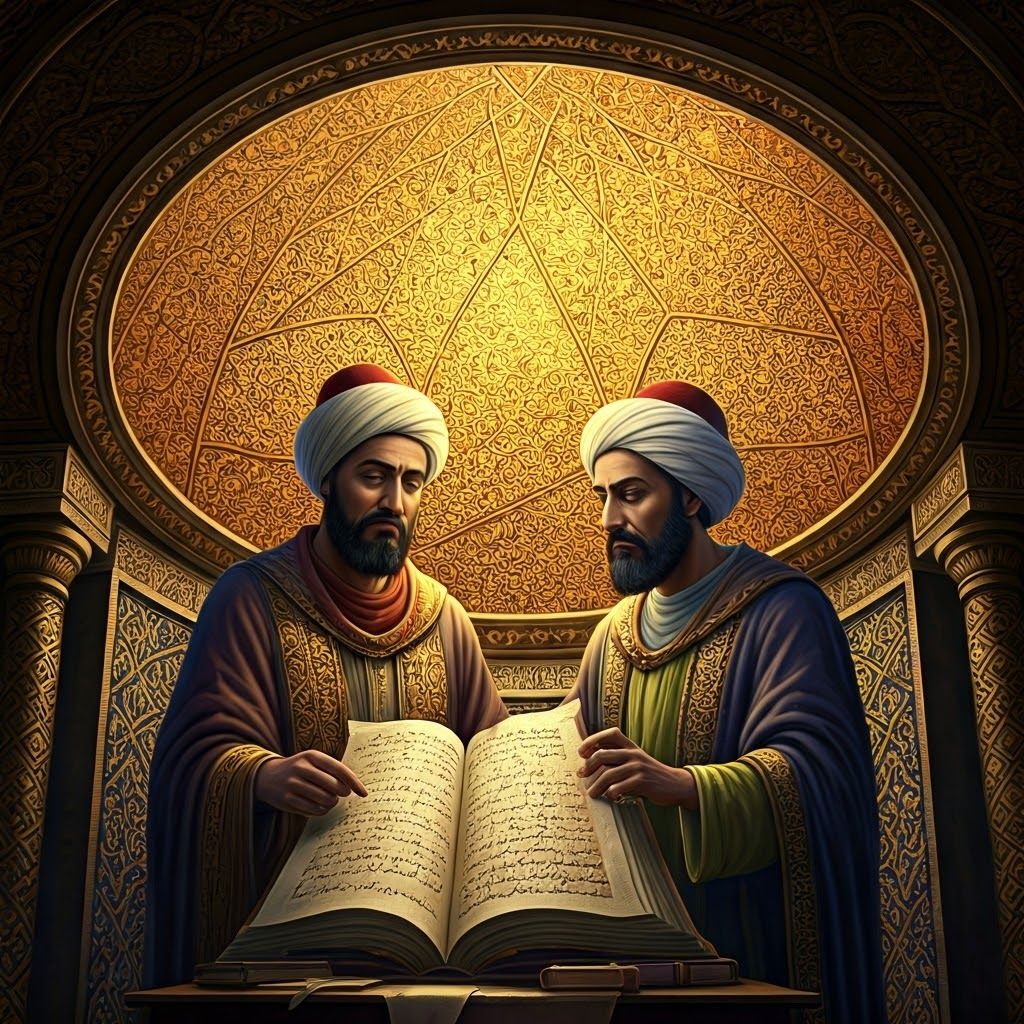
Two Islamic scholars compare Aristotle’s logic with fresh Arabic notes beneath a patterned dome, highlighting intellectual exchange in medieval Baghdad.

Hunayn ibn Ishaq led teams that clarified Galen and Aristotle. Thinkers such as al-Kindi and al-Farabi blended Greek philosophy with Islamic thought, creating hybrid systems. When Europe later reconnected with the East, it met Greek ideas filtered through Arabic minds.
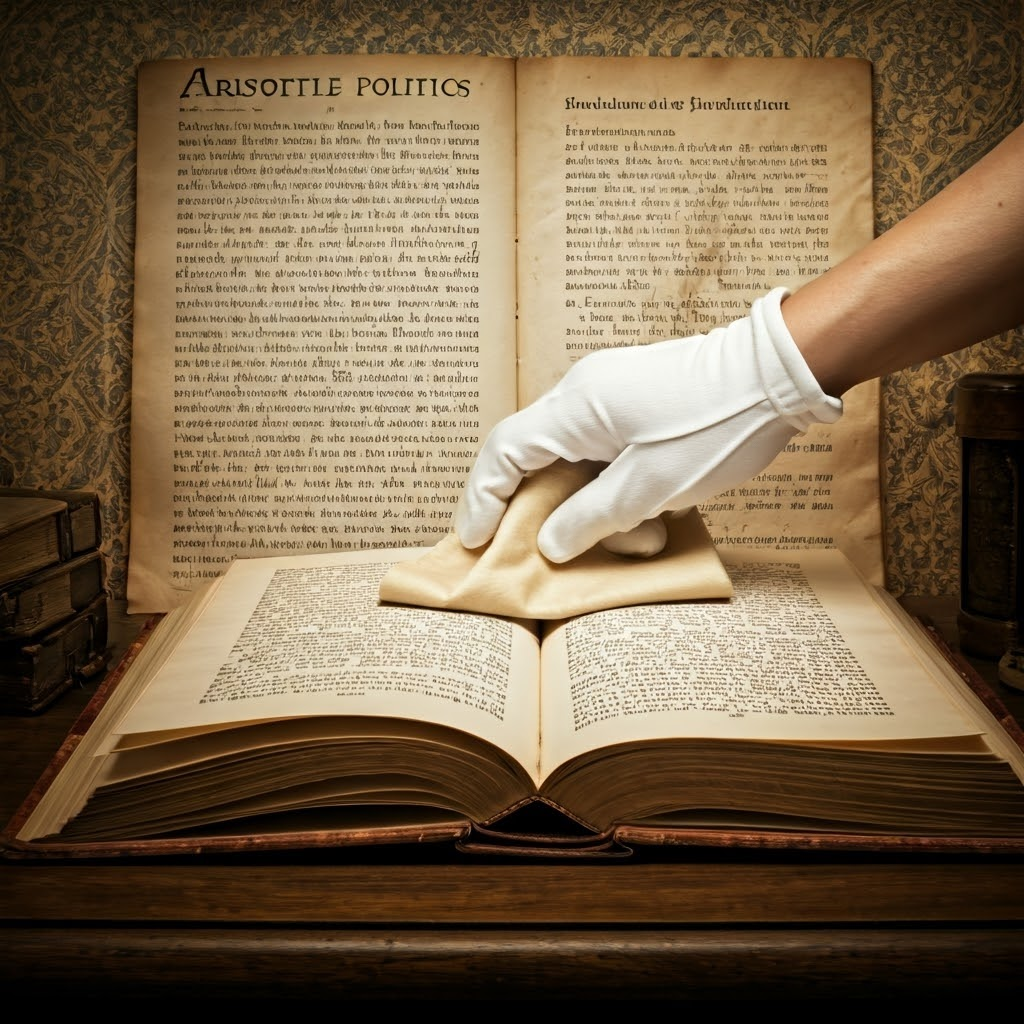
A scholar lifts a time-worn copy of Aristotle’s Politics, layered with centuries of commentary, showing how texts evolved through transmission.

Aristotle’s Politics returned to Europe wrapped in new glosses and a few errors, yet its core still guided debate. Baghdad’s translators did more than save the ancient world—they globalized it.
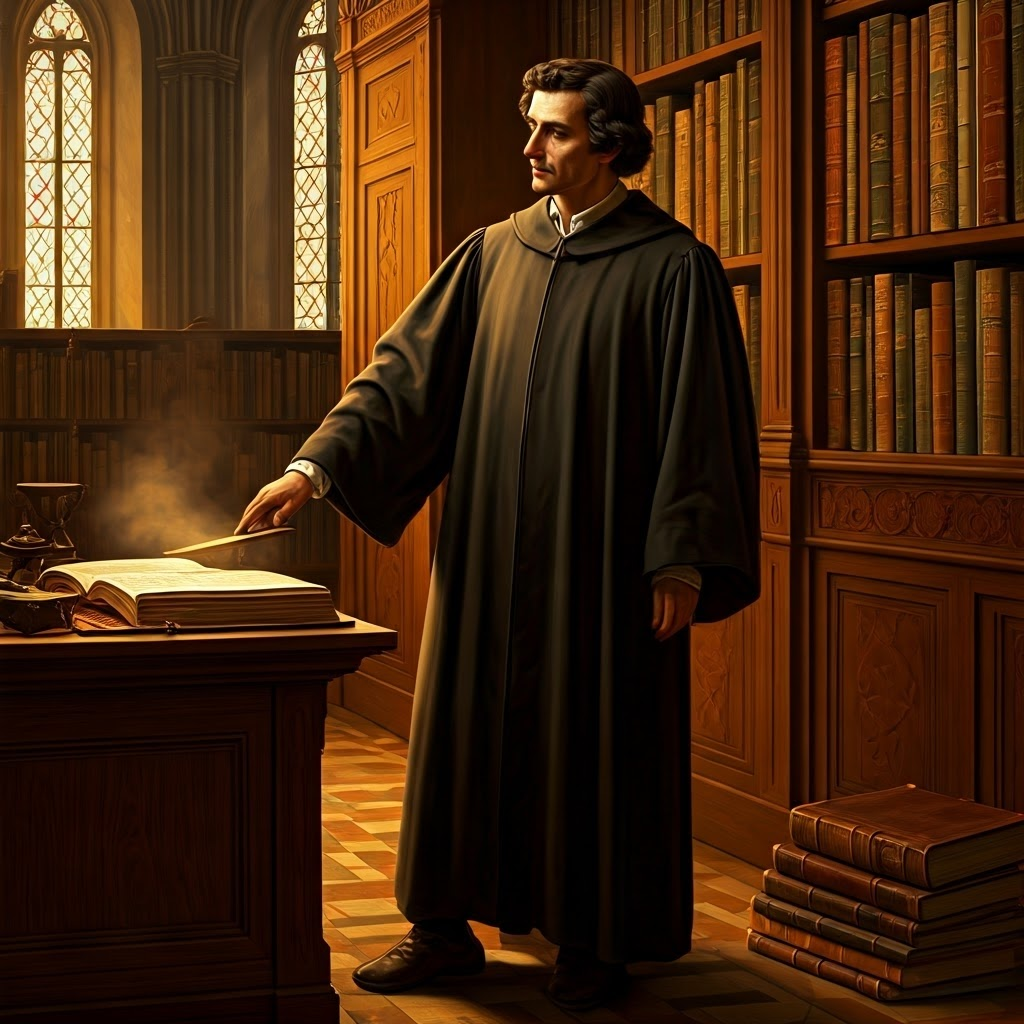
Petrarch discovers a neglected codex in an Italian cathedral library, capturing the thrill of Renaissance manuscript hunting.

Renaissance Rediscoveries: Petrarch, Humanists, and the Printing Press

In fourteenth-century Italy, Petrarch hunted forgotten texts. His find of Cicero’s letters in 1333 electrified humanists who saw ancient works as guides for clear thinking and elegant prose.

Johannes Gutenberg supervises a wooden press as fresh pages of Latin classics dry, marking the dawn of mass-produced knowledge.

Gutenberg’s printing press, invented around 1450, changed everything. Books could now reach hundreds of readers quickly and cheaply. Early printers cross-checked copies, reducing errors and anchoring the modern canon of classics.

Many works remain lost, known only through fragments or later references. Yet from monks to Baghdad scholars to Renaissance printers, countless hands chose what mattered. Their choices still shape what we can read—and question—today.


Tome Genius

Classical Greece & Rome: Philosophy, Politics & Power

Part 10

Tome Genius

Cookie Consent Preference Center

When you visit any of our websites, it may store or retrieve information on your browser, mostly in the form of cookies. This information might be about you, your preferences, or your device and is mostly used to make the site work as you expect it to. The information does not usually directly identify you, but it can give you a more personalized experience. Because we respect your right to privacy, you can choose not to allow some types of cookies. Click on the different category headings to find out more and manage your preferences. Please note, blocking some types of cookies may impact your experience of the site and the services we are able to offer. Privacy Policy.
Manage consent preferences
Strictly necessary cookies
Performance cookies
Functional cookies
Targeting cookies

By clicking “Accept all cookies”, you agree Tome Genius can store cookies on your device and disclose information in accordance with our Privacy Policy.

00:00