13 min read  •  12 min listen

Learning in Layers

How Virtual and Augmented Reality Change the Way You Learn

Learning in Layers

AI-Generated

April 28, 2025

Ever wondered what it’s like to actually step inside your lessons? This tome shows you how learning changes when you’re not just reading or watching, but living the experience. Get ready to see how knowledge stacks up, one layer at a time.


Why Your Brain Loves Layers: The Science of Immersive Learning
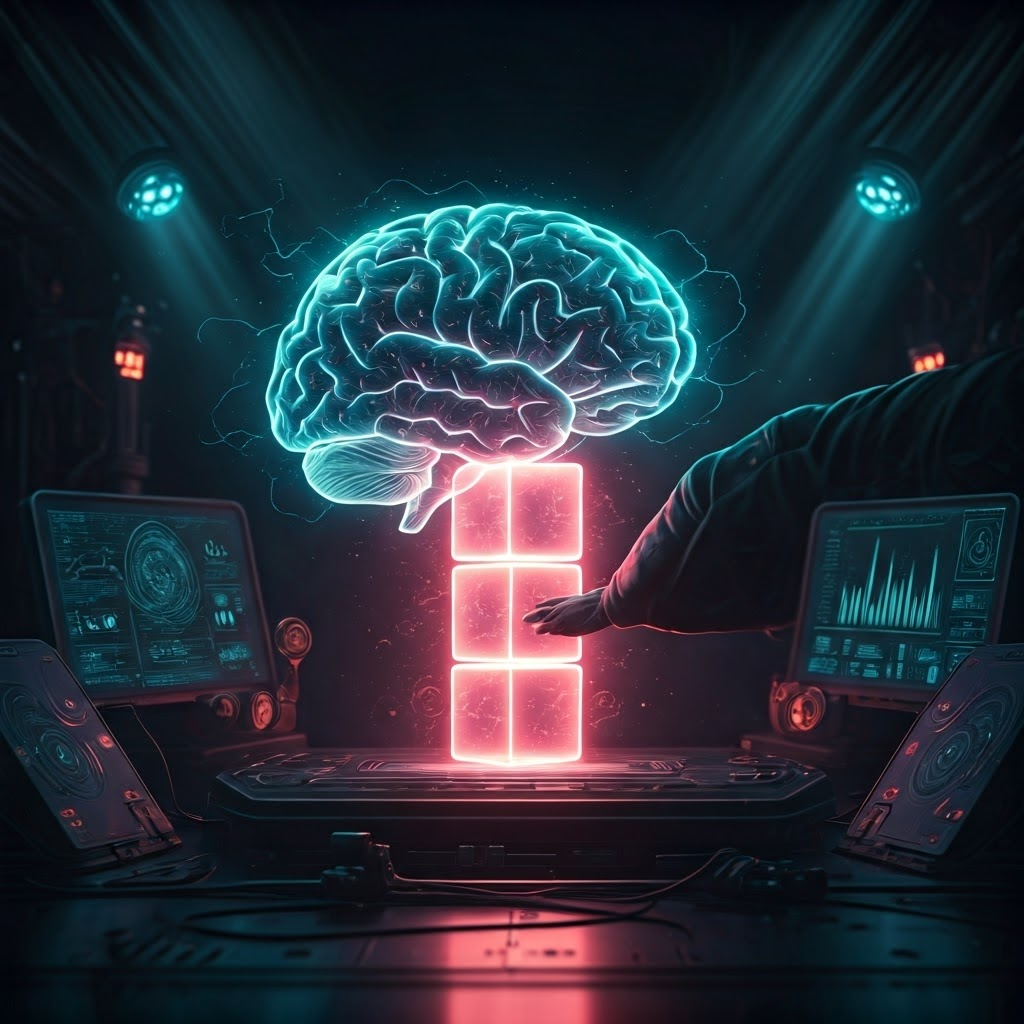
Person wearing VR gloves stacks glowing cubes inside a holographic brain, symbolizing layered learning in a cyberpunk lab.

Your brain is not a bucket that someone fills with facts. It acts more like a construction site, steadily layering new ideas onto what you already know. This process—called constructivism—explains why stacked, hands-on experiences stick so well.

Learner on a neon bicycle in VR manipulates floating molecule models, showing trial-and-error discovery.

Think about learning to ride a bike. You wobbled, crashed, and kept adjusting. Each attempt added balance, steering, and pedaling into one smooth skill. Immersive lessons work the same way. In VR, you twist a molecule as if it were a block, letting your mind build science through action.

VR headset projects a coral reef on one side and a medieval town on the other, highlighting context-based memory.

Learning Where You Are: The Power of Place

Location shapes memory. Situated learning ties facts to scenes, sounds, and even smells. Swim through a digital reef, and fish names fuse with shimmering light. Walk a medieval market, and haggling sounds anchor trade concepts. This context boosts recall far better than plain text.

Comic-style street at night shows a trainee giving CPR to a holographic patient amid sirens and headlights.

Research confirms the effect. Practice CPR in a noisy VR street, and you remember the steps plus the stress. You also learn to stay calm—an insight no textbook can fully deliver.
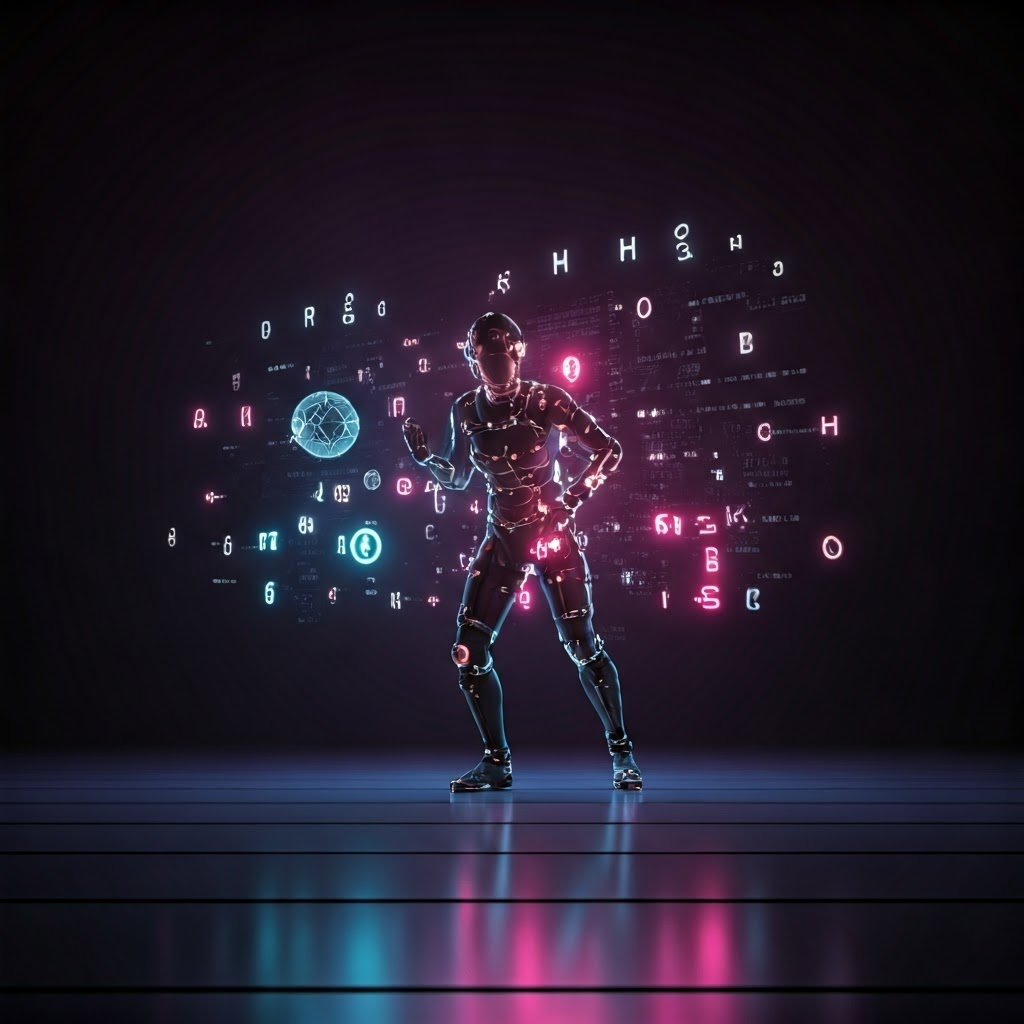
User in motion-capture suit moves as holographic symbols shift around, linking gestures with ideas.

Thinking With Your Body

Your body often learns faster than your head. Embodied cognition shows that moving and gesturing strengthen memory. Each gesture fires motor regions, weaving action and concept into one memory strand.

Virtual chemistry lab scene with glowing liquids and data panels showing instant reaction feedback.

In a VR lab, you pour, heat, and watch reactions flash. Immediate feedback—sometimes even a safe virtual explosion—cements lessons more firmly than reading alone.
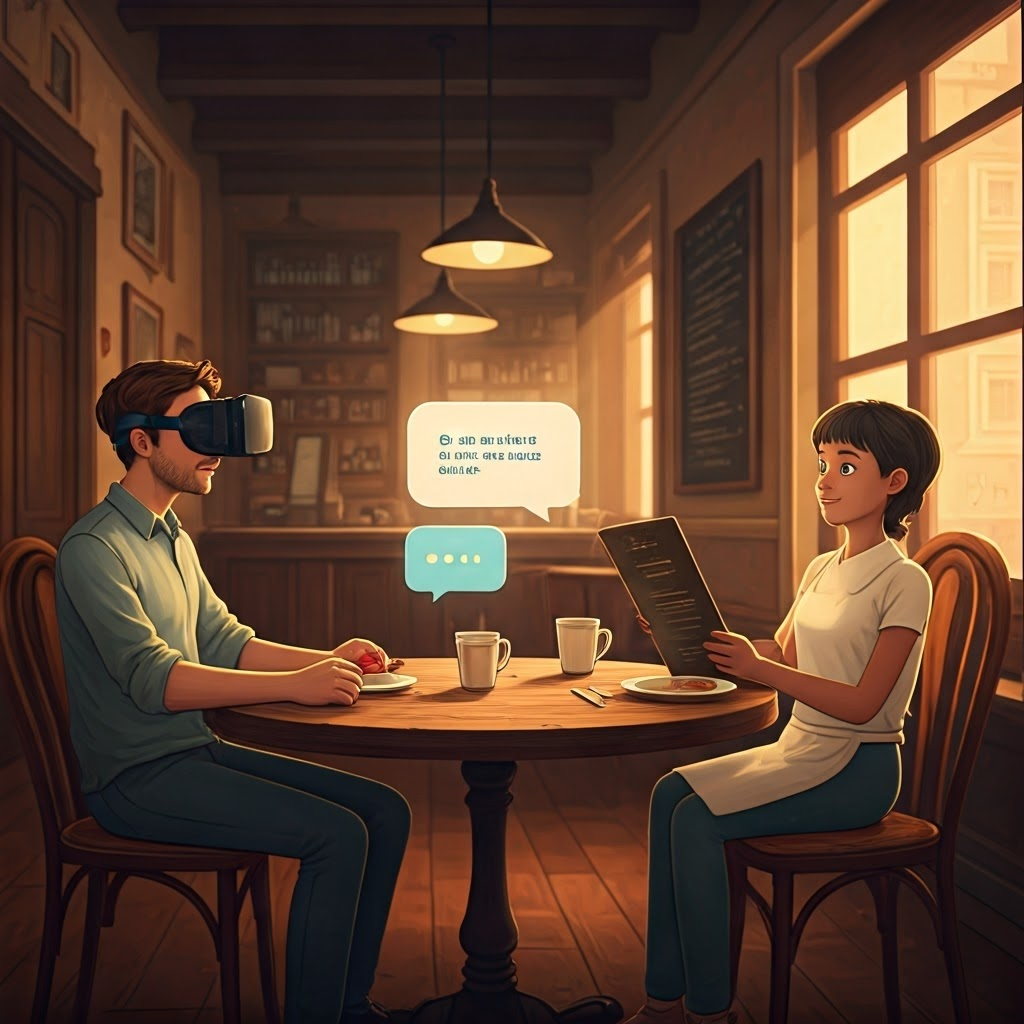
Learner in VR café practices ordering food with an avatar waiter, speech bubbles displaying dialogue.

Language learning thrives here too. Order coffee in a virtual café, laugh at mistakes, then try again. Stanford studies show that acting out roles in immersive spaces speeds vocabulary gains and makes them stick longer.
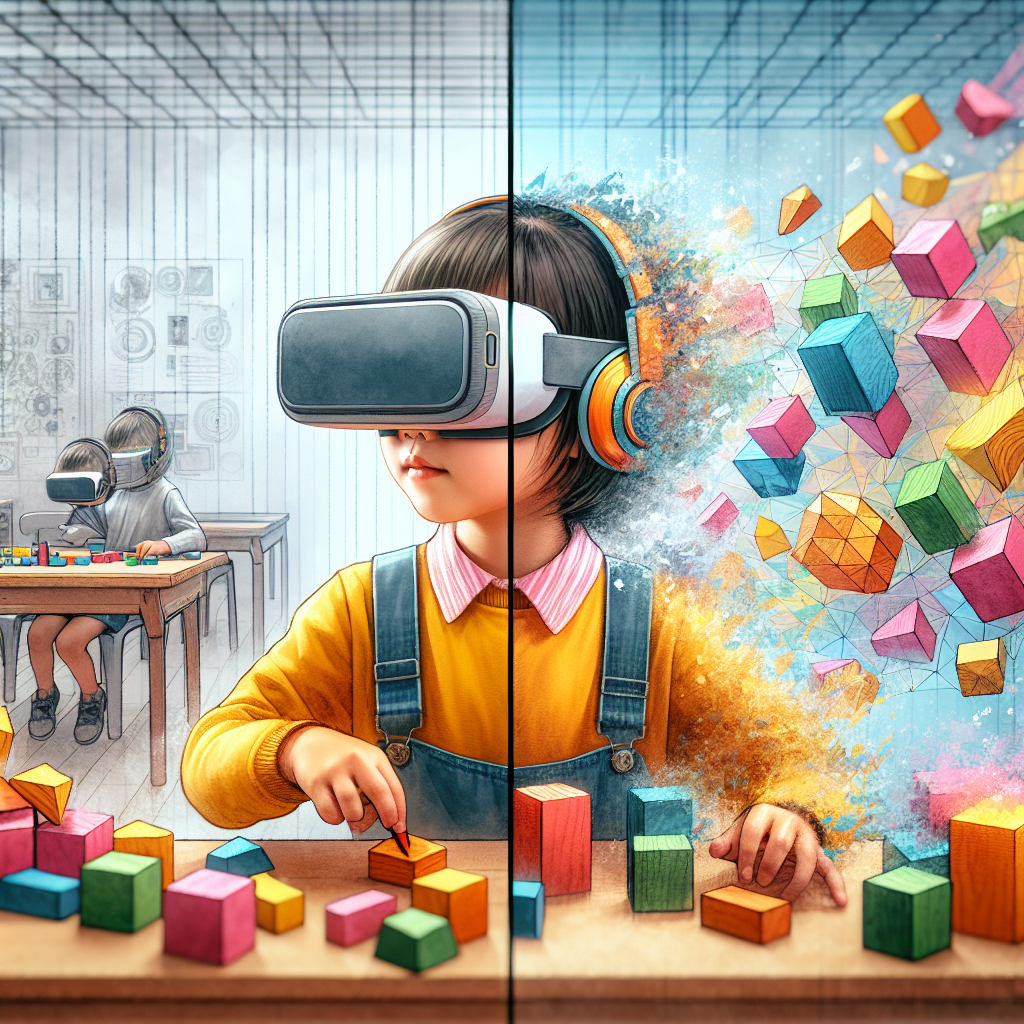
Child builds wooden blocks that morph into virtual museum artifacts, linking physical play to digital exploration.

Connecting the Science to Real Life

You have likely felt these benefits already—stacking math blocks, touring a museum, or role-playing in class. Those activities combined constructivist, situated, and embodied elements long before fancy gear. Today’s VR simply amplifies their power.

Want stronger memory? Tie new facts to places, actions, and past experiences. Do the task, move around, and make safe mistakes. Each added sense turns knowledge into lasting layers—just like real life.


Tome Genius

Virtual & Augmented Reality

Part 7

Tome Genius

Cookie Consent Preference Center

When you visit any of our websites, it may store or retrieve information on your browser, mostly in the form of cookies. This information might be about you, your preferences, or your device and is mostly used to make the site work as you expect it to. The information does not usually directly identify you, but it can give you a more personalized experience. Because we respect your right to privacy, you can choose not to allow some types of cookies. Click on the different category headings to find out more and manage your preferences. Please note, blocking some types of cookies may impact your experience of the site and the services we are able to offer. Privacy Policy.
Manage consent preferences
Strictly necessary cookies
Performance cookies
Functional cookies
Targeting cookies

By clicking “Accept all cookies”, you agree Tome Genius can store cookies on your device and disclose information in accordance with our Privacy Policy.

00:00