

The Price of Escape: Why Launching Is So Hard (and Expensive)
A rocket launch looks spectacular, but the hard part is beating Earth’s pull. You must reach about 7.9 km per second to stay in orbit. That need for speed drives the famous rocket equation, which balances how fast exhaust leaves the engine against how much mass a vehicle starts and ends with.
The formula is . It shows why rockets carry far more propellant than payload. Add a little cargo, and you quickly need a lot more fuel—plus extra fuel to push that extra fuel. The math snowballs fast.

Every kilogram matters because fuel must lift itself. A Falcon 9 at launch is about 95 percent propellant and only 5 percent hardware plus payload. Hauling a 1 ton satellite often means starting with a 250 ton rocket. Efficiency hinges on lighter structures and high-speed exhaust.

Meet the Rockets: Families That Rule the Launchpad
Different rocket families dominate today’s market, each trading cost, lift, and heritage.
• Falcon (SpaceX) lifts roughly 22.8 t to LEO and, thanks to reuse, can drop prices below $3,000 per kg.
• Ariane (Europe) flies about 20 t with a solid record, but non-reusable stages push prices above $7,000 per kg.

• Long March (China) offers up to 25 t, priced near Ariane.
• SLS (NASA) can haul 95 t, yet its bespoke hardware costs up to $50,000 per kg—capability over economy.
• Starship (SpaceX) aims for more than 100 t at perhaps $200 per kg if full reuse succeeds, which could upend everything.
Mission planners juggle price, reliability, and mass to pick the right ride—an Earth-observation satellite might splurge on Ariane assurance, while a megaconstellation grabs Falcon’s bargain.

Reusable or Bust: The Economics of Flying Again
Reusability has shifted launch math. Tossing away rockets once made every trip costly. SpaceX flipped expectations by landing Falcon 9 boosters. Flying a stage twice saves tens of millions and has already cut costs from about $10,000 to under $3,000 per kg.
Starship targets aircraft-style turnaround, yet hardware must endure controlled explosions, salt spray, and rapid refurbishment. Every kilogram that enables reuse displaces payload, so engineers chase rugged yet light designs.
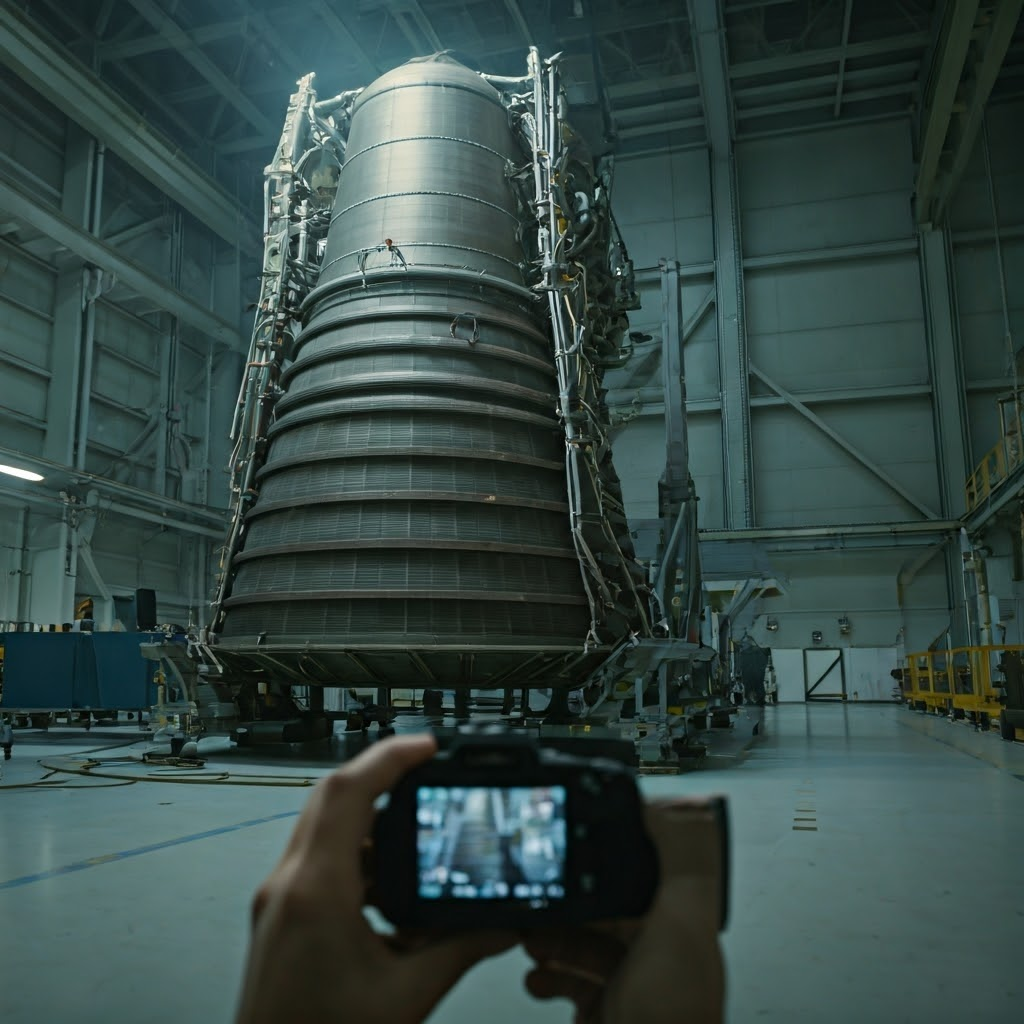
Ariane and Long March still discard stages—safe but pricey. If Starship proves reliable, prices near $200 per kg could ripple across satellites, science, and tourism.
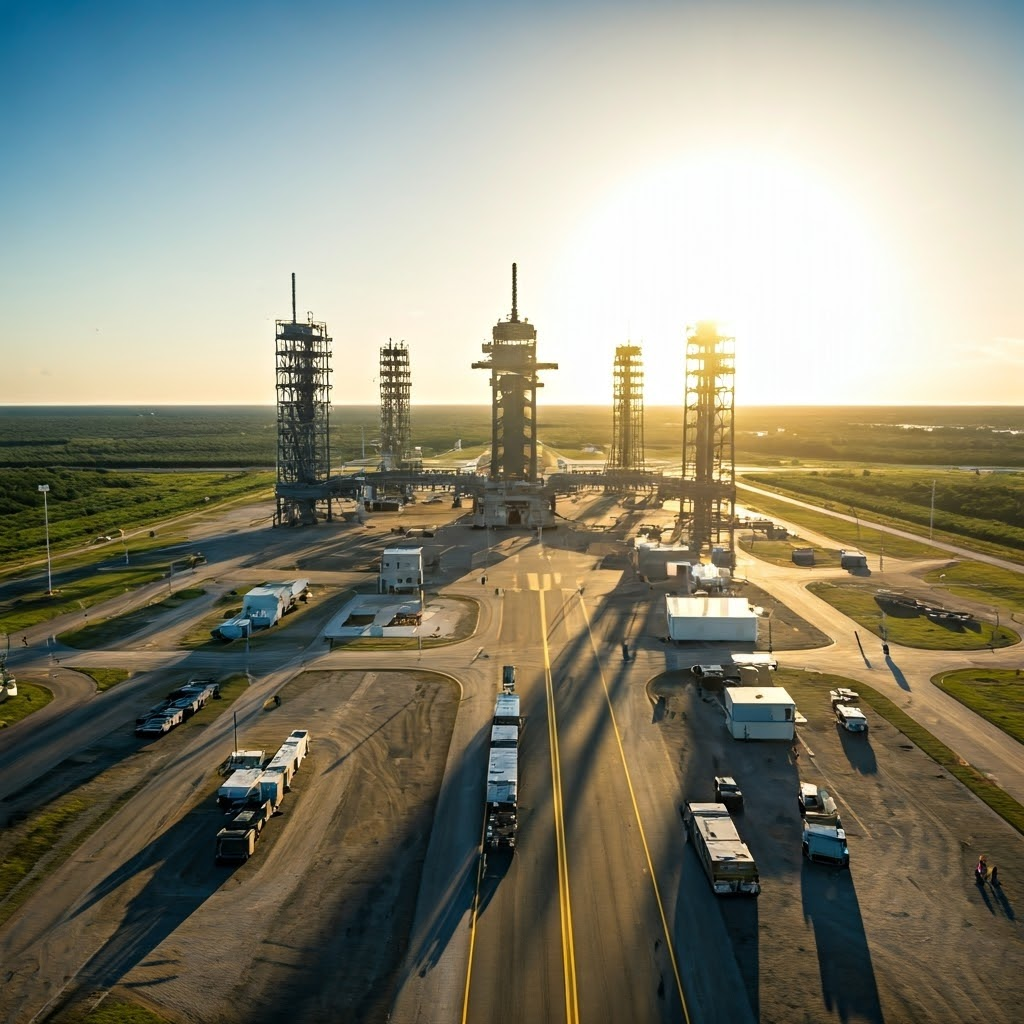
Hidden Costs: Insurance, Regulation, and Spaceports
The rocket ticket is only part of the bill. Insurance can add 5–20 percent of a satellite’s value, rising with perceived risk. Regulatory reviews also bite; the FAA or its counterparts may delay liftoff for months.

Spaceports impose fees for range safety, tracking, and emergency crews. Weather, supply hiccups, and maintenance join the cost parade. A late engine part can shuffle an entire launch calendar.
Launching remains a complex mix of physics and paperwork. Better reuse, leaner logistics, and smarter insurance may one day make spaceflight as routine as air travel. For now, gravity—and the balance sheet—keeps the game both expensive and fascinating.
