15 min read  •  11 min listen

Keeping It Fresh

The Simple Science of Stopping Spoilage

Keeping It Fresh

AI-Generated

April 28, 2025

You’re about to discover the secrets behind why food spoils and how you can outsmart it. Learn the simple science that keeps your meals safe, tasty, and lasting longer—without the guesswork.


Meet the Spoilers: What’s Really Lurking in Your Food?
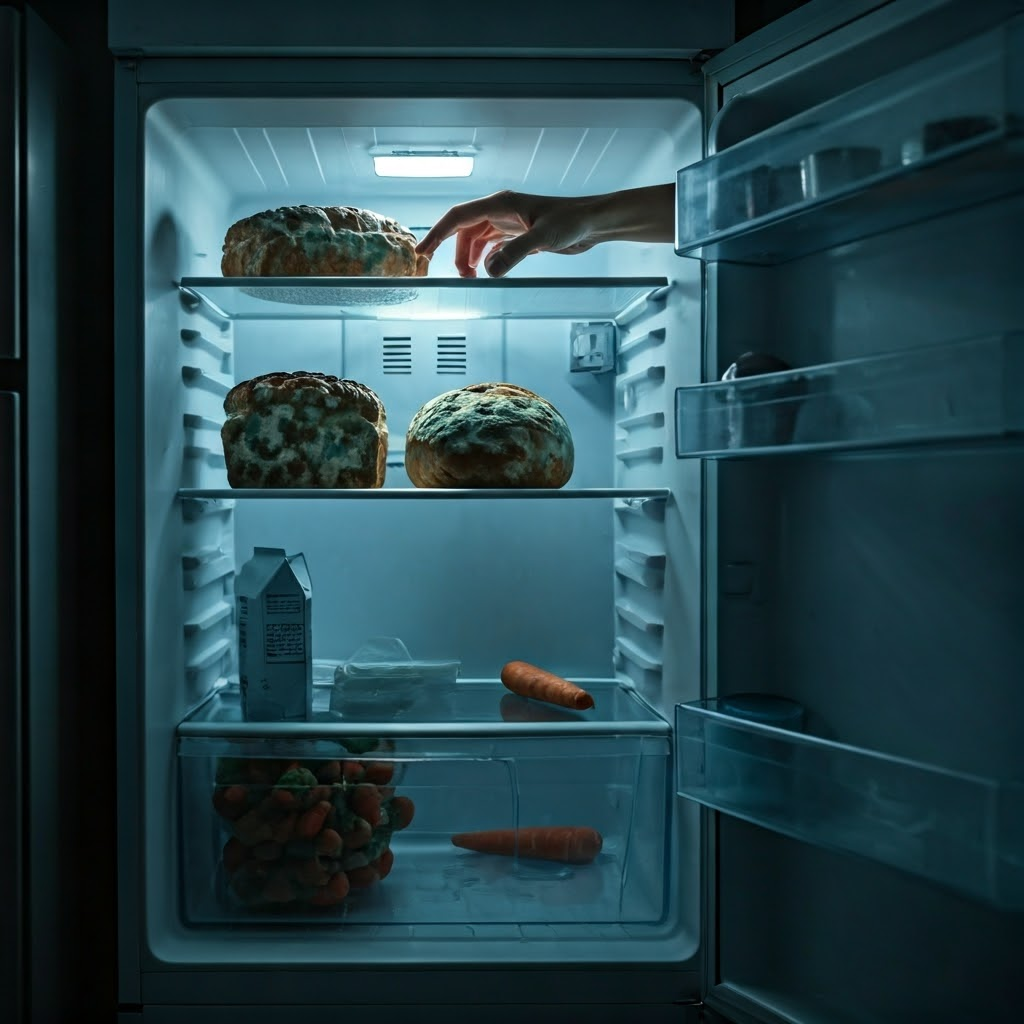
A dim kitchen fridge reveals moldy bread, sour milk, and a slimy carrot—showing common food spoilage at home.

Open the fridge at night and you might meet green bread fuzz, watery milk, or a slimy carrot—clear signs that tiny life forms are already enjoying your groceries. Spoilage wins when time, temperature, and moisture line up, turning dinner into compost.

The Usual Suspects: Spoilage Microbes vs. Pathogens
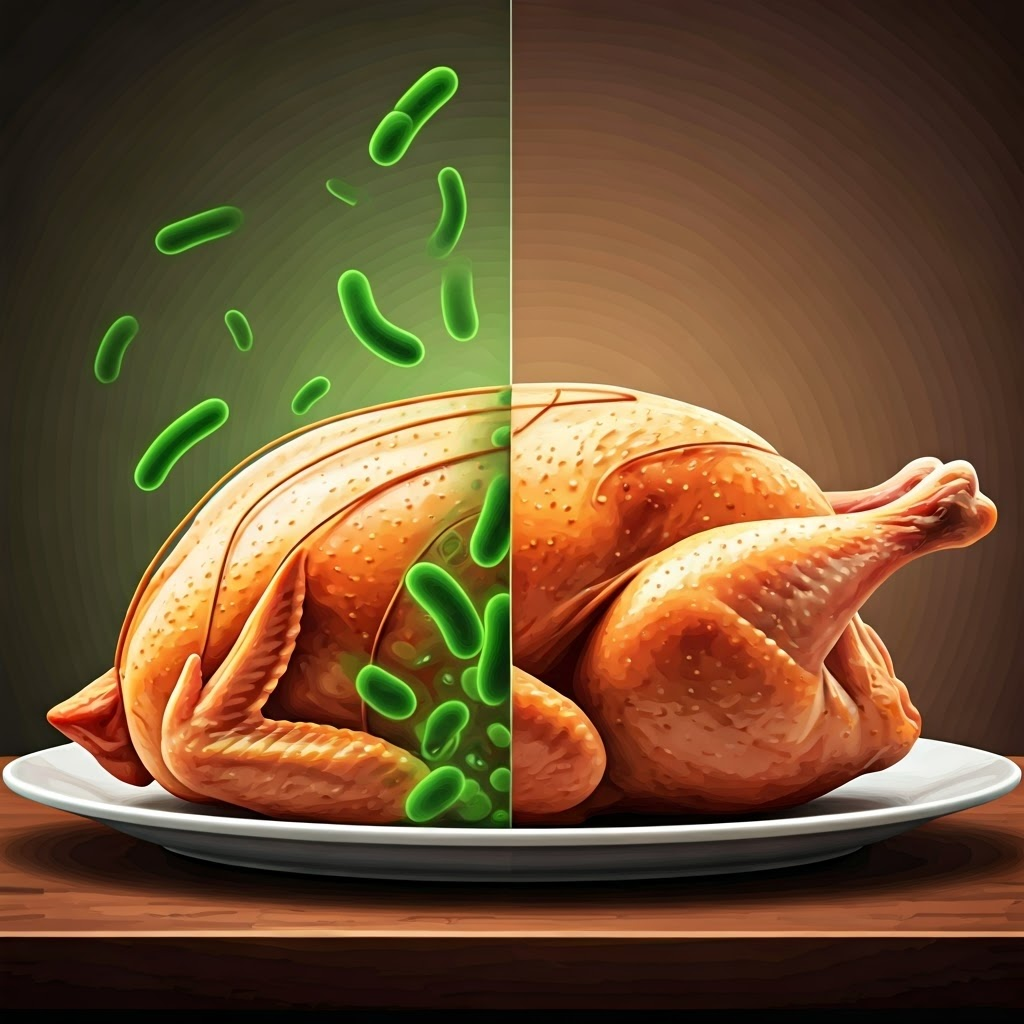
Cut-away chicken illustration contrasts harmless spoilage microbes with invisible disease-causing pathogens like Salmonella.

Spoilage microbes—bacteria, molds, and yeasts—break food down, leaving bad smells, fuzzy spots, or odd textures. They annoy you but rarely harm you. Pathogens, on the other hand, can make you sick even when food looks perfect.
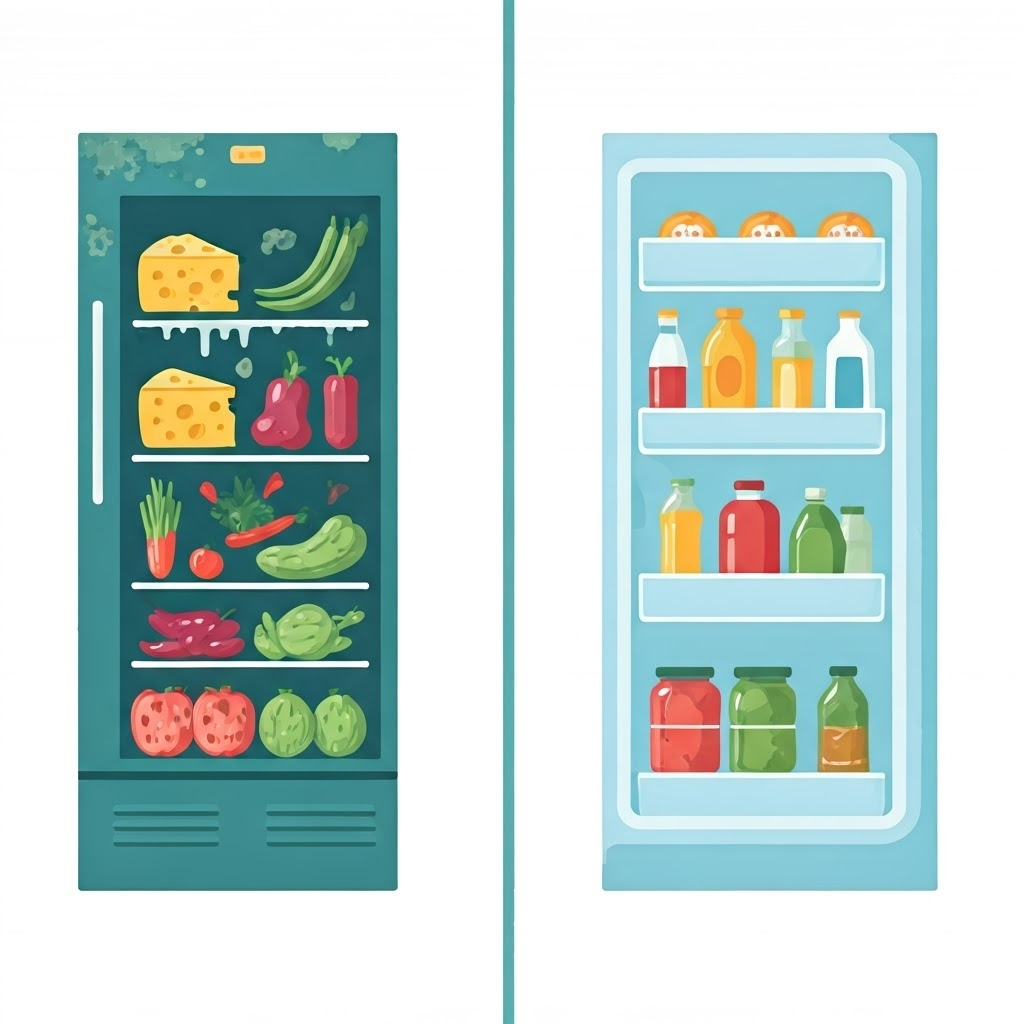
Left panel shows moldy foods and warning signs; right panel shows fresh foods stored safely.

The fridge “danger zone” starts above 40 °F. A rotisserie chicken kept too long here may host pathogens no nose can detect. Know that not all spoiled food is risky, and not all risky food appears spoiled.
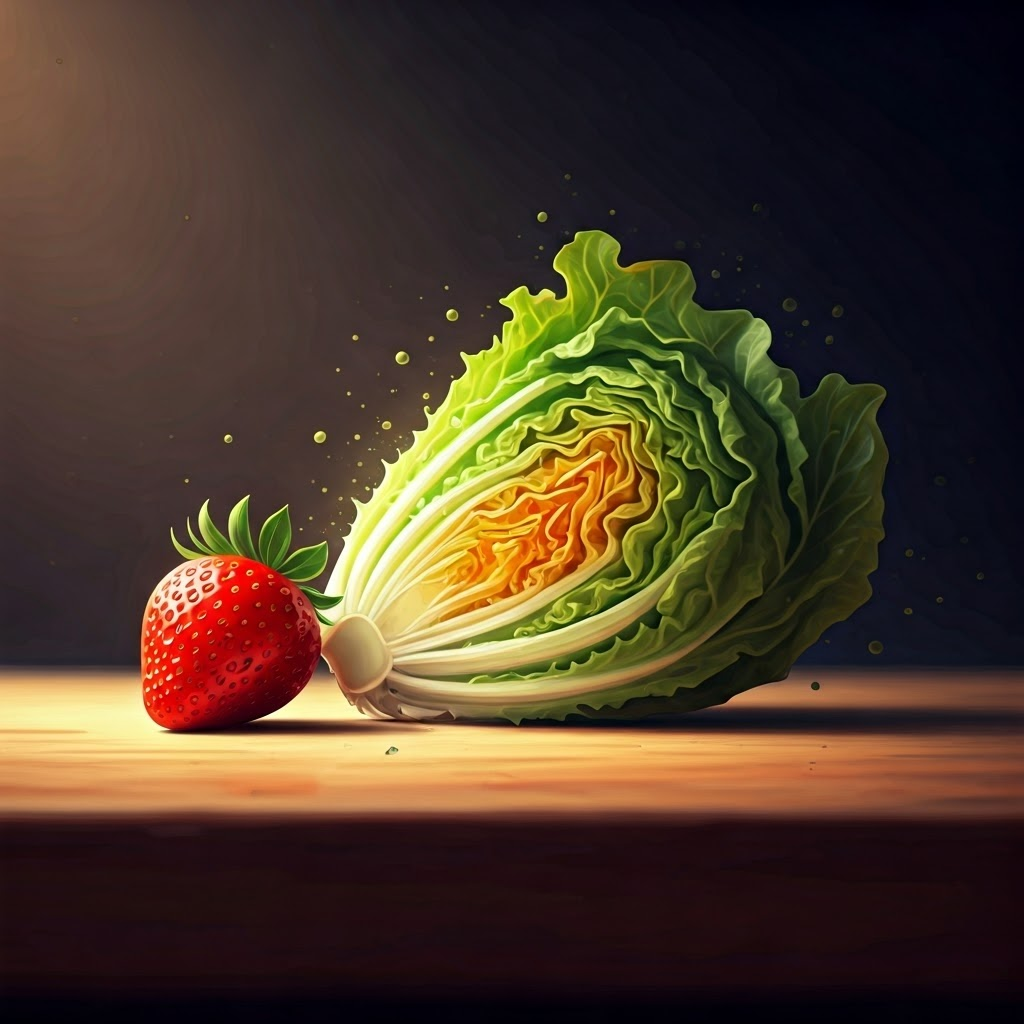
Sunlit counter with a ripe strawberry beside wilted lettuce, hinting at microbes at work.

How Food Goes Bad: The Chemistry of Spoilage

The moment food leaves its source, microbes claim it. Bacteria feast on sugars and proteins, changing flavor and feel. Molds follow, sending filaments deep and sometimes releasing toxins.
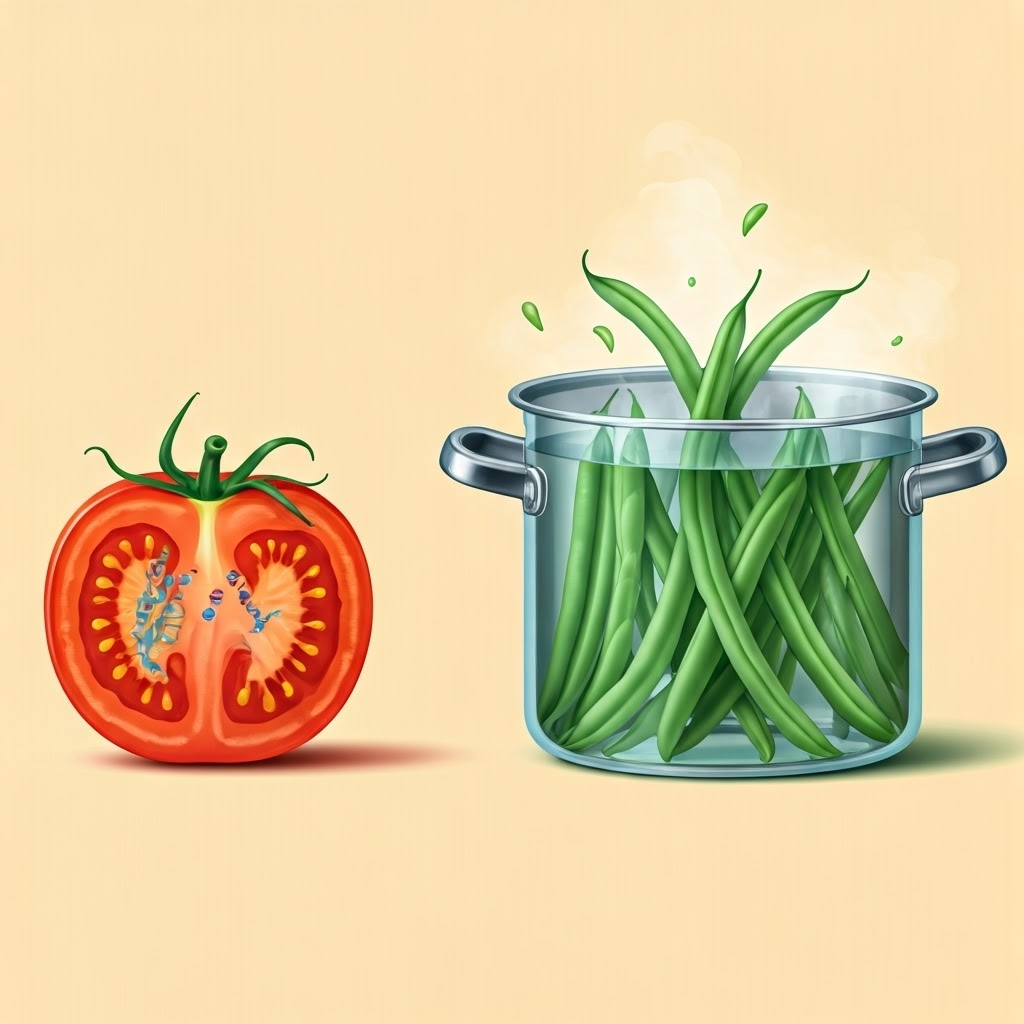
Half tomato shows enzymes breaking pectin; nearby, beans blanch to halt the process.

Enzymes speed breakdown even without microbes. Cut fruit browns, fish turns pungent, and meat softens. Blanching or chilling slows these reactions so your appetite can outrun spoilage.

Spotting Trouble: Signs of Spoilage and Danger

Person sniffs questionable food, deciding to keep or discard.

Sight, smell, and touch reveal spoilage—think fuzz on bread or sour milk lumps. Senses fail, though, against many pathogens, so follow storage times and temperatures.
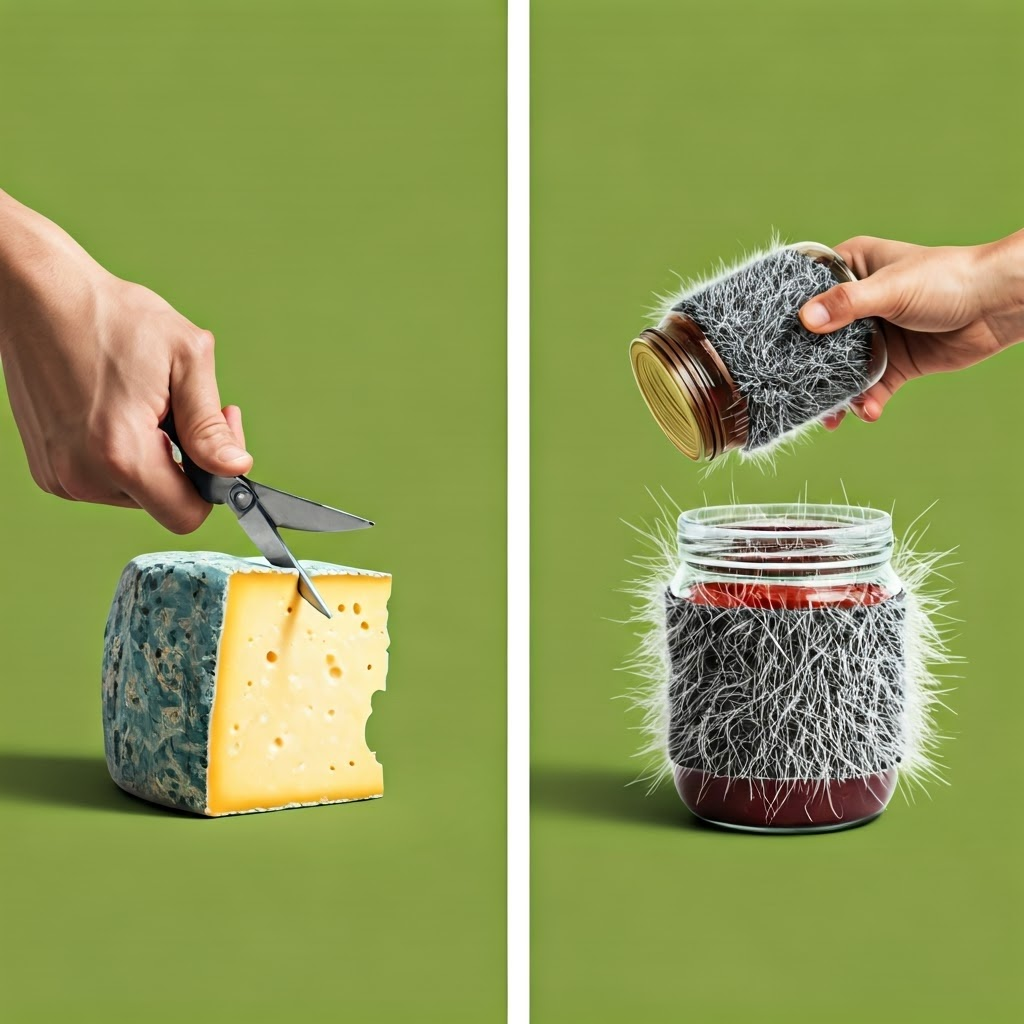
Pop-art graphic shows trimming mold from hard cheese and discarding moldy jam.

Cut away at least an inch around mold on hard cheese or firm veggies. Toss soft foods once mold appears. When unsure, remember the safe mantra: throw it out. Small, informed choices keep meals tasty and kitchens healthy.


Tome Genius

Chemistry of Cooking & Food Science

Part 9

Tome Genius

Cookie Consent Preference Center

When you visit any of our websites, it may store or retrieve information on your browser, mostly in the form of cookies. This information might be about you, your preferences, or your device and is mostly used to make the site work as you expect it to. The information does not usually directly identify you, but it can give you a more personalized experience. Because we respect your right to privacy, you can choose not to allow some types of cookies. Click on the different category headings to find out more and manage your preferences. Please note, blocking some types of cookies may impact your experience of the site and the services we are able to offer. Privacy Policy.
Manage consent preferences
Strictly necessary cookies
Performance cookies
Functional cookies
Targeting cookies

By clicking “Accept all cookies”, you agree Tome Genius can store cookies on your device and disclose information in accordance with our Privacy Policy.

00:00