
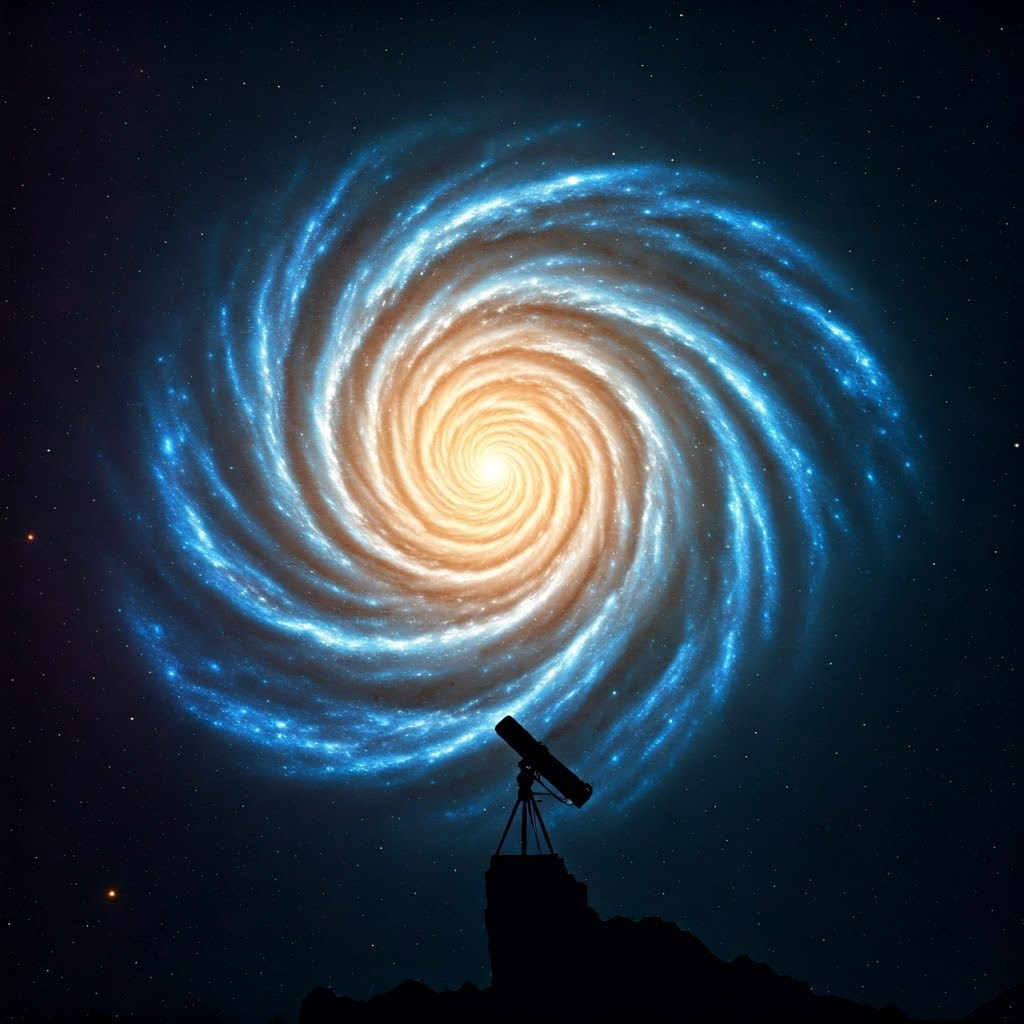
Galaxies: The Cosmic Neighborhoods
What Is a Galaxy?
A galaxy is a gigantic family of stars, gas, dust, and dark matter. Picture a city in space. Stars form the buildings, gas and dust make the streets, and dark matter is the hidden framework that holds everything together.
Galaxies vary wildly in size. Some host a few million stars, while others shelter trillions. Gravity keeps the stars orbiting in organized patterns—spiral arms, smooth ovals, or loose clouds—so the whole system moves as one.
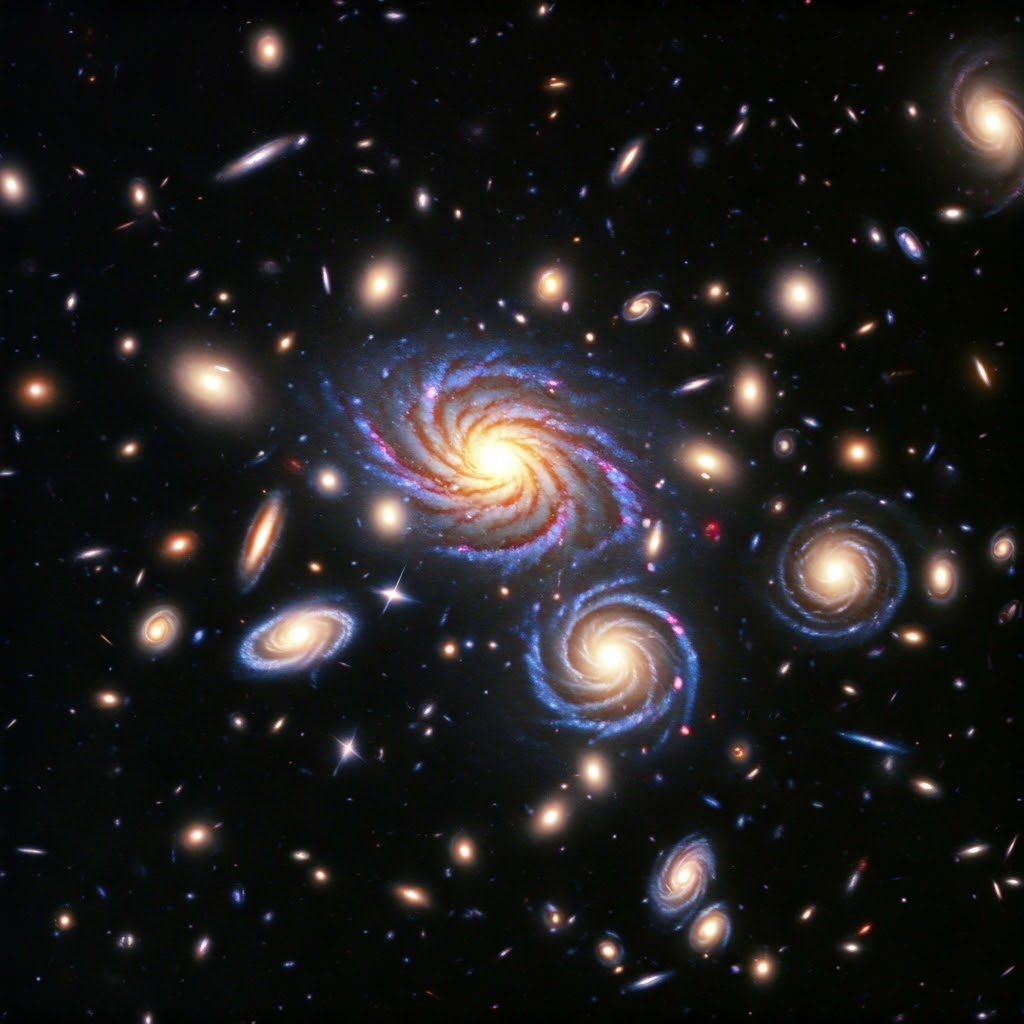
The sheer scale is mind-bending. Multiply Earth’s population by a hundred billion, and you still have fewer people than many galaxies have stars. Gas and dust fuel ongoing star birth, while unseen dark matter supplies the gravity that keeps galaxies from flying apart.
Galaxies often travel in groups, clusters, or sprawling superclusters—like towns clustering into counties and cities—linked by the universe’s large-scale structure.

The Hubble Sequence: Sorting the Cosmic Zoo
Back in the 1920s, Edwin Hubble created a simple system to classify galaxies. He placed spirals, ellipticals, and irregulars into an easy-to-read diagram, much like arranging animals in a zoo.
Spiral galaxies resemble cosmic pinwheels. They sport bright centers and sweeping arms rich in gas, making them busy star-forming hubs that glow blue with young, hot stars.
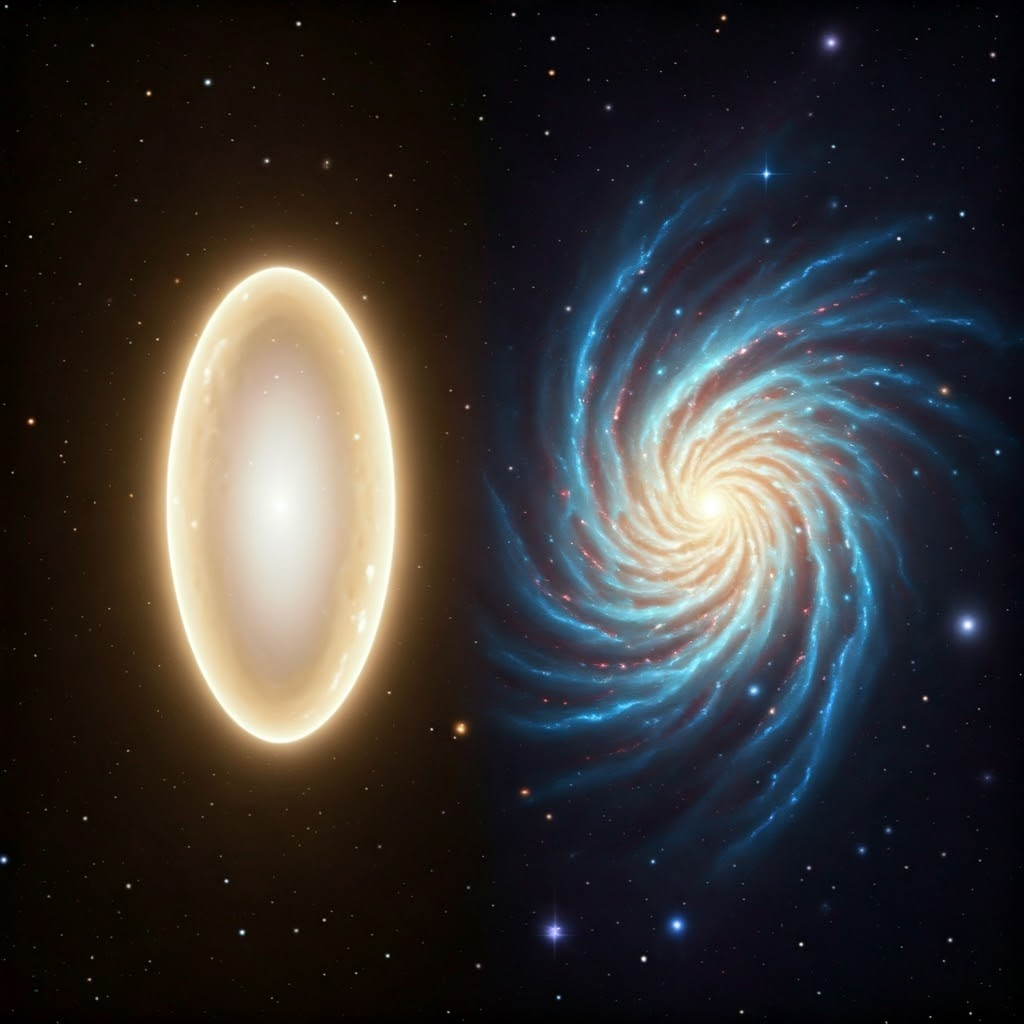
Elliptical galaxies are quieter. They look like glowing ovals with little gas and few new stars. Their yellow tint comes from older stellar populations—think of them as ancient cities with little new construction.
Irregular galaxies refuse neat labels. Gravitational tugs twist and stretch them into messy shapes. Nearby examples are the Large and Small Magellanic Clouds orbiting our Milky Way.
Hubble’s diagram does not explain every detail, yet it gave astronomers a clear map and showed that galaxy shapes reflect different life stories.
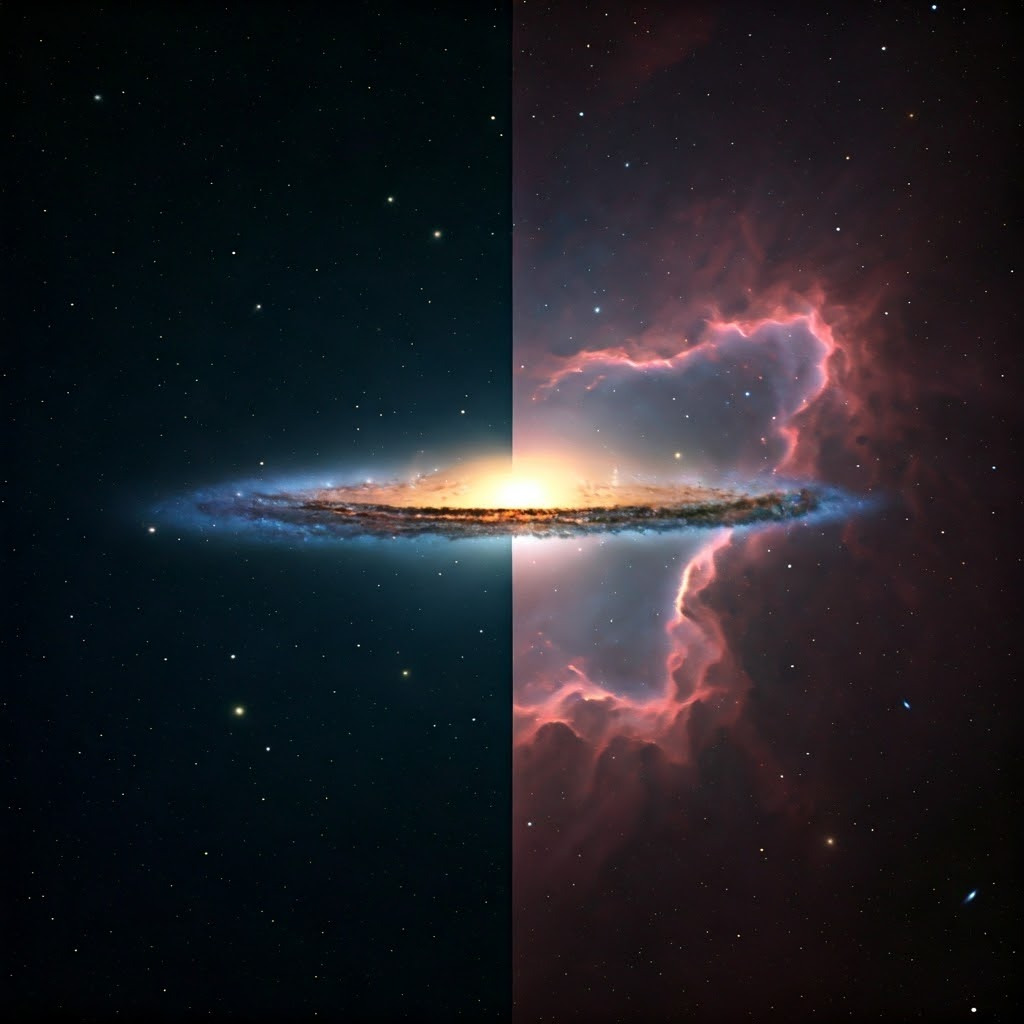
Dwarfs, Giants, and Oddballs
Most galaxies are dwarfs—small cosmic villages holding only a few million stars. The Milky Way hosts dozens of these tiny companions, some of which are slowly merging into our larger system.
At the opposite extreme stand giant ellipticals. These heavyweight galaxies anchor large clusters and can contain trillions of stars, often built by swallowing smaller neighbors over billions of years.
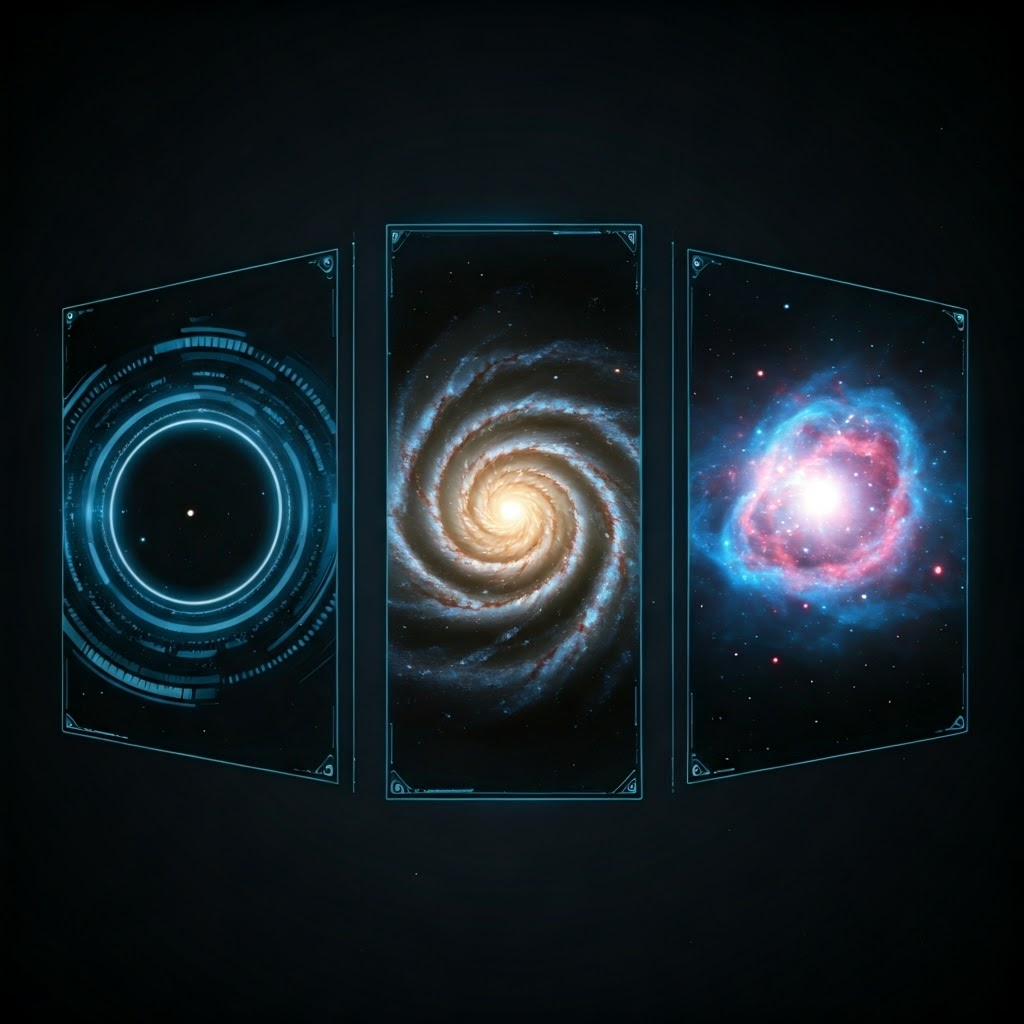
Some galaxies break every rule. Hoag’s Object forms a nearly perfect ring around a lonely core. Barred spirals, like NGC 1300, show a straight stellar bar slicing through their centers. Starburst galaxies race through intense star formation, illuminating space with brilliant blues and pinks.
Studying such outliers helps astronomers piece together how galaxies grow, collide, and evolve over cosmic time.
How We Found Other Galaxies
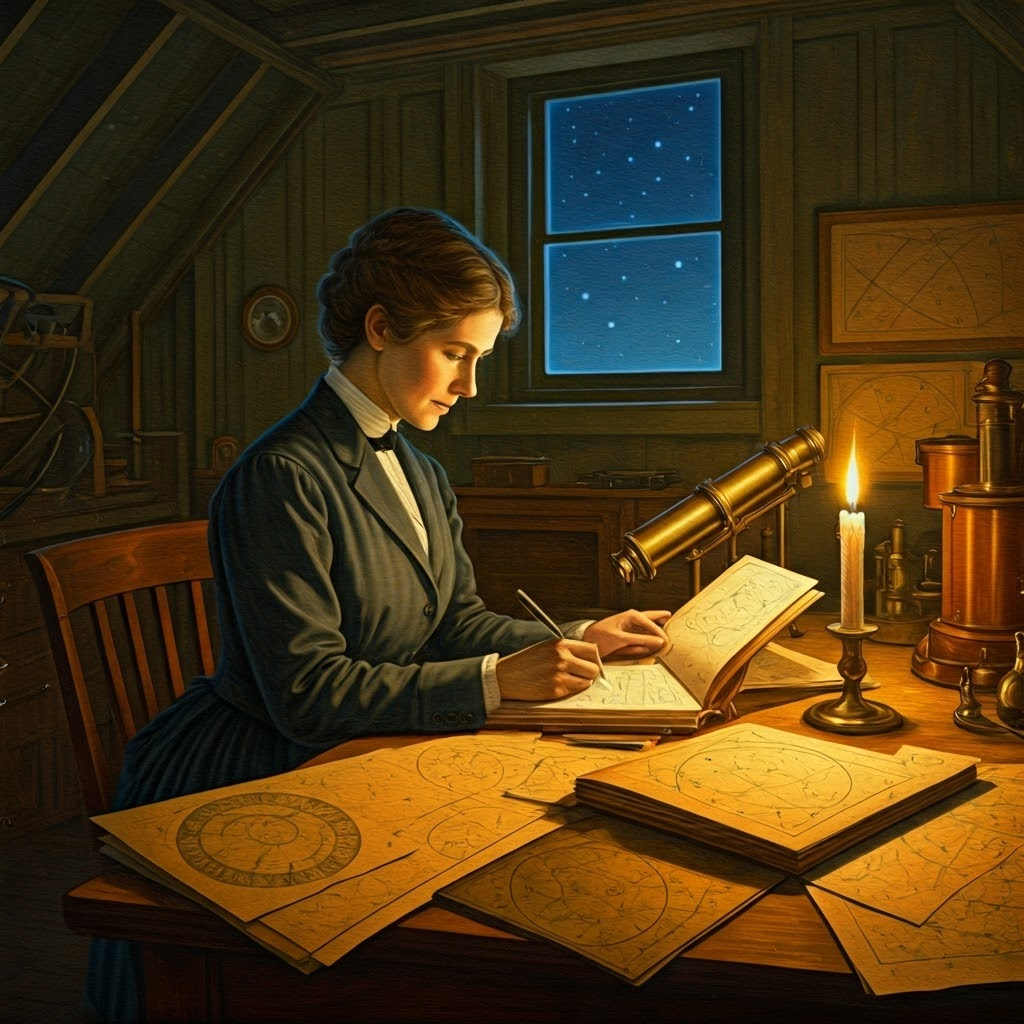
For centuries people believed the Milky Way filled the entire universe. That view shifted through the patient work of observers like Henrietta Leavitt, who discovered that Cepheid variable stars reveal reliable distances, acting as cosmic yardsticks.
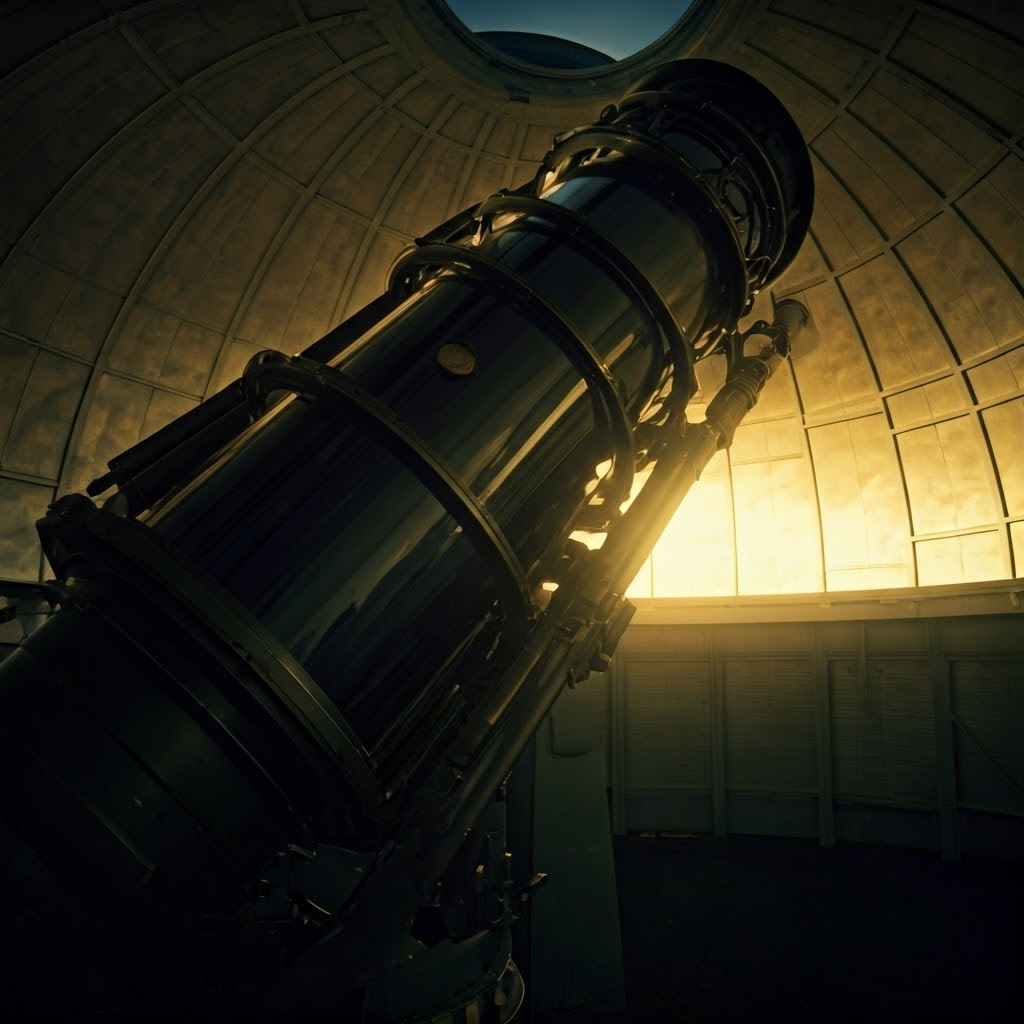
In the 1920s Edwin Hubble spotted Cepheids in the Andromeda “Nebula.” His numbers proved Andromeda lay far beyond the Milky Way. Overnight, the universe expanded from one galaxy to millions.
New telescopes and digital surveys now reveal galaxies of every shape, stretching deep into space and time, each adding a chapter to the universe’s story.

Galaxies are more than pretty lights. Each is a cosmic neighborhood shaped by history, collisions, and environment. We live in one yet share the universe with billions more, all spinning together in the vast, ongoing story of the cosmos.
