
Seeing the Whole Picture: Intersectionality and New Connections
Society often pressures you to choose a single label and stay in that box. Intersectionality reminds us that life is richer—your identities mix together and shape every moment. Kimberlé Crenshaw coined the term after seeing how Black women fell through the cracks of both anti-racism and mainstream feminism.
What Is Intersectionality, Really?
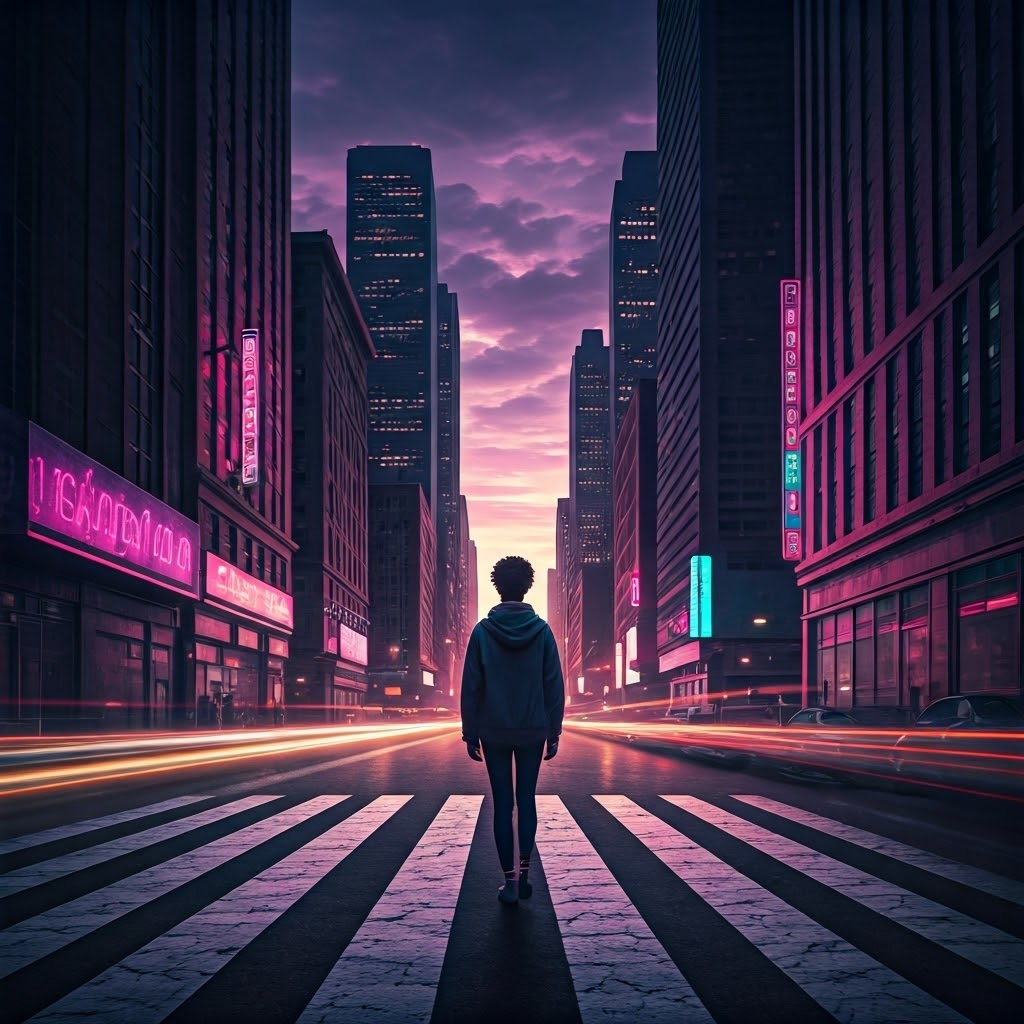
Picture a crossroads where traffic flows from every direction. A person in the center faces risks someone on a single street might never see. Identity layers—like race, gender, and sexuality—interact the same way, creating experiences you can’t explain by looking at each piece alone.
How Intersectionality Shows Up in Everyday Life
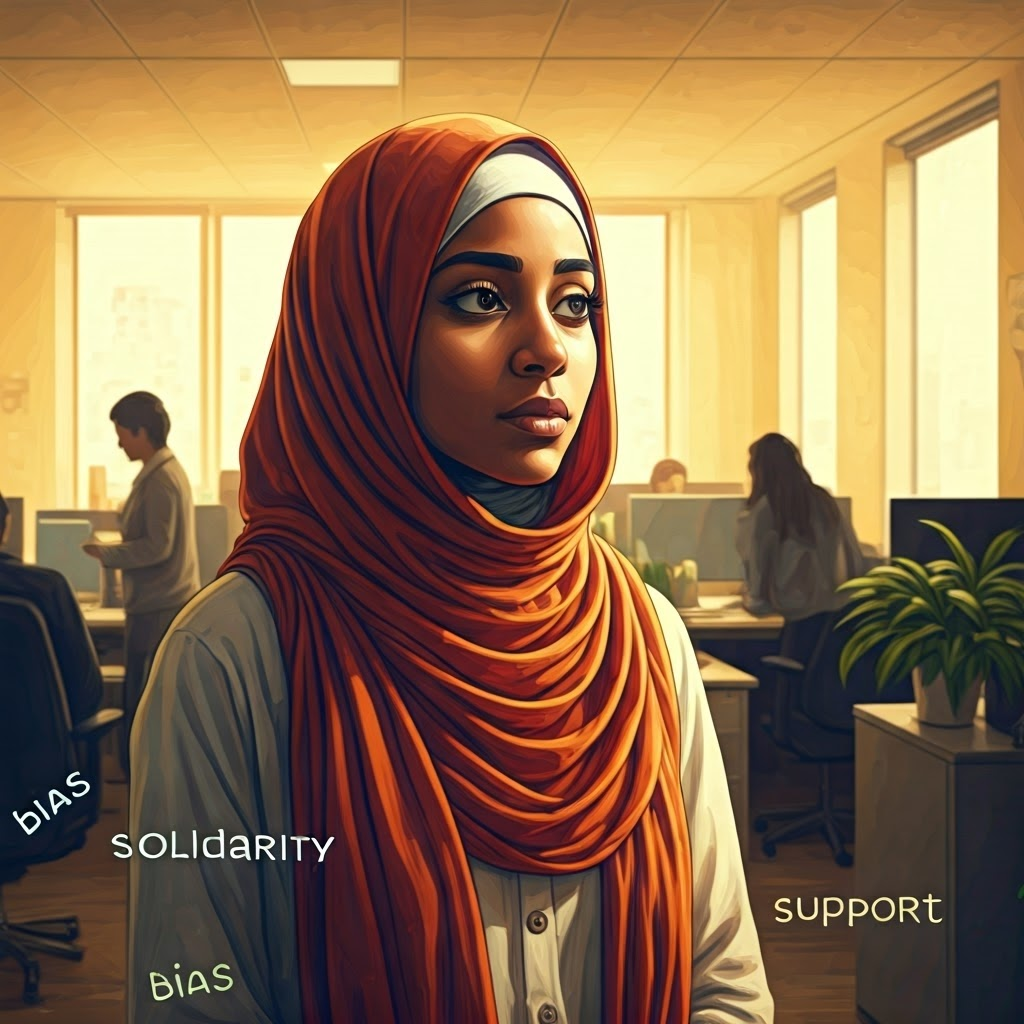
A worker in a hijab may face gendered Islamophobia her peers escape. An older gay man can encounter ageism inside LGBTQ+ spaces. These overlapping pressures sometimes hurt, sometimes help, and always shape daily life.
Beyond Labels: How Our Struggles Connect
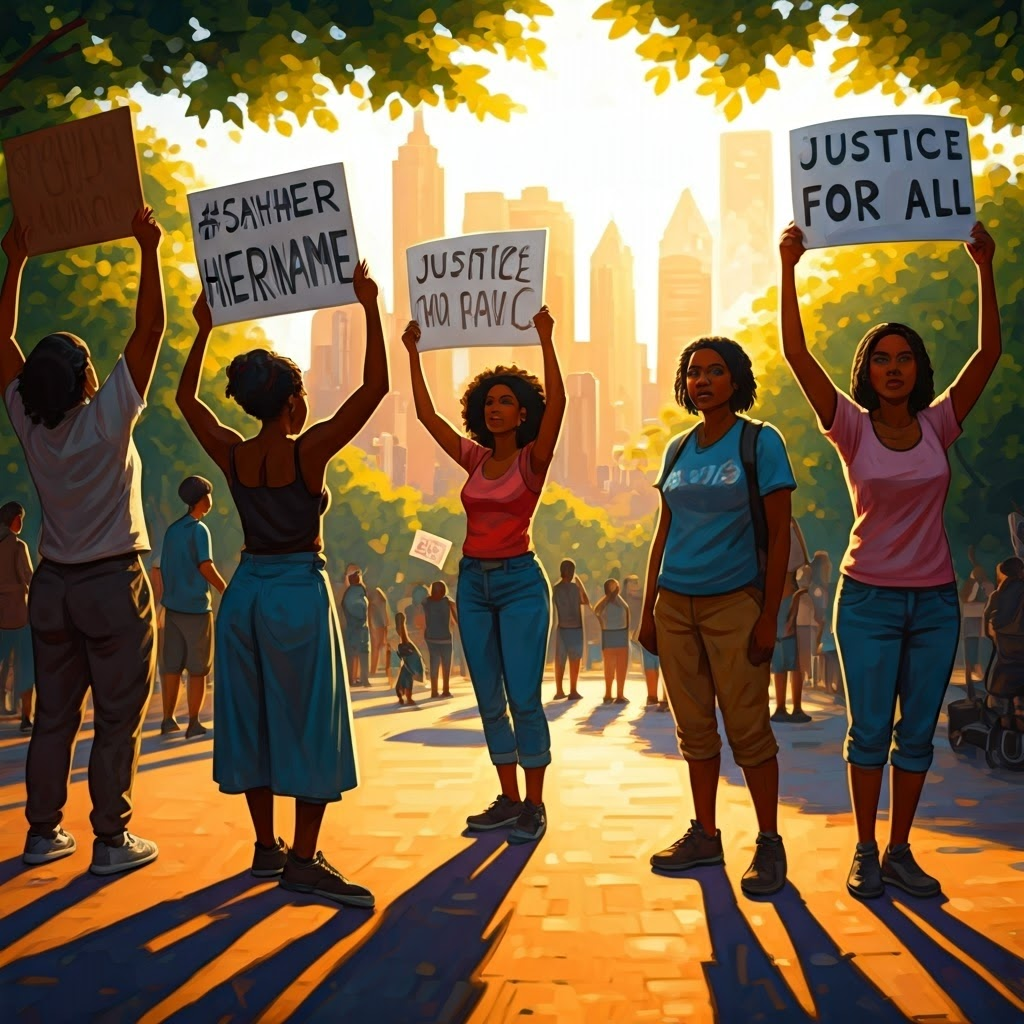
Race, gender, class, disability, religion, and citizenship link in real ways. For instance, Black women and trans women of color remain at high risk of police violence yet often stay invisible. The #SayHerName campaign lifted these voices, showing that combined struggles need combined solutions.
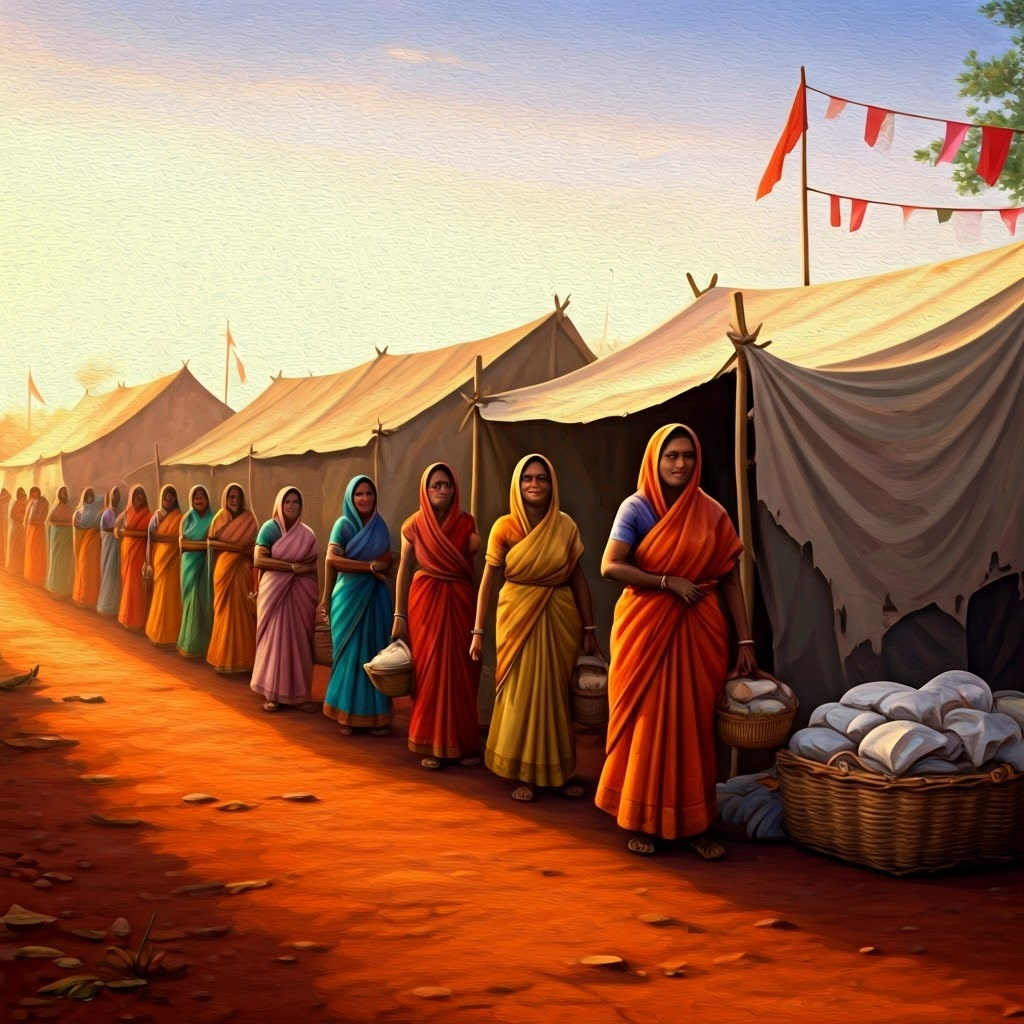
During global crises, aid often misses undocumented migrants or people with disabilities. In India, Dalit women workers faced twin barriers of caste and gender when seeking food or medical help. Ignoring these intersections consistently excludes vulnerable groups.
Why One-Issue Advocacy Isn’t Enough
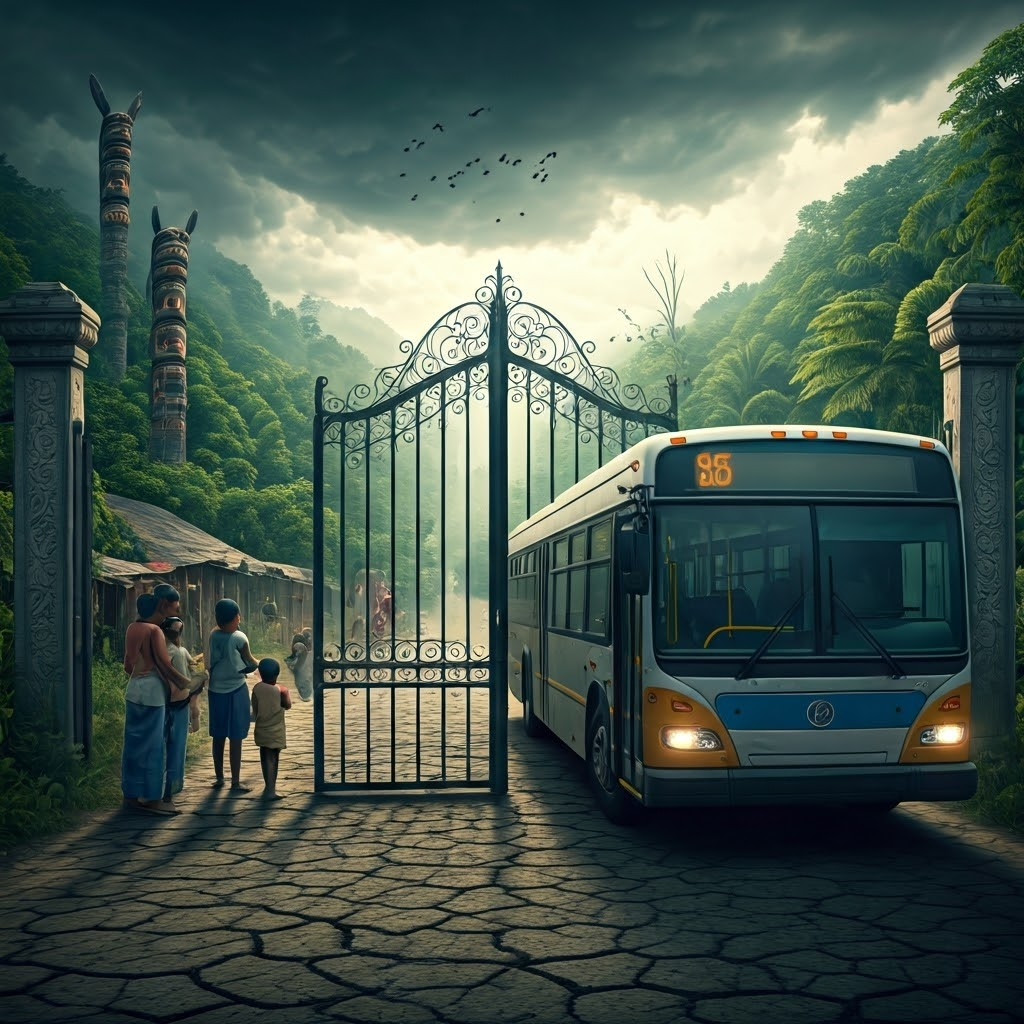
Single-focus activism can overlook hidden gaps. Disability groups might win fancy buses, yet poor or rural riders still can’t board. Climate campaigns that skip Indigenous voices risk harming those who protected land for centuries. Real justice asks, “Who’s missing?”—then adapts.
Why Intersectionality Matters for Change
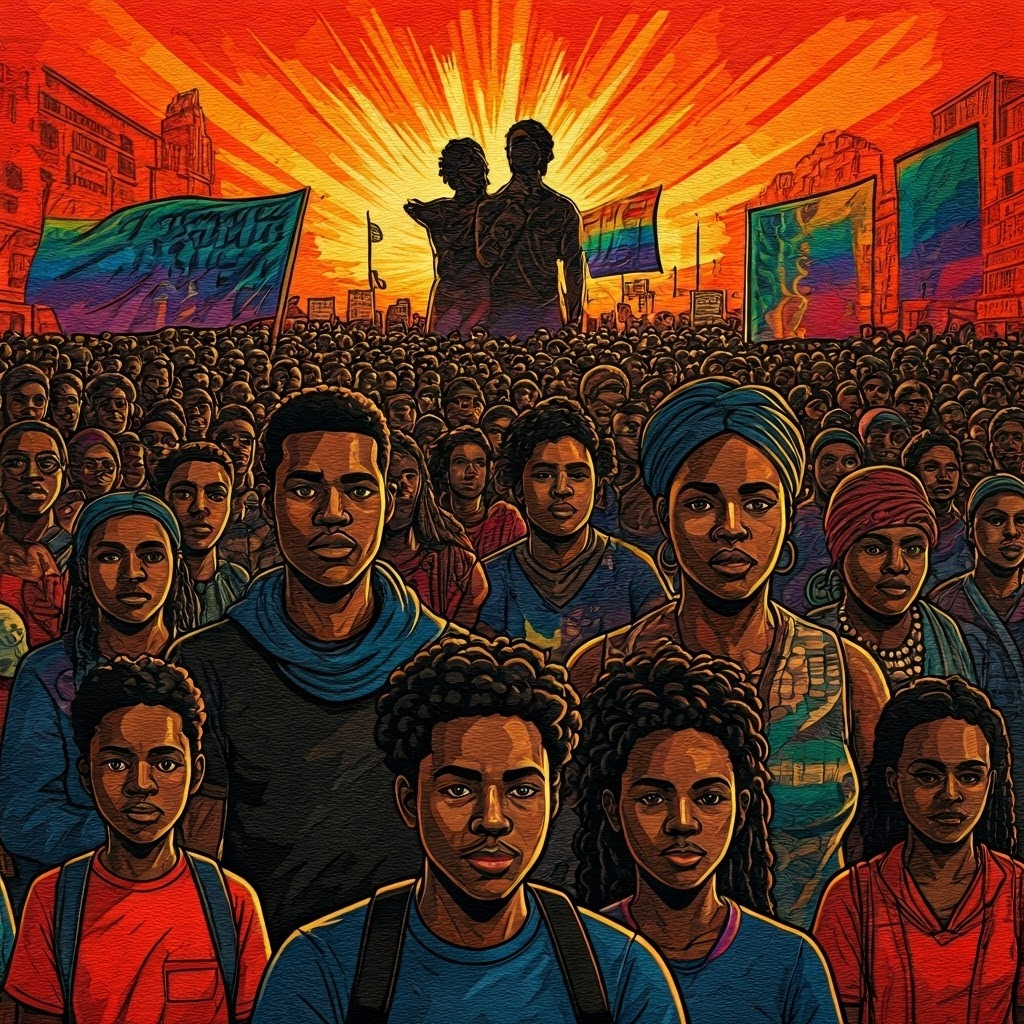
Intersectional movements spot blind spots, build unlikely alliances, and shift conversations. Black Lives Matter welcomed LGBTQ+ voices from the start, growing stronger. South Africa’s Treatment Action Campaign linked health to poverty and gender violence, forcing deeper government action. Ignoring overlap often fractures groups and weakens results.
Learning to See the Whole Picture
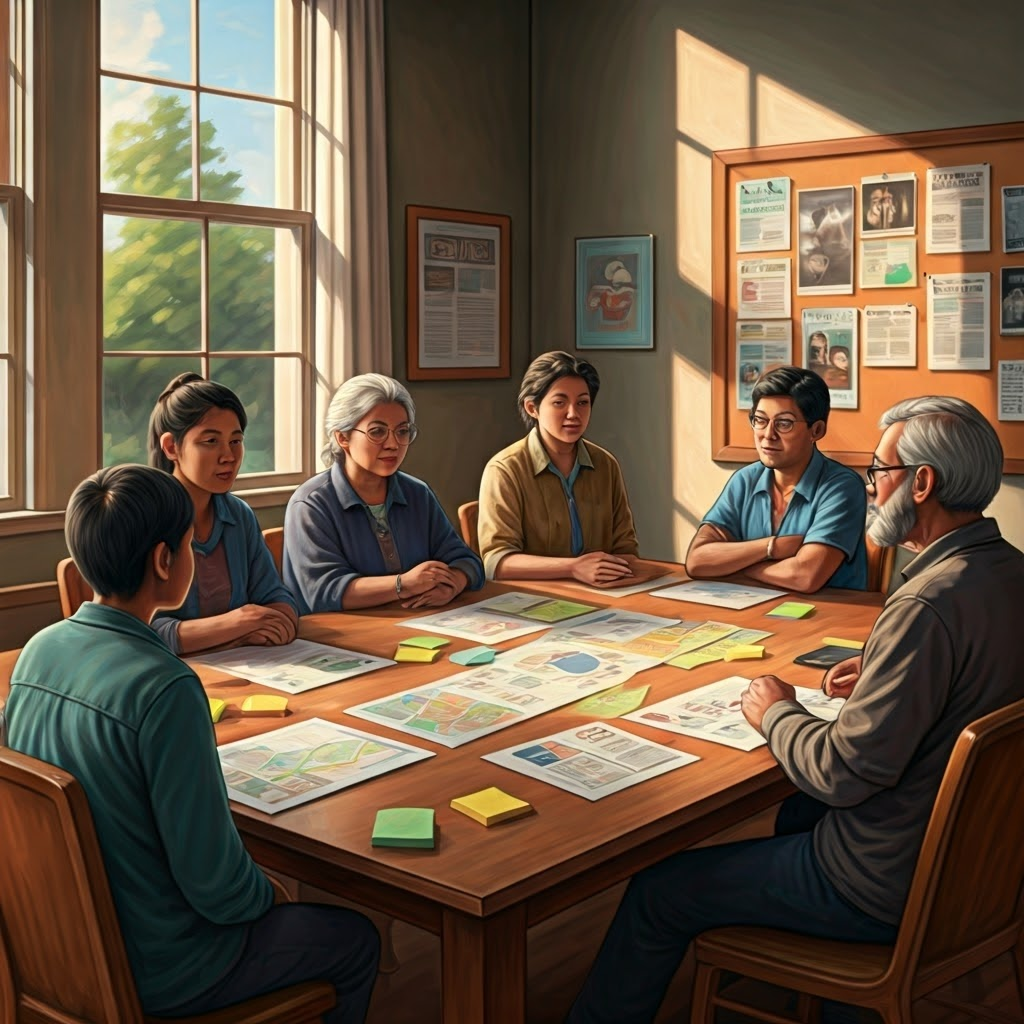
Intersectionality invites you to notice connections and imagine fresh ones. Ask who’s left out of local plans or whose stories rarely surface. If a fix suits only an “average” person, question it. By seeing people as multilayered, you help build solutions that work for everyone.
