
Where Stories Meet: The Roots of Intersectionality

The Many Sides of One Life
If you try to sum up a person with one label—woman, Black, or working-class—you miss most of the story. A favorite teacher might also be an immigrant and a mom. Each label shapes how people treat her and how she sees herself. That mix always matters. Identity lives in layers.

Picture a city full of crossroads. Every road stands for gender, race, class, religion, age, or ability. At the busiest corner, many cars rush by at once. Life feels like that when identities blend. You stay the same skin color at work and the same faith while shopping. The layers never peel off. Overlap can bring joy or block your path.
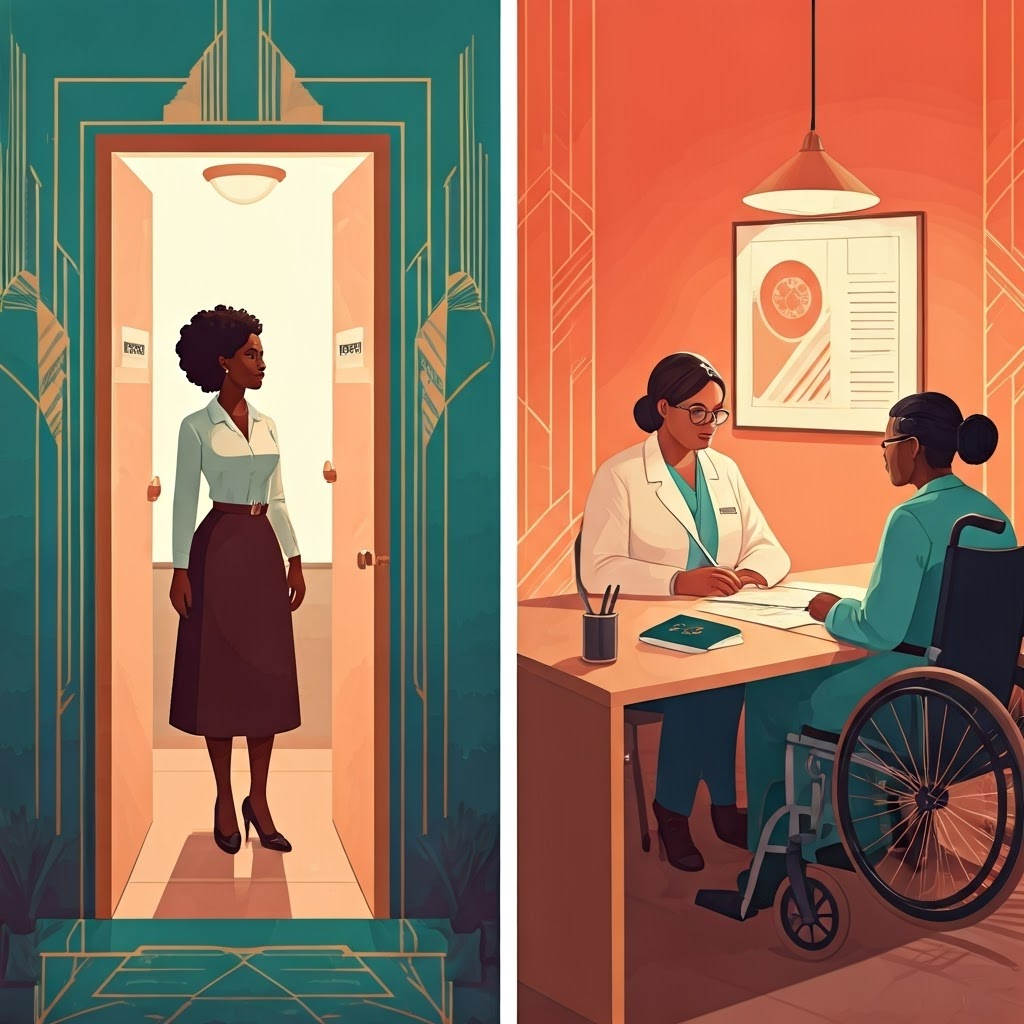
Real cases prove the point. A Black woman job-seeker may lose out not just for race or gender but for both together. A disabled immigrant faces hurdles from disability and nationality. Intersectionality says people belong to many groups at once, and those ties shape power and struggle.
Sojourner Truth and the First Questions
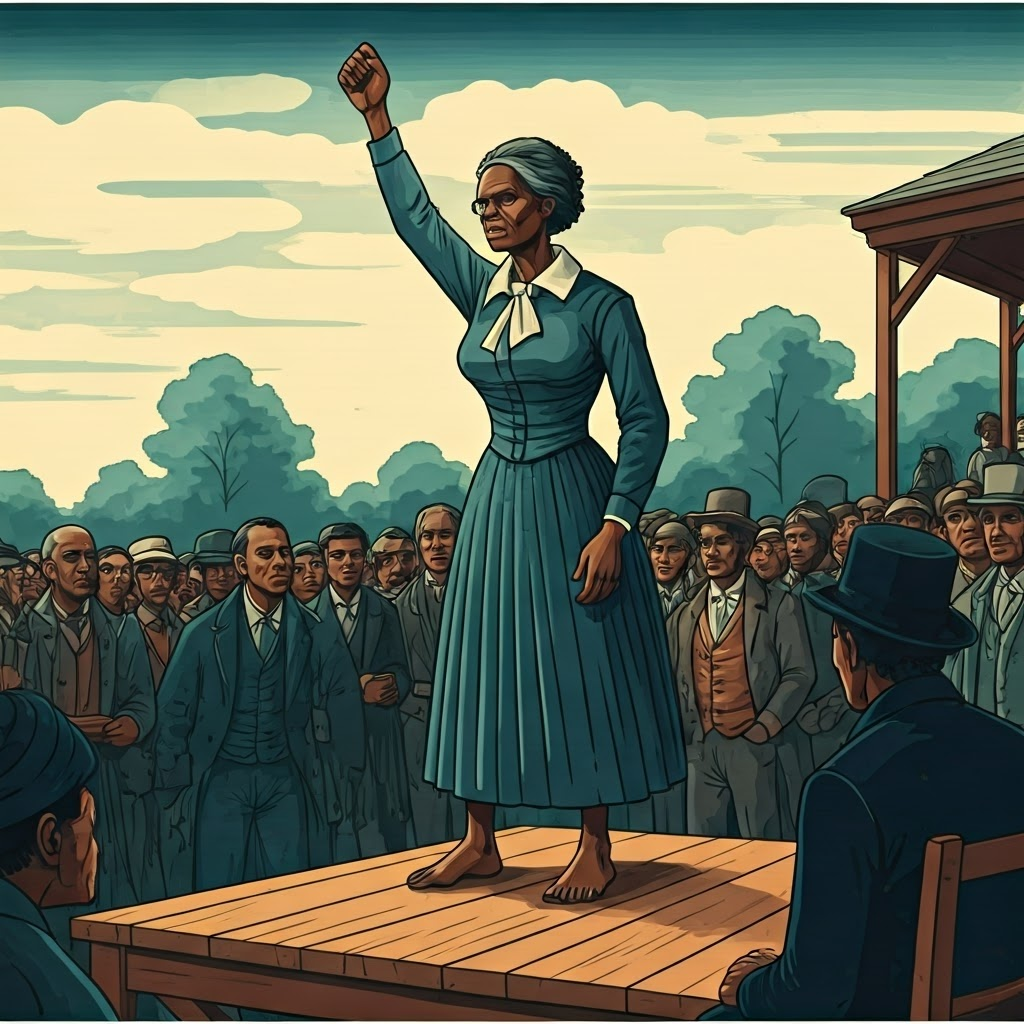
About 170 years ago, Sojourner Truth—once enslaved, later a traveling speaker—rose at a meeting in Ohio. Abolitionists fought slavery, early feminists pushed women’s rights, yet few linked both fights. Truth showed they were tied. Her life carried race, gender, and freedom in one body. Connection was her message.
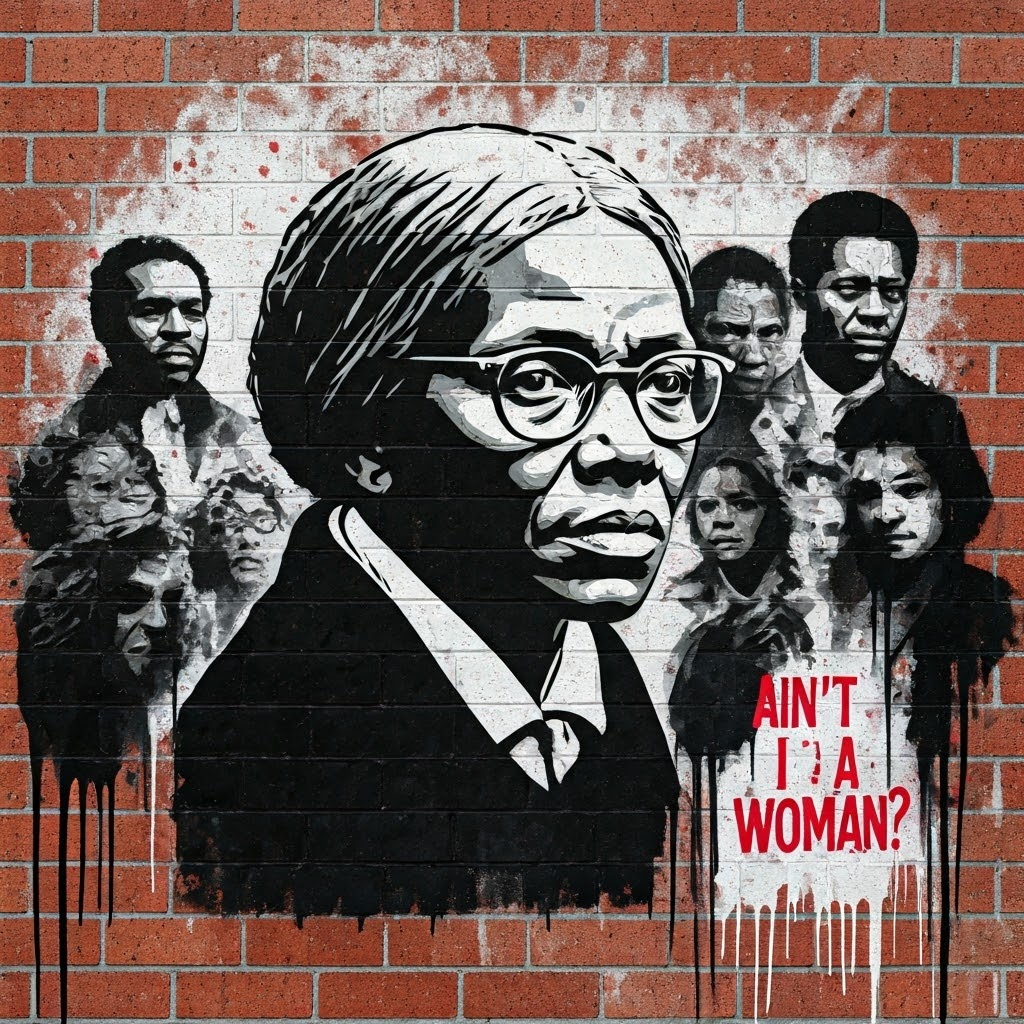
In 1851 she asked, “Ain’t I a Woman?” White leaders feared race talk might slow women’s rights, while some abolitionists focused only on slavery. Truth’s question cut through. Black women were ignored in both spaces—seen as neither fully women nor equal to Black men. Visibility was her demand.
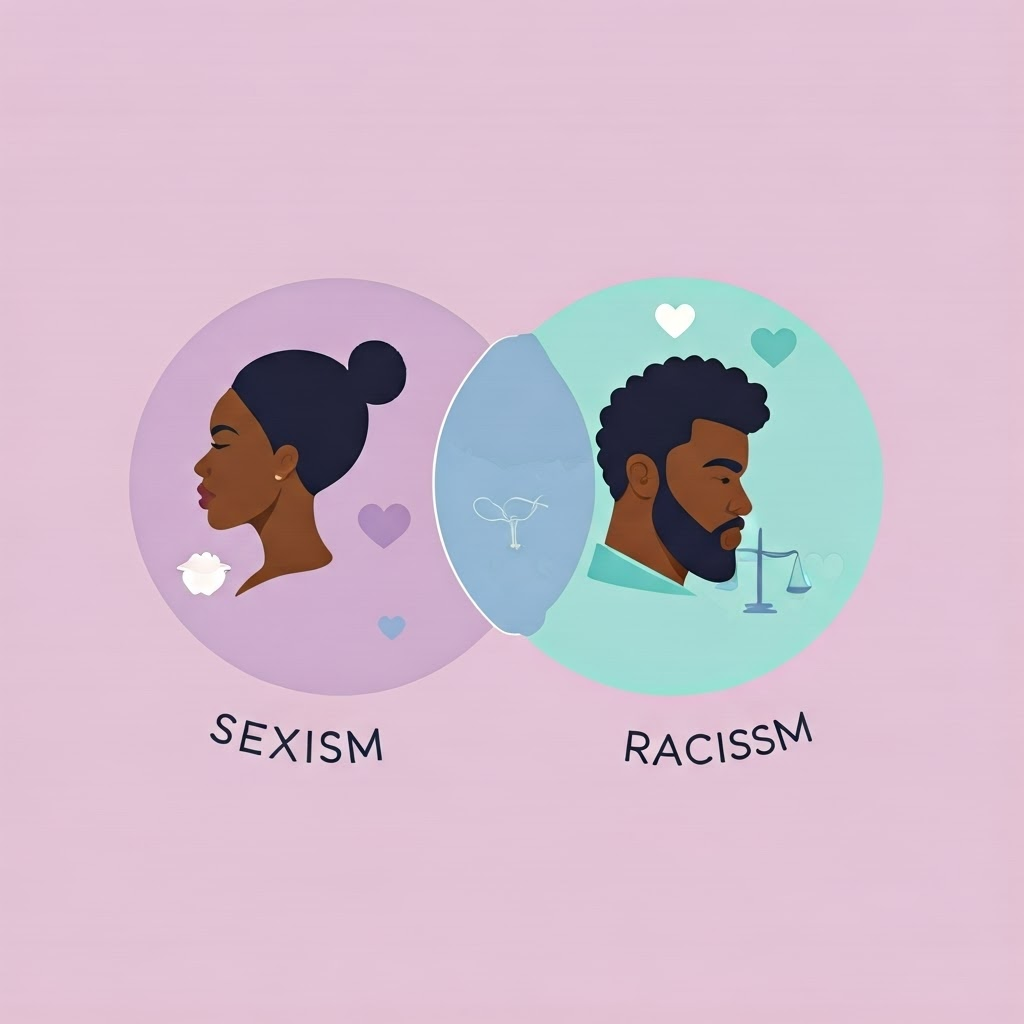
Single-issue thinking fell short. Talk only of sexism, and Black women’s needs fade. Talk only of racism, and the extra sting of sexism is lost. Lives like Truth’s called for a wider lens on overlapping struggles.
Kimberlé Crenshaw Names the Problem
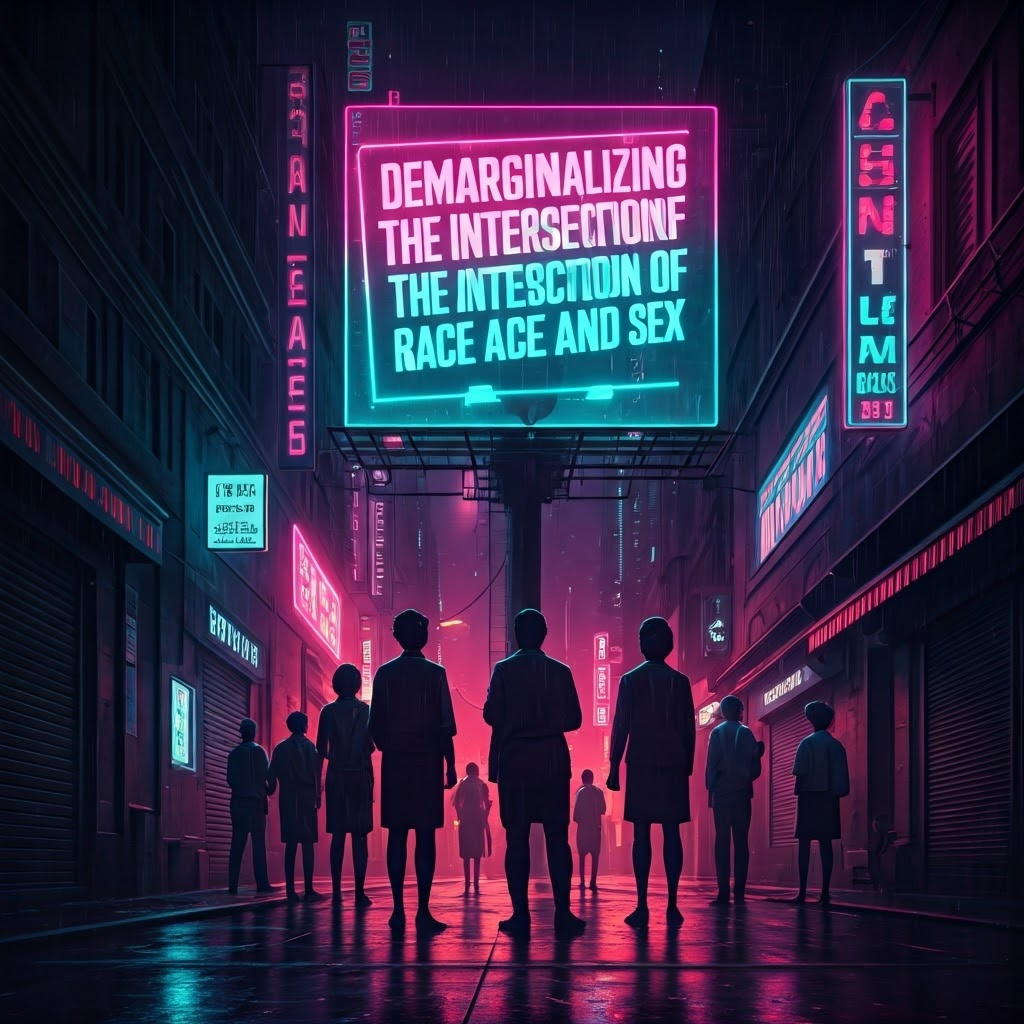
More than a century later, legal scholar Kimberlé Crenshaw named those crossroads. In 1989 her paper “Demarginalizing the Intersection of Race and Sex” showed courts forcing Black women to prove bias as race or gender, never both. Reality disagreed. Naming changed the game.

One car plant hired white women as secretaries and Black men on the floor, yet hired no Black women at all. Law saw no issue because each role, alone, showed diversity. Crenshaw’s word—intersectionality—exposed how oppressions weave new patterns.

Her metaphor was traffic. A single car hitting you is clear. Many cars from every lane? The junction itself causes harm. Ignoring how race, gender, and class combine leaves blind spots where justice fails.
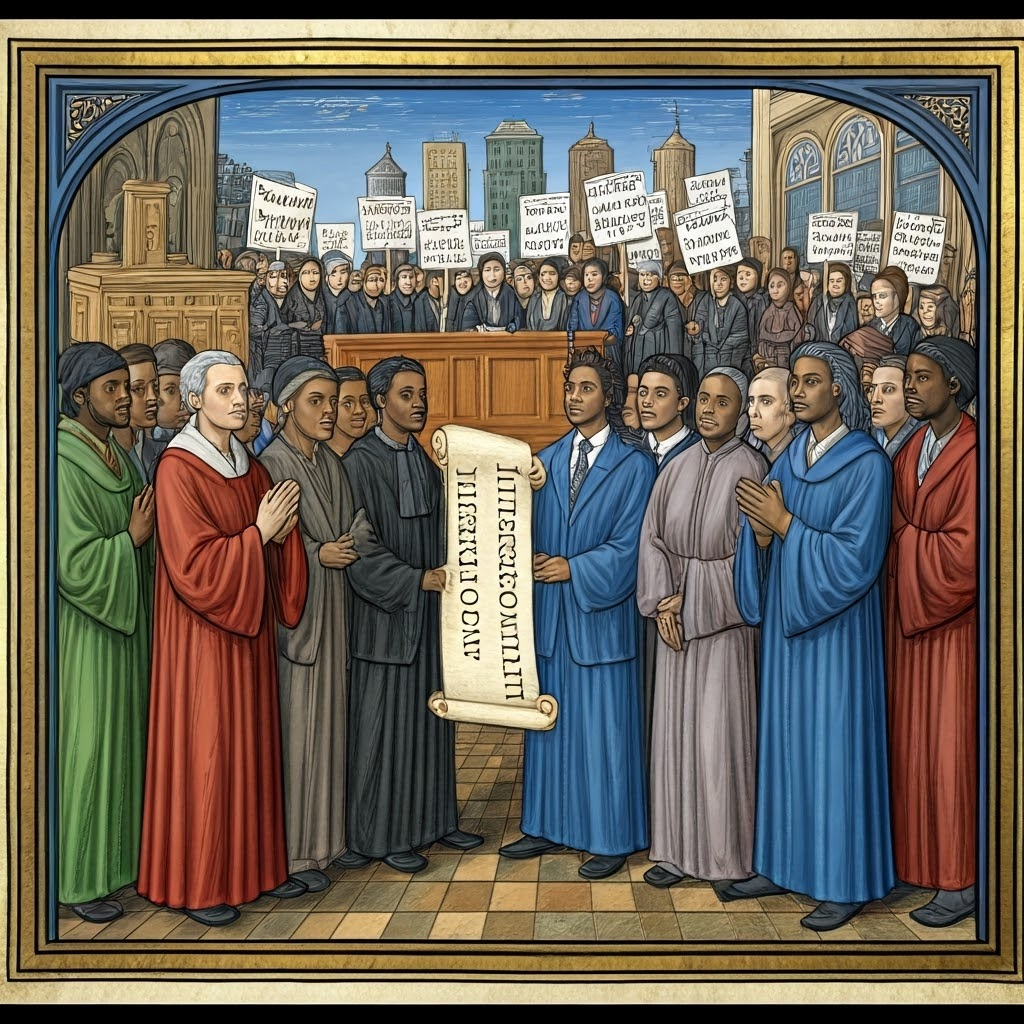
The idea spread beyond academia. Lawyers and organizers now push for laws that see whole people, not fragments. This framework guides better policy.
Why Intersectionality Still Matters
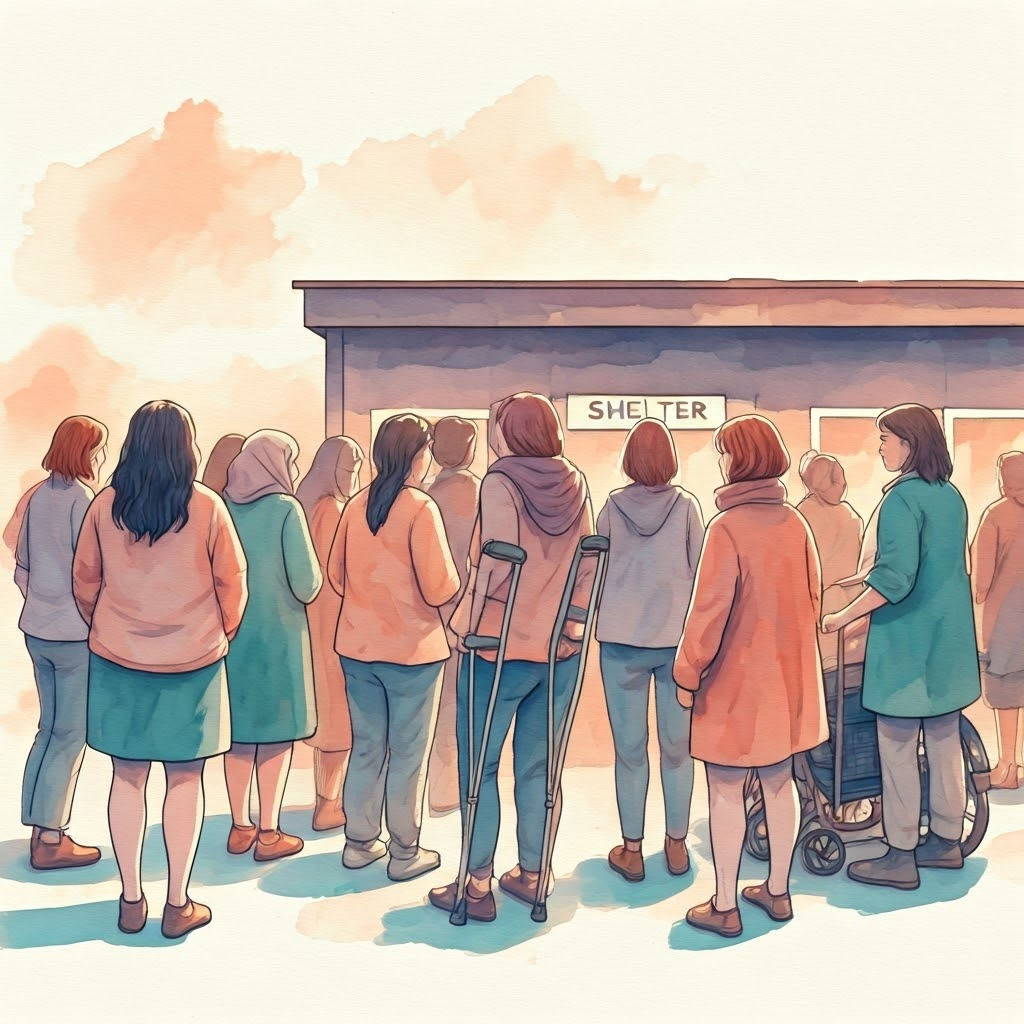
Skipping intersectionality makes some groups invisible. A shelter built only for able-bodied women shuts out disabled women. Anti-racism work that forgets queer voices leaves LGBTQ people of color behind. When planners ignore overlapping identities, the most vulnerable lose the most. Inclusion needs layers.
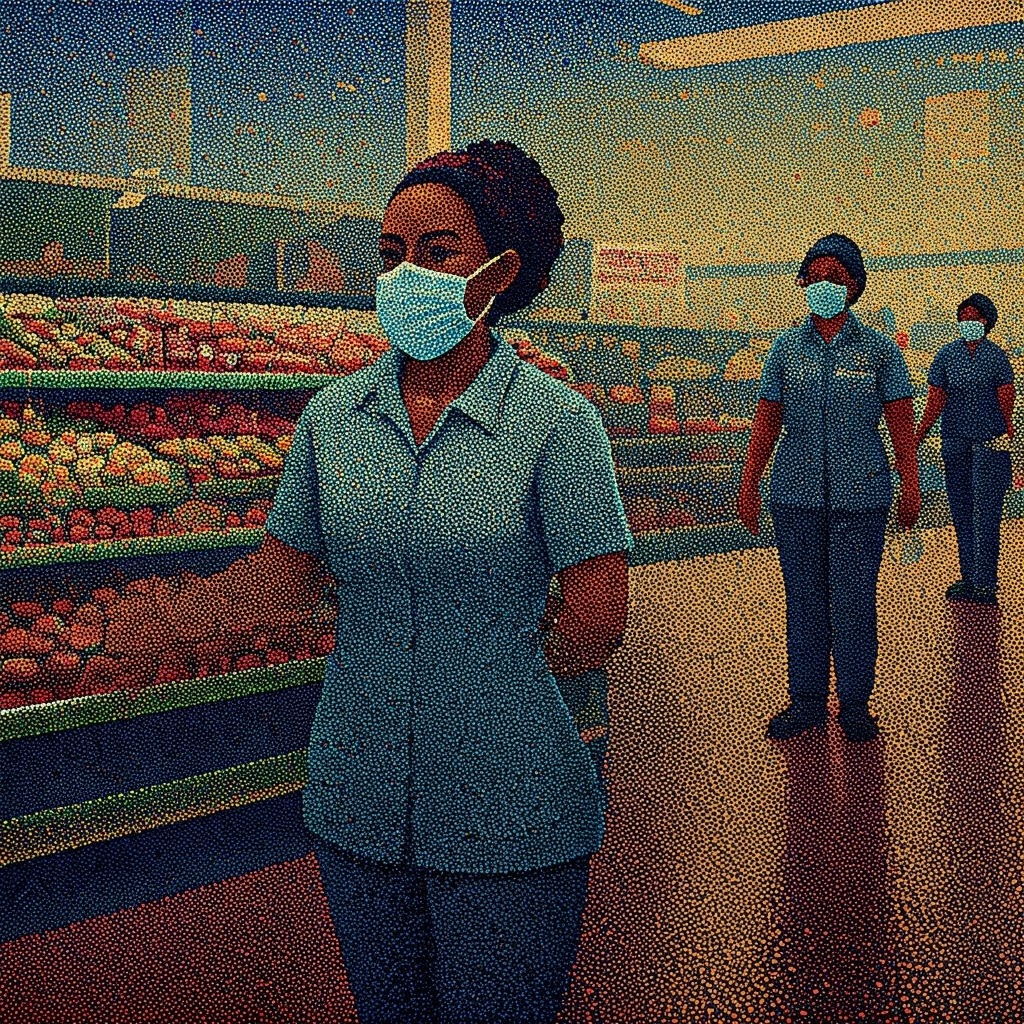
The pandemic showed it. Black and Latina women filled frontline jobs yet lacked health insurance. Race, gender, and income hit together. Headlines on violence against trans women of color or lopsided diversity hires echo the same pattern. Evidence keeps piling up.

Intersectionality also guides solutions. Schools check if anti-bullying rules shield LGBTQ students of color. City planners ensure buses serve disabled elders. This mindset builds fairer systems so no one slips through.
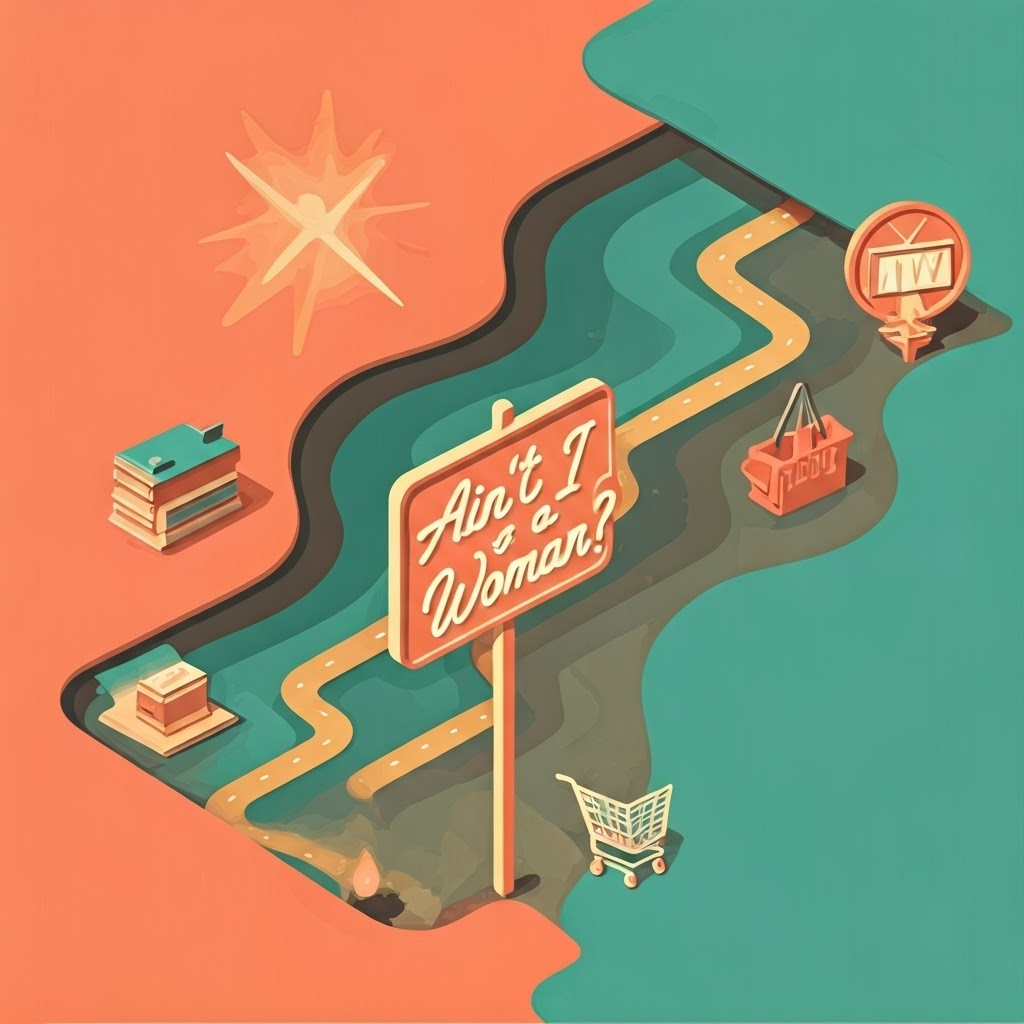
Look around—you will spot intersectionality in classrooms, protests, media, and daily routines. Justice isn’t one box to tick; it’s the whole layered map. When someone asks, “Why not treat everyone the same?” recall Sojourner Truth’s question. Equality starts by seeing every intersection.
