
Why Talk? The Power and Peril of Interfaith Encounters
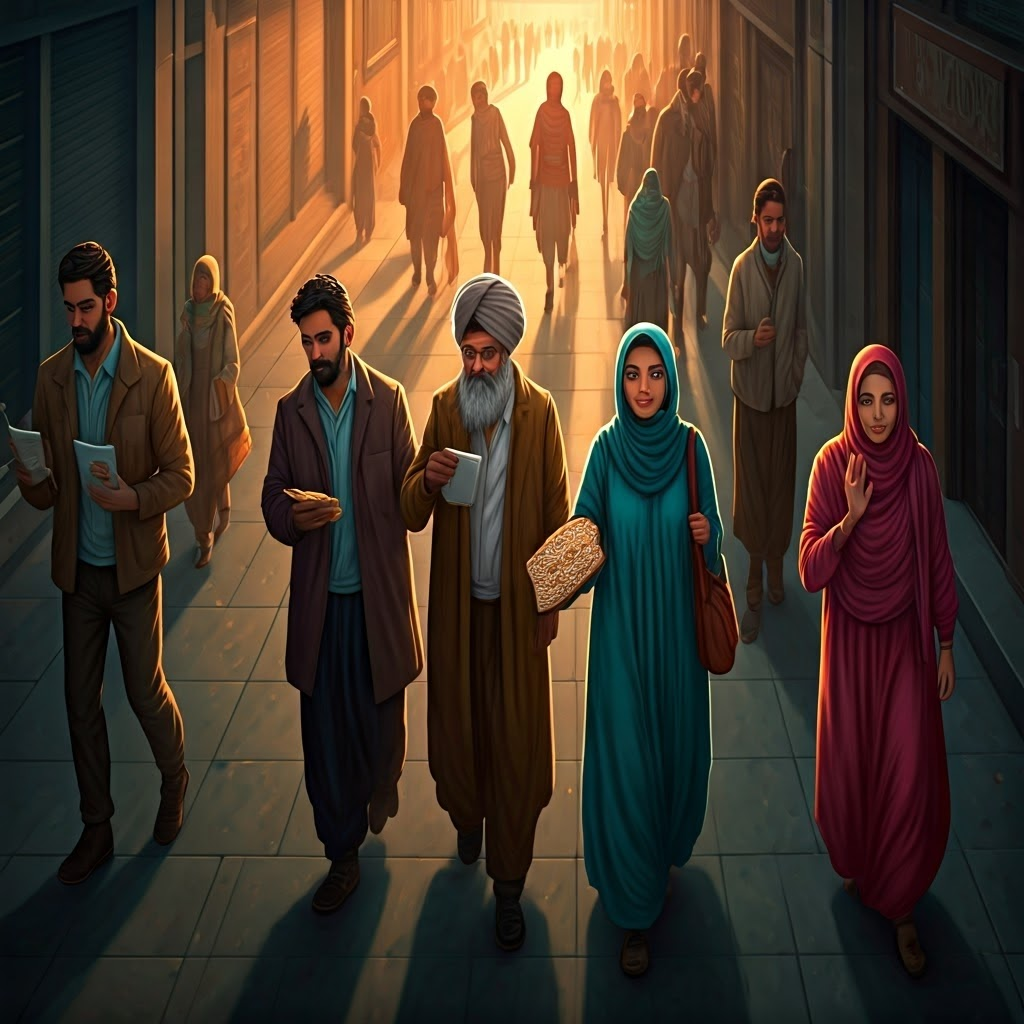
You walk through a city and hear several languages before lunch. Classmates fast for Ramadan, share matzo on Passover, or wear crosses, hijabs, and turbans. Pluralism is no slogan—it is daily life, woven by migration, the internet, and global trade.
These encounters feel like a potluck where no one planned the menu. TikTok trends, remote jobs, and cheap flights mix cultures faster than rules can keep up. We stand side by side—online and offline—without clear guidance on how to listen or speak.

The World at the Table
A Muslim doctor, a Baptist nurse, and a Hindu engineer may save lives in one hospital. In Berlin, a Turkish bakery operates next to a synagogue kitchen. Difference meets in ordinary places, sometimes with friction, often with promise.
You need no passport to feel this mix. It shapes your feed, your office, even your family dinners. Pluralism means living with deep differences, not pretending they vanish. The task is to learn from, not fear, the contrast.

When Worlds Collide: Lessons from History
History shows the cost of silence. The Crusades reveal what happens when believers refuse dialogue. Memory of that bloodshed still colors relations between the West and the Middle East.
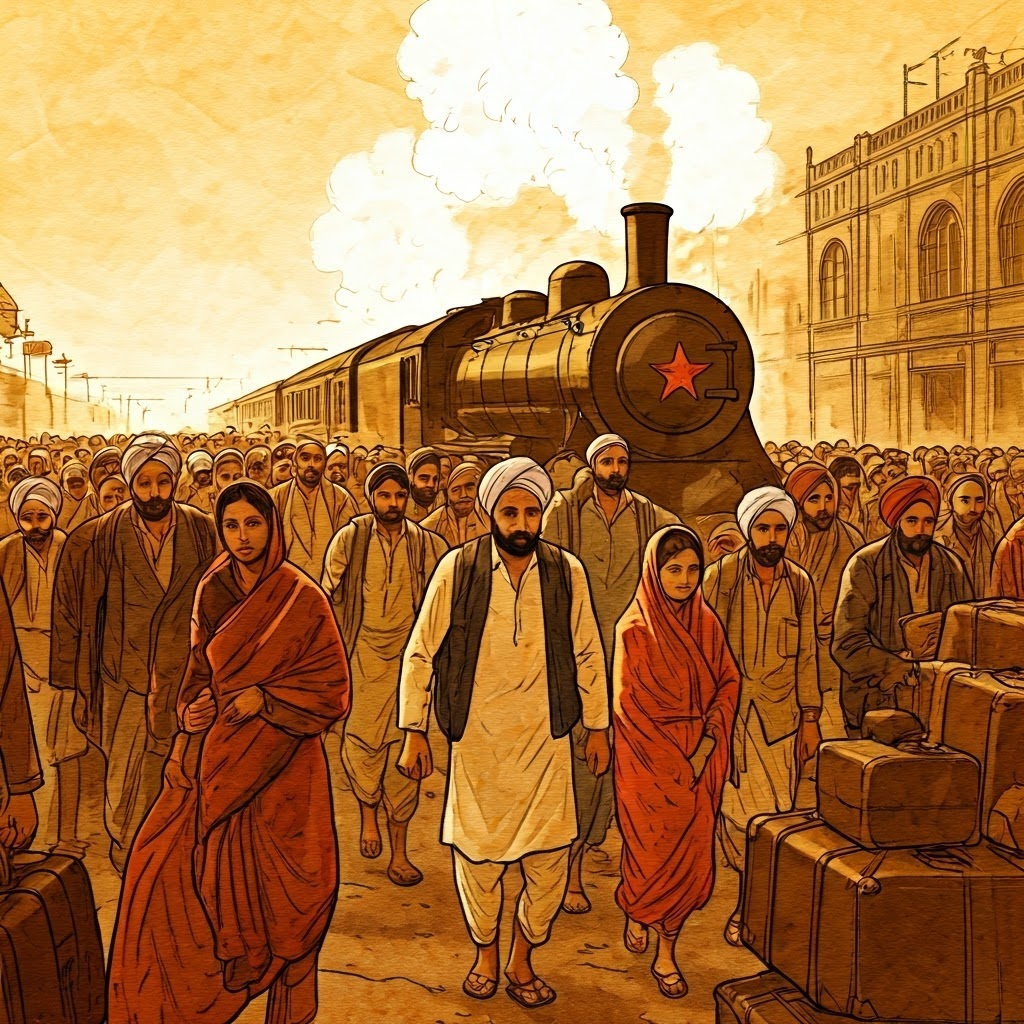
During India’s 1947 Partition, neighbors turned into enemies overnight. Fear and a rushed political deal spread because people stopped talking. Uprooted lives—over fifteen million of them—prove how deadly misunderstanding can be.
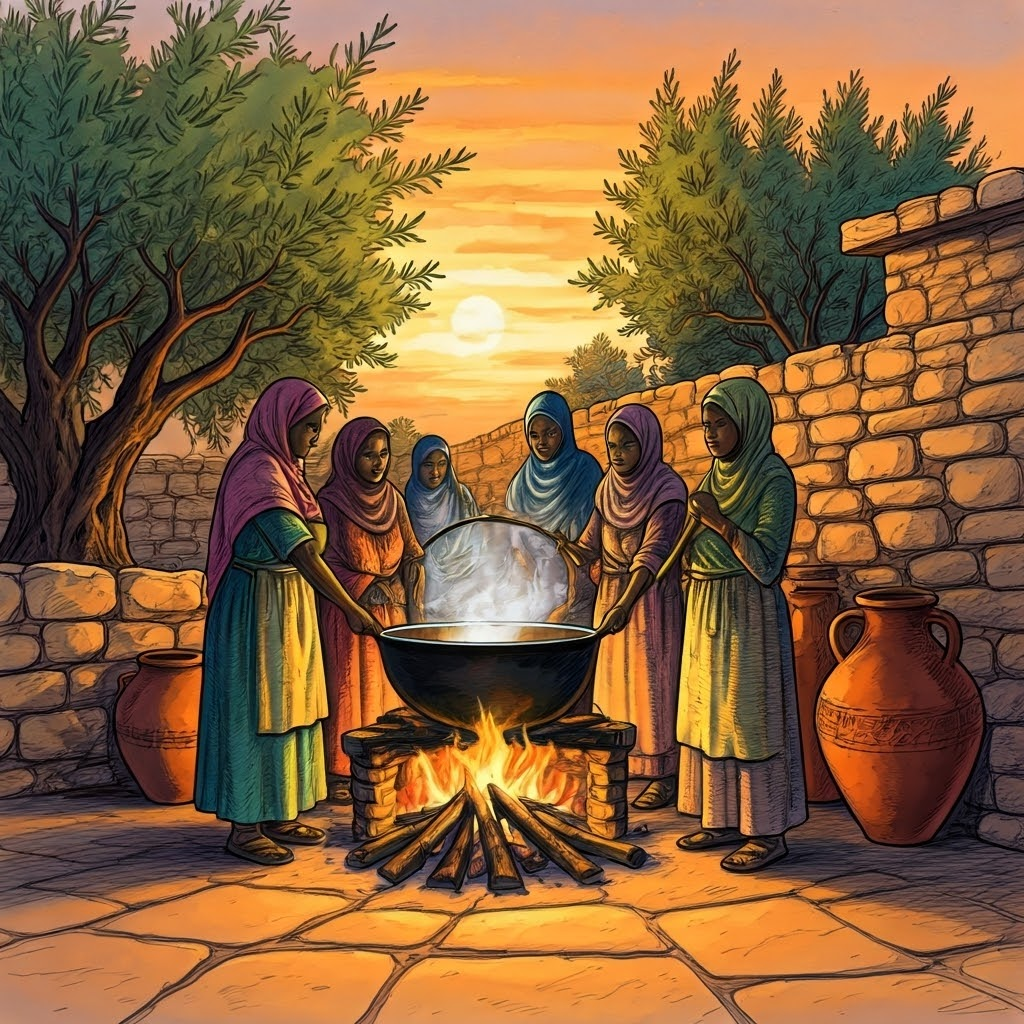
Yet dialogue can prevent violence. In Jos, Nigeria, Christian and Muslim women launched “peace kitchens.” Conversation over shared stew cooled rumors before they ignited. Small acts sometimes halt big tragedies.

Talking Across the Divide: Models that Work
Hans Küng’s Global Ethic notes that major religions share core values, like treating others as you wish to be treated. This framework respects difference while naming common ground—useful etiquette for any first interfaith meeting.

The 1965 Catholic text Nostra Aetate went further. It admitted past errors and urged dialogue, not conversion. The Church encouraged believers to honor the “spiritual and moral truths” in others. Humility opened doors that doctrine once closed.

Effective models share ground rules: listen first, ask questions, and admit limits. They don’t force agreement; they create respect.
Start simply. Ask someone about a holiday dish or a song that lifts them when sad. Offer your own story. Dialogue is courageous curiosity—risking the chance to discover shared hopes.

The Conversation Isn’t Optional
The world grows more connected each day. Ignoring difference is not only rude; it is dangerous. Talking across faith lines keeps peace and turns small tensions away from big crises.
Conversation is no cure-all, yet it is the only door that stays open. Each honest exchange stitches the global tapestry. Your questions and your willingness to listen help keep the future intact.
