
Gutenberg’s Gamble: How a Workshop Changed Everything
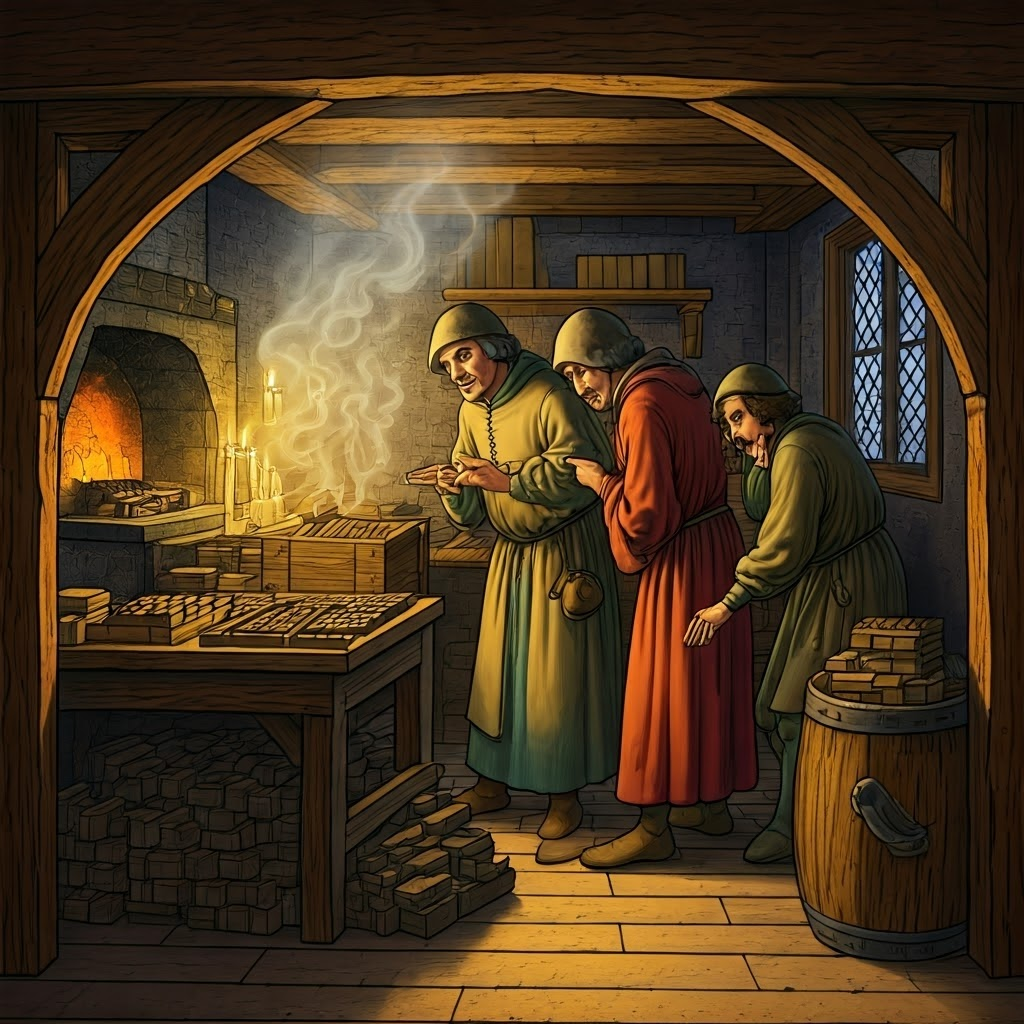
Picture a cramped Mainz workshop in 1450. It smells of ink, hot metal, and sweat. Gutenberg hunches over fresh type while partners whisper about looming debts. Long days blur together because this risky project can either save or destroy everyone involved.
The Mainz Workshop: Sweat, Lead, and Hope
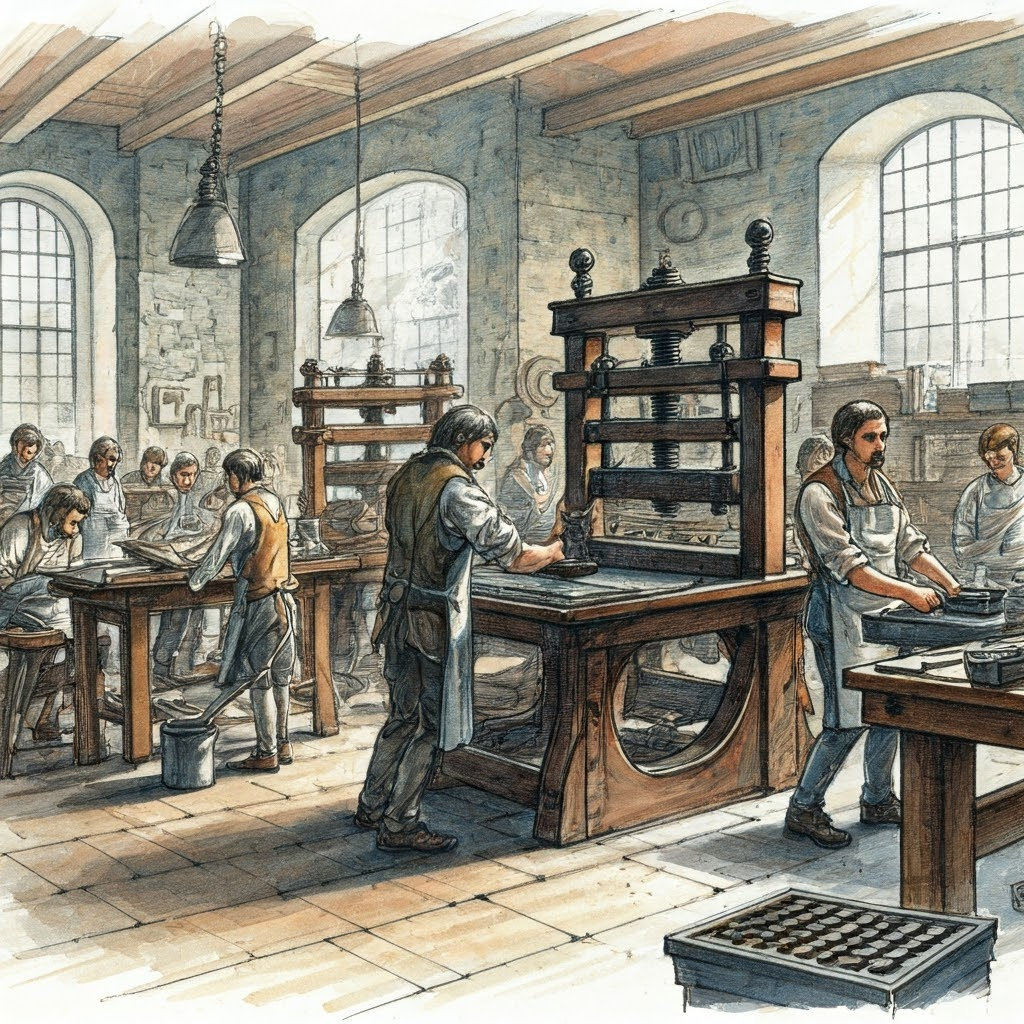
The room bursts with skilled craftsmen. Metalworkers cast letters, ink mixers grind soot with oil, and pressmen crank huge screws. Movable-type letters click into composing sticks, receive thick ink, then meet paper under a heavy platen. Success shows crisp lines; failure means starting over.
The scene feels half-factory, half-laboratory. Apprentices dart between stations, fetching tools or paper. Everyone moves with urgent energy because mistakes waste money they do not have.
The Mainz Workshop: Sweat, Lead, and Hope
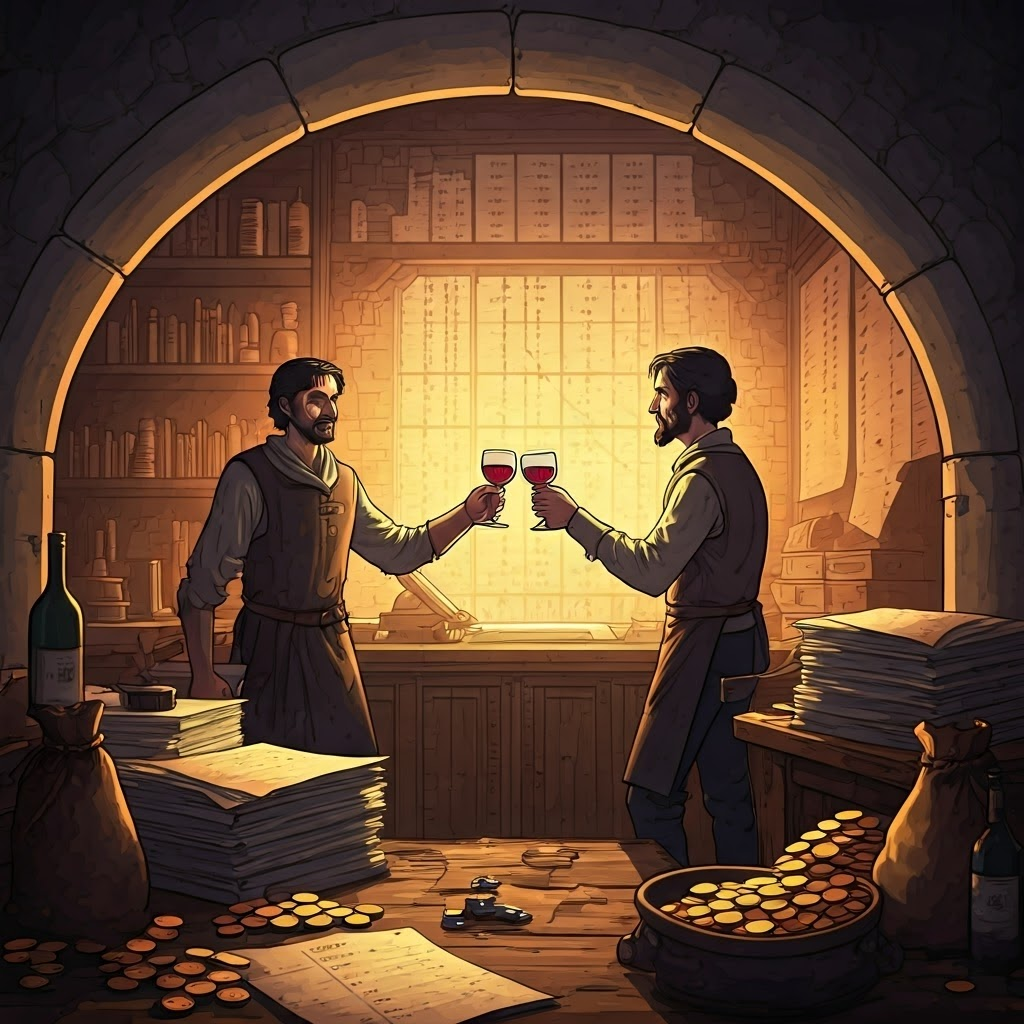
Cash stays scarce. Gutenberg borrows for paper, metal, and even wine to keep investors calm. Workers often accept future payments. Debt hovers like smoke, yet vision keeps them focused: faster, cheaper books could change everything.
Printing here feels risky and magical at once. Each finished sheet hints at a future nobody can quite picture.
Movable Type Before Gutenberg: The Asian Story

Movable type began in China around 1040. Bi Sheng formed tiny clay characters he could reuse. Korean printers later switched to metal by the 1200s, centuries before Europe tried it.
Movable Type Before Gutenberg: The Asian Story

Asian scripts contain thousands of symbols, making organization slow and costly. European languages need only a few dozen letters. Alphabetic efficiency let Gutenberg set pages quickly, lowering barriers that had stalled earlier systems.
Movable Type Before Gutenberg: The Asian Story
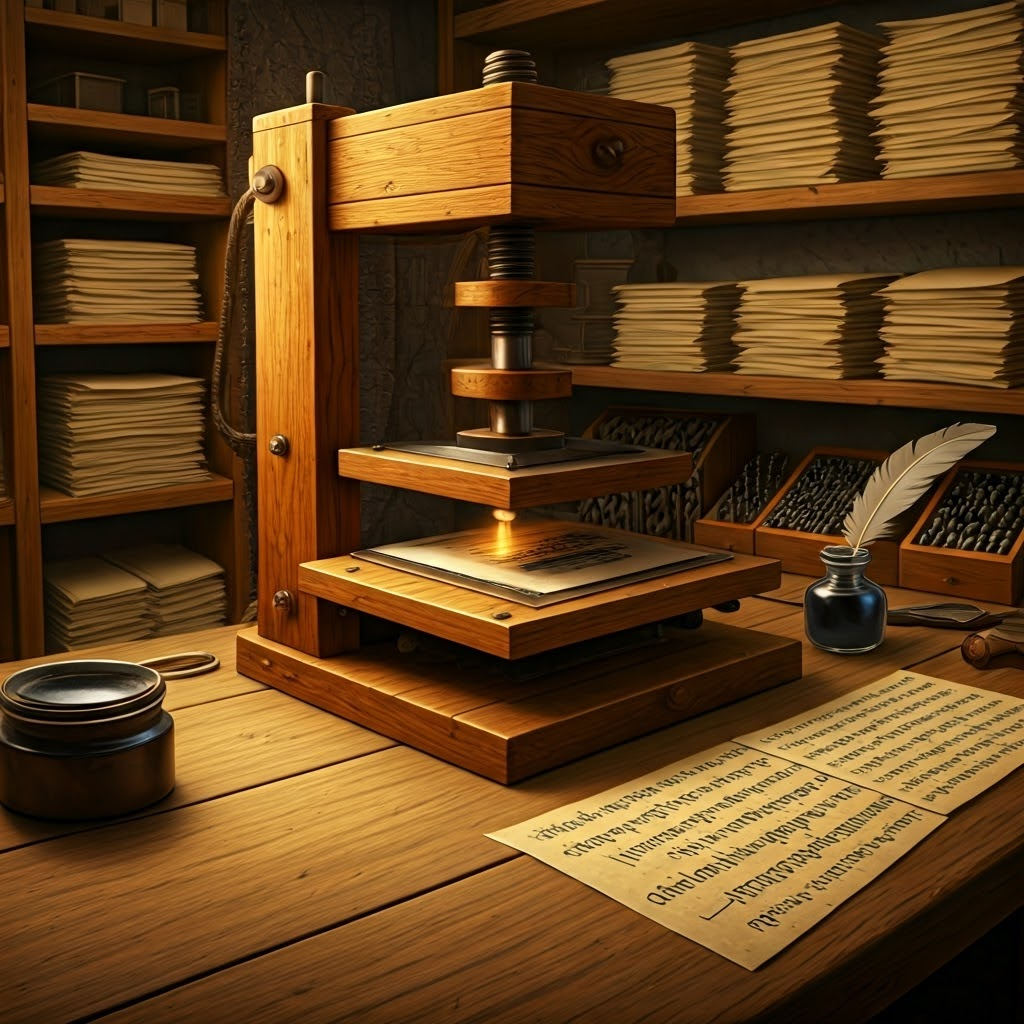
Europe also enjoyed cheaper paper and booming literacy. Gutenberg adopted an oil-based ink that clung to metal type and paper. He refined the entire system, marrying materials, market demand, and skillful engineering so the press could flourish.
From Scribes to Presses: The Cost of Words
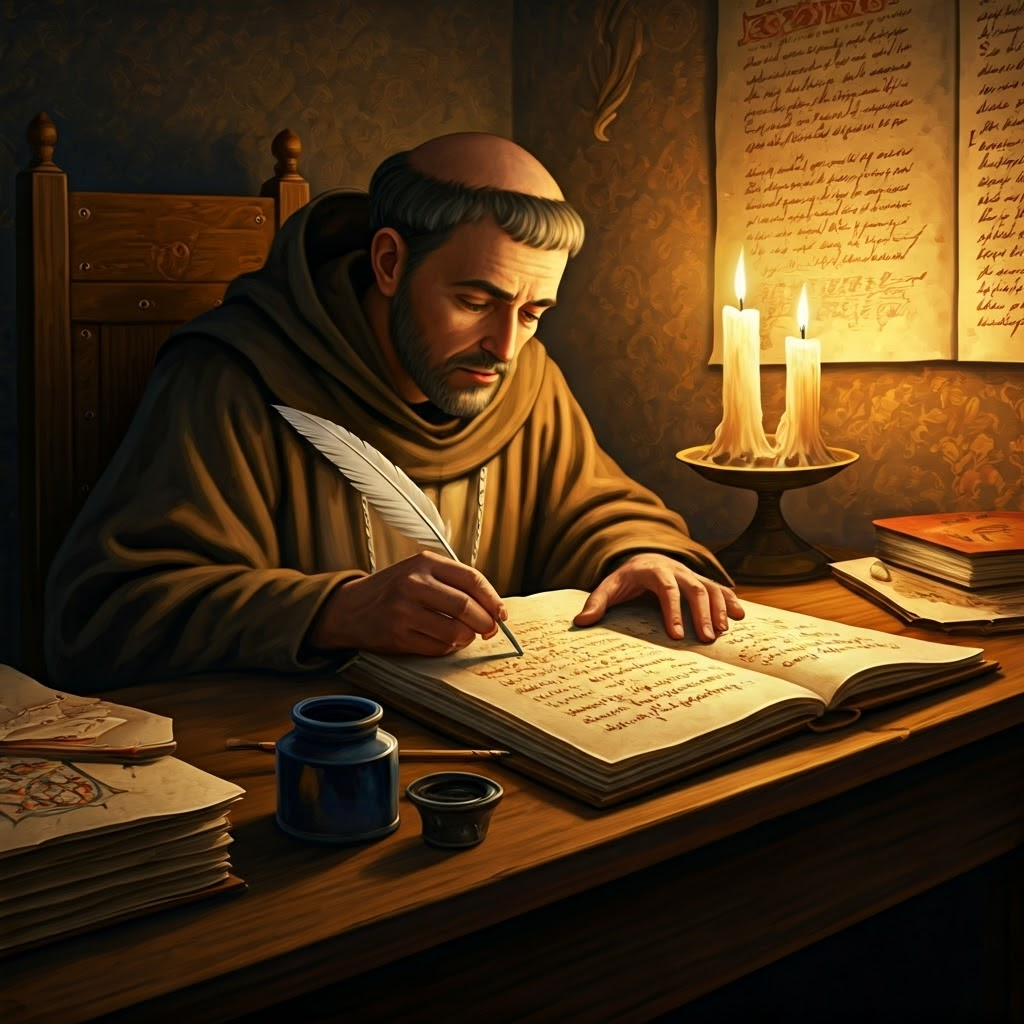
Before printing, scribes copied books by hand. Crafting a single large volume could take a year. Books cost as much as small farms, so most people never owned one.
From Scribes to Presses: The Cost of Words
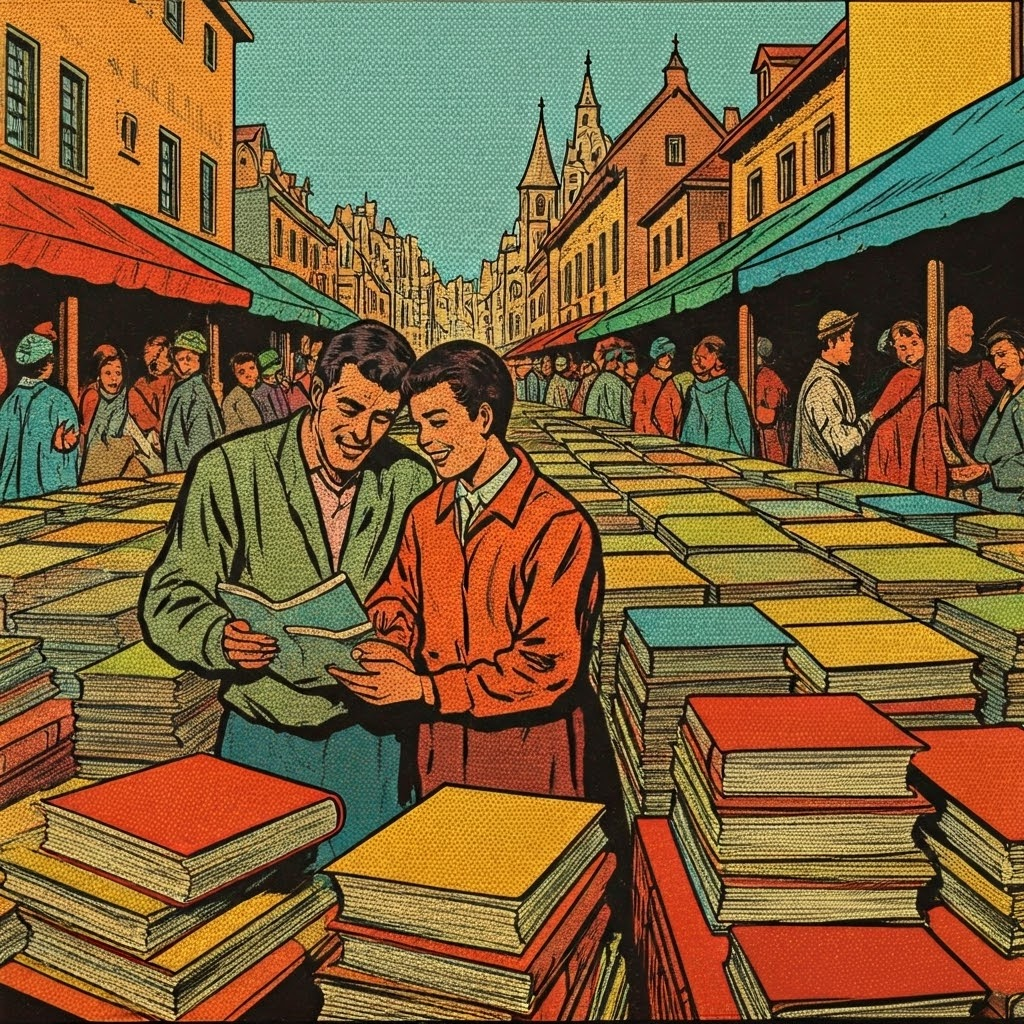
Gutenberg flipped that reality. His press produced hundreds of pages while a scribe finished one. The famed 42-line Bible reached 180 copies in two years—a feat scribes would need decades to match. Prices fell, and regular townsfolk finally held books.
Risk, Reaction, and the Rumble of Change
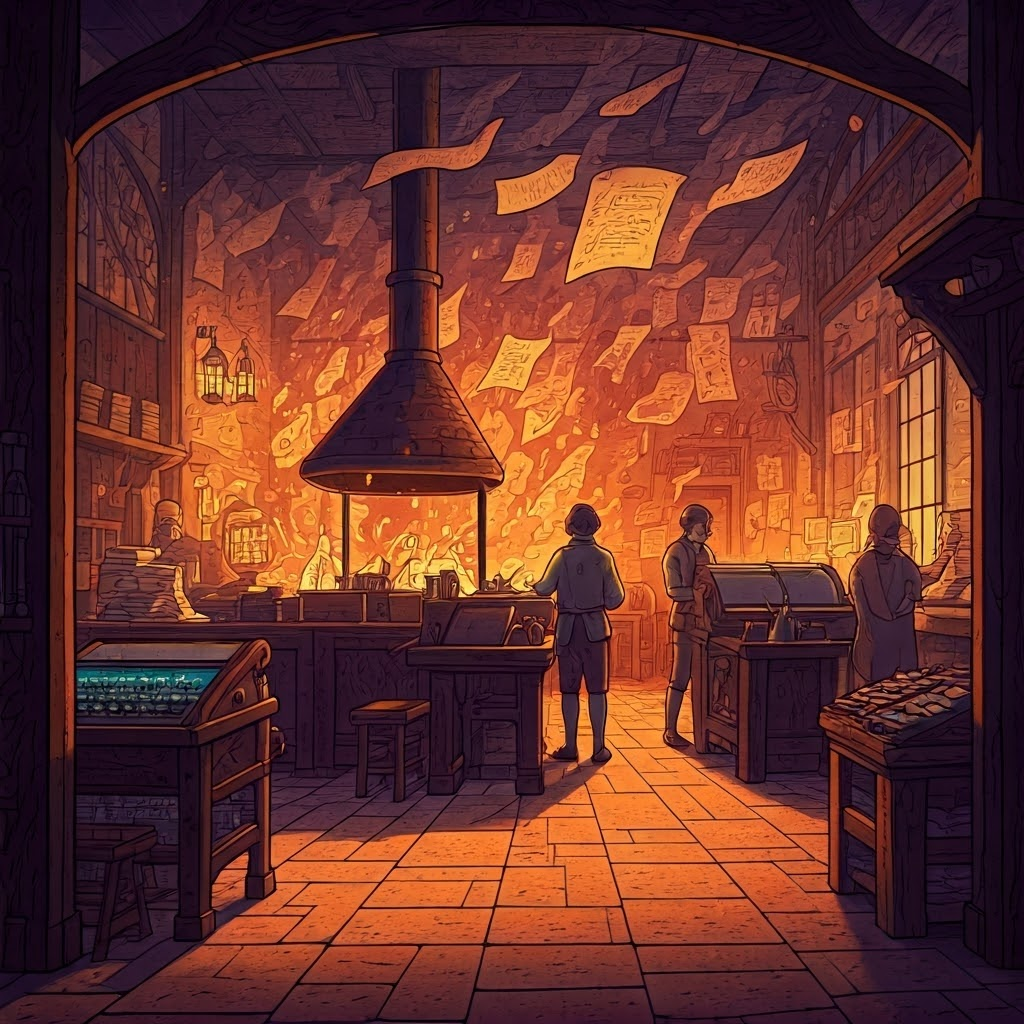
Innovation, labor, and debt collided in Mainz. Early printed books—later called incunabula—amazed some and worried others. New tech often sparks both wonder and fear.
Sweat and hope turned metal type into a force larger than its makers. Right alphabet, right materials, right moment—together they launched a revolution. Cheaper books fueled science, faith debates, and newspapers. Each page you read today still echoes that noisy gamble by the Rhine.
