
Safety Without the Scars: Training and Risk-Free Practice
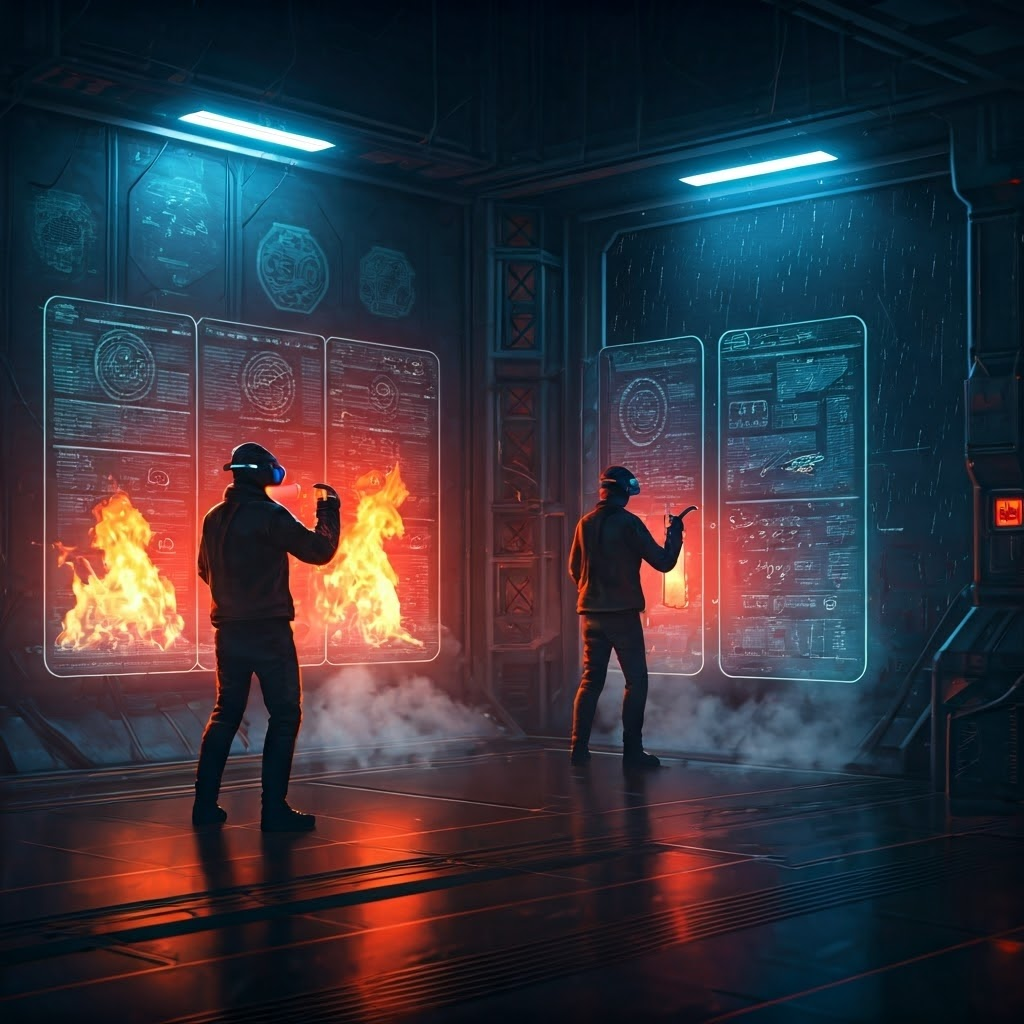
Virtual Safety Drills: Learning Without Danger
A basic fire drill is simple, but a chemical spill or machine failure is not. VR changes that. Employees slip on a headset and enter a lifelike scene. They hear alarms and see fire while production continues.
Every action—pulling an alarm, aiming an extinguisher, or choosing an exit—gets tracked. If someone freezes, nothing burns; they just learn and try again.
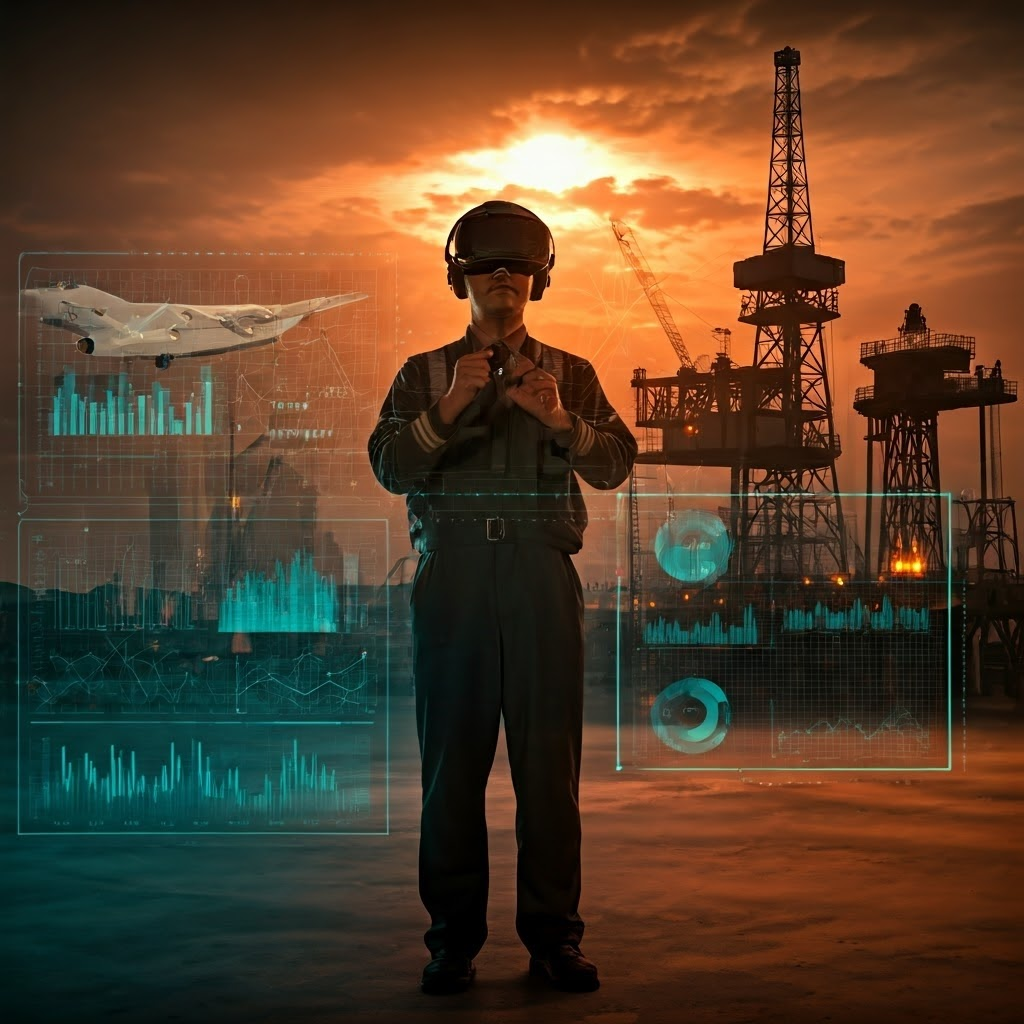
Repetition builds muscle-memory without cost. Airlines rehearse evacuations, and oil crews drill blowouts. BP runs hundreds of virtual scenarios that would be too risky or pricey in real life.
The toughest part is realism. Simulations must feel intense enough to spark a true fight-or-flight response, so the first real emergency feels less overwhelming.
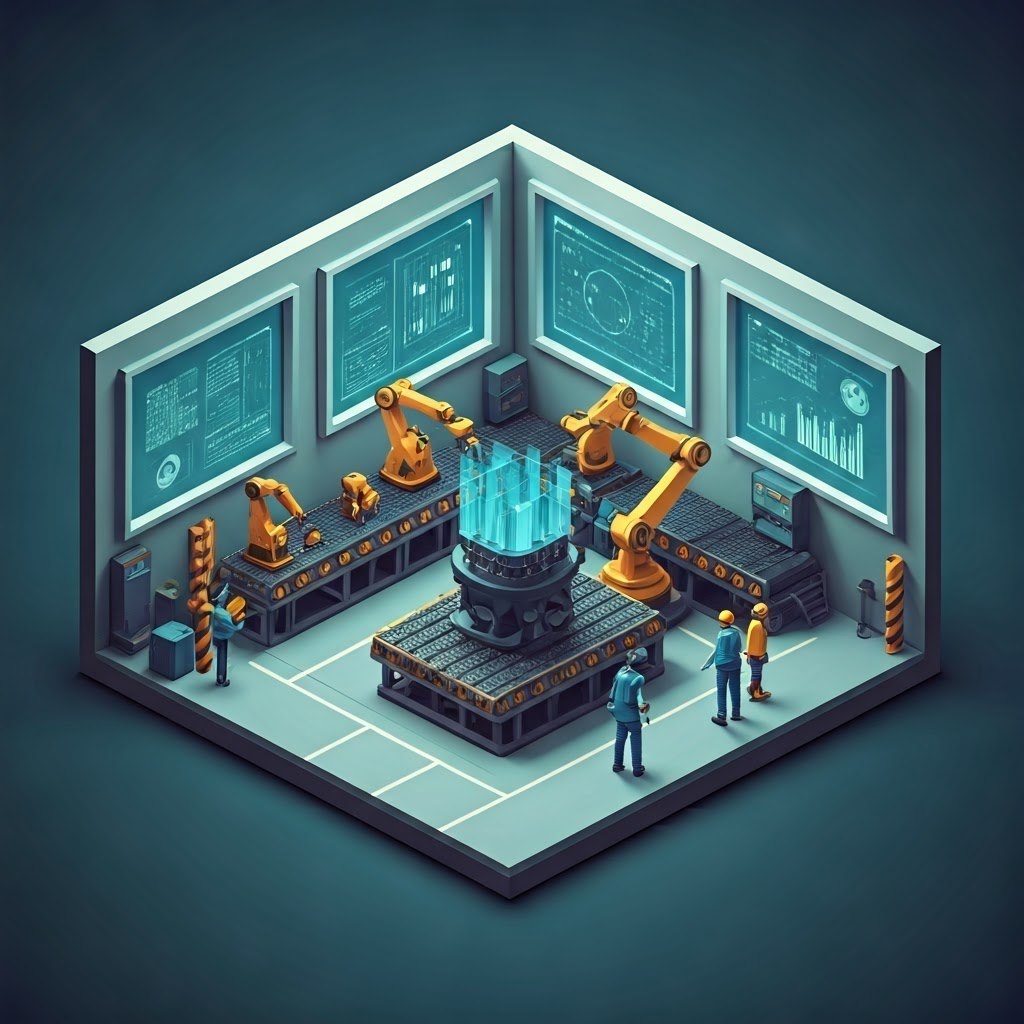
Digital Twins: Practice Makes Perfect
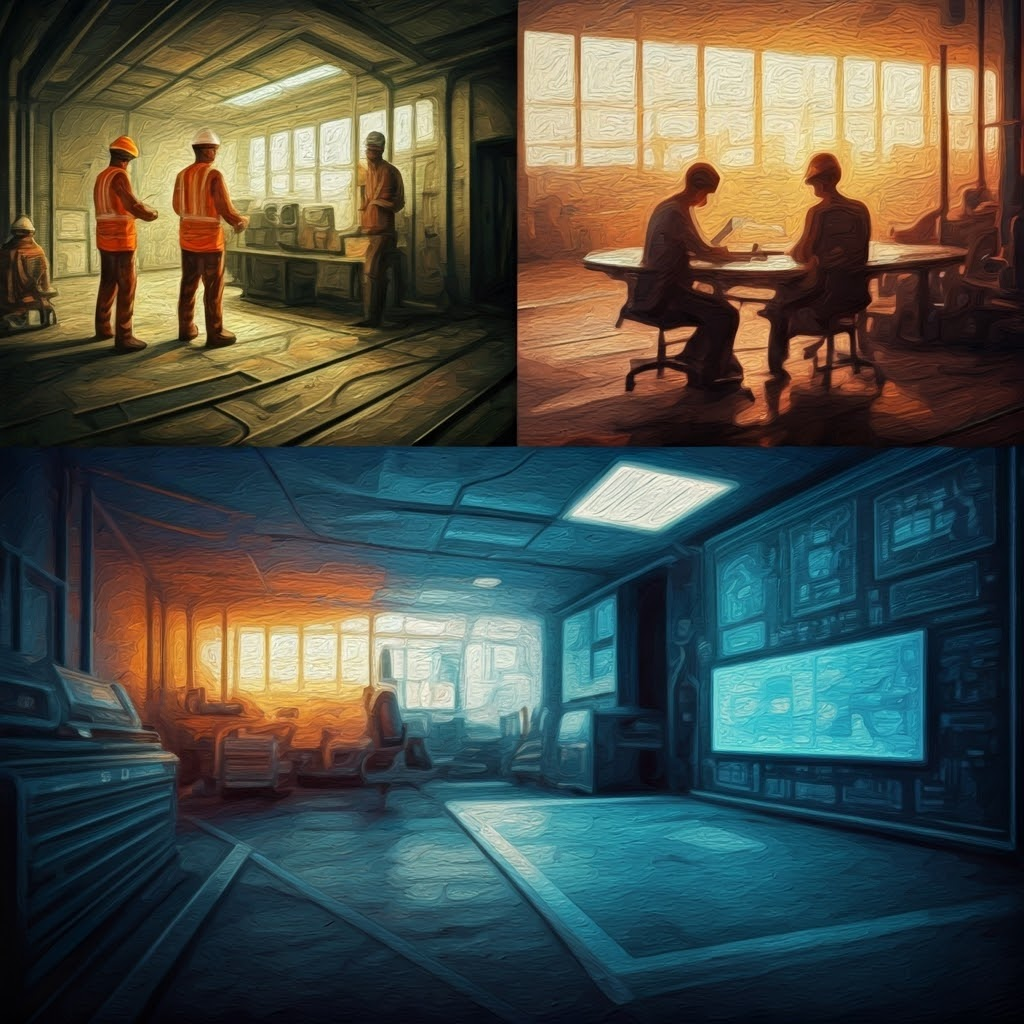
A digital-twin mirrors every valve, belt, and sensor in a plant. Technicians explore the copy, diagnose faults, and test fixes while the real line keeps running.
Downtime is expensive. An auto plant can lose thousands in an hour. Rehearsing repairs in the twin turns errors into harmless data, not disasters.
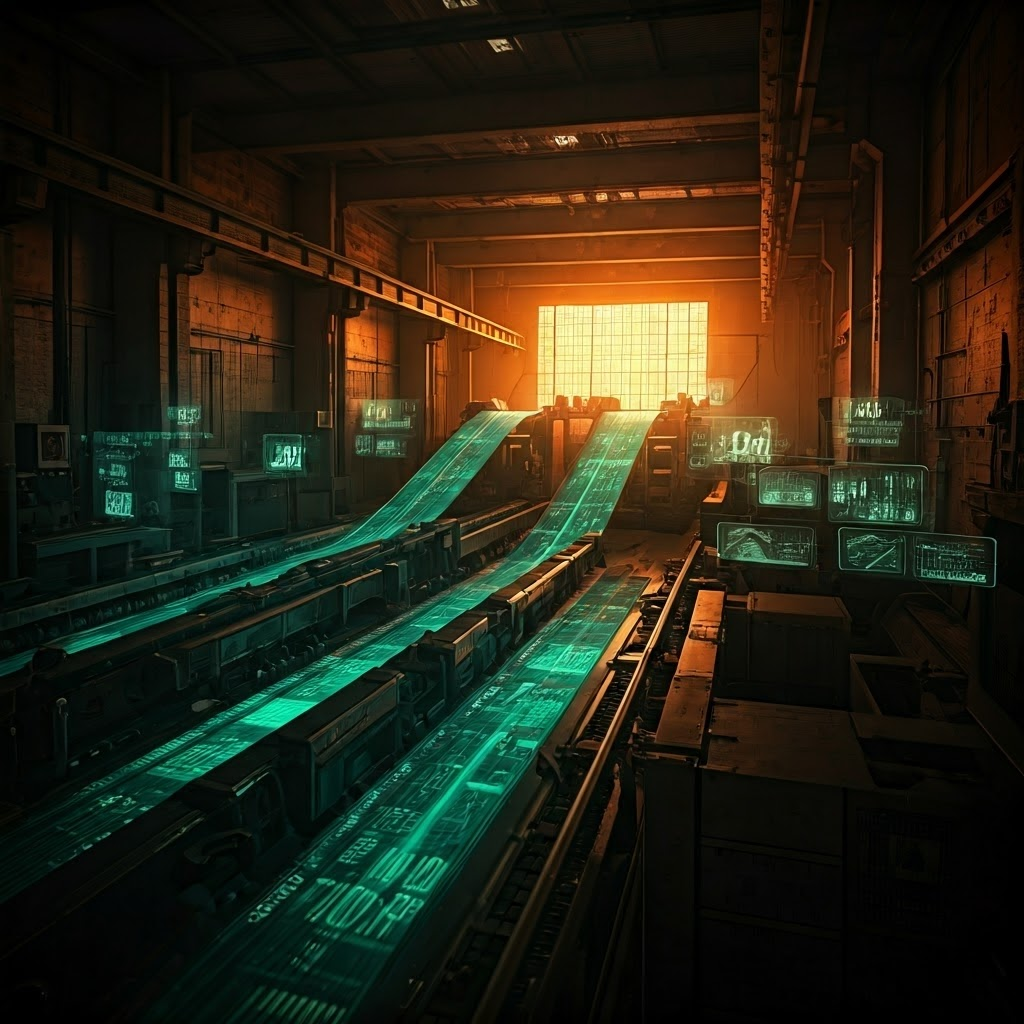
The smartest twins update in real time by pulling live sensor data. Building them demands detail, yet the reward is a safer and faster-learning workforce.
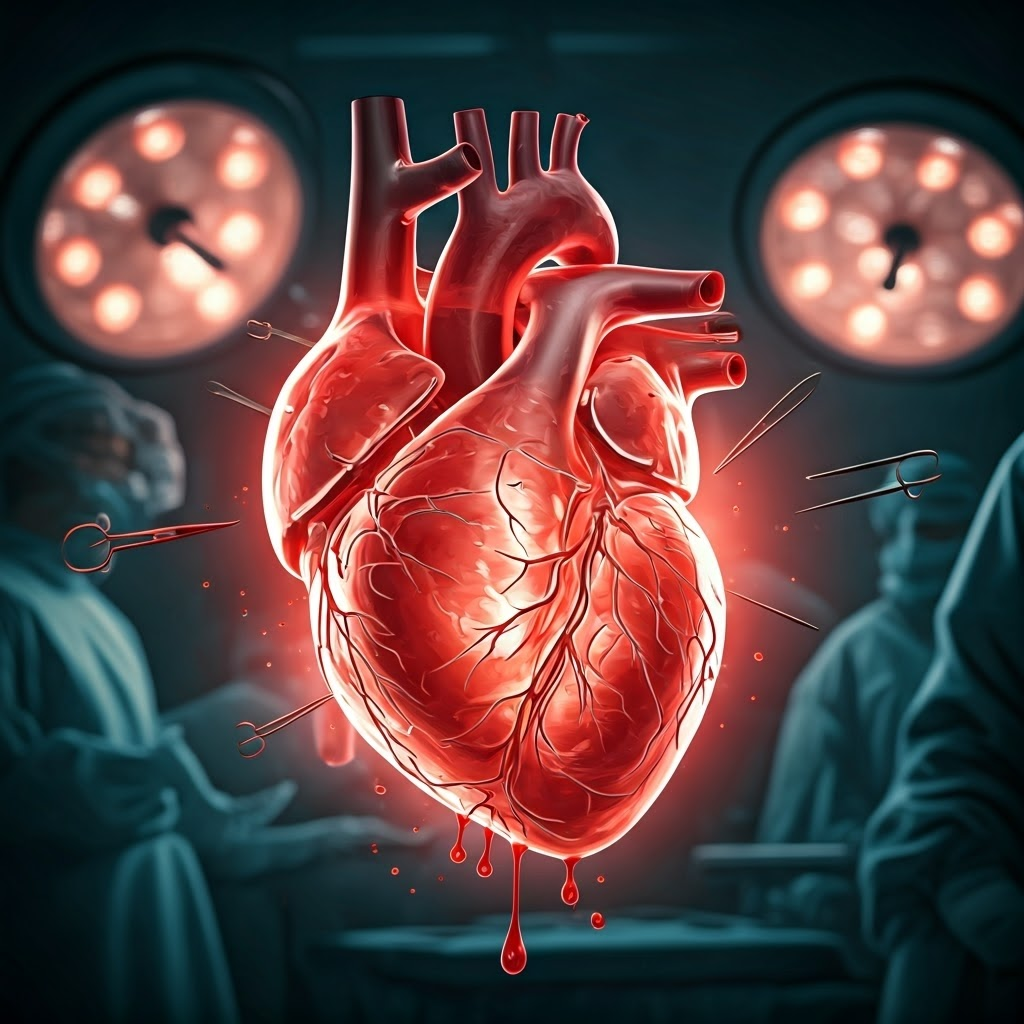
Medical Rehearsal: Saving Lives Before They Begin
In medicine, there’s no redo on a patient. Immersive simulations let doctors step inside organs and practice complex moves with precision controllers.

Hospitals like Mayo Clinic loop the same scenario until teamwork is seamless. VR-trained teams make fewer critical errors and enter the OR with greater confidence.
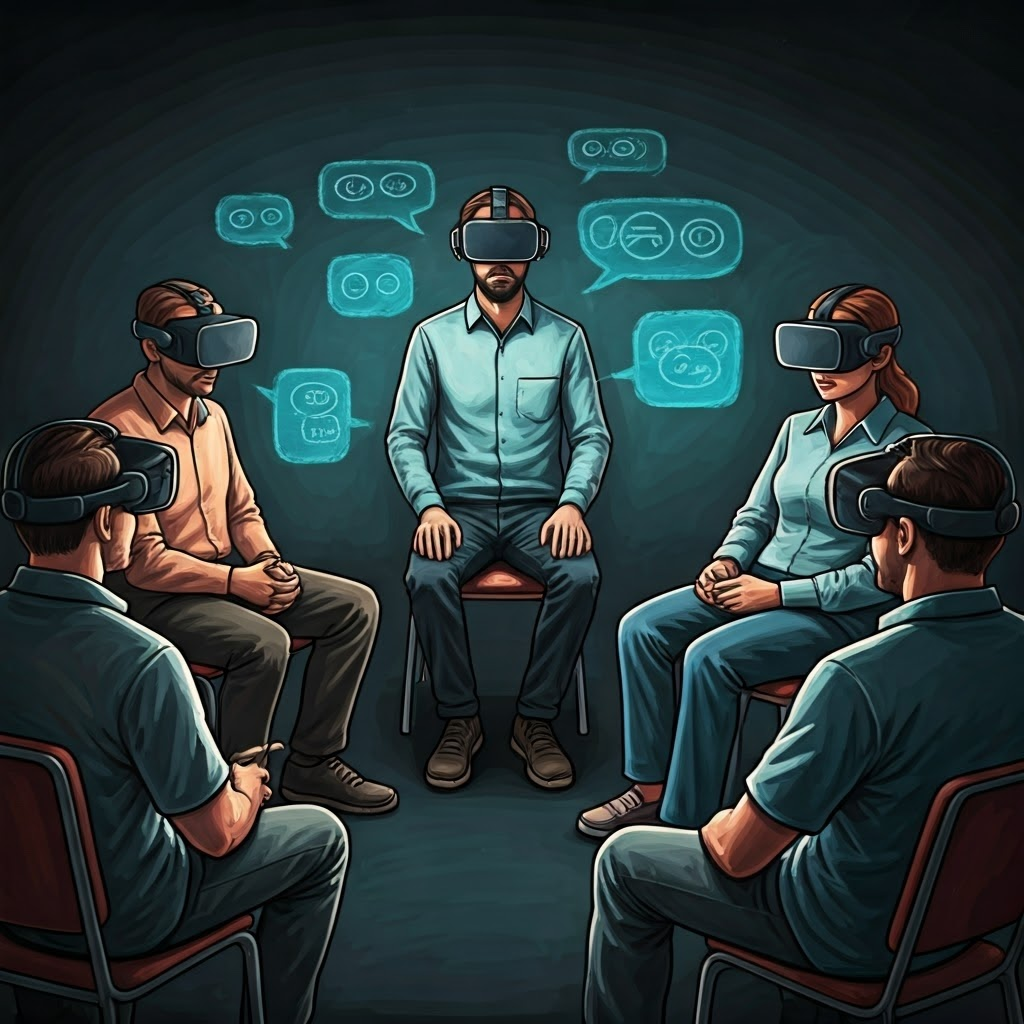
Soft Skills in a Hard World: Empathy and Diversity Training
Safety also means respect. VR places staff in another person’s shoes, revealing bias or microaggressions in a vivid, emotional way.
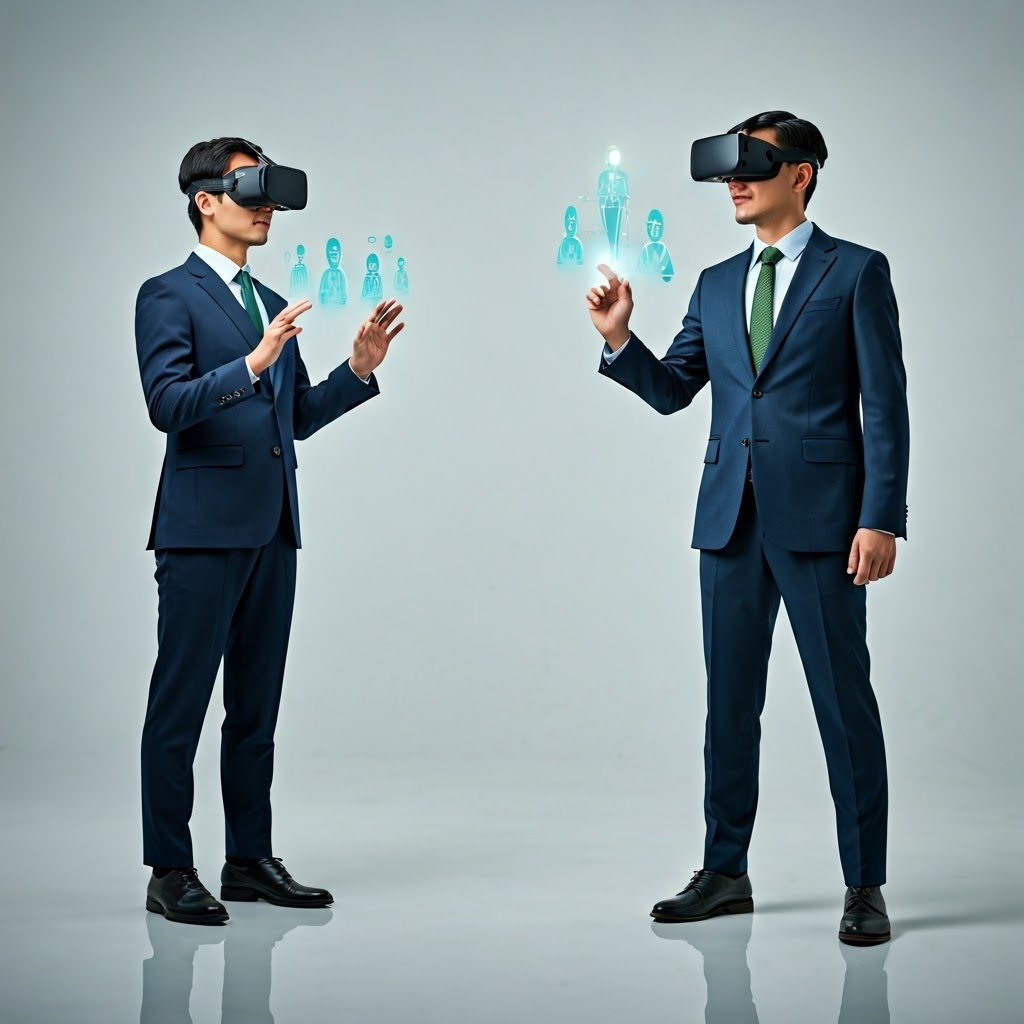
Walmart and others use role-play modules to boost empathy, reduce complaints, and build stronger teams. Feeling a situation beats merely hearing about it.
Closing Thoughts: The New Safety Net
Immersive tech lets staff fail safely, repeat, and improve. Virtual practice cuts accidents, boosts skill, and strengthens culture, even if it can’t replace every hands-on lesson.
Next time you hear “training,” picture a headset, a high-stakes scenario, and a learner who walks away better prepared—scar-free.
