
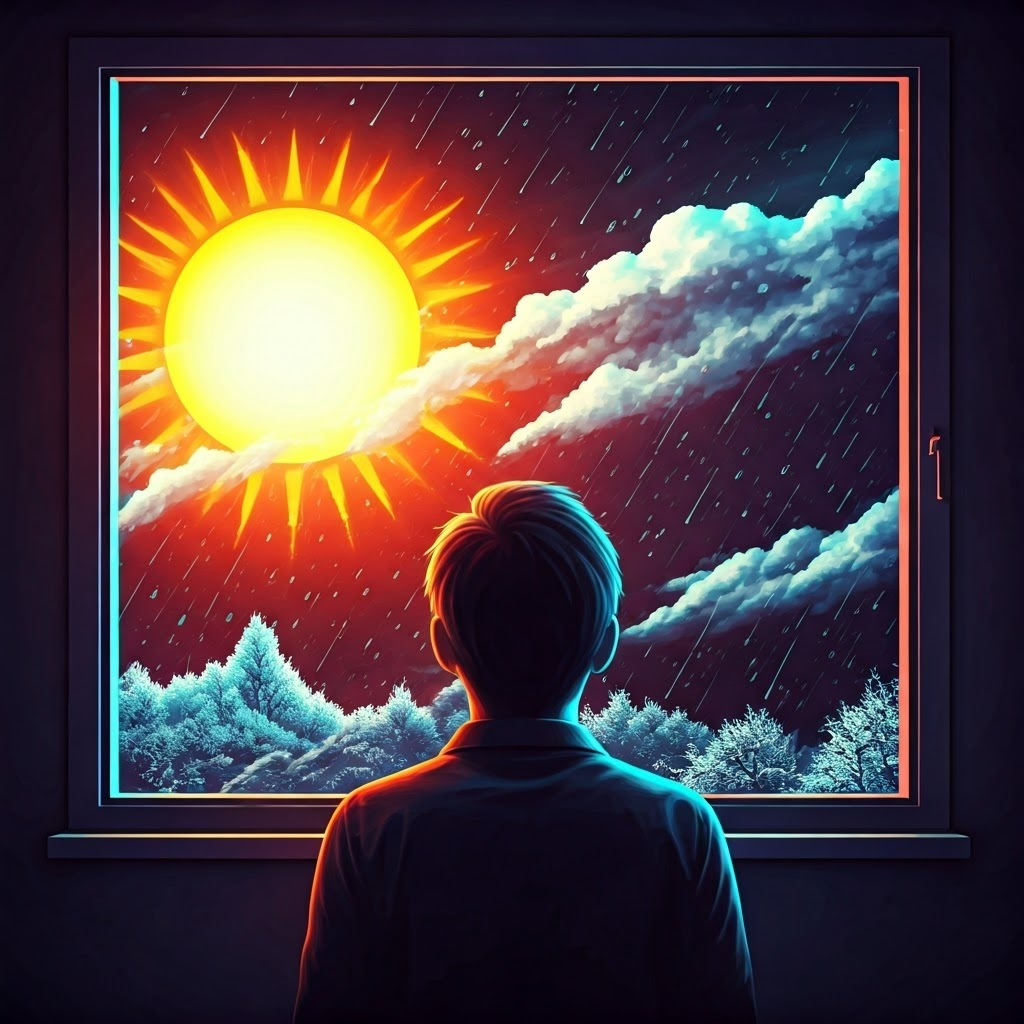
Weather Gone Weird: What’s Happening Outside Your Window?

Hotter Days and Sleepless Nights
Summer now feels brutally hot. Heatwaves arrive more often, linger longer, and peak higher. NOAA data shows many U.S. cities now endure double the heat-wave days seen in the 1980s. Nights stay stifling because concrete and asphalt soak up heat then slowly release it after sunset.
This trapped warmth creates an urban heat island. Some blocks run several degrees hotter than neighboring areas. If your local pool stays busy through September or you toss and turn at night, you are feeling that hidden city heater in action.

Extreme heat is dangerous. Hospital visits for heat exhaustion and dehydration are climbing. The 2021 Pacific Northwest heatwave pushed Portland and Seattle above 110 °F. Emergency rooms overflowed, and power grids strained, proving that even places without air-conditioning must now prepare for deadly heat.
Heat ranks as the deadliest weather hazard in the United States, causing more yearly deaths than hurricanes, tornadoes, or floods. Children, outdoor workers, and older adults feel the impact first.

Shop shelves empty of cooling gear because greenhouse gases keep nudging the planet’s thermostat upward. Cities respond by opening cooling centers in libraries and community halls so residents can safely ride out the hottest days and nights.
When the Rain Won’t Stop (or Won’t Start)
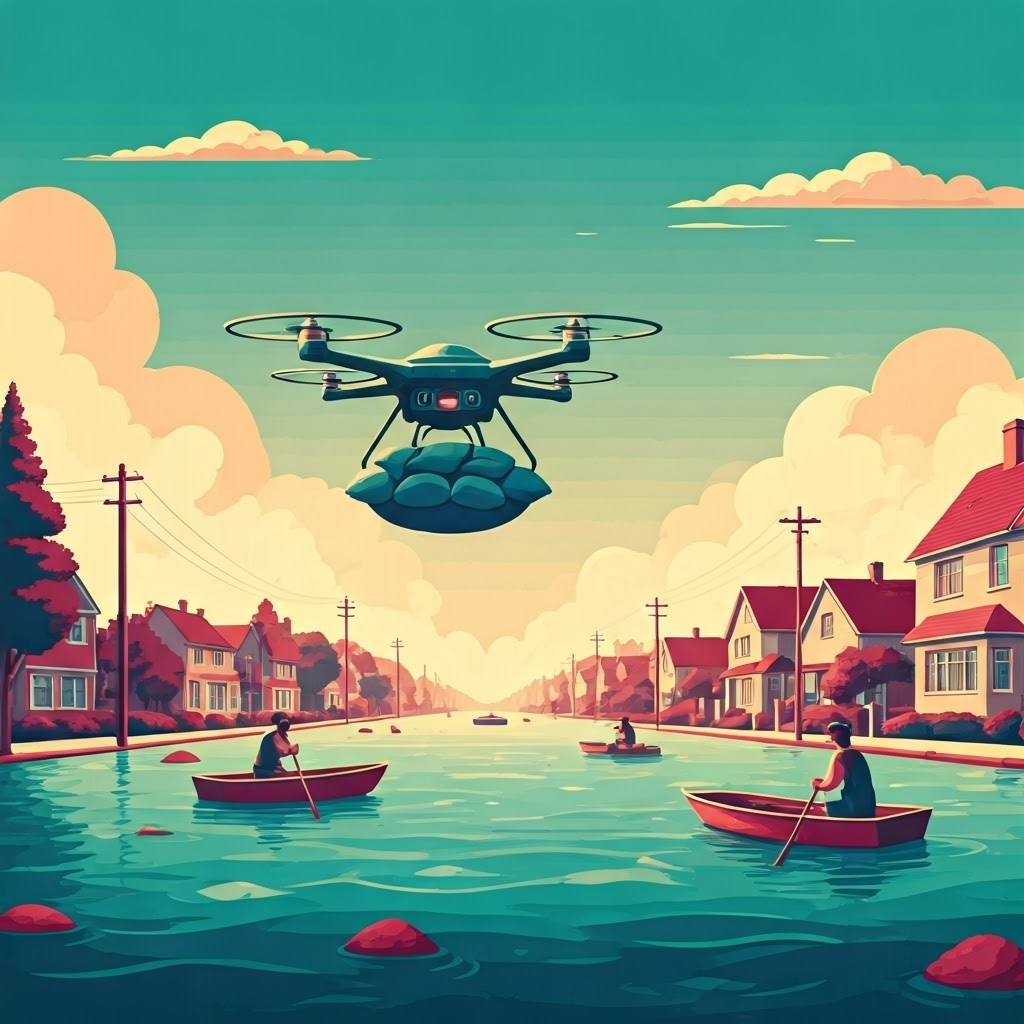
Climate change supercharges the water cycle. Warmer air holds more moisture, so wet places get wetter while dry regions dry out further. A gentle shower can suddenly turn into a downpour.
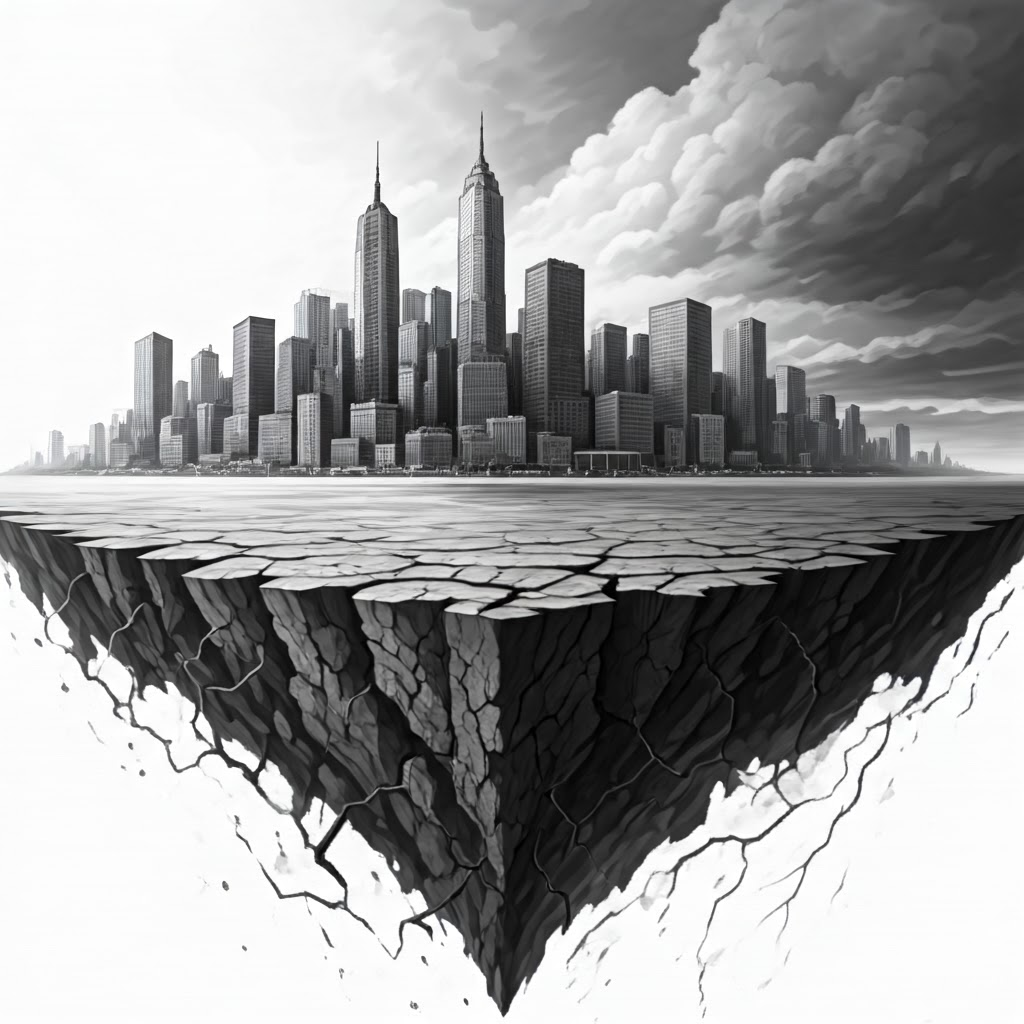
Houston has endured several so-called 500-year floods in one decade, while the western U.S. faces persistent megadroughts. If your garden alternates between frying and drowning, you are watching these extremes unfold.
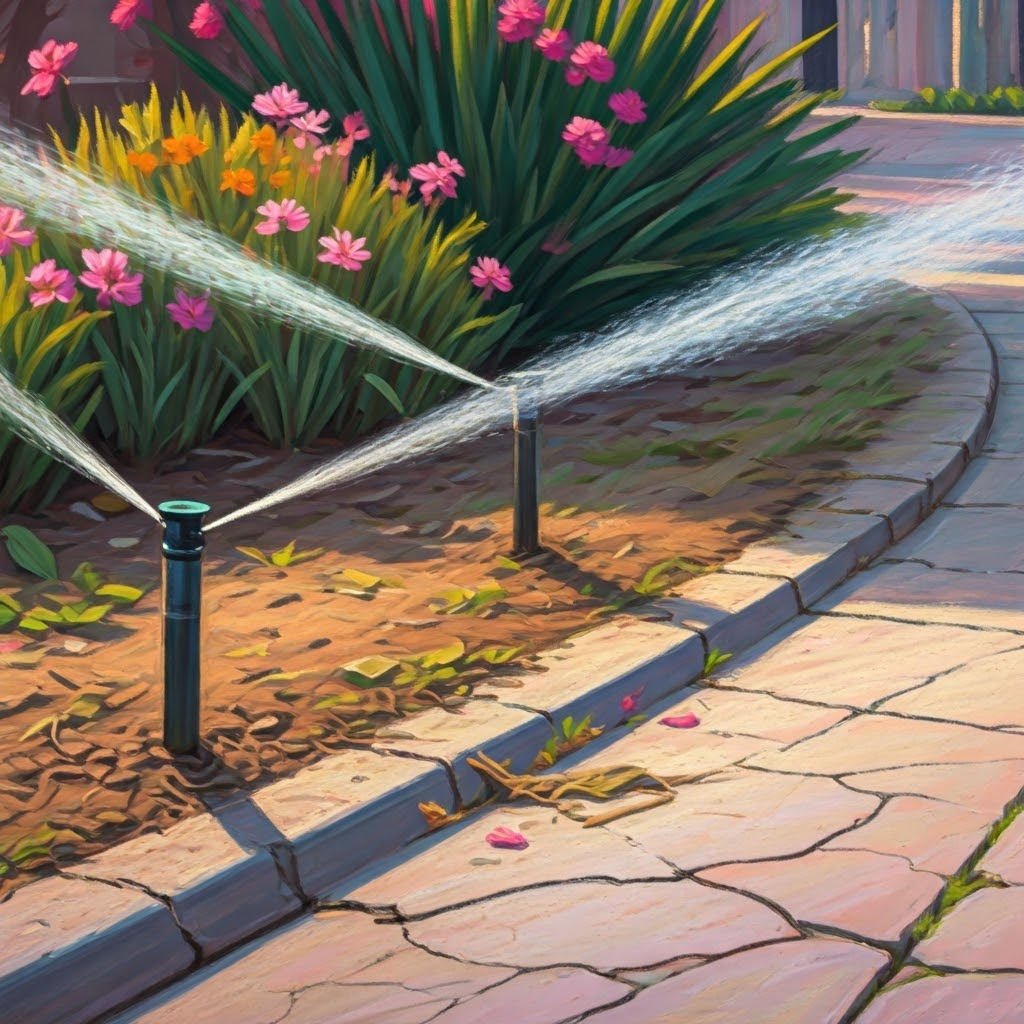
Unsteady rainfall strains infrastructure. Burst pipes, potholes, and overwhelmed storm drains cost communities money and disrupt daily routines. Predictable seasons feel less certain each year.
Storms, Floods, and the Unexpected
Warmer seas feed stronger hurricanes. Storms such as Harvey in 2017 and Ida in 2021 intensified quickly before landfall, bringing record rain far inland.
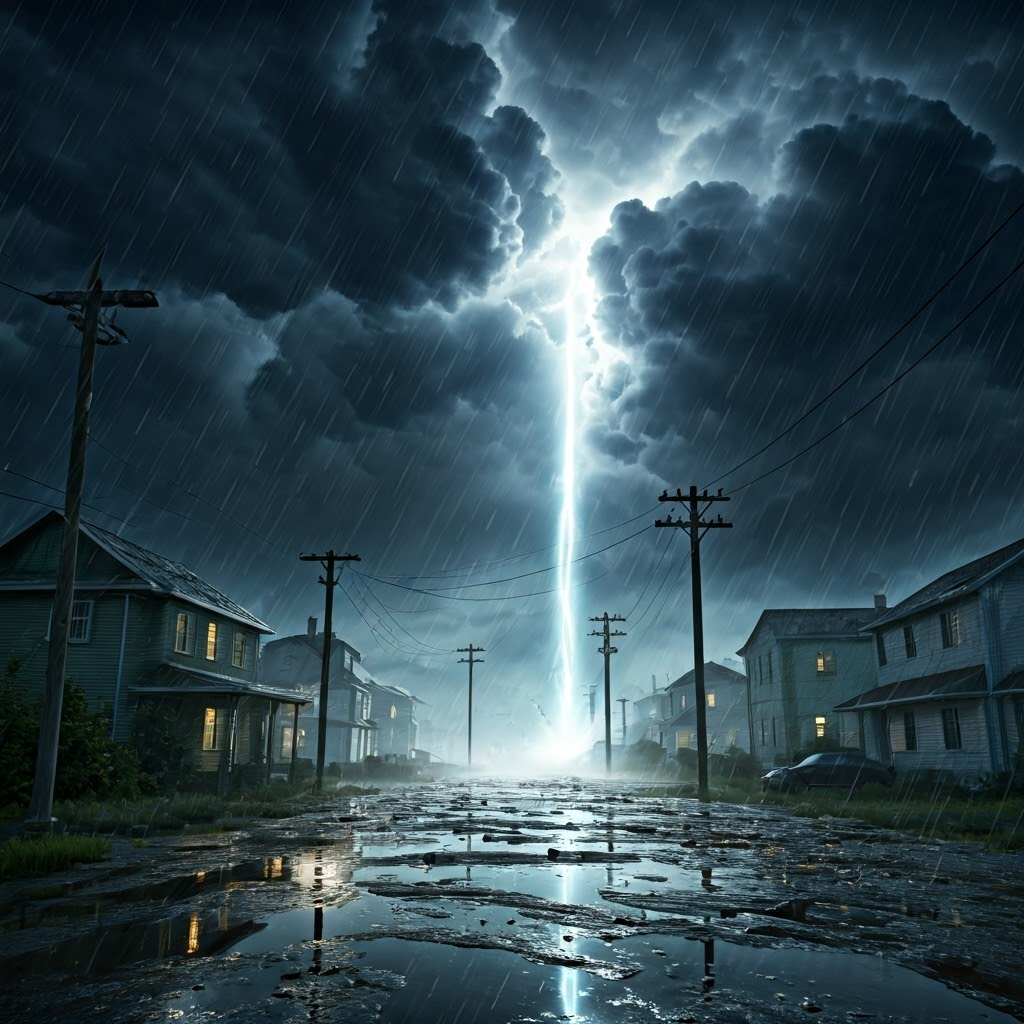
Thunderstorms now swing from sudden deluges to long dry spells—climate whiplash that breaks records, washes out parks, and cancels weekend plans.
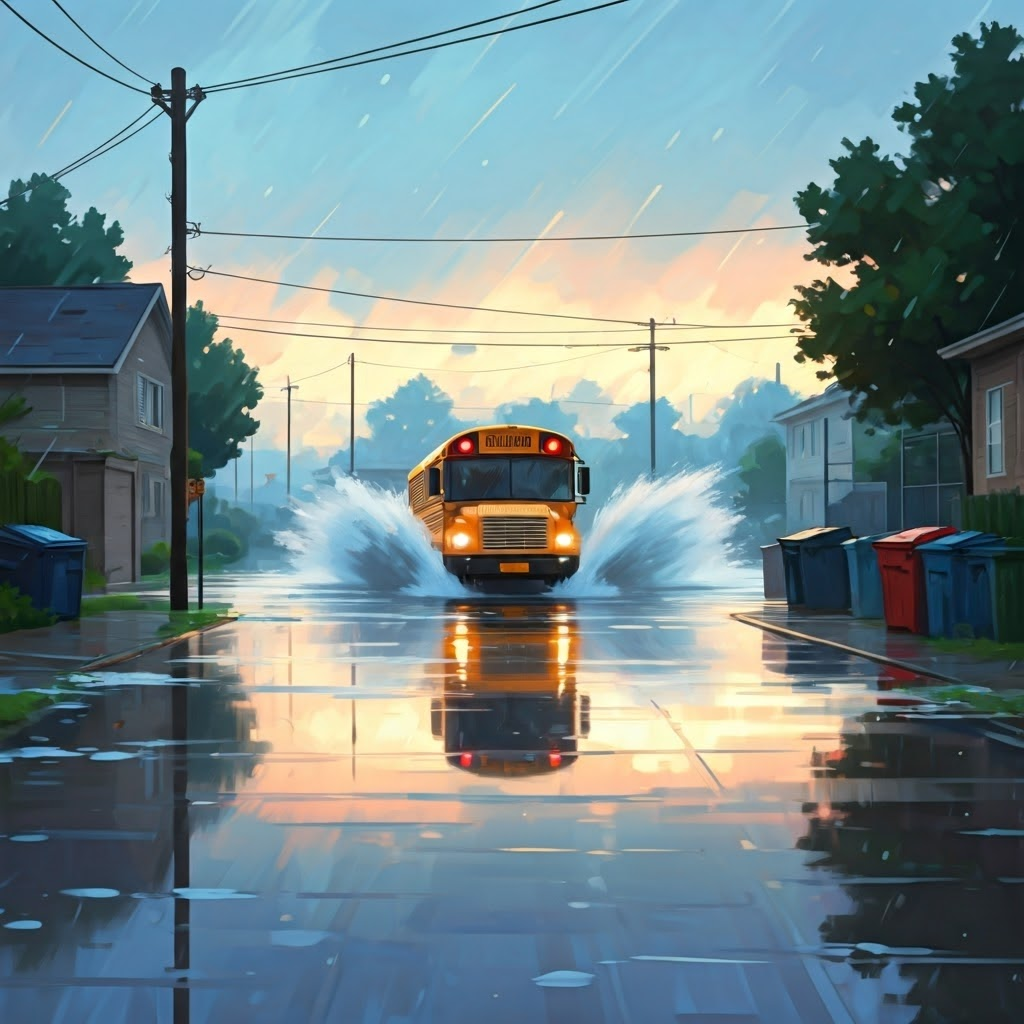
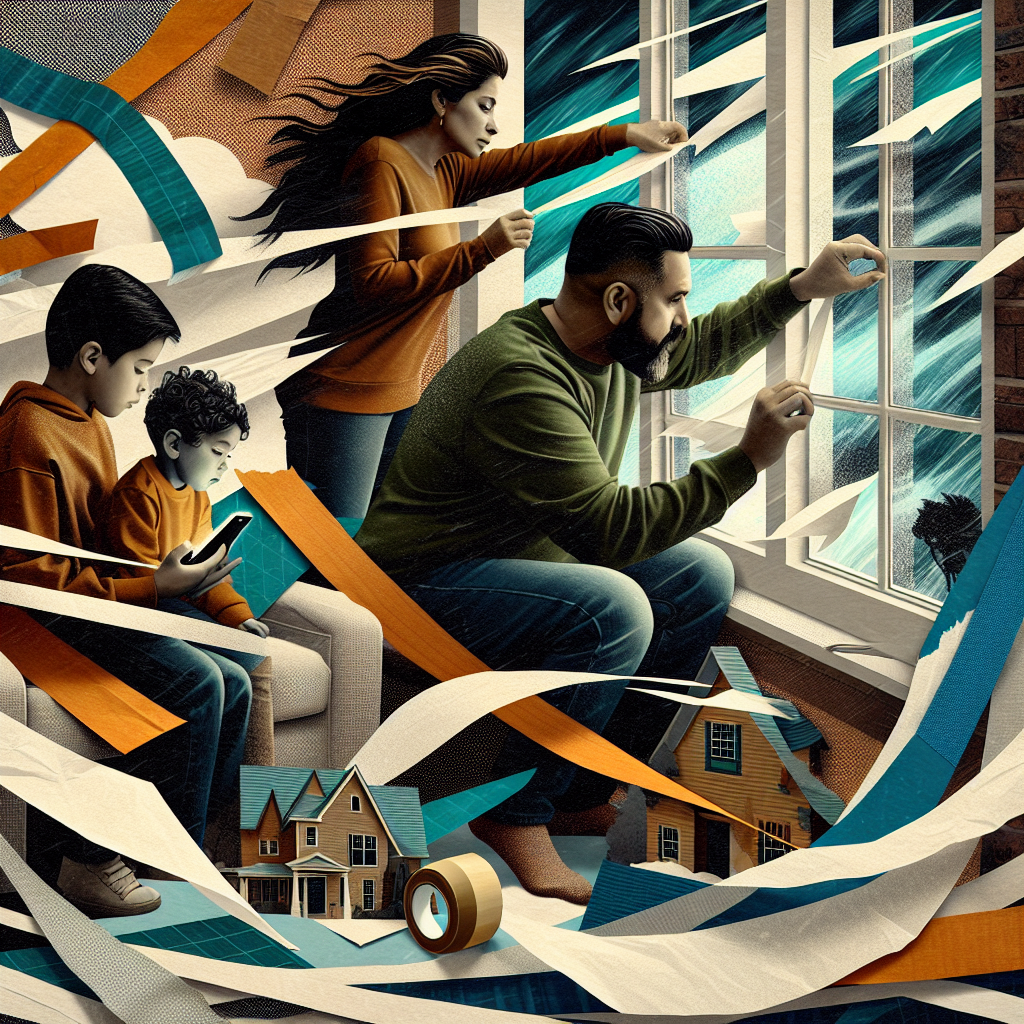
Communities face higher insurance costs, rapid repairs, and constant vigilance. Families seal windows, track forecasts, and wonder what storm comes next.
Science in Everyday Life
You can spot climate patterns at home. Earlier snowmelt, dry creek beds, or more “once-in-a-lifetime” storms are personal data points that echo satellite and weather-station records.
Why This Matters for You
Close attention turns weather into informed decisions. Hydrate on hot days, heed alerts, and adjust outdoor plans. By noticing trends, you join a global push for preparation and change—because as weather grows weirder, understanding it matters more than ever.
