
Breathing, Eating, and Surviving: The Basics of Staying Alive
If you’ve ever gone camping, your priorities shift fast: air, water, food. In space, the list is identical, yet no river or store exists. Spacecraft life-support systems must run like a perfectly tuned machine because every astronaut relies on that life-support every minute.
Air, Water, and Food: The Essentials
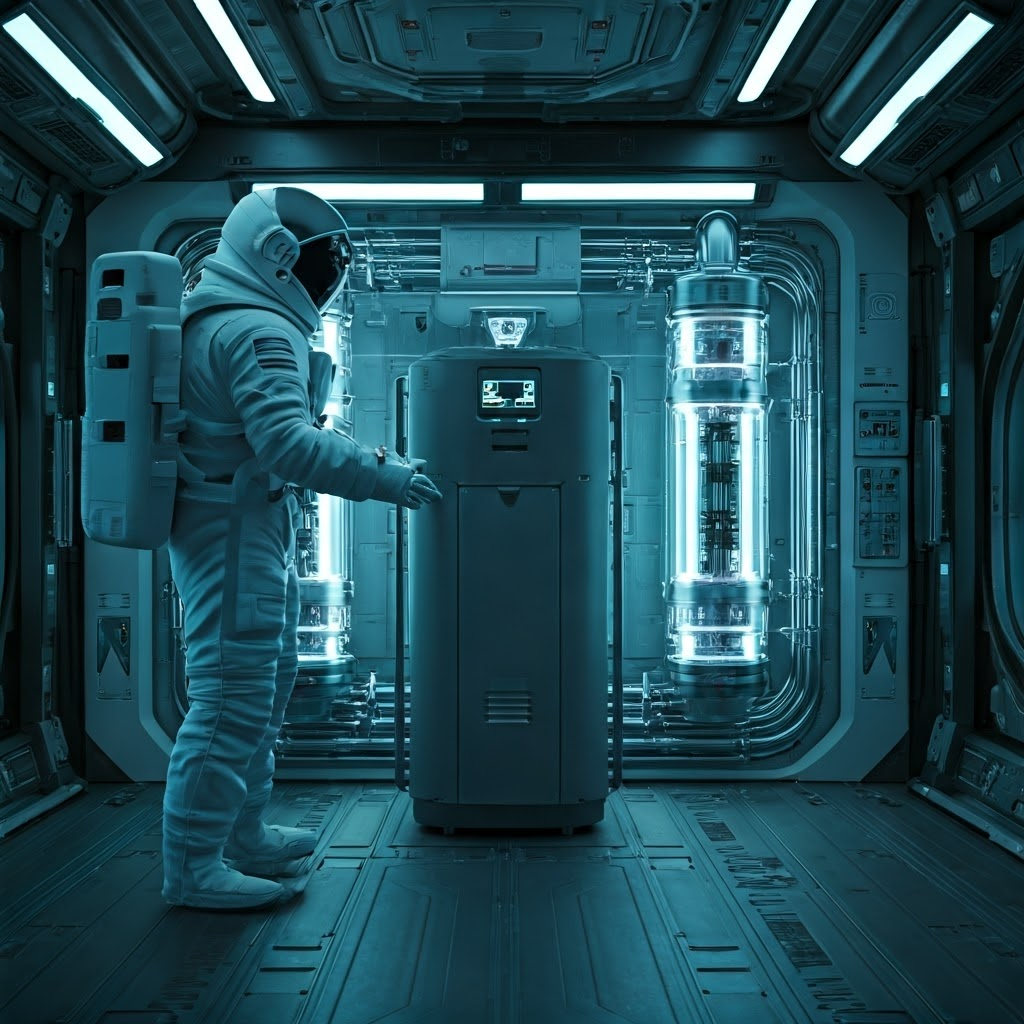
For air, spacecraft don’t haul full tanks from Earth. Instead, the Oxygen Generation Assembly splits water into oxygen and hydrogen. Oxygen flows into the cabin while hydrogen is vented or reused. Carbon dioxide scrubbers stop lethal buildup. Think submarine rules—only with far less margin for oxygen errors.
Carbon dioxide leaves the air through lithium hydroxide canisters or reactors like Sabatier. During Apollo 13 a clogged filter nearly suffocated the crew—improvised duct-tape repairs saved them. The lesson is clear: redundancy matters, because CO₂ can climb from safe to lethal in hours.
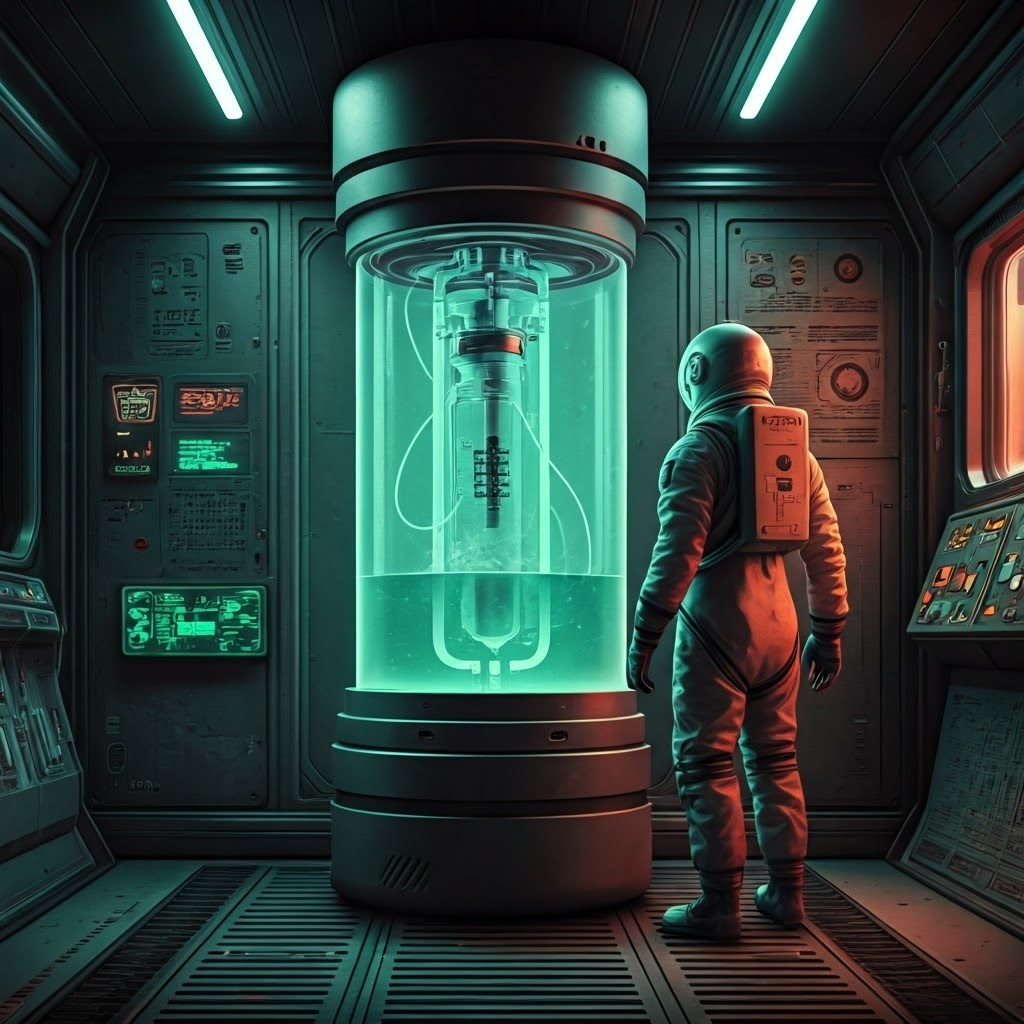
Hauling enough water for long flights is impossible. The ISS Water Recovery System recycles sweat, breath, and urine until the liquid is cleaner than many taps on Earth. Astronauts joke that yesterday’s coffee becomes tomorrow’s coffee. If the recycler fails, stored reserves give only limited, nerve-wracking days to recycle.
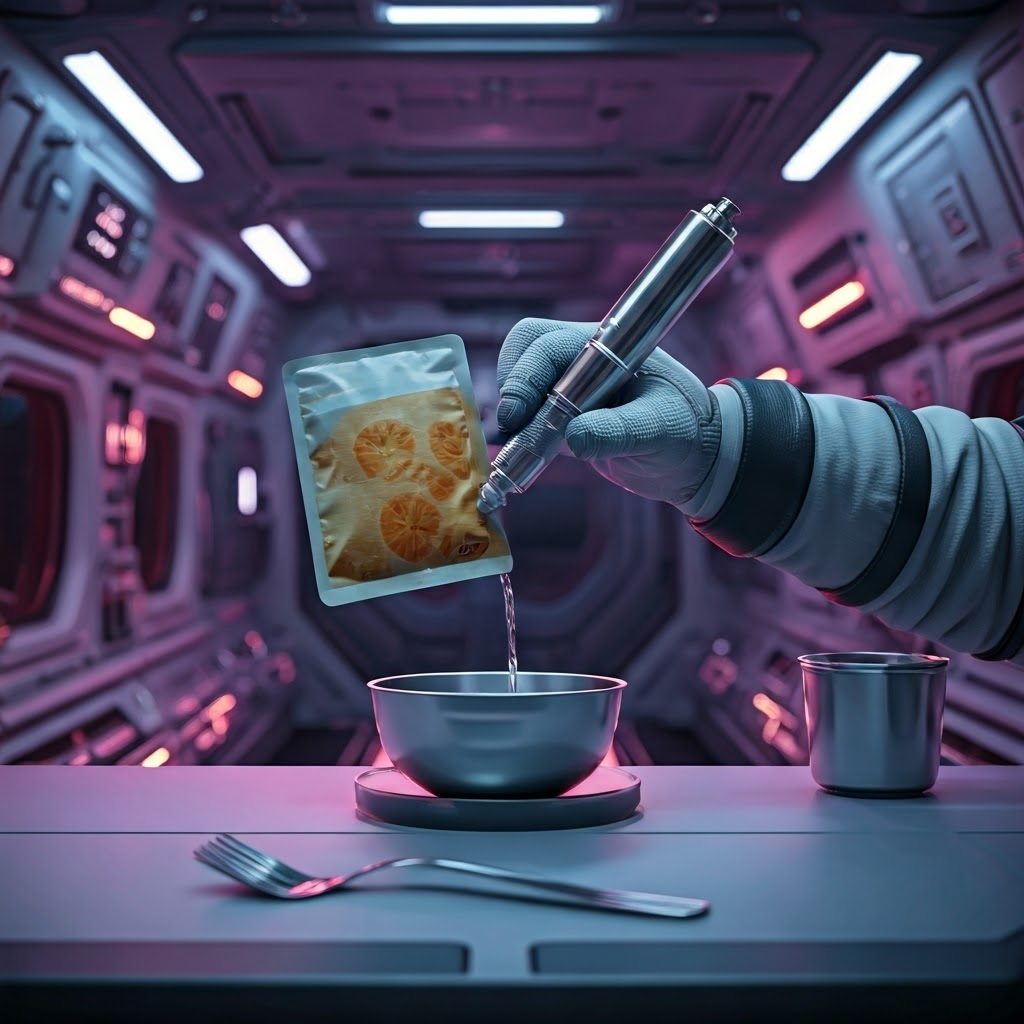
Food is more than calories; it keeps spirits up. Modern menus mix thermostabilized plates, freeze-dried dishes, and occasional fresh greens grown onboard. Microgravity dulls smell, so spicy options shine. Packaging controls crumbs that would otherwise float into vents. Adequate variety guards morale during missions that stretch for months.
When water runs low, freeze-dried meals become hard to eat, underscoring how tightly all systems connect. Standards like NASA-STD-3001 map out nutrients, shelf life, and preparation steps, echoing Skylab’s 72-item menu that proved choice keeps crews sane.
Pressure and Atmosphere: Why Space Isn’t Like Home
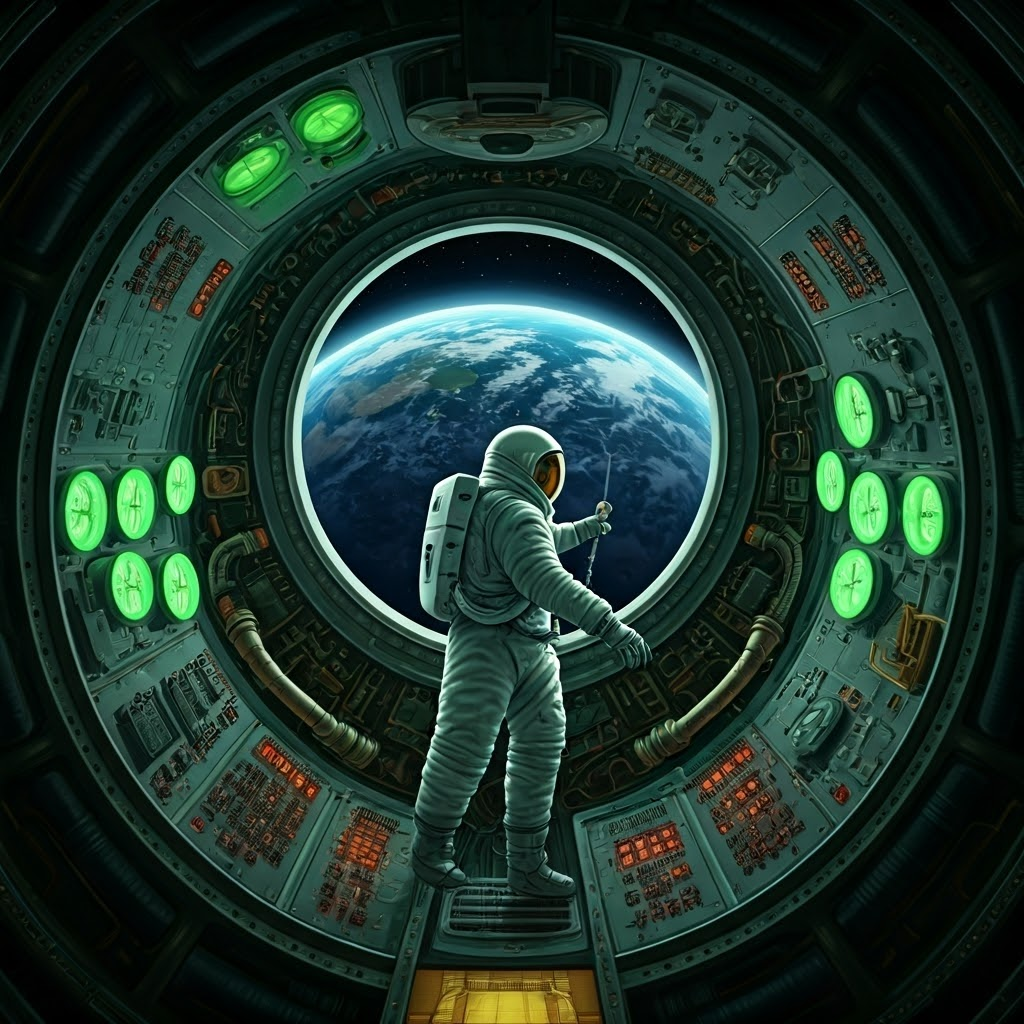
Spacecraft atmospheres balance comfort, weight, and fire risk. Many cabins stay near sea-level pressure—about 101 kPa with 21 % oxygen—because crews know that blend. Yet thicker walls are heavier. Apollo saved mass by using pure oxygen at 34 kPa, a decision that revealed its deadly side during the Apollo 1 fire.
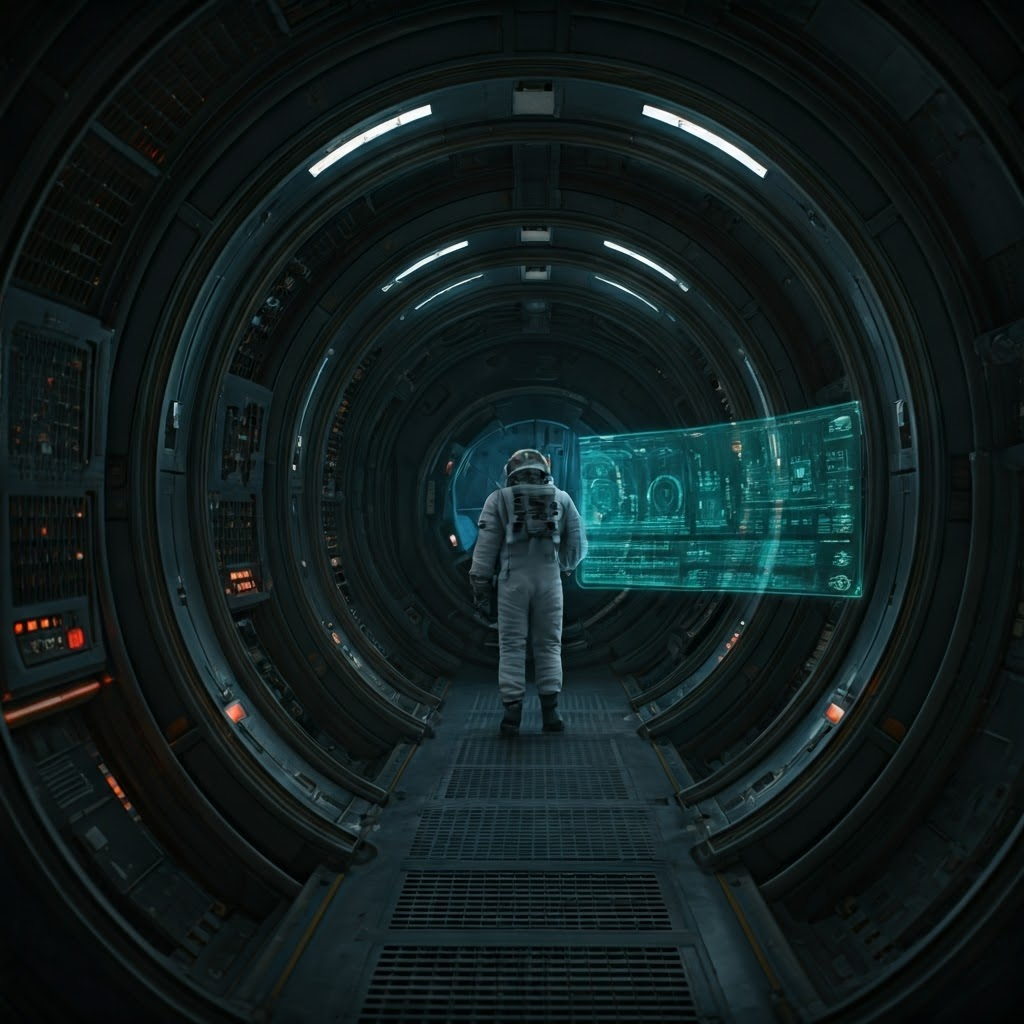
Small leaks drop pressure fast, leading to decompression sickness, while too much oxygen can trigger toxicity or fire. Engineers walk a tightrope, modeling every scenario. Final choices weigh safety, suit operations, and structure mass—each factor a separate trade-off listed in NASA and ESA handbooks.
Microgravity: The Body’s Strange New World
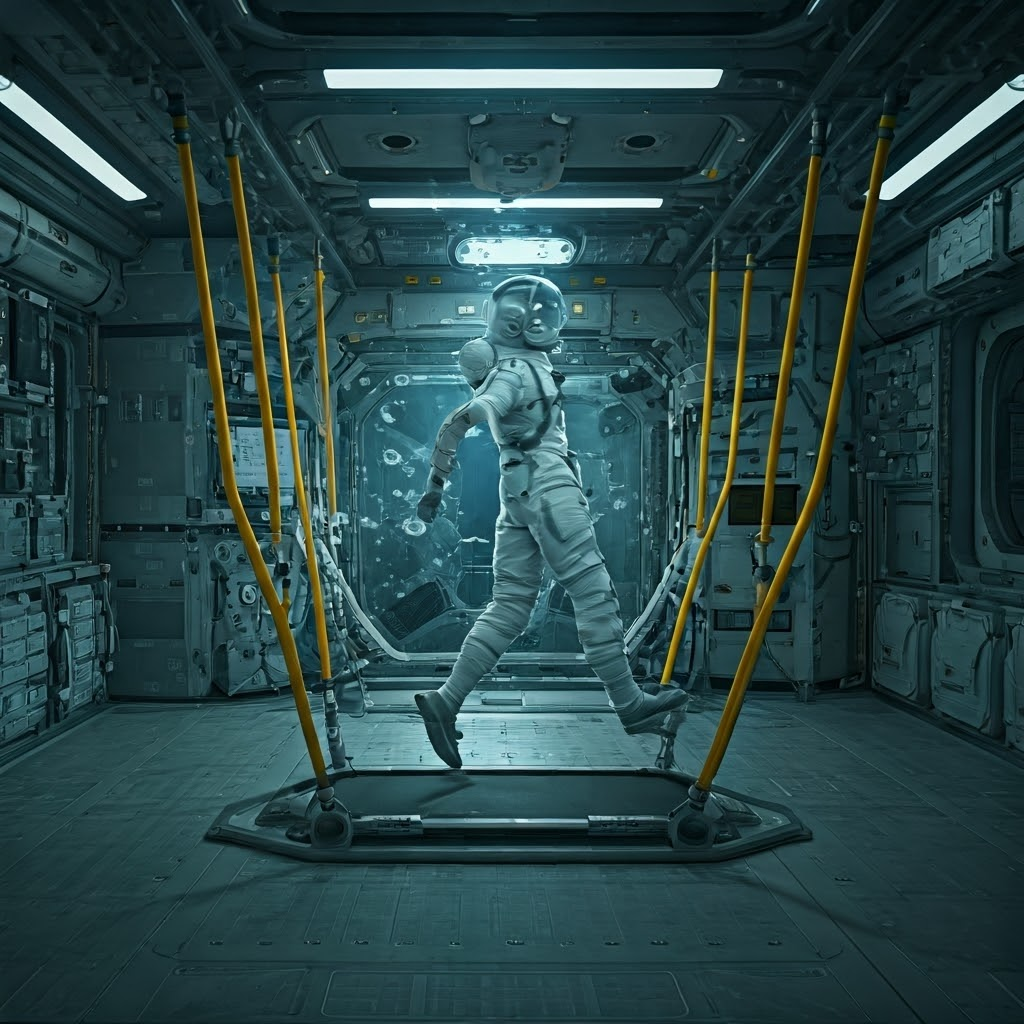
In microgravity, the body quickly rewrites itself. Fluids drift upward, faces swell, and legs thin. Muscles shrink, and bones lose roughly 1 % density every month—far faster than age-related osteoporosis on Earth. Balance shifts feel like endless spinning, and the immune system weakens noticeably.
Daily exercise fights decline. Treadmills, bikes, and resistive devices keep hearts pumping and bones loaded. Crews log about two hours a day. Scott Kelly called workouts a physical and emotional lifeline because without them returning astronauts might need weeks of therapy just to stand.
Radiation: The Invisible Threat
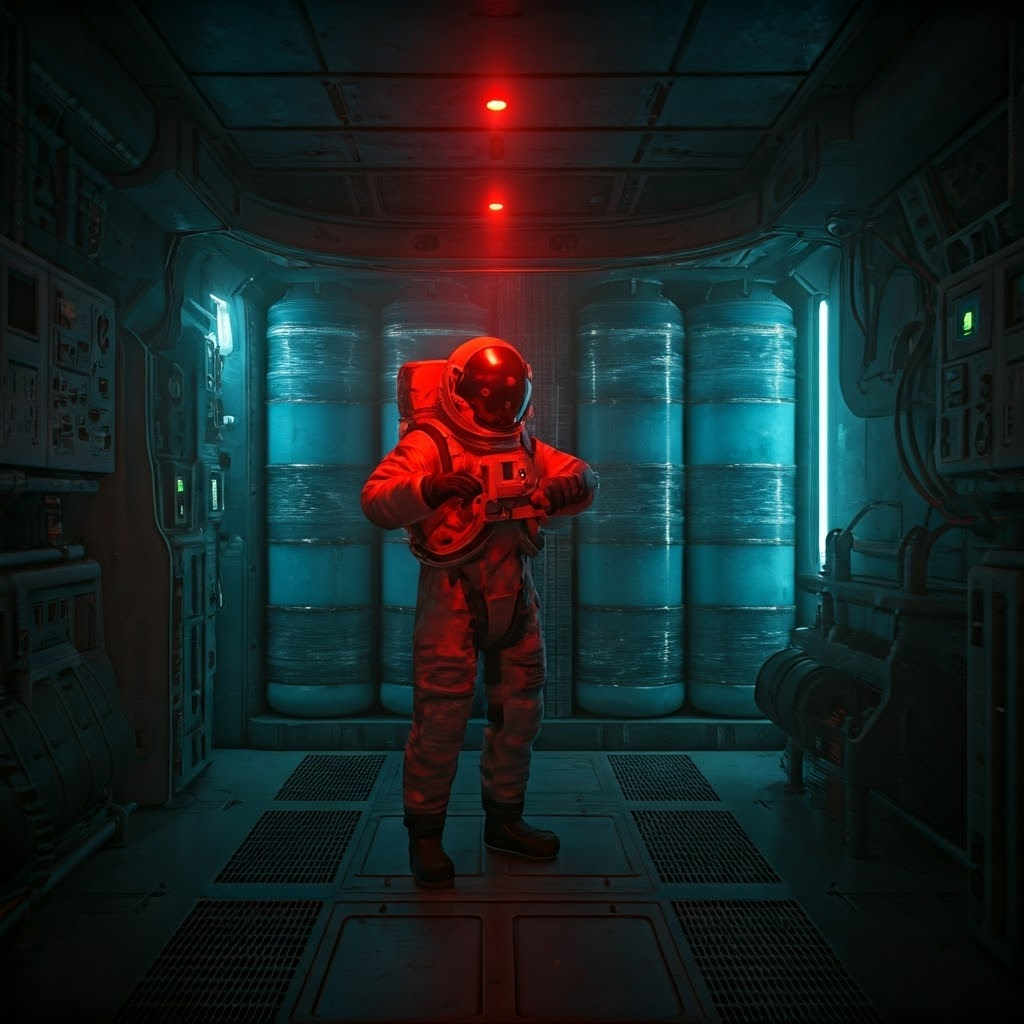
Beyond Earth’s magnetic blanket, high-energy protons and heavy ions slice through metal and DNA alike. Six months on the ISS delivers about 0.08 sieverts—roughly 1,000 chest X-rays. Trips to Mars raise exposure further, increasing long-term cancer risk.
Protection stacks up: aluminum, water bags, and supply packs line walls, forming storm shelters for solar flares. Crews schedule spacewalks around space-weather forecasts and wear dosimeter badges that log every particle. Even with planning, radiation remains the hardest problem for deep-space travel.
Living on the Edge
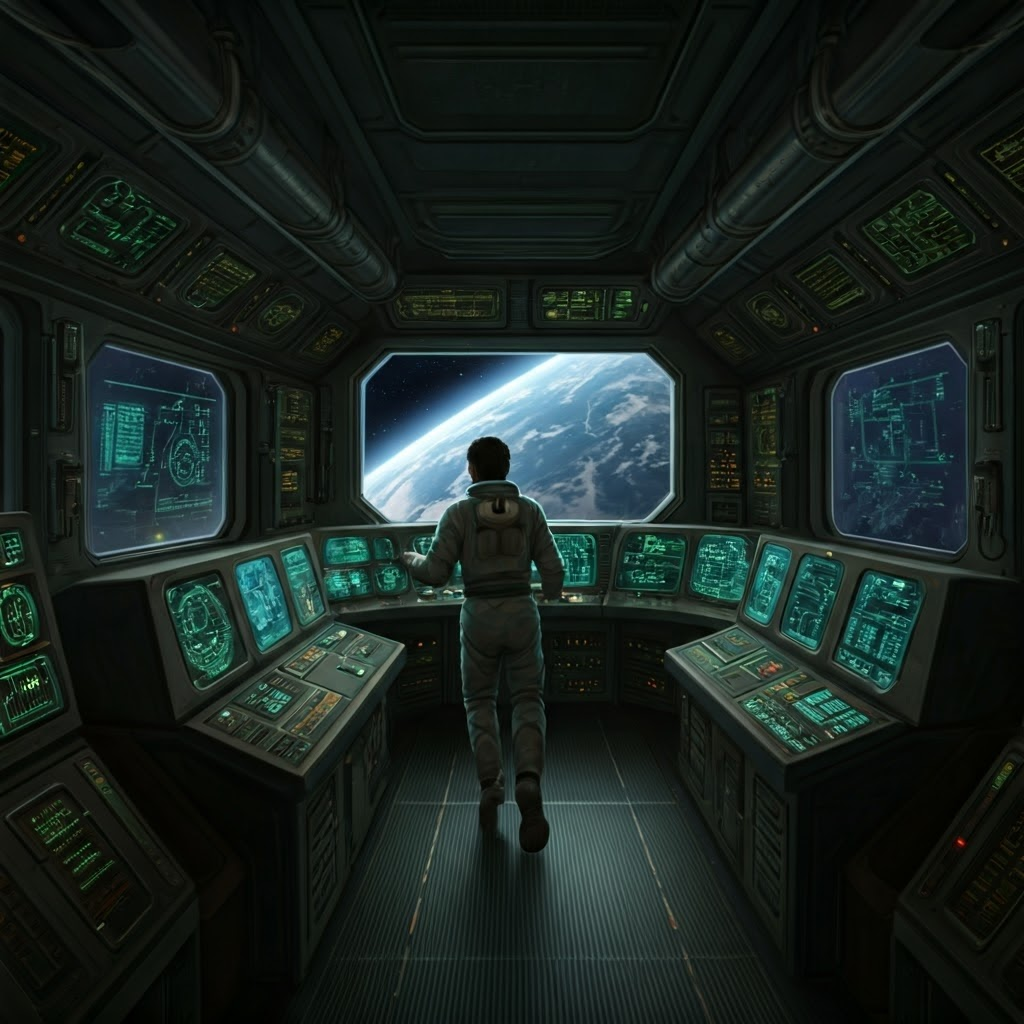
Air, water, food, atmosphere, exercise, and shielding form an artificial Earth that drifts through vacuum. Each subsystem relies on the others; failure of one can end a mission in hours. Designing spacecraft therefore blends rocket science with human care—keeping travelers alive until they glimpse their home planet again.
