
Korea: The War That Froze a Peninsula
A Divided Land: How Korea Became Two
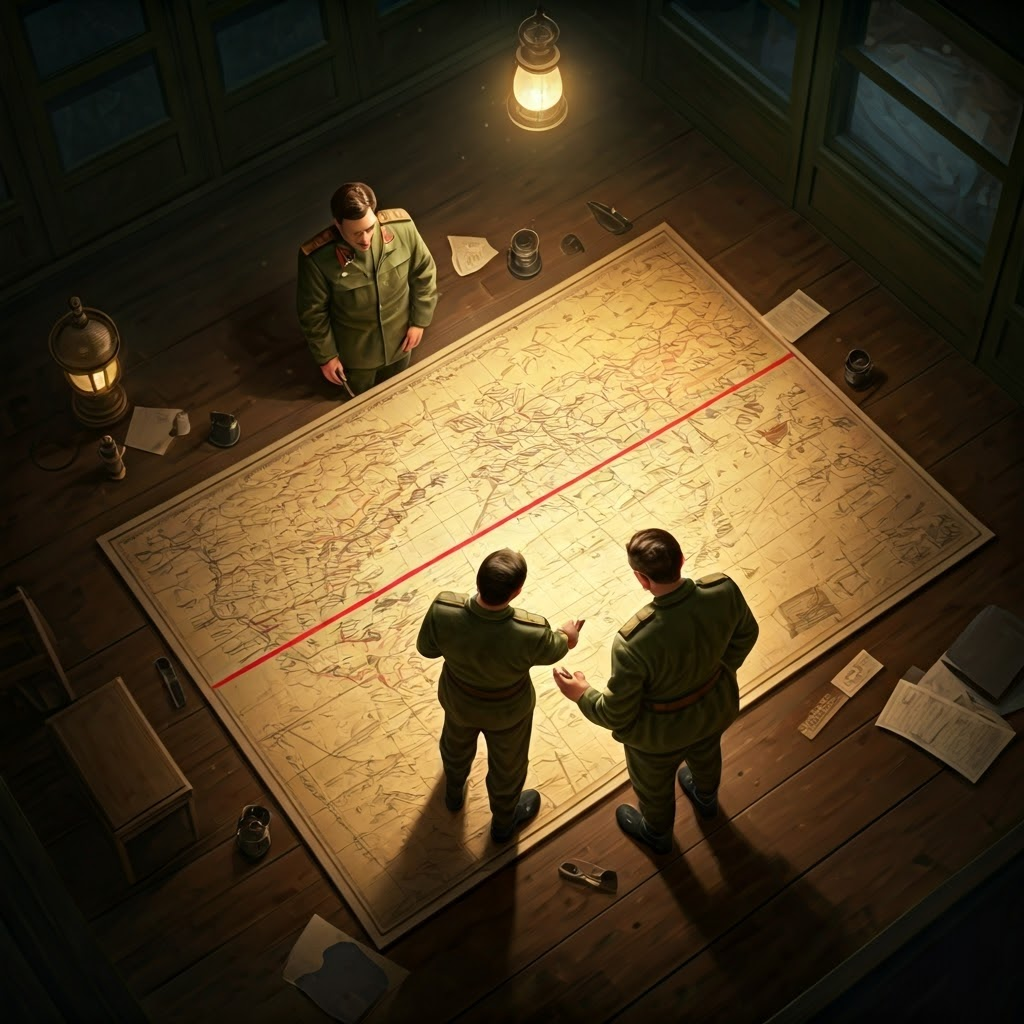
You can trace the sharp line across Korea’s waist back to the closing days of World War II. The Japanese empire, which had ruled Korea since 1910, was collapsing. By August 1945, Soviet troops were advancing from the north, American troops from the south. In a hurried decision, American officers at the Pentagon drew a line at the 38th parallel north—the kind of quick mark on a map that feels simple until it cuts through real families, villages, and long histories. The Soviet Union agreed, and Korea was suddenly split in two—with Soviets controlling the north and Americans the south—even though most Koreans had never asked for this.
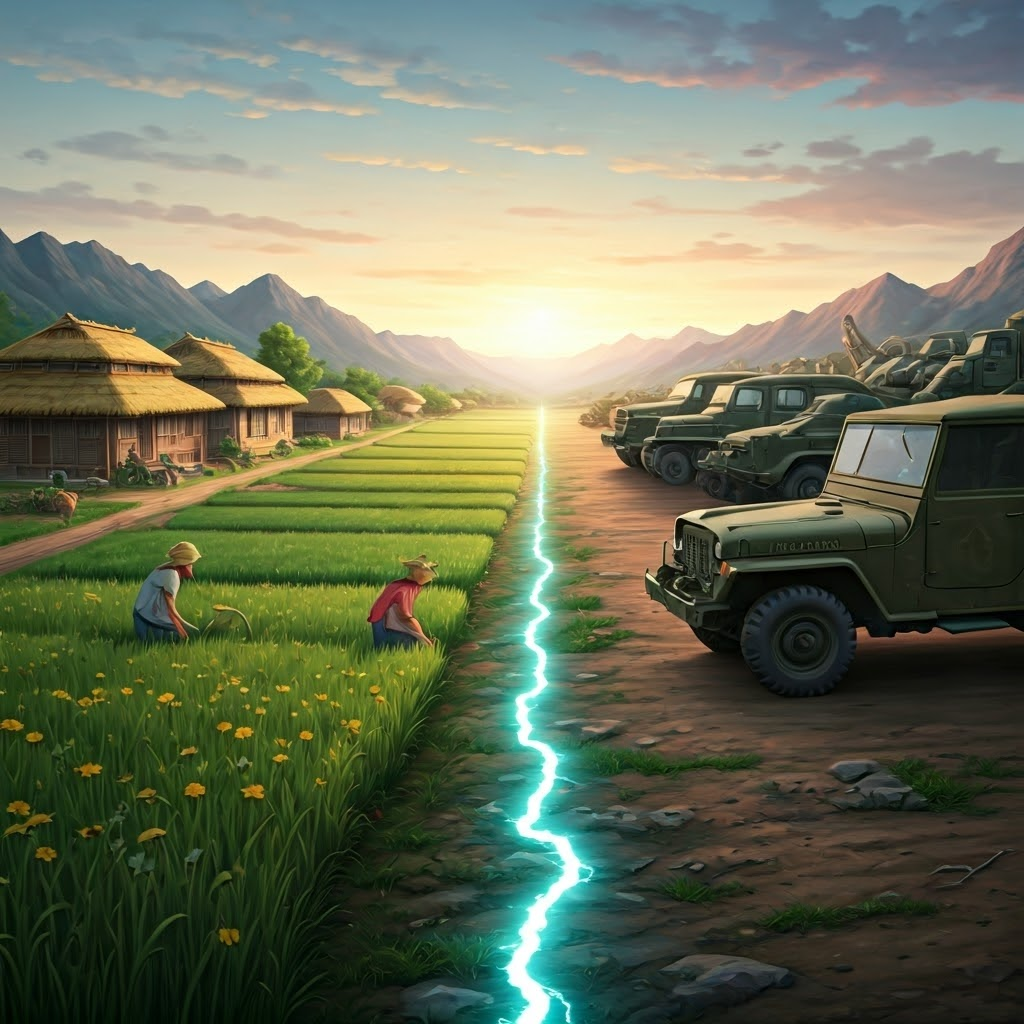 This new border was meant to be temporary. The idea was to accept Japan’s surrender, then help Korea become independent. But things didn’t go that way. The US and Soviet Union each backed different Korean leaders: Syngman Rhee in the south (a nationalist who had spent years in exile), and Kim Il Sung in the north (a guerrilla fighter with communist ties). Neither leader wanted to share power. The split hardened as both sides created rival governments in 1948, each claiming to be the true government of all Korea.
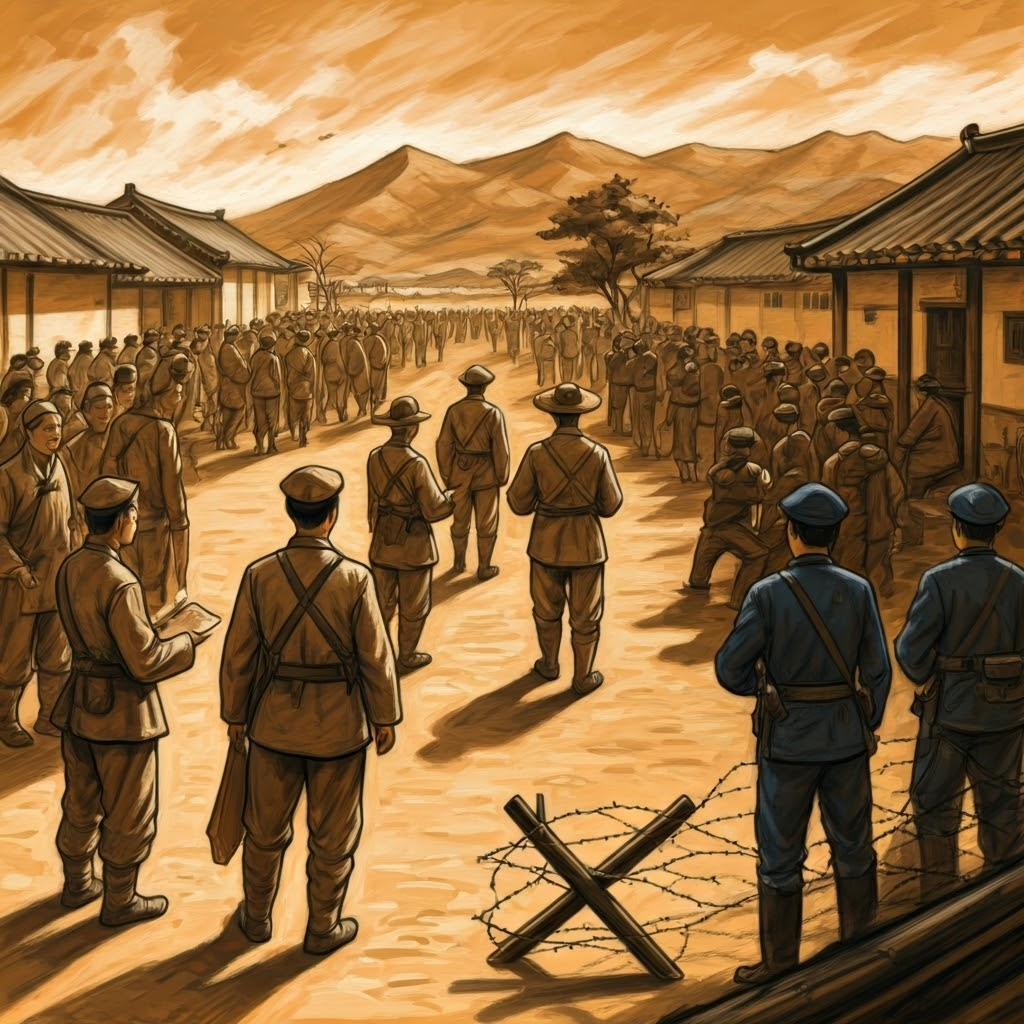 Local politics fueled the division. North Korea’s leadership built a communist state, redistributing land and eliminating its old elites. In the south, Rhee’s government took a harsh line against leftists. Both sides used force to silence opposition. For ordinary Koreans, this meant confusion and fear—neighbors disappeared, civil violence flared, and rumors crackled across the countryside. The division of Korea didn’t just reshape a map; it reordered daily life, sending deep shockwaves through communities.
The World Steps In: UN and Superpower Moves
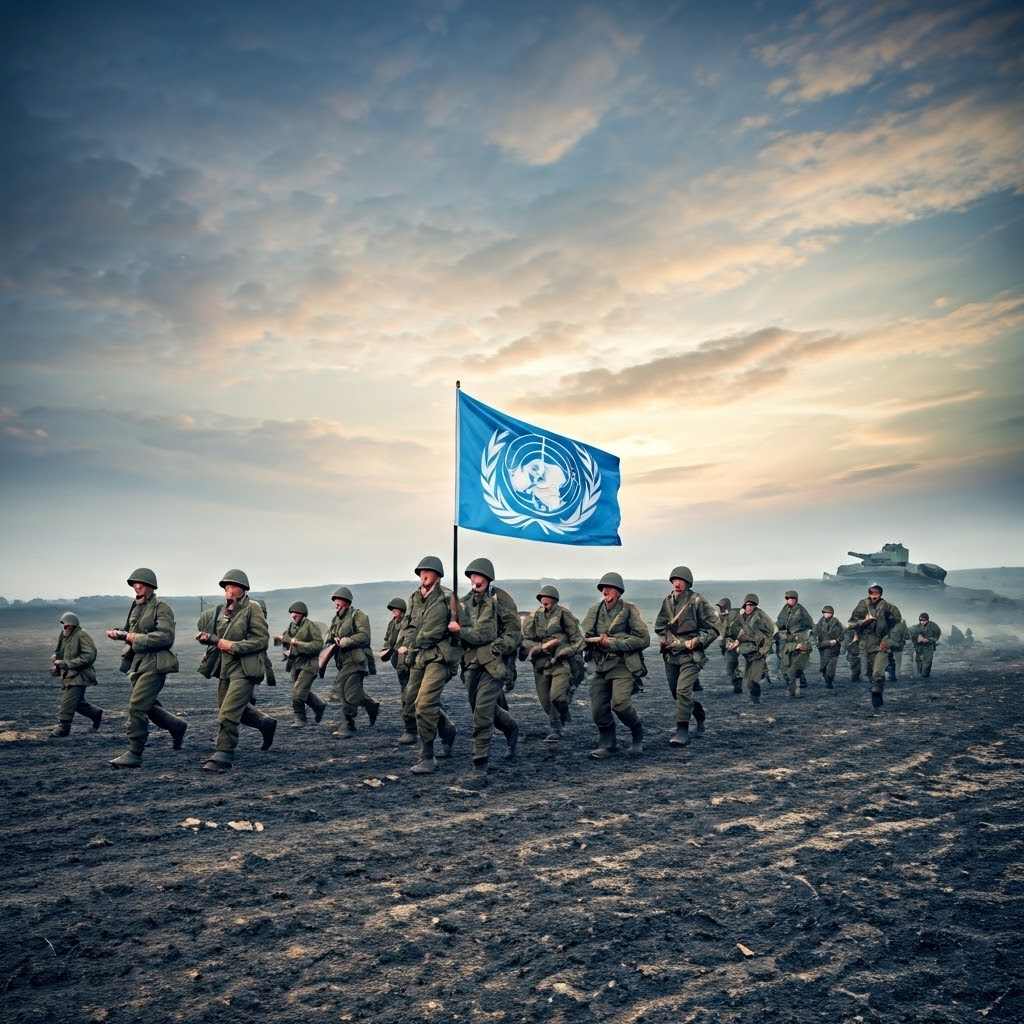
Korea’s civil conflict became a global showdown almost overnight. On June 25, 1950, North Korean troops crossed the 38th parallel, aiming to reunify the country by force. The United States quickly labeled this as communist aggression, convinced that what happened in Korea mattered for the whole world’s freedom. The United Nations—led by the US—called on member states to help South Korea. More than a dozen countries sent troops, but the US provided most of the manpower and firepower. Meanwhile, the Soviets boycotted the UN Security Council (over a dispute about China’s seat) and did not block the resolution.
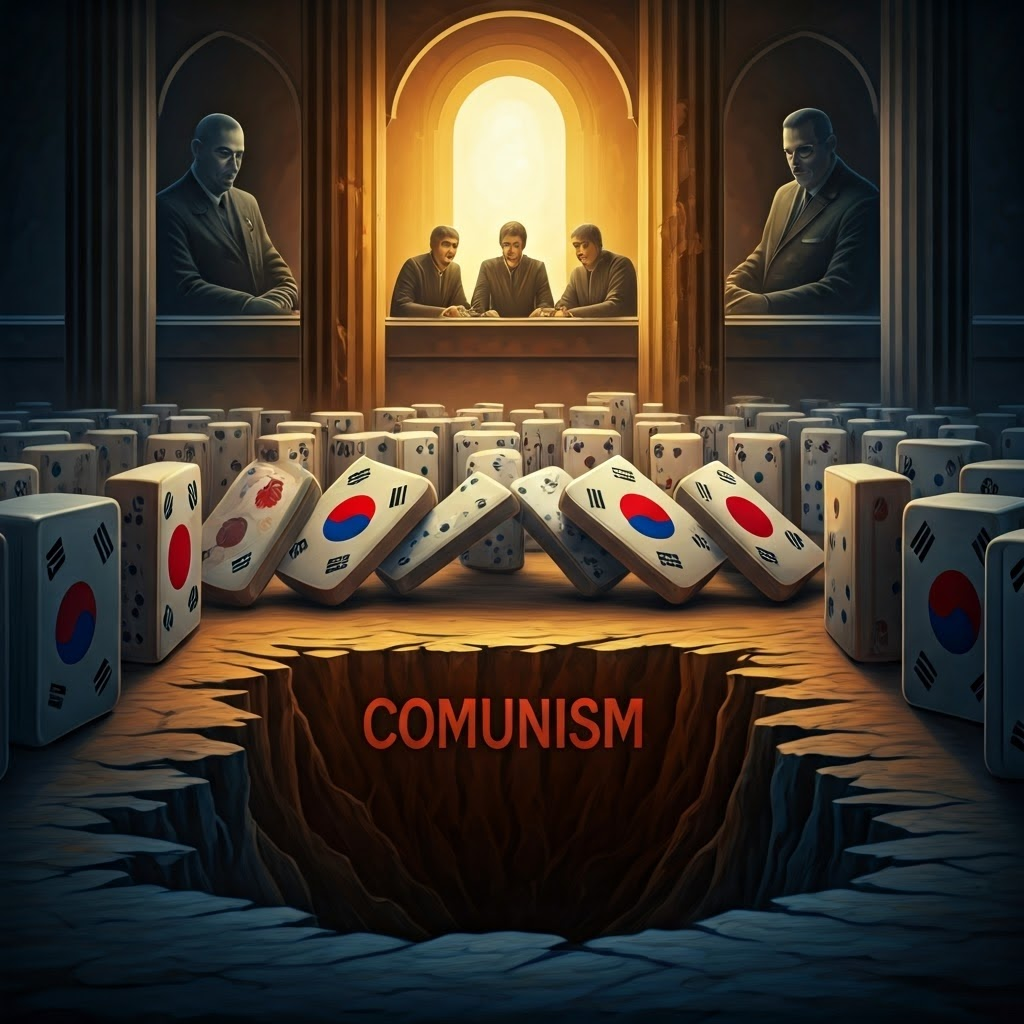 Why did outside powers leap in so fast? Bruce Cumings, who’s spent decades studying Korea, points out that for American leaders, Korea was an early test of the postwar order—if you let one country fall to communism, maybe others would topple next (this is the thinking later known as the domino theory). For Stalin and Mao, Korea was a proxy front where the US could be bogged down and communism could be spread, but kept at enough distance to avoid direct superpower war. Suddenly, what started as a Korean civil conflict had the world’s biggest armies and ambitions crashing onto its soil.
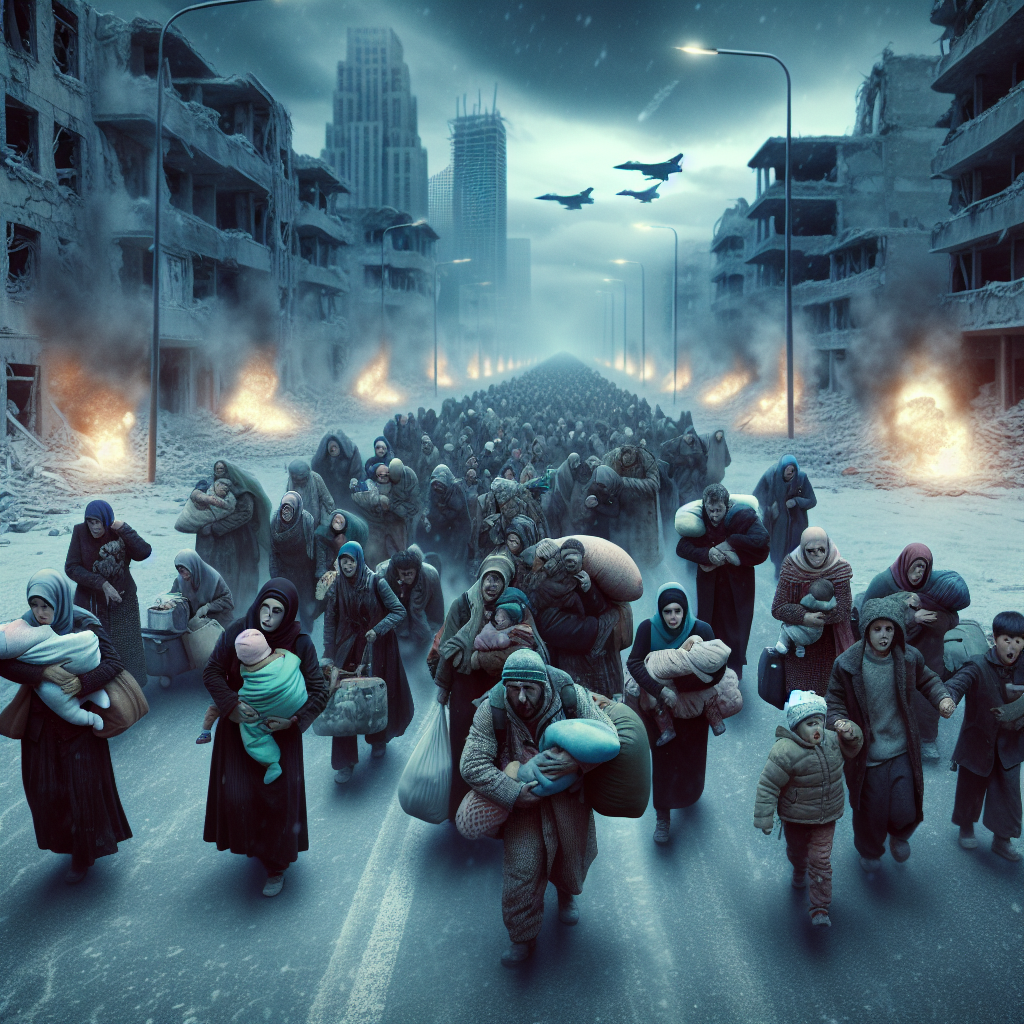 Ordinary Koreans were caught in the gears. Families fled south, cities changed hands, and crops burned. The war’s international scale made it much more destructive; weapons and planes poured in, and what could have been a short civil struggle became a grinding, high-tech, and merciless war.
Turning Points: Inchon, China, and the Stalemate
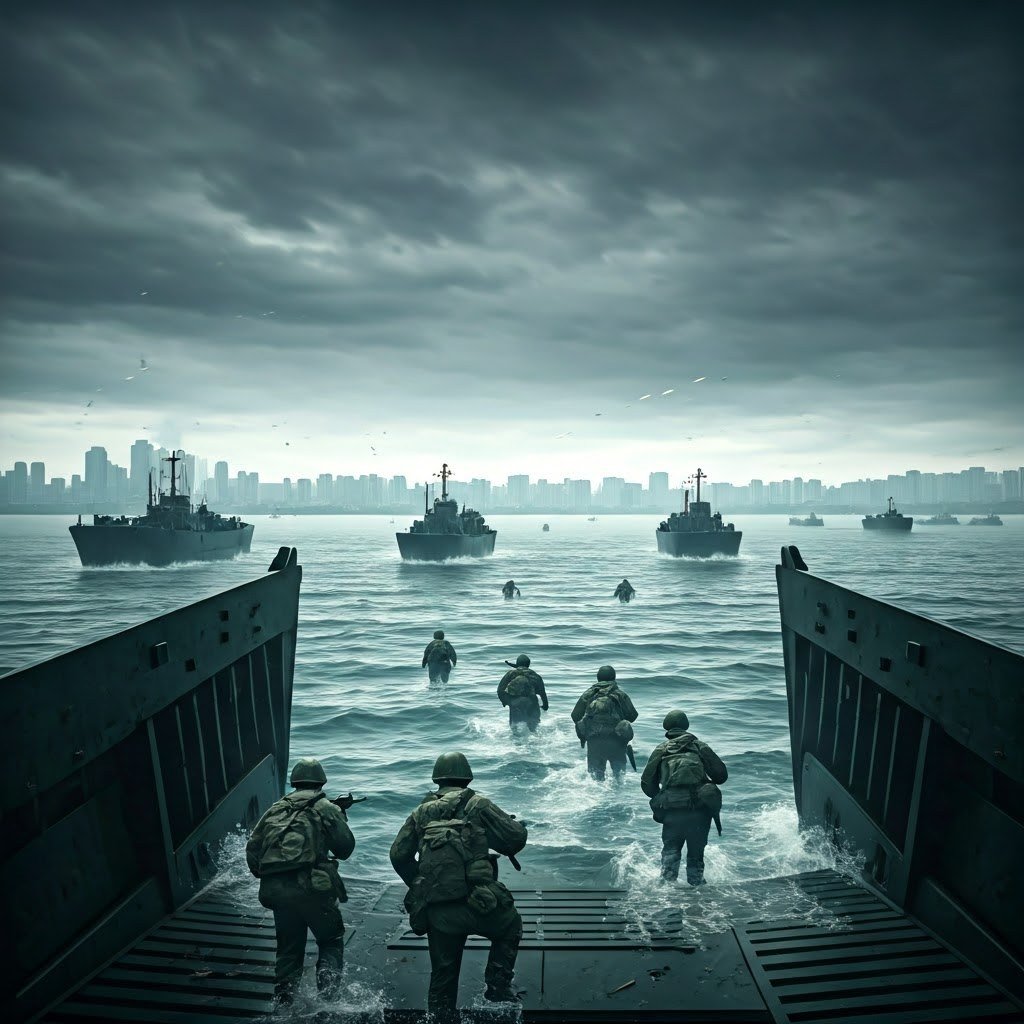
The first months of fighting went badly for the South. North Korean forces swept down almost to the tip of the peninsula. With UN and US forces nearly driven into the sea at Pusan, things looked bleak. Then came the Inchon Landing (September 1950). American General Douglas MacArthur orchestrated a risky amphibious assault at Inchon, a port far behind enemy lines. This move was a masterstroke—MacArthur’s forces retook Seoul, cut North Korean supply lines, and pushed the north’s army into retreat.
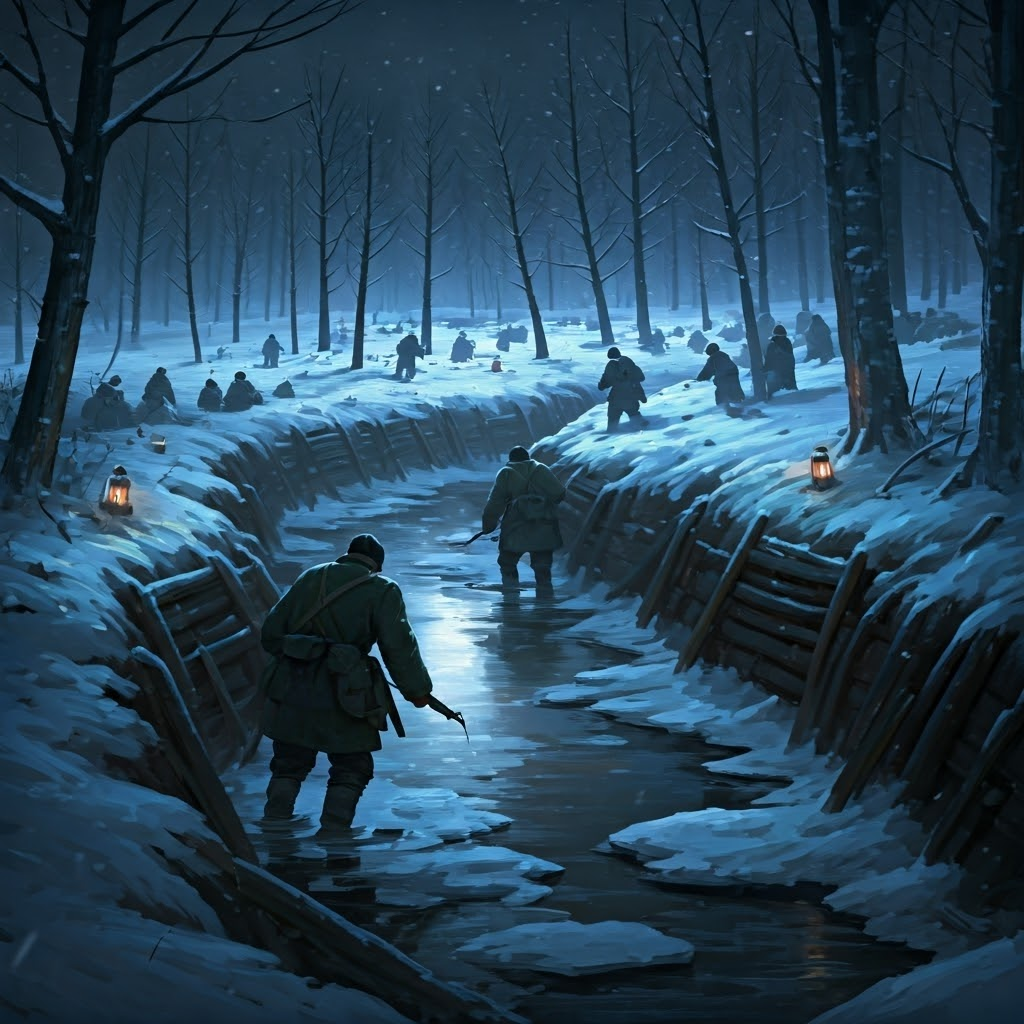 But the war was about to get even bigger. As UN forces crossed the 38th parallel and neared the Yalu River—Korea’s border with China—Chinese leaders grew alarmed. Mao Zedong warned repeatedly that if western troops came close, China would not stand by. When those warnings were ignored, China sent hundreds of thousands of troops into Korea. The shock was immense: Chinese “volunteers” swept UN forces back down the peninsula in brutal winter battles, and Seoul changed hands again.
Drawing the Line: The Armistice and Its Legacy
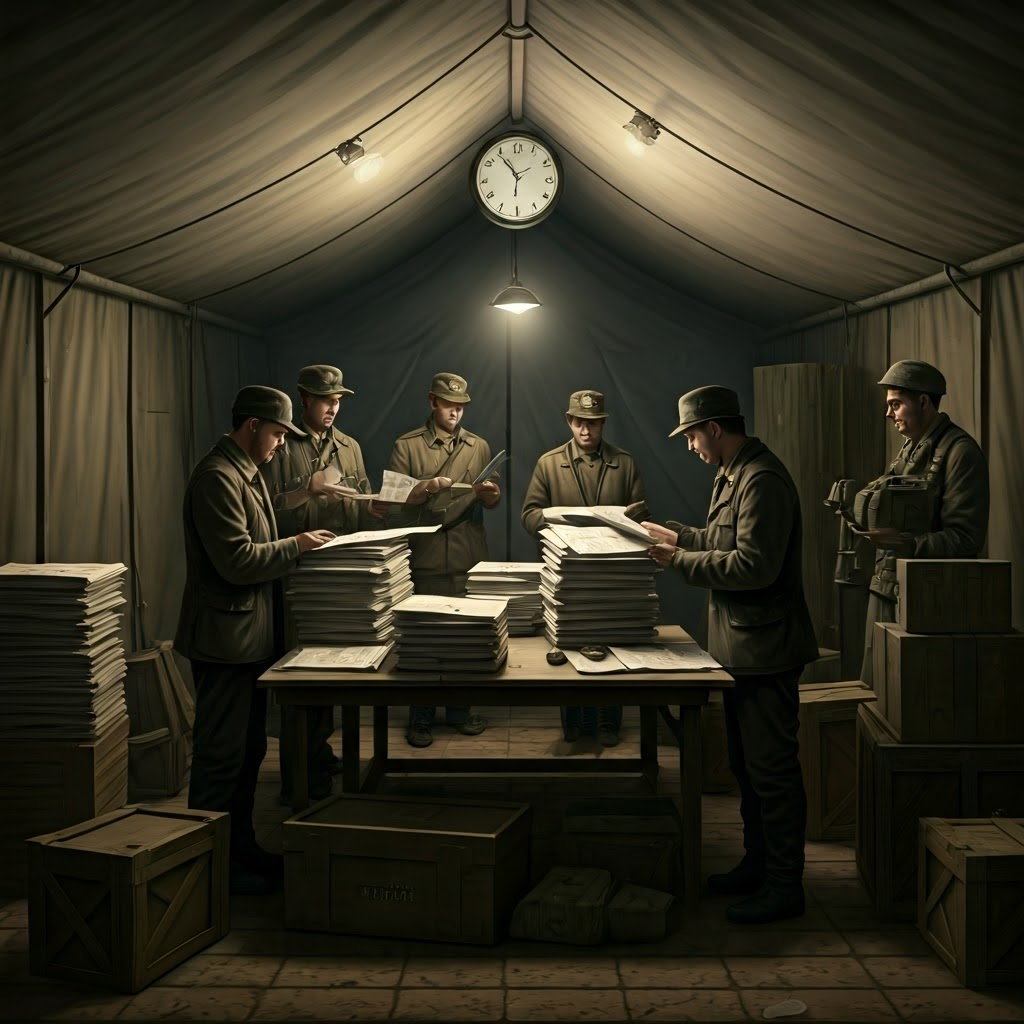
Peacemaking was slow and bitter. Talks began at Panmunjom in mid-1951, but neither side wanted to look weak by conceding. The main sticking point was what to do with prisoners of war—many on both sides did not want to be sent home. This tug-of-war dragged on for two years. In July 1953, an armistice agreement was finally signed. Fighting stopped, but the war was never officially declared over, and the border stayed almost where it started—only now it was marked by the Demilitarized Zone (DMZ), a 2.5-mile-wide strip laced with fences and landmines.
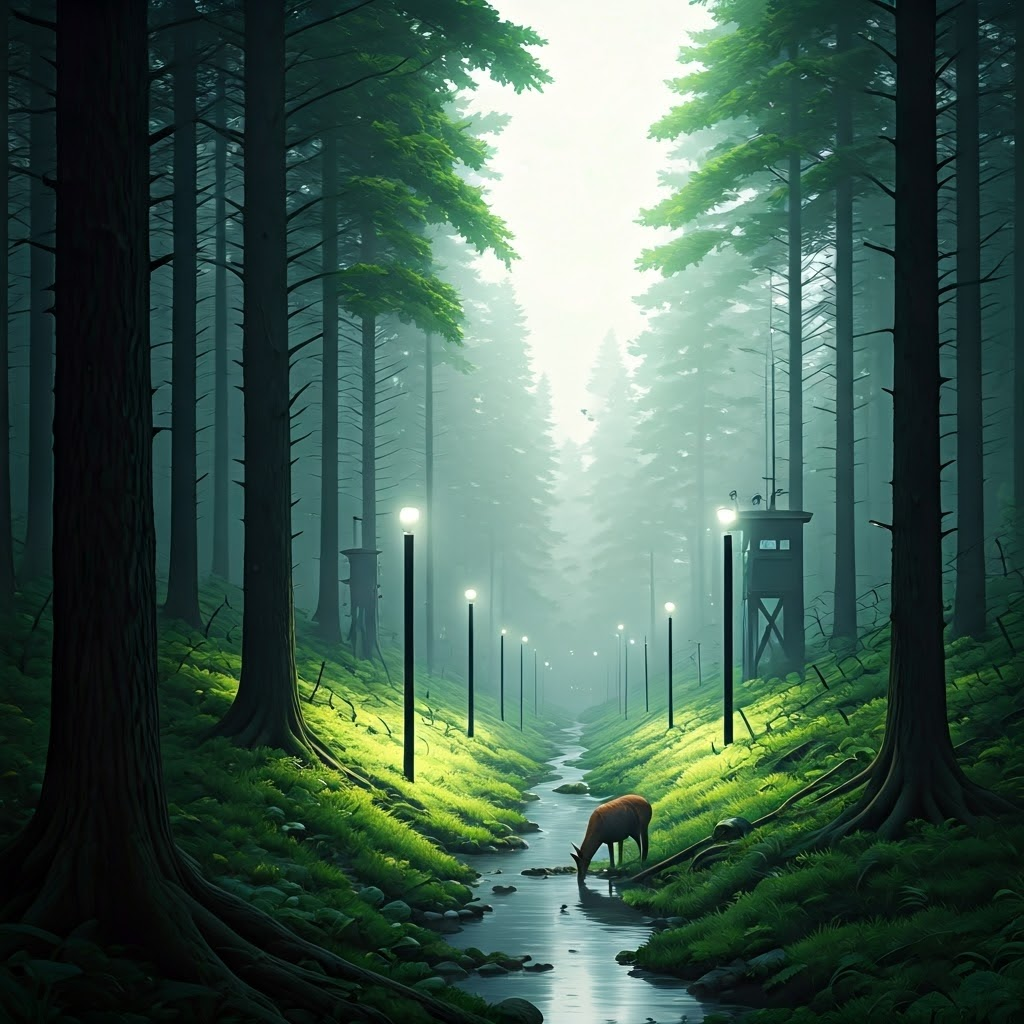 The DMZ is one of the strangest places on Earth: lush with wildlife because people cannot live there, yet under constant, anxious watch from both sides. For Koreans, it’s a daily reminder that the war’s wounds are still open. Some families have not seen each other in seventy years, separated by a line few can cross. Once, an elderly South Korean man wept on TV as he met his North Korean sister at a brief family reunion—a moment that captured decades of heartbreak for millions.
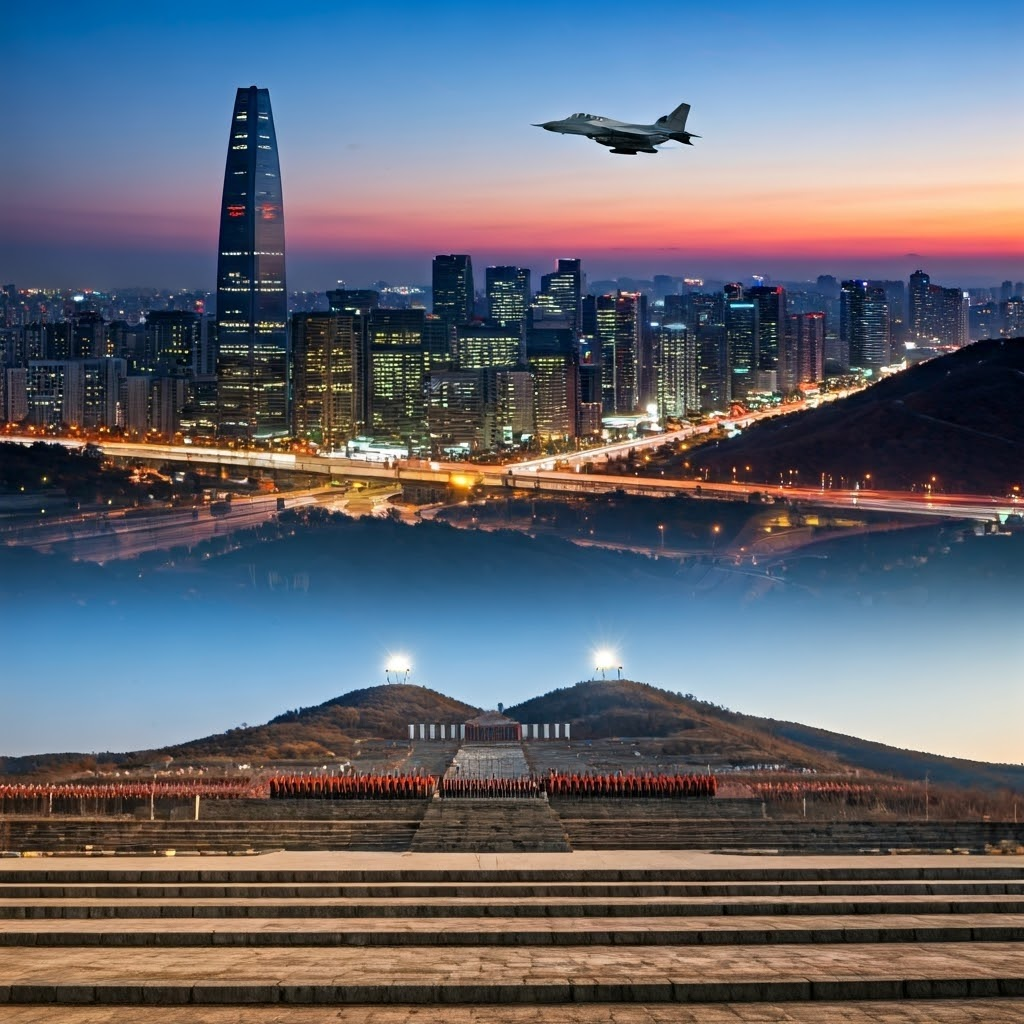 The legacy of the Korean War is everywhere in Korea today. South Korea became one of the world’s most prosperous and technology-driven societies, but with military conscription, air raid drills, and a sense of unfinished business just north of Seoul. North Korea closed itself off and built a highly militarized state, where the war’s memory is central to its propaganda. And the world still watches—because any spark at the border could, in theory, reignite the flames.
So, the peninsula is still frozen by a war that never quite ended, shaped by borders drawn in haste, foreign ambitions, and local hopes that have not yet found peace. But even in that cold shadow, life goes on: families hope for reunions, school children visit the DMZ on field trips, and politicians on both sides still debate what “peace” could ever really mean.
