
The Heat Is On: How Cooking Changes Meat
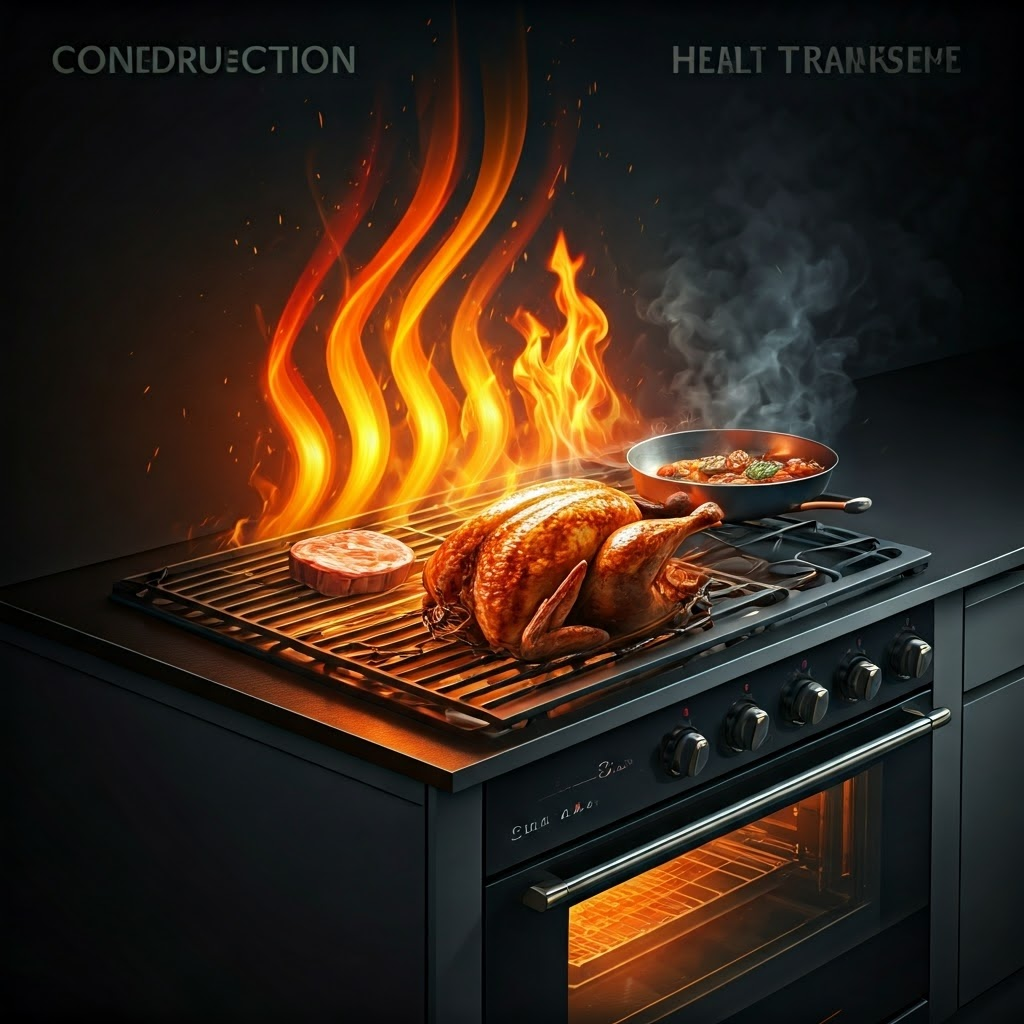
Heat transforms meat in three clear ways. Conduction sears a steak on a hot pan. Convection bathes a roast in steady warmth. Radiation blasts burgers with direct energy. Knowing each method guides better cooking.
How Heat Travels: Conduction, Convection, and Radiation
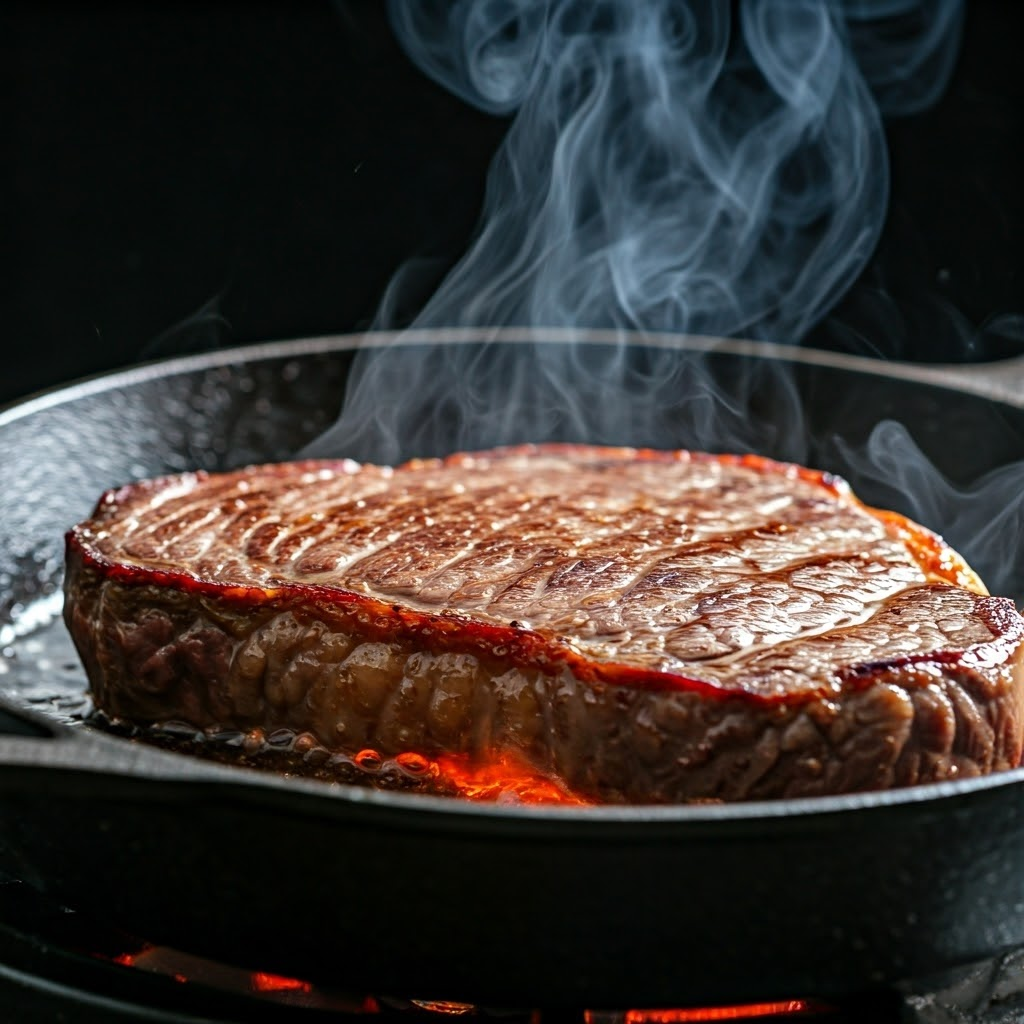
Conduction moves heat through direct contact. A hot skillet browns meat fast, building a crust. The surface heats far quicker than the center, so thick cuts risk burning outside before the inside cooks.
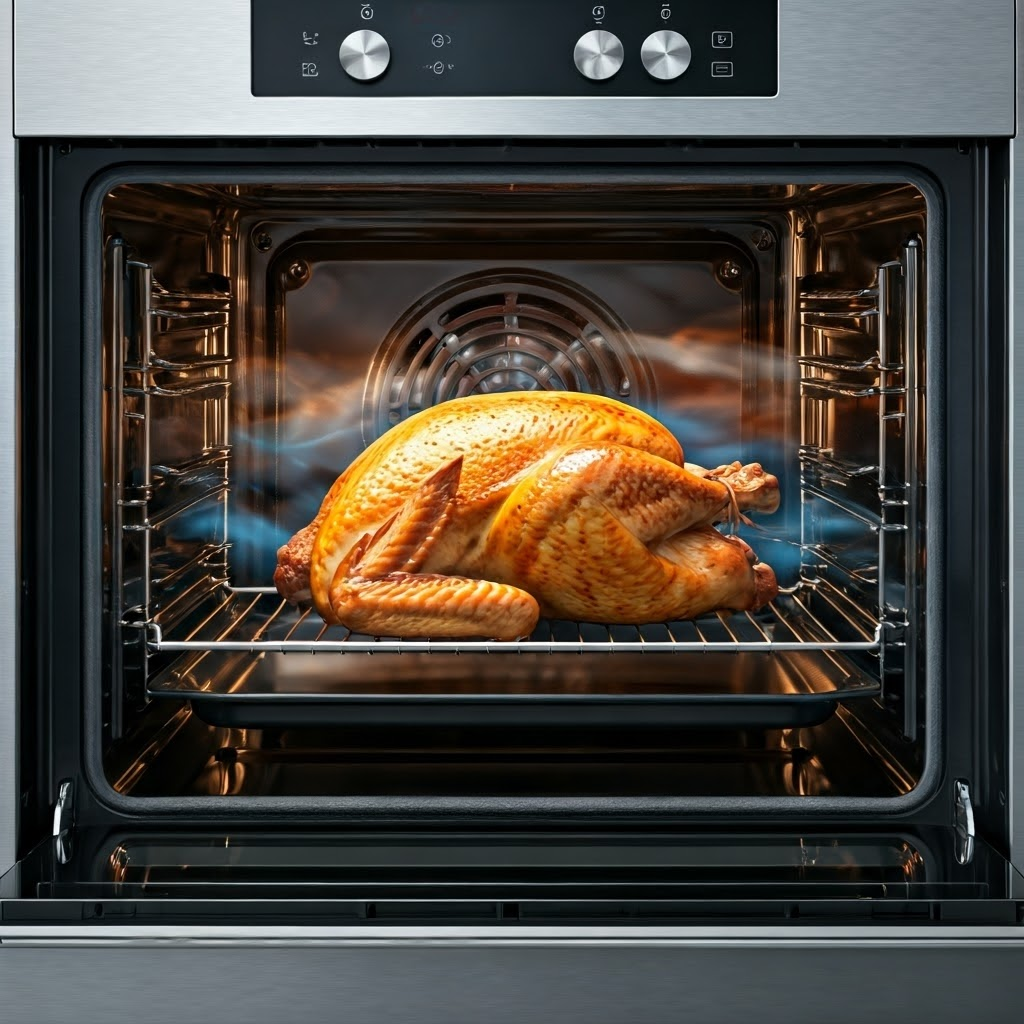
Convection uses moving air or liquid. A fan in the oven or gentle simmer in a pot spreads heat evenly. Water moves heat better than air, so stews cook quicker than dry roasts. Convection is slower than conduction yet offers steady, controlled cooking.
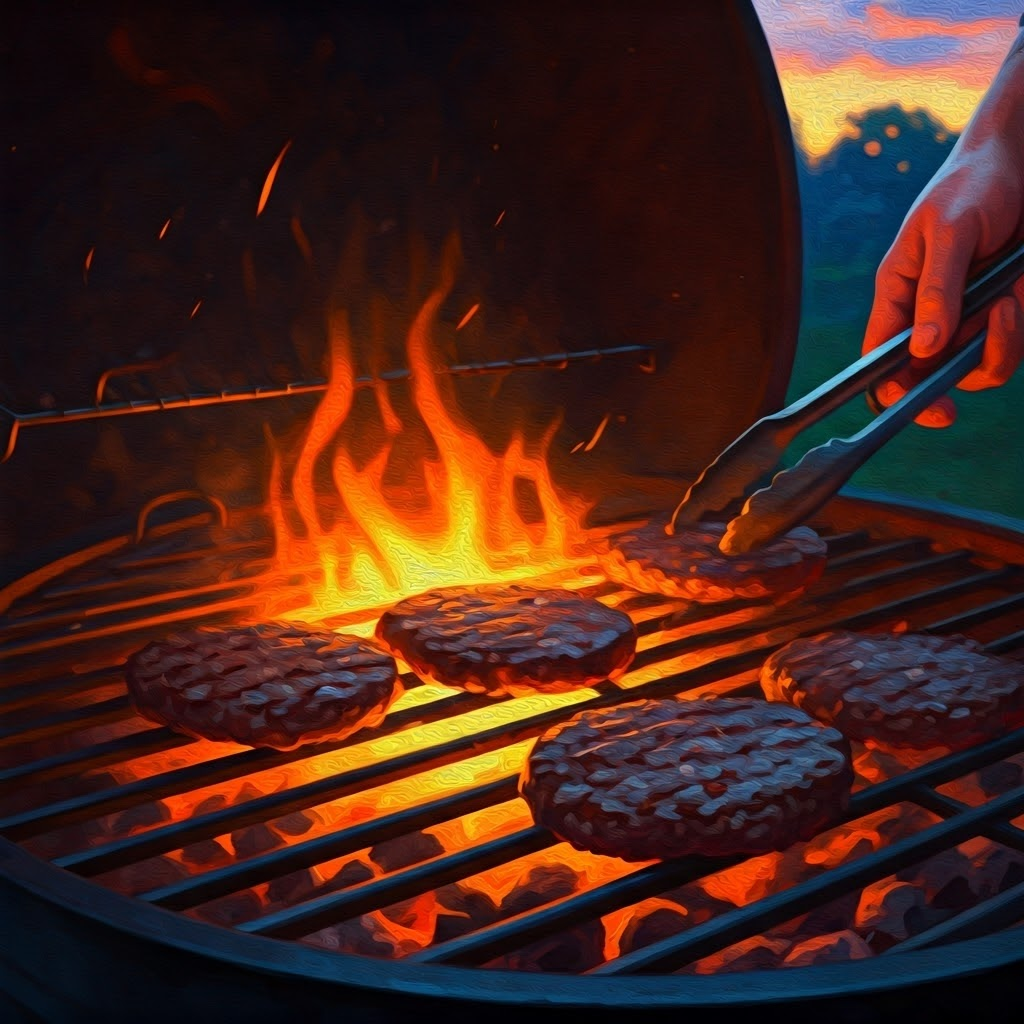
Radiation sends energy in waves from coals or coils. It hits food surfaces fast, making grill marks or broiler char in minutes. Radiation suits thin cuts or final browning.
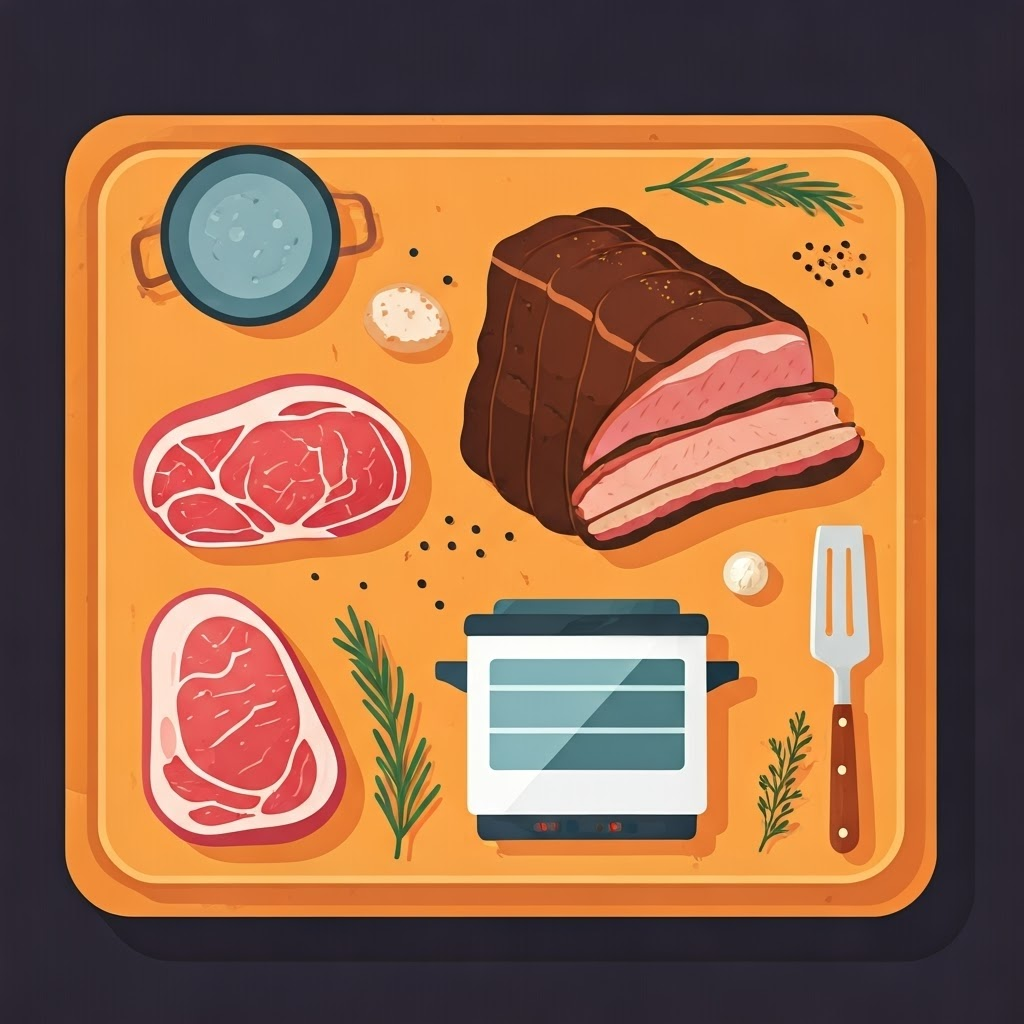
Different cuts need different heat. A fragile fillet loves a quick sear, while brisket melts only after hours of gentle convection. Match method to meat for optimal texture.
Proteins on the Move: Collagen, Elastin, and the Magic of Tenderness
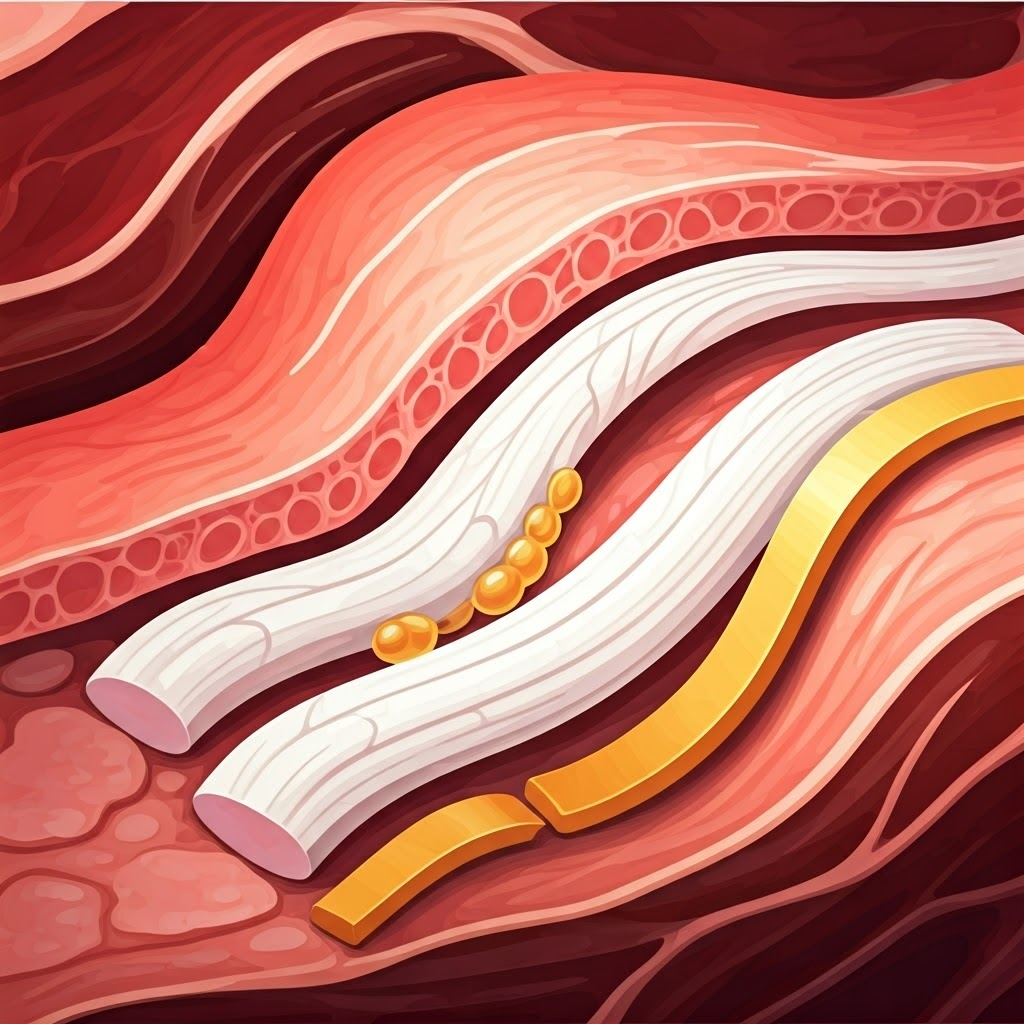
Meat holds a network of proteins. Two key players—collagen and elastin—decide tenderness.
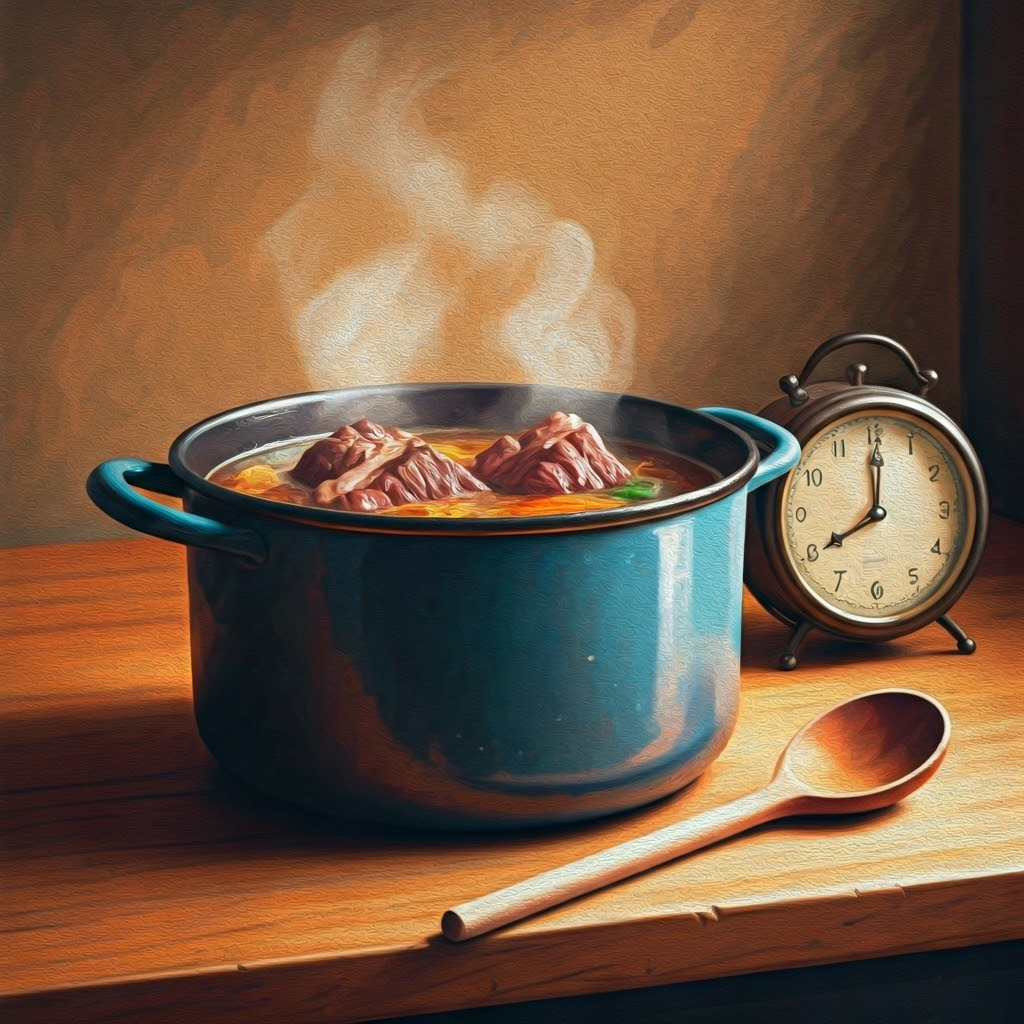
Collagen acts like body glue. Slow heat between 160 °F and 180 °F unwinds it into gelatin, giving braises their luscious feel. Rush the process or spike the heat and moisture escapes, leaving meat dry.
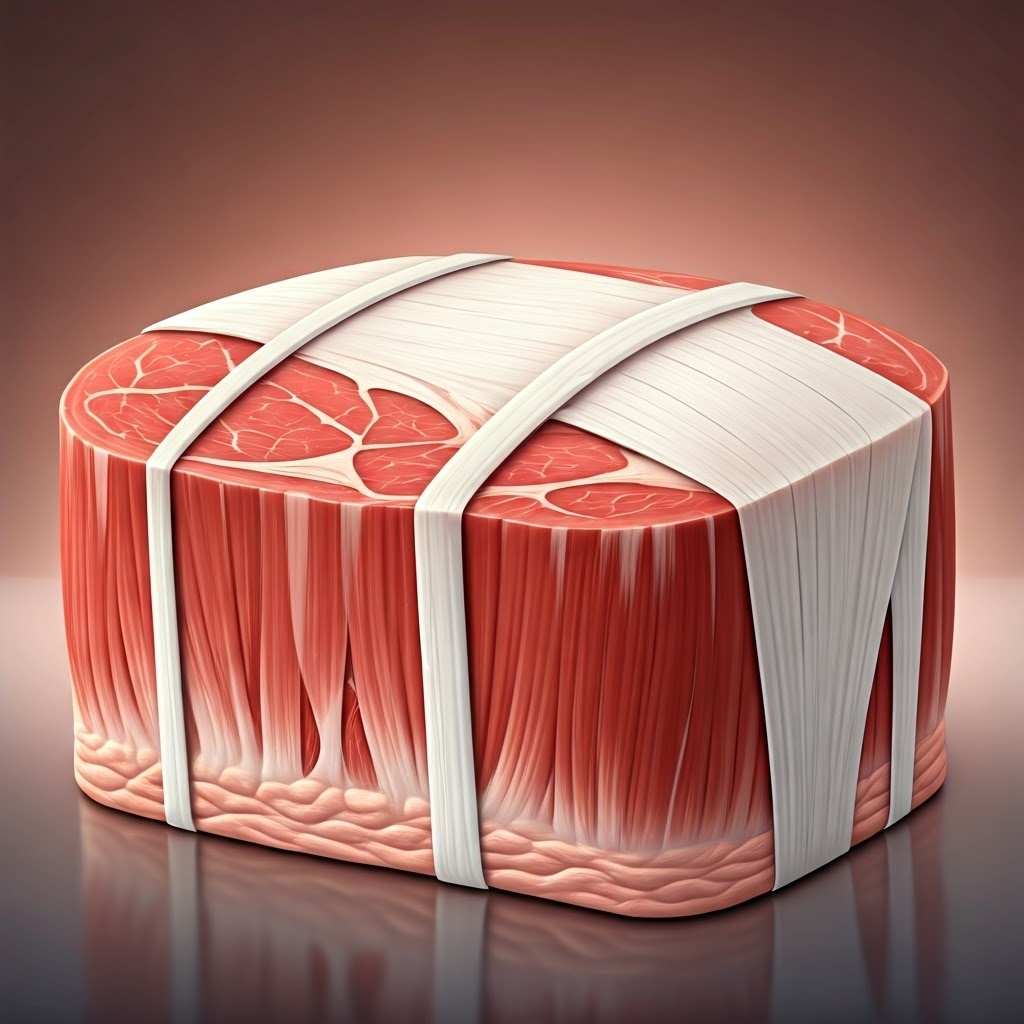
Elastin is stubborn. Heat only tightens this rubbery tissue, so trimming is the best tactic. Leaving elastin means chewy bites no matter how long you cook.
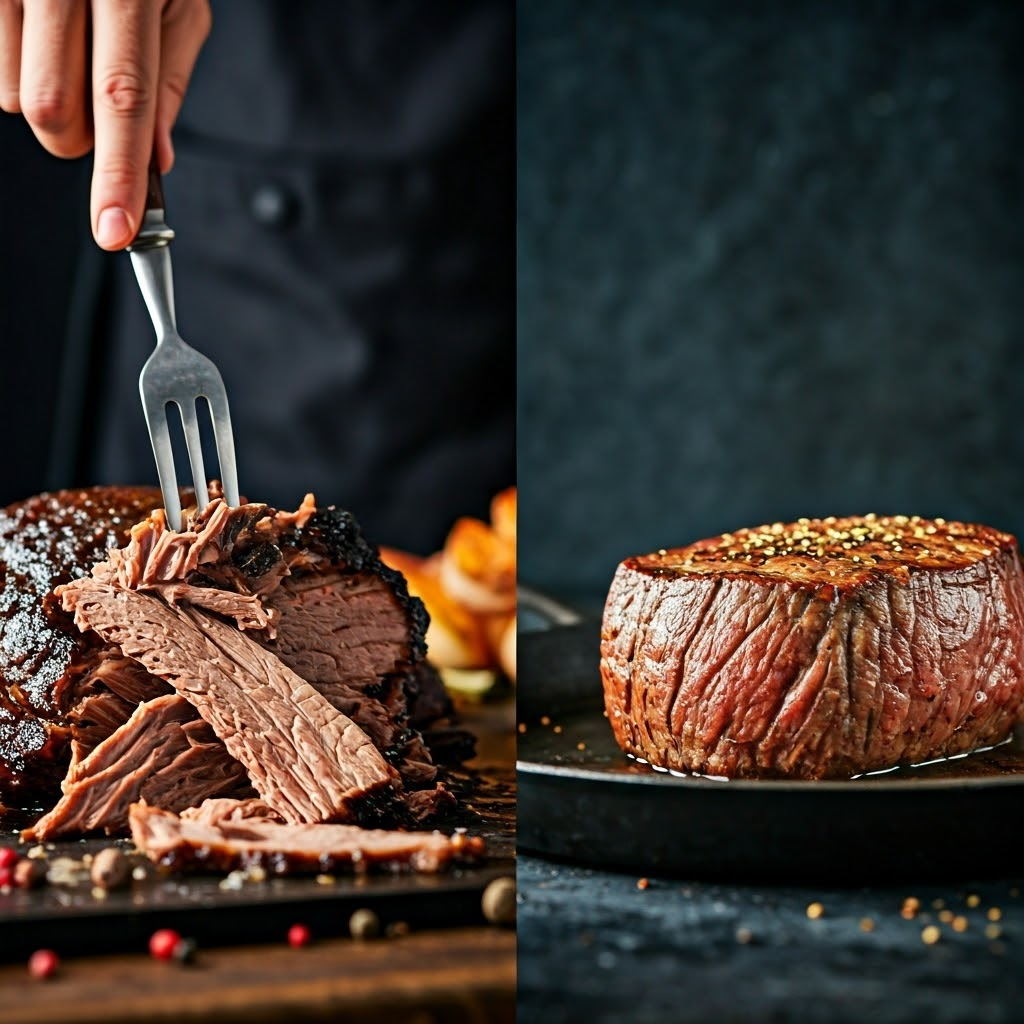
Pick low-slow heat for brisket rich in collagen. Choose high heat for a lean tenderloin. Matching technique to structure ensures tender results.
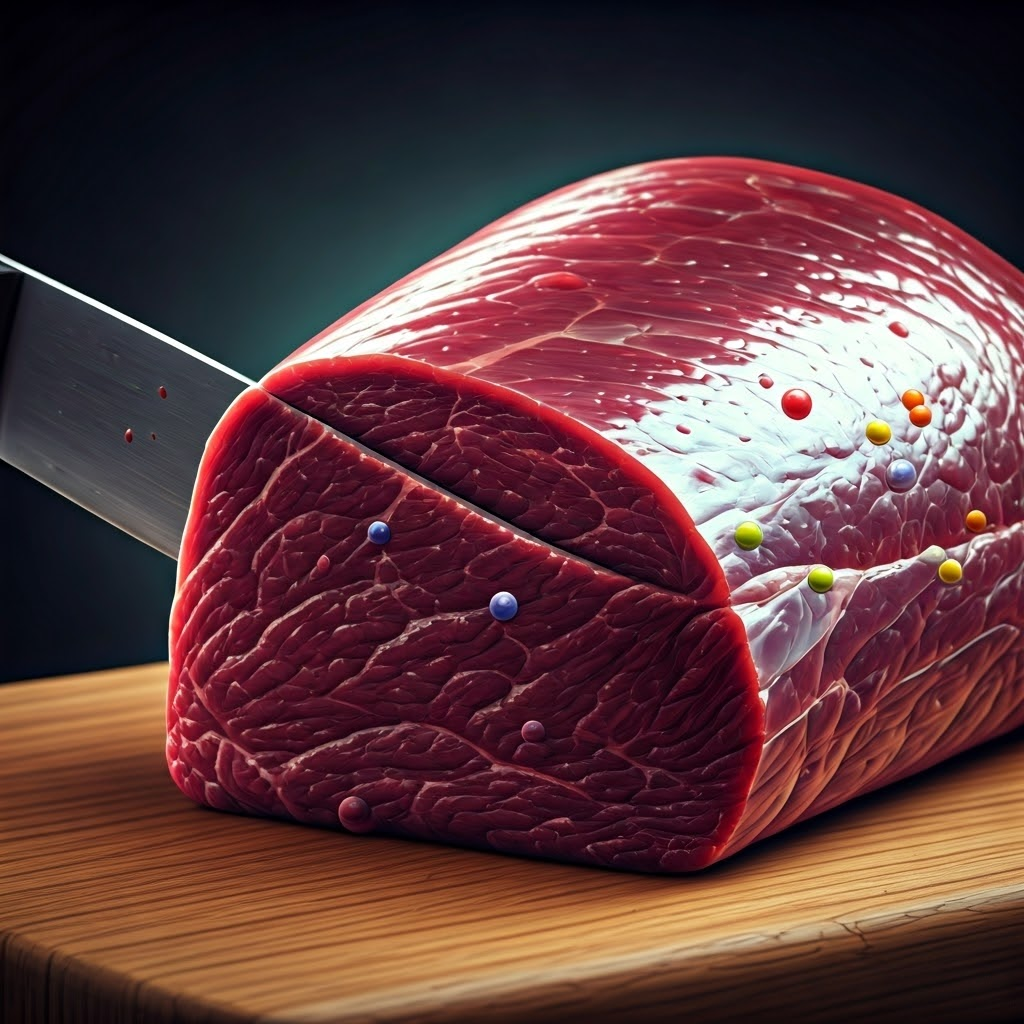
Colorful Clues: Myoglobin and the Changing Face of Meat
Myoglobin stores oxygen and colors meat. Raw beef looks deep red-purple. As heat rises, myoglobin denatures and the color shifts.
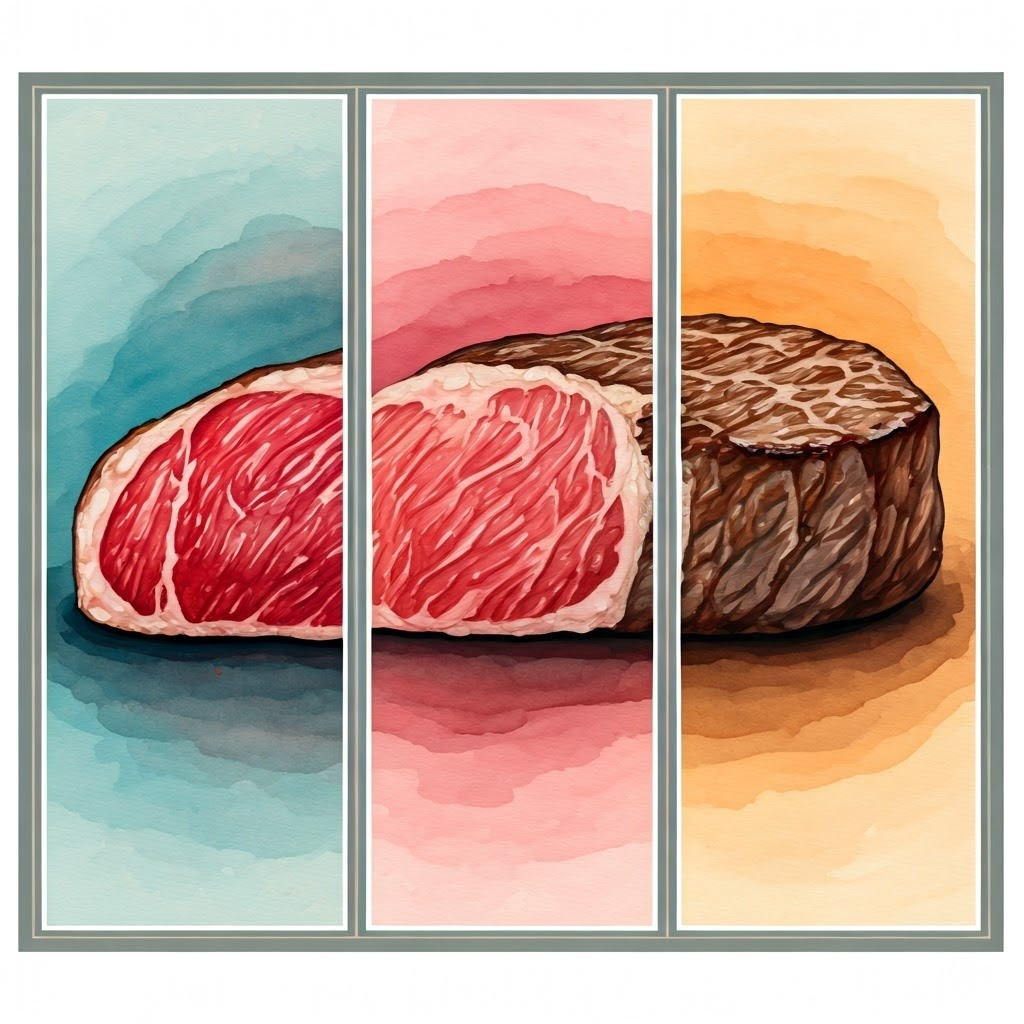
At 120 °F meat stays bright red. By 140 °F it turns pink. Above 160 °F it goes gray-brown. Color tracks internal temperature, but always use a thermometer for safety.
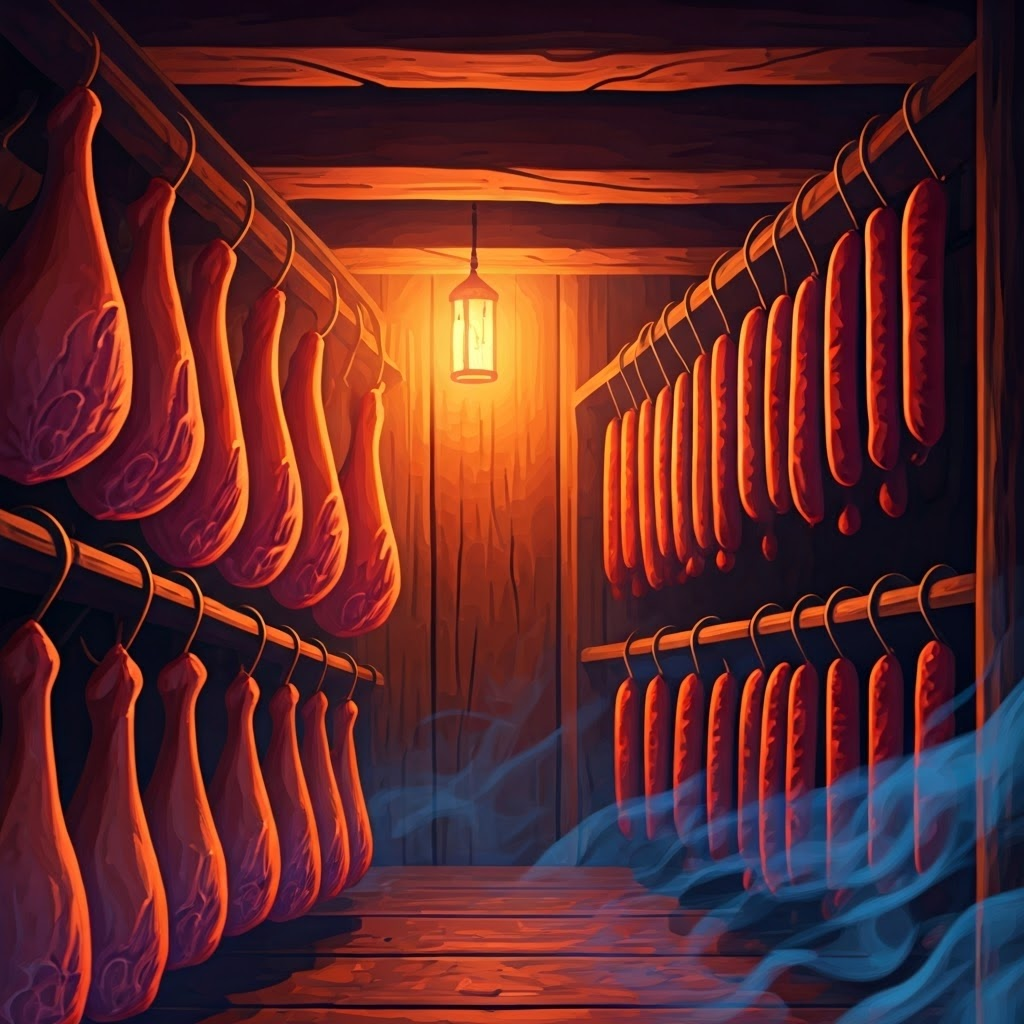
Curing salts or slow smoking can lock in pink hues, creating rings prized by pitmasters. Color alone can mislead—especially in poultry—so temperature checks remain vital.
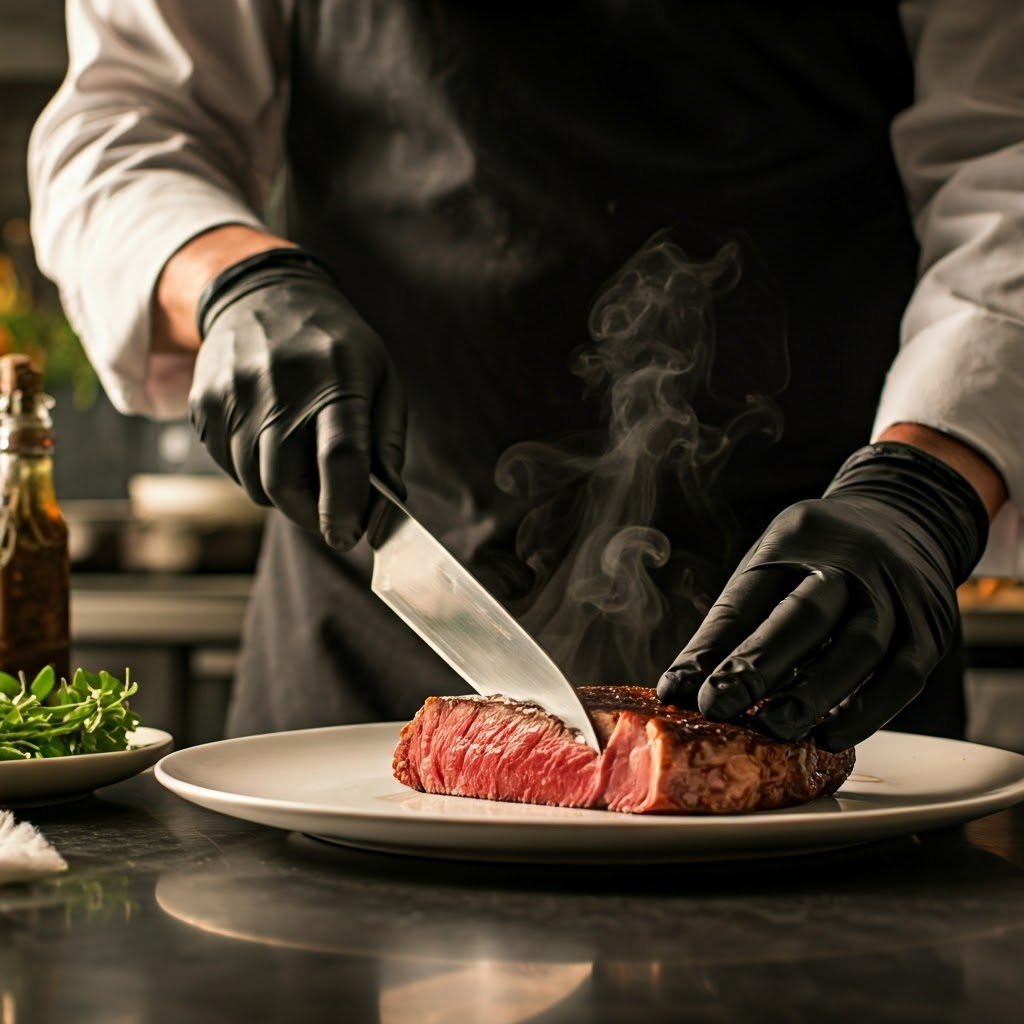
Reading myoglobin changes builds trust. Instead of cutting steaks open, let heat do its job and verify with a probe.

Science on Your Plate
Cooking meat is a small science project. Heat moves, proteins shift, and color guides progress. Use this knowledge to braise, sear, or grill with confidence. Science turns guessing into great eating.
