
Your Food’s Wild Ride: From Bite to Bloodstream
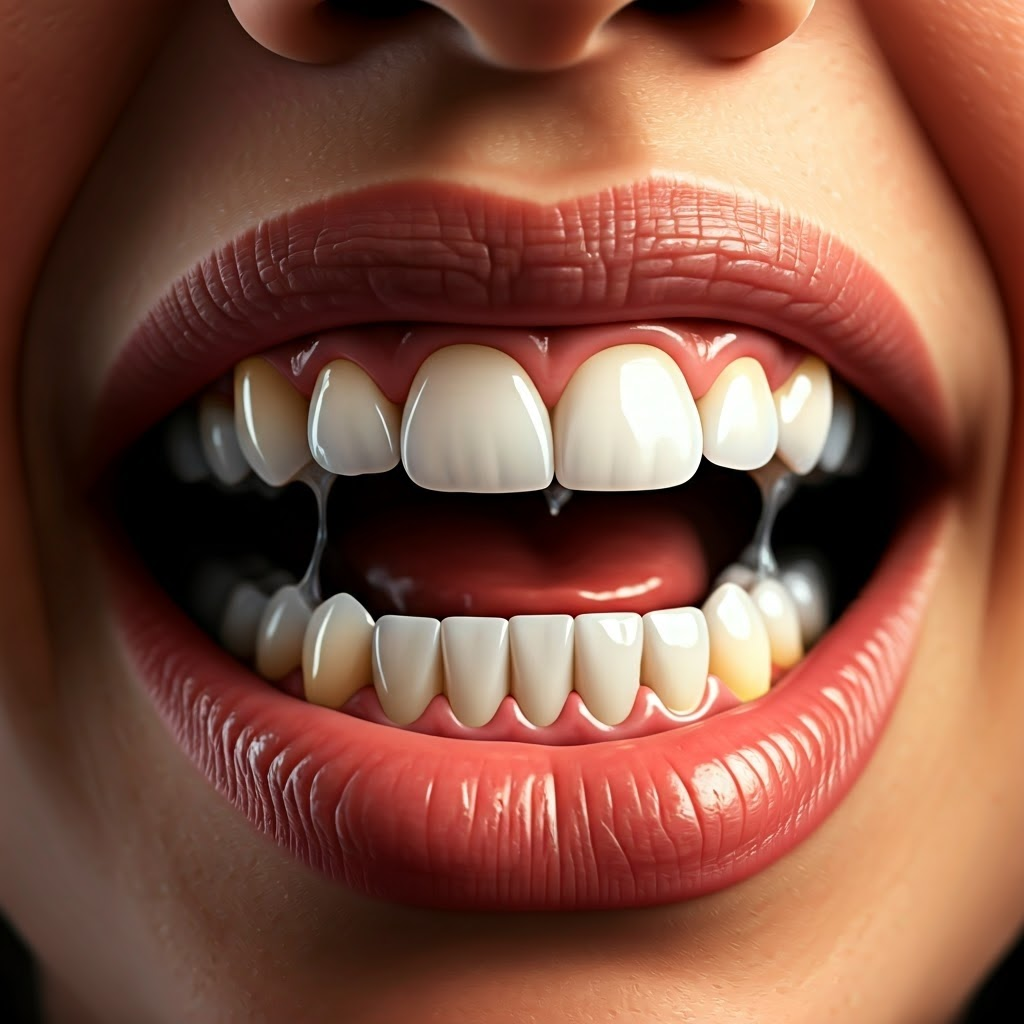
Chewing sparks the whole digestive journey. Your teeth grind food into smaller pieces, which opens more surface for the next steps to work quickly and smoothly.
The First Chew: Where Digestion Begins
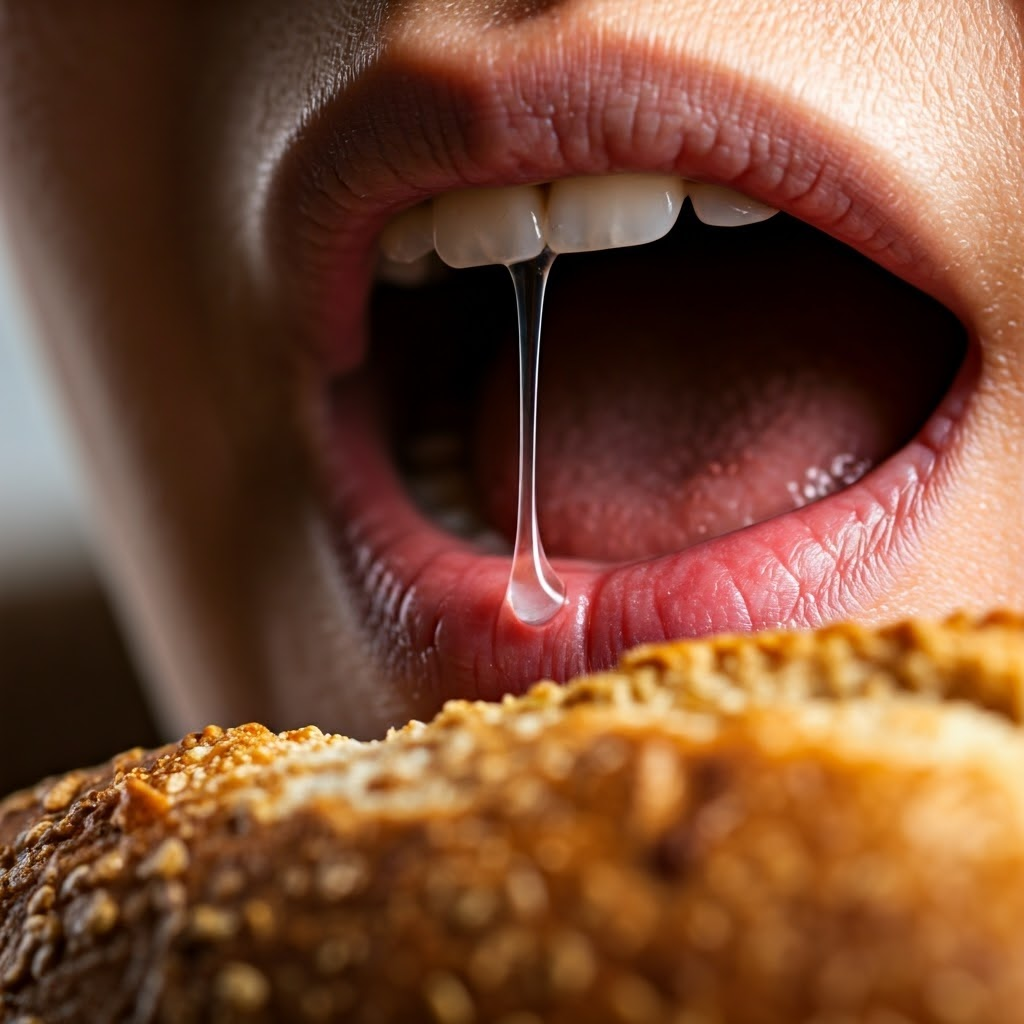
Saliva joins the mix right away. It coats each bite with amylase, an enzyme that starts breaking starches apart. This slick layer also makes swallowing gentle on your throat.
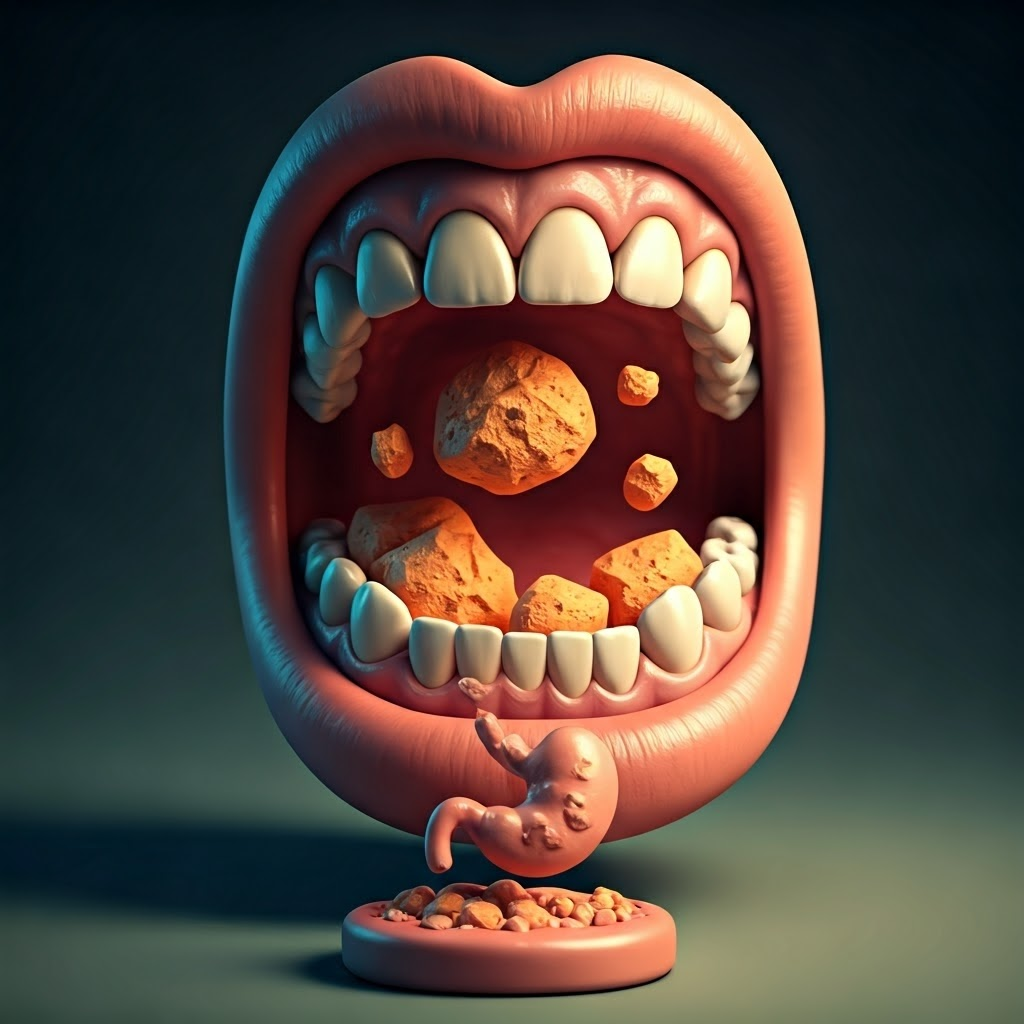
Chewing longer pays off. Smaller bits let your stomach work less and help you feel full sooner—an easy way to support better nutrient uptake.
Stomach Showdown: Acid, Enzymes, and Churn
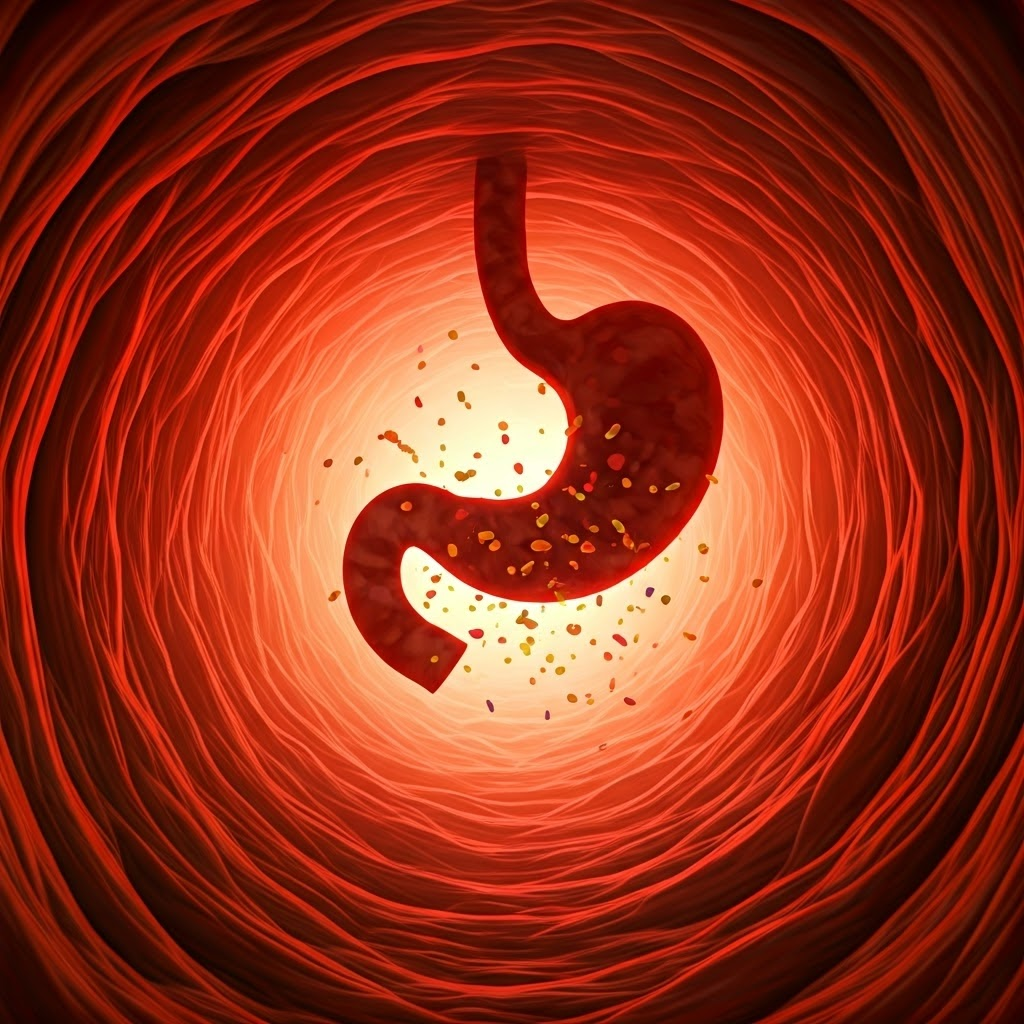
Food drops into the stomach, where strong muscles mash it while potent fluids break it down. The result is a thick liquid called chyme.
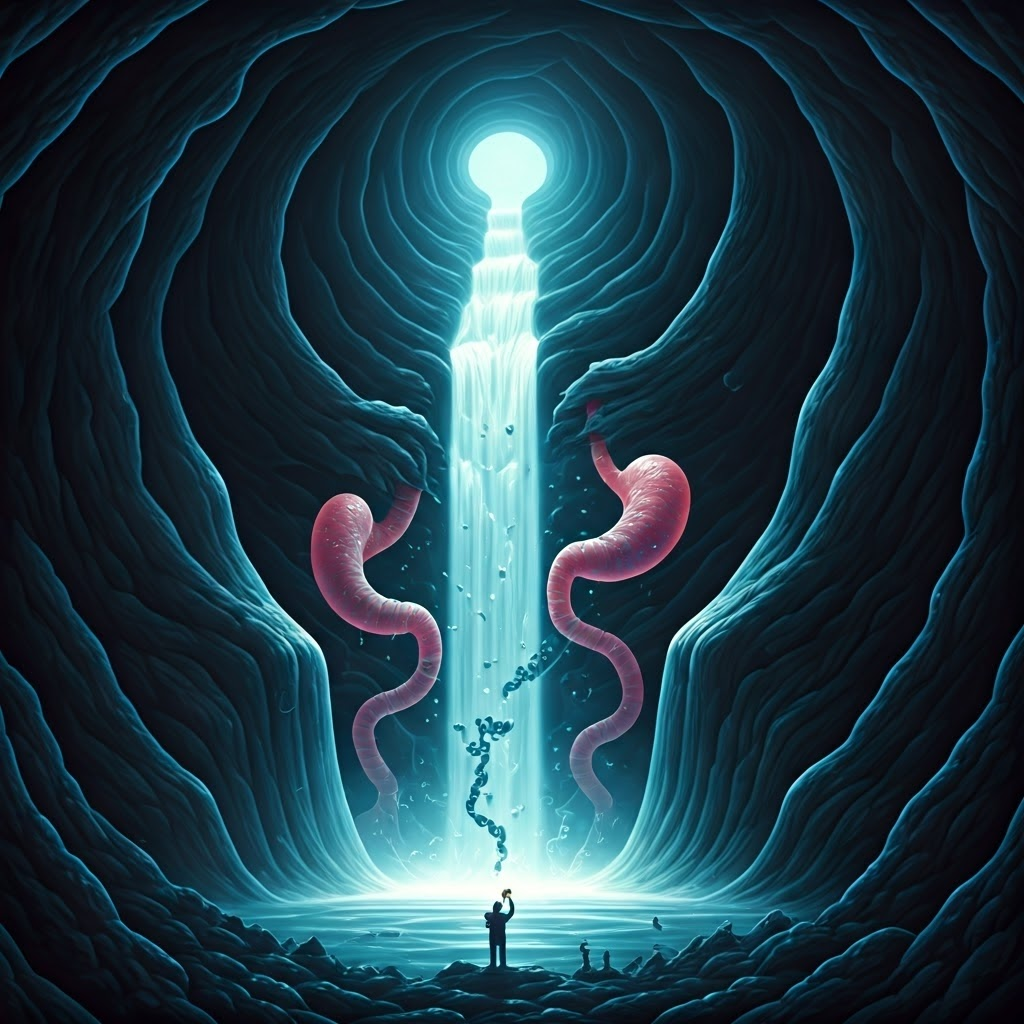
Stomach acid defends you by killing most germs and by unfolding proteins so the enzyme pepsin can slice them into smaller pieces.
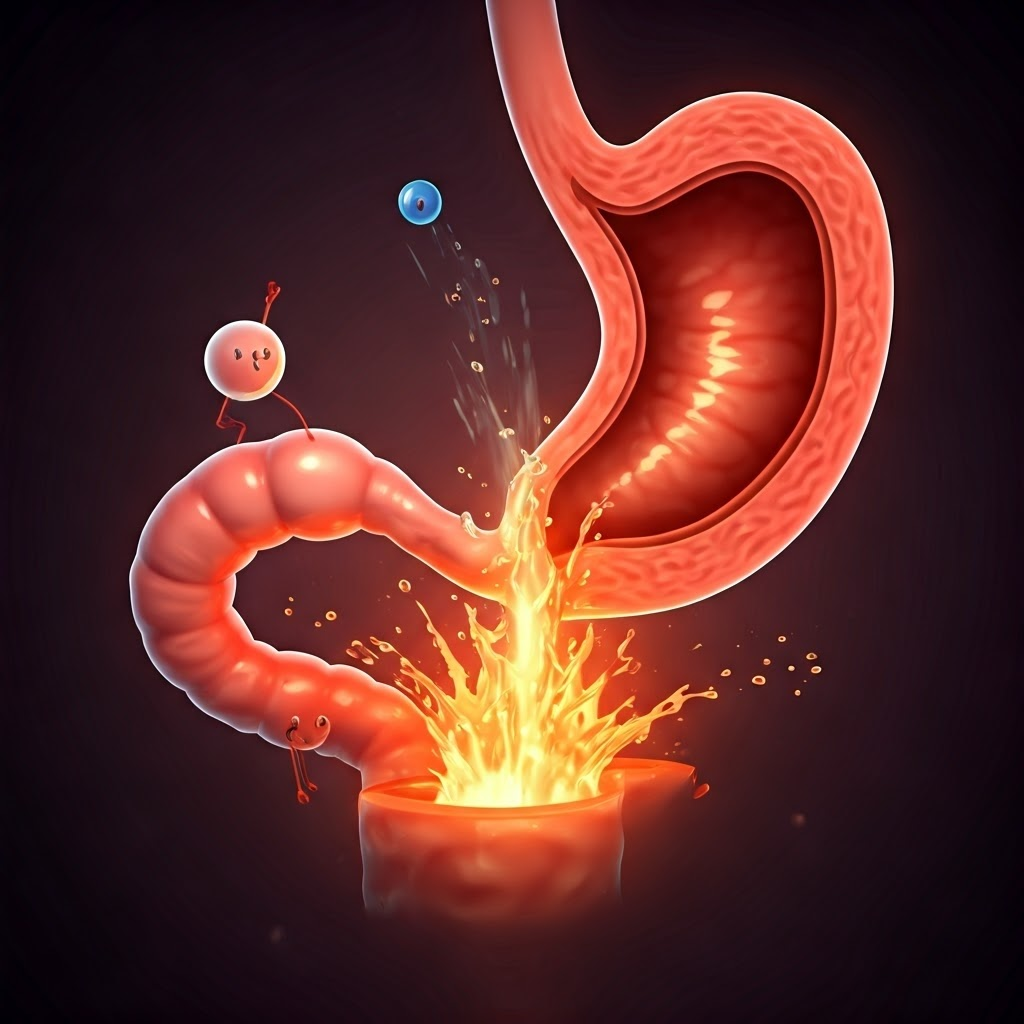
Heartburn isn’t about extra acid—it’s acid in the wrong place. A loose valve lets it splash upward, much like a hose aimed the wrong way.
Small Intestine: The Absorption Highway

The small intestine is narrow yet long, and its millions of villi multiply surface area to the size of a tennis court, giving nutrients many chances to enter your body.
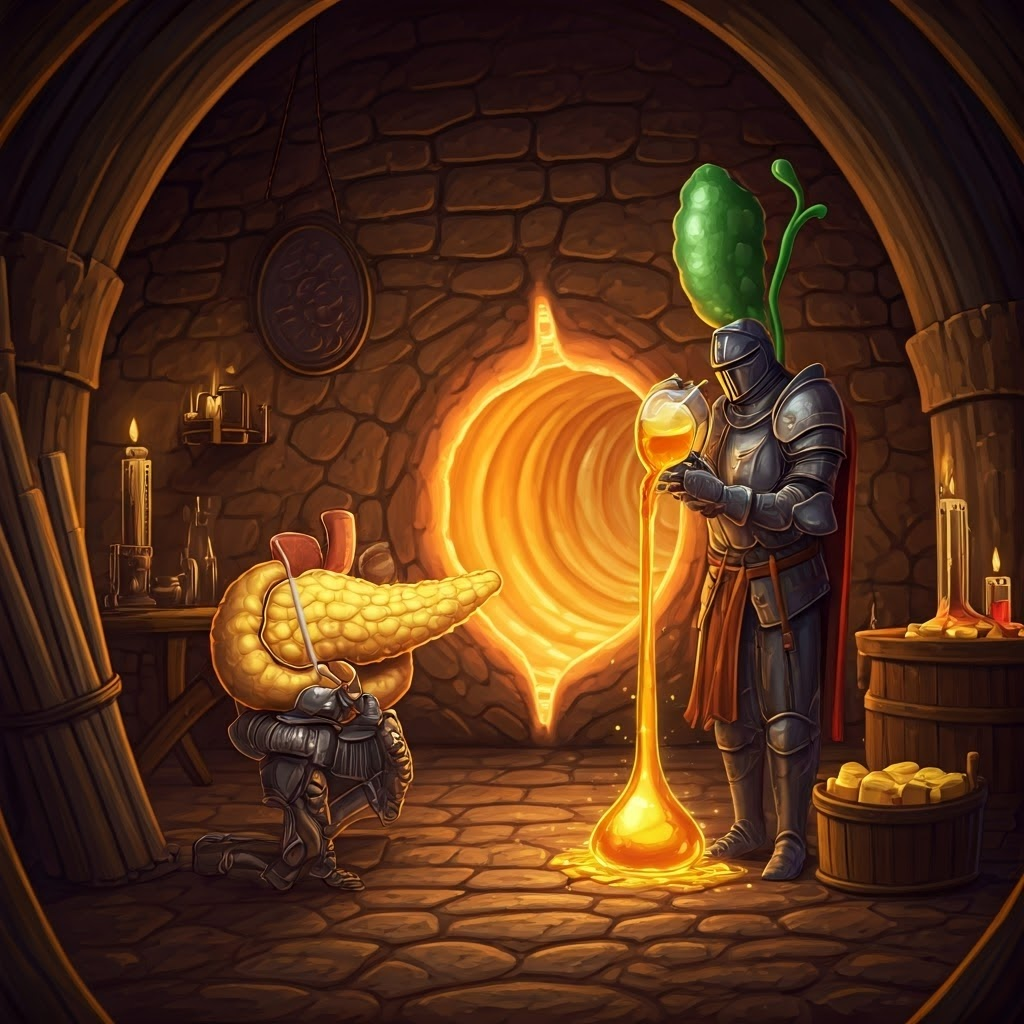
Here, the pancreas sends enzymes for fats, carbs, and proteins, while the gallbladder releases bile that acts like gentle soap to disperse fat droplets.

If villi are damaged—as in celiac disease—or if food arrives poorly chewed, nutrients slip past unclaimed, leading to bloating, pain, or deficiencies.
The Whole Picture: Why Each Step Counts
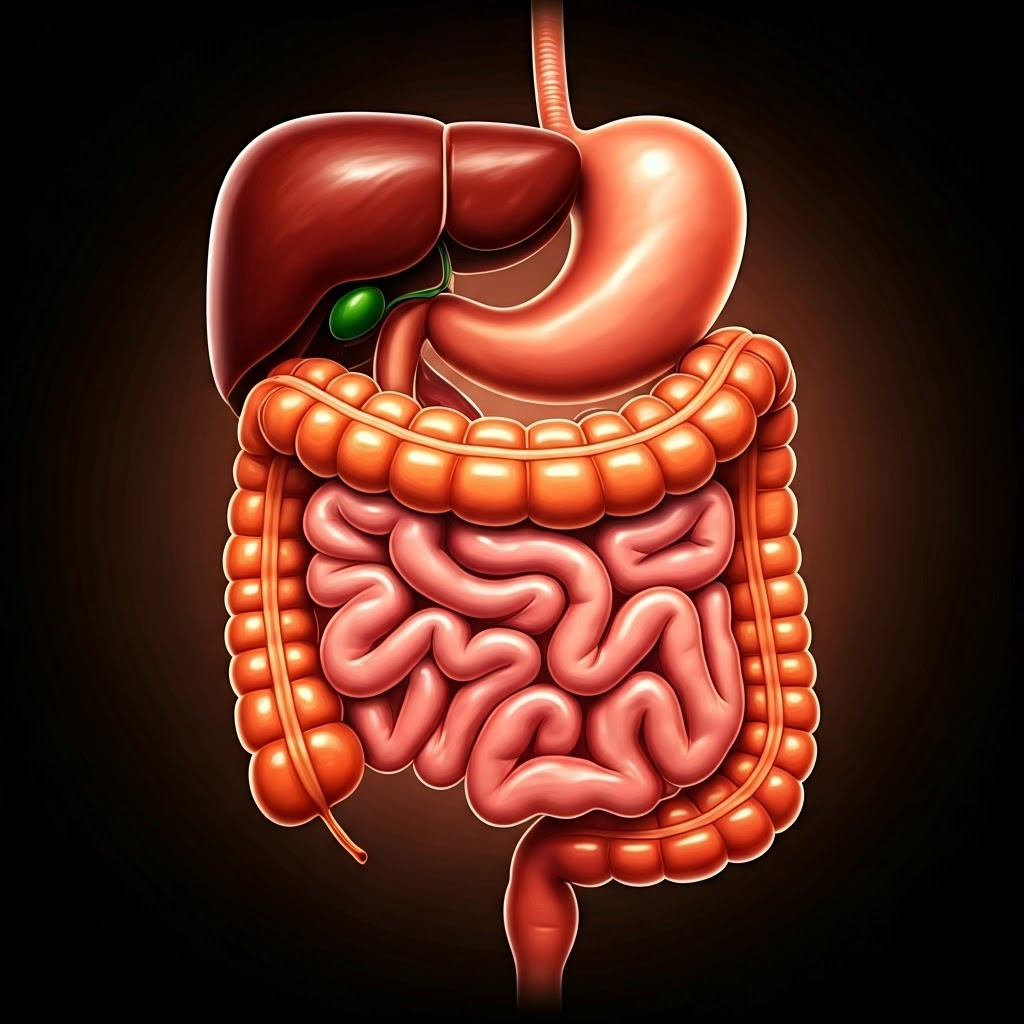
From bite to bloodstream, each stage relies on the one before it. Mechanical actions like chewing and churning prepare food for chemical processes, which in turn ready nutrients for absorption. Slow down, chew well, and let every part of this remarkable system do its job.
