
Why Protect Planets? The Stakes and the Science
Picture that first sight of untouched snow or a secret forest path, then scale it up to an entire world. Space exploration crosses unseen boundaries that can reshape planets forever.
The Big Question: What’s at Risk?
Even a few Earth microbes on a robot could spread across Mars or Europa and confuse future life searches. We might celebrate a discovery only to learn we planted the evidence ourselves.
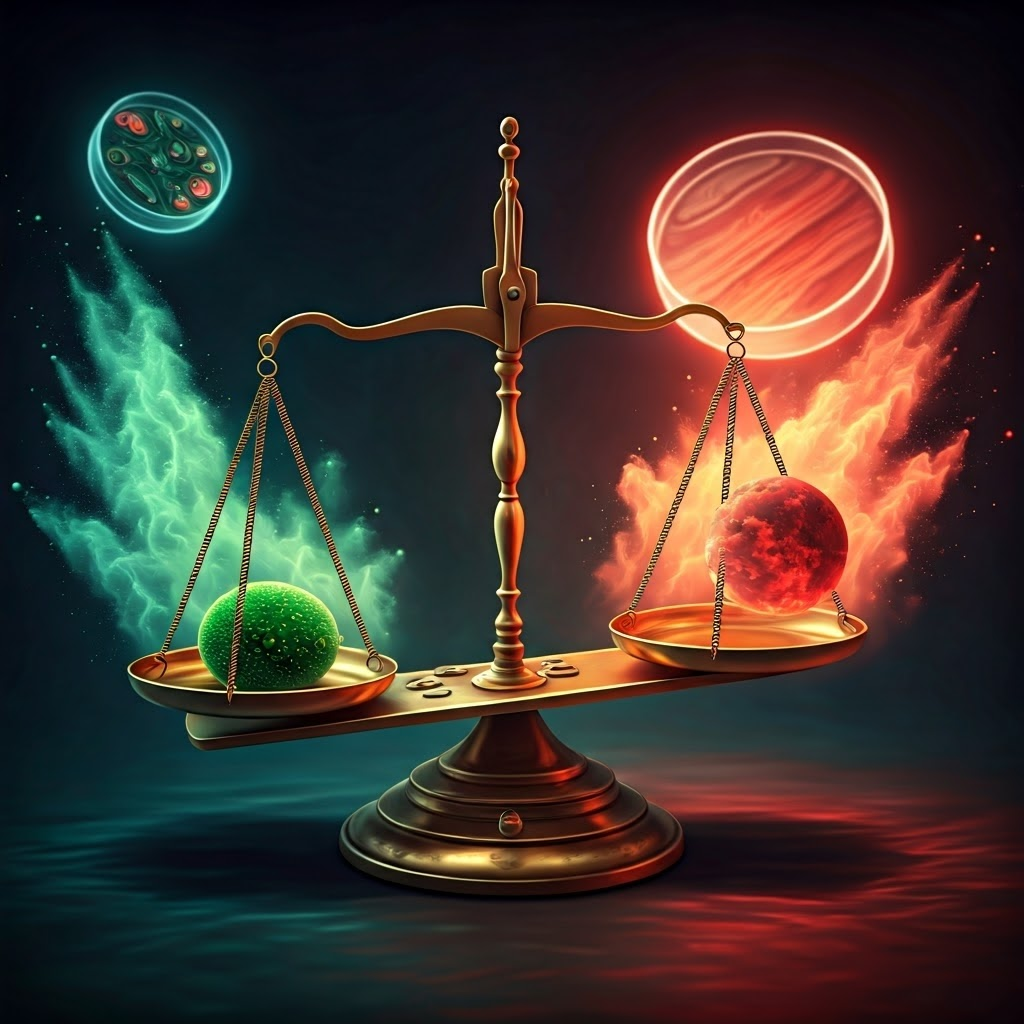
Mars may host tiny life that evolved for billions of years. Destroying it, even by accident, erases stories never told. Some bioethicists say such life holds moral worth that matches our curiosity.
Bringing samples home poses another threat. A hardy Martian microbe could adapt on Earth much like an invasive plant—small errors can escalate. The stakes mix discovery, ethics, safety, and vast unknowns.

Forward and Back Contamination: Two-Way Trouble
Forward contamination is Earth life hitchhiking to space. Even after intense cleaning, some microbes survive. Agencies scrub, bake, and test each part to keep the launch as clean as possible.
Back contamination flips the risk. Apollo crews faced quarantine in the 1960s, and future Mars or Europa samples demand even tighter rules. These protocols rank among the strictest in science.
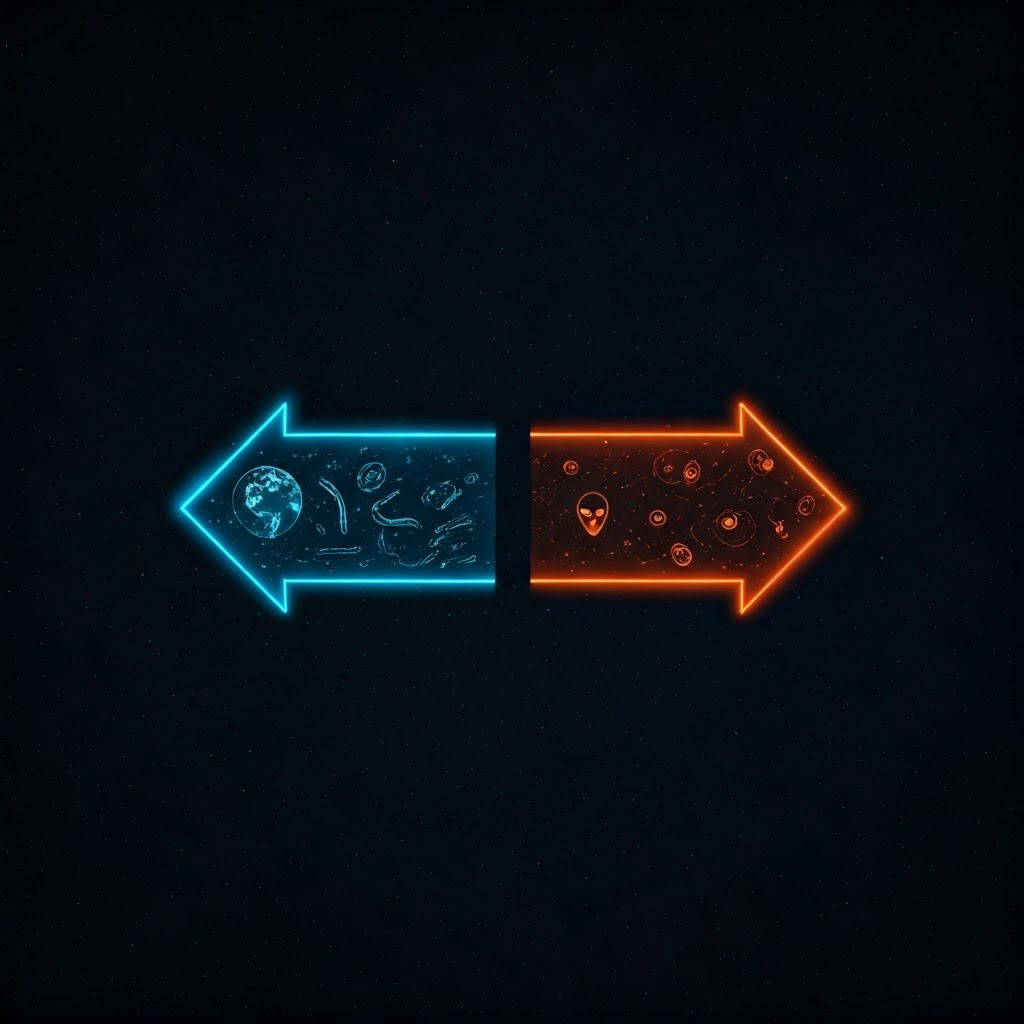
Side by side, the chart looks simple:
- Forward contamination: Earth life to another world; jeopardizes science and alien ecosystems.
- Back contamination: Space life or chemicals to Earth; threatens our biosphere and health.
Both matter because we do not know how fragile—or dangerous—extraterrestrial life might be.
Microbes on the Move: Survivors in Space
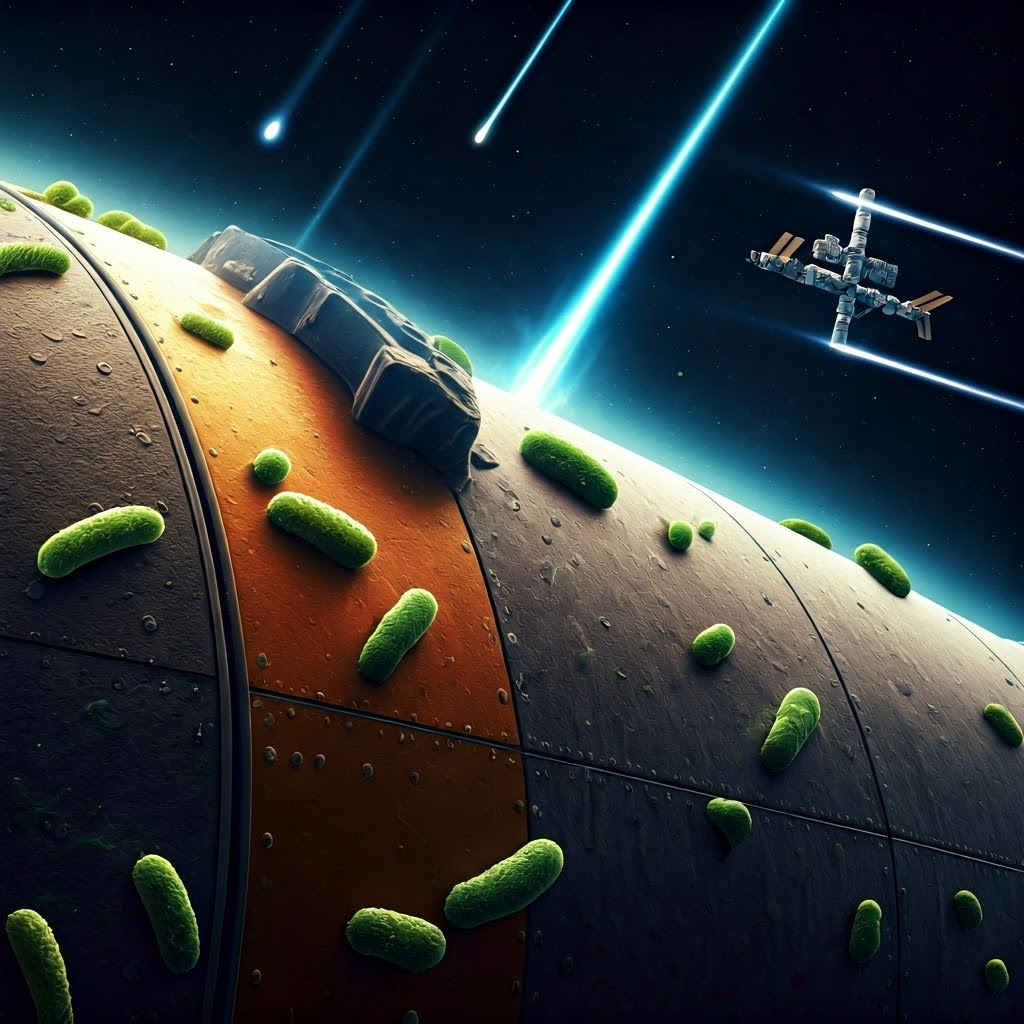
Scientists once thought space was lethal, yet microbes proved tougher. The Tanpopo experiment showed bacteria living for years outside the ISS, and researchers found spores hiding in spacecraft crevices.
Q: Don’t cleaning steps kill everything?
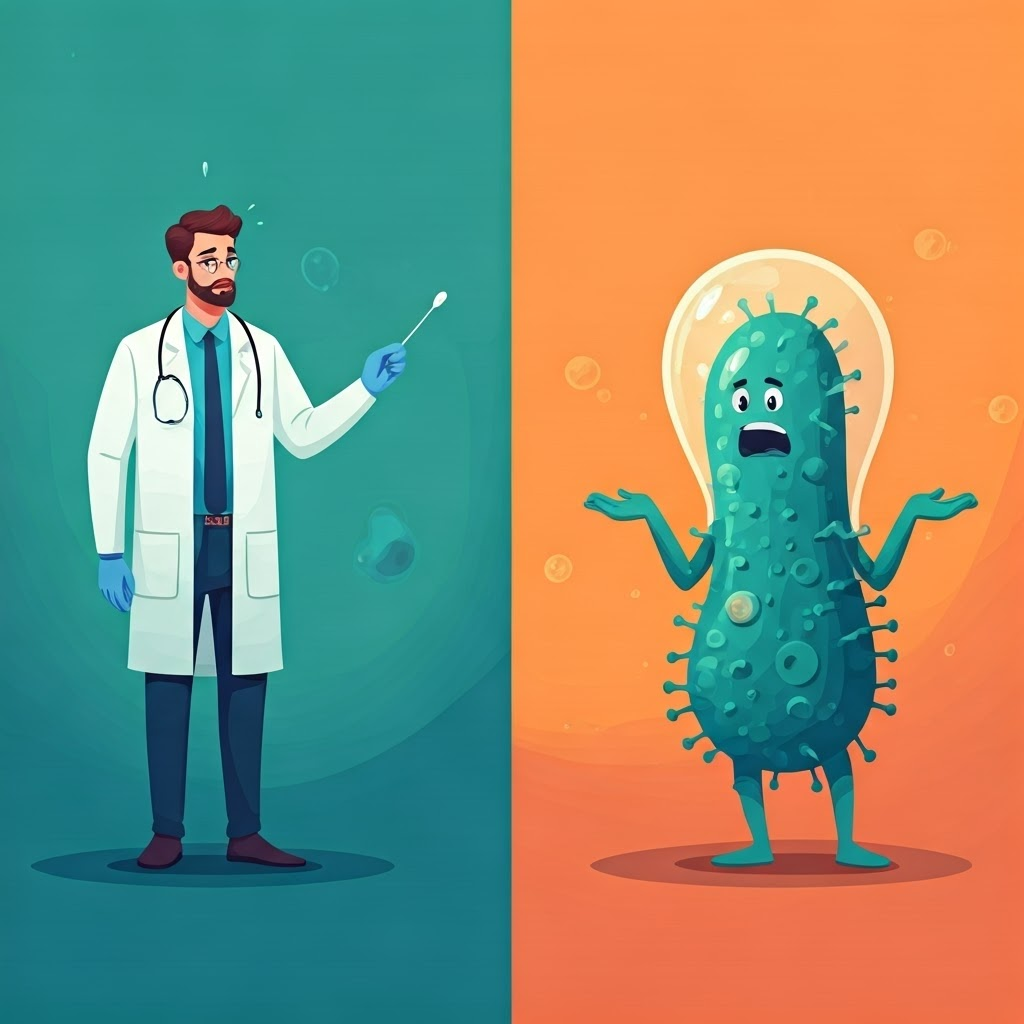
A: No. Some microbes enter a spore “sleep mode,” slipping through tests and riding along unnoticed.
Q: Could Mars or Europa already be contaminated?
A: Missions follow strict COSPAR limits, yet perfection is unreachable. Policies aim to push the probability of contamination as close to zero as possible.
The Science Behind the Rules
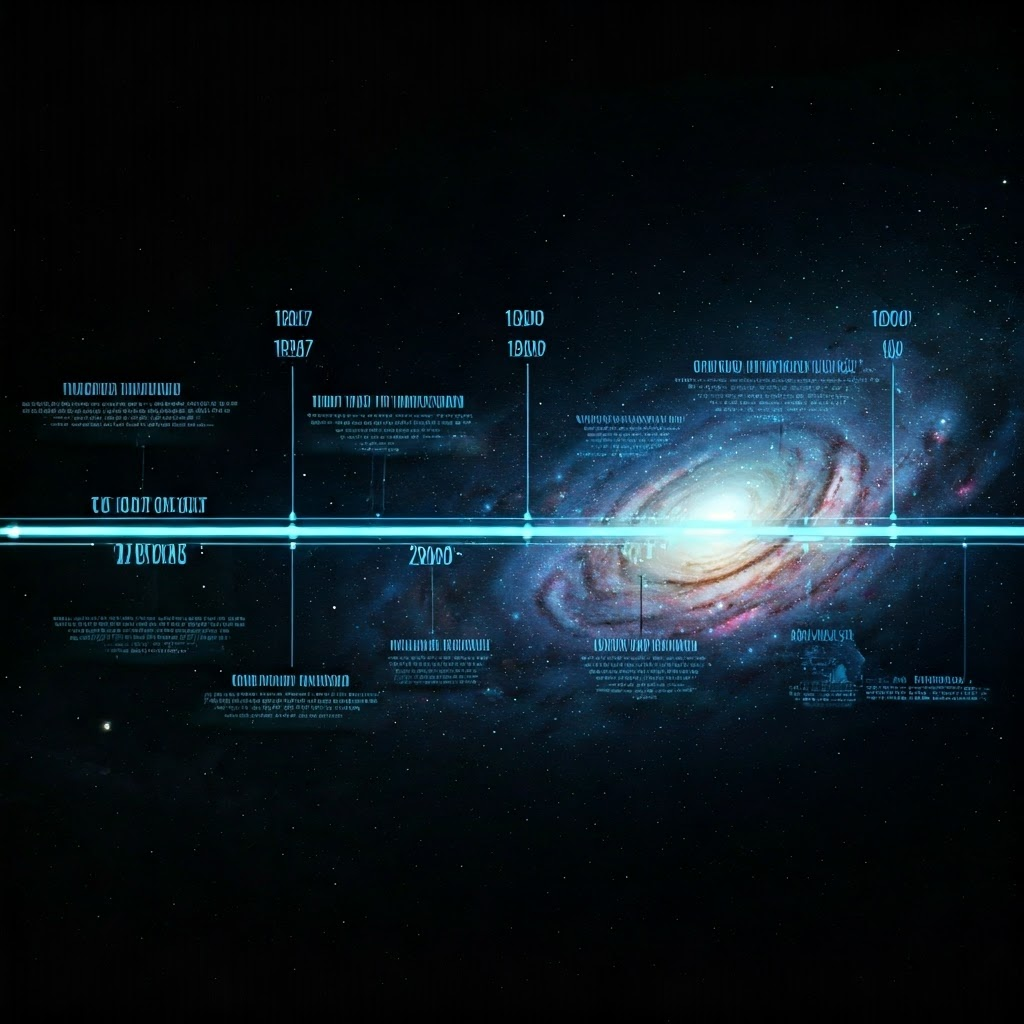
Key moments shaped current guidelines:
- 1967: Outer Space Treaty stresses avoiding harmful contamination.
- 1970s: Viking sterilization tightens after germs survive Martian soil tests.
- 1990s: Meteorite studies renew caution on sample returns.
- 2000s: ISS data proves life’s resilience, prompting stricter gear.
- Recent years: COSPAR updates favor a better-safe mindset for Mars, Europa, and beyond.
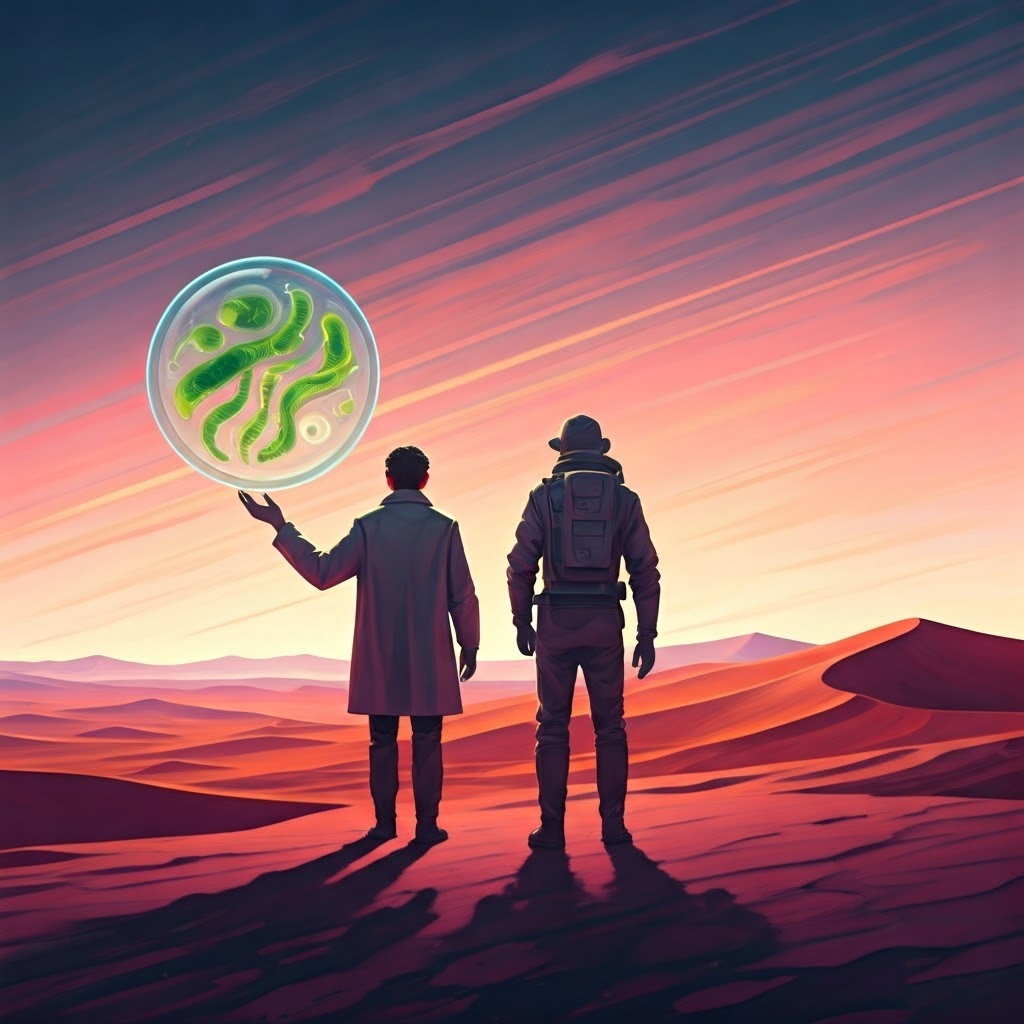
Each discovery raises the bar. When microbes survive vacuum, cleaning intensifies. When a planet shows potential chemistry for life, caution grows. Experts like Lori Marino urge respect for alien rights, while Christopher McKay champions exploration with care. Their shared view: space mistakes are irreversible. Planetary protection blends science, ethics, and common sense from launch to landing.
