
Plugged In: Where Your Power Comes From

The Grid: Not All Power Is Equal
When you plug in an electric car, the power flows from a huge network called the electricity grid. Picture the grid as the world’s biggest potluck where each region brings its own energy sources—coal, gas, nuclear, solar, wind, or hydropower.
The mix depends on location. West Virginia leans on coal, while California taps far more solar and wind. That local recipe matters because each source leaves a different carbon footprint.
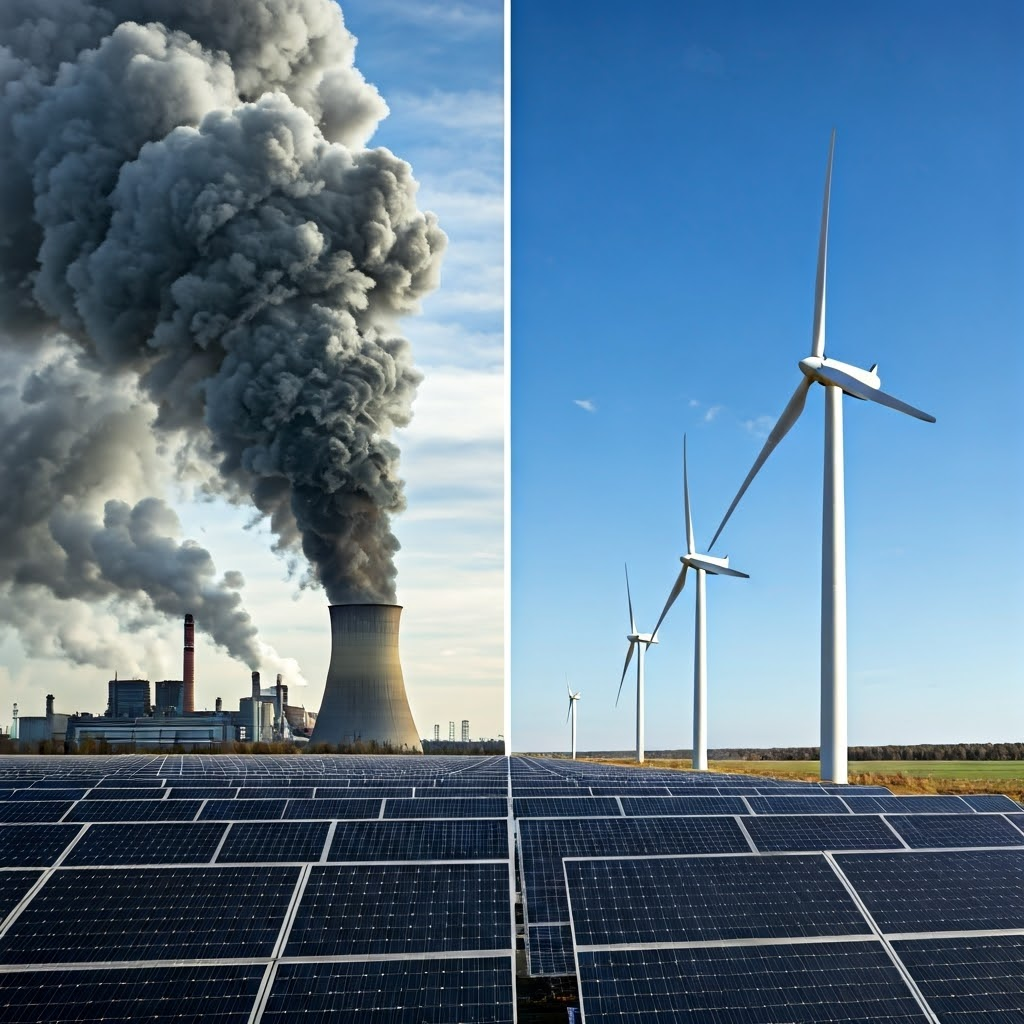
Burning coal releases heavy carbon dioxide pollution. Solar and wind create electricity with almost no direct emissions. So the “cleanliness” of your plug truly depends on your grid’s ingredients.
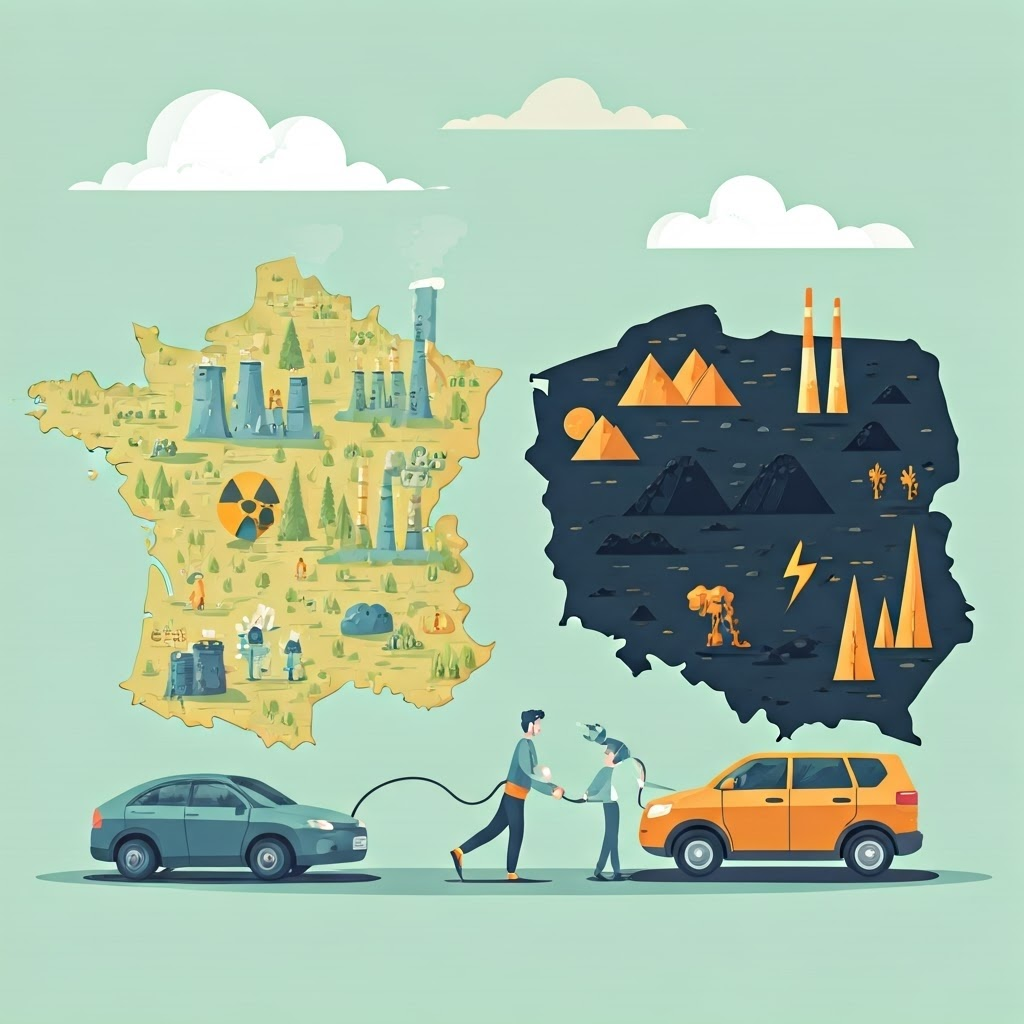
Charging in France, rich in nuclear power, adds far less carbon than charging in Poland, ruled by coal. It’s like choosing between a fresh salad and a deep-fried meal—same calories, totally different effects.

Carbon Intensity: The Key Number
The critical figure is carbon intensity—grams of CO₂ released per kilowatt-hour (gCO₂/kWh). One kilowatt-hour roughly equals running a microwave for an hour.
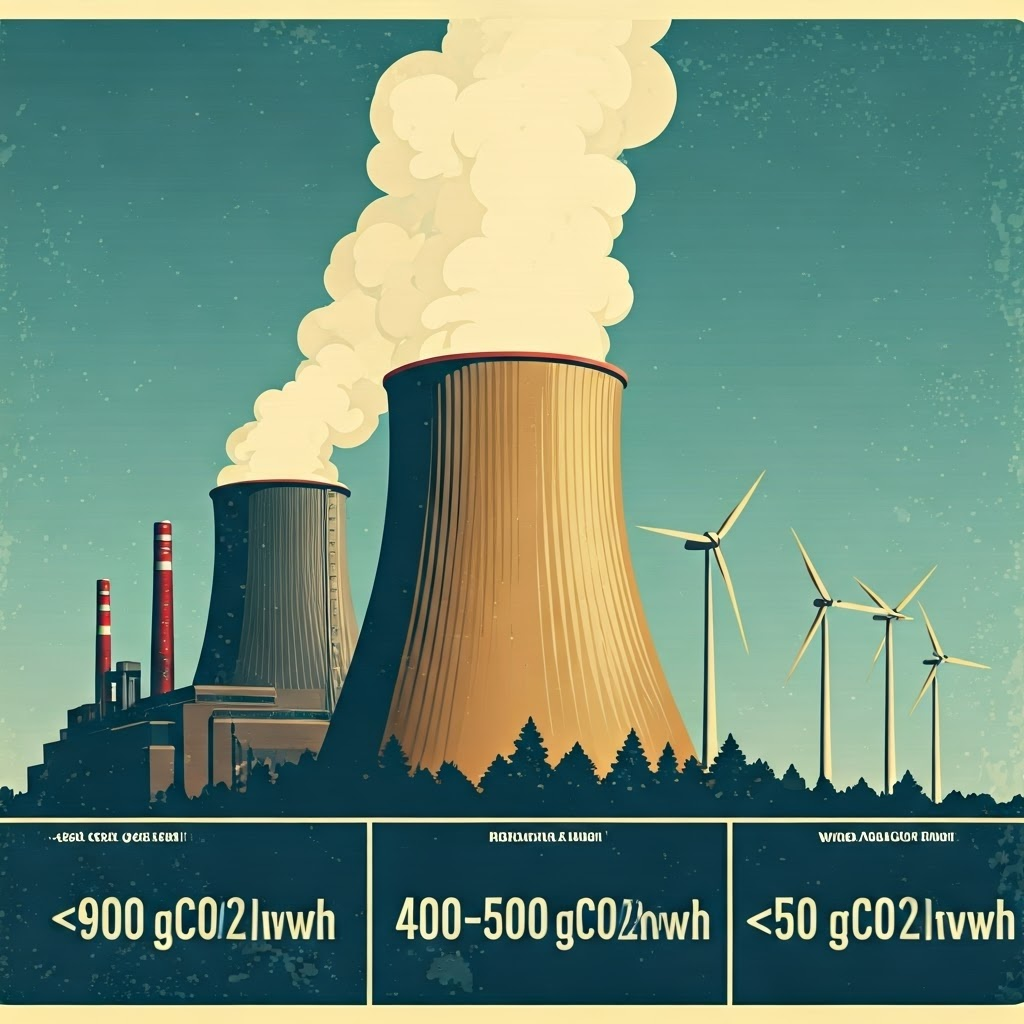
- Coal can exceed 900 gCO₂/kWh.
- Natural gas averages 400–500 gCO₂/kWh.
- Solar or wind often sits below 50 gCO₂/kWh.
Multiply your car’s electricity use by your grid’s intensity to see real-world emissions. The same car can look green in one place and gray in another, and those numbers shift over time.
Reading the Map: Regional Differences
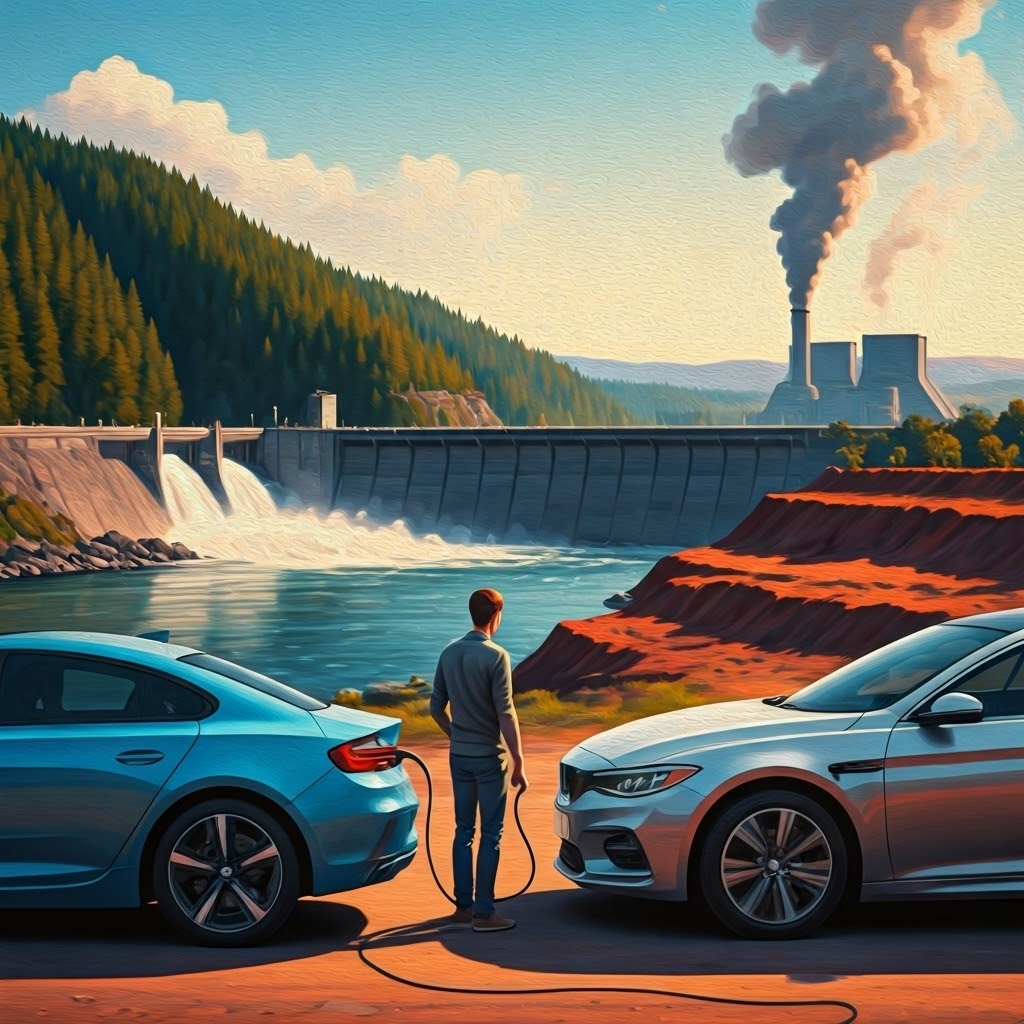
Imagine two friends with identical EVs. One in Quebec relies on almost 100 % hydropower, making the car’s footprint tiny. The other in coal-heavy Australia leaves a footprint closer to that of an efficient gasoline car.
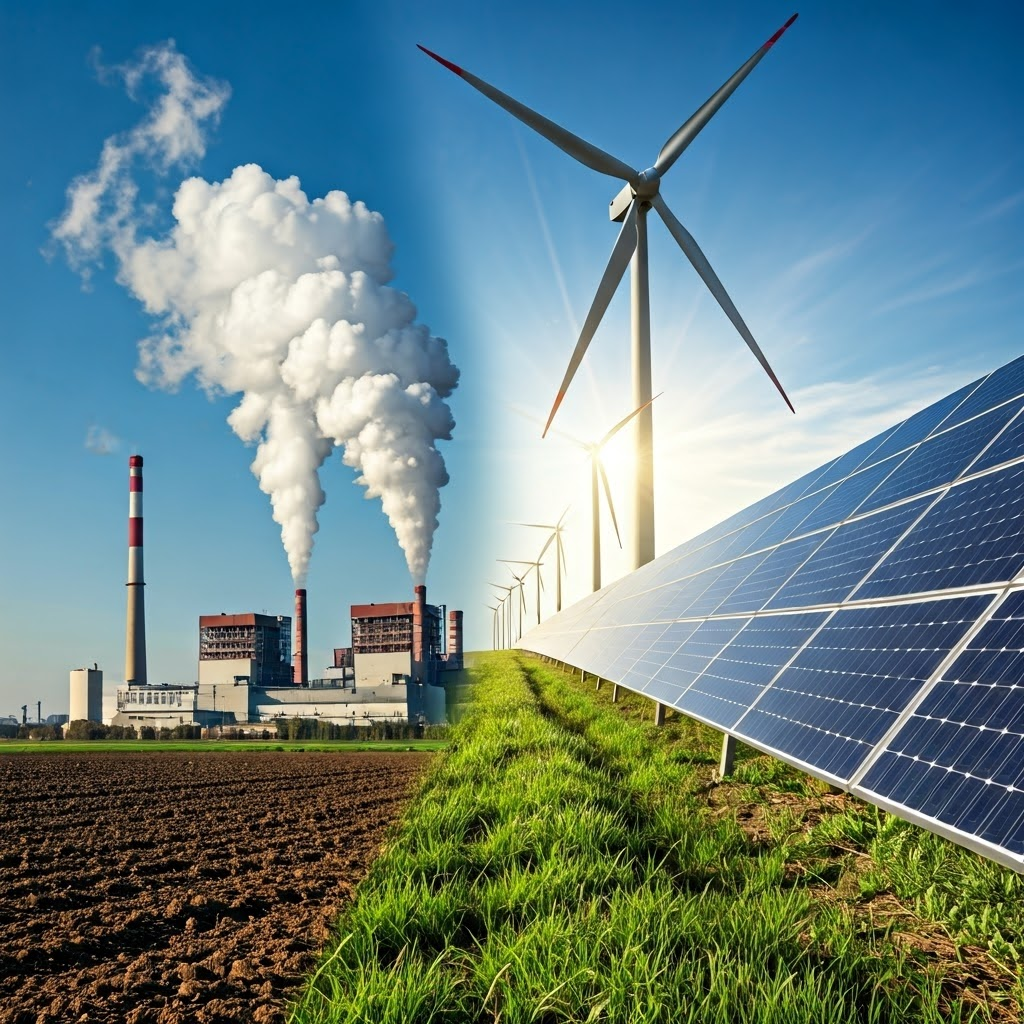
The Midwest US grid in 2010 was far dirtier than today. In Poland or South Africa, coal still dominates, so an EV may not beat a small fuel-sipper. By contrast, Norway, Iceland, and New Zealand run on almost all low-carbon power, making their EVs nearly emission-free.
Websites like electricityMap.org let you check your own region’s numbers.
Changing Grids: The Moving Target
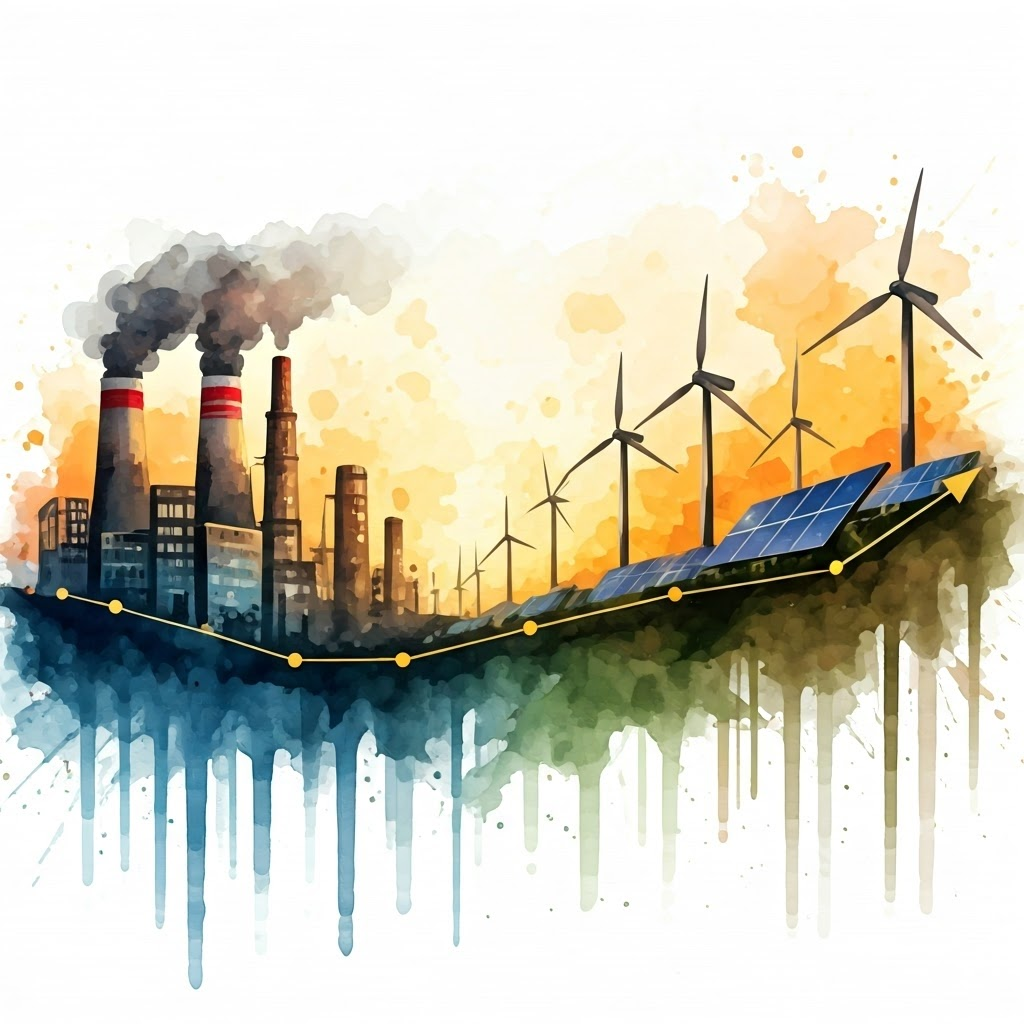
The grid keeps evolving. Coal’s share in the US fell from 50 % in 2005 to under 20 % in 2022, while renewables surged and prices dropped. As a result, average carbon intensity steadily declines.
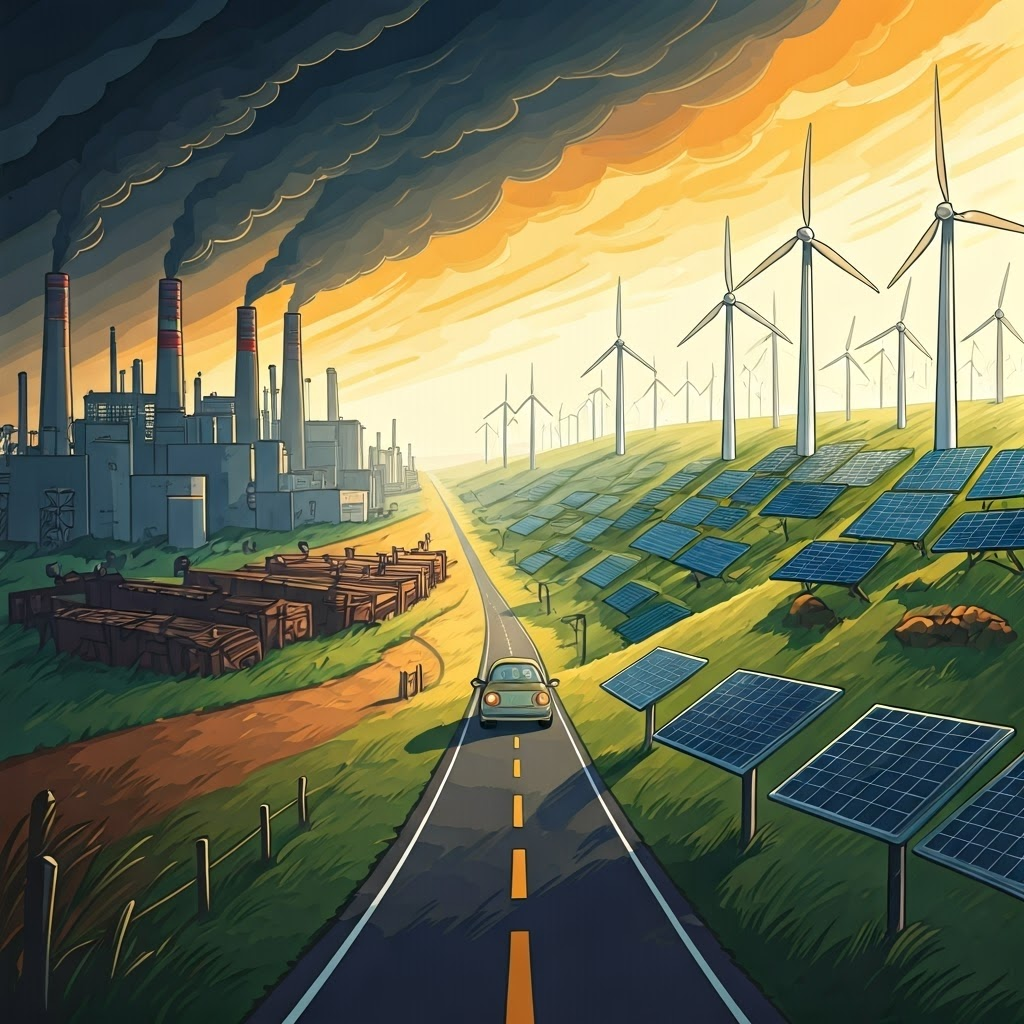
A greener grid boosts the case for EVs. Buy an EV today in a coal-reliant region, and the car likely grows cleaner halfway through its life without you lifting a finger—just keep plugging it in.
Old objections fade. Even if coal powers today’s electrons, tomorrow’s cleaner grid improves yesterday’s EV. Location and timing shape your car’s true impact, so learn where your electrons come from and watch how they change.
