
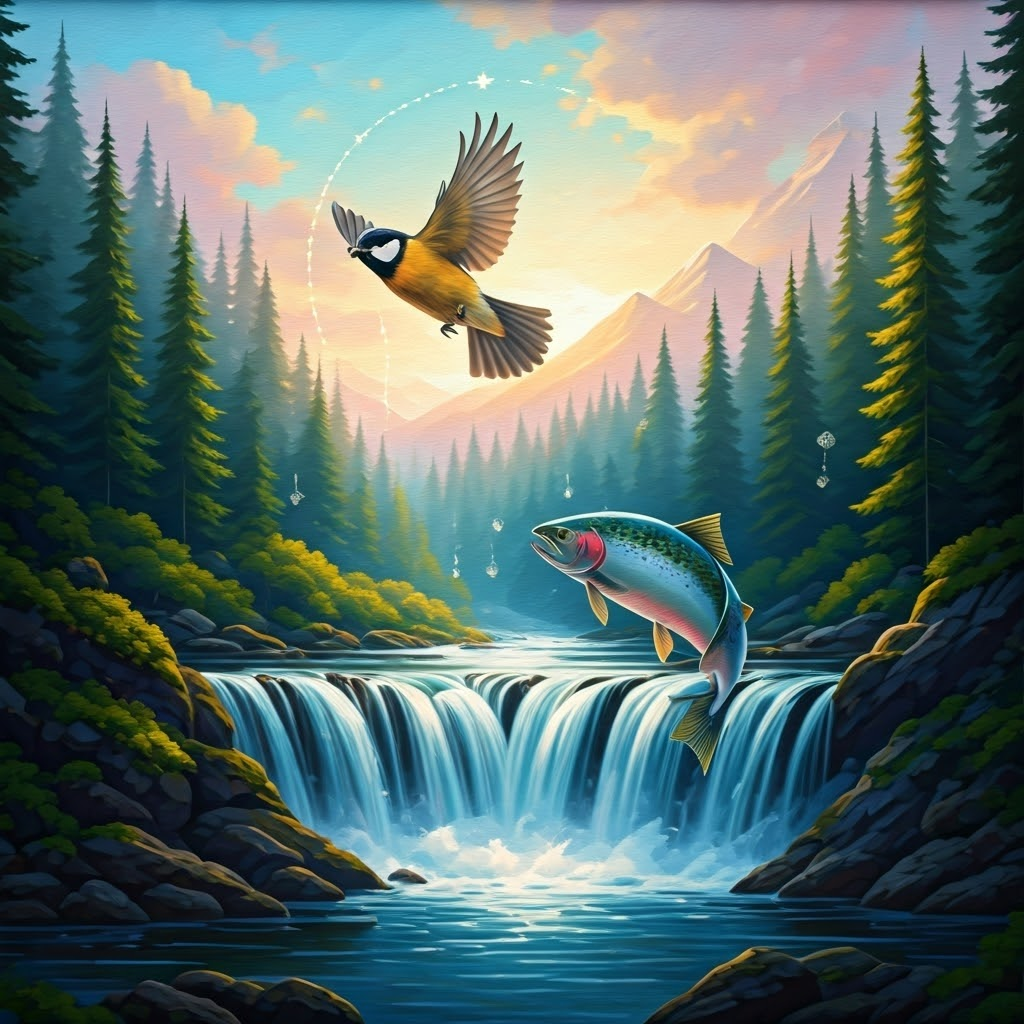
How Animals Find Their Way: Nature’s Navigators
Some animals rely on an inner sense that guides them across vast distances. This quiet instinct lets salmon reach the very stream where they were born and pushes young birds to migrate without adult help.
Instinct acts like pre-loaded software. When the right season arrives, an urge tells the animal to move. A young bird may lift off on its first trip south with no leader—yet it still picks the correct route.
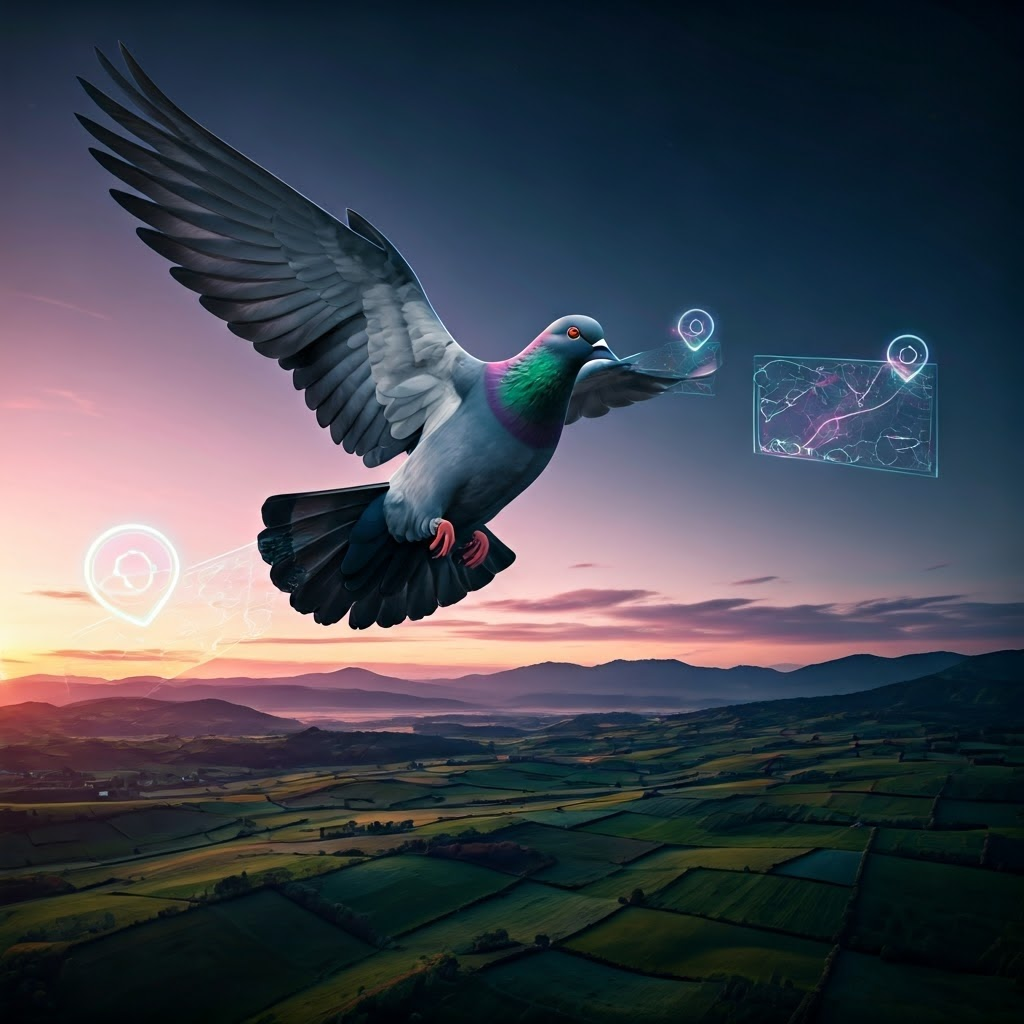
The Map in the Mind: Instinct and Memory
Pure instinct is powerful, but repeated travelers add another tool—memory. Birds store landmarks like mountain ridges or river bends, then replay that mental slideshow each year.
Homing pigeons demonstrate this talent. Move them hundreds of miles off course and many still angle home, proving their inner atlas is detailed and reliable.
For salmon, memory sharpens destiny. Stand beside an Alaskan waterfall in spawning season and you will see fish leaping upstream, drawn by precise recall stronger than rushing water.
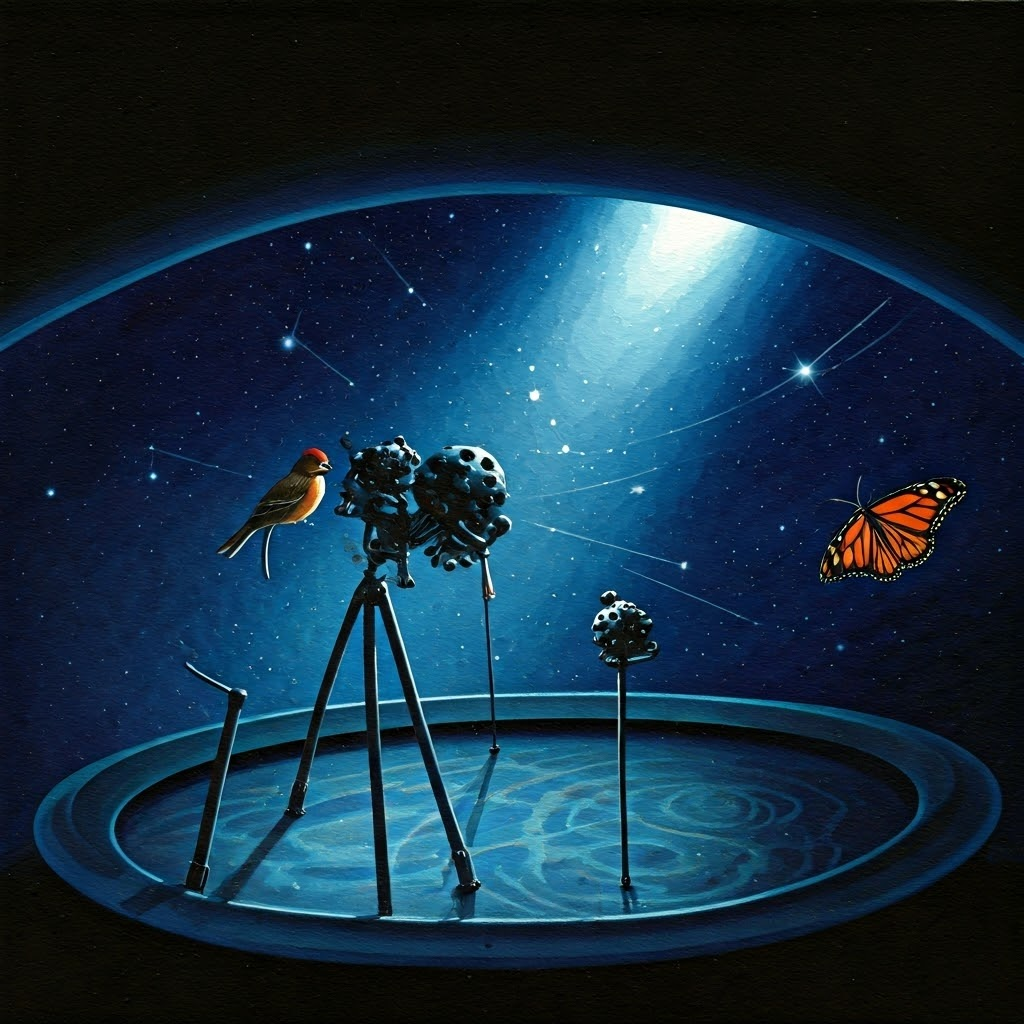
Reading the Sky: Sun, Stars, and the Moon
Clear night skies become a glowing road map. Birds in lab planetariums pivot the moment scientists shift the stars—evidence their celestial compass is real.
Daylight adds a second cue. Monarch butterflies watch the sun’s arc, then correct for its movement with an internal clock. Even thin clouds pose little problem thanks to their ability to sense polarized light.
Moonlight guides night travelers. Freshly hatched sea turtles rush toward its bright shimmer on the waves, finding safety in the ocean by following that silver path.
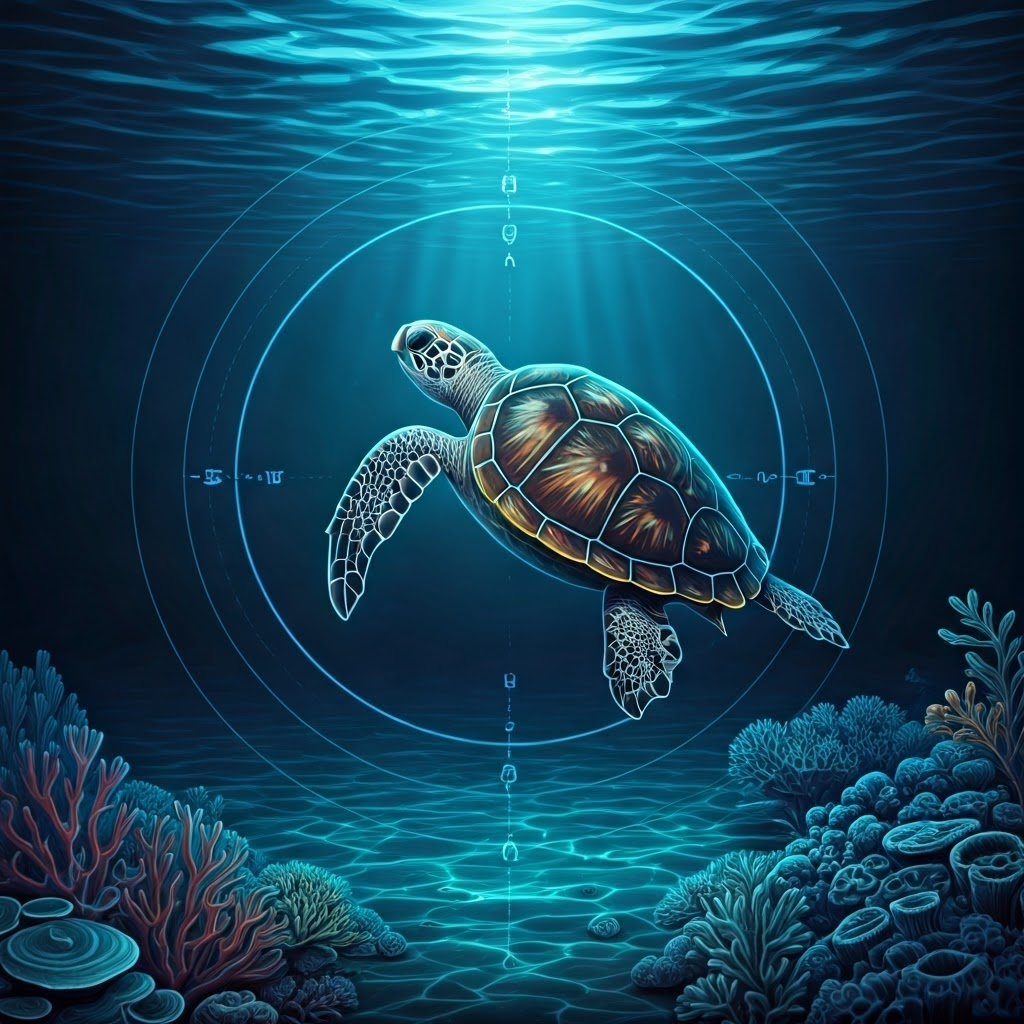
Sensing the Invisible: Magnetic Fields
Animals also detect signals humans miss. Birds contain tiny crystals of iron that turn their heads into living compasses. Disturb those crystals and the birds drift off course, proving magnetoreception is crucial.
Sea turtles, hatched on Florida sands, drift across the Atlantic and later return to the same beach. They read subtle shifts in Earth’s magnetic field as reliably as we read highway signs.
Following the Scent Home
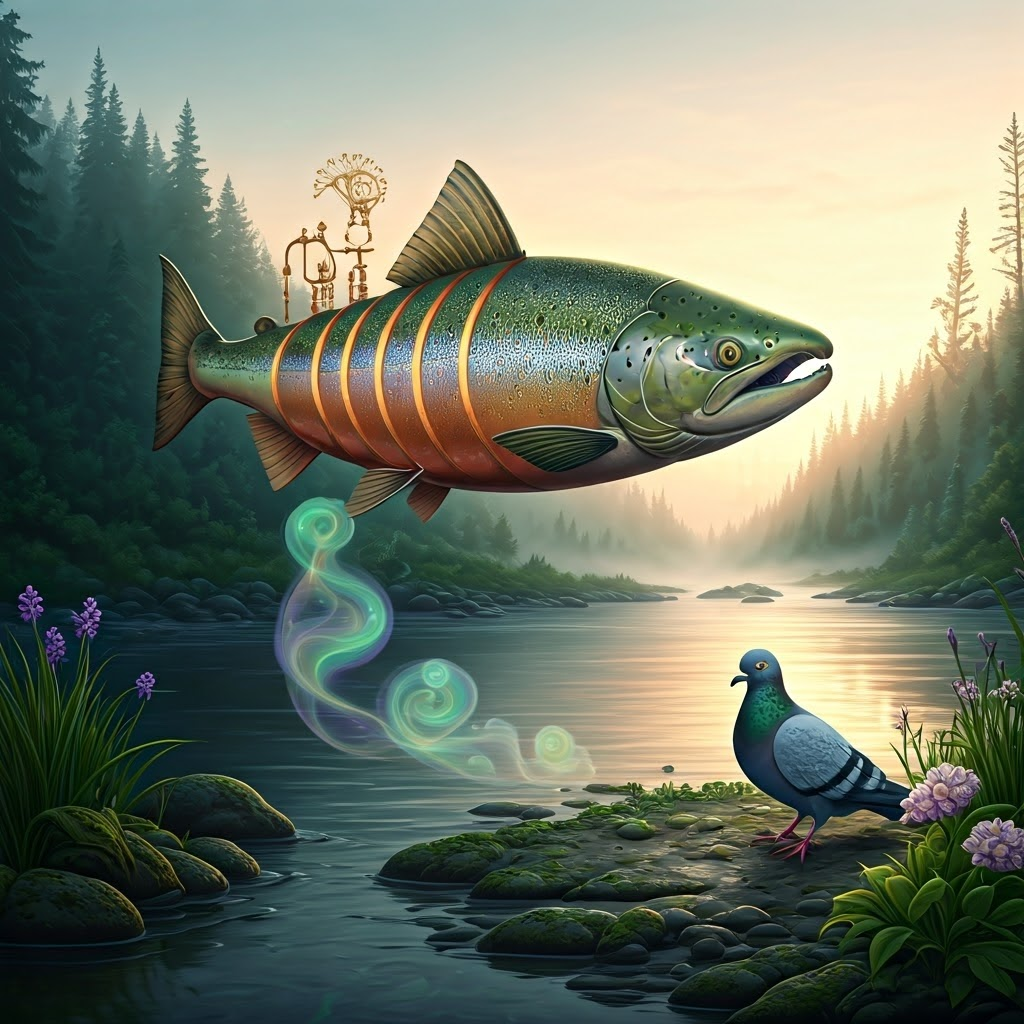
Smell can serve as a personal homing beacon. Young salmon imprint on the unique mix of forest, mud, and ice that flavors their birth river. Years later the scent signature leads them back, even when countless other streams flow nearby.
Pigeons perform a similar trick. Block their sense of smell and many lose direction, proving odor cues fill in gaps when vision or magnetism falters.
The Secret Skillset
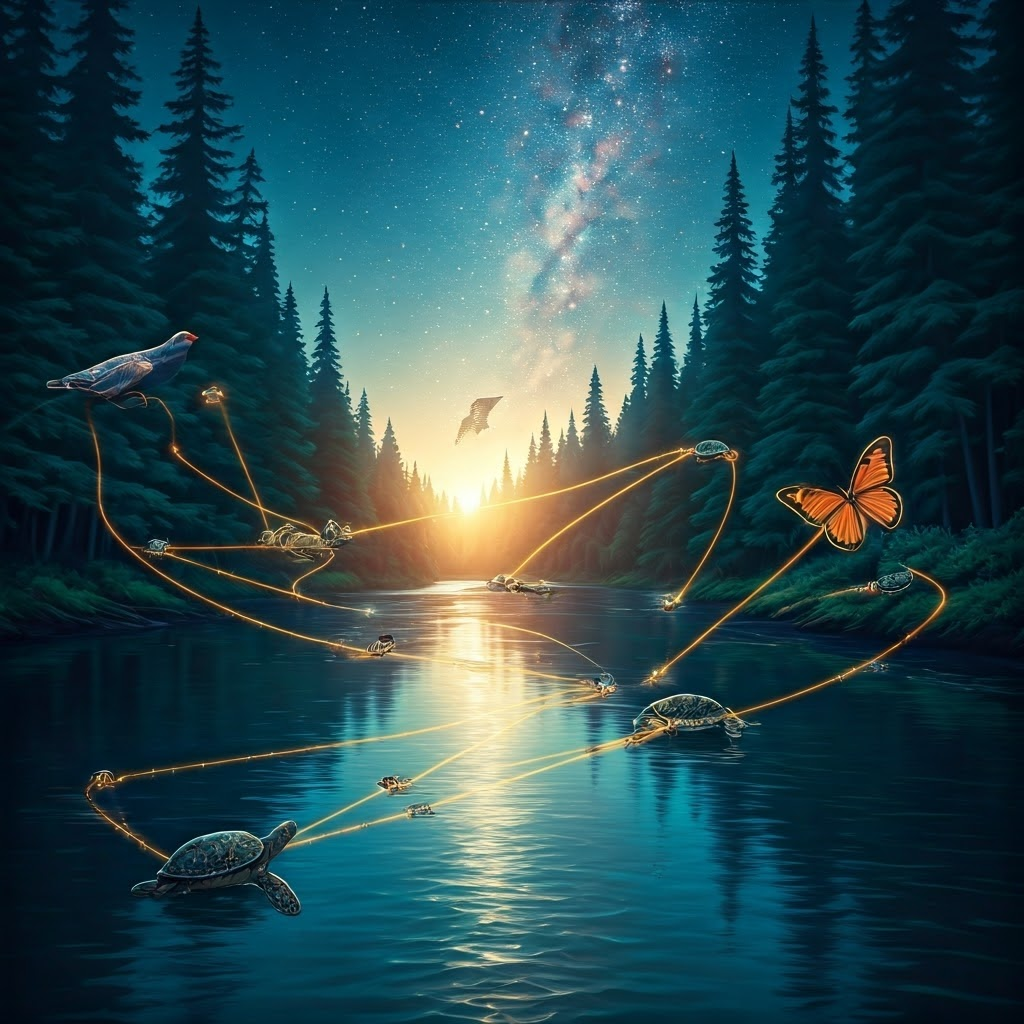
Navigation is rarely a single-tool job. Animals mix multiple cues—instinct, memory, sky patterns, magnetic fields, and scent—so one guide covers another if conditions change.
This layered approach works across continents and oceans. It reminds us there are many reliable ways to reach a goal, even without a printed map or a glowing screen.
Nature’s navigators prove that expertise can be silent, ancient, and astonishingly precise.
