

Why You Don’t Float Away: Gravity in Your Everyday Life
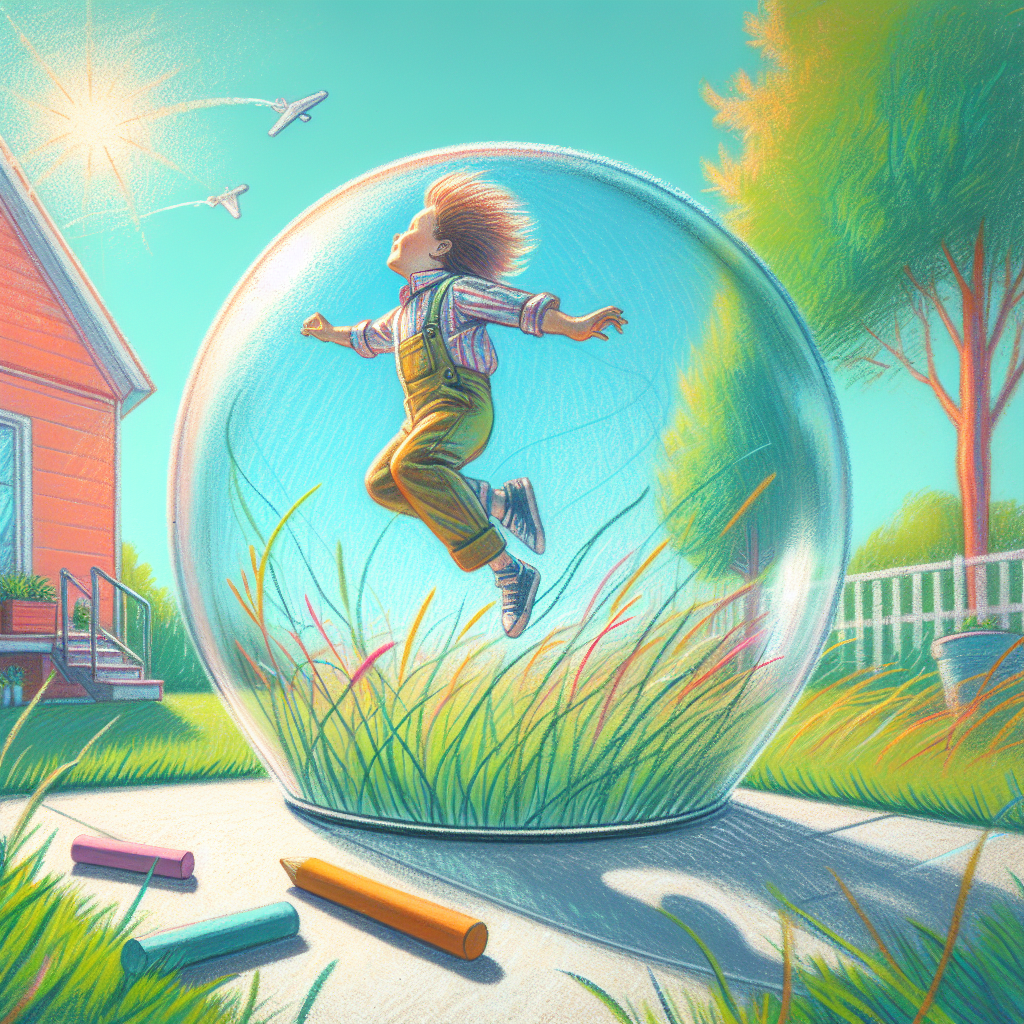
Gravity pulls you back each time you jump. You never see the force, yet it holds every cell of your body to Earth, so you stroll instead of drifting toward the ceiling. Gravity makes lifting a grocery bag feel heavy.
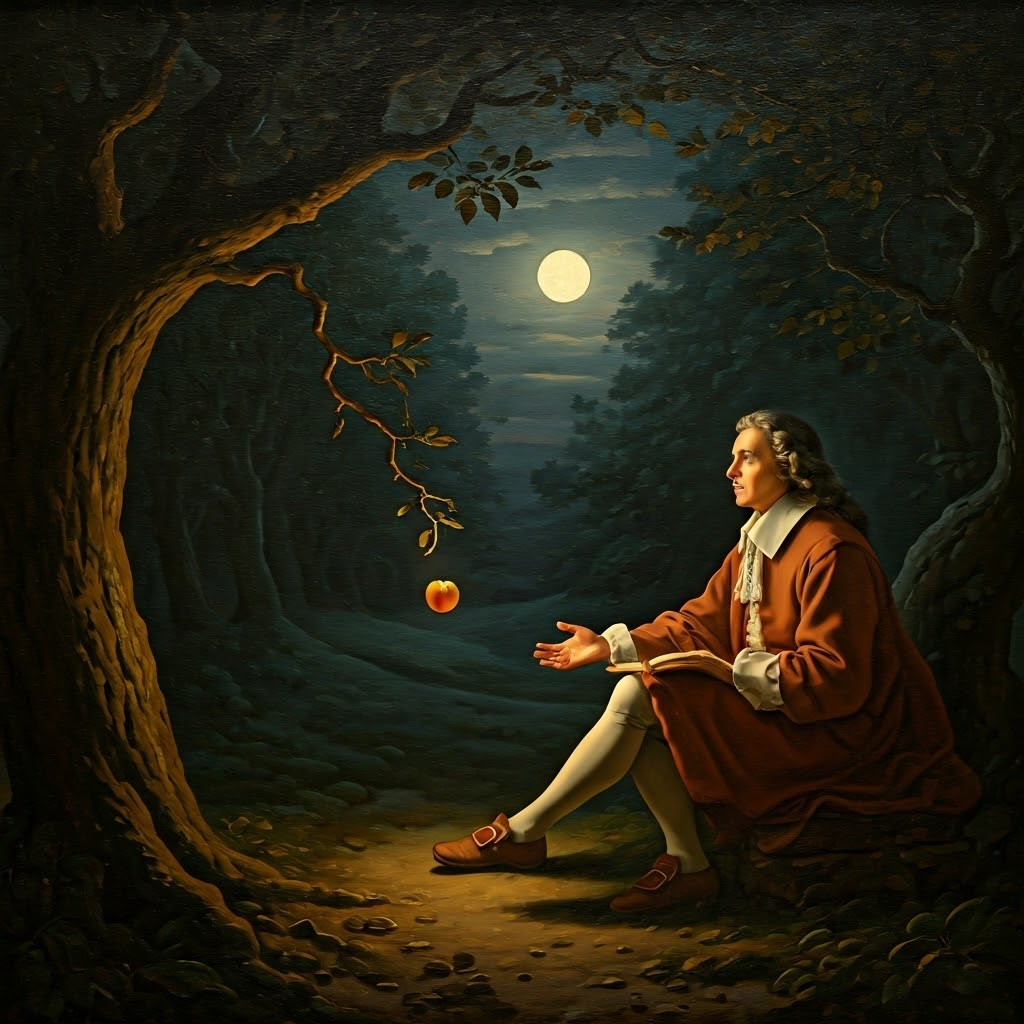
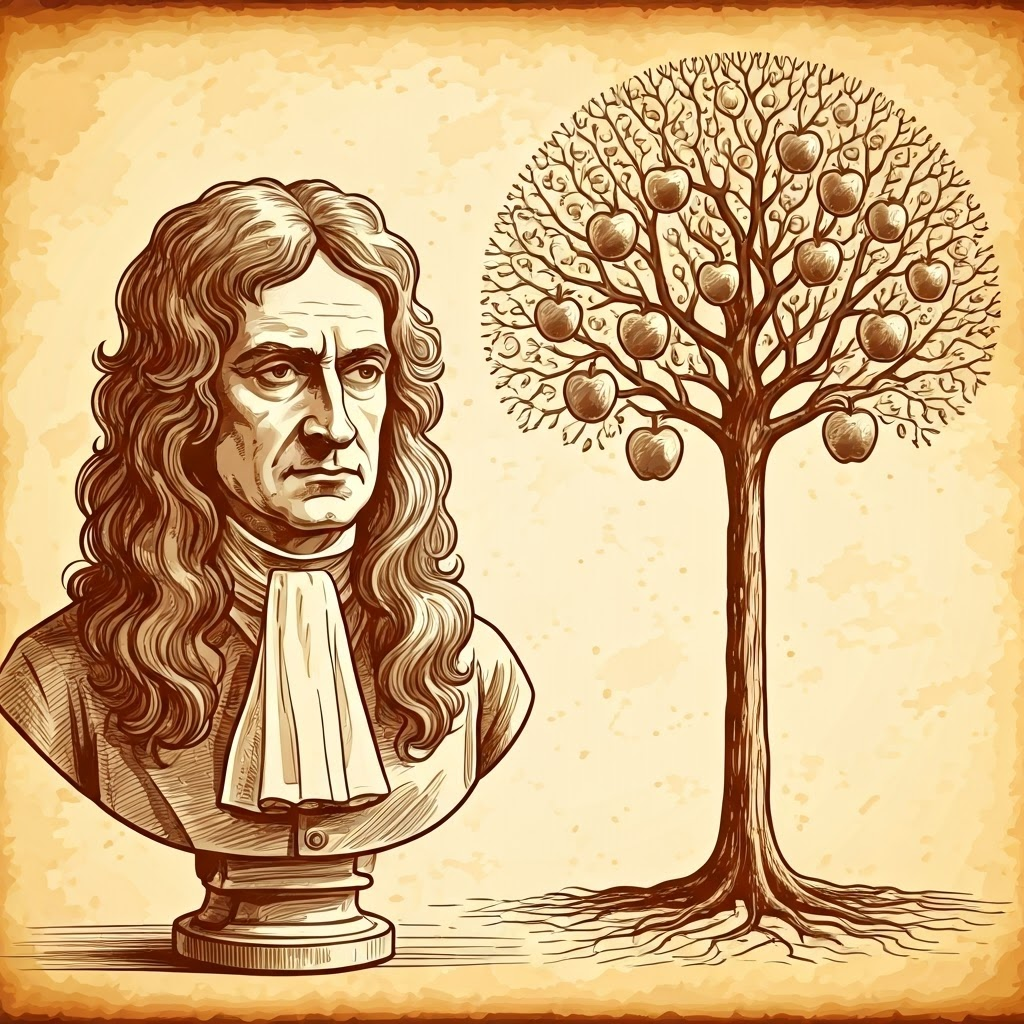
Gravity acts on everything with mass. Newton saw an apple drop and linked that motion to the Moon’s orbit. The same invisible force keeps air close, rivers flowing, and your coffee cup on the table. Each time you drop your keys, you witness this persistent pull.
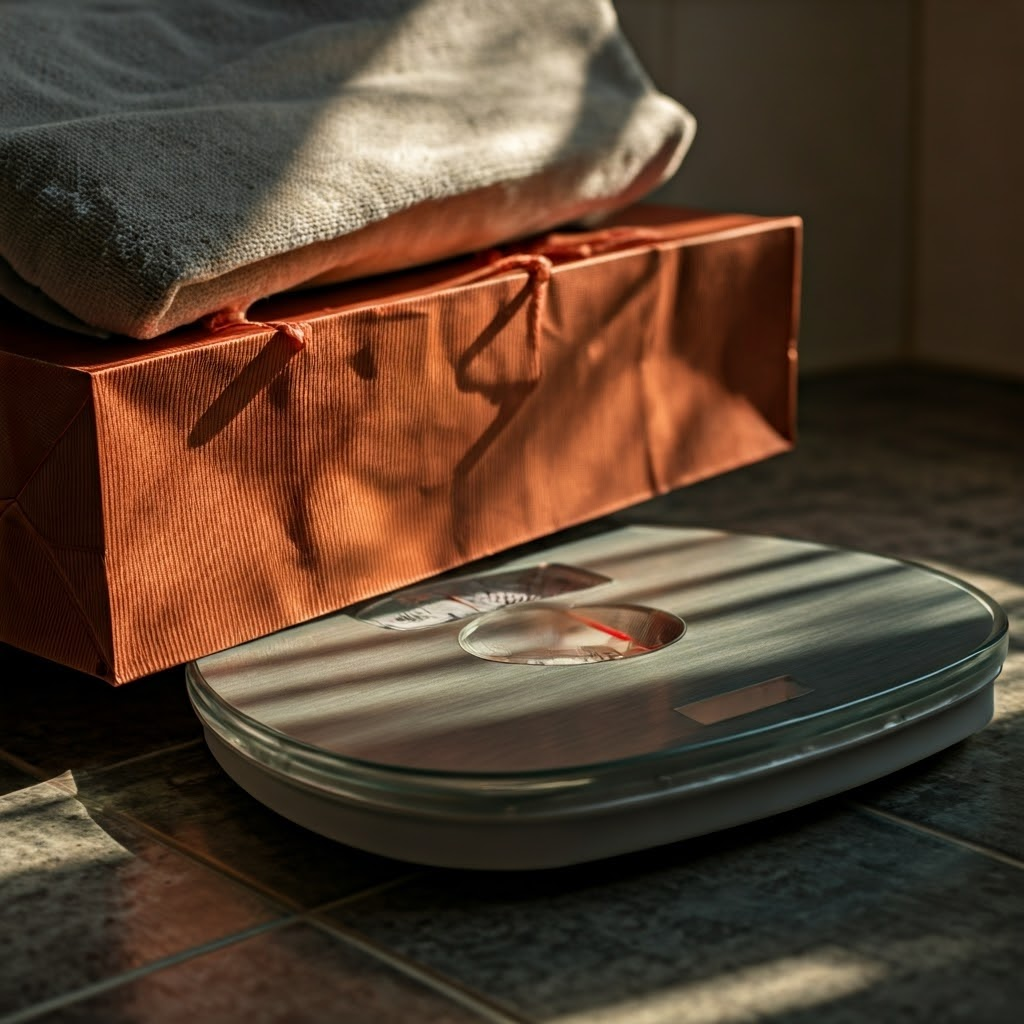
Weight vs. Mass: Why Your Scale Lies (Sort Of)
When you step on a scale, it shows your weight—the strength of gravity’s tug at that spot. Your mass stays the same everywhere, but weight shifts when gravity changes.
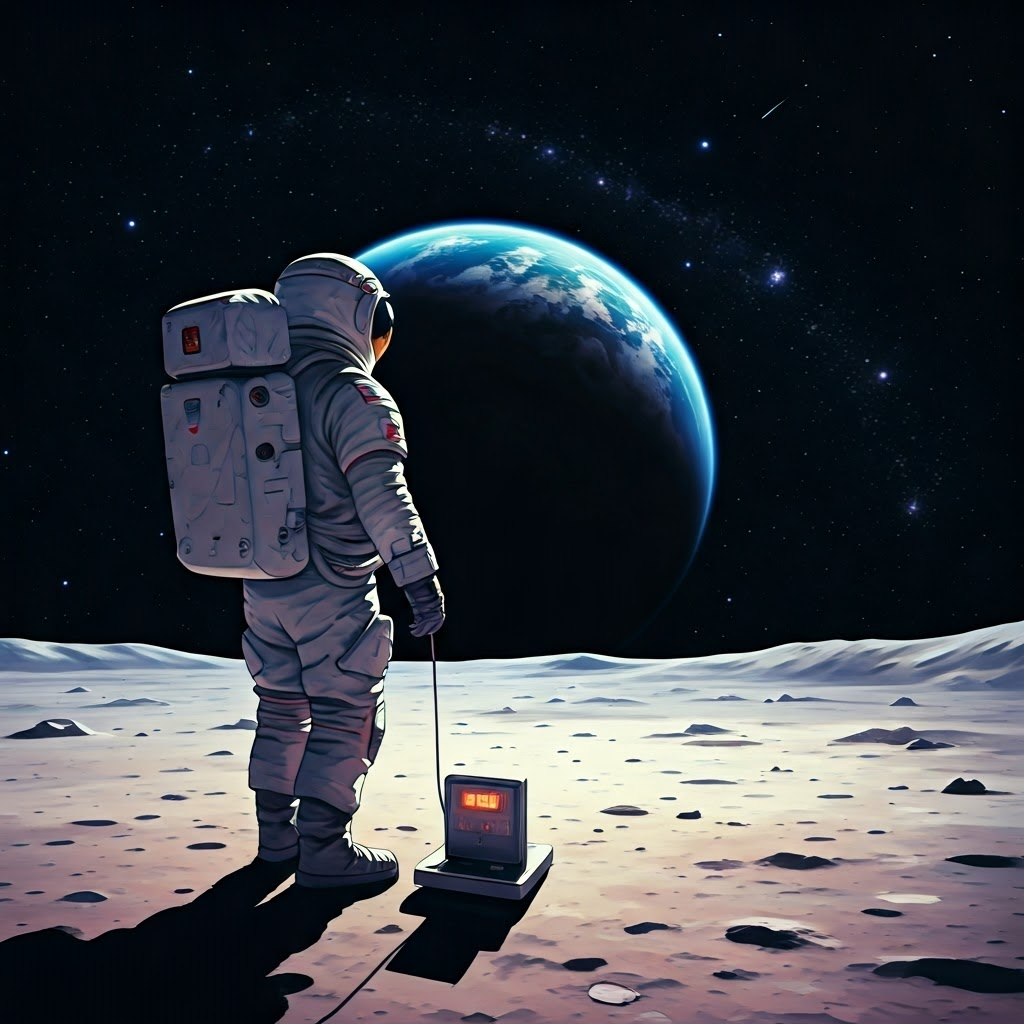
Ride a fast elevator and the scale reading dips or spikes for a moment. On the Moon you would weigh one-sixth as much, yet your mass is unchanged. Less gravity means lighter steps.
Measuring Gravity: How to Find g in Your Kitchen
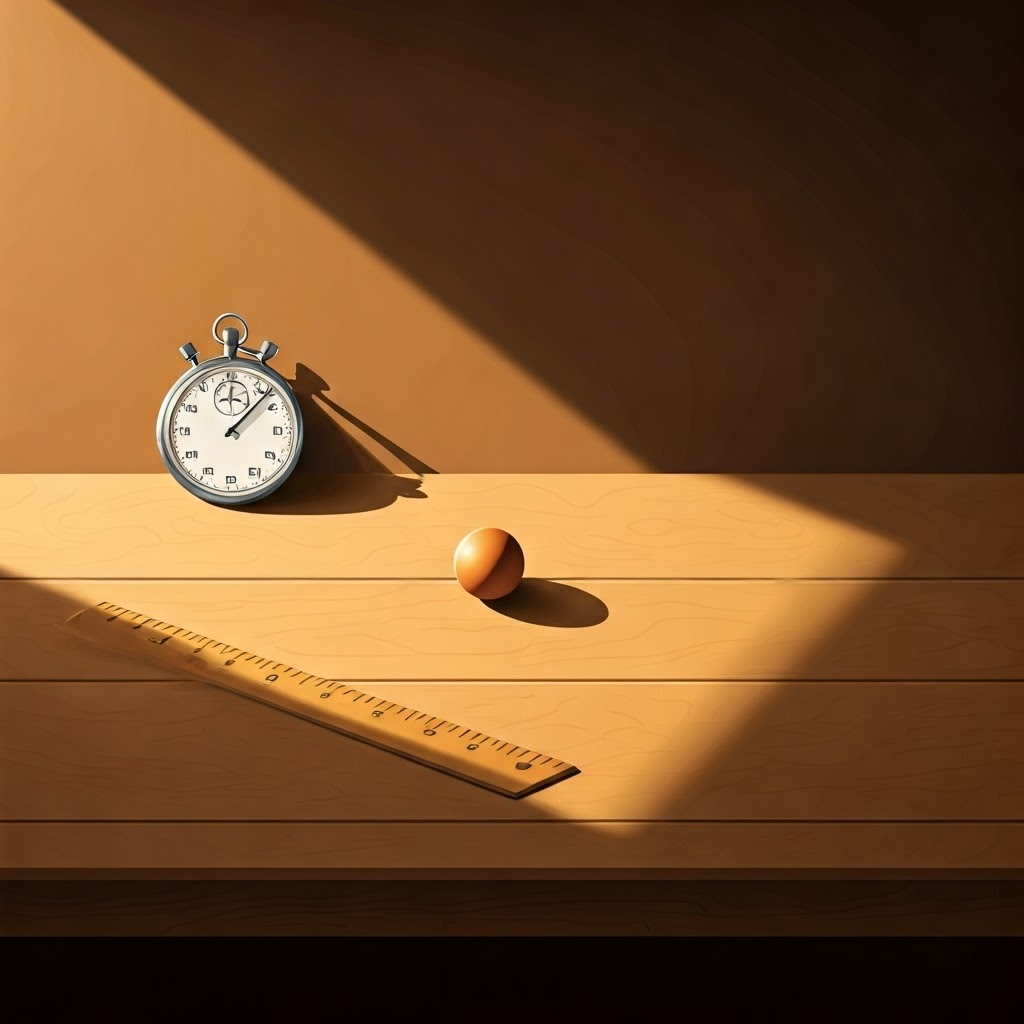
You can measure gravity with a ball, a ruler, and a stopwatch. Drop the ball from one meter and time the fall—about 0.45 s. The formula $$d = \frac{1}{2} g t^2$$ reveals Earth’s g near 9.8 m/s². Repeat tries reduce reaction-time errors.
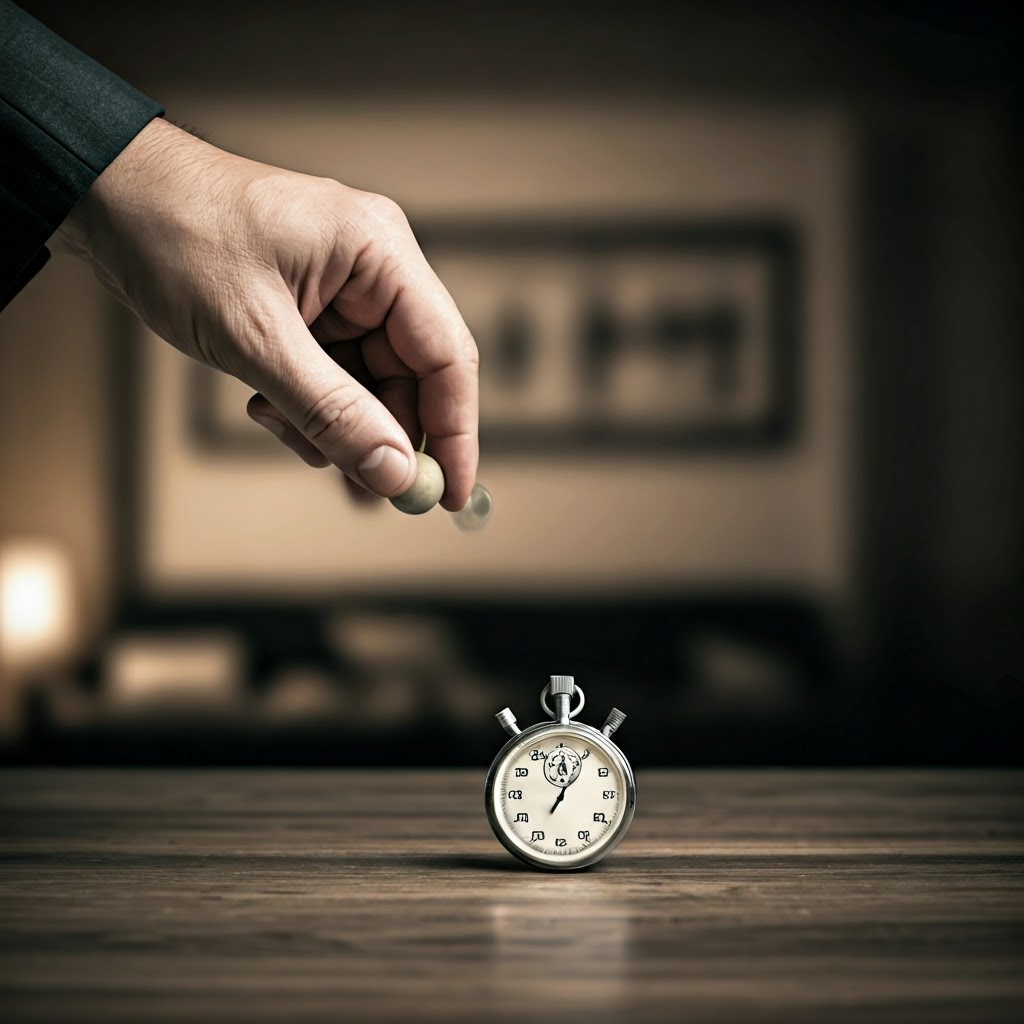
Galileo timed rolling balls on ramps centuries ago. Your kitchen test follows the same idea, showing how uniform gravity feels near Earth’s surface.
Gravity in Motion: Playgrounds, Sports, and Falling Objects
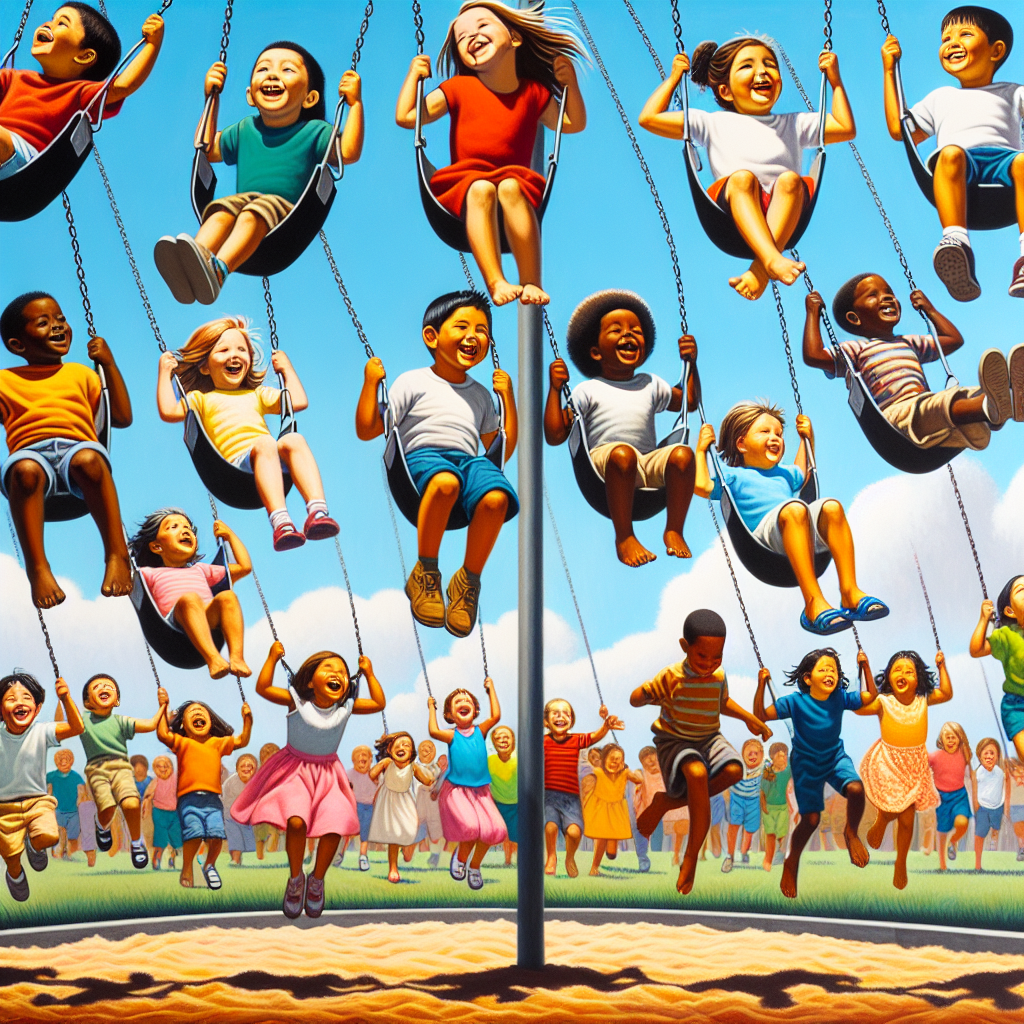
On swings, gravity slows each upward arc and pulls you back down. A basketball rises, pauses, then curves earthward. That curved path—a parabola—is gravity shaping the ball’s flight.
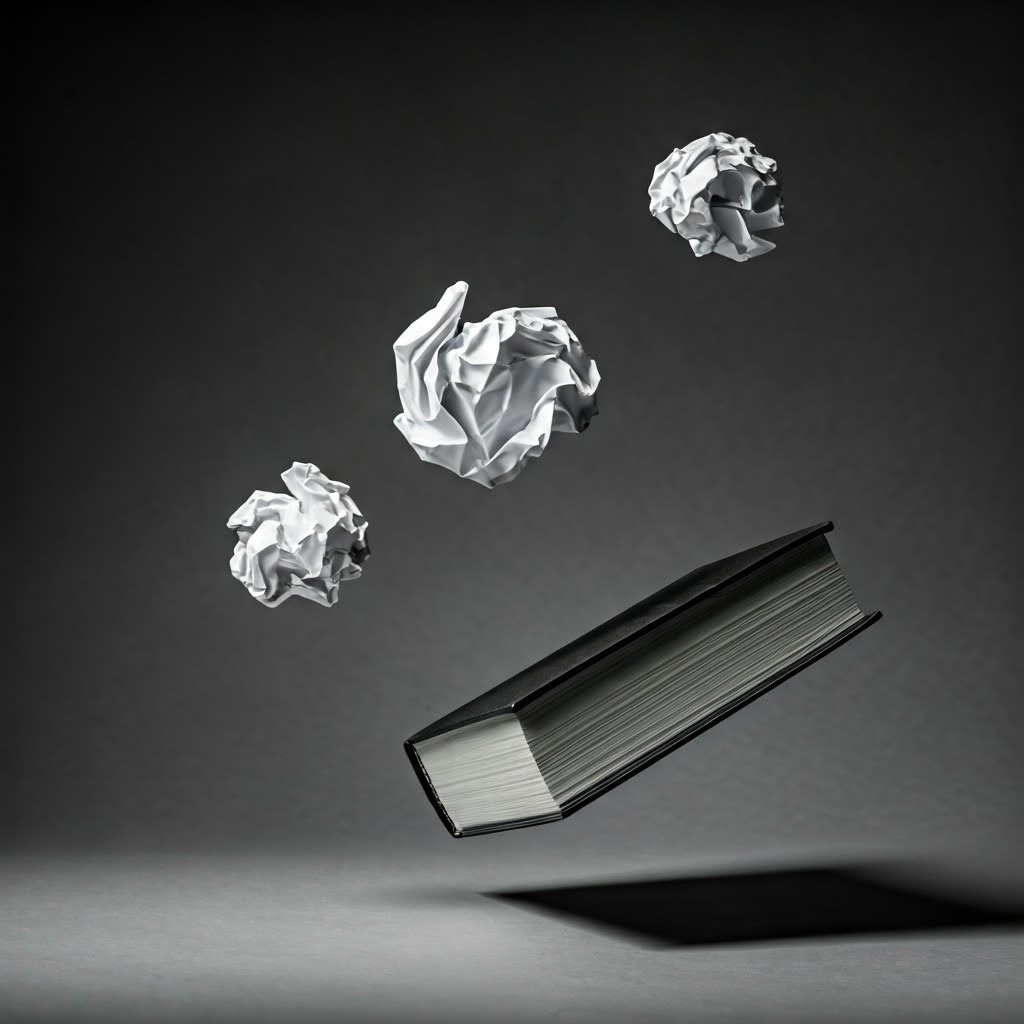
Drop a book and a crumpled paper: they land together if air drag is small. Galileo proved equal acceleration for all masses, and Apollo astronauts repeated the hammer-feather test on the airless Moon, confirming this surprising fact.
From Newton to Einstein: A Quick Trip Through Gravity’s History
Newton’s law linked apples and planets with one rule: masses attract each other. He mapped the motion but not the mechanism.
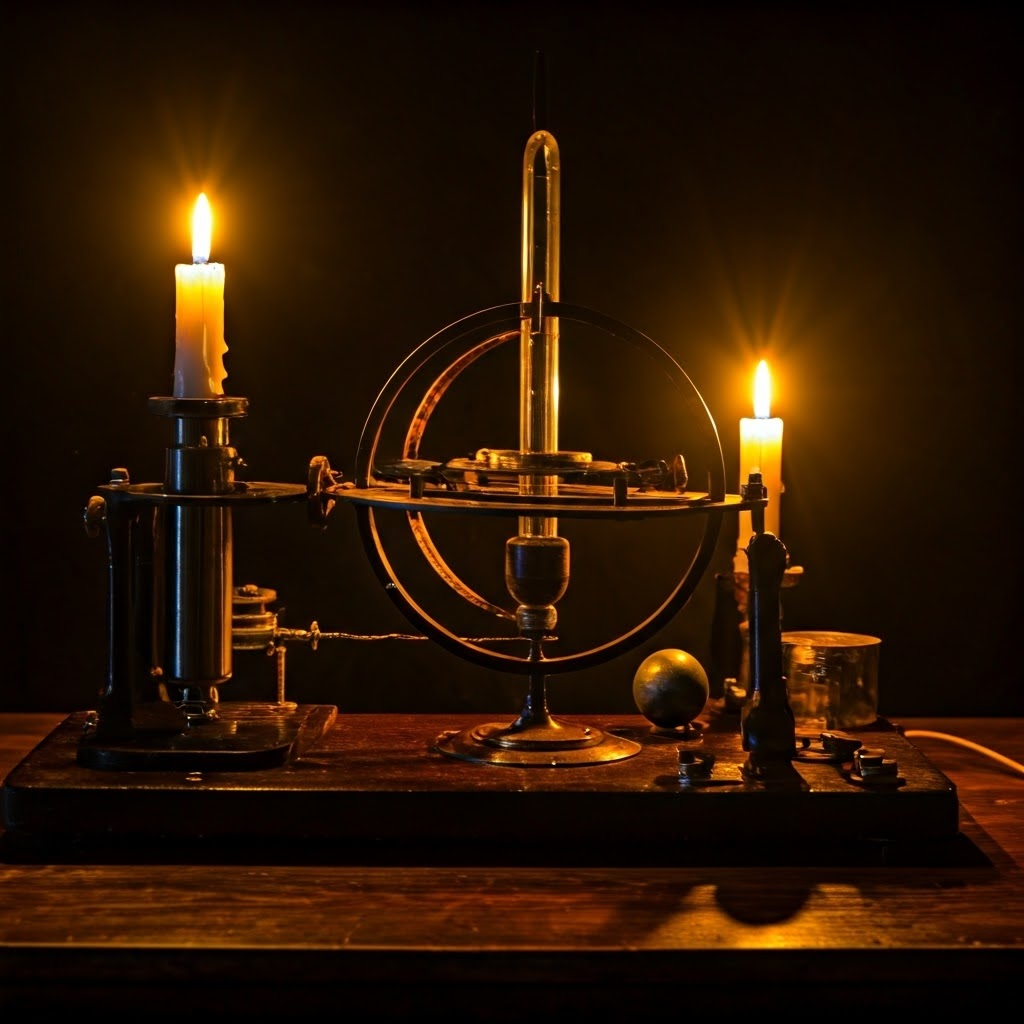
Cavendish later weighed Earth using small lead spheres. His torsion balance showed gravity’s tiny pull between objects, letting him estimate Earth’s mass.
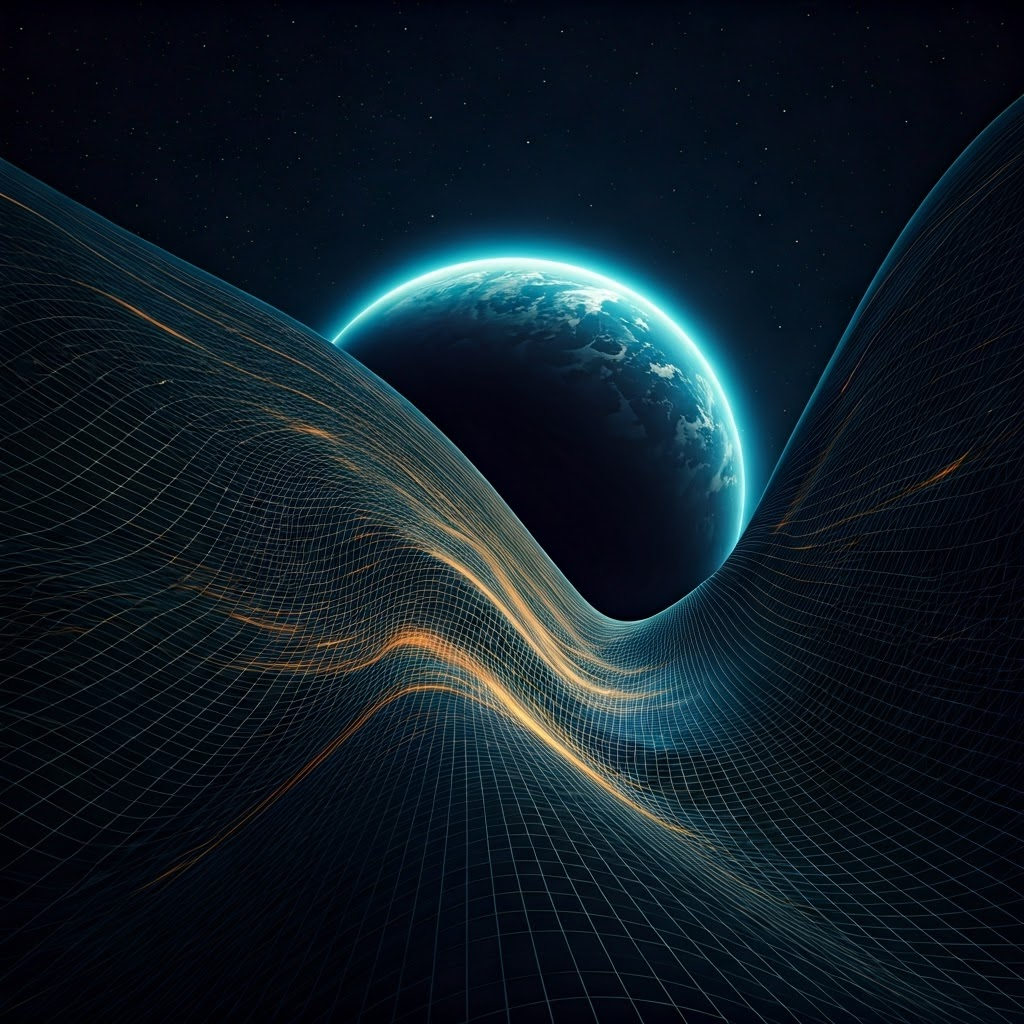
Einstein reimagined gravity as warped spacetime. Objects follow those curves rather than feeling a tug. This explains light bending near the Sun and clocks ticking slower on mountains. Yet in daily life the effect feels the same—keeping your feet firmly on the ground.
Gravity holds the Moon, shapes your stride, and lets you test physics in your kitchen. The silent force never takes a day off, anchoring every move you make.
