
What Is a DAO, Really?

You can see a DAO as a group chat that controls a bank account, guided by open-source rules written in code. Members suggest ideas and vote on spending, missions, or updates. The blockchain’s smart contracts carry out the outcome automatically, so trust shifts from people to software.
Picture a housing co-op. Residents vote on rent, repairs, and new policies. In a DAO the same process runs online. Payments move instantly with digital currency, and the code enforces the results. This setup removes the need for a chairperson or endless paperwork.

With DAOs, anyone with an internet connection can join from anywhere. Boundaries dissolve across countries, time zones, and cultures. The heart of a DAO combines shared resources—digital funds—and community votes. Transparent code glues everything together and keeps the game fair for every participant.
The DAO That Changed Everything

In 2016 a project simply named The DAO kicked off on Ethereum. Supporters pooled over $150 million in ETH within weeks. It looked like a borderless venture fund. Token holders proposed projects and voted on where the money should go. Participation felt thrilling and new.
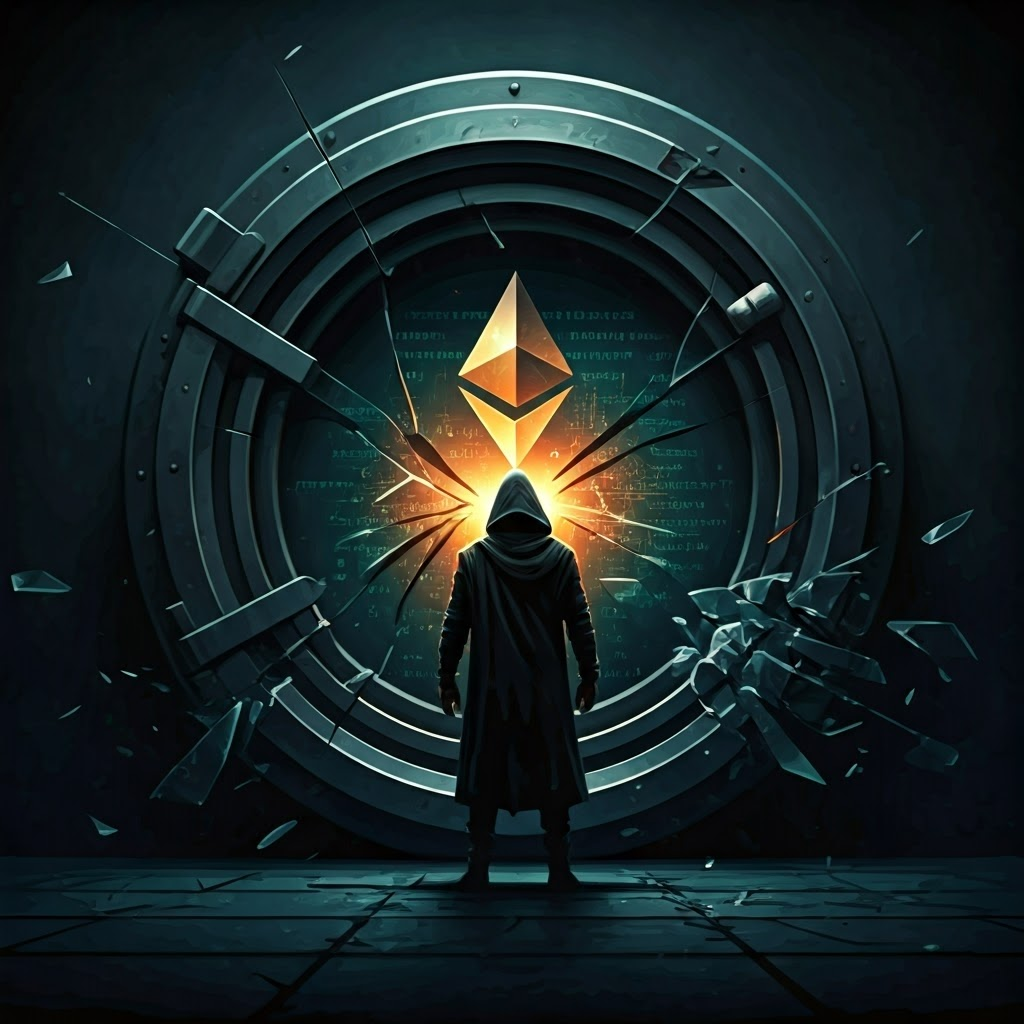
A hidden bug let an attacker quietly drain funds. Panic followed. The Ethereum community chose to roll back the blockchain with a hard fork to recover the money, while a minority stayed with the original chain—now called Ethereum Classic. The episode exposed security risks yet proved collective decision power.
How DAOs Work: The Basics
At their core, DAOs rest on three pillars that keep operations orderly and open.
- Smart contracts are programs on a blockchain. When a vote passes, they release funds or update rules automatically, like a vending machine that never jams.

- Governance tokens act as membership badges. Hold more, and your vote usually carries more weight. Members can earn, buy, or receive them for work.

- Community voting turns proposals into action. If enough holders vote yes, the contract executes. The process can feel slow, yet it keeps every move transparent.

These elements work together so a DAO can run without a central leader. Anyone may propose an idea. The group debates, votes, and watches the code enforce the result—efficient yet sometimes messy.
Why Bother? The Promise and the Problems

Supporters praise DAOs for transparency. Every vote and fund transfer lives on the blockchain, open to inspection. Open access lets anyone join, fork, or study the code. The model hints at organizations that manage themselves fairly across borders.
Yet DAOs face real hurdles. Coordination is hard; strangers need incentives to act. Bugs or attacks can empty treasuries. Voter apathy and token whales can skew outcomes. Legal systems lag behind, leaving gray areas for accountability.

Even with bumps, DAOs give us a fresh toolkit. Anyone can propose, vote, and witness the outcome in real time. This blend of code and community may not replace traditional structures yet, but its experimentation keeps pushing ideas about how we work together online.
