
Meeting the Gods: How Ancient People Made Sense of the World
Why Spirits and Gods?
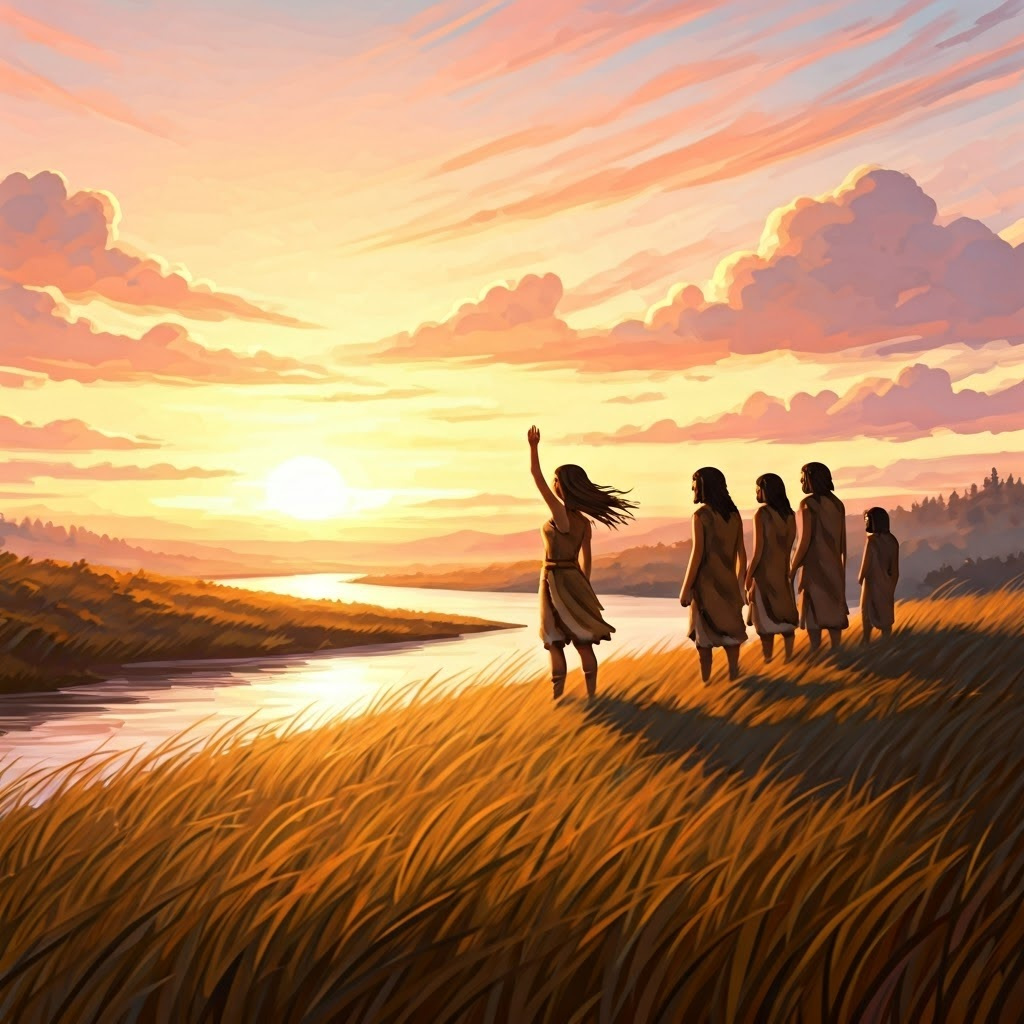
Early humans lived under open skies and felt every sound or shadow carried meaning. A storm seemed like a warning, a river’s flood like raw power speaking. Animism grew from this view, claiming wind, rain, animals—even stones—hold spirit.
If you ever thanked a tree for shade, you share that instinct. Animism wasn’t a modern religion; it was a full-time way of seeing the world as one big family—some relatives just more mysterious than others.
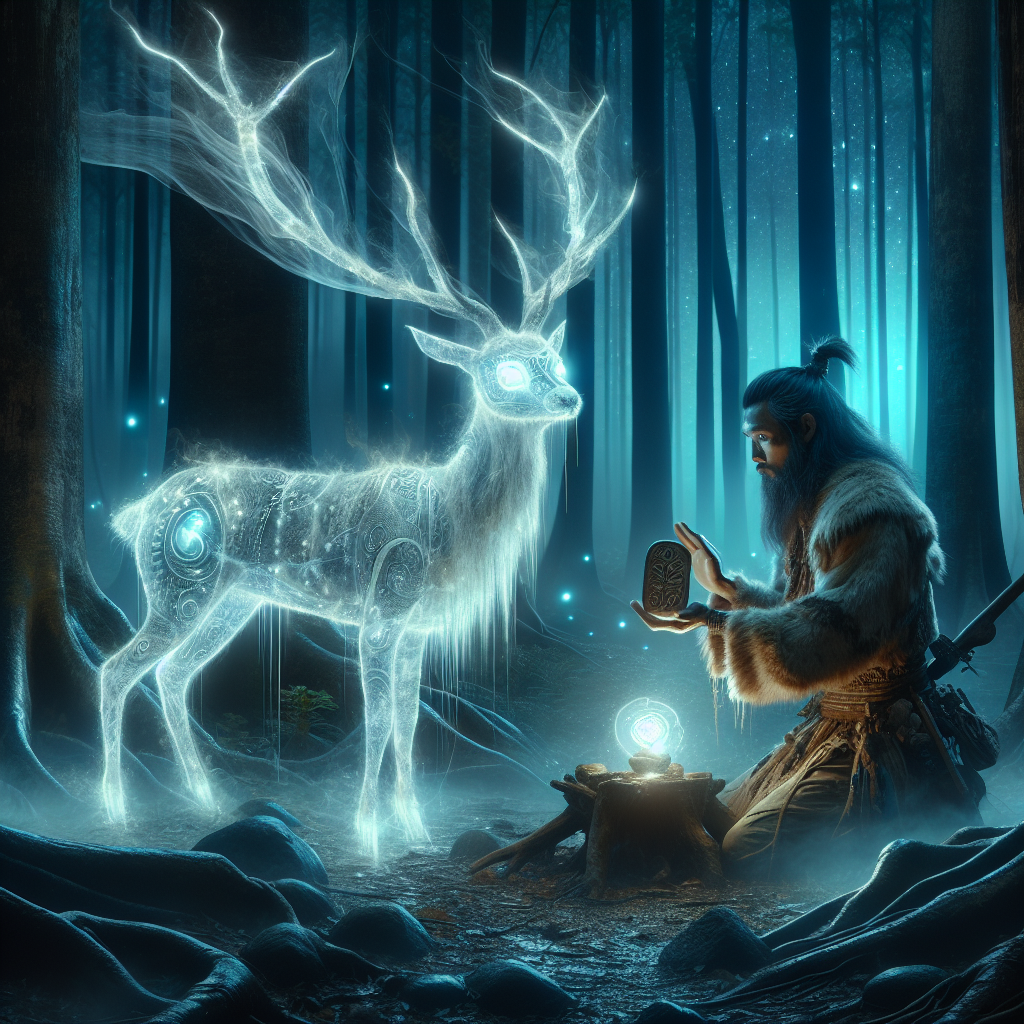
Anthropologist E. B. Tylor argued animism was likely the first spiritual idea because it explained what early science could not—why things happen, why life hurts, why life returns. Believing everything has a spirit eases grief: nothing is ever fully gone.
This belief also helped survival. Hunters who felt deer had spirits treated them with respect, hoping goodwill would bring future success. Animism offered order amid chaos, giving people a sense of influence in a dangerous world.
From Many to One (and Back Again)
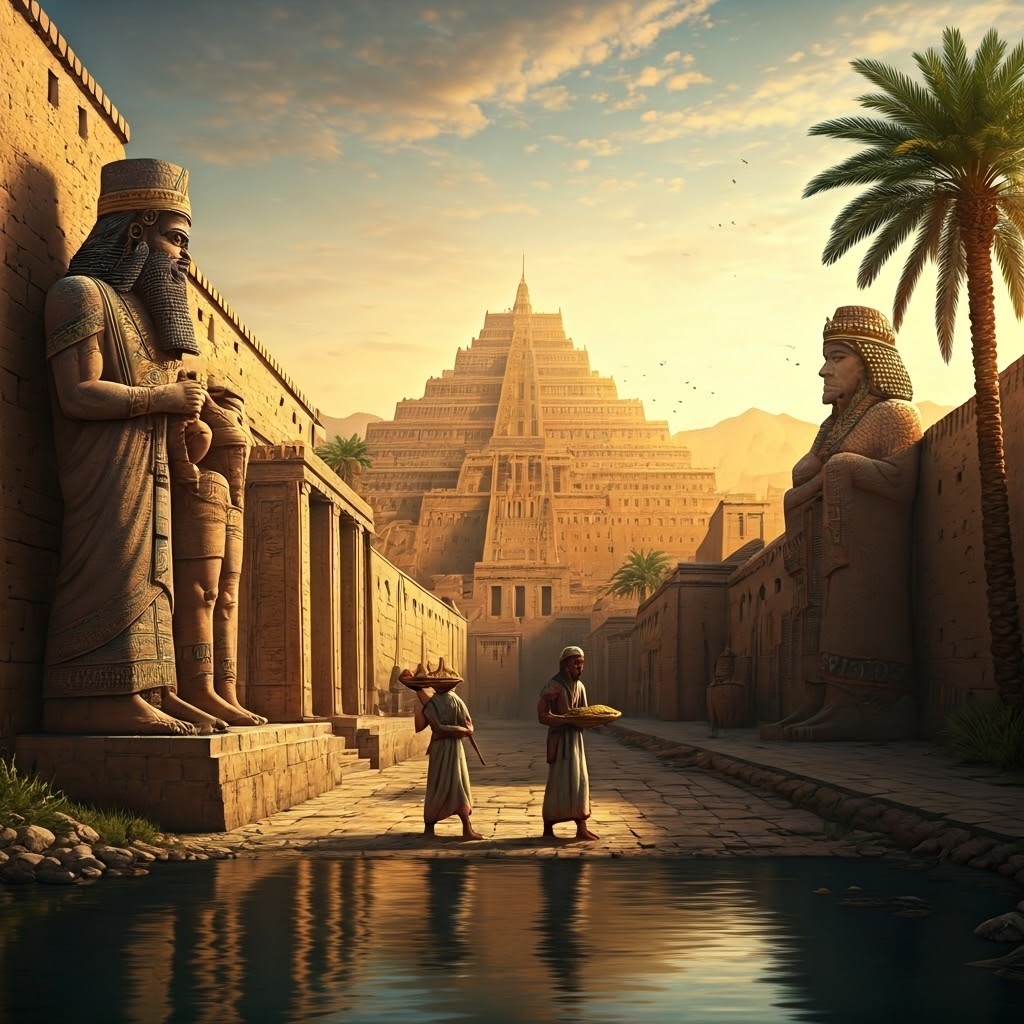
As villages became cities, people needed larger ideas. Polytheism arose—many gods, each handling part of life. In Mesopotamia, Enlil ruled wind while Ishtar governed love and war. Egypt had Osiris for the afterlife, Ra for the sun, Horus for kingship.
Polytheism proved practical: a god for every problem meant you always knew whom to ask. Myths blended when cultures met; Greek and Roman gods swapped names yet kept roles.
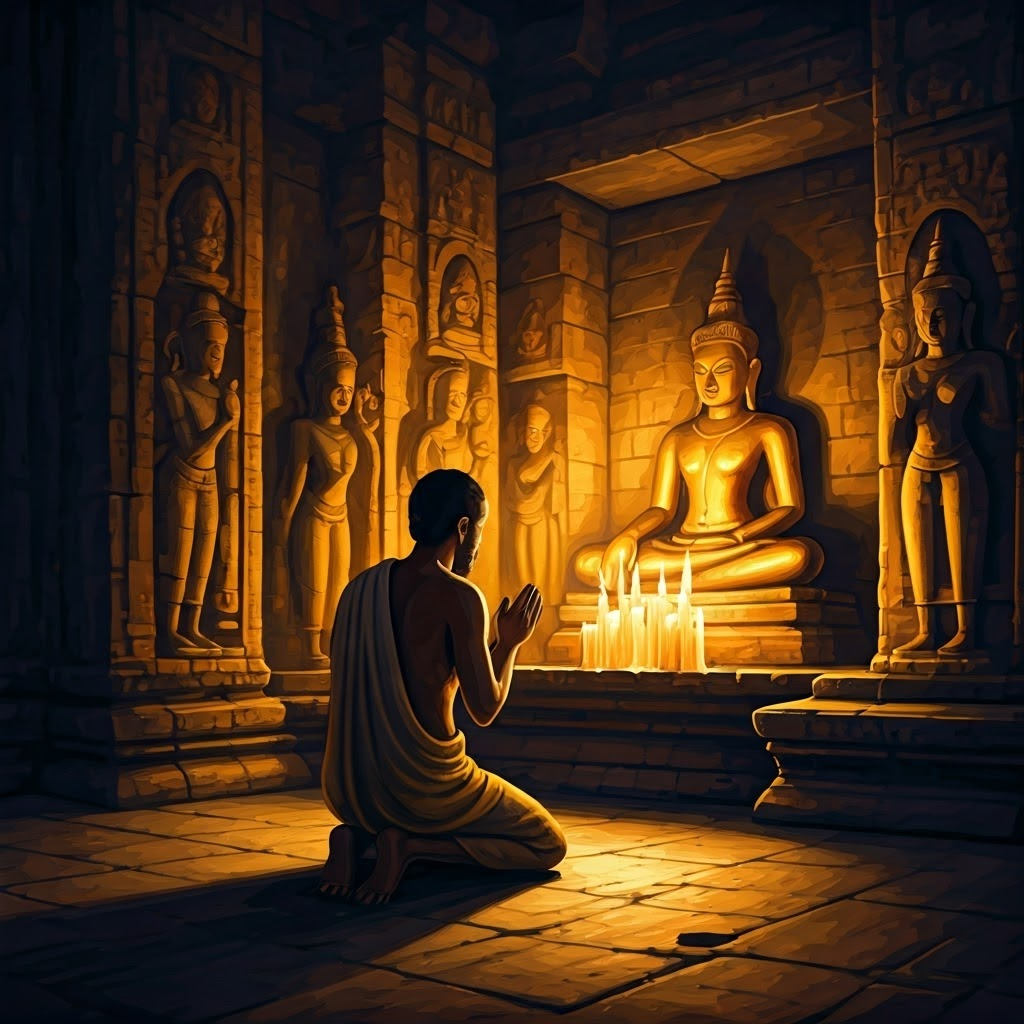
Complex pantheons sometimes felt overwhelming, so people narrowed loyalty to one favored deity—henotheism. Vedic hymns praise many gods but focus on one at a time, much like cheering a favorite team. Eventually, traditions such as Judaism shaped monotheism, centering on a single, supreme god.
Why Did Beliefs Change?
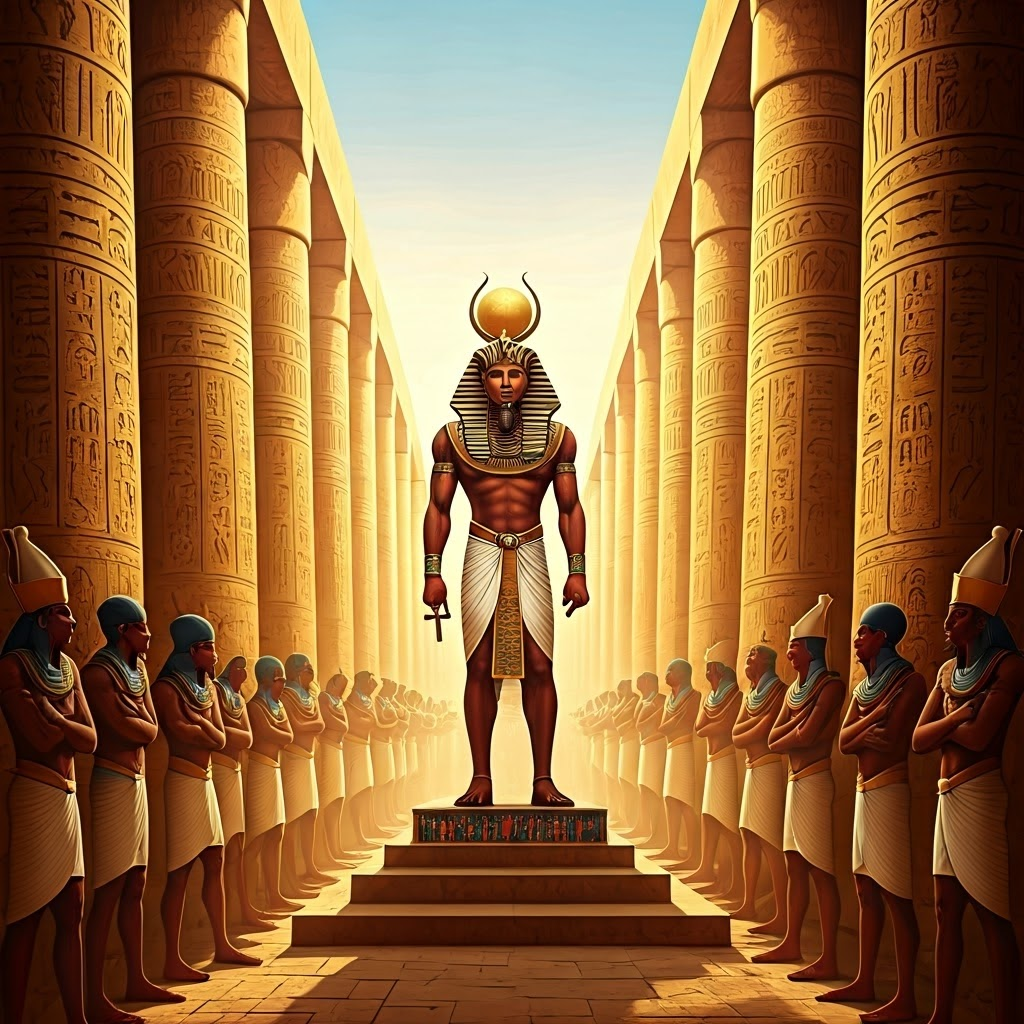
Bigger societies brought bigger issues—law, order, loyalty. Gods evolved from wild forces into judges or kings. Egyptian pharaohs called themselves sons of Ra to weld religion and politics, ensuring everyone respected the same rules and authority.
Myths as Maps
Ask how ancient people understood life, and myths rise as the answer. They acted like manuals. The Epic of Gilgamesh follows a hero who seeks immortality, loses a friend, and learns that meaning lies in effort and companionship.
Egyptian creation stories describe land emerging from chaotic sea, teaching that order is fragile and precious. These tales served as blueprints for society—honor balance, value justice, respect forces larger than yourself.
Myths Aren’t Just Old Stories
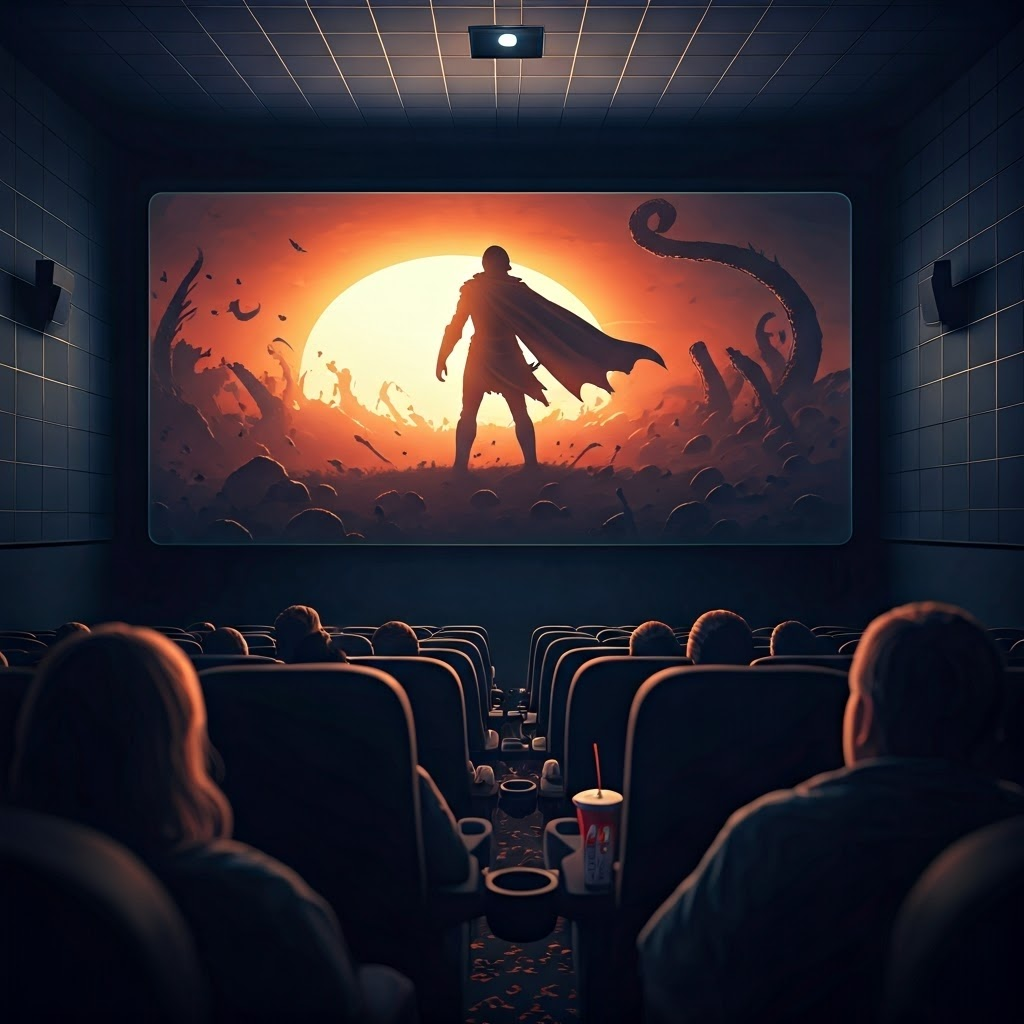
Today’s superhero films echo Gilgamesh and Horus. A hero leaves home, fights monsters, gains wisdom, and returns transformed. When we speak of karma or destiny, we still use ancient tools to frame new problems. Shared stories turn confusion into meaning and strangers into community.
