
Why Things Float, Sink, and Move: The Basics of Fluids

Many of us once asked why objects either float or sink. The core ideas are density and buoyancy. Ice cubes rise in water because frozen water is slightly lighter than liquid water. Oil sits on salad vinegar for the same reason—its density is lower, so it naturally forms a top layer.
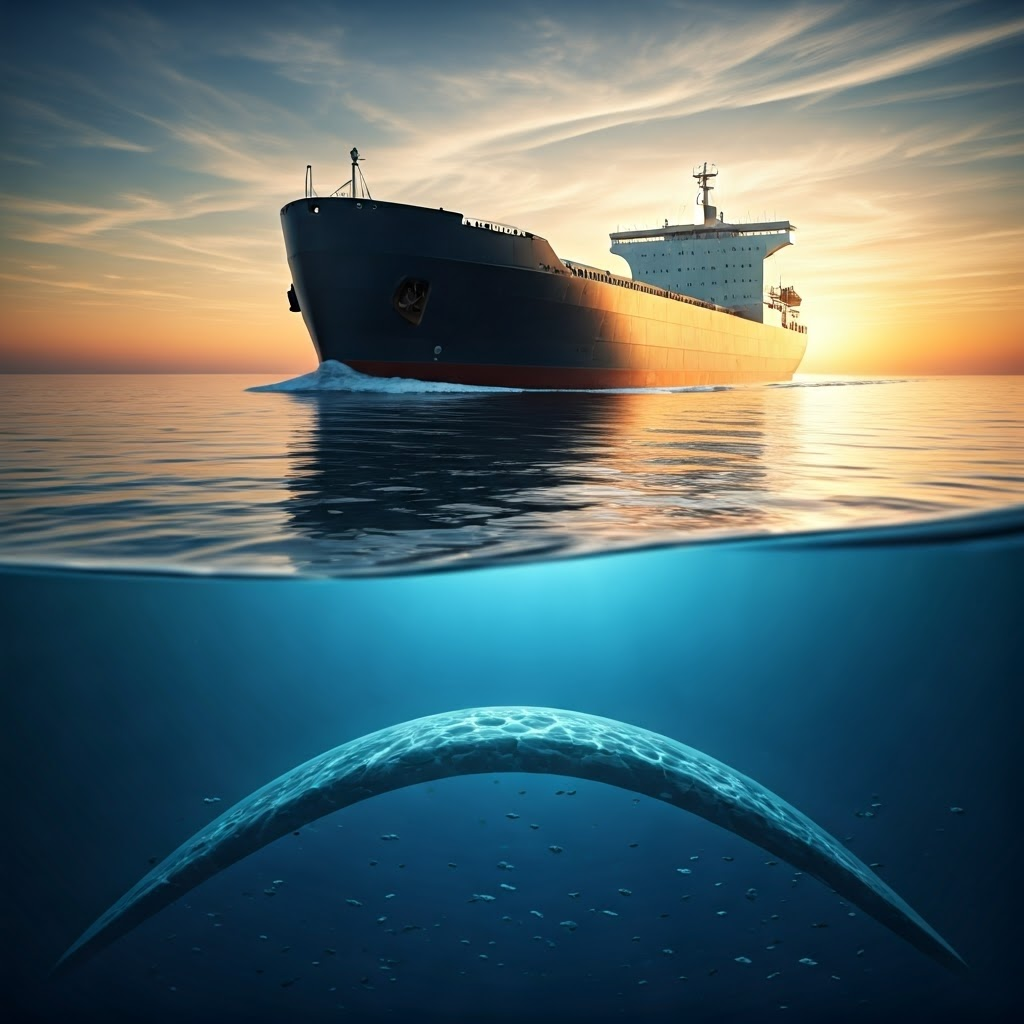
When an object enters a fluid, it pushes some fluid aside. This action—called displacement—links directly to Archimedes’ principle. A boat can be built from steel yet stay afloat because its wide, hollow hull moves enough water aside for the upward buoyant force to match the boat’s weight.
A wooden log floats since wood is less dense than water. A rock sinks for the opposite reason. Try comparing a peeled and unpeeled orange. The peel traps air, lowering overall density, so the fruit stays up. Strip the peel away and the now-denser orange may slide under the surface.

You feel buoyancy whenever you swim. Water pushes upward, easing your weight. Submarines copy this trick. They flood tanks to grow heavier and sink, then blow water out to regain lift. Fish manage the same effect with a gas-filled swim bladder.

Pressure: The Push You Don’t See
Fluid pressure is force spread across an area, and it acts in every direction. Dive deeper in a pool and the squeeze on your ears grows because more water piles overhead. Every 10 m down adds roughly one extra atmosphere of pressure, so deep-sea gear must withstand this steady increase.
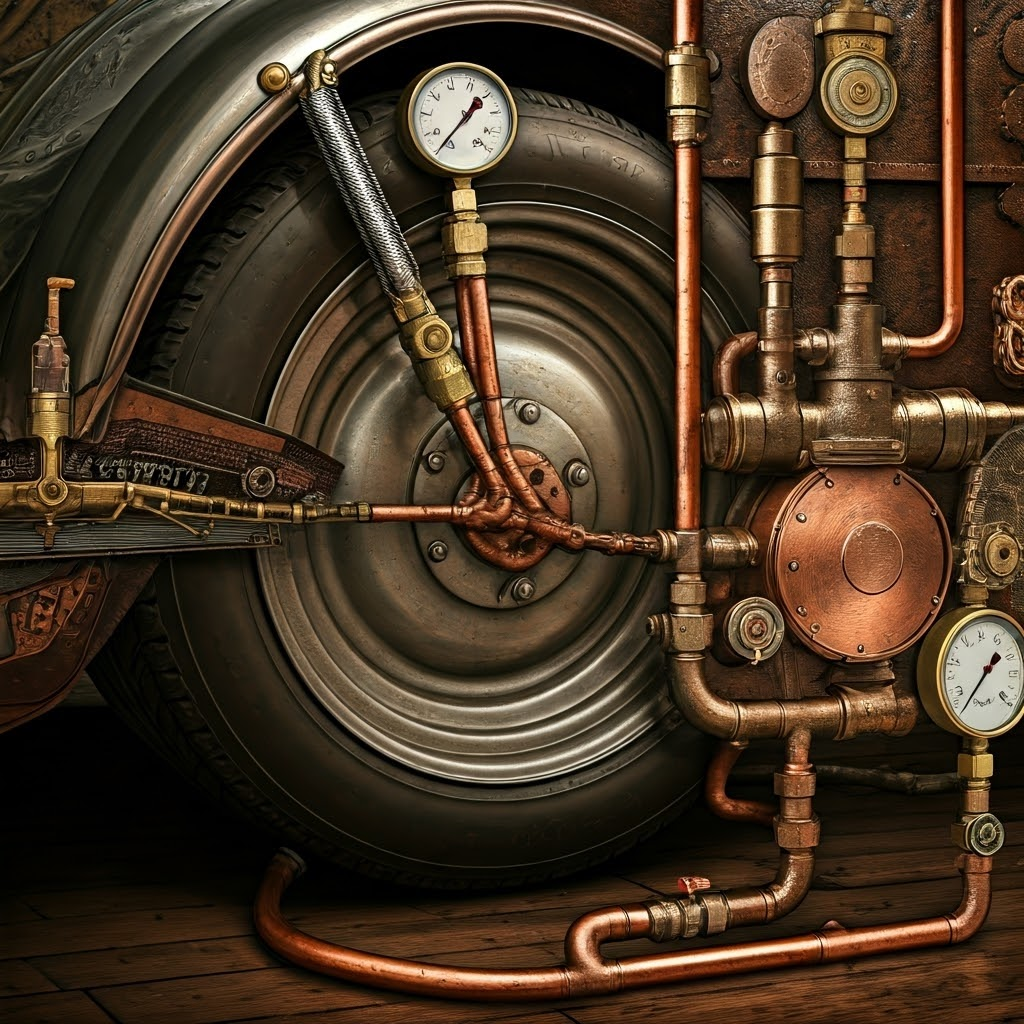
Pressure also keeps tires firm and water flowing from taps. Pump air into a tire and compressed gas presses on the rubber, keeping your ride smooth. Household plumbing works similarly—high pressure drives water through pipes, so a faucet opens into a steady stream.
In 1643, Evangelista Torricelli built the first barometer. By balancing a column of mercury against atmospheric weight, he proved that air itself has mass and presses on us. Today’s weather forecasts still rely on the changing pressures Torricelli first measured.
You notice pressure shifts whenever your ears pop on a flight or a snack bag balloons at high altitude. Using a straw echoes the same rule: lower pressure inside the straw lets outside pressure push your drink upward.
Sensing Pressure All Around
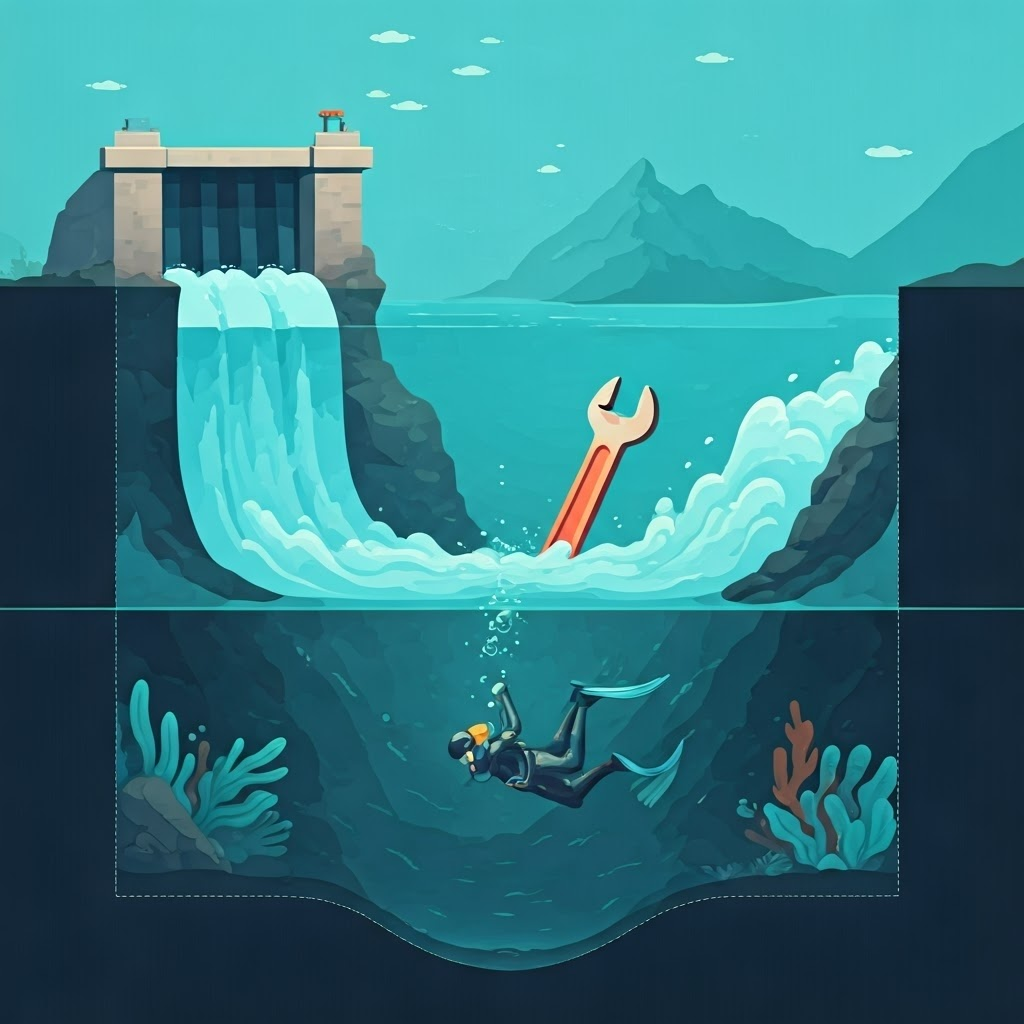
From dams that thicken toward their base to scuba divers planning safe ascents, engineers closely watch how pressure changes with depth and direction. Understanding density, buoyancy, and pressure turns curious observations—floating oranges, popping ears, rushing faucets—into clear, reliable rules about how our fluid world works.
