
Where Water Works: The Basics and Beyond

The Water Cycle: Nature’s Endless Loop
Picture rain falling on your window. The drops gather, flow into gutters, and head for nearby streams. They keep moving toward lakes and oceans. Warm sunlight lifts some of this water back into the air as vapor. Clouds form, and soon the cycle begins again.

The sun acts like an engine, lifting water skyward. Vapor stores energy, then releases it when rain or snow falls. Gravity takes charge, pulling each drop downhill. Every rushing creek or fresh puddle shows gravity quietly completing its work.
How Gravity Gets Things Moving
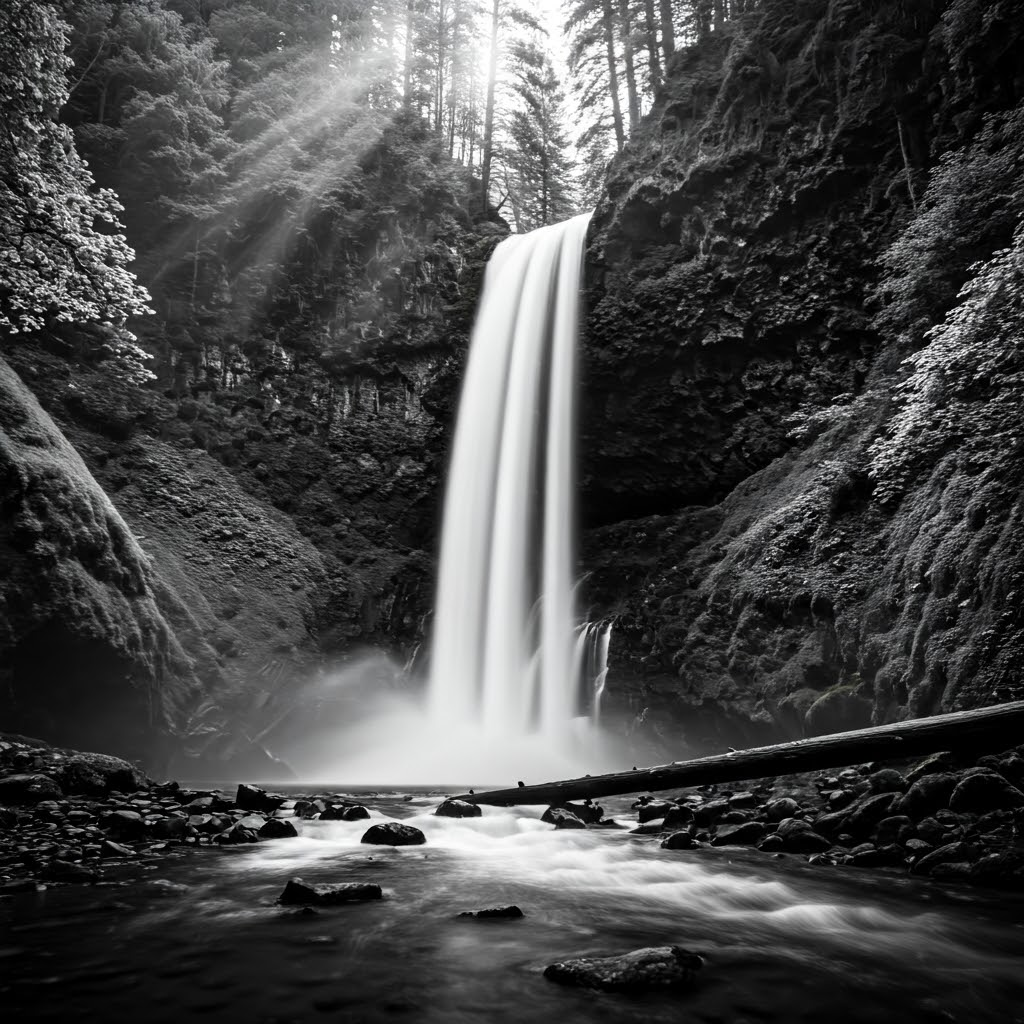
Gravity is always on duty. Water travels downhill, never up. Steeper slopes make streams race faster. High water holds more potential energy. As it falls, that stored power turns into kinetic motion.
Stand by a waterfall after rain. Water at the lip brims with stored force, then crashes down in a loud surge. A slow river does the same job over a longer path. The greater the drop, the more energy we can harness for hydropower.
Turning Flow into Power: Hydropower Types
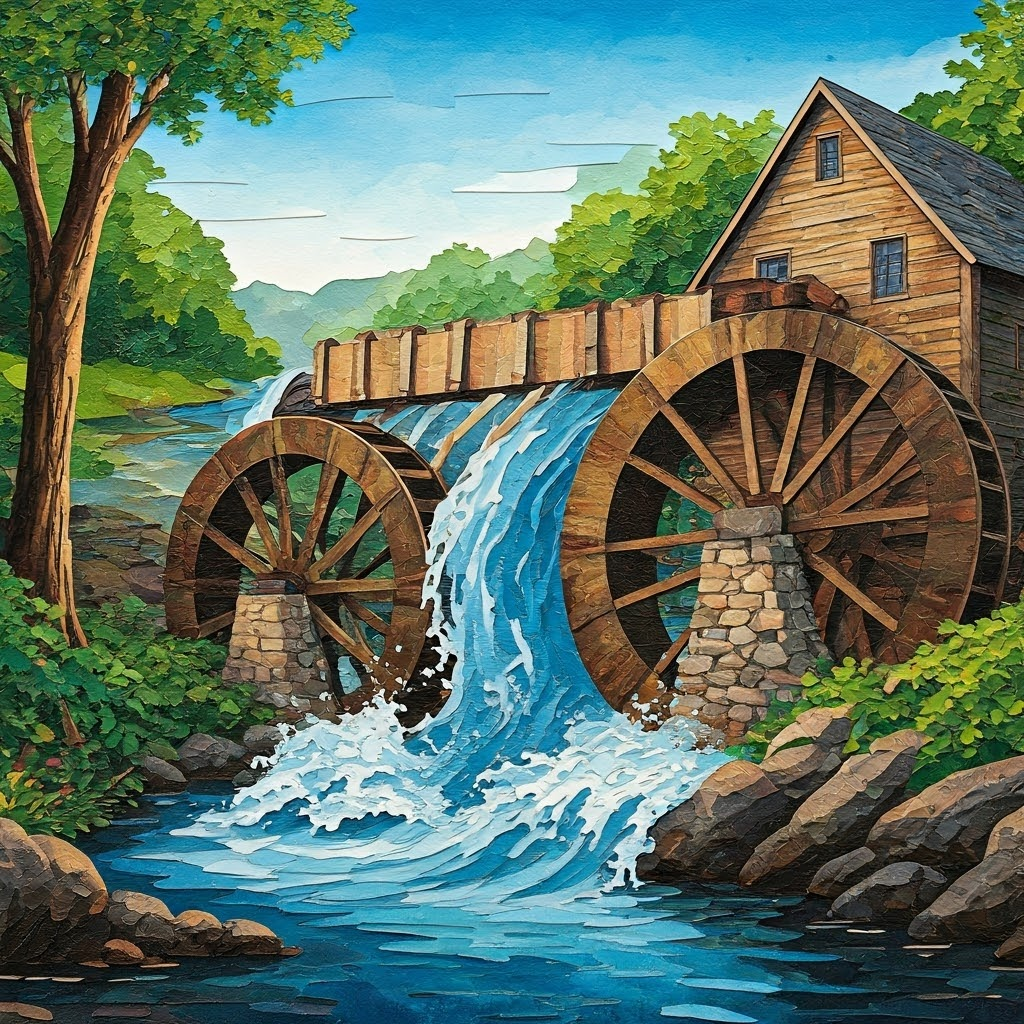
Early mill wheels crushed grain. Today, advanced turbines spin for electricity. We capture moving water in three key ways: dams, run-of-river setups, and pumped-storage plants.
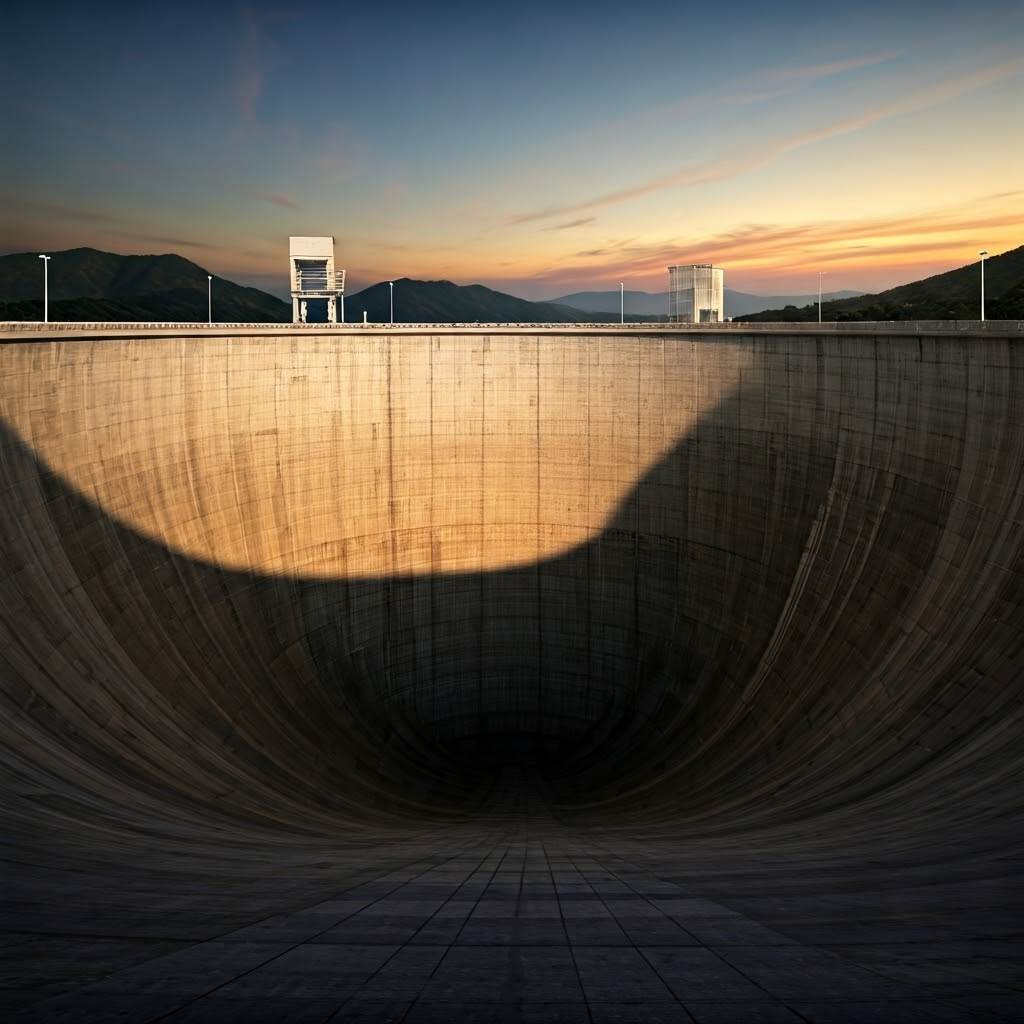
A dam blocks a river, forming a deep reservoir. Penstocks guide pressurized water to turbines that spin generators. Hoover Dam stands as a towering example of this method.
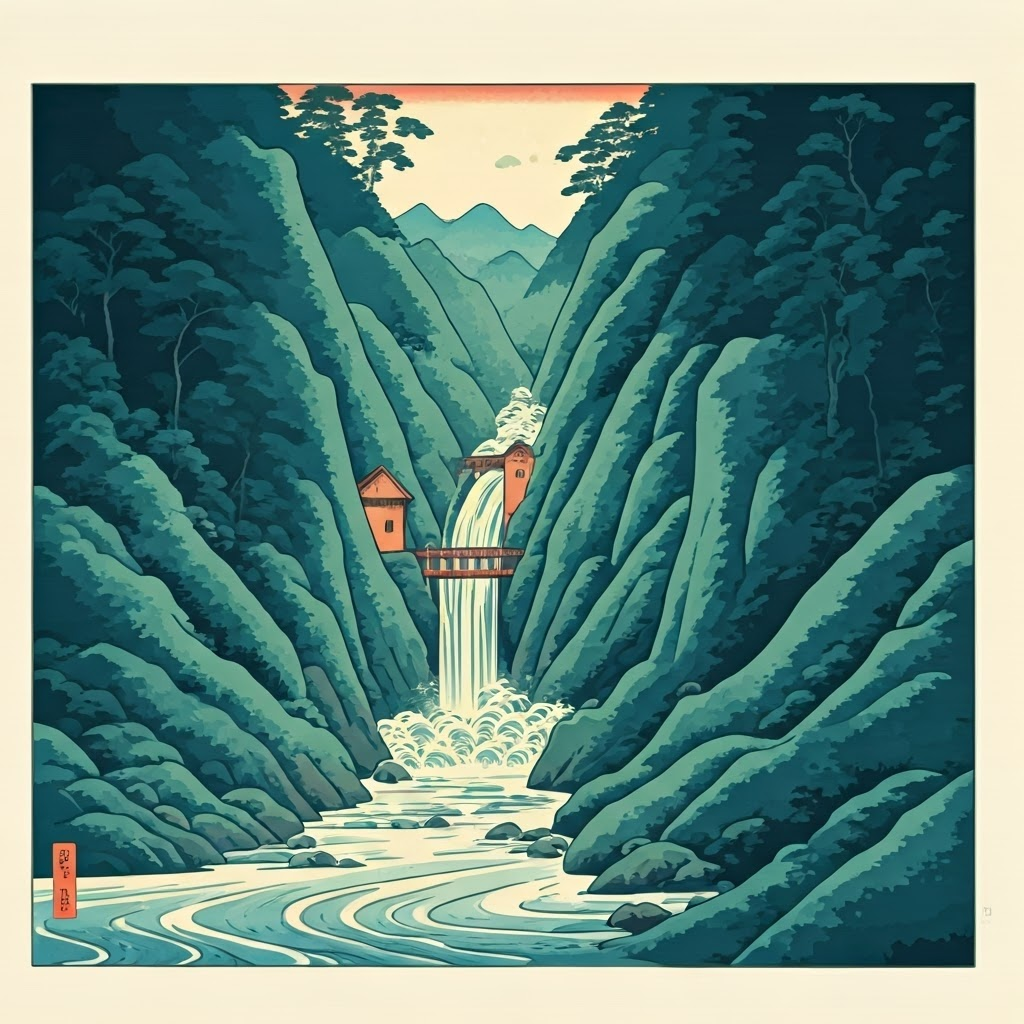
Run-of-river plants skip large storage. They divert part of a stream through a pipe, drop it to a turbine, and return it downstream. These systems stay small, flexible, and often eco-friendly.
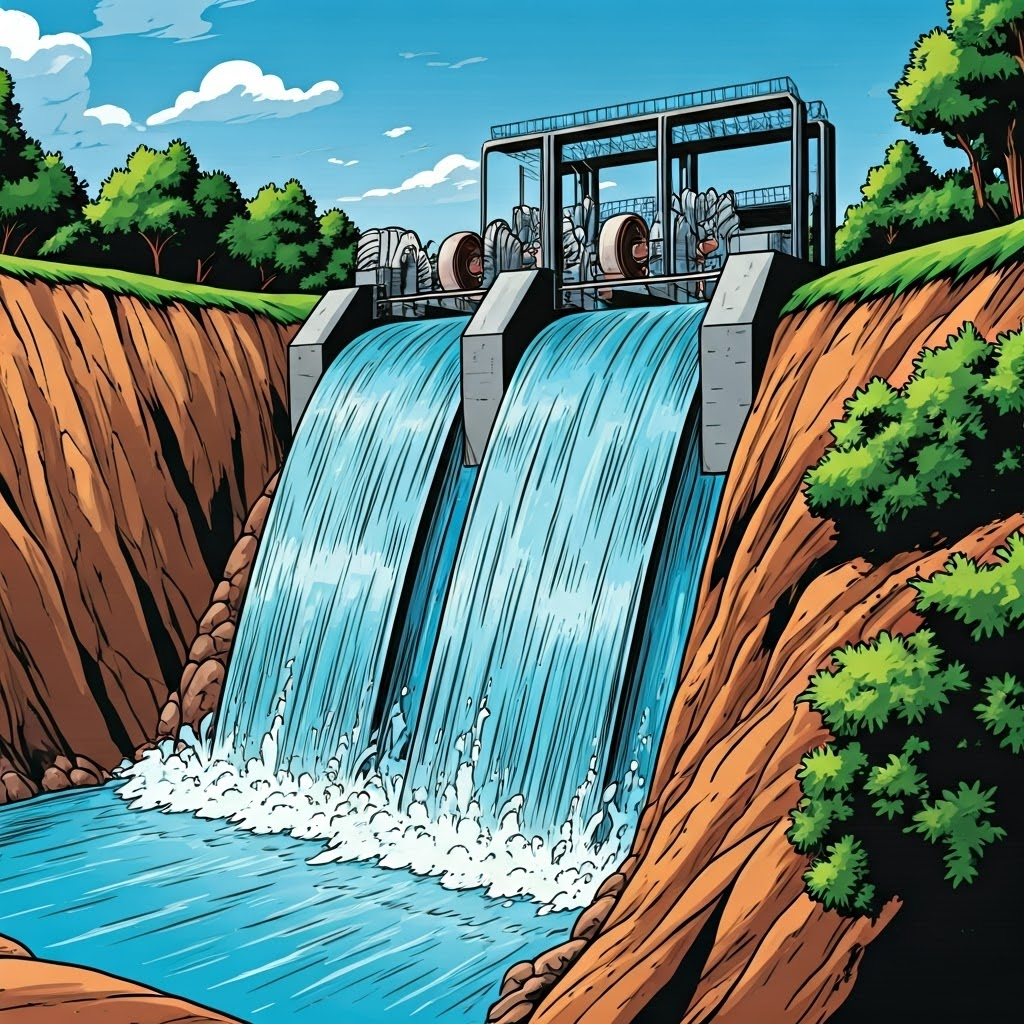
Pumped-storage works like a giant battery. Spare grid power pumps water uphill to an upper pool. Later, gravity releases that water to spin turbines when demand peaks. Sites such as Bath County store energy for millions.
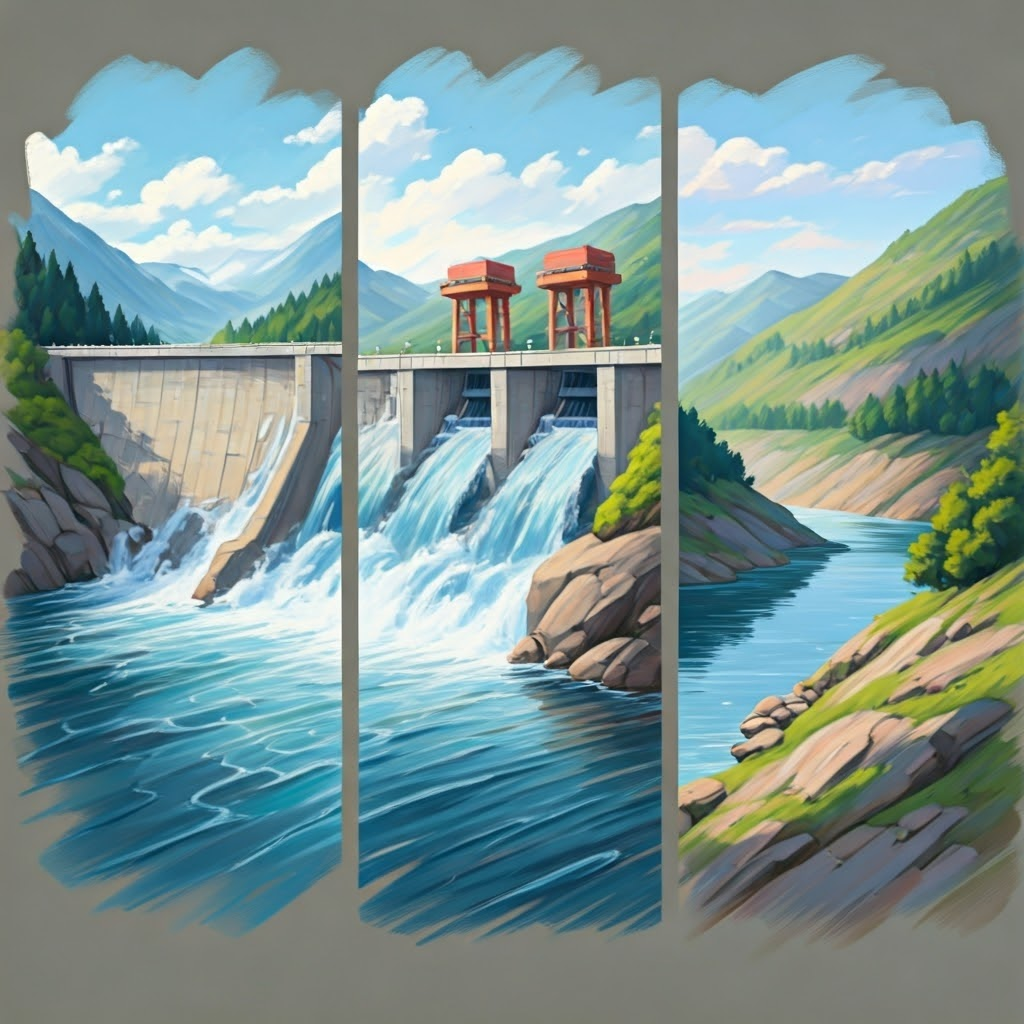
Engineers choose a setup by studying river flow, land space, wildlife, and local power needs. Small hidden plants may serve mountain towns, while huge dams light entire cities. Pumped-storage now balances the ups and downs of renewable energy.

Flowing Energy in Everyday Life
Flip a switch and you tap water’s long journey from rain to river. Each hydropower system turns that motion into usable electricity. The tools evolve, yet the lesson stays clear: falling water remains one of Earth’s cleanest, oldest energy sources. Next time it rains, remember—those drops are already on their way to powering something near you.
