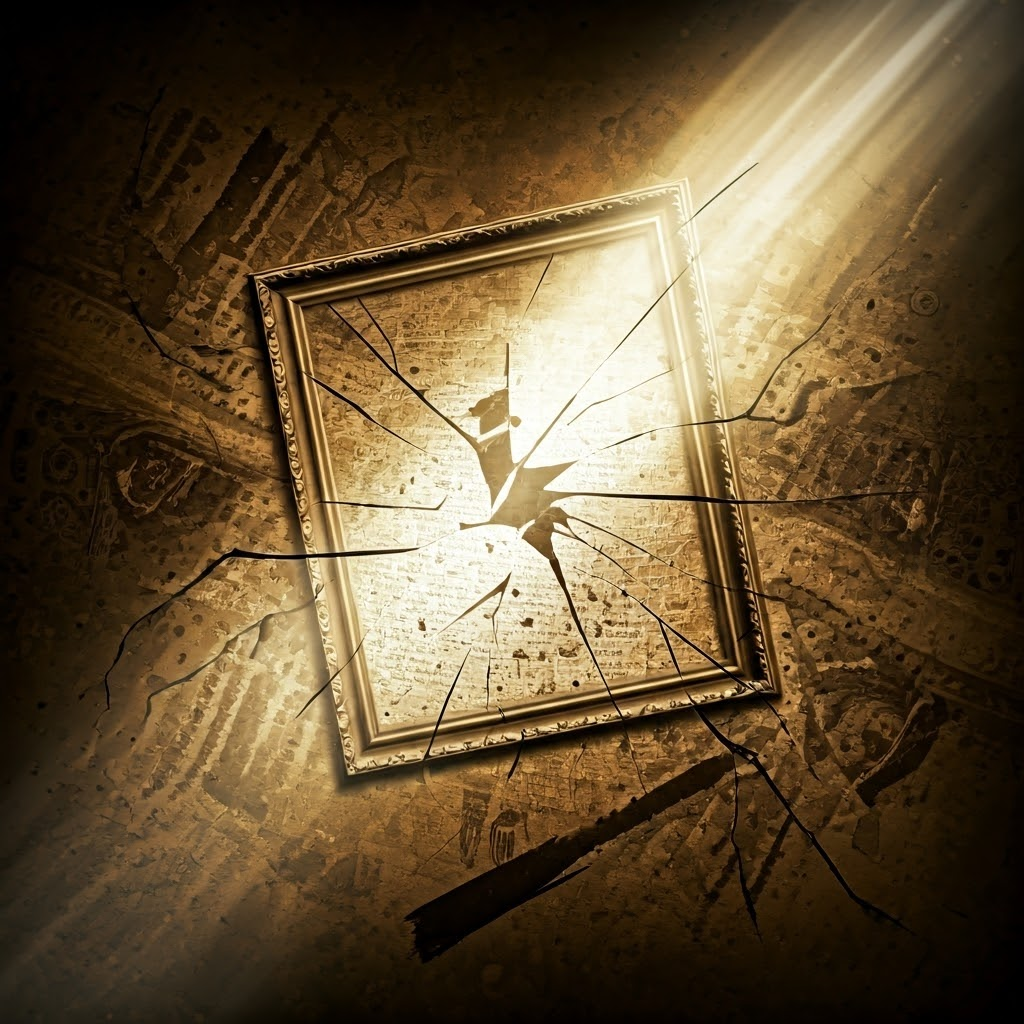
Breaking the Frame: How Colonization Shaped and Shattered Art
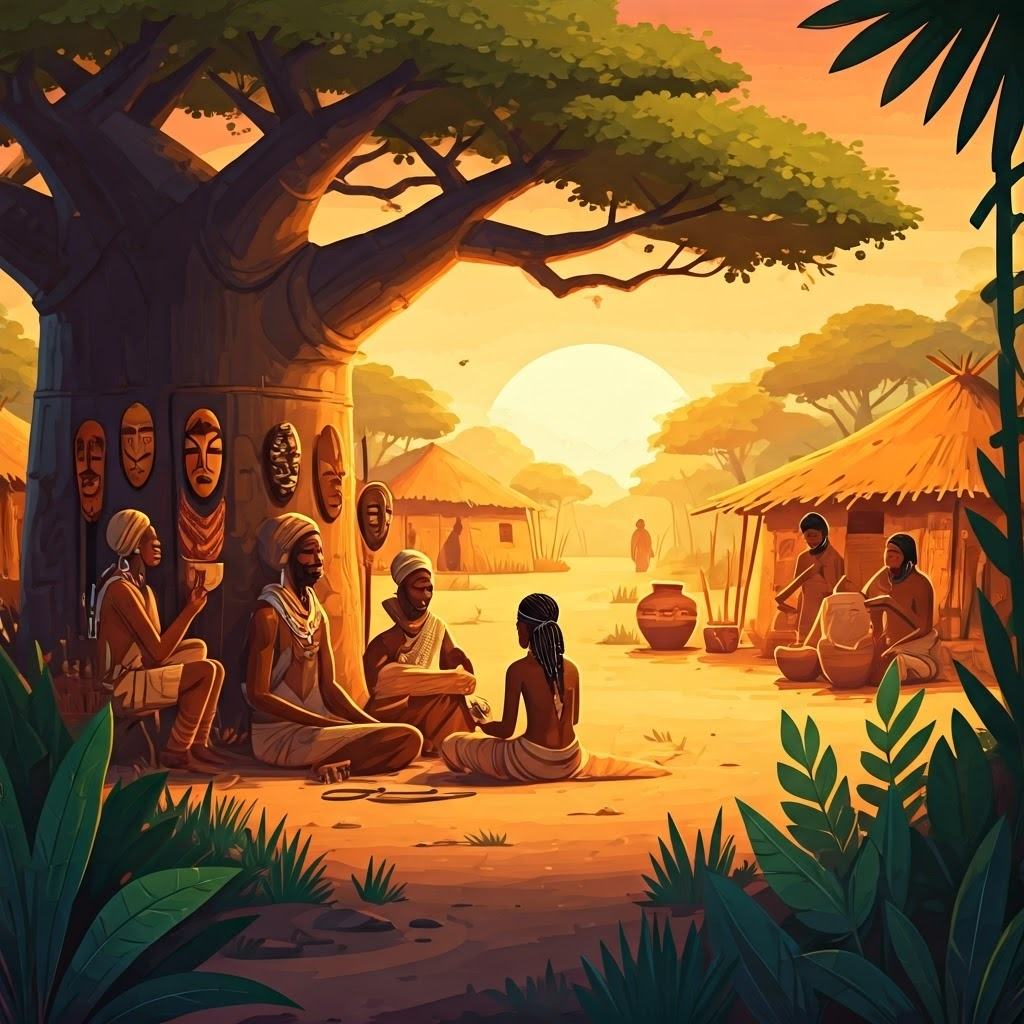
The Old Rules: Art Before and After Colonization
Pre-colonial art and literature lived inside everyday life. In West Africa, public storytelling and symbolic masks bonded the community. Across the Americas, Indigenous pottery, weaving, and earthworks mapped land and faith. Each creation followed local rules shaped by landscape, belief, and memory.
Colonization disrupted that flow. European powers seized not just land but culture, imposing their standards through schools and missions. European art, language, and literature became the enforced norm.
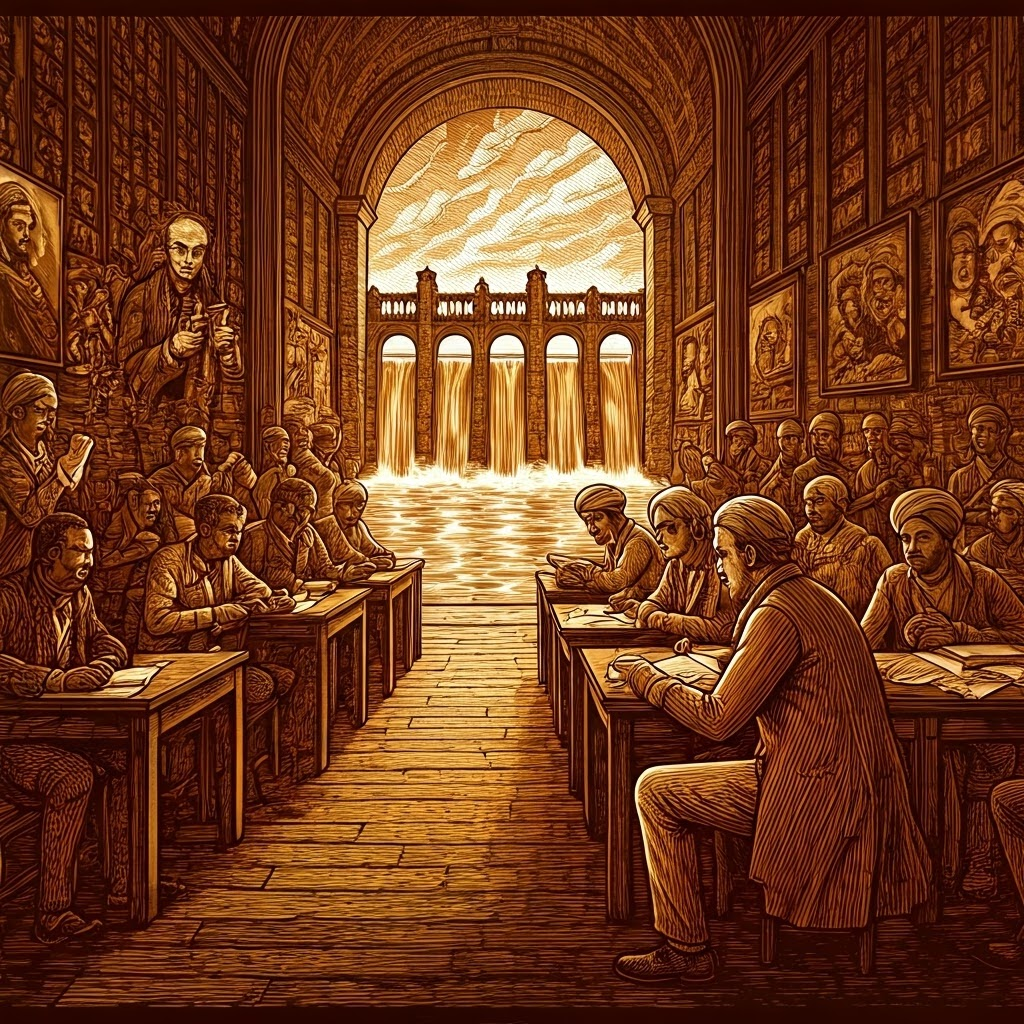
Colonizers called local traditions “primitive” and often banned them. Exam halls, art academies, and printing presses replaced oral tales and communal craft. Picture a river forced into canals—some streams merge, many are blocked.
Yet artists adapted. African painters placed ancestor faces on Christian saints, and Indian masters blended Mughal finesse with British portraiture. They did not merely copy; they remixed to keep their stories alive, sometimes hidden in plain sight. Collision bred something new.
Oral Traditions and the Written Word
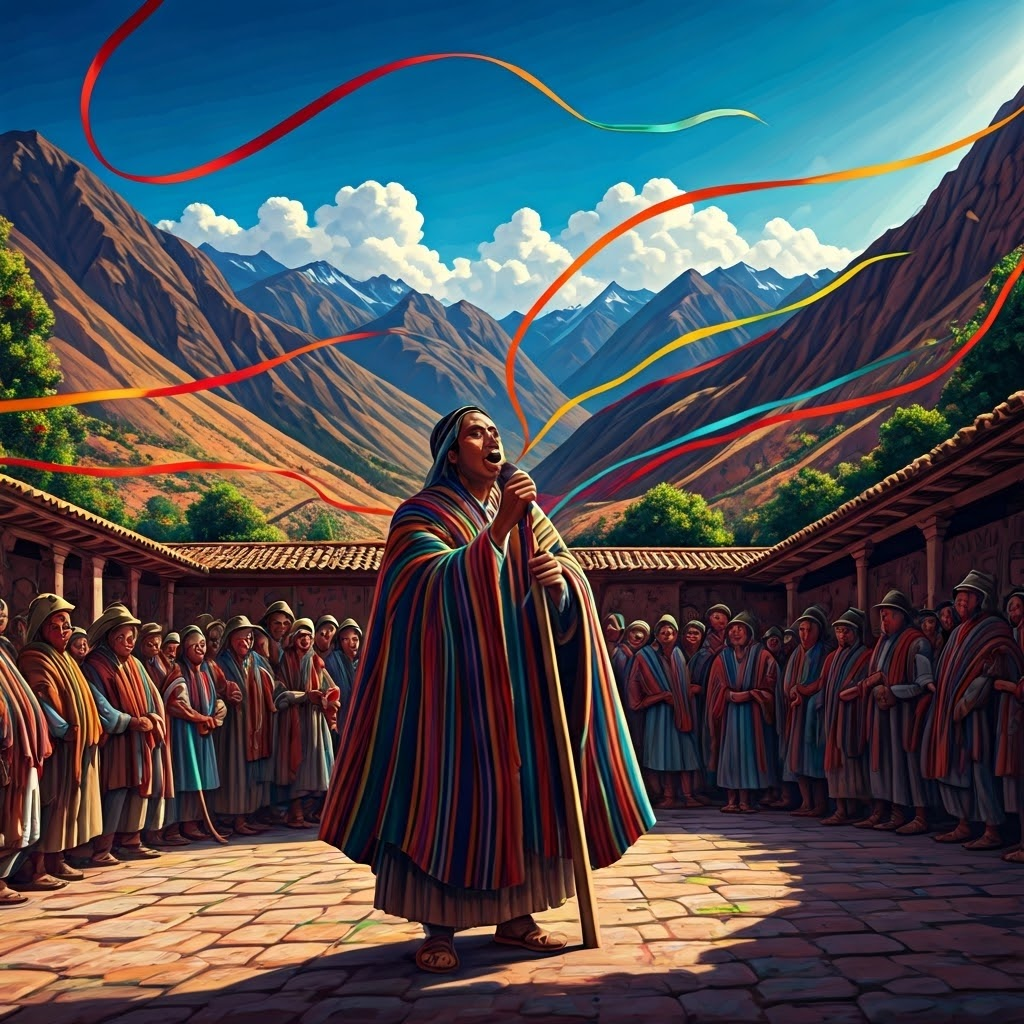
Across Africa and the Americas, oral storytelling glued societies together. A griot in Mali could recite twenty generations, while Andean elders taught through riddles and ritual drama.
Colonization tried to sever this link. Written European languages became the only “real” history. Oral ways survived by adapting.
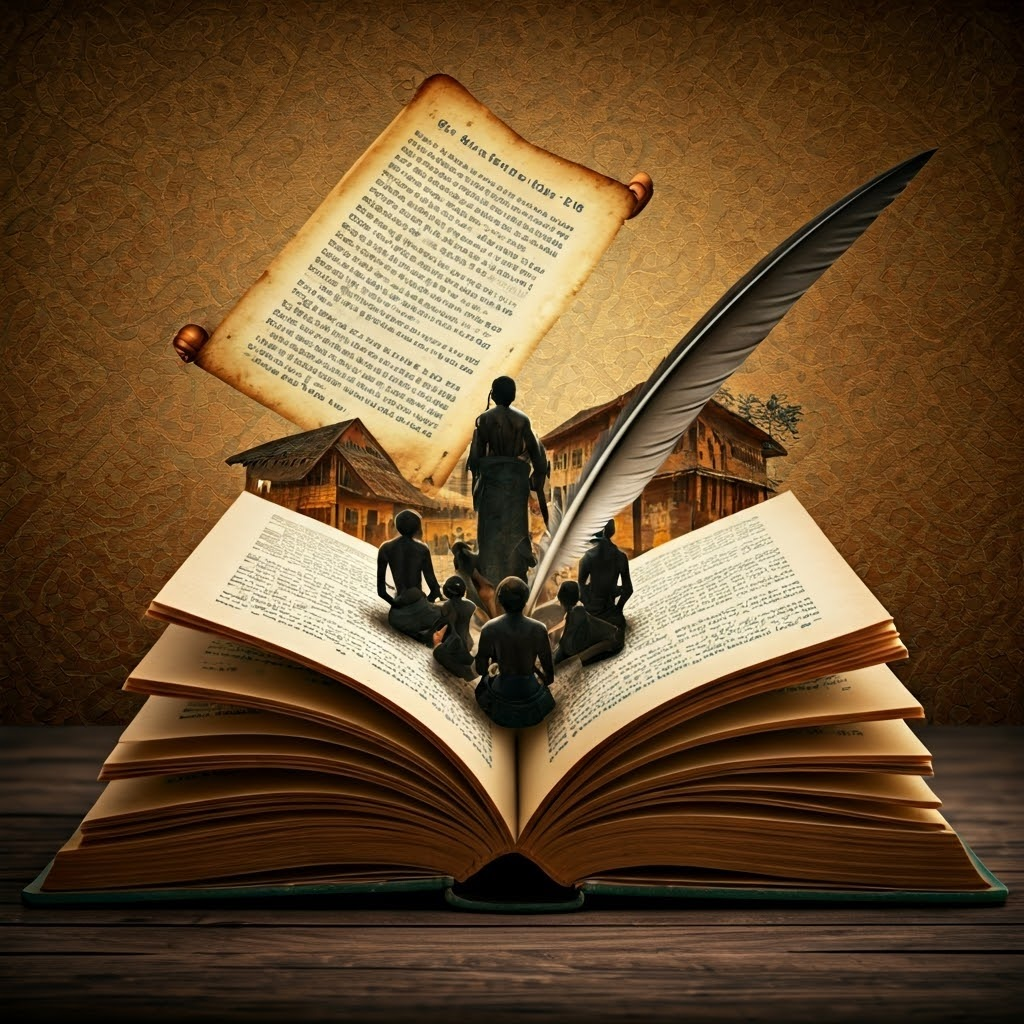
Chinua Achebe’s Things Fall Apart transfers Igbo rhythms, proverbs, and structure into English. His pages echo the village square. Proverbs, he said, are the palm oil for words, placing his people in a global dialogue.
Blending oral and written forms resists erasure. When creators draw on oral roots, they claim authority over their own stories and address both local and worldwide audiences.
Language, Power, and the Politics of Translation
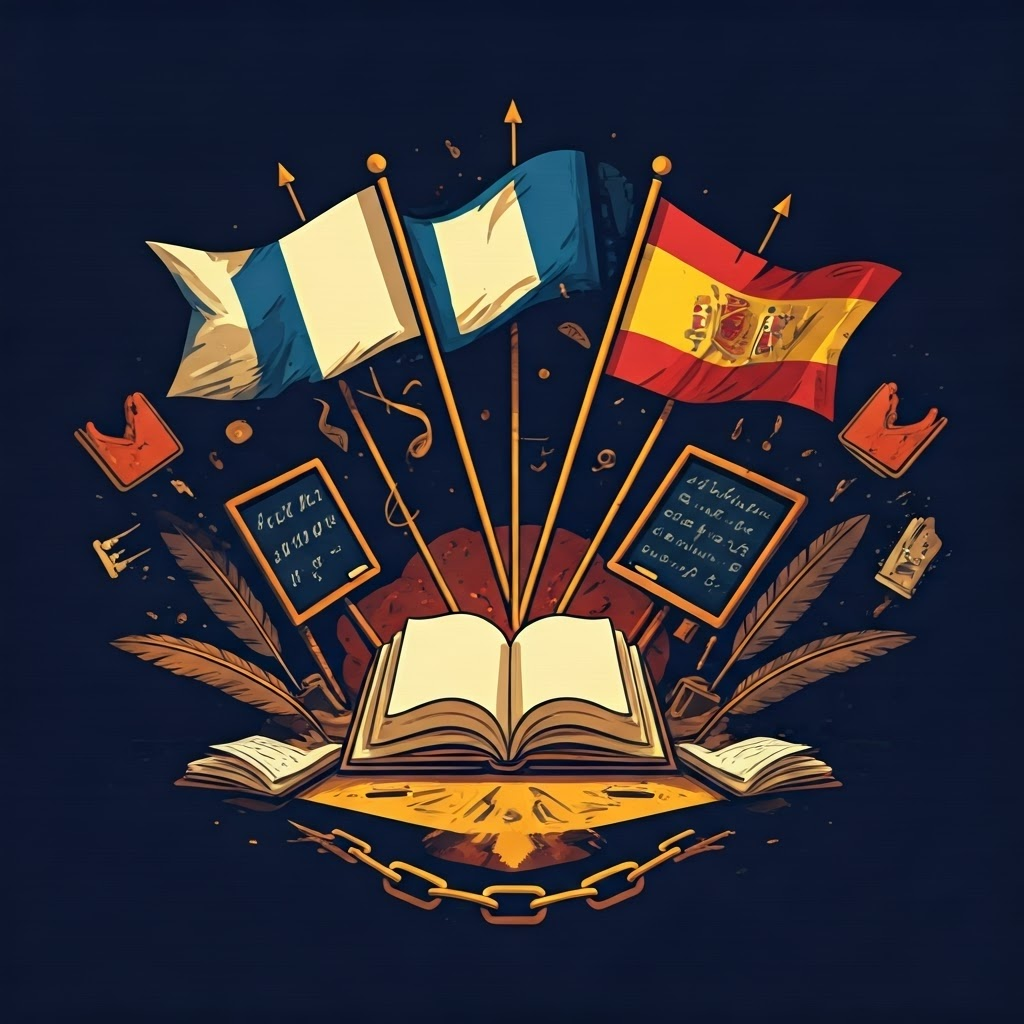
Language turned into a battlefield. Colonial schools forced French, Spanish, or English, punishing children who spoke their mother tongue. As Ngũgĩ wa Thiong’o notes, language carries history and identity; switching tongues can feel like losing oneself.
Translation spreads stories but is never neutral. Translators choose what to keep, change, or silence, making each version an act of power.
Ngũgĩ wrote Devil on the Cross in Gikuyu despite pressure to use English. Publishing Gikuyu first, then English, reversed colonial priorities—a deliberate move toward decolonization.
Scholar Gayatri Spivak reminds us that translation can both open and close doors. Some Igbo phrases vanish in English versions of Achebe, yet careful translation can still smuggle rich meanings to new readers.
Hybridity: Mixing Cultures, Making Something New
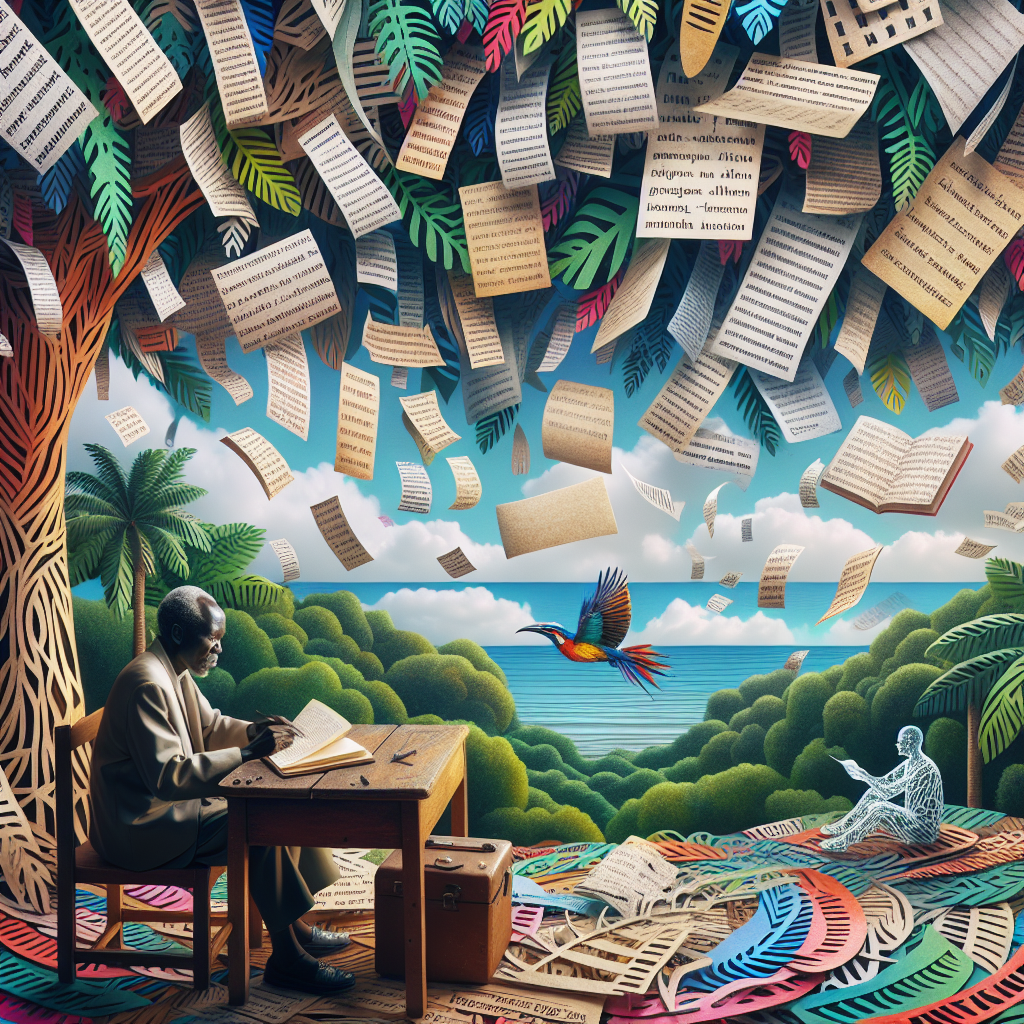
Postcolonial thinkers call creative mixing hybridity. Colonization forced cultures together, and the meeting sparked unexpected art forms.
Frida Kahlo set European oils beside pre-Columbian icons and Mexican folk dress. Her broken self-portraits become a personal language of hybrid identity.
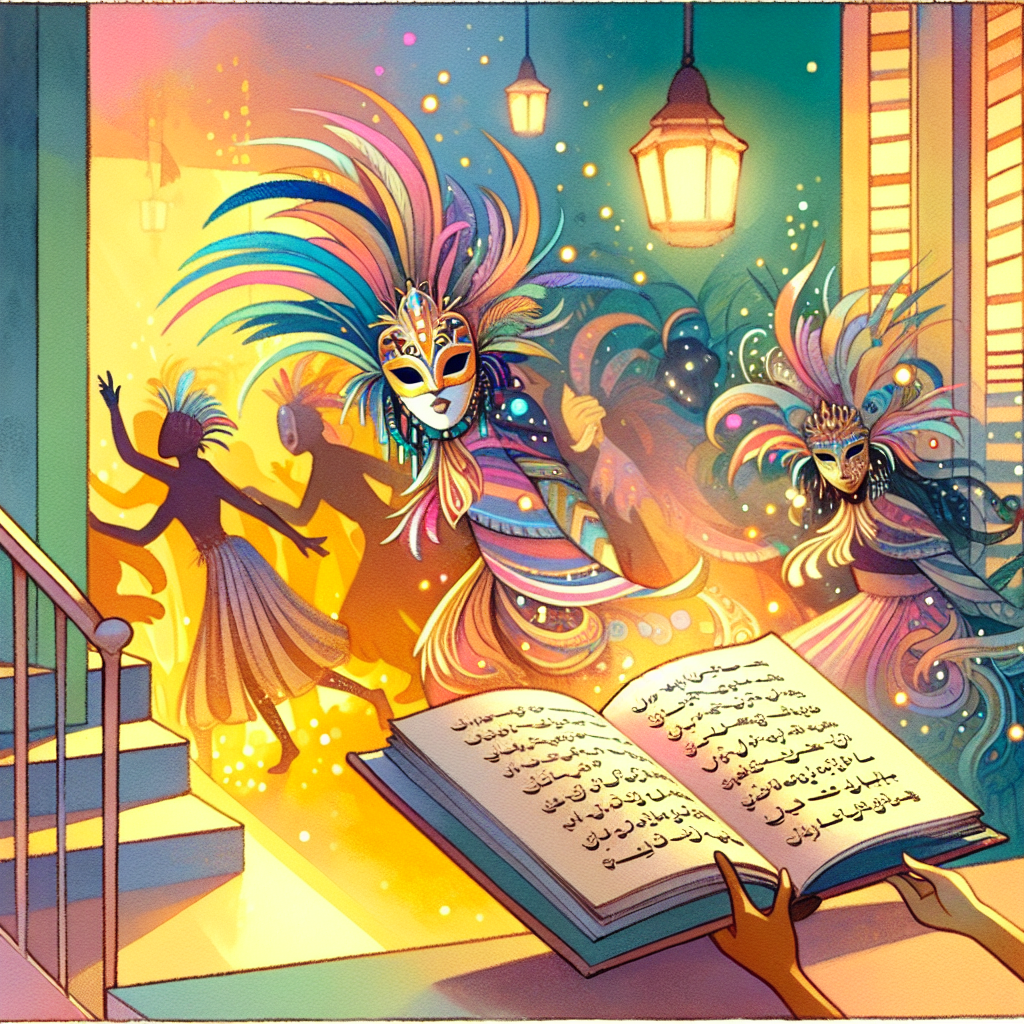
The pattern repeats worldwide—Caribbean carnival masks fusing African, European, and Indigenous motifs, or Salman Rushdie’s sentences where English dances with Urdu and Hindi. Mixing is not patchwork; it is a force that invents new meaning in the fractures of empire.
Making Sense of a Shattered Frame
Draw a straight line between before and after colonization and you find the frame already broken. Colonization shattered rules, yet it could not kill creativity.
Artists stitch history to hope through blends, translations, and retold oral tales—a refusal to disappear.
Edward Said wrote that culture is about connections. Every hybrid painting, poem, or story shows the survival and transformation of culture. The process continues everywhere, in every language, and the story remains unfinished.