16 min read  •  12 min listen

Genomics Tomorrow

What’s Next in the Fast-Moving World of DNA and Discovery

Genomics Tomorrow

AI-Generated

April 28, 2025

Curious about what’s next in genetics? Step into a world where DNA is read, written, and even edited with precision. Meet the minds shaping the future, and see how tomorrow’s discoveries might change everything you know about life.


Unlocking Life, One Cell at a Time
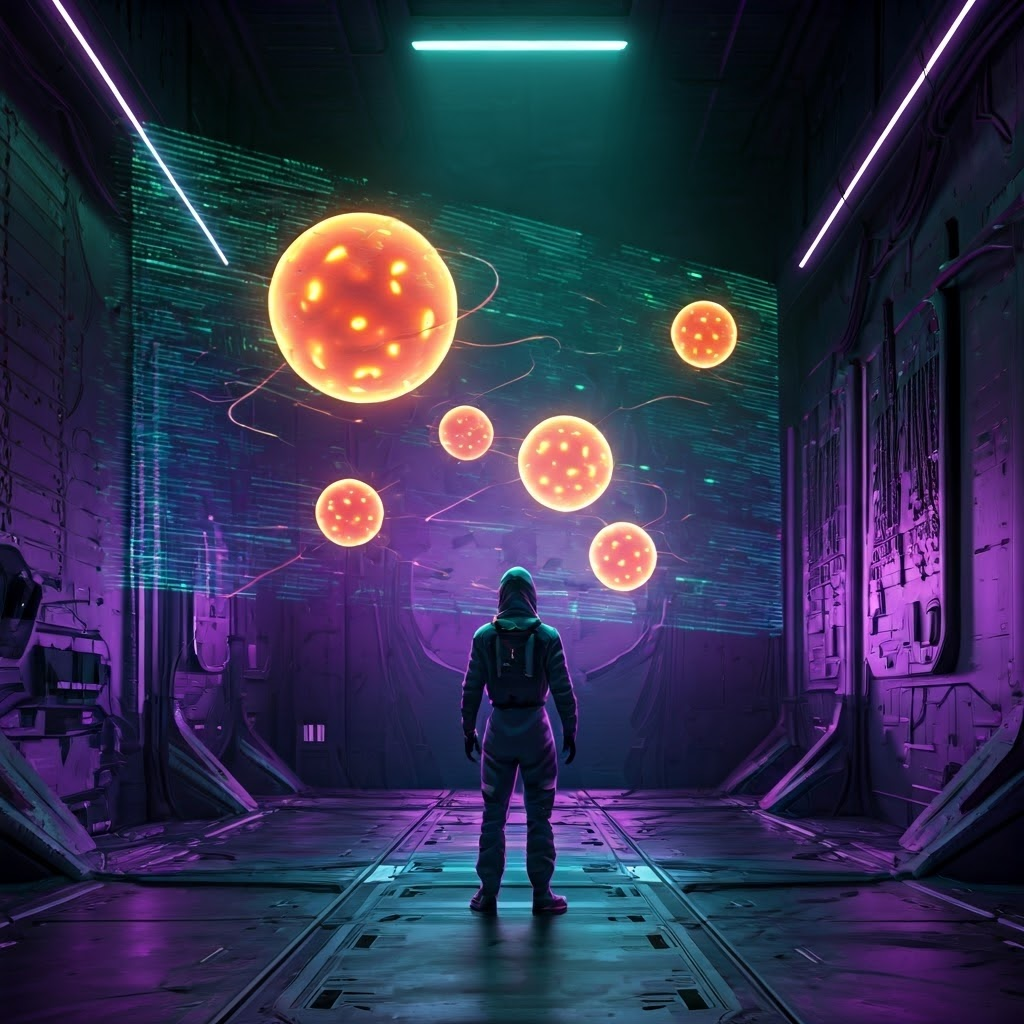
Futuristic lab scene shows a scientist studying holographic single cells surrounded by neon data streams, illustrating advanced genomics research.

Zooming In: The Power of Single-Cell Analysis

Imagine walking into a concert hall and hearing each singer alone instead of one blended choir. That is what single-cell genomics offers in biology — it lets researchers listen to every cell rather than the average of millions.

For decades, scientists mixed the DNA and RNA of huge cell batches, so a liver cell and an immune cell sounded the same. Subtle differences vanished. Today, single-cell tools give every cell its own barcode, so rare types and “rogue” troublemakers jump into view.

Macro photo of a microfluidic device showing fluorescent droplets and a gloved hand guiding a precision pipette, highlighting single-cell barcoding technology.

With barcoded droplets, researchers capture RNA from thousands of cells one by one. Patterns appear — unusual neighbors, aging workers, or early cancer seeds. The view shifts from a fuzzy satellite image to a clear street map, even a face in the crowd.
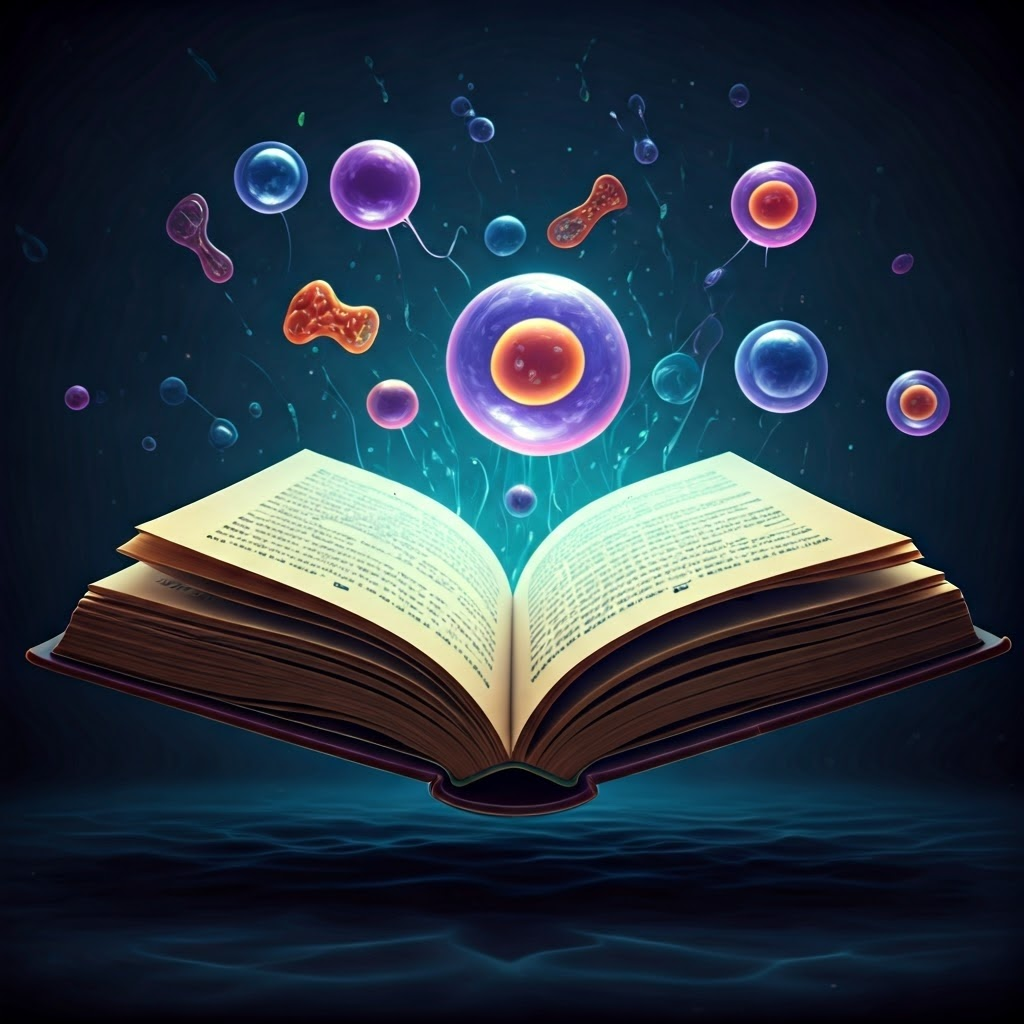
Digital painting of translucent cells floating from an open textbook, symbolizing how single-cell research rewrites biology references.

Single-cell discoveries updated brain catalogs, exposed drug-resistant cancer cells, and tracked immune first responders. Scientists now re-examine diabetes, autism, and Alzheimer’s cell by cell, opening precise treatment paths.
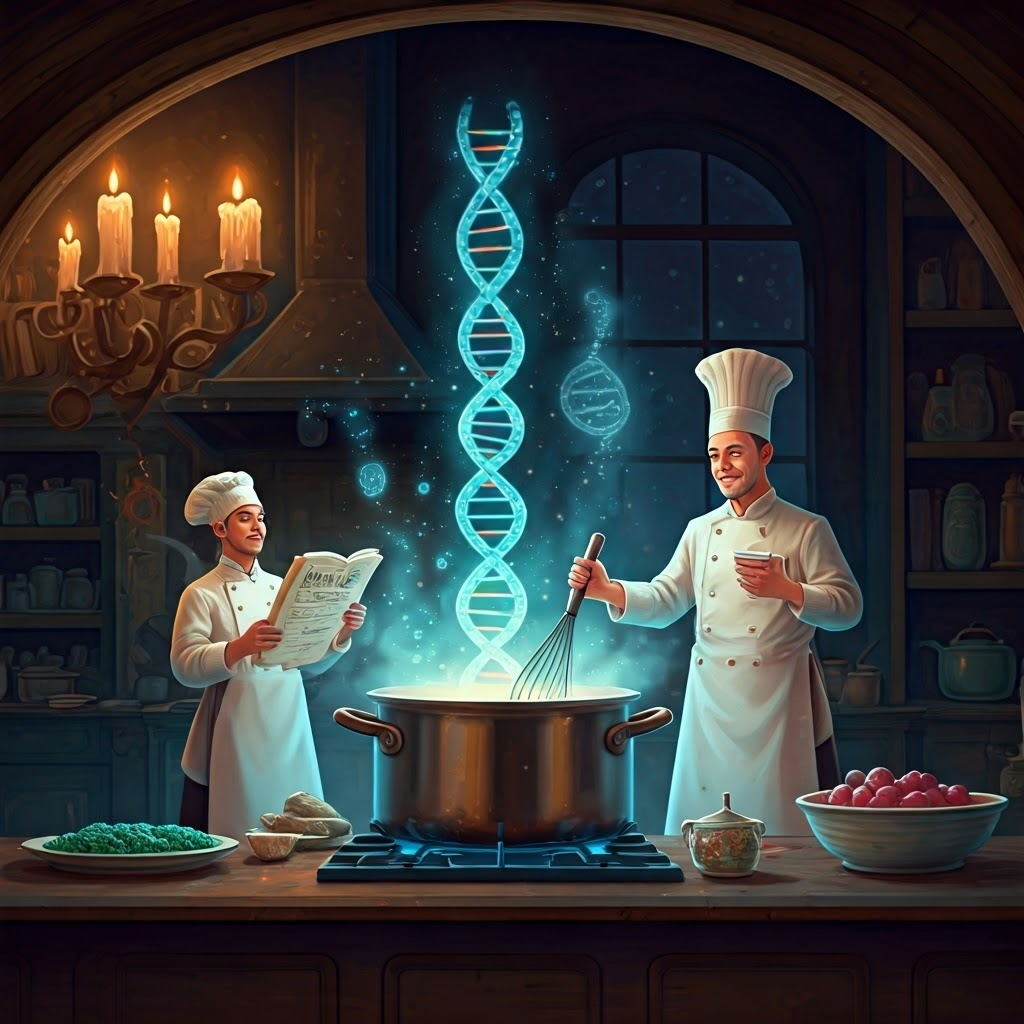
Whimsical kitchen scene with chefs mixing glowing DNA, RNA, and protein strands, representing multi-omics research.

Mix and Match: Multi-Omics in Action

Reading the genome is like reading a recipe, yet cells also react to the kitchen. Multi-omics layers several data types from the same cell, revealing both instructions and real-time cooking.

Steampunk lab engraving linking genomics, proteomics, and epigenomics books to one central cell, visualizing single-cell multi-omics.

Genomics tracks all DNA, transcriptomics all RNA, and epigenomics the chemical tags. Tools like ATAC-seq show open pages in the cookbook, while RNA-seq lists which recipes are in use — together they explain why each cell acts as it does.
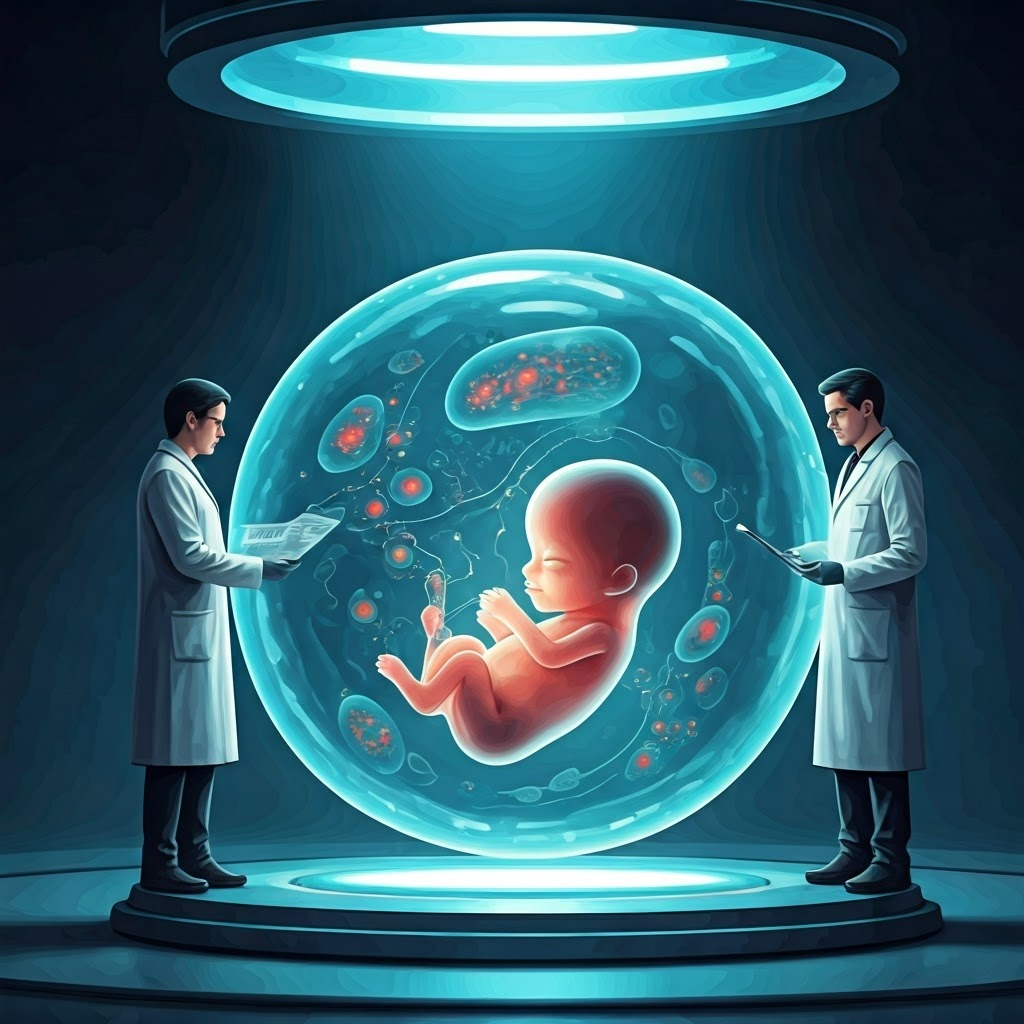
Futuristic watercolor of researchers linking DNA accessibility and RNA data in an embryo, showing cell fate decisions.

Researchers watched embryo cells choose muscle, brain, or skin fates and saw tumors unlock silent genes to grow. These insights drive new diagnostics and drug targets.
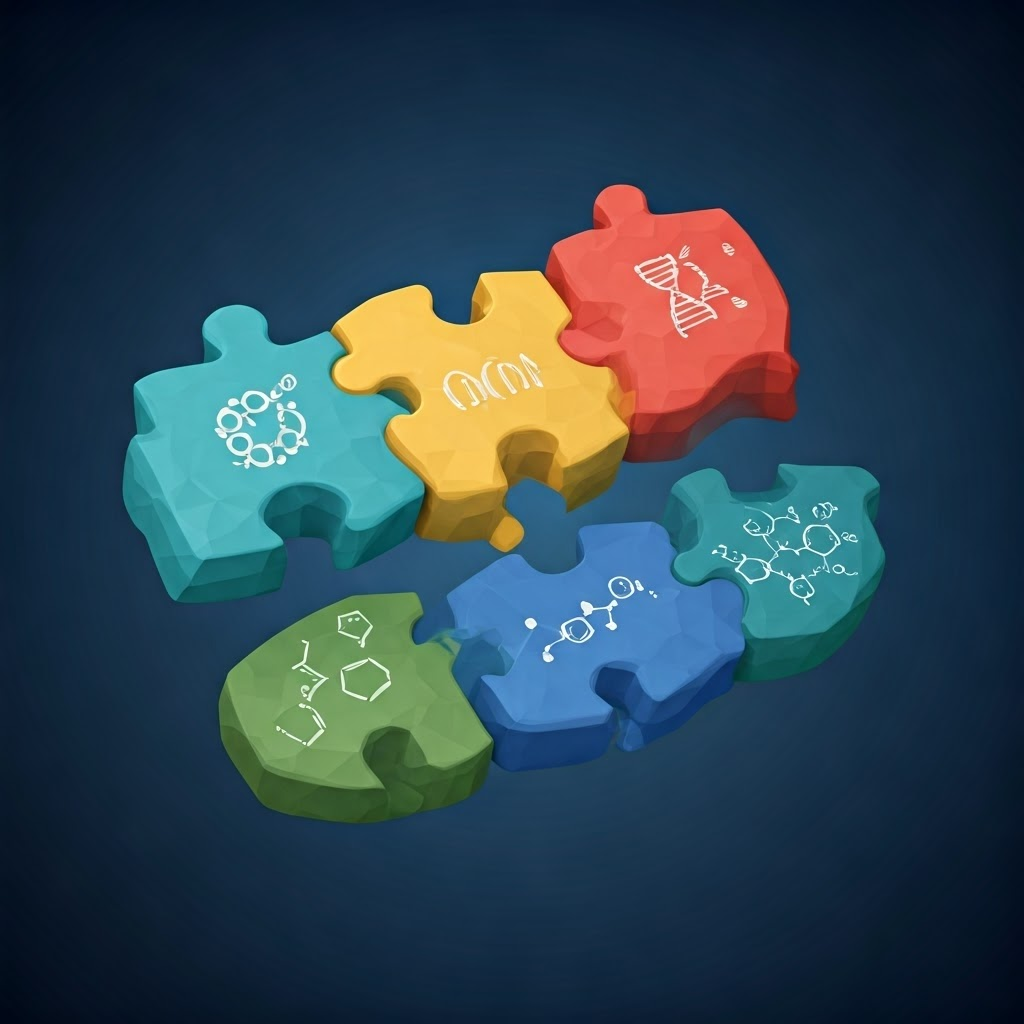
Low-poly puzzle pieces shaped like cells, each marked with DNA, RNA, and protein icons, conveying a 3D life puzzle.

New assays now measure DNA, RNA, proteins, and chemical marks all at once, building a layered 3D puzzle of life piece by piece.
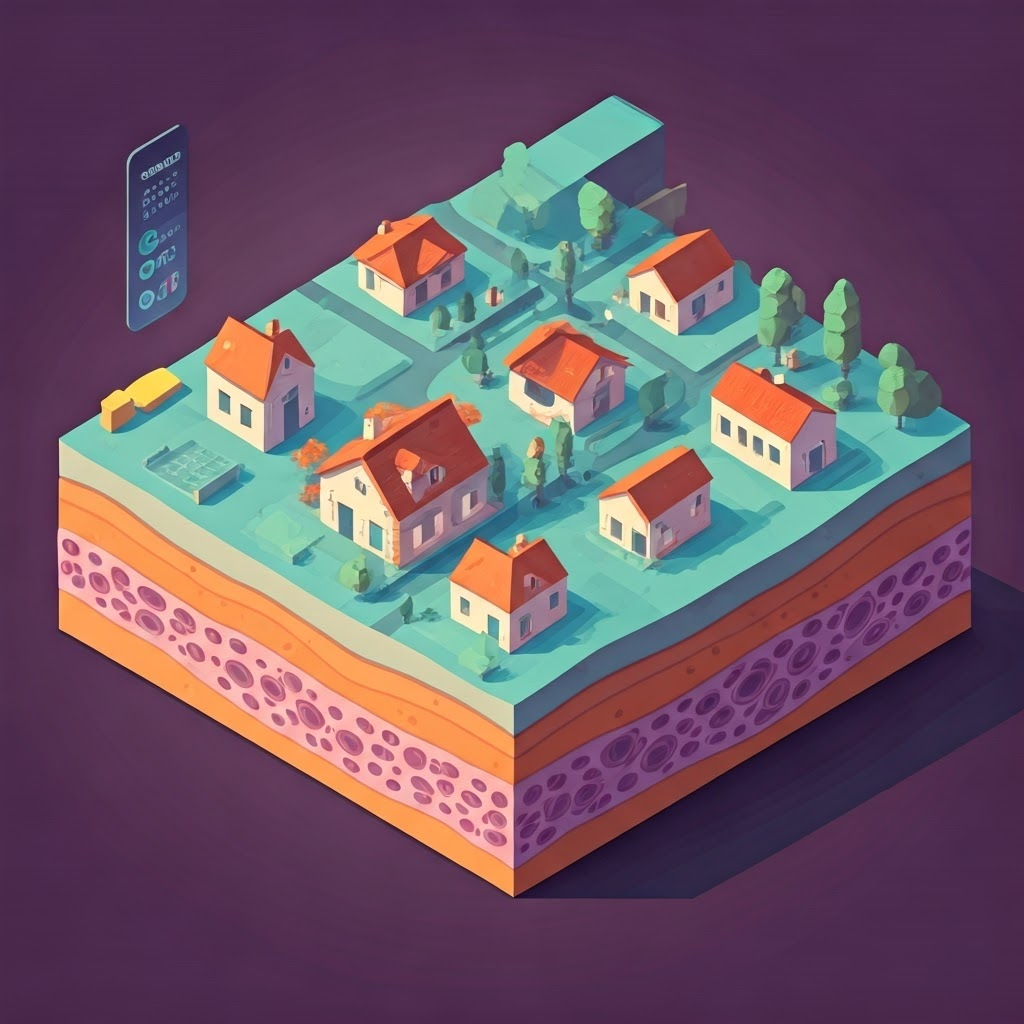
Isometric tissue slice mapped like a city with houses as cell types and gene signals as icons, illustrating spatial genomics.

Mapping the Neighborhood: Spatial Genomics

Even perfect cell details miss one key factor — location. Spatial genomics shows where each gene is active inside tissue, much like a seating chart in a busy restaurant.
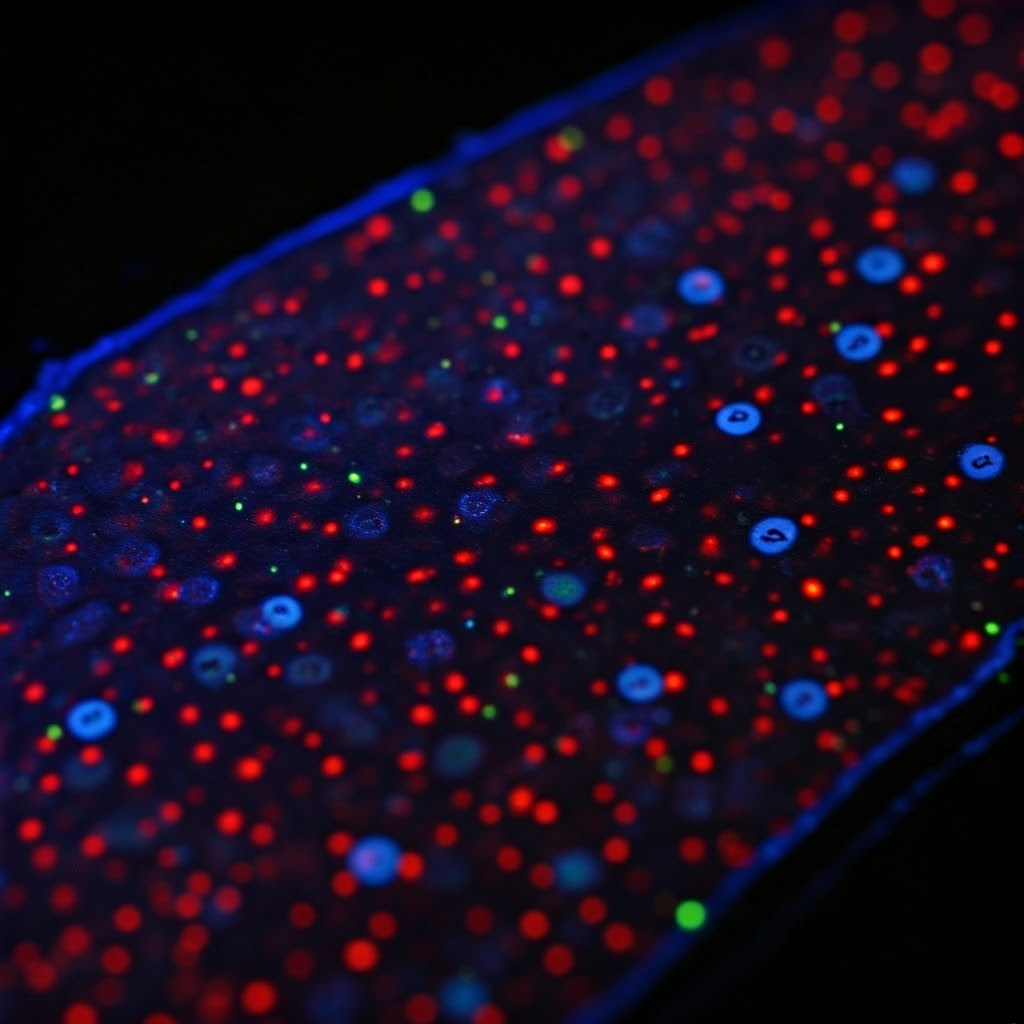
Microscope photo of a fluorescent tissue slice with numbered spots marking in-situ sequencing locations.

In-situ sequencing labels RNA directly in tissue slices, creating gene activity maps. Advanced chemistry and computing turn these images into a cellular Google Map.
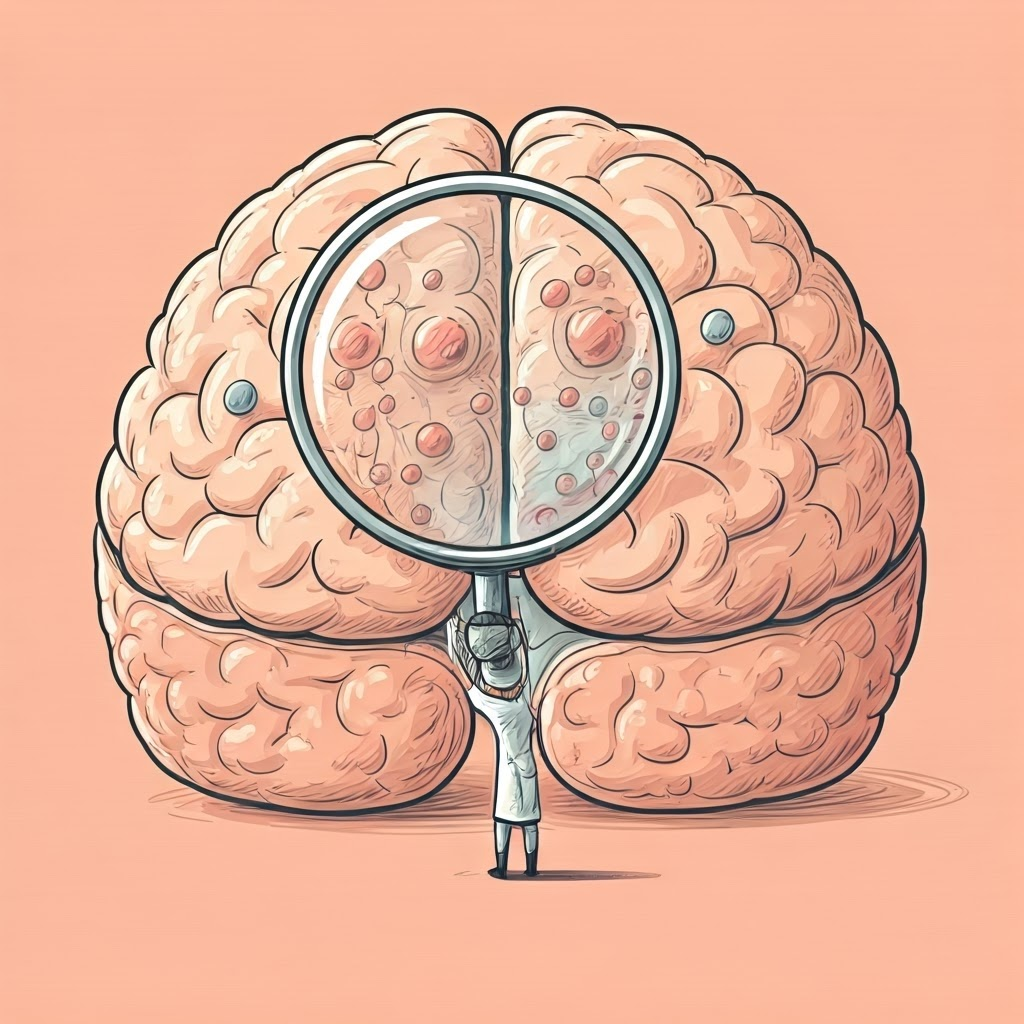
Pastel brain sketch dotted with colored gene clusters and a tiny researcher using a magnifying glass, highlighting hidden neural networks.

Brain studies revealed secret communication layers, cancer maps show battle lines between tumors and immune cells, and heart maps trace damage after a heart attack.

Chiaroscuro painting of a tissue map on a table as a quill traces new gene pathways, symbolizing discovery of hidden cell types.

Knowing where genes act guides therapies, explains disease spread, and helps engineers craft replacement tissues that truly work.
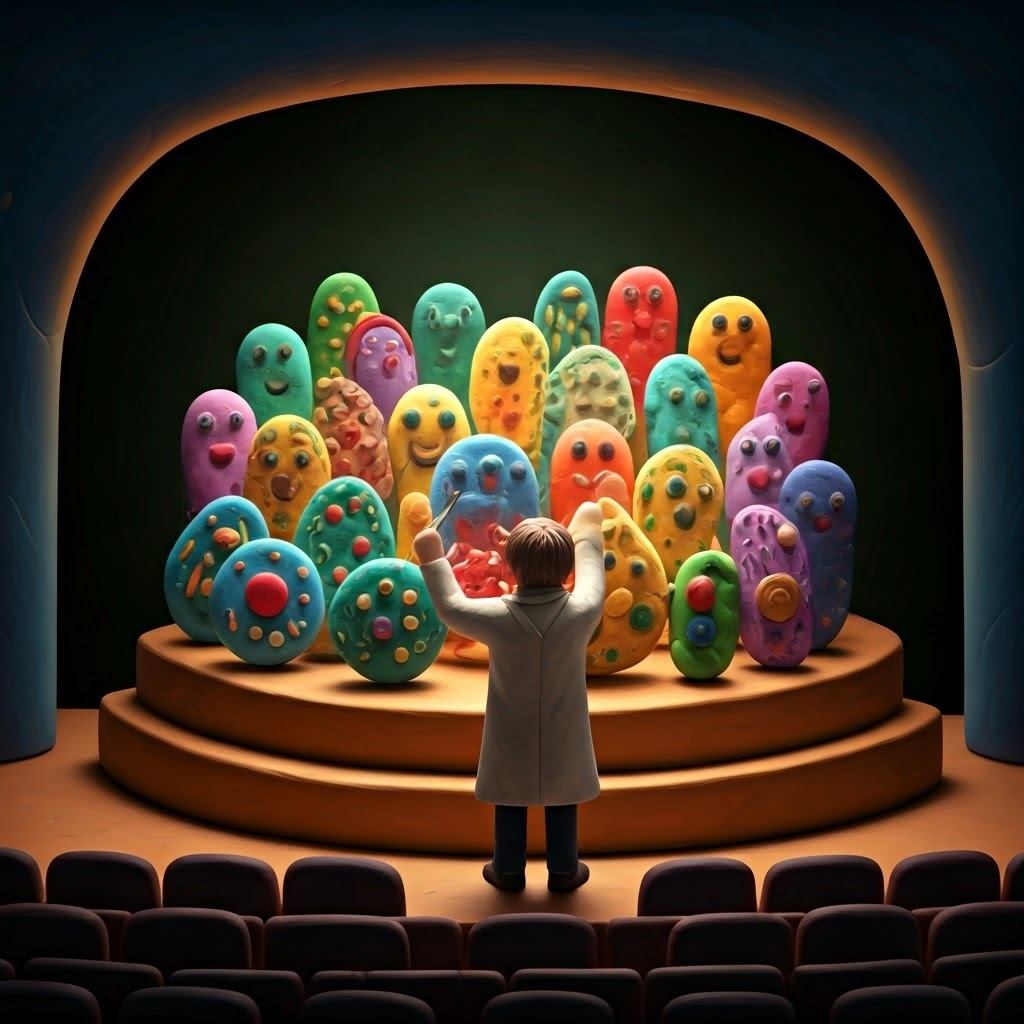
Clay-model choir of colorful cell singers led by a scientist conductor, embodying cell diversity.

Looking Ahead: What It All Means

Single-cell, multi-omics, and spatial tools shift biology from broad guesses to detailed broadcasts. Doctors now ask, “Which cells on this liver street corner cause trouble?” and tailor treatments accordingly.

Gouache painting of a concert hall filled with glowing cell singers, inviting viewers to walk among them and hear each unique song.

Beyond medicine, plants reveal drought responses, animals show brain wiring, and wounds tell healing stories. As tools sharpen, new singers emerge, and every voice gains its place in the grand chorus of life.


Tome Genius

Genetics & Genomics: From Molecules to Medicine

Part 10

Tome Genius

Cookie Consent Preference Center

When you visit any of our websites, it may store or retrieve information on your browser, mostly in the form of cookies. This information might be about you, your preferences, or your device and is mostly used to make the site work as you expect it to. The information does not usually directly identify you, but it can give you a more personalized experience. Because we respect your right to privacy, you can choose not to allow some types of cookies. Click on the different category headings to find out more and manage your preferences. Please note, blocking some types of cookies may impact your experience of the site and the services we are able to offer. Privacy Policy.
Manage consent preferences
Strictly necessary cookies
Performance cookies
Functional cookies
Targeting cookies

By clicking “Accept all cookies”, you agree Tome Genius can store cookies on your device and disclose information in accordance with our Privacy Policy.

00:00