
The Many Ways DNA Can Surprise You

DNA can feel predictable, yet it often flips expectations. Tiny edits or big rearrangements turn our genetic manual into a one-of-a-kind edition, filled with unique notes and missing pages.
What Makes One Genome Different from Another?

Every person’s genetic manual carries small quirks. A single swapped letter or a missing block can set your DNA apart. Most edits are harmless, yet some shape traits like milk digestion or malaria resistance. Ancestry clues and health insights start with these contrasts.
Scientists track these tweaks. Some changes hide in one letter, others shuffle long sections. Each difference, large or small, helps explain why no two people are alike.
SNPs, Indels, and More: The Building Blocks of Difference
A genome holds about three billion letters. A SNP is a spot where one letter differs between individuals. One tiny switch might alter cilantro’s taste for you but not for a friend.
Indels—insertions or deletions—add or drop letters. A misplaced block can shift a gene’s reading frame, leading to disorders like sickle cell disease.
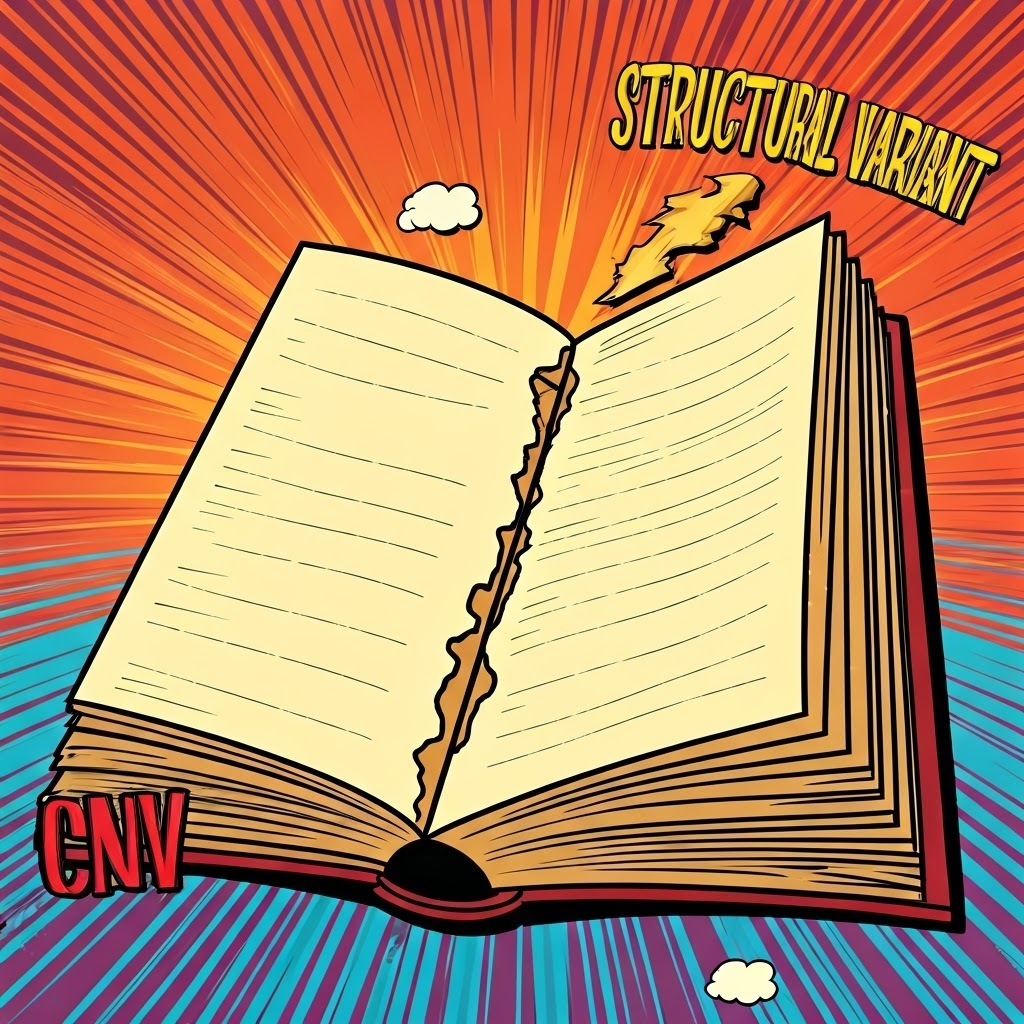
Copy-number variations duplicate or erase large stretches. Extra copies of a starch-digesting gene often appear in populations with starchy diets.
Structural variants pull bigger stunts—flipping, moving, or swapping entire chapters. While many go unnoticed, some spark health issues. Detecting them calls for advanced long-read sequencing.
Mendel’s Laws in the Age of Genomes
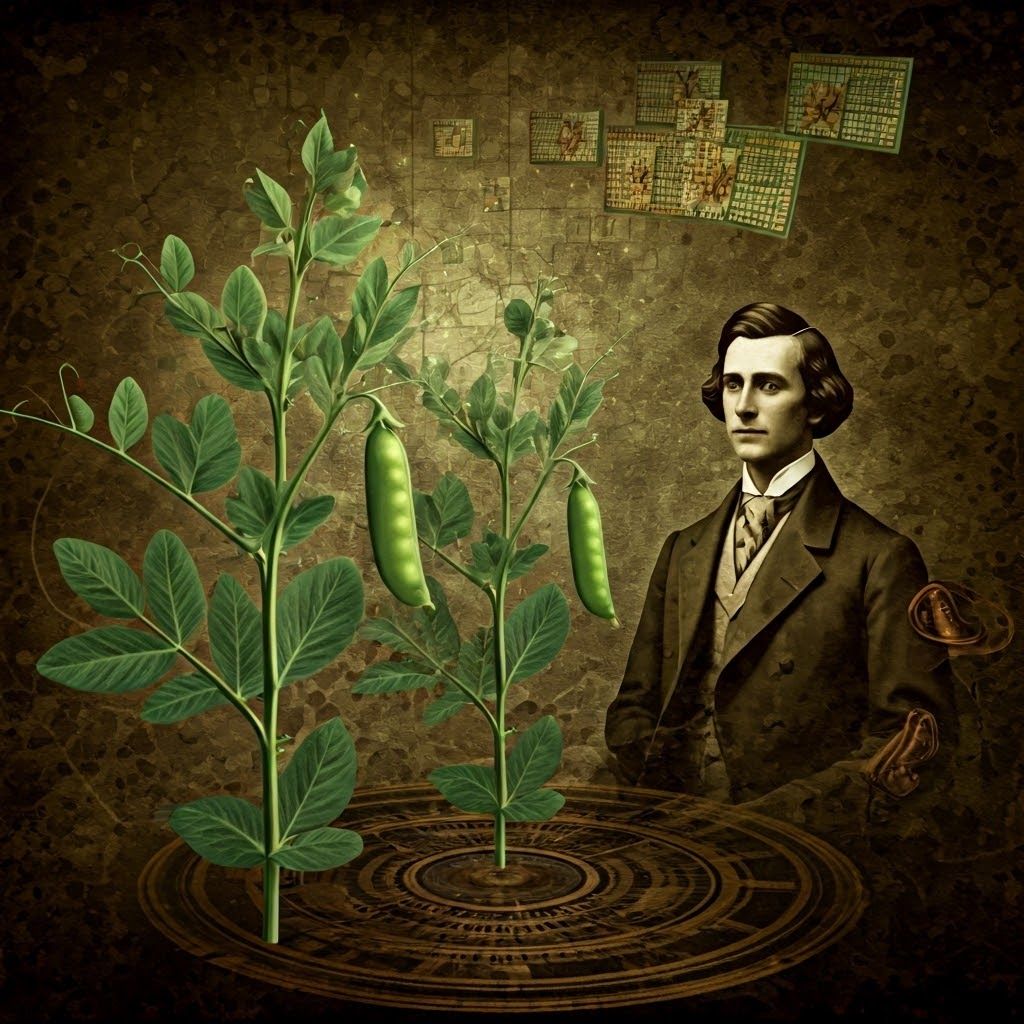
Gregor Mendel outlined dominant and recessive traits with peas. His rules still aid simple cases like blood type. Yet modern data show many traits arise from countless tiny pushes across the genome—a complex tug-of-war beyond basic Punnett squares.
Copy-number variations and other surprises ignore classic patterns. Still, Mendel’s work grounds today’s view of single-gene disorders. Reading all three billion letters now reveals a richer, more colorful story of inheritance.
The next time you ponder why you alone in your family roll your tongue or dislike asparagus’ smell, remember: your genetic manual brims with unique edits, scribbles, and occasional missing pages—making you unmistakably you.
