17 min read  •  13 min listen

Generative AI Playground

Unlocking the Creative Side of Artificial Intelligence—From Art to Music and Beyond

Generative AI Playground

AI-Generated

April 28, 2025

Ever wondered how AI can paint, compose, or even make movies? Step into a world where your ideas meet machine creativity. Discover the tools, tricks, and debates that are changing how we make art, music, and more. Get ready to play, learn, and maybe even surprise yourself.


Meet the Machines: How AI Creates Art, Music, and More
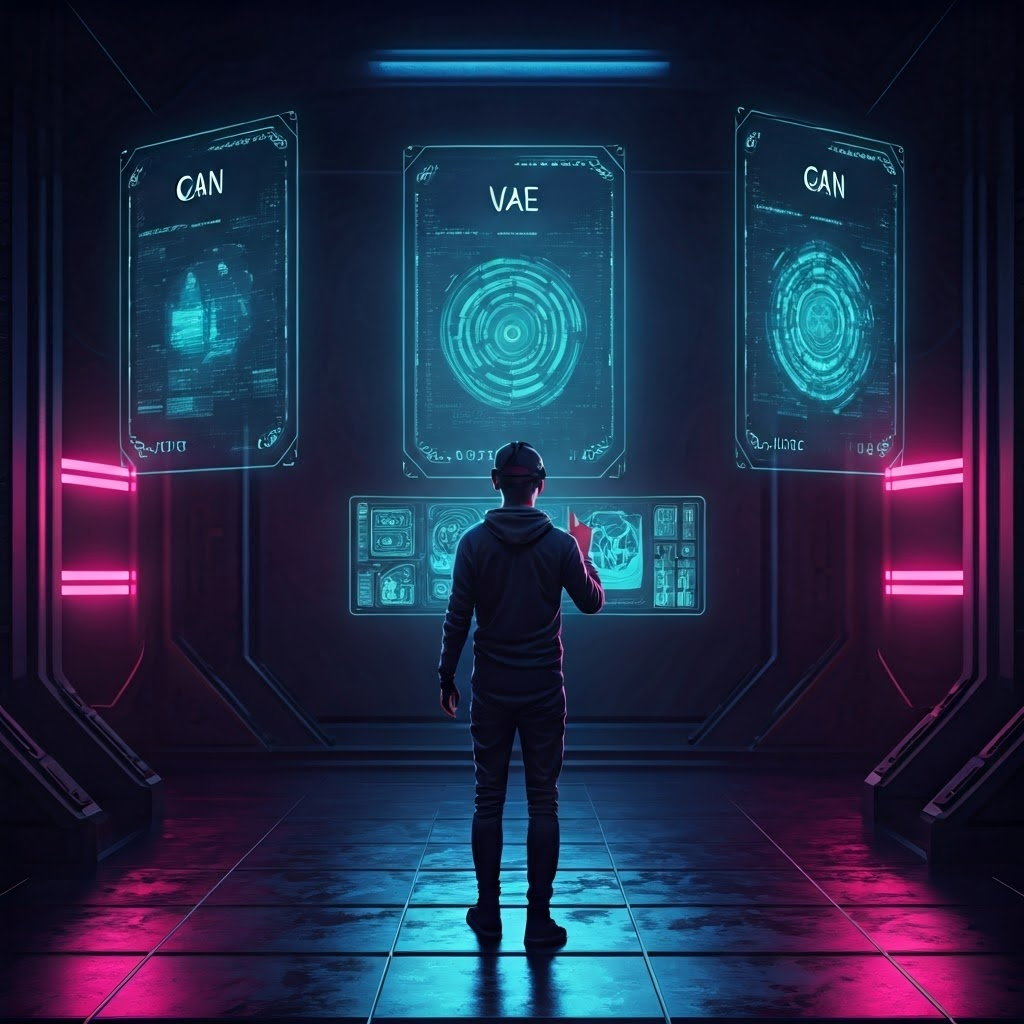
Three glowing holographic screens labeled GAN, VAE, and Diffusers float in a neon-lit lab as a person in a VR headset gestures toward the displays, illustrating core AI art tools.

Generative AI turns complex math into vivid art, music, and stories you can guide with simple words. Think of it as a toolkit you can play with, not a distant science experiment.

The Big Three: GANs, VAEs, and Diffusers
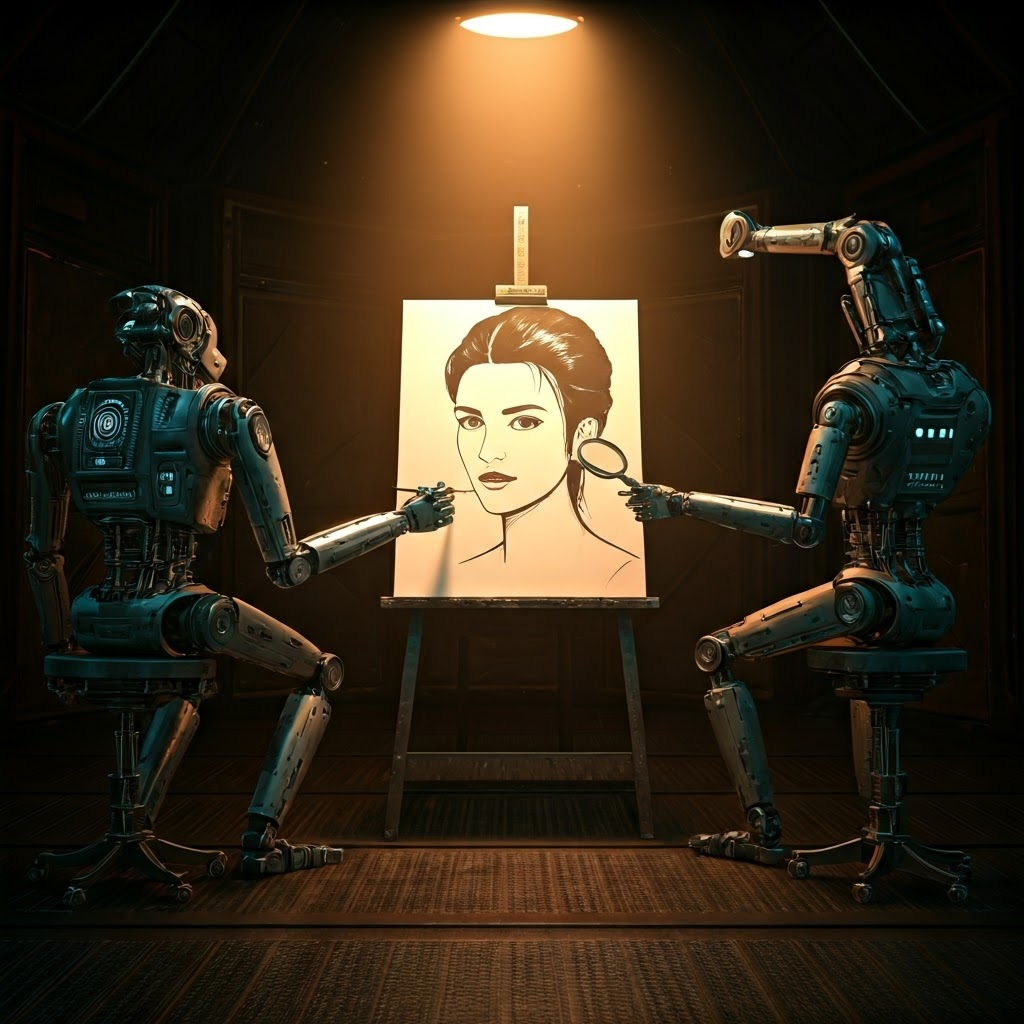
Two futuristic robots stand in an art studio, one painting while the other inspects the canvas—showing AI models competing and improving together.

Picture a GAN as a creative duel. One network makes images, and another judges them. This push-pull makes the generator steadily improve until its fake photos can fool humans—and power deepfakes or fun filters alike.
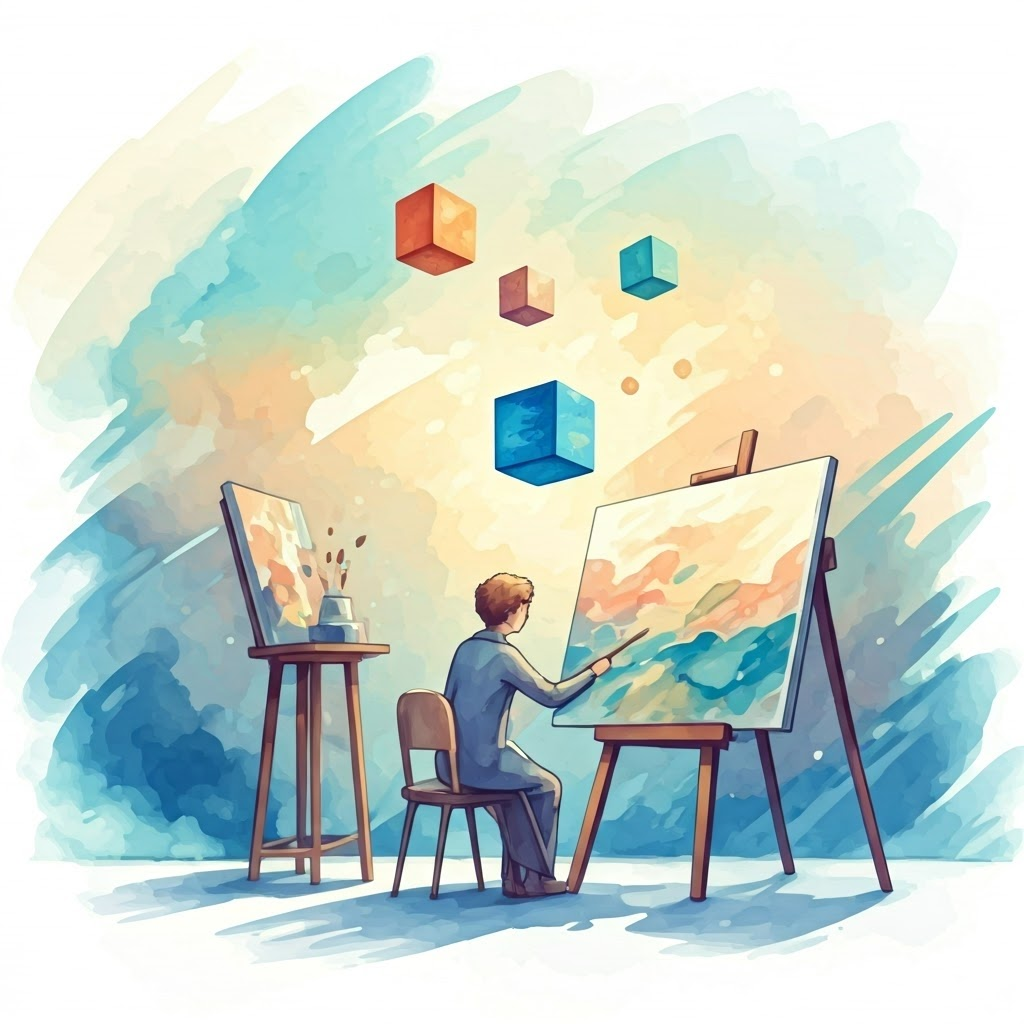
Soft pastel cubes float around a gentle figure who reassembles them into dreamlike landscapes, symbolizing how VAEs reconstruct images from compressed codes.

A VAE compresses an image into numbers, learns the essence, then rebuilds it. By mixing these codes, it creates smooth style blends. VAEs feel forgiving, trading sharp realism for flexible imagination.
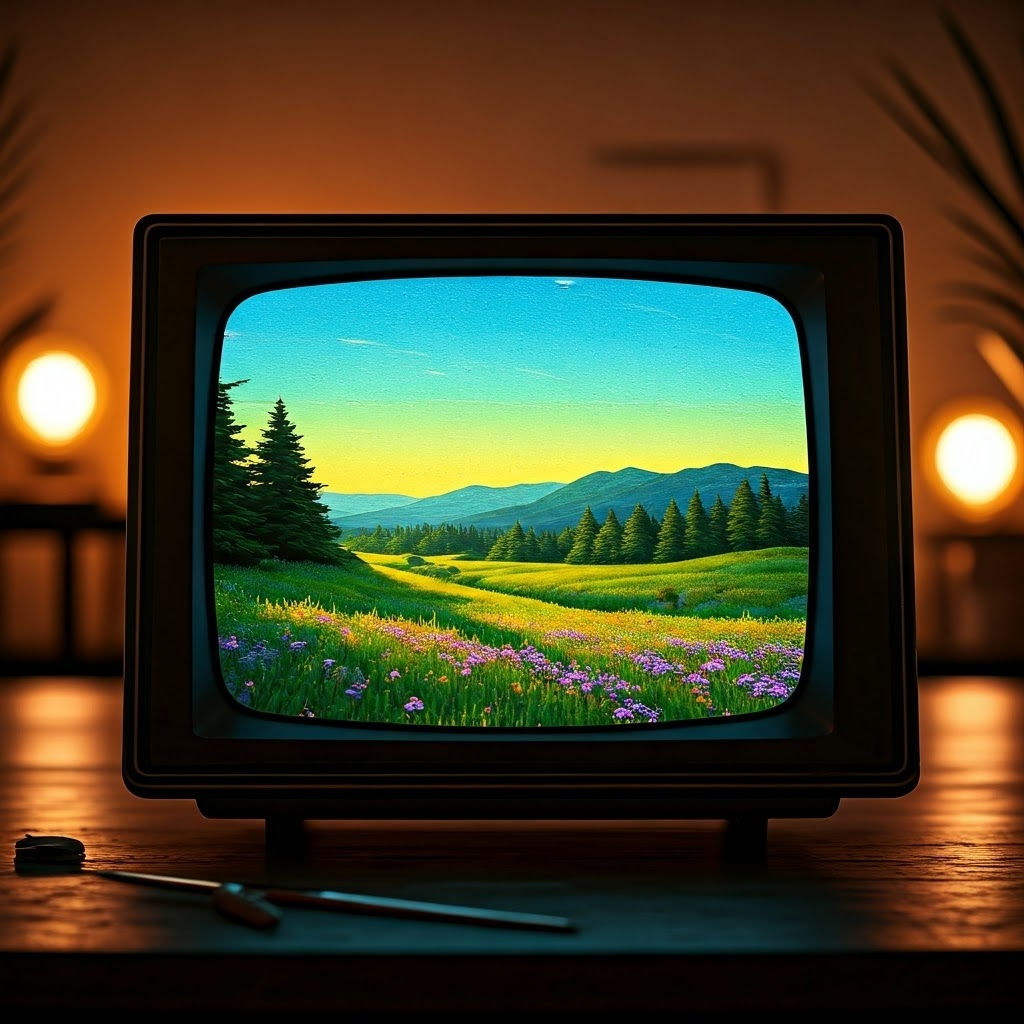
Static green TV noise fades into a bright landscape on an easel, capturing how diffusion models turn randomness into clear art.

Diffusion models start with pure noise and remove it step by step. Tools like Stable Diffusion or DALL-E follow your prompt to shape crisp, high-resolution art. They currently lead the field in detailed, controllable outputs.
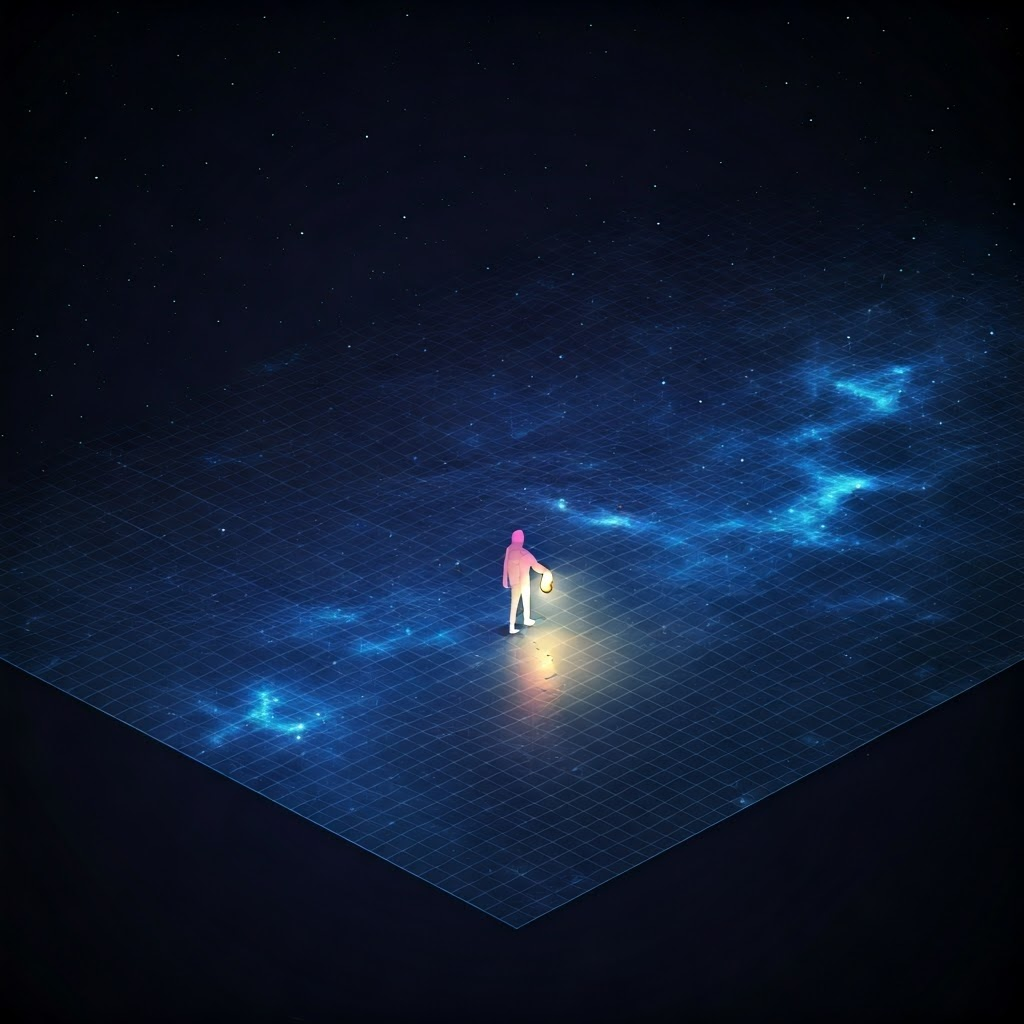
A glowing isometric grid stretches into space, dotted with points that mark possible AI creations while a figure explores with a lantern.

Latent Spaces: The Secret Playground

Inside every model is a hidden map called latent space. Each coordinate stores a potential image, song, or idea. Feed in a sketch, and the AI finds its location using a vector of numbers.
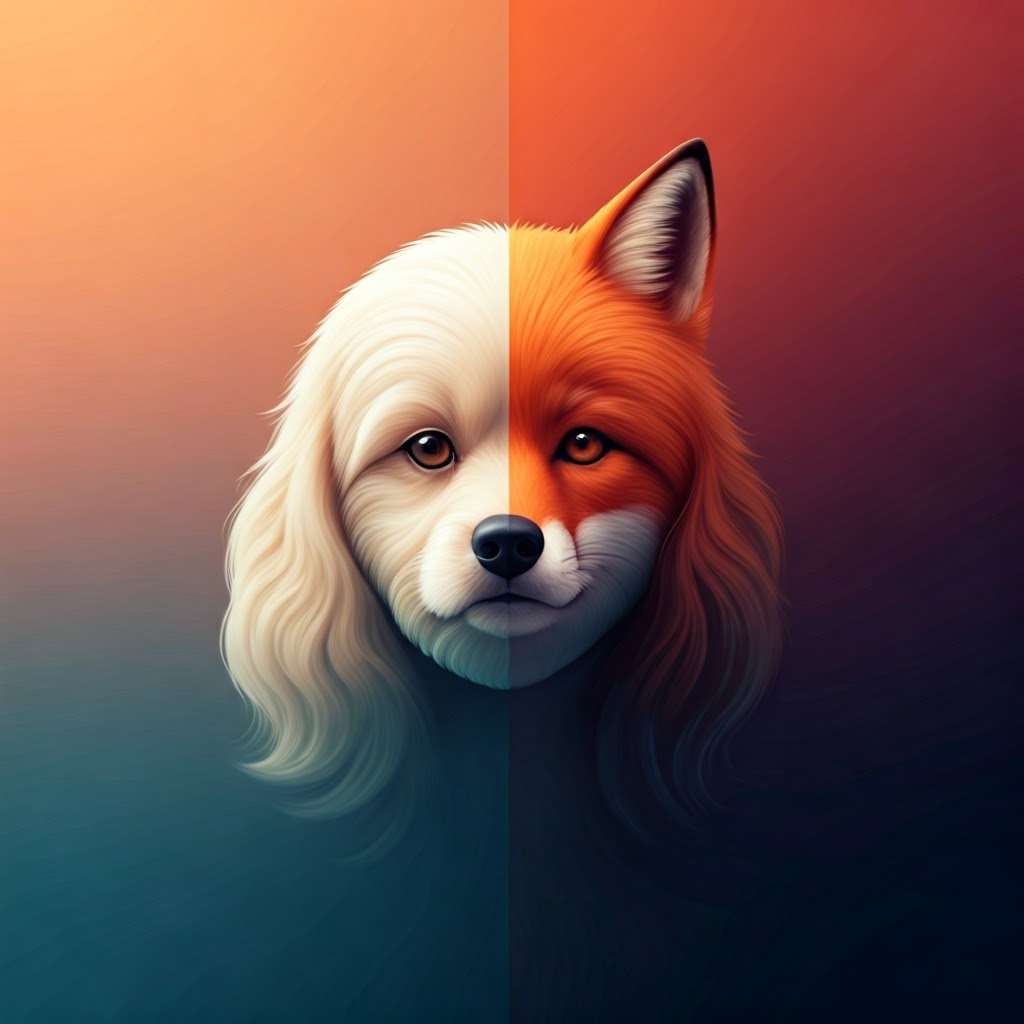
One face gradually morphs into another along a colorful gradient, illustrating smooth transitions within latent space.

Move slightly in this space and a fluffy dog becomes fox-like. Travel farther and you morph one face into another. Prompts also sit here, so asking for “sunset in Van Gogh style” points the AI toward a fresh, blended creation.
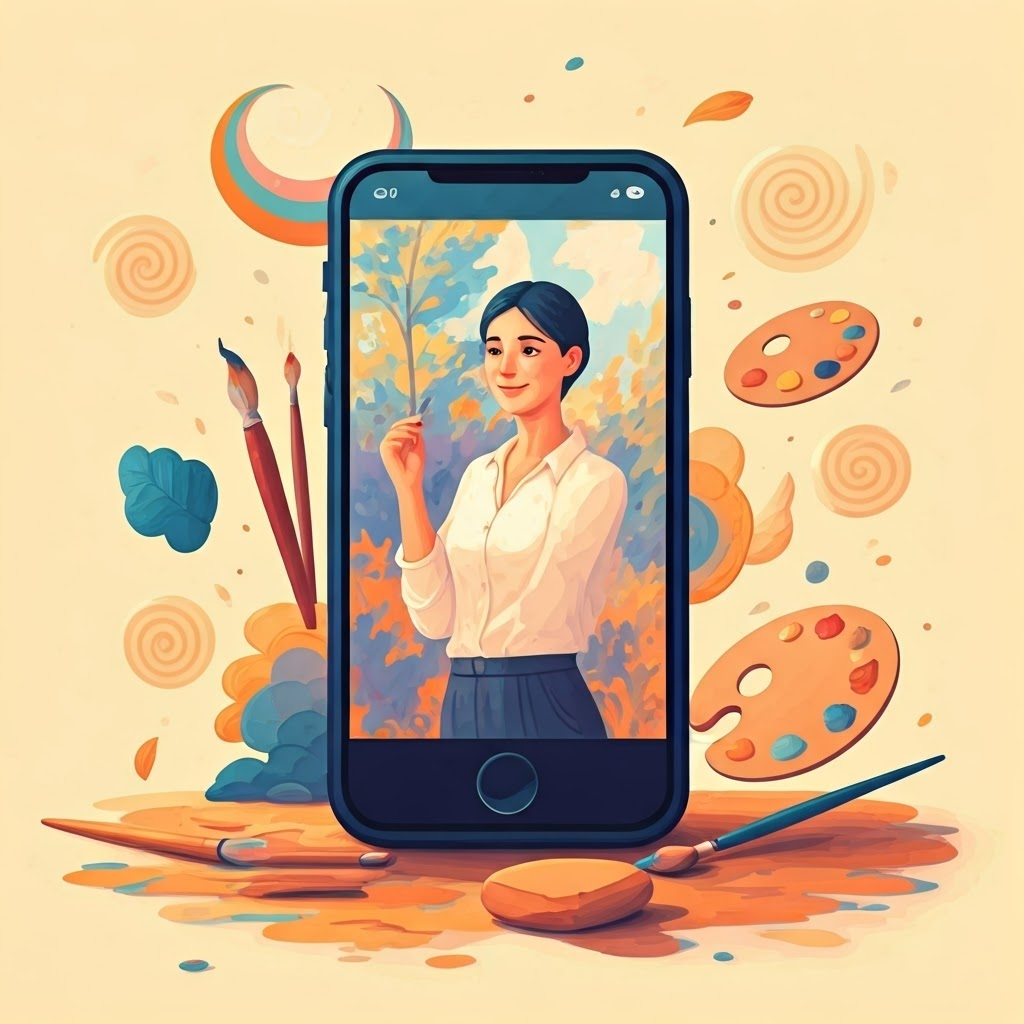
A smartphone selfie transforms into a Monet-style painting while floating brushes add color, showing AI borrowing artistic styles.

Style Transfer: Borrowing Looks

Style transfer separates content from style. It keeps shapes from your photo but applies textures from, say, Monet. The result is a new picture that merges subject and artistic flair in seconds.
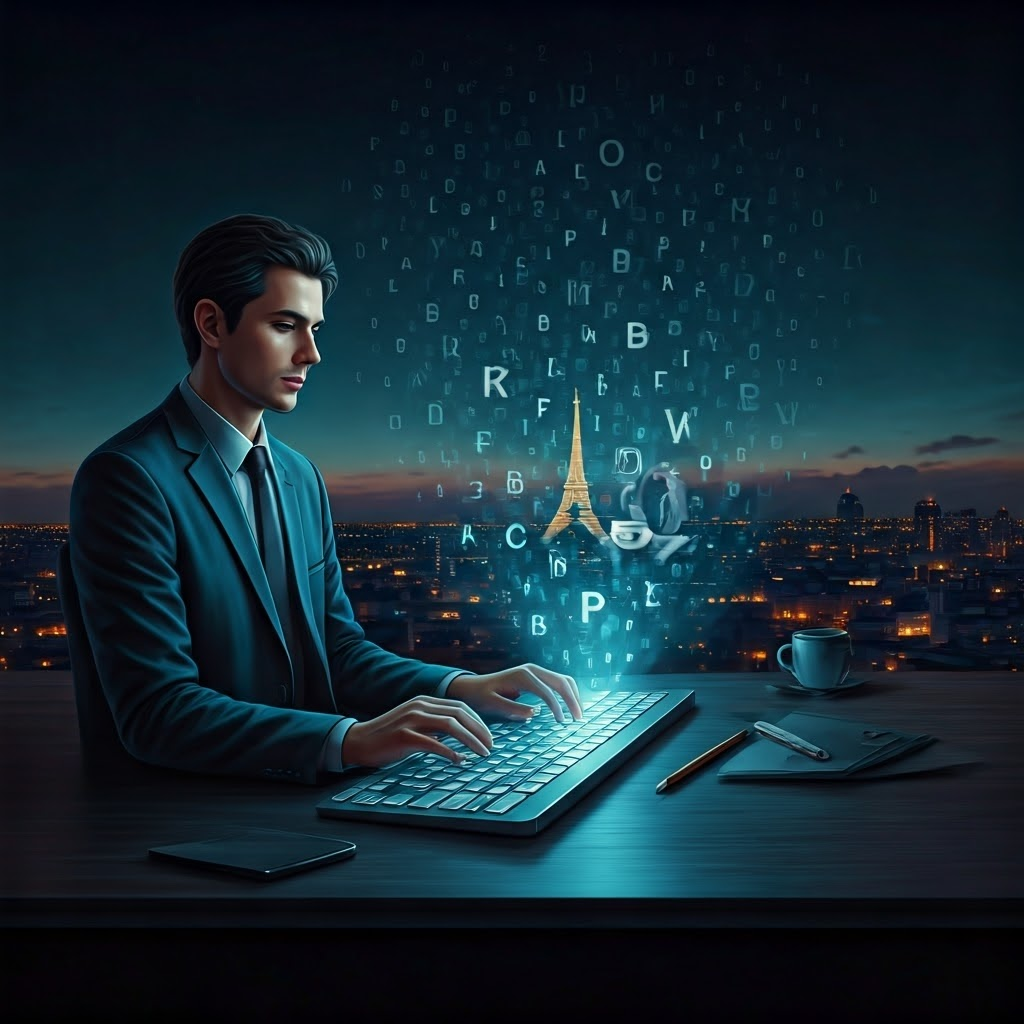
Glowing letters from a holographic keyboard become tiny scenes of a robot in Paris, visualizing text-to-image generation.

Text-to-Image: Turning Words into Pictures

Type “robot at a Paris café, watercolor” and the model converts words into numbers, starts with noise, then clears it away until the scene appears. Better prompts guide the model toward sharper, richer results.
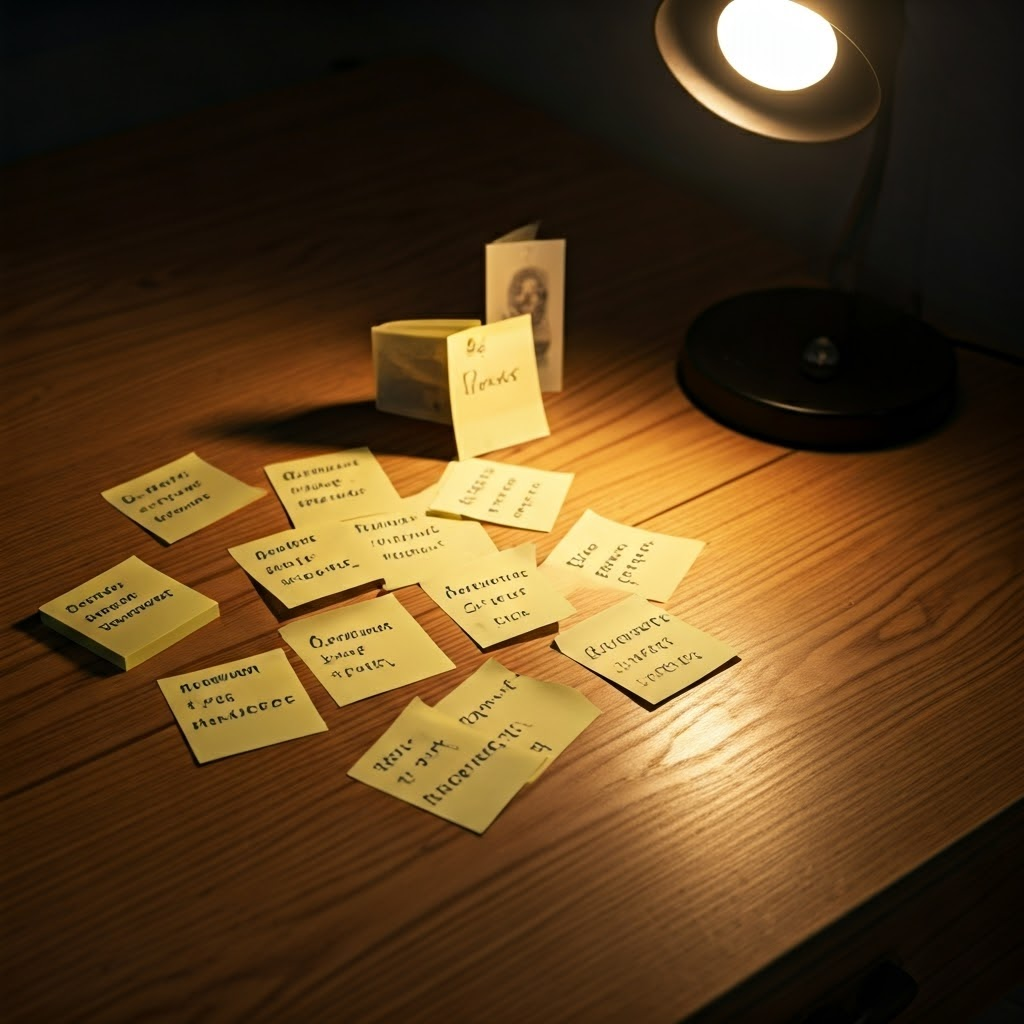
Colorful sticky notes list prompt tips—Be specific, Mention styles, Try modifiers, Use references—beside tiny art samples on a cozy desk.

– Be specific: “A red bicycle in the rain, impressionist painting” beats “bicycle.”

– Mention styles: say “oil painting,” “photo,” or “cartoon.”

– Try modifiers: add “cinematic lighting” or “soft pastel colors.”

– Use references: ask for “van Gogh style portrait” to set the mood.
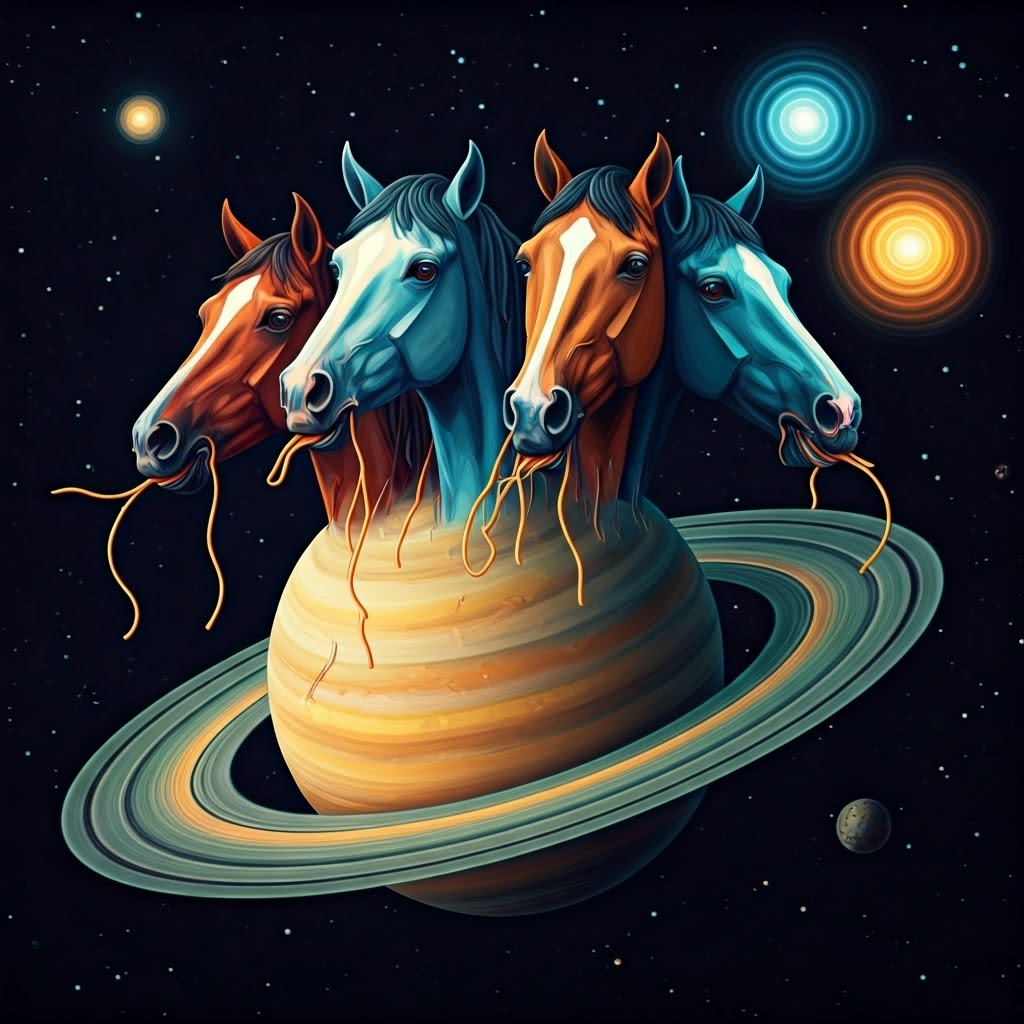
A five-headed horse eats spaghetti on Saturn’s rings in blocky video-game art, highlighting AI quirks.

Limits and Surprises

These models don’t truly understand the world. Ask for something impossible, and you may get delightful or odd surprises. That unpredictability fuels discovery and sparks new ideas.
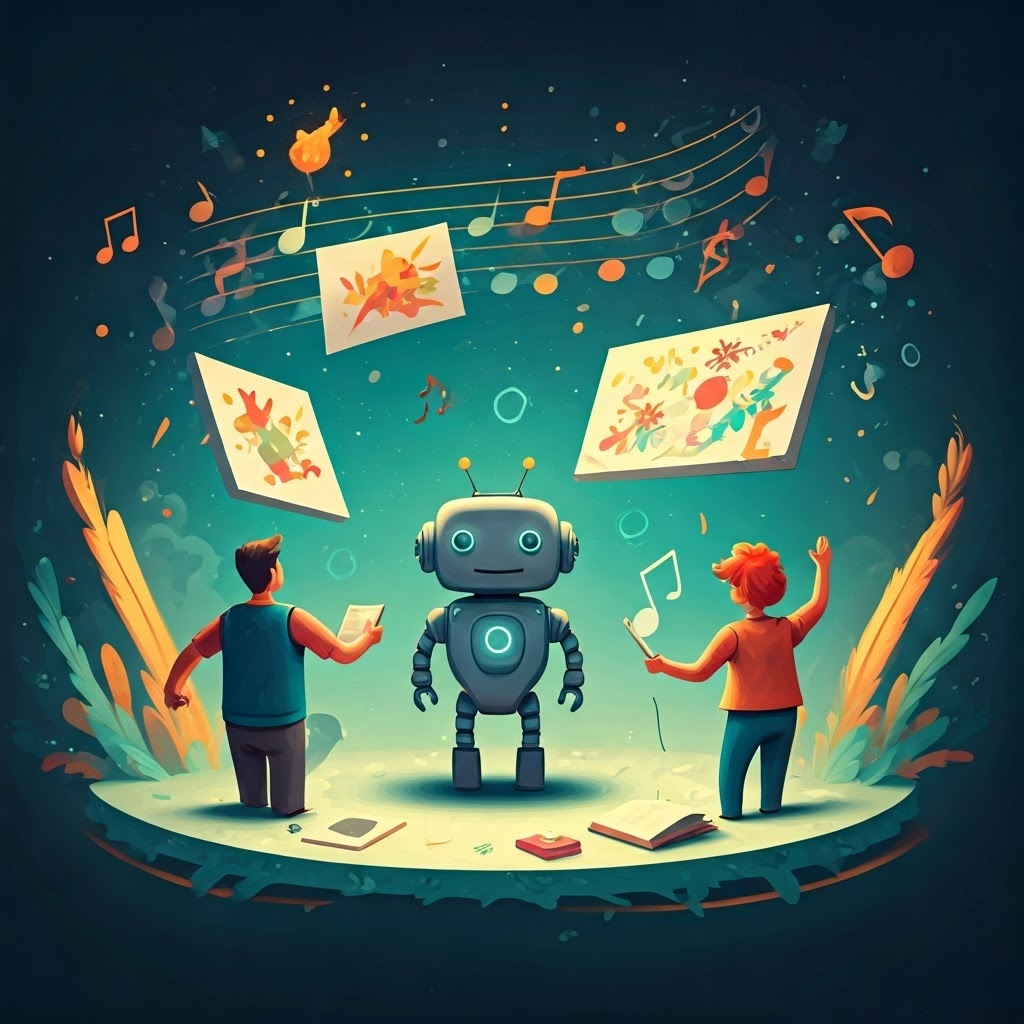
Humans and friendly robots create art together in a bright playground filled with floating images and musical notes, symbolizing collaboration.

AI art is a playground where your curiosity meets machine learning. You don’t need coding skills—just a sense of wonder to explore and invent whatever comes to mind.


Tome Genius

Understanding the New Wave of AI

Part 3

Tome Genius

Cookie Consent Preference Center

When you visit any of our websites, it may store or retrieve information on your browser, mostly in the form of cookies. This information might be about you, your preferences, or your device and is mostly used to make the site work as you expect it to. The information does not usually directly identify you, but it can give you a more personalized experience. Because we respect your right to privacy, you can choose not to allow some types of cookies. Click on the different category headings to find out more and manage your preferences. Please note, blocking some types of cookies may impact your experience of the site and the services we are able to offer. Privacy Policy.
Manage consent preferences
Strictly necessary cookies
Performance cookies
Functional cookies
Targeting cookies

By clicking “Accept all cookies”, you agree Tome Genius can store cookies on your device and disclose information in accordance with our Privacy Policy.

00:00