
Meet Your Digital Suit: Headsets, Displays, and Sensors
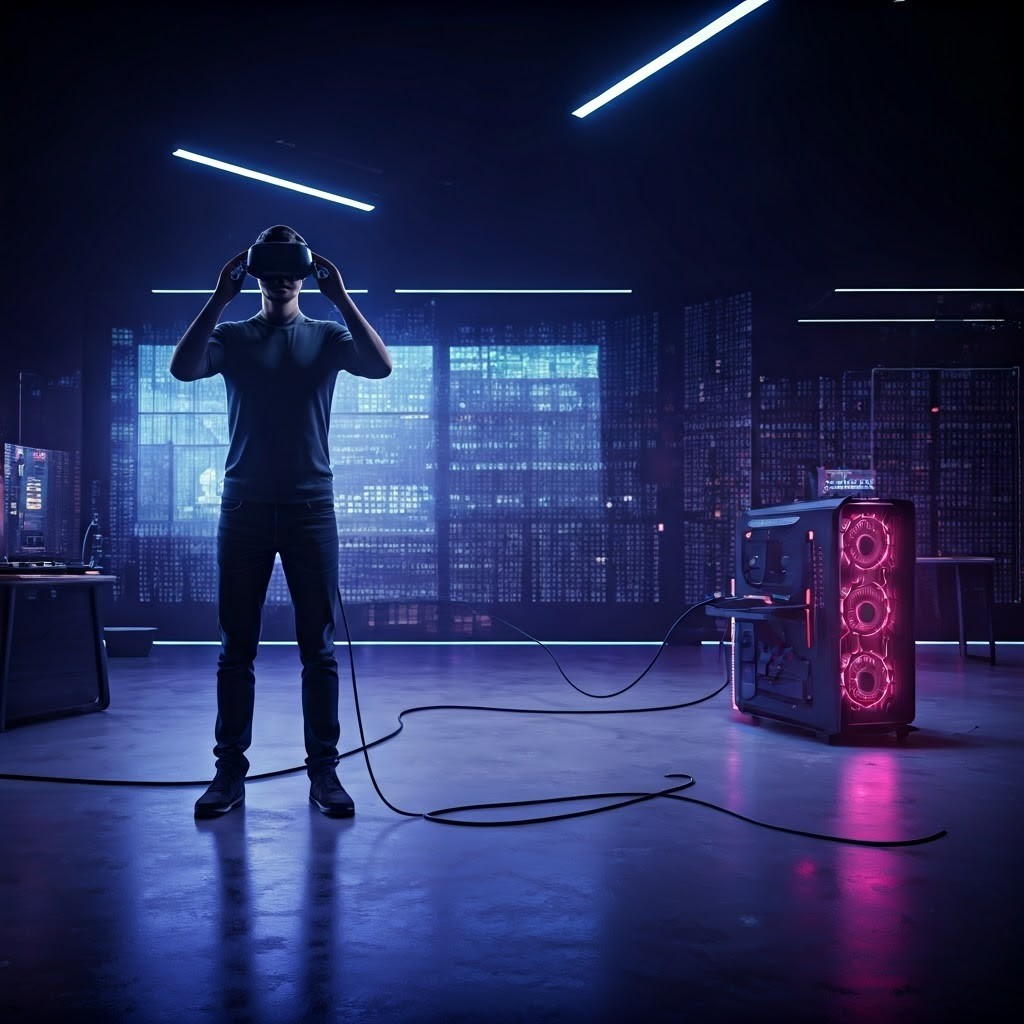
When you slip on a VR or AR headset, you enter a kind of digital suit that shapes presence. Its feel depends on its form factor—tethered, standalone, or mobile.
Choosing Your Shell: Tethered, Standalone, and Mobile Headsets
A tethered headset connects by cable to a powerful computer or console. This link delivers high-end graphics yet limits movement to the cable’s length.
A standalone headset packs its computer inside the visor. You pop it on and roam freely. The trade-off is lower peak power, so visuals are a bit softer, and battery life sets your session length.

A mobile headset uses your phone as the screen and brain. It offers an entry-level taste of VR, but tracking is basic and the phone’s battery drains quickly. As standalone prices fall, mobile rigs fade from the spotlight.
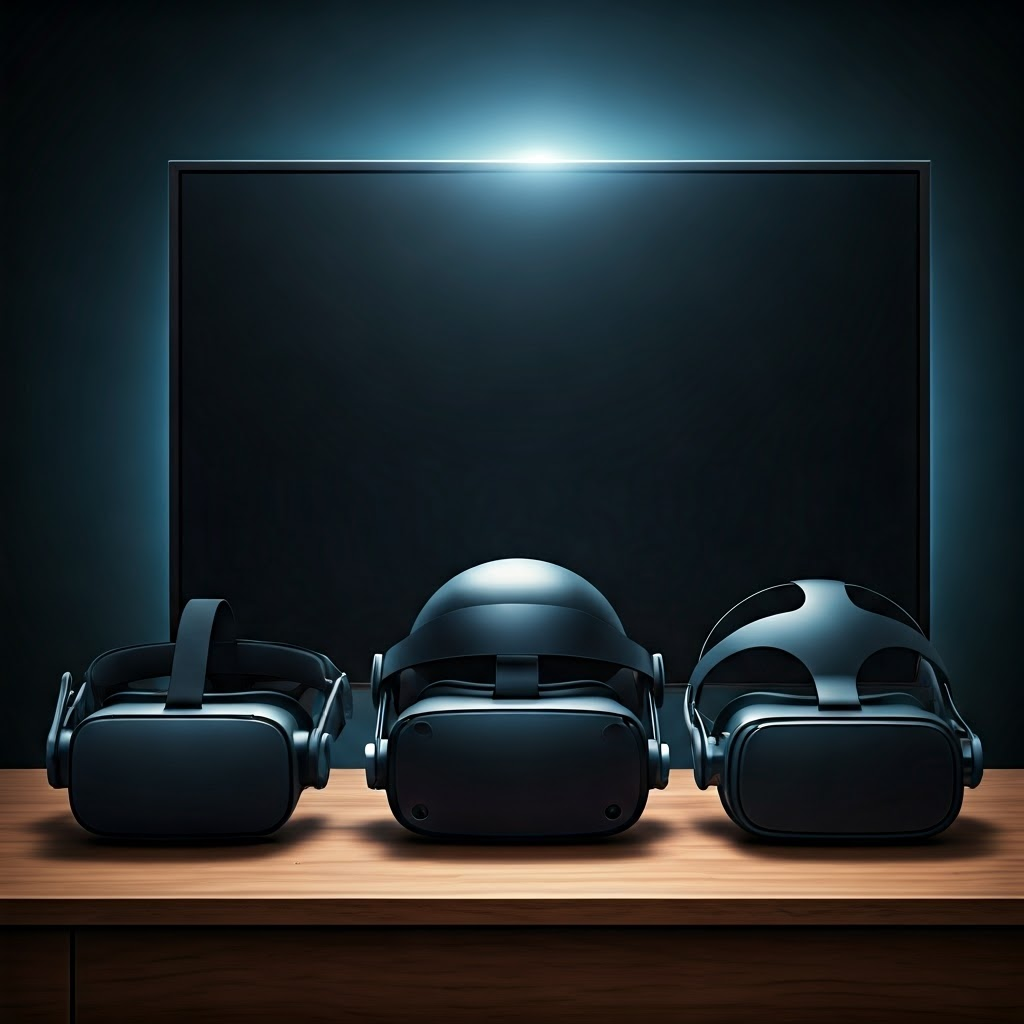
Choose wisely: tethered for visual fidelity, standalone for freedom, or mobile for quick demos. Your shell sets the stage for everything that follows.
Once the headset is on, your first real impression comes from the display just millimeters from your eyes.
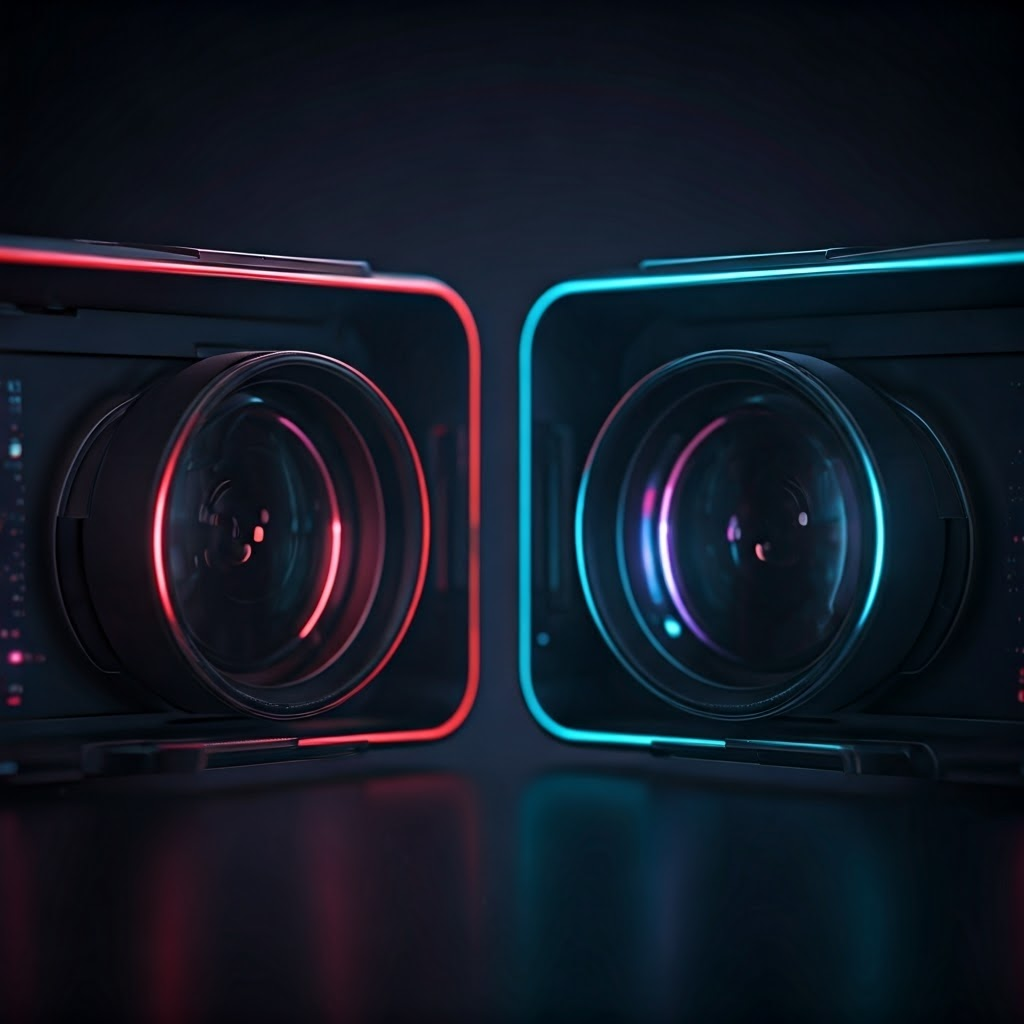
LCD panels are bright and affordable. They show sharp images but struggle with deep blacks, so scenes can look slightly washed.
OLED screens light each pixel individually. Blacks turn truly black and colors pop. They draw more power and may dim over years, yet action looks smooth and vivid.
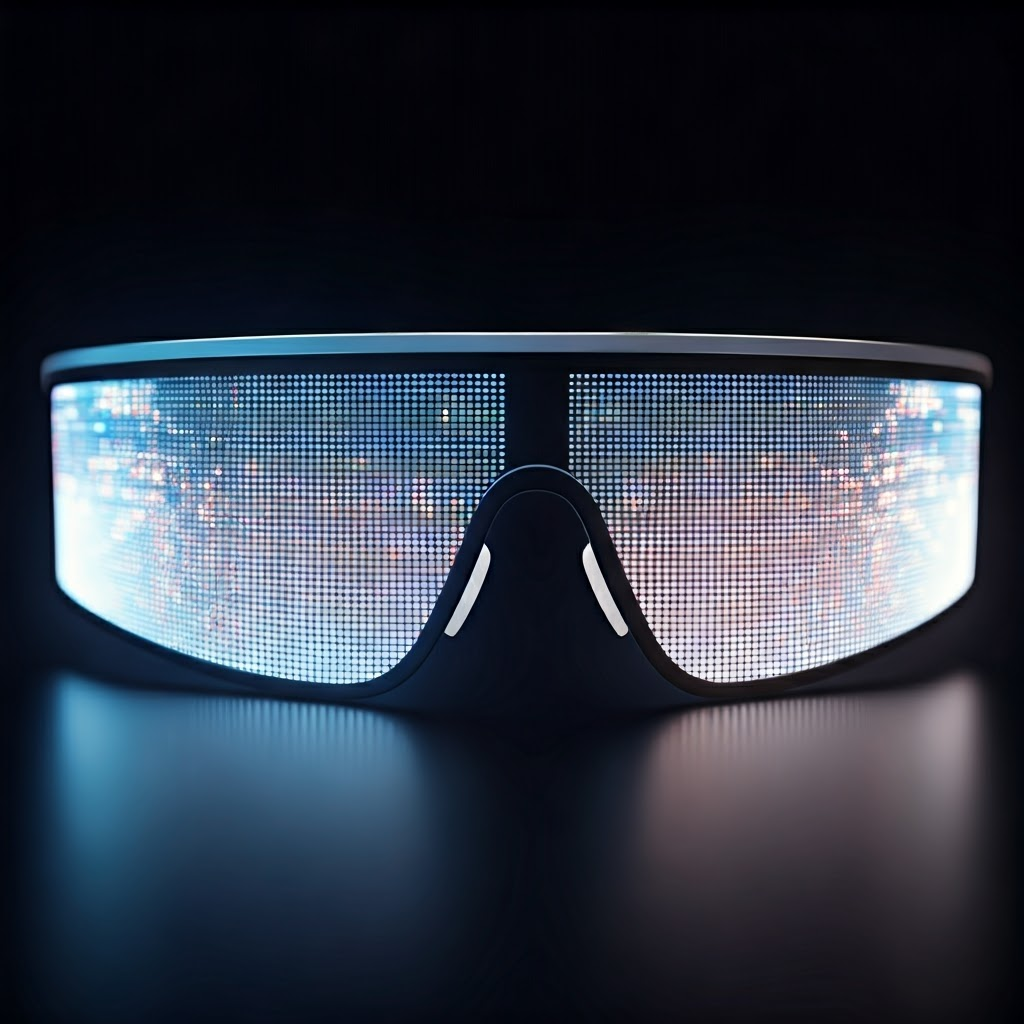
Micro-LED tech aims for the best-of-both—razor clarity, rich contrast, and low power. It’s rare and pricey today but hints at tomorrow’s standard.
Sharp, low-lag images keep you comfortable. Poor screens break immersion and can even trigger motion sickness.
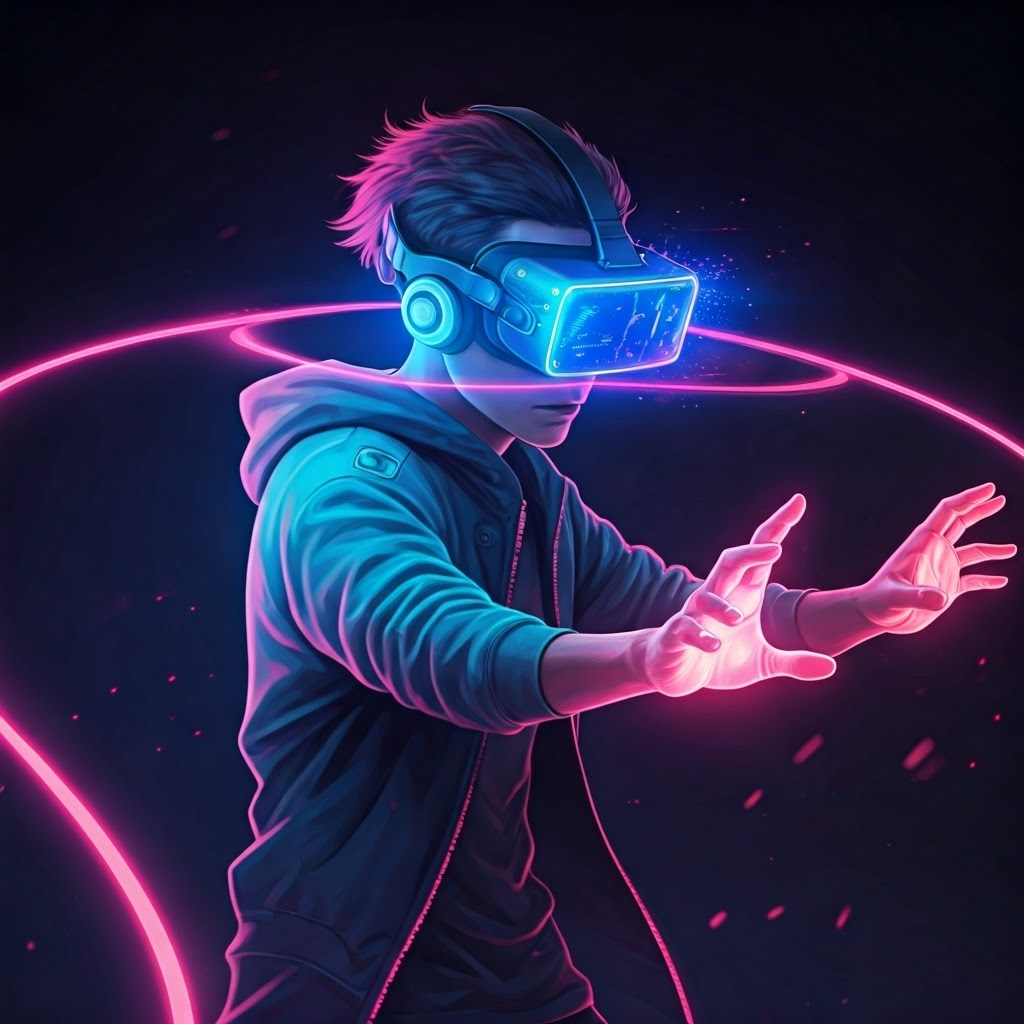
Sensing Your Moves: IMUs, Depth Cameras, and LiDAR
Sensors translate body motion into the virtual world. An IMU—a bundle of gyroscopes and accelerometers—offers instant orientation data but drifts over time.
Depth cameras add spatial awareness. By reading stereo images or infrared dots, they map your room and hands, keeping you from bumping furniture.
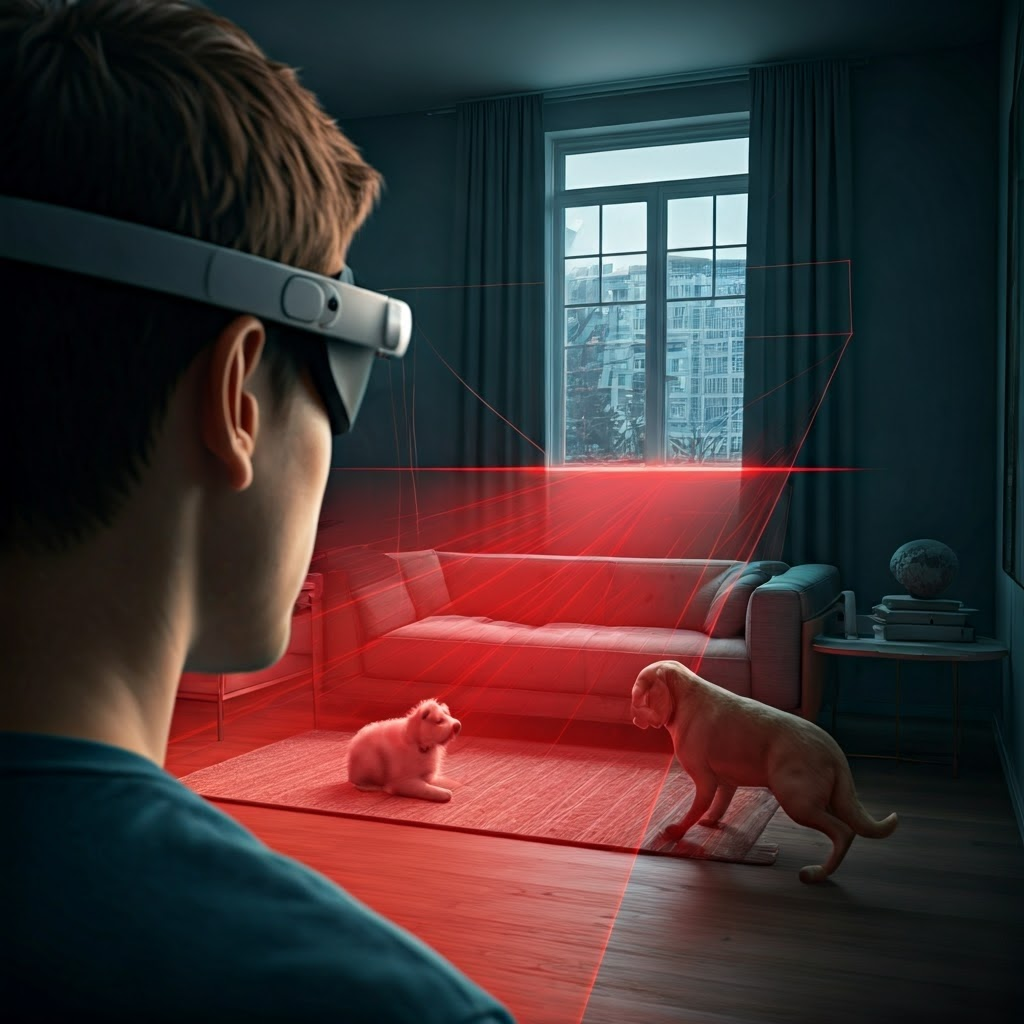
LiDAR goes further. It fires light pulses to build a high-precision 3D mesh, letting digital objects anchor firmly to real surfaces.

The headset fuses fast IMU data with detailed camera or LiDAR maps. This blend corrects drift and keeps the virtual world locked to your real moves.

Why It All Matters
Every part of the digital suit plays a role. The headset type controls freedom, the display shapes realism, and sensors align your motion. When they work together, the gear disappears and the experience feels natural—letting you live inside any world you choose.
