
Building Worlds You Can Walk Through
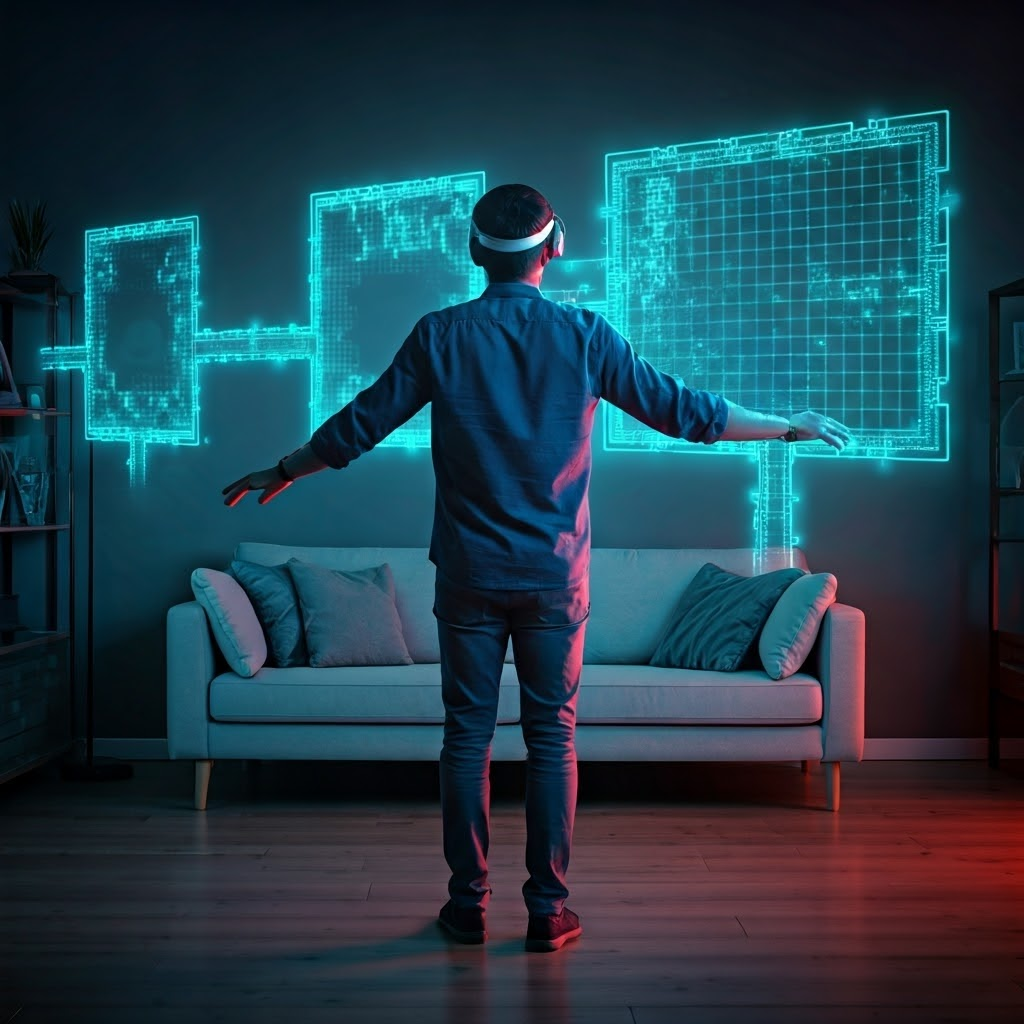
You’ve probably memorized corners of many game worlds. Yet in those games you only peek through a flat window. Even 3D titles keep your body in a chair. VR turns that around—you stand, turn, and suddenly feel inside the space instead of merely watching it.
In screen-based games, designers plan levels on a grid and expect thumbsticks or keys to move you. In VR, you do more than press forward. You duck under pipes, peek around corners, and sometimes walk across your living room. That shift changes every design decision.
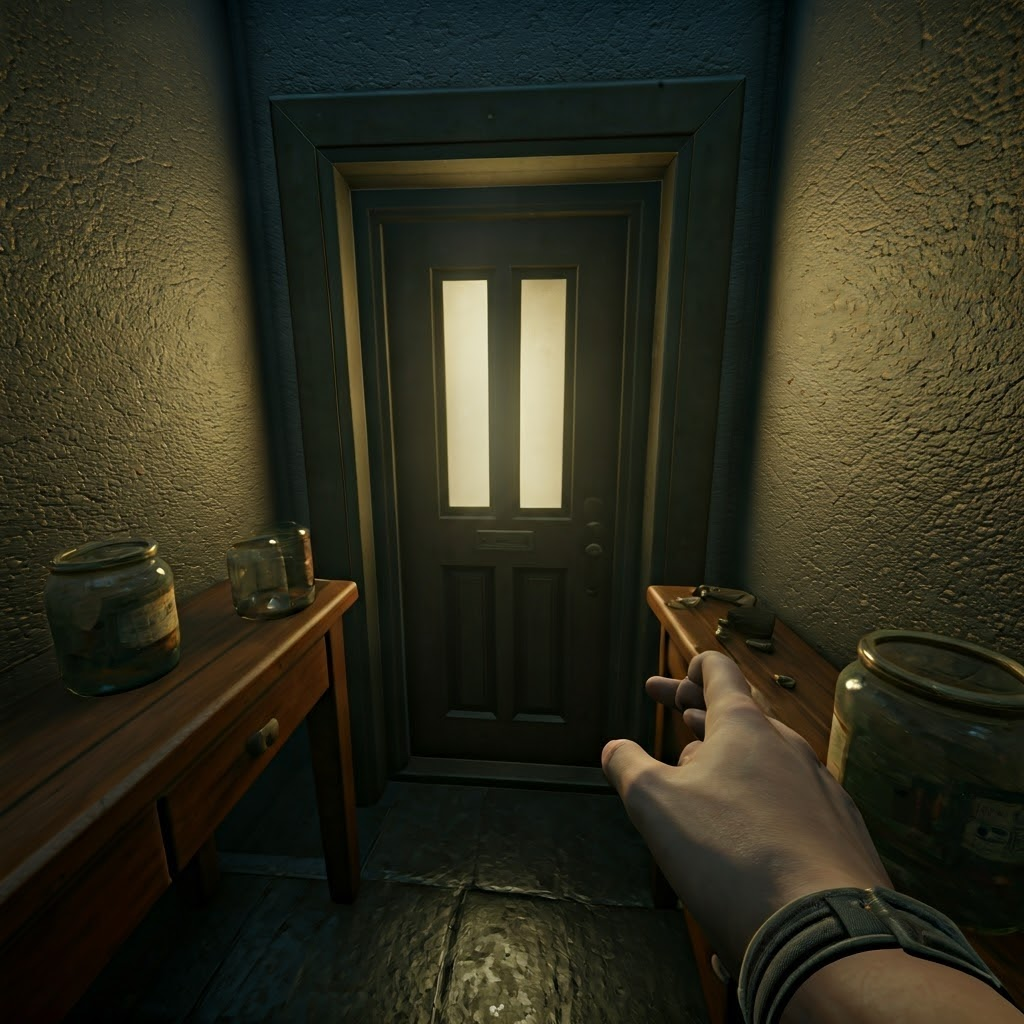
Every cabinet, switch, or object becomes something you can approach or toss. Scale matters: a hallway feels cramped or vast because proportions match your body. Designers test door width or table distance so actions feel natural. In Half-Life: Alyx, players hide behind shelves instinctively because the space invites it.

Designing for Presence and Intuition
Screen games rely on mini-maps or arrows. When you can freely look around, those tricks break immersion. Presence grows when landmarks, lighting, and sound guide you. A giant statue, bright sign, or noisy machine pulls you forward without obvious prompts.

Owlchemy Labs uses bold colors and large props in Vacation Simulator so focus feels effortless. Valve speaks of visual language—clear lighting, tidy layouts, obvious doors. Directional audio also steers you. In The Lab, a distant bark nudges you toward the next activity without a HUD.
The Role of Real-World Cues
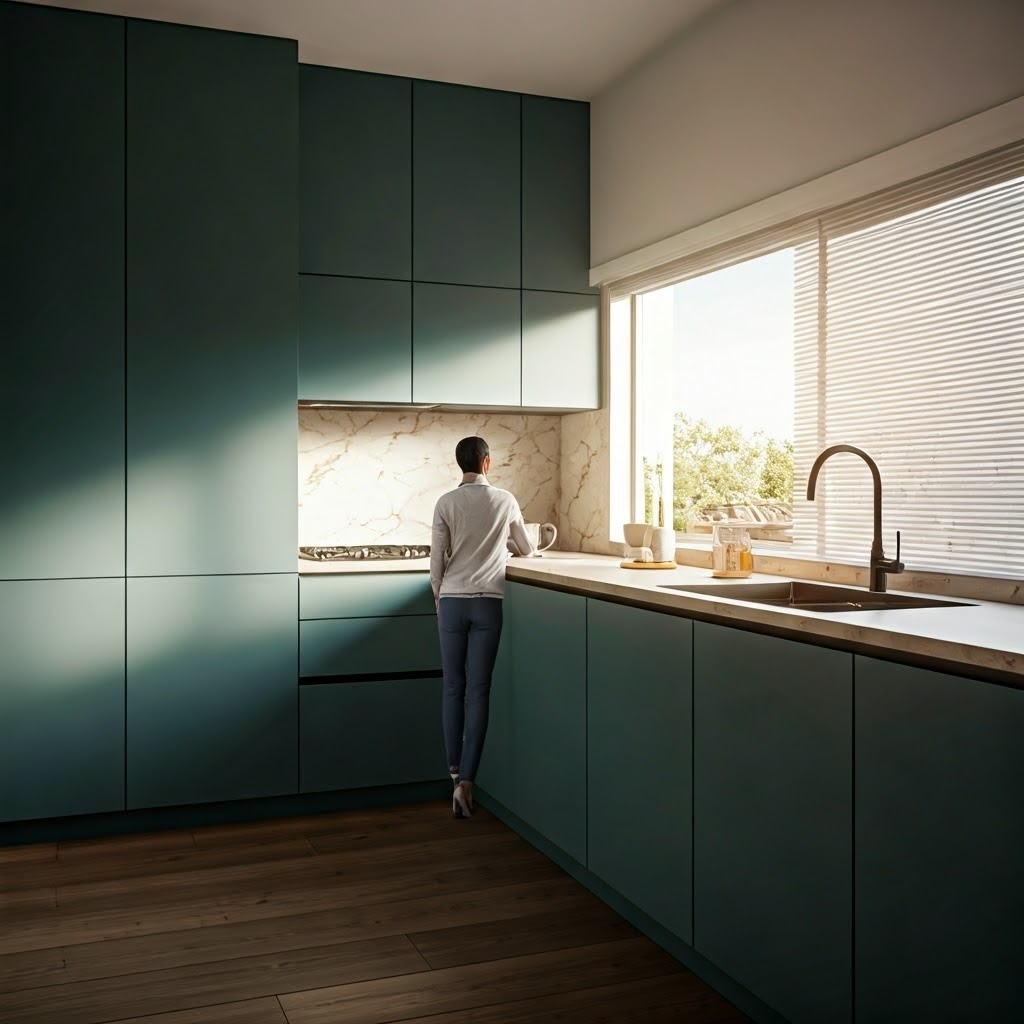
Physical details matter. A handle that sits too high feels wrong. Designers borrow real measurements so your body knows what’s possible. This embodied design anchors virtual spaces to muscle memory, easing navigation and cutting motion sickness because expectations match reality.
Greyboxing: Prototyping in 3D
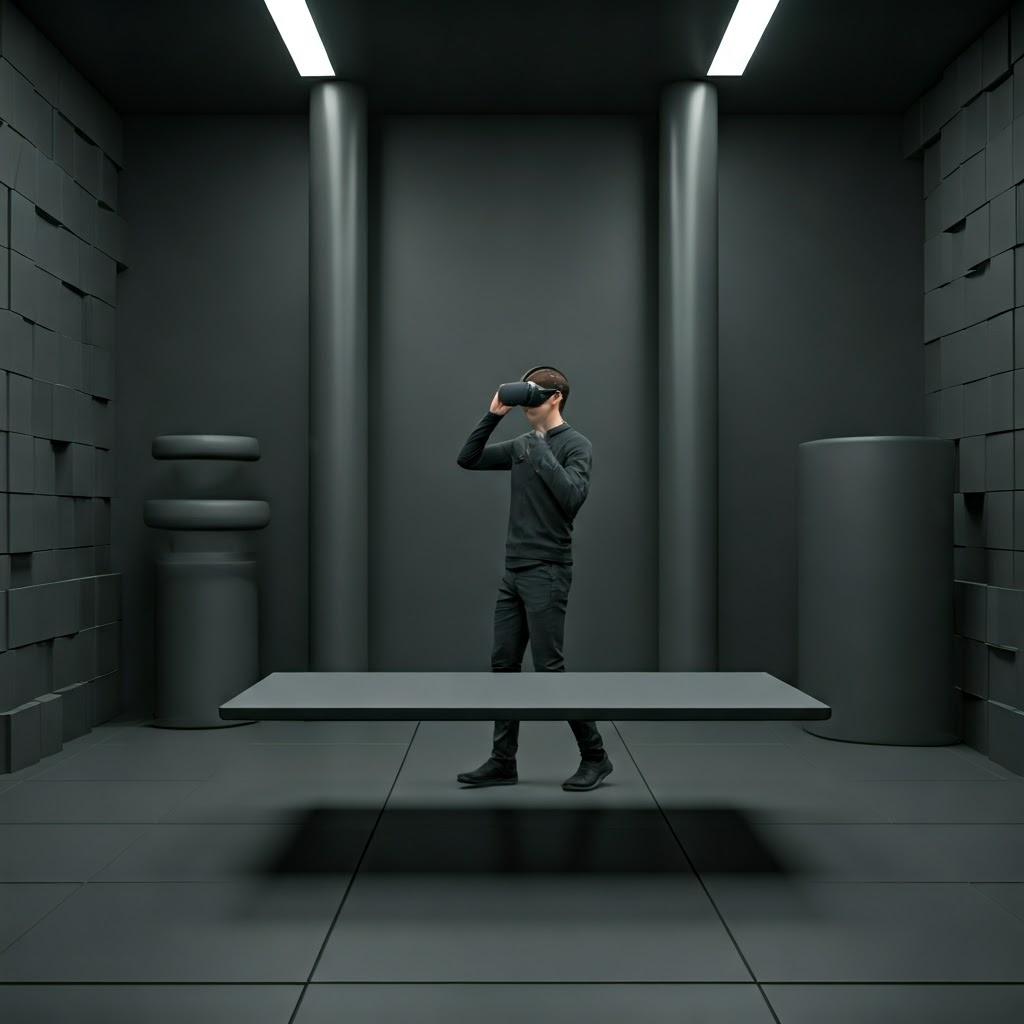
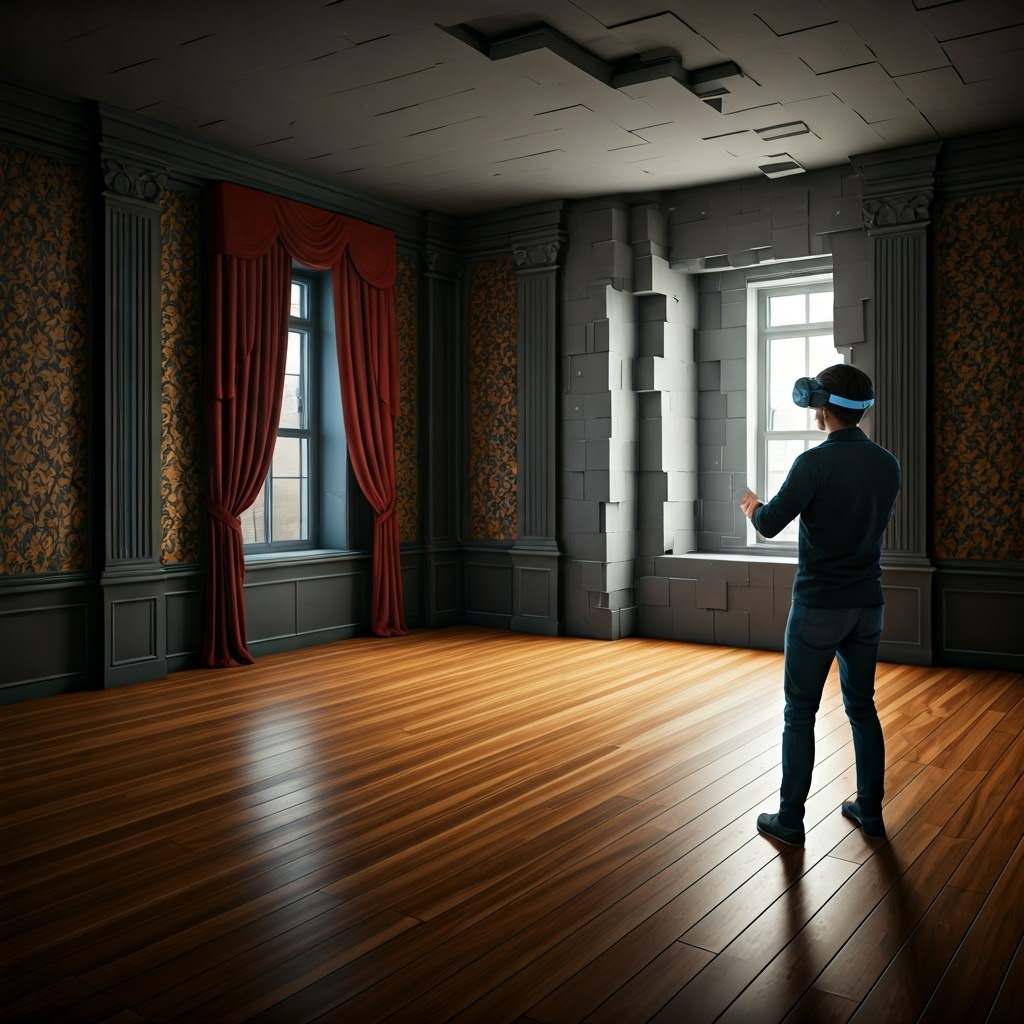
Building believable spaces is tough, so teams start with greyboxing—rough blocks instead of finished art. You sketch doors, tables, and puzzles with plain shapes, walk through, and adjust. Quick iteration reveals walls that pinch movement or objects kids can’t reach.
From Greybox to Gold
Greyboxing saves time. Designers test if passages frustrate, if sightlines work, and if space invites dodging or crouching. Once the layout feels comfortable, artists layer textures, lights, and story. The mindset shifts: you craft worlds for whole bodies, not just thumbs, discovering playful surprises along the way.
