
Meet Your Brain’s Creative Toolkit
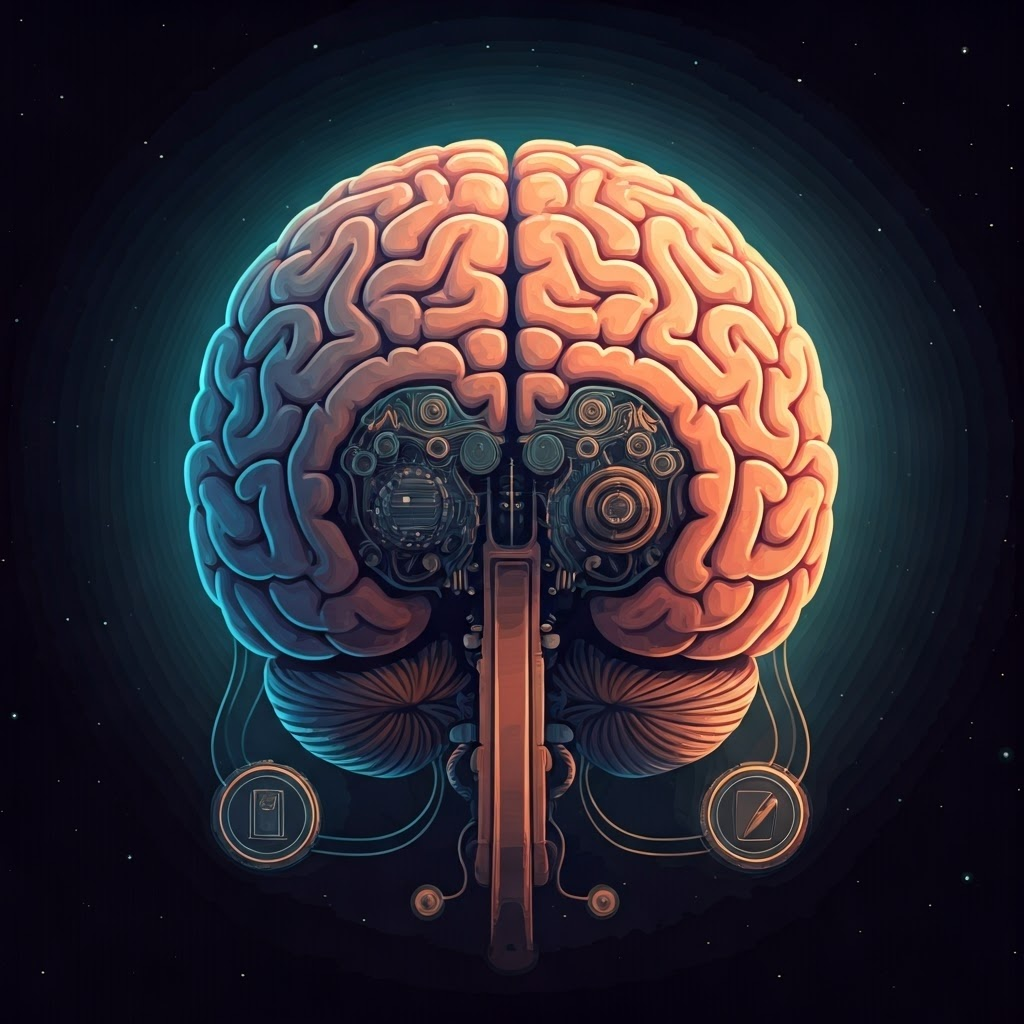
Creativity looks like magic, yet your brain follows clear rules. The prefrontal cortex acts as a project manager. It picks what you notice and lets you juggle ideas, setting the stage for every sketch, joke, or story.
The temporal lobes store memories, words, and sounds. They hand over helpful details while you brainstorm. The parietal lobes then link distant concepts, sparking fresh combinations that feel surprising yet sensible.
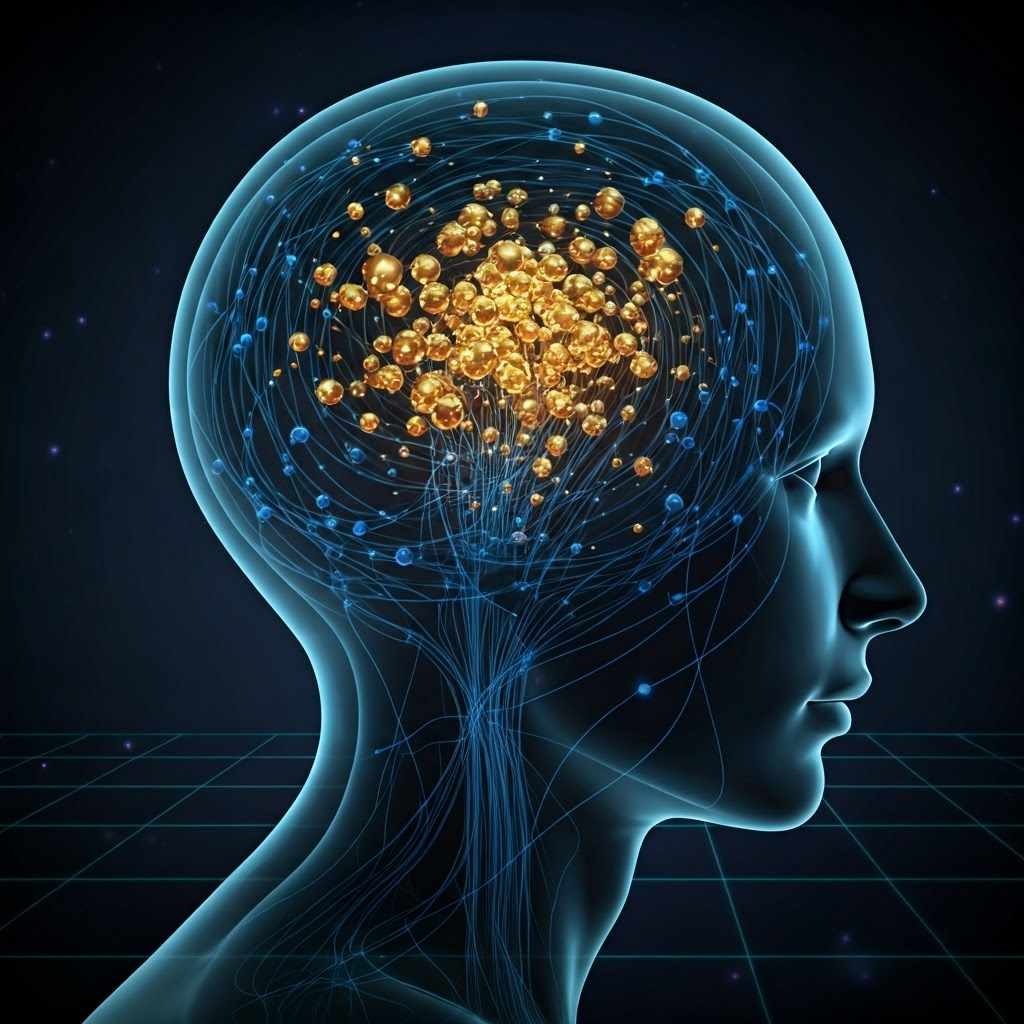
When you daydream, the default mode network lights up. It freely roams, letting you pair a teapot with a rocket. The executive control network soon joins, shaping wild notions into clear plans. Inside your head, creativity is a cooperative sport, not a solo act.

You use these networks daily. Picture strolling home, hearing traffic, then visualizing the local bakery hovering in the sky. Your mind pulls up memory, applies logic, and sprinkles fantasy. This coordinated dance gives ideas their spark and surprise.
Peeking Inside: Real-Time Brain Feedback
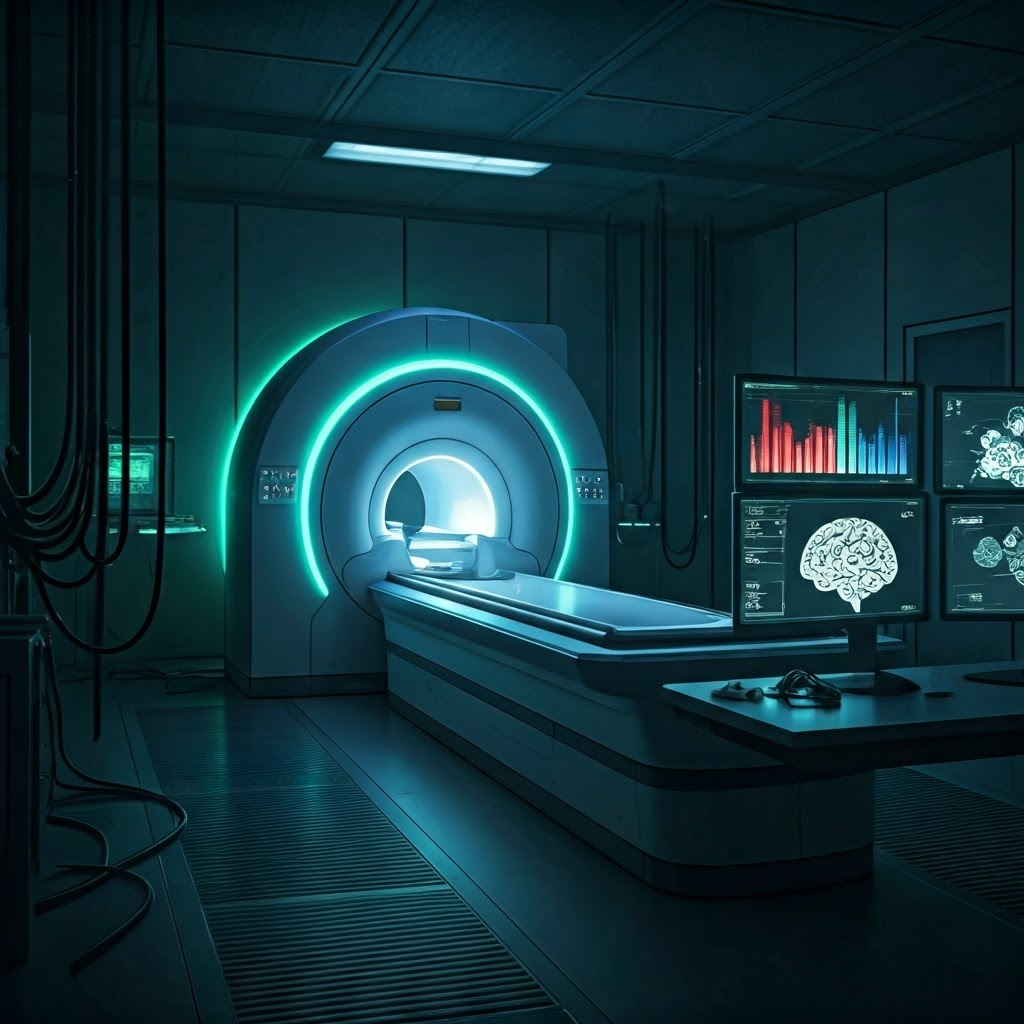
Until recently, the brain felt like a sealed box. Real-time fMRI now shows activity as it happens—much like dashboard lights in a car. An fMRI tracks blood flow, so scientists can see which regions work hardest while you imagine, plan, or dream.

In studies, a screen changes color when your creative areas fire. You might list novel paperclip uses, trying to raise a bar on the display. Fast feedback helps some people steer their own brain activity. Over time, they often craft more original ideas.
A landmark study by Beaty showed that training can flex both default and executive networks. Results vary, yet the finding is hopeful—the creative process is visible and, to a point, trainable. That makes it feel reachable, not mysterious.
Brain Stimulation: Tuning Up Creativity
Transcranial magnetic stimulation nudges brain cells with brief magnetic pulses. It feels like light tapping. By targeting regions active in idea-making, scientists test whether a slight push can ease a creative block. Early evidence suggests small, targeted boosts are possible.
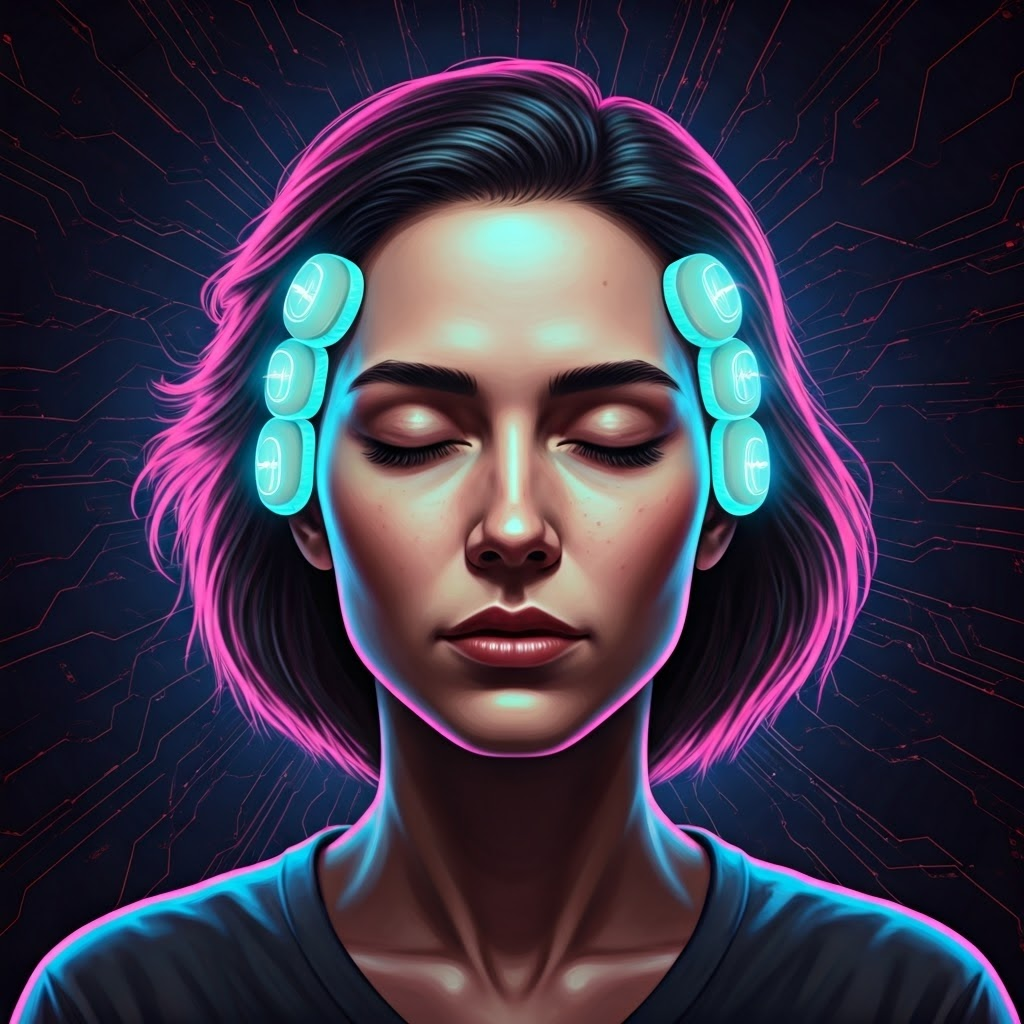
Transcranial direct-current stimulation works with a mild electrical current. It gently raises or lowers neuron readiness across wider areas. Both methods are experimental. Effects differ from person to person, so researchers urge caution and precise guidance.
Still, the idea that you can nudge your brain toward new connections shifts how we view creativity. Inspiration joins practice, biology, and subtle technology.
What This Means for You
Creativity is not random lightning. It rests on real brain systems you can explore and refine. Tools like neurofeedback, TMS, and tDCS may one day help you sharpen imagination. Yet the daily habits—wandering thoughts, playful links, constant exploration—keep your toolkit strong. Understanding the machinery turns creativity into a skill you actively grow.
