Meet the New Digital Neighborhoods

What’s Different About Web3?
Most of today’s internet feels controlled by a few giants. Google answers questions, Facebook stores memories, and Apple or Amazon decide which apps appear. Centralization shapes that experience.
Web3 aims to reverse the pattern. It spreads control across a public network of computers, so no single CEO holds the keys.
On the current web a request reaches a company server that grants or refuses access. In Web3 the request goes to a network of independent nodes working together.

Picture a local market instead of a big-box store. Each stand sets prices through group agreement. In Web3 your information lives the same way—shared across many machines yet still under your control.
A public blockchain acts like a ledger everyone can read. It records who owns what or which actions occurred.
This design brings drawbacks. Apps may run slower, new security puzzles appear, and rules can grow messy because no single referee exists.
Early chat rooms offered similar freedom—and chaos. Web3 supporters hope to blend that independence with modern power, but success remains uncertain.
Who Are You Online? Decentralized Identity
Logging in today feels like checking into a hotel. You show email and codes, and the website stores copies of your digital key.
If one site is hacked, attackers might unlock every other account. Control rests with third parties.
Decentralized identity changes this. You keep a single digital wallet and present only the information a site needs, such as proof you are over 18.

Verifiable credentials add another layer. A university can sign a proof of graduation directly into your wallet.
You then share that proof instantly, cutting paperwork and reducing fraud because cryptography confirms it’s genuine.
Challenges remain. You must trust issuers and safeguard your wallet; losing it is not as simple as clicking “Forgot Password.”
Faked credentials are possible socially if not technically. Convincing people to adopt new habits is the bigger obstacle.

Where Does All the Data Go? Distributed Storage
Traditional cloud storage is merely someone else’s computer. If that company shuts down or changes rules, your data can vanish.
Distributed storage spreads tiny pieces of each file across many volunteer machines, similar to a community library.
When you need a file, the network reassembles the fragments, much like BitTorrent but with stronger security.
Three common tools power this model: IPFS, Filecoin, and Arweave.
IPFS lets you find any file by its fingerprint. Filecoin rewards people who provide space with tokens. Arweave targets permanent storage—pay once and keep data forever.
The benefits include resilience, censorship resistance, and fewer outages.
Yet questions linger: who funds the disks, what about illegal uploads, and what happens if you misplace your unique link? Transparency replaces trust, but not always comfort.
The Double-Edged Sword: Security and Skepticism
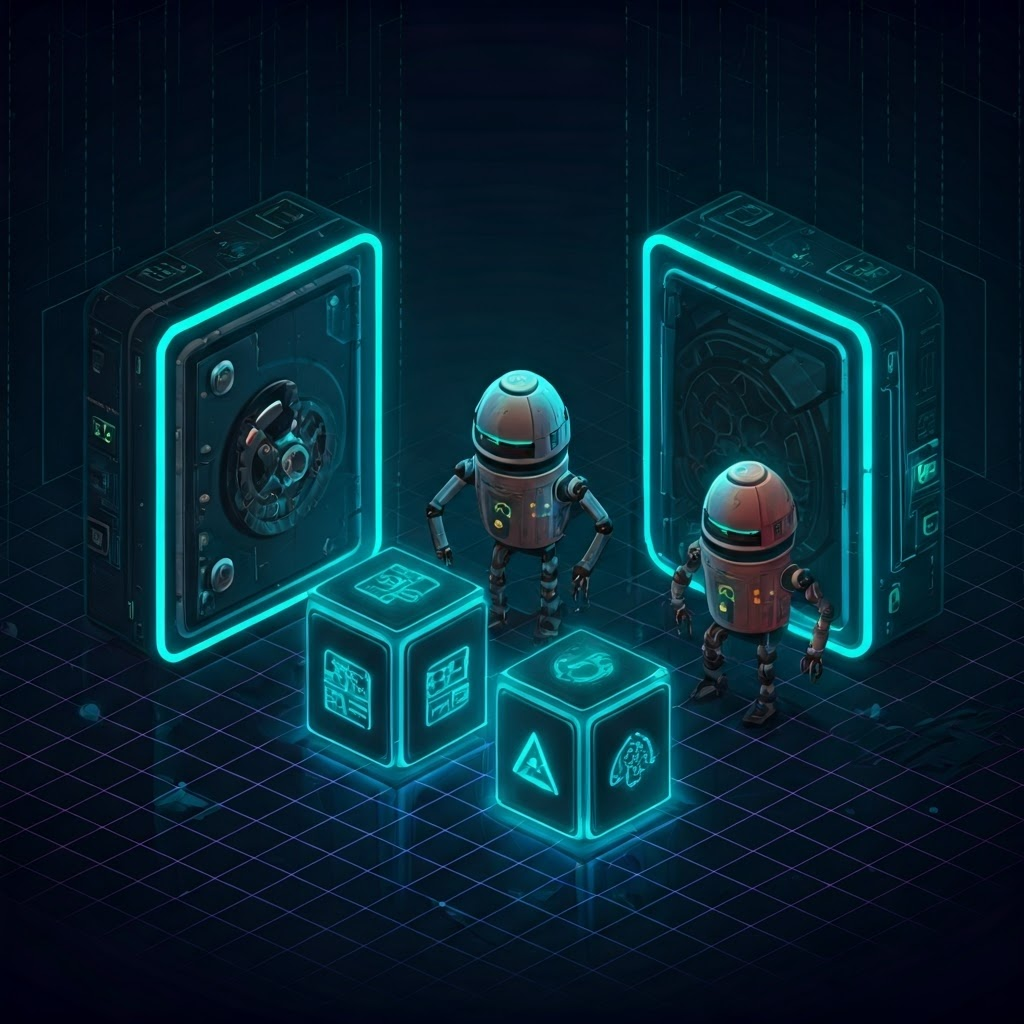
Decentralized designs remove single points of failure, and math-based safeguards can block certain attacks.
Still, security is a double-edged sword. You hold the responsibility. Lose your wallet or approve a scam, and no helpdesk can undo the damage.
Networks remain young, bugs exist, and scammers can still trick users.
Web3 promises self-sovereignty. That freedom opens new doors—and demands that you step through with open eyes.