
Machines That Think, Move, and Learn

Brains Made of Code
You’re surrounded by artificial intelligence even if you rarely notice it. Playlists that predict your mood, voices that answer from your phone, and cameras that soften backgrounds all rely on machines that have learned to think.
But what does thinking mean for a machine? At its core, AI teaches computers to handle tasks that once needed human brains—recognizing faces, understanding speech, or guessing what you might want for lunch.

A regular computer follows strict instructions like a chef who never strays from a recipe. Machine learning acts more like a chef who tastes, adjusts, and improves each time.
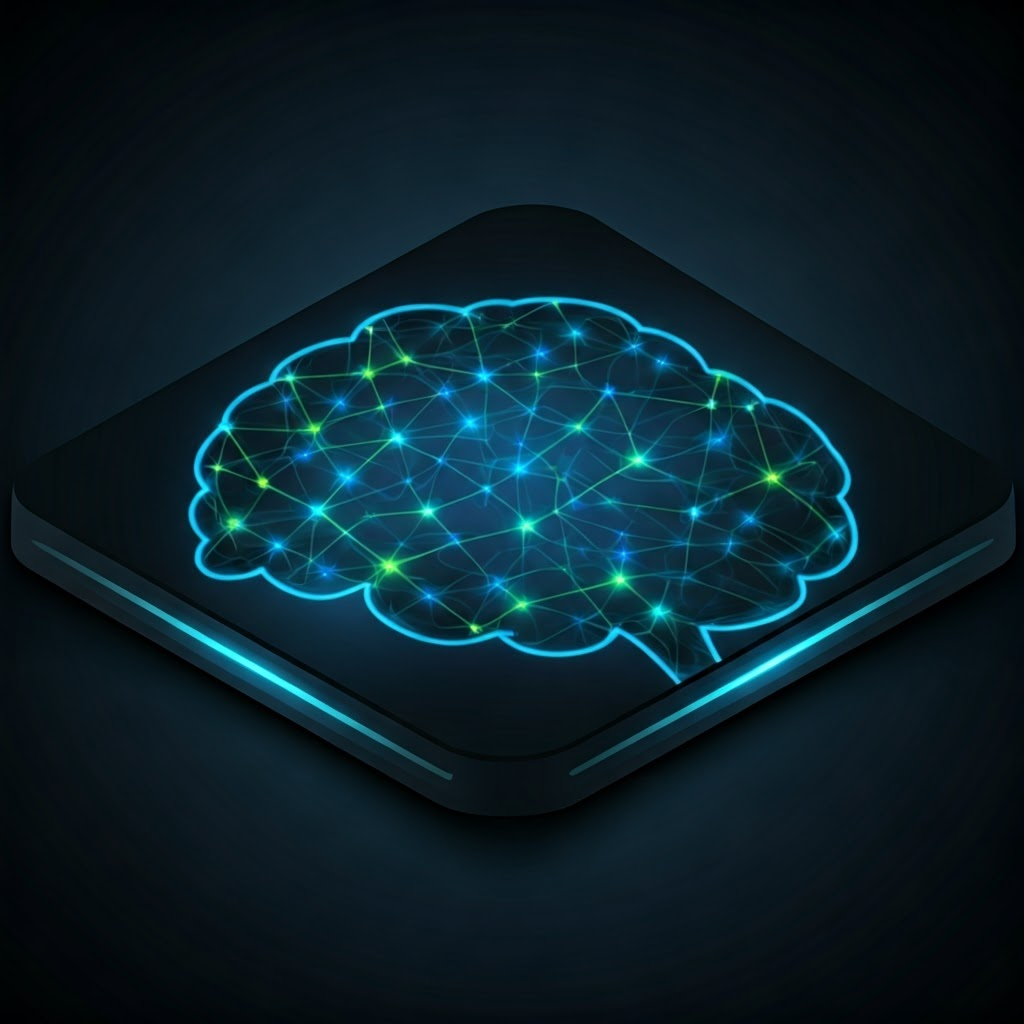
The secret sauce is the neural network, a web of digital switches that light up when they spot patterns. Show it thousands of cat and dog photos, and it learns the subtle clues—ears, whiskers, tails—to tell them apart.

Neural networks contain layers of nodes that weigh data differently and pass signals forward. Training lets them correct mistakes after each attempt. Google’s AlphaGo mastered Go by playing millions of games and learning from its own wins and losses.
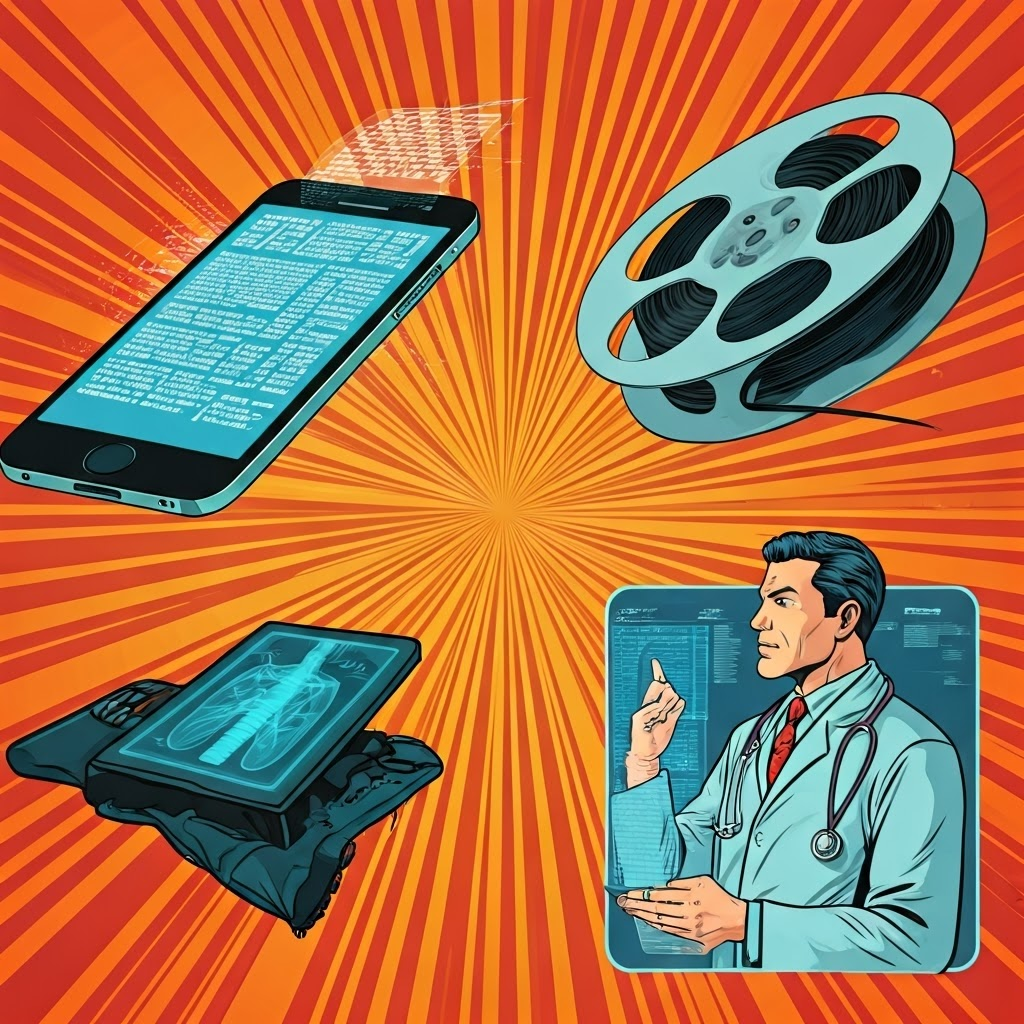
Machine learning now powers translation apps, streaming suggestions, and medical image analysis. Its edge over regular software is the ability to adapt—and sometimes surprise its creators with novel solutions.

Robots on the Move
Early robots were clunky toys that bumped into walls. Today’s autonomous systems include cars that navigate busy streets, drones that drop packages, and vacuums that dodge chair legs.
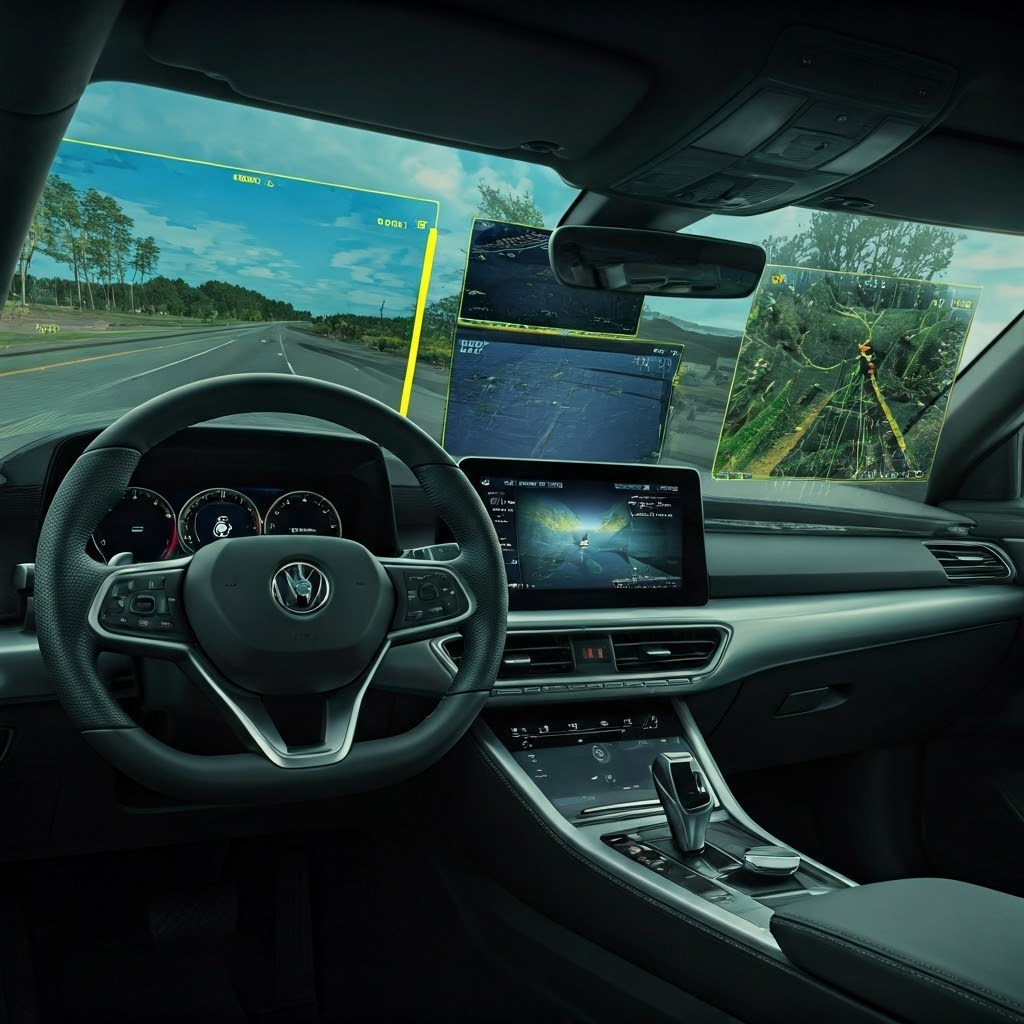
A self-driving car sees through cameras, radar, and lidar. Its computer fuses those streams into a live map, predicts what others might do, and adjusts steering or brakes to stay safe.
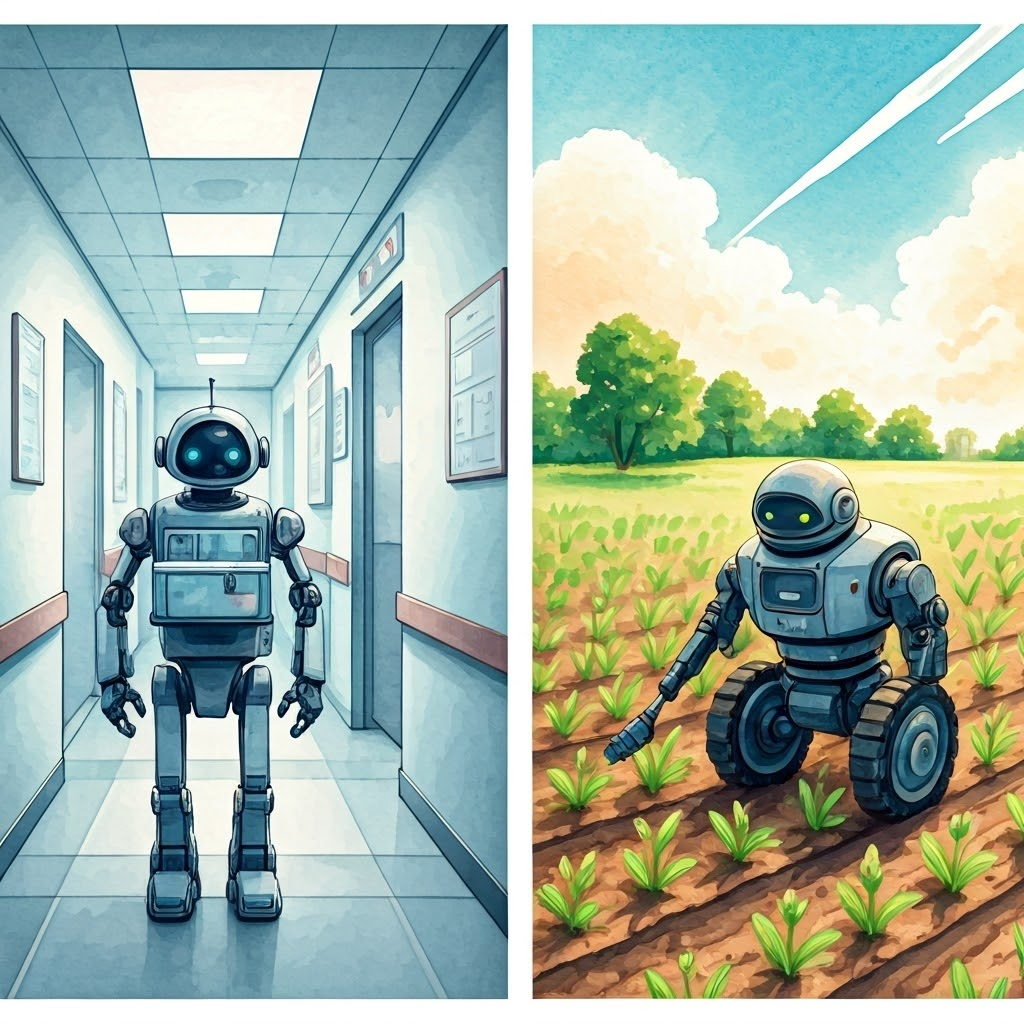
What makes a robot autonomous is the freedom to sense, plan, and act. Hospital bots navigate hallways to deliver medicine, while farming bots target weeds and spare crops, boosting efficiency.
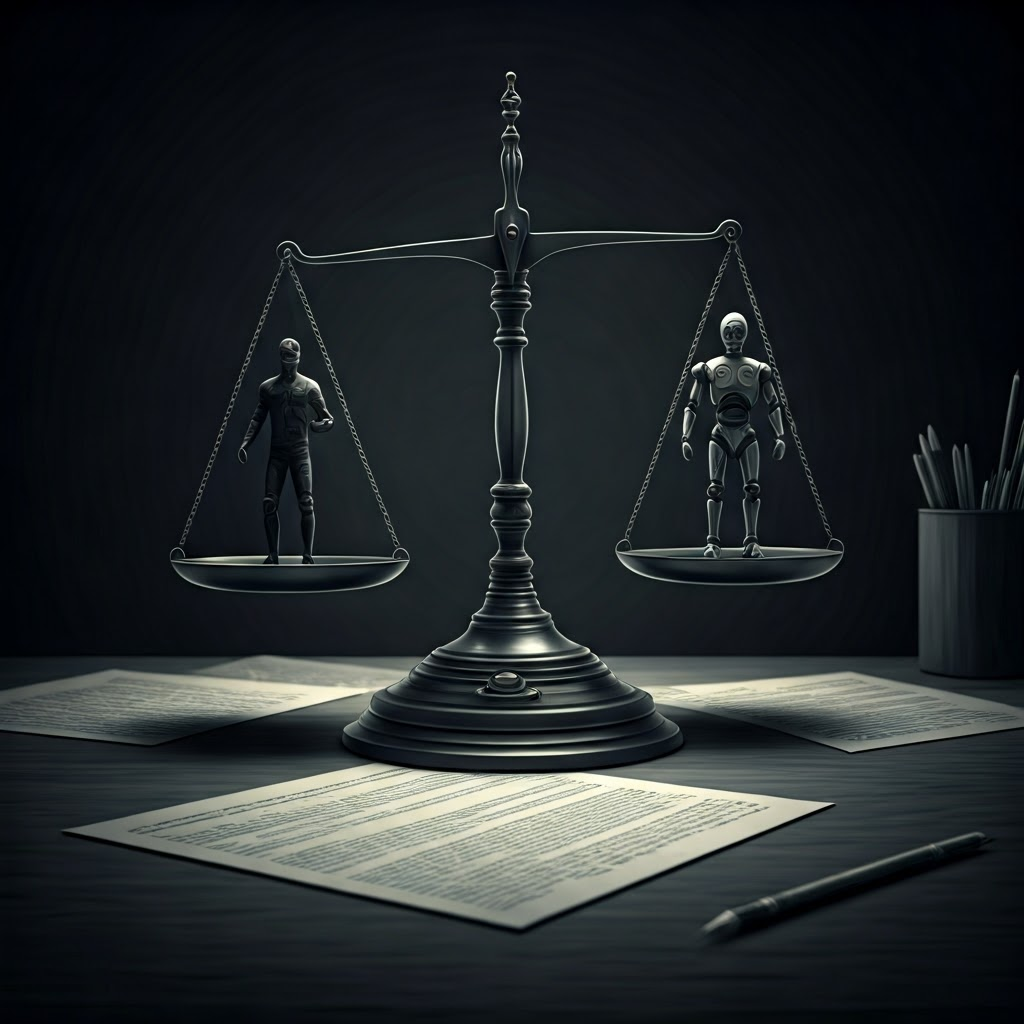
The Ethics of Smart Machines
As machines grow smarter, choices grow tougher. Can an algorithm decide who gets a loan? If a self-driving car faces a crash, how should it weigh risks? These issues directly affect people.
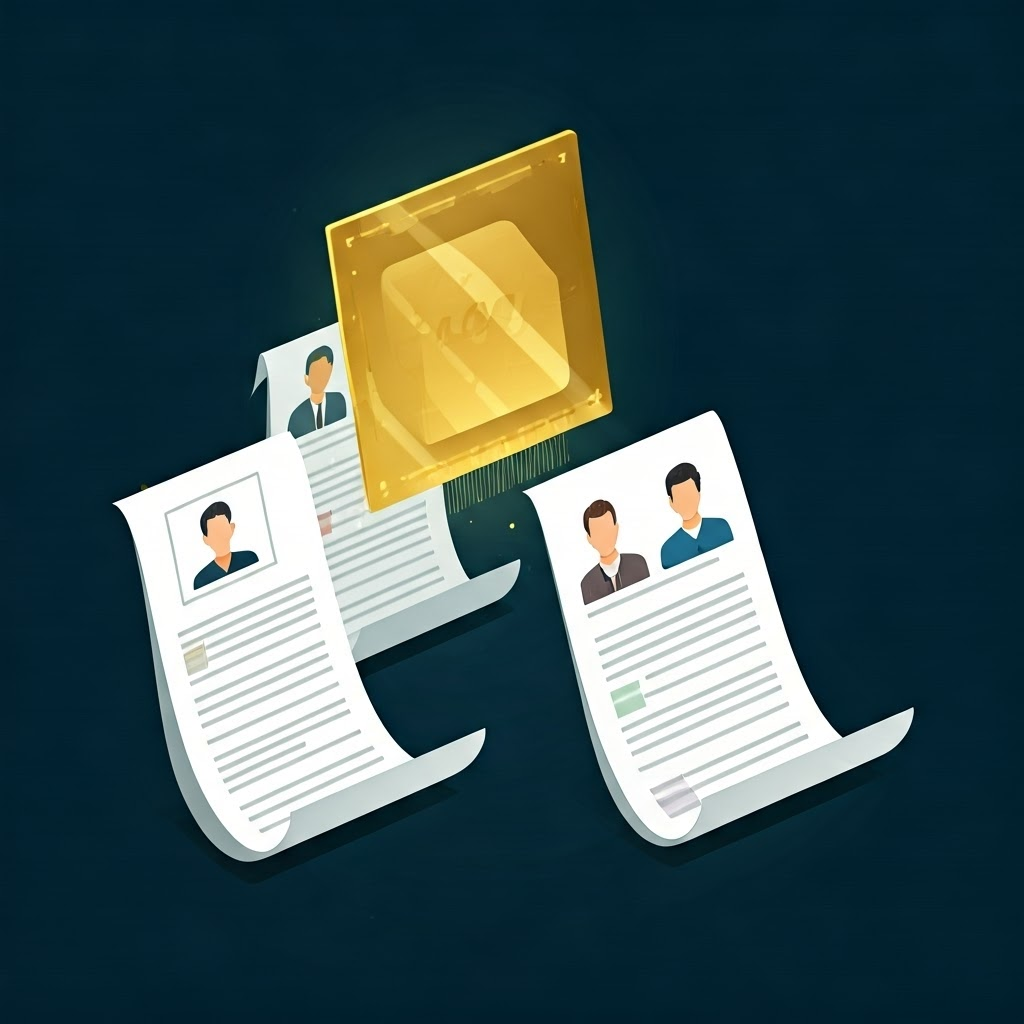
Ethics in AI aims to keep systems fair and safe. A hiring model trained only on past resumes could copy old biases, so companies now test algorithms and regulators demand accountability.

Transparency matters. If no one understands why a network acts, it becomes a black box. Thinkers like Nick Bostrom and David Deutsch warn against trusting goals we can’t explain.
Smart machines are tools—powerful yet neutral. Our task is to guide them toward benefit, avoid harm, and keep human wisdom at the center. The future isn’t only about smarter machines; it’s about smarter choices too.
