The Data Dilemma: Who Gets Counted, Who Gets Missed?
Data shapes daily choices in medicine, transit, and safety, yet a persistent gender gap leaves many unseen.
Invisible Numbers: The Gender Data Gap
Crash-test research favors the average male body. Standard dummies miss other shapes, so women face higher risks on the road—about 17% more deaths and 73% more serious injuries.

Researchers once tested mainly on men and assumed findings fit everyone. Smartphones, voice assistants, and health apps still mirror those habits and often overlook half the users.

Being left out means delayed buses, longer bathroom lines, and poorer medical care—costs detailed in Caroline Criado Perez’s book Invisible Women.

When Algorithms Get It Wrong
Algorithms follow data. If the data holds bias, the system repeats it—only faster and harder to spot.

A hiring tool trained on male-dominated resumes favored men. A U.S. health algorithm steered extra help toward white patients because it used past spending as a shortcut.

Beauty filters lighten skin and search results for “CEO” show mostly men. Unless we ask what’s missing, tech reinforces old patterns.

Fair AI comes from diverse teams that test, revise, and update their tools.

Gig Work and the Money Maze
Gig jobs offer flexible hours yet expose workers—especially women—to low pay and sparse benefits.

Women hold roughly one-third of gig roles worldwide but often earn about half as much as men, as seen in Kenya and India.

Traditional banks require steady income, blocking many gig workers from loans or insurance. New services like M-Pesa and Grameen Bank help but cannot erase every barrier.
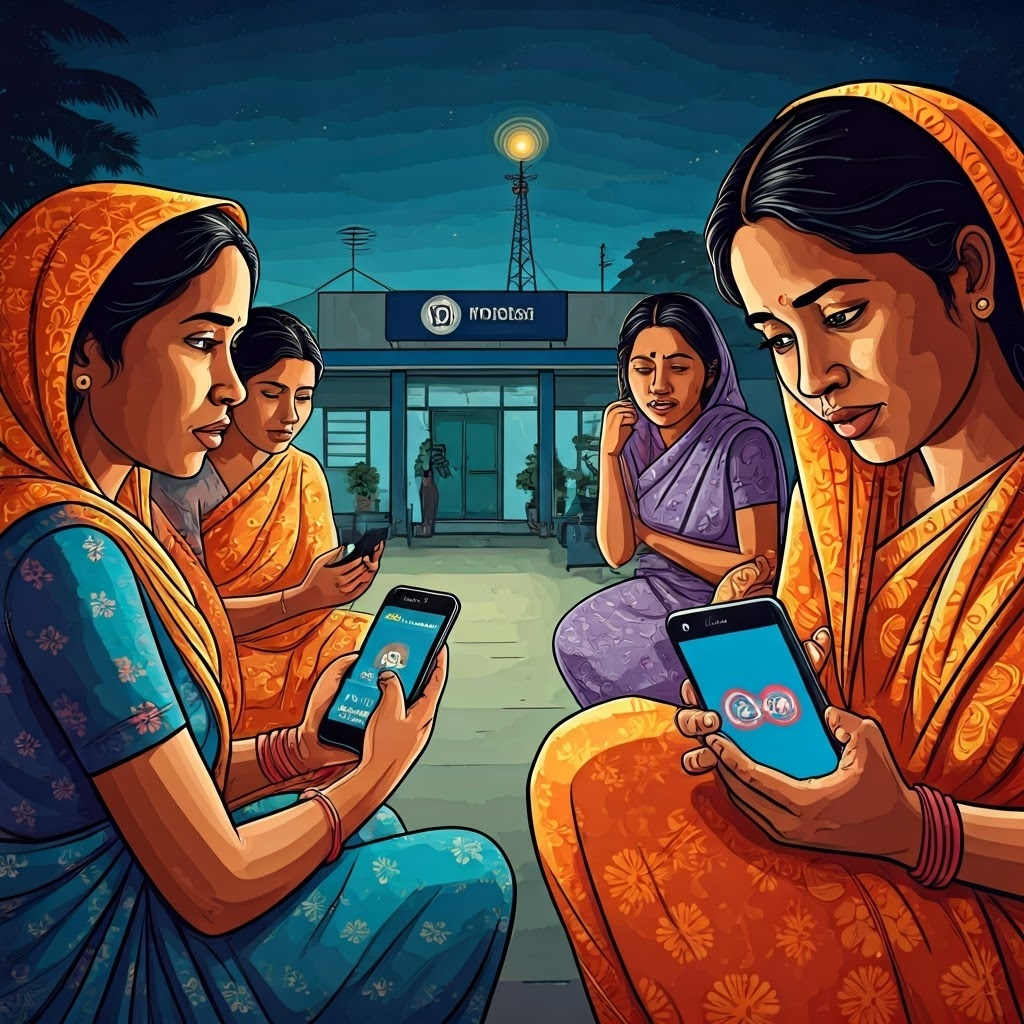
Signing up for digital wallets often demands IDs many lack, turning access into a maze.

Learning on the Edge: Digital Divides in Education
Online learning promises opportunity, yet about 2.7 billion people—mostly women and girls—lack reliable internet.

During COVID-19, girls often did chores while brothers logged on. Many never returned to school after closures.
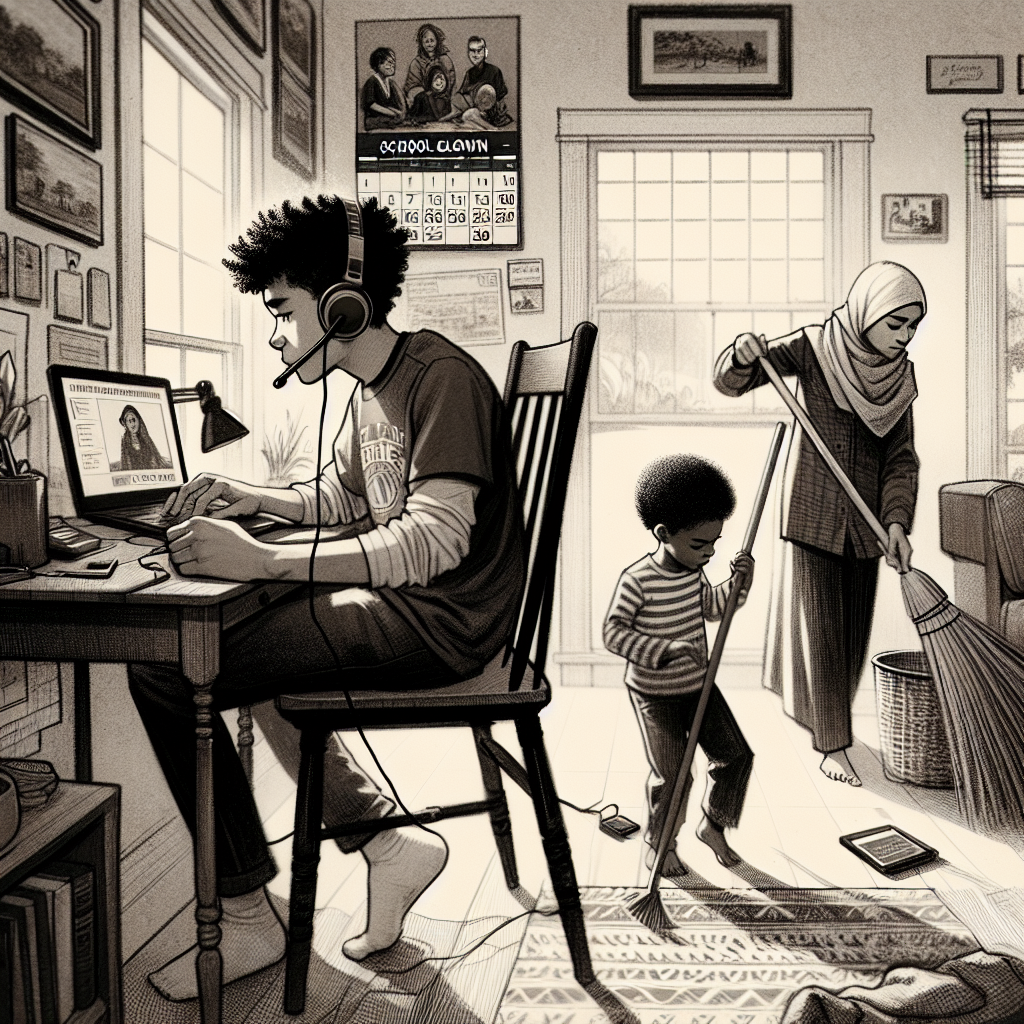
Even with devices, platforms may ignore local languages, and harassment can drive girls offline. Grassroots programs in India, Brazil, and Nigeria show progress when girls gain safe access.
Connecting the Dots
The gender data gap, biased algorithms, gig work hurdles, and digital divides intertwine. Asking who is missing—and fixing the answer—opens paths to fairer tech, schools, and jobs.