16 min read  •  11 min listen

Frozen Frontiers

Secrets, Survival, and Science at the Coldest Edges of Earth

Frozen Frontiers

AI-Generated

April 25, 2025

Step into the coldest places on Earth, where the sun vanishes for months and life finds a way against all odds. Discover the secrets of the poles, from hidden wildlife to ancient ice, and see how these frozen worlds shape our planet.


Where the World Turns White: The Arctic and Antarctic Revealed
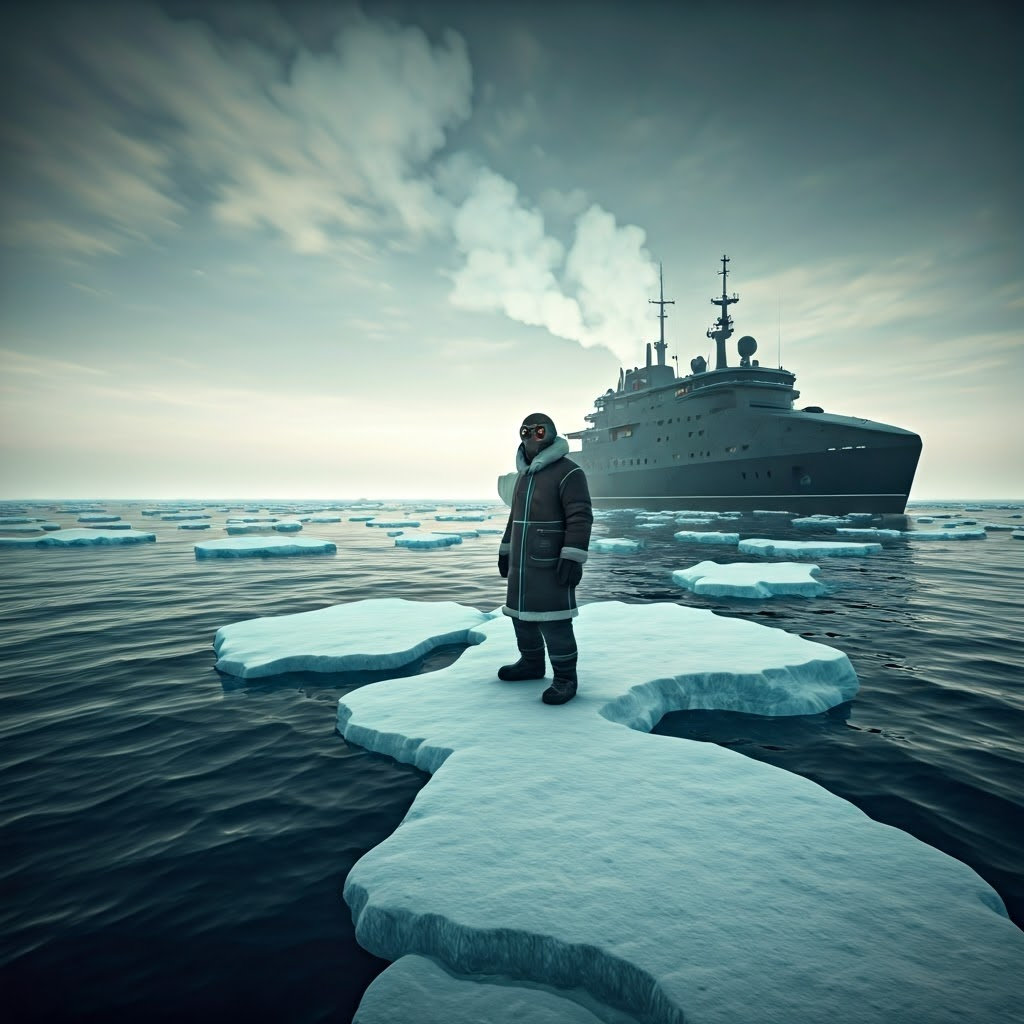
A lone polar explorer stands on fragile sea ice at twilight, a futuristic research ship glowing behind—capturing the Arctic’s eerie power and vastness.

Two Poles, Two Stories

The Arctic is an icy ocean tucked inside North America, Europe, and Asia. Stand at the North Pole and you balance on sea ice floating over deep water.

The Antarctic flips the script. It is solid land—rocky Antarctica—encircled by the Southern Ocean. Strip away the ice and you find a rugged island bigger than most maps suggest.

These opposite layouts drive their climates. Water under Arctic ice traps some warmth, and nearby continents block wind, so the north stays slightly milder.

Land in Antarctica sheds heat fast. Fierce katabatic winds race off high ice sheets, some rising more than two miles. That thin, cold air makes Antarctica Earth’s chilliest spot.
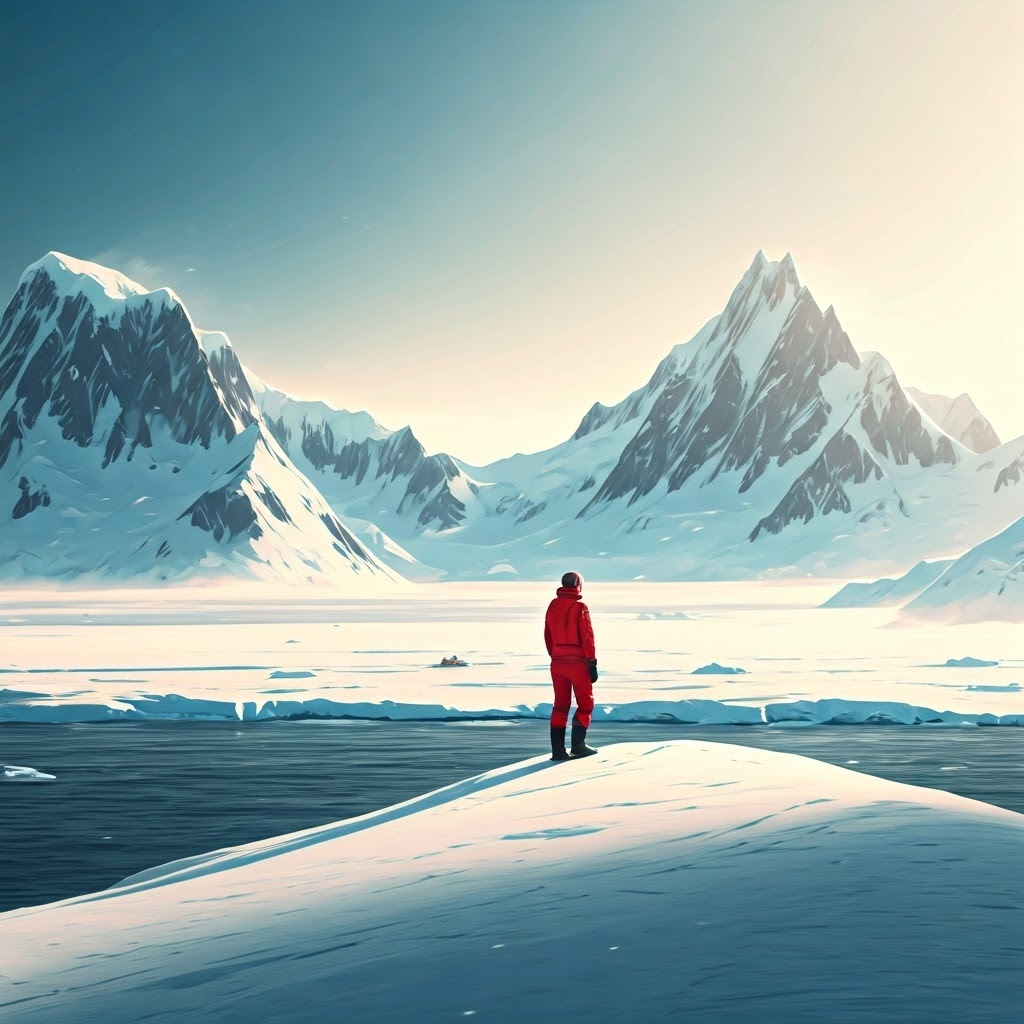
A geologist in a red suit surveys Antarctica’s icy plateau, jagged mountains poking through endless white—highlighting a vast, land-based wilderness.

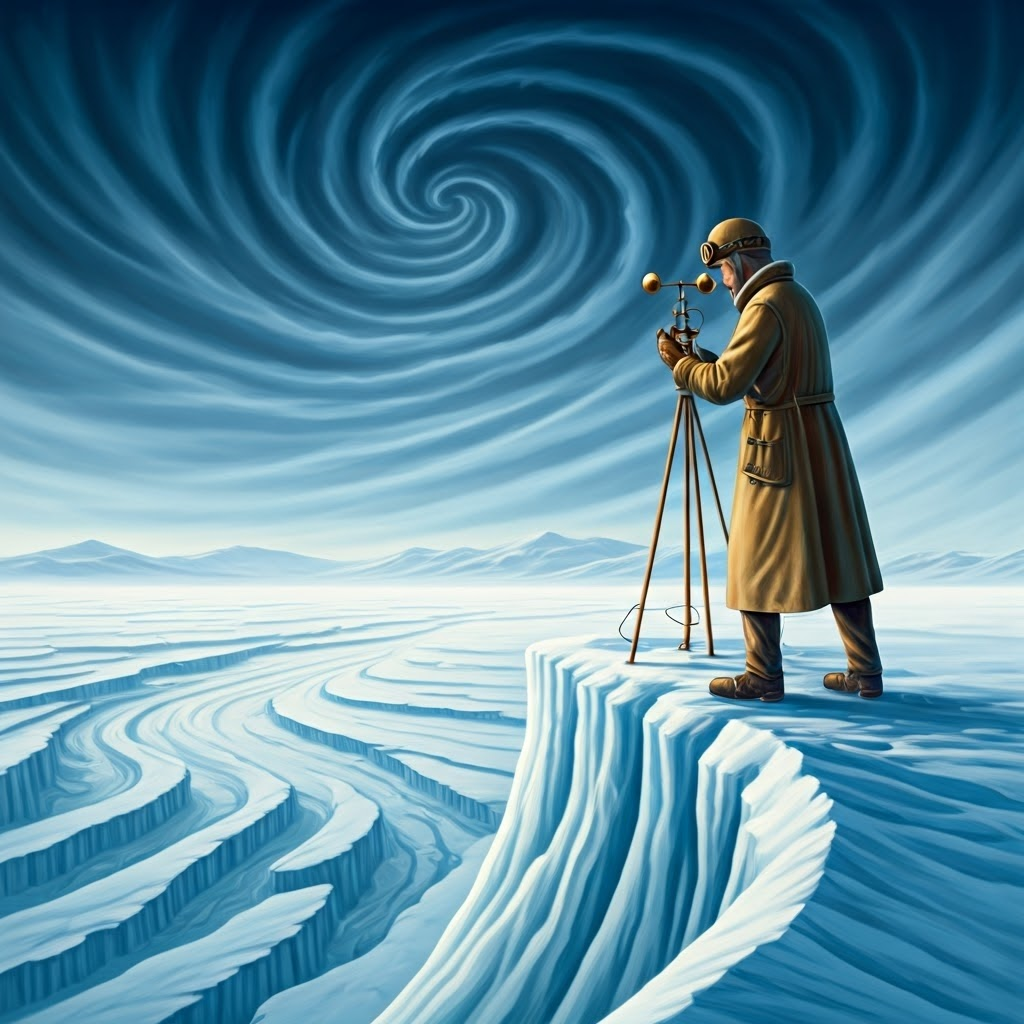
A weather scientist faces roaring katabatic winds atop an ice ridge, vintage instruments gleaming—showing how altitude and wind deepen Antarctic cold.

Creatures of Opposite Ends

Arctic polar bears roam sea ice hunting seals. At the far end, penguins crowd Antarctic shores. They never cross paths because each species is tuned to its own extreme home.
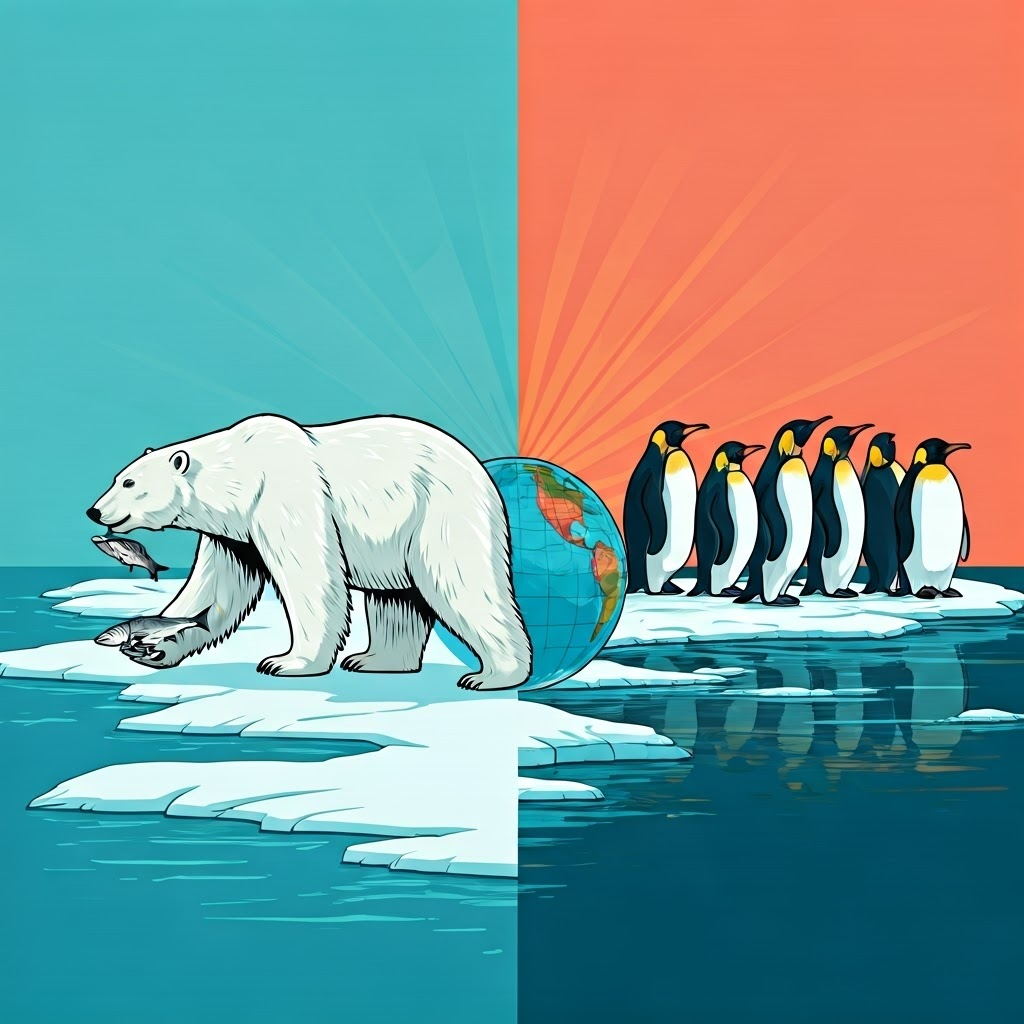
A pop-art split scene: a polar bear on Arctic ice faces away from emperor penguins on Antarctic floes—visualizing wildlife worlds apart.

Sea Ice: The Ever-Changing Blanket

Sea ice forms when ocean water freezes, then expands and retreats with the seasons like a breathing shield.

In the Arctic, some ice survives year-round, layering into thick, multi-year slabs. Around Antarctica, most ice melts each summer and rebuilds each winter, creating one of Earth’s largest natural cycles.
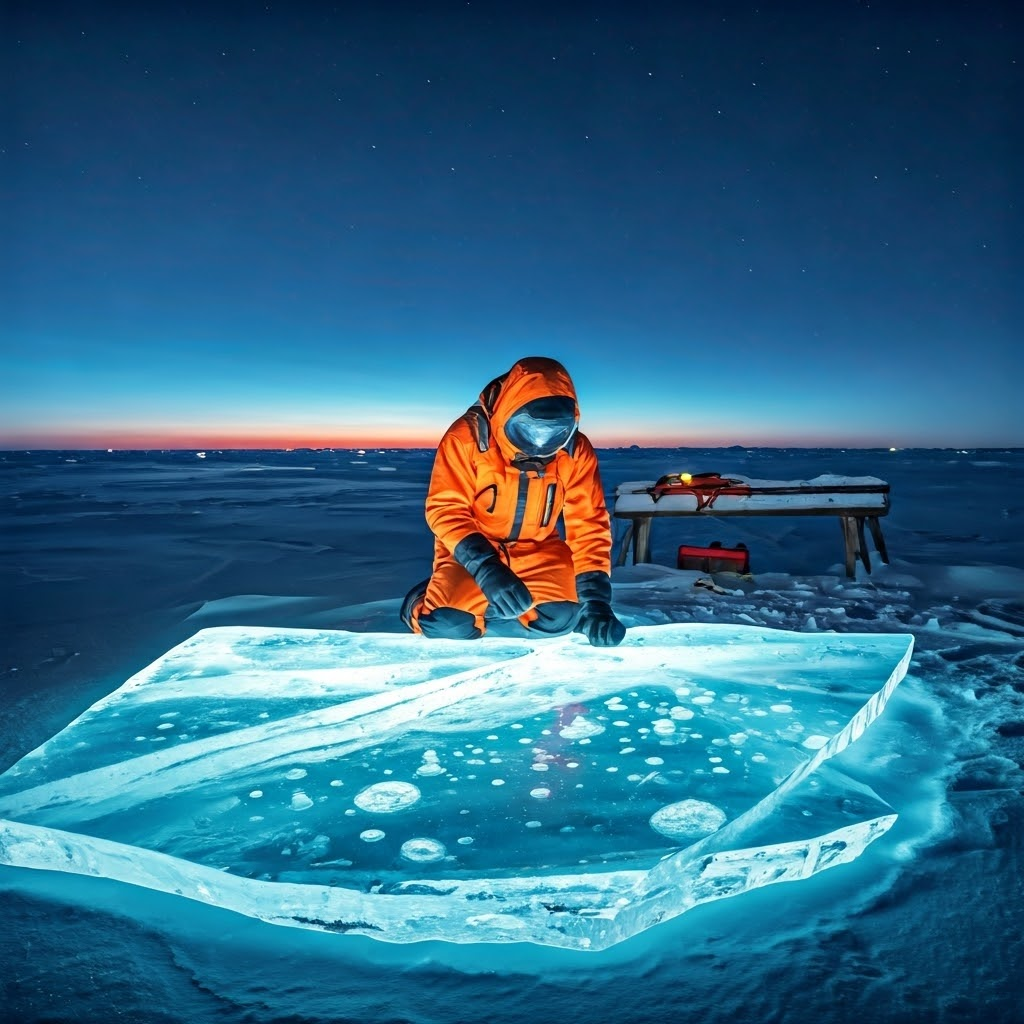
A researcher inspects newborn sea ice under an aurora glow, bubbles sparkling inside clear crystals—revealing the dynamic surface of a frozen ocean.

Sea ice acts as Earth’s sunscreen. Its bright surface reflects sunlight—a property called the albedo effect—keeping the planet cooler.
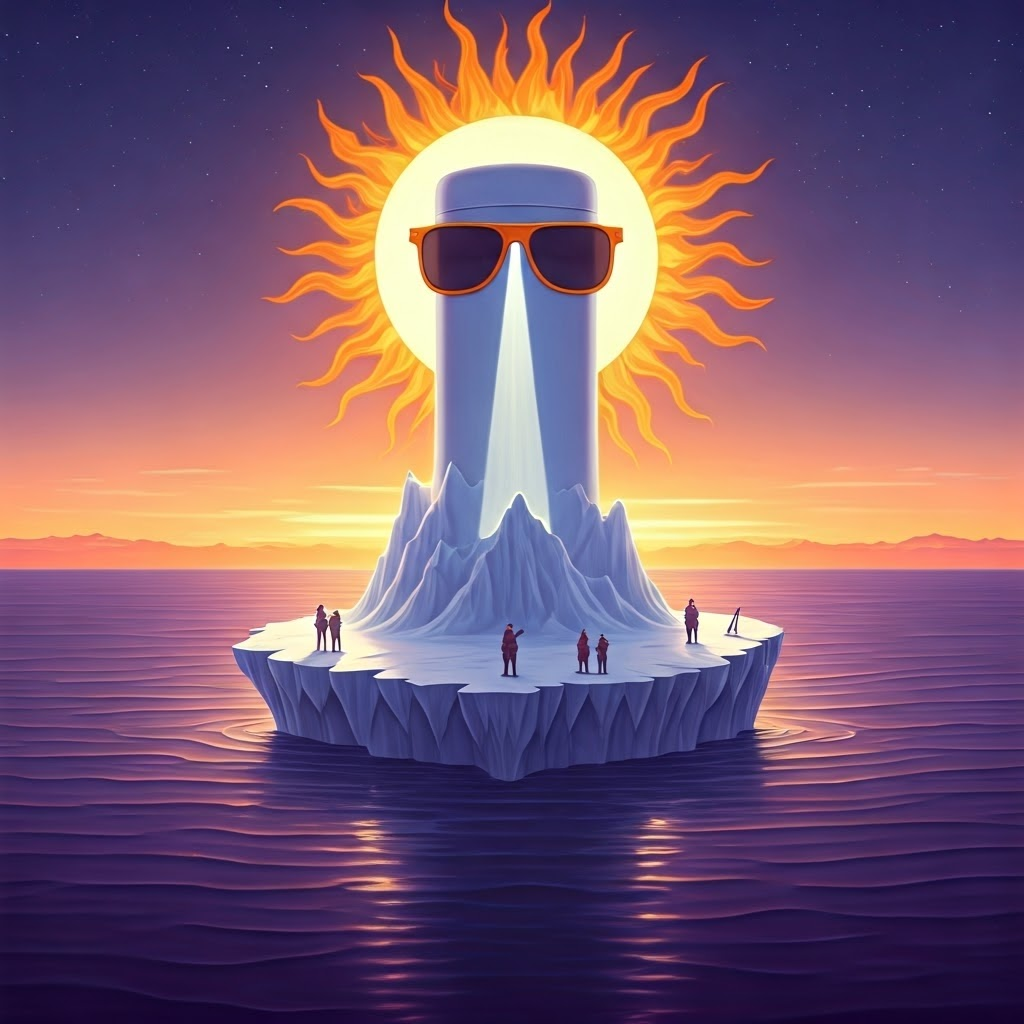
A giant iceberg shaped like sunscreen floats under a sunny sky, rays bouncing off its white face—symbolizing how ice reflects heat.

When ice shrinks, dark ocean absorbs more heat. Warming reduces ice further, creating a feedback loop that scientists track by satellite. The Arctic is losing ice fast; Antarctic trends are complex but still worrying.
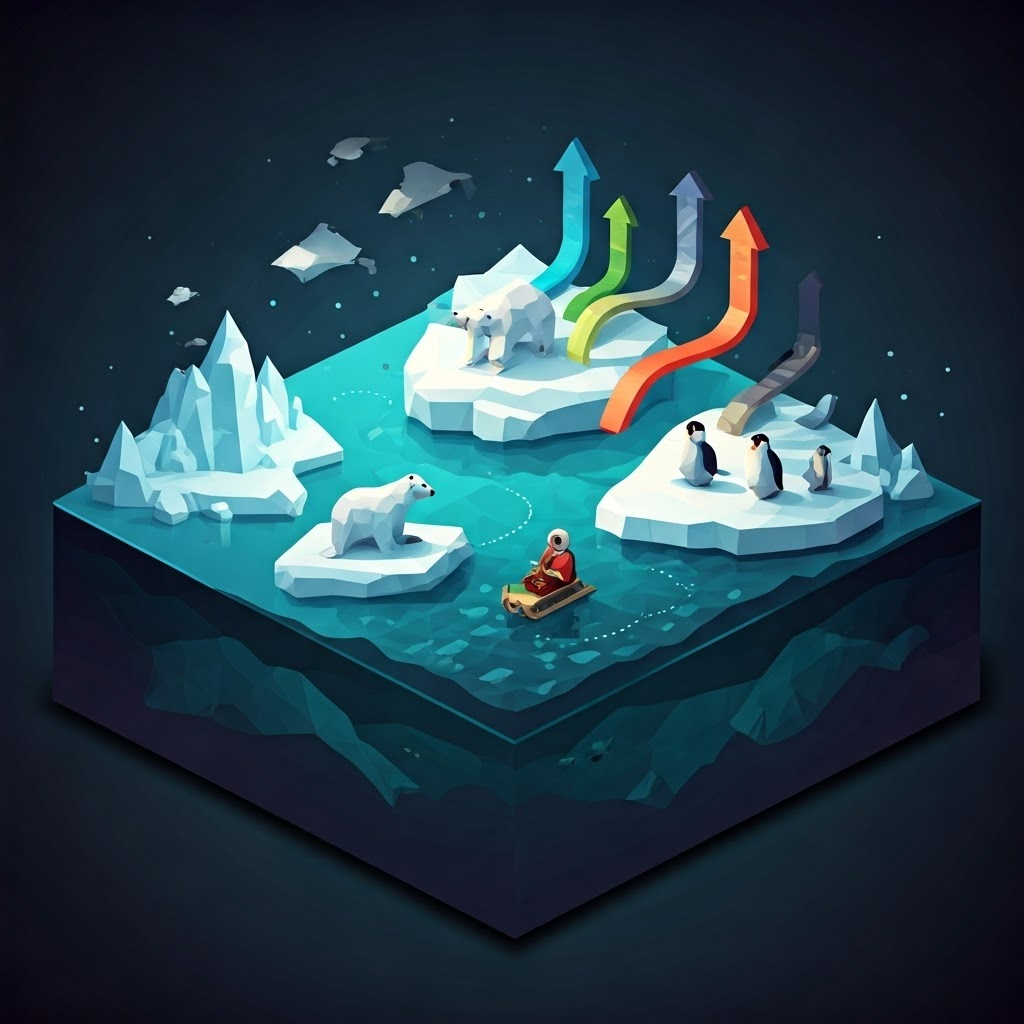
A low-poly polar ecosystem infographic shows shrinking ice, rising heat arrows, and feedback loops—illustrating climate ripple effects.

Sea ice is also a lifeline. Seals birth pups on it, polar bears hunt across it, and penguins launch dives from its edge. Indigenous Arctic peoples use frozen routes as winter highways.
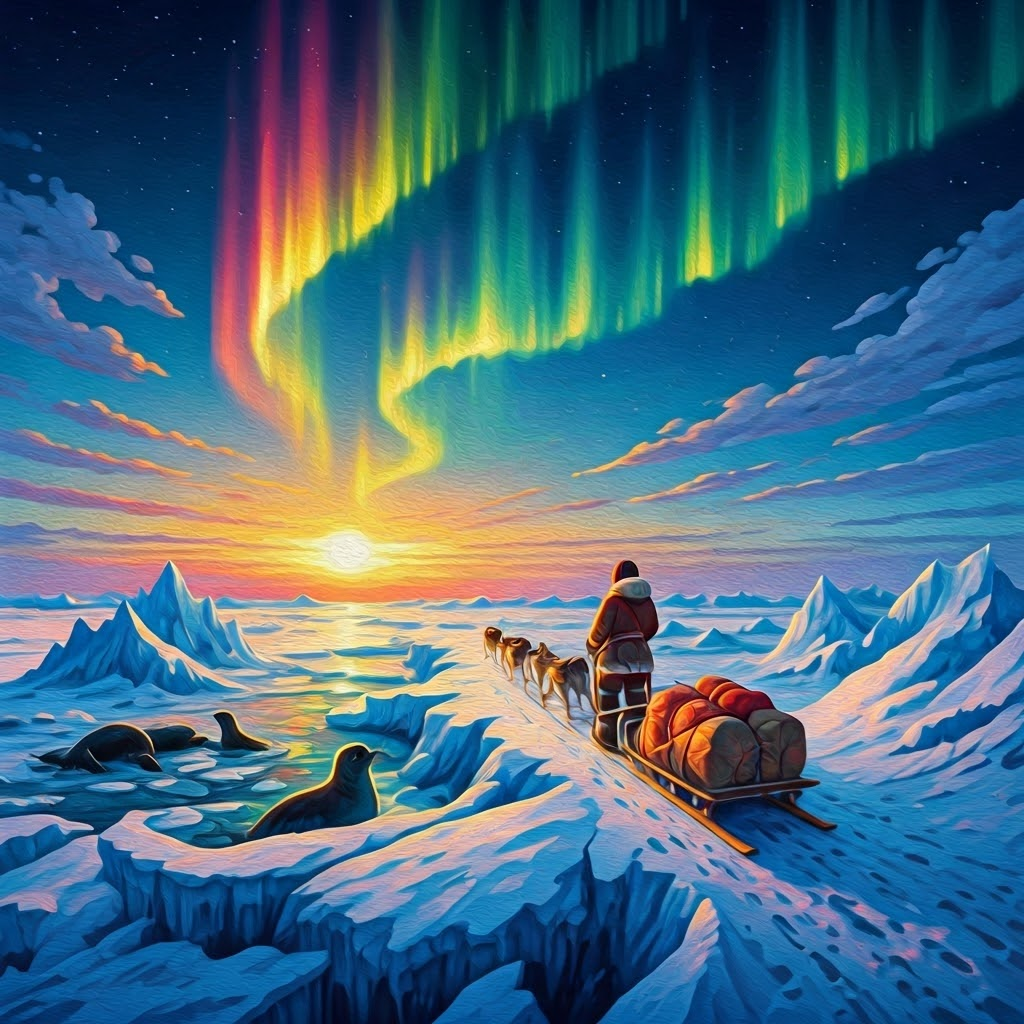
An Inuit musher guides a dog sled over glowing snow at dawn, wildlife dotting the horizon—celebrating human and animal bonds with sea ice.

Light and Dark: Polar Day and Night

Earth tilts 23.5°, so the poles swing between months of endless sun and months of deep darkness.

Stand in the Arctic Circle in June and watch the midnight sun loop around the sky. Come winter, the same spot sinks into long night. Antarctica flips the timing—bright when the north is dark, dark when the north is bright.
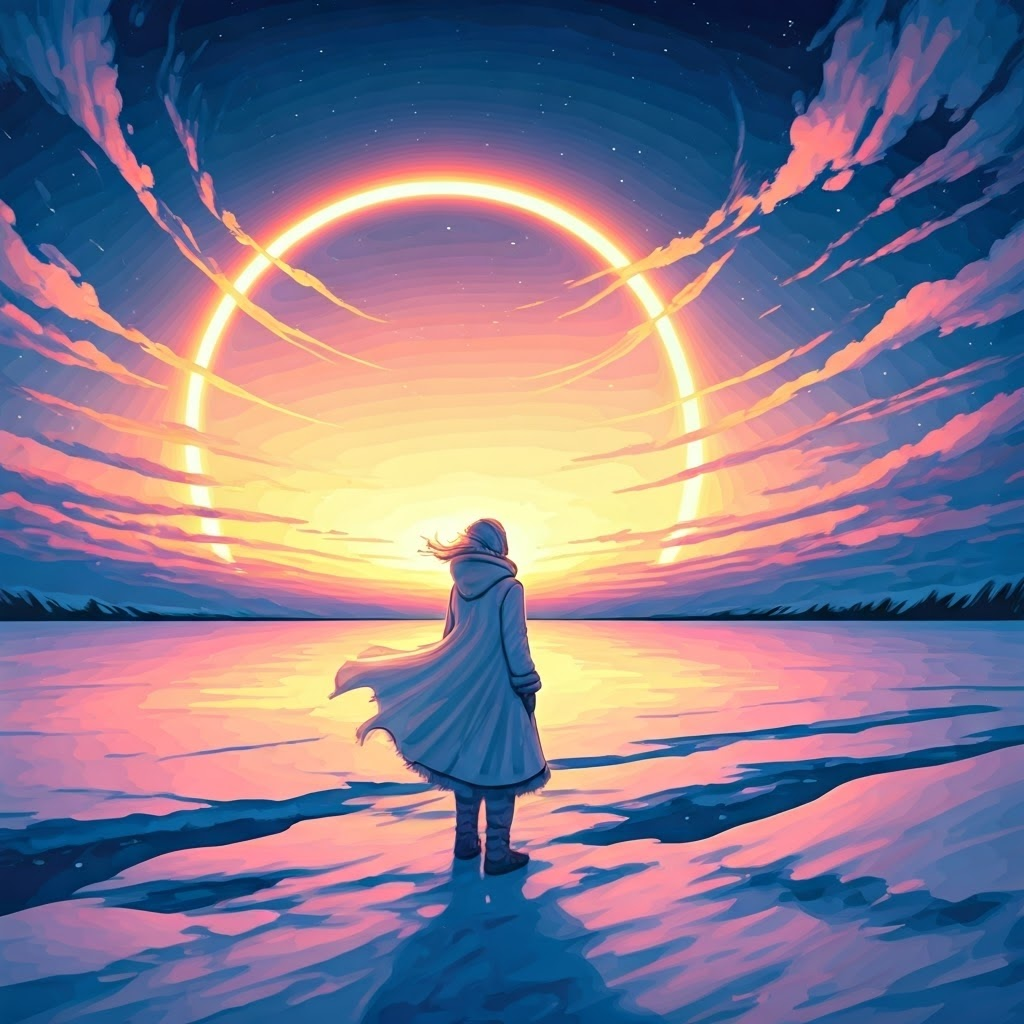
A dreamlike scene of a glowing sun circling a polar horizon, pastel snow reflecting soft light—capturing the wonder of the midnight sun.

Plants, animals, and people adjust rhythms to these extremes. Researchers study how life times growth spurts with light bursts and conserves energy during darkness.
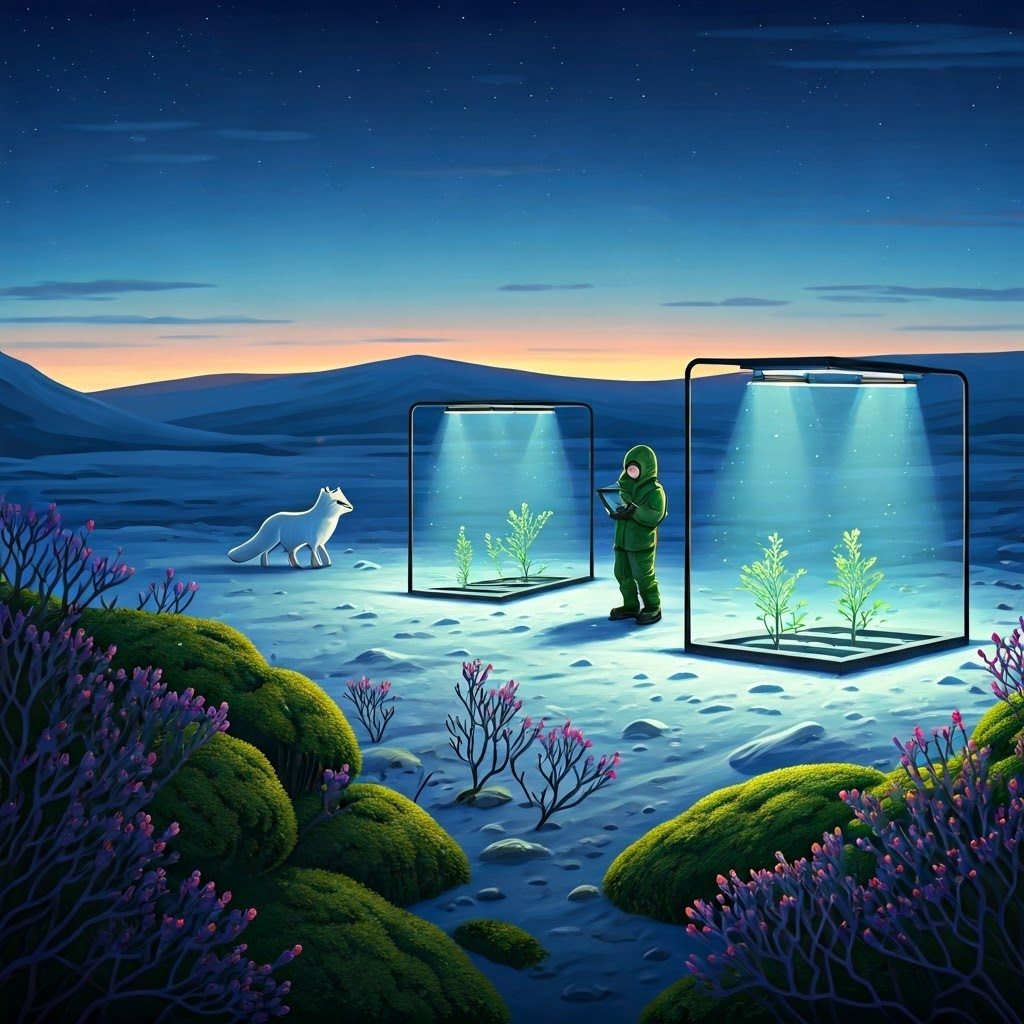
Twilight Arctic tundra with hardy plants and an Arctic fox beside a scientist’s LED study plot—showing adaptation to shifting light cycles.

The Big Picture

The poles are vast natural laboratories where climate dynamics play out in real time. Shifts in ice, light, and wildlife send ripples across the globe. Those white caps on your map are not decorative; they help steady Earth’s entire climate engine.
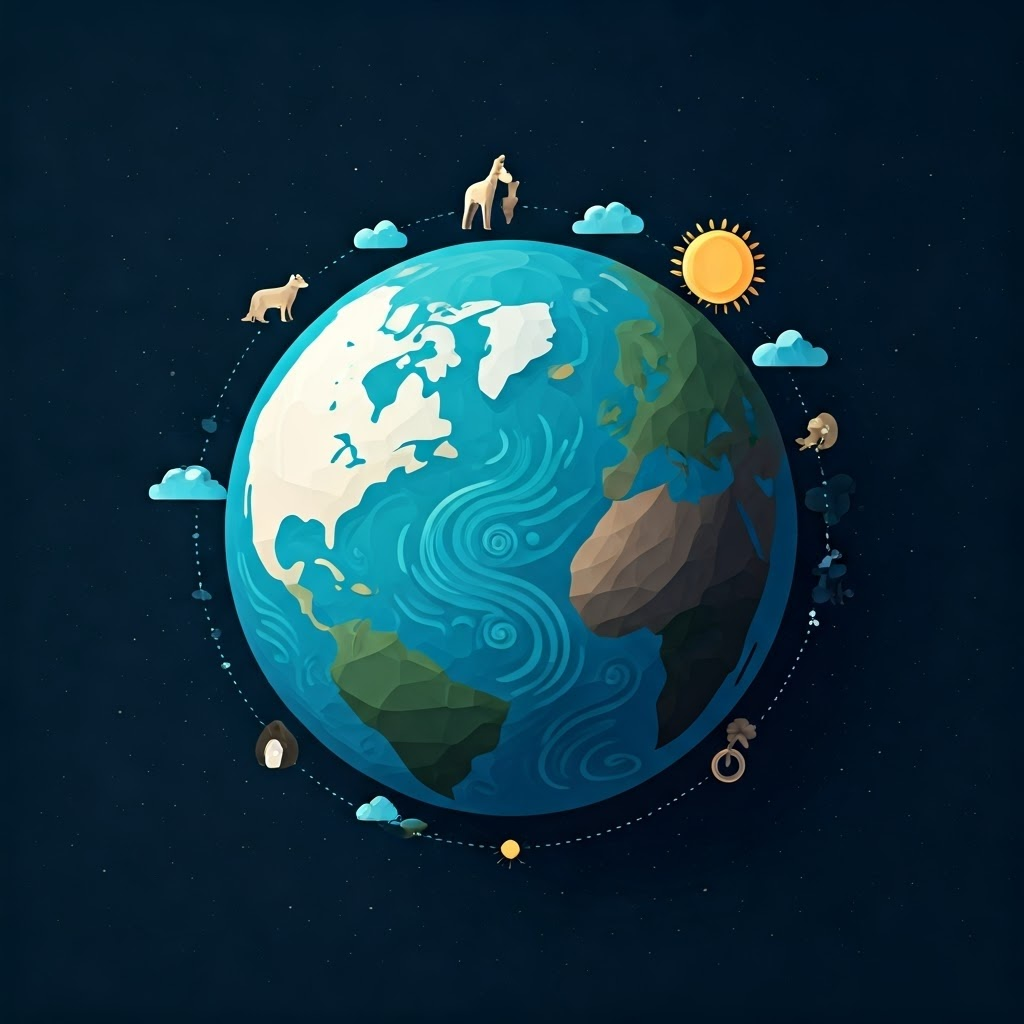

Earth with glowing polar caps linked by swirling currents and wildlife icons—emphasizing global balance born at the poles.


Tome Genius

The Wonders of Nature

Part 5

Tome Genius

Cookie Consent Preference Center

When you visit any of our websites, it may store or retrieve information on your browser, mostly in the form of cookies. This information might be about you, your preferences, or your device and is mostly used to make the site work as you expect it to. The information does not usually directly identify you, but it can give you a more personalized experience. Because we respect your right to privacy, you can choose not to allow some types of cookies. Click on the different category headings to find out more and manage your preferences. Please note, blocking some types of cookies may impact your experience of the site and the services we are able to offer. Privacy Policy.
Manage consent preferences
Strictly necessary cookies
Performance cookies
Functional cookies
Targeting cookies

By clicking “Accept all cookies”, you agree Tome Genius can store cookies on your device and disclose information in accordance with our Privacy Policy.

00:00