
From Turing’s Dream to the Smartphone in Your Pocket
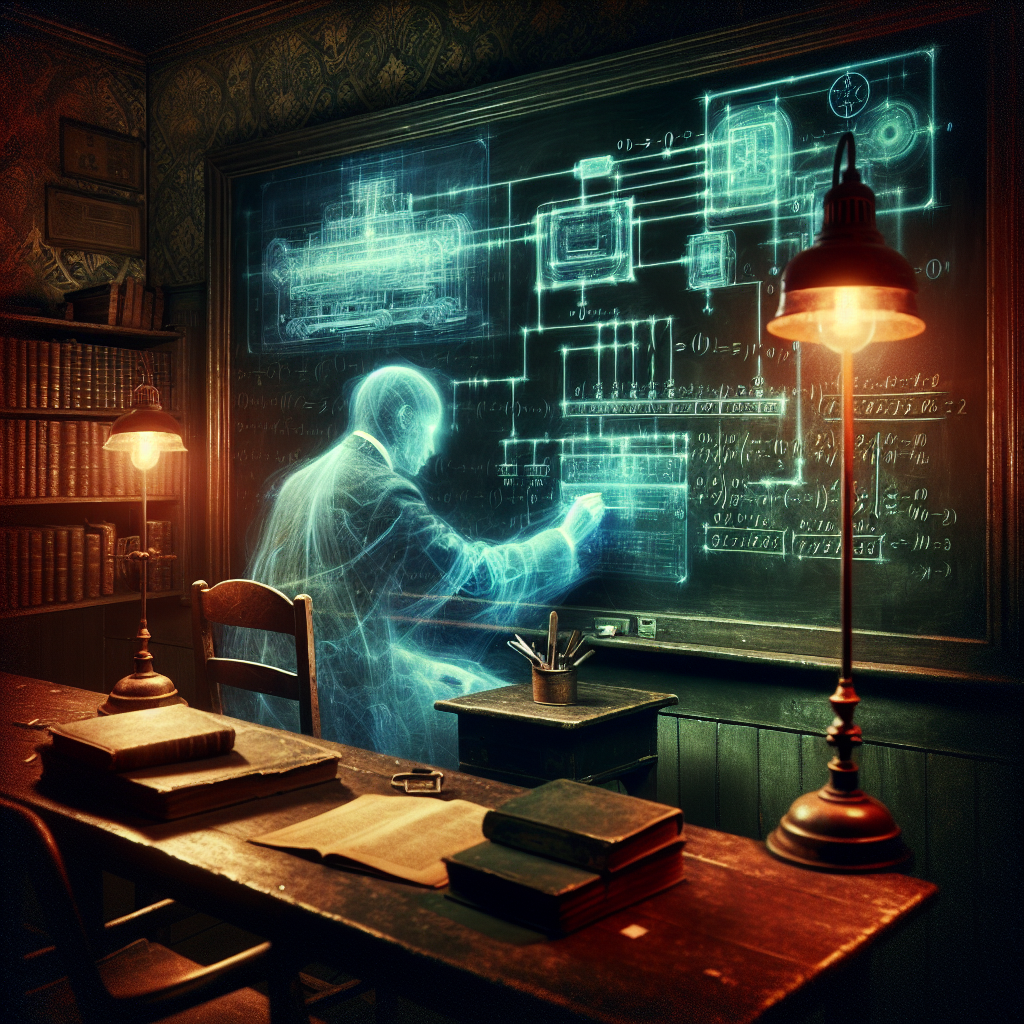
Alan Turing pictured a simple machine that followed clear steps to solve problems. That vision now lives inside every phone, laptop, and smart speaker you use today.
Turing’s Big Idea: Machines That Think
Turing described a “universal machine” that could run any set of rules. Break every task into tiny actions—move left, mark a square, check a symbol—and you can solve math, play games, or process language. Today we call those instructions software.
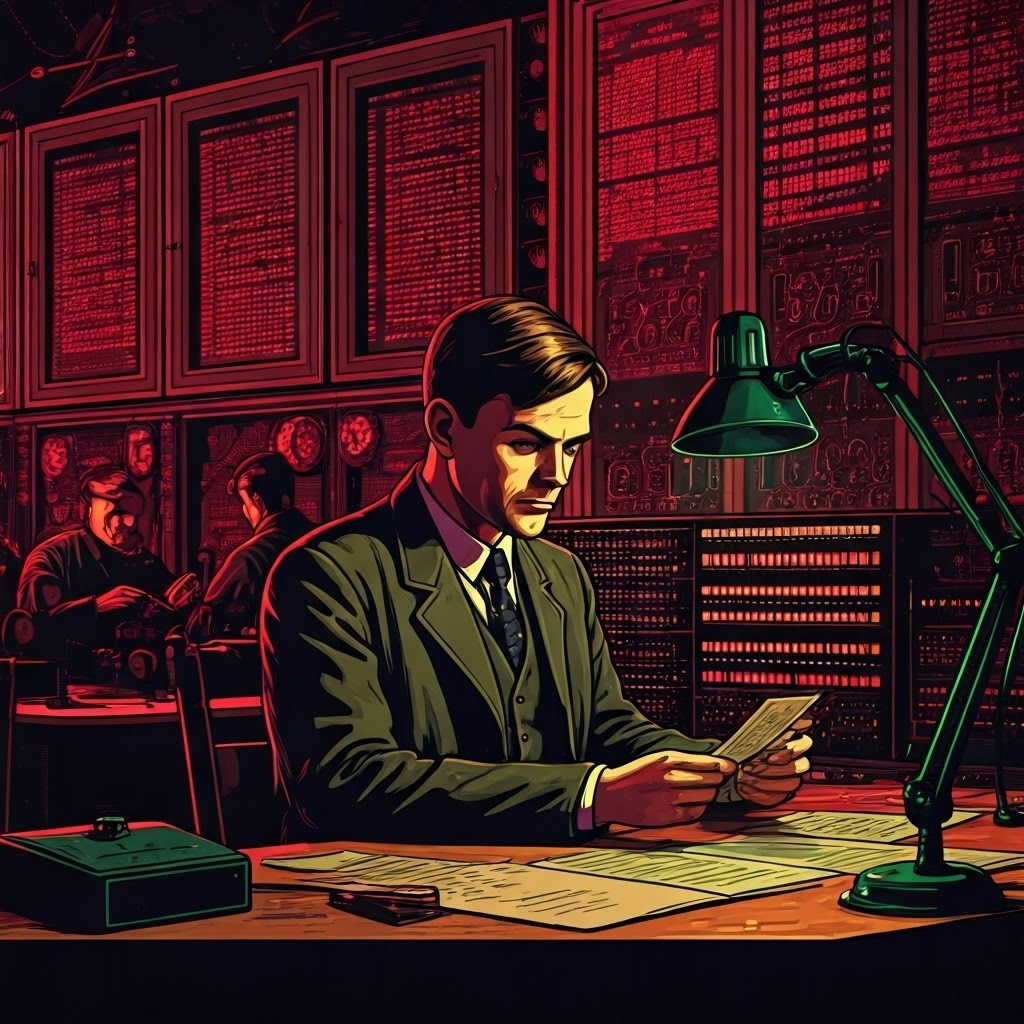
Your laptop and your phone may look different, yet both are flavors of the same idea. Turing helped prove this during World War II when code-breaking machines saved lives and reshaped history.
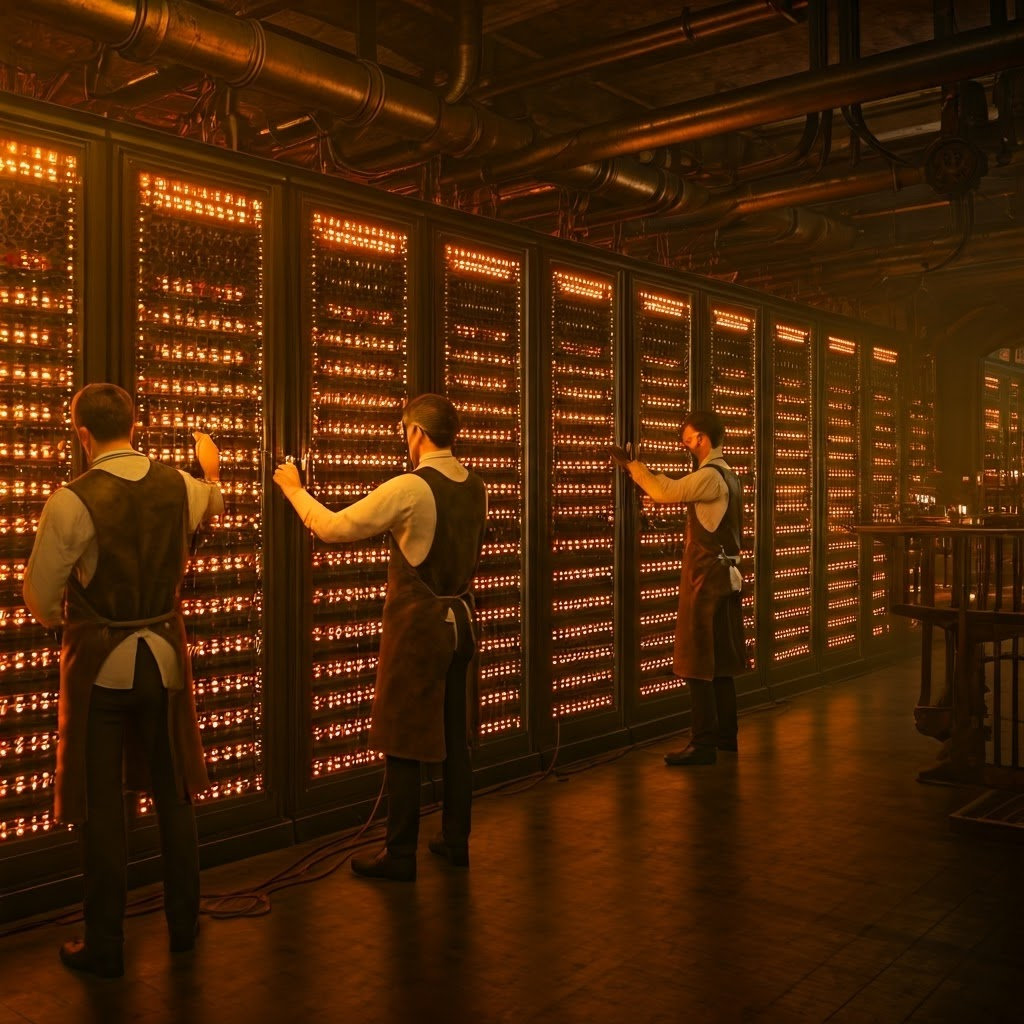
Early computers like ENIAC filled entire rooms. They weighed tons, used thousands of vacuum tubes, and demanded armies of operators who flipped switches and plugged cables just to run one job.
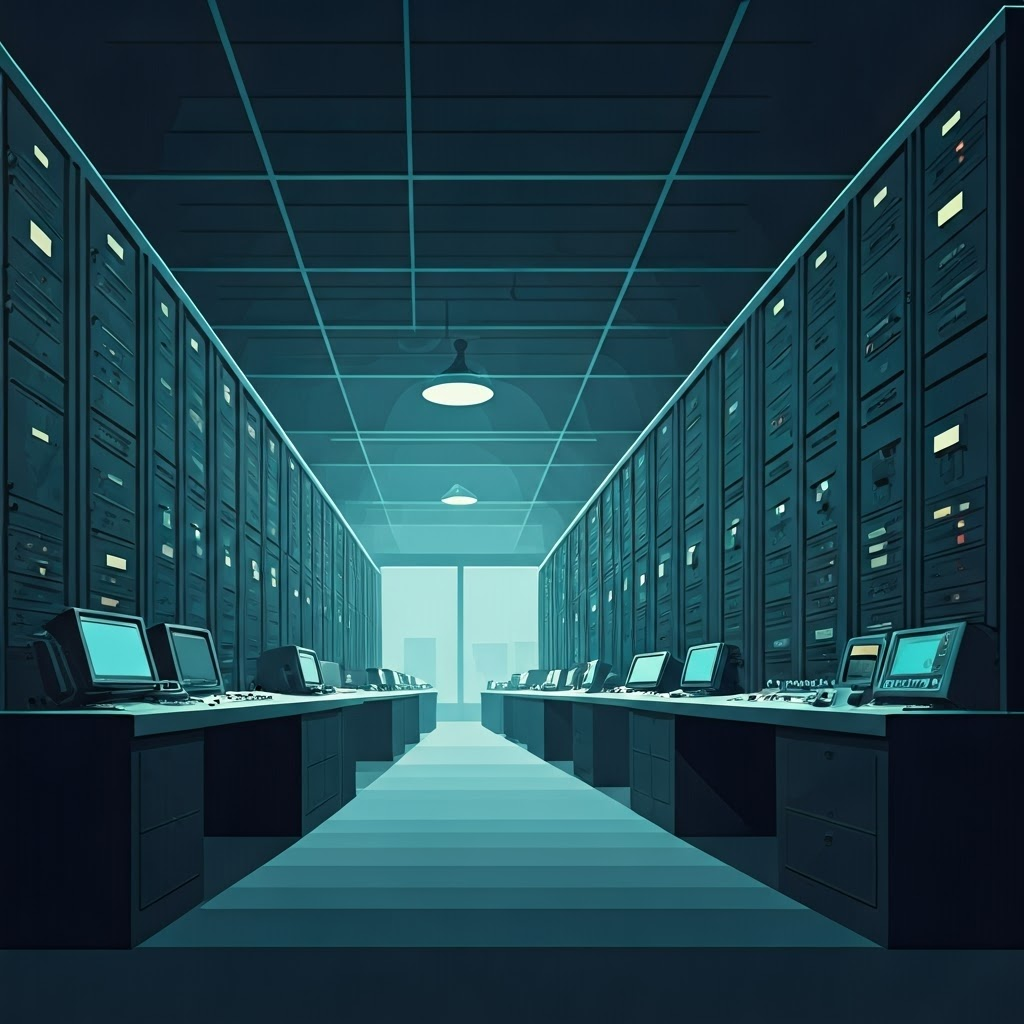
The 1950s mainframe era saw businesses and governments rely on computers for payroll and science. Programmers wrote code on punched cards, then waited hours for results. People served the machine—not the other way around.
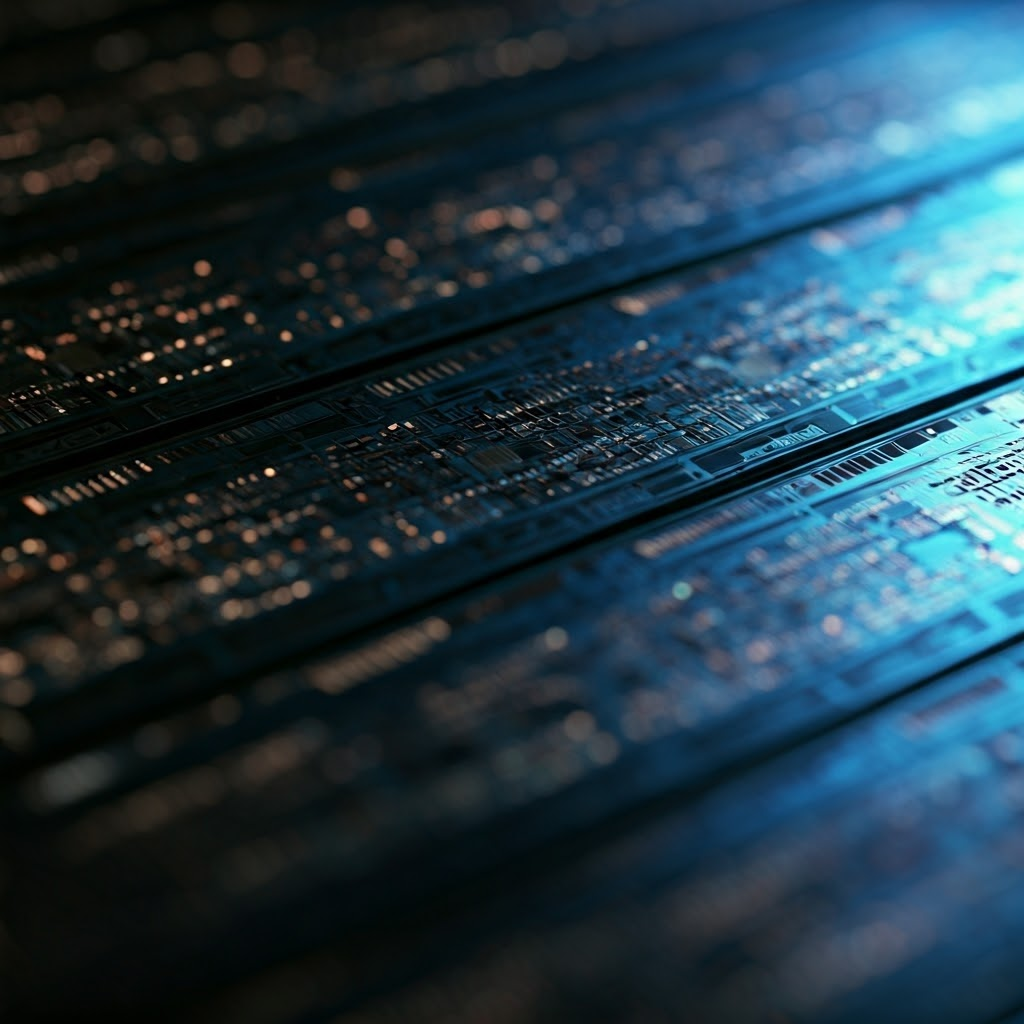
The transistor changed everything. Smaller, cooler, and more reliable than vacuum tubes, it let engineers pack thousands of switches onto a sliver of silicon.
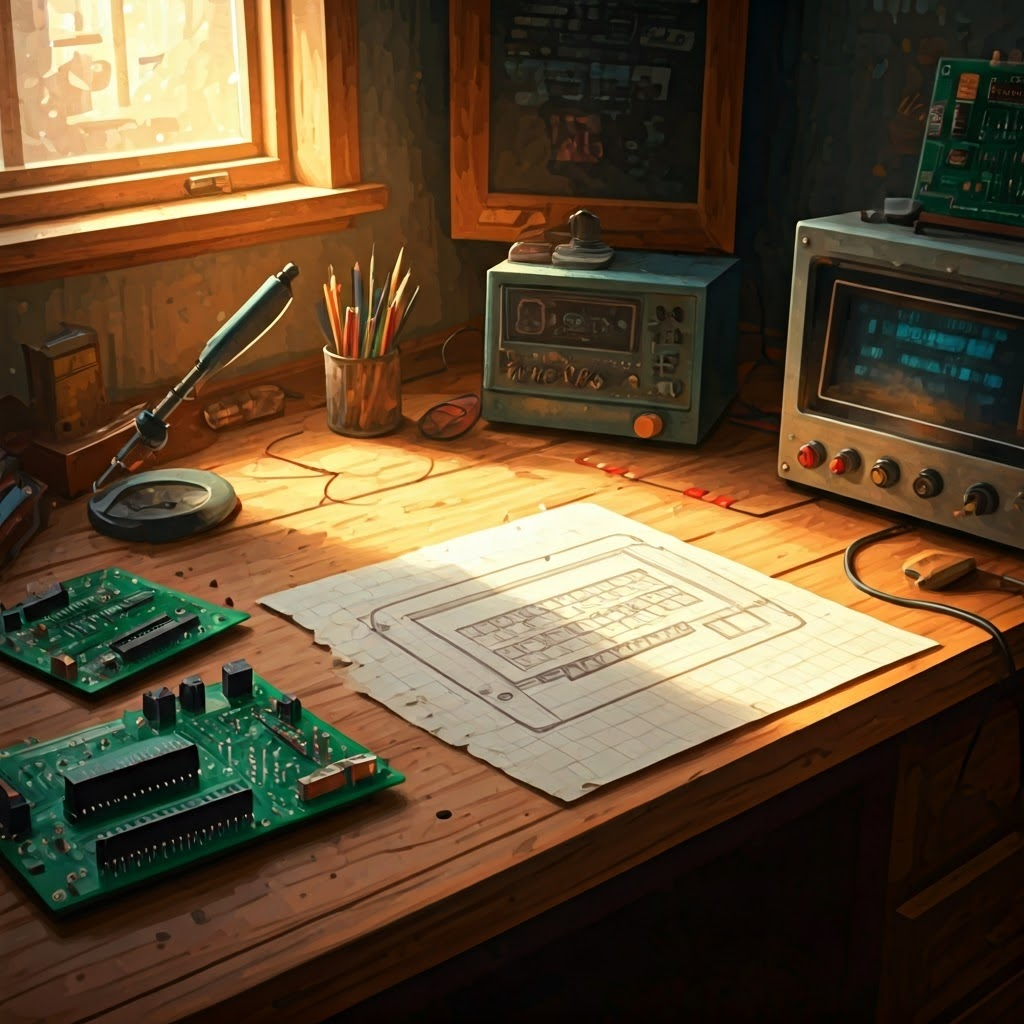
By the 1970s cheaper chips meant you could build a computer on a kitchen table. Garage inventors like Wozniak, Jobs, Gates, and Allen sparked the personal-computer boom.
Claude Shannon showed that every message—text, sound, images—reduces to yes-or-no units called bits. String enough bits together and you can store or send anything.
Shannon also quantified information, making error correction possible. His math keeps phone calls clear, drives reliable storage, and lets streaming movies arrive intact.
Engineer Gordon Moore noticed that chip density doubled roughly every two years. Moore’s Law became a guiding target, pushing makers to shrink transistors and cut costs.
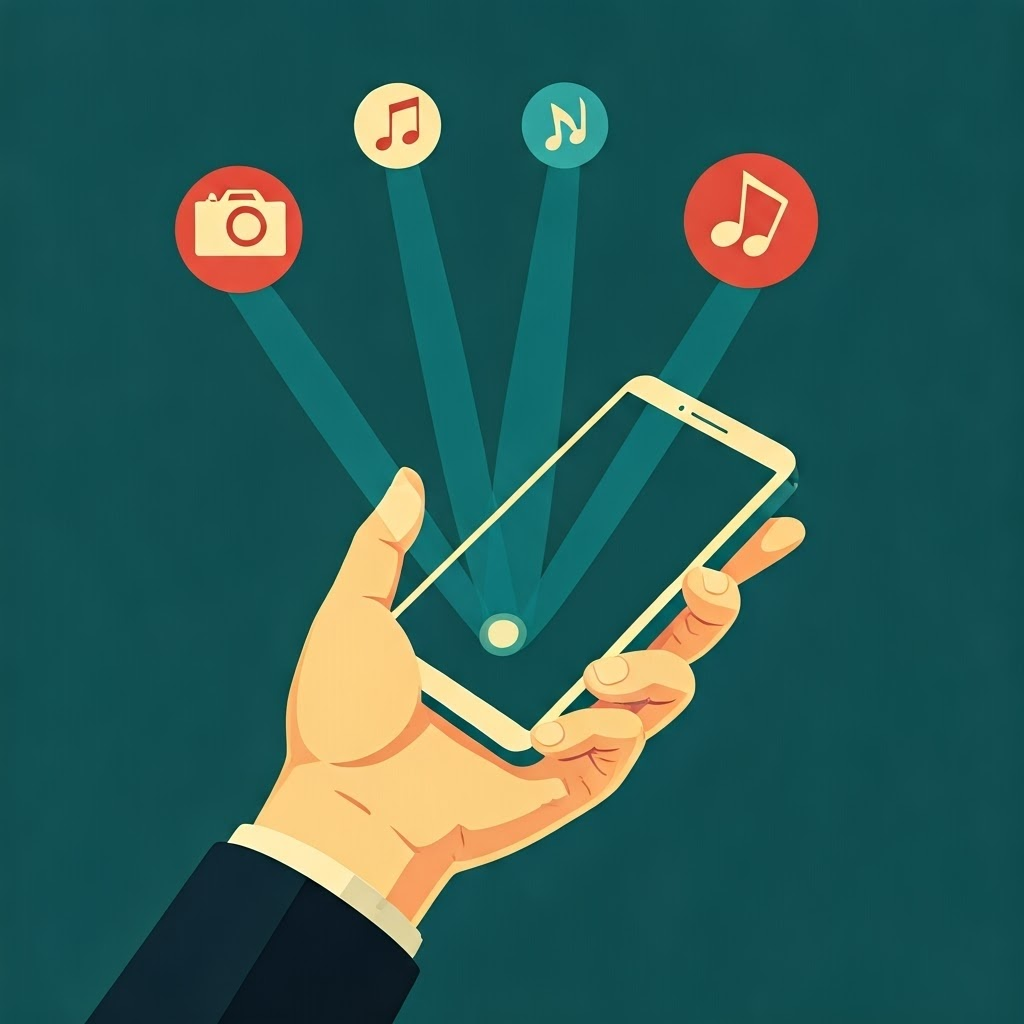
That relentless doubling lets one sleek device serve as camera, navigator, wallet, and more. Each new generation arrives smaller, lighter, and smarter.
Moore’s Law is slowing as switches approach atomic scales. Engineers now explore 3-D chip stacking, exotic materials, and quantum designs to keep progress alive.
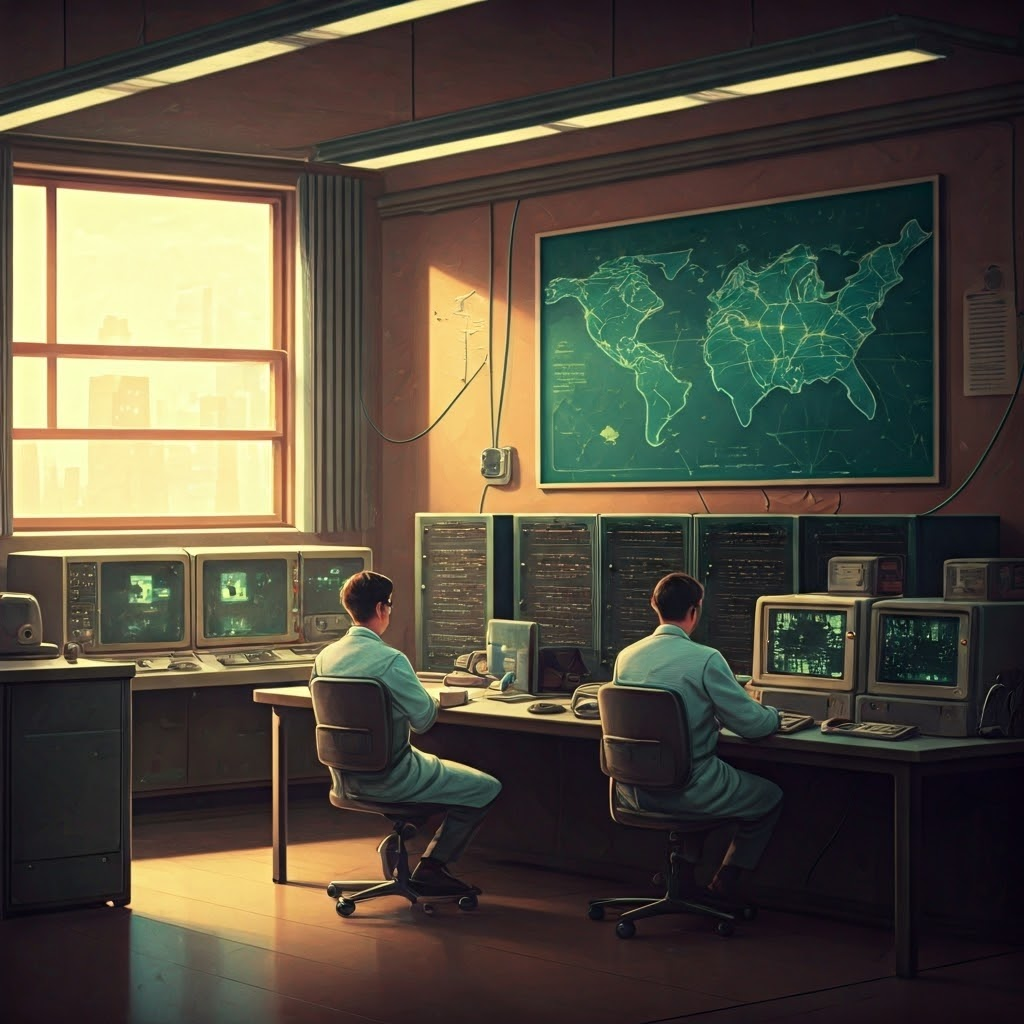
Computers became transformative only after they connected. The late-1960s ARPANET linked a few big machines so scientists could share data. Email soon followed.

Tim Berners-Lee’s World Wide Web turned the Internet into a global library. Today nearly two-thirds of humanity is online—ordering food, streaming classes, and rallying movements with a tap.
From Turing’s thought experiment to the tiny supercomputer in your pocket, the story is one of shrinking parts, expanding networks, and simple ideas scaling into everyday magic.
