
Your Brain’s Sensory Playground
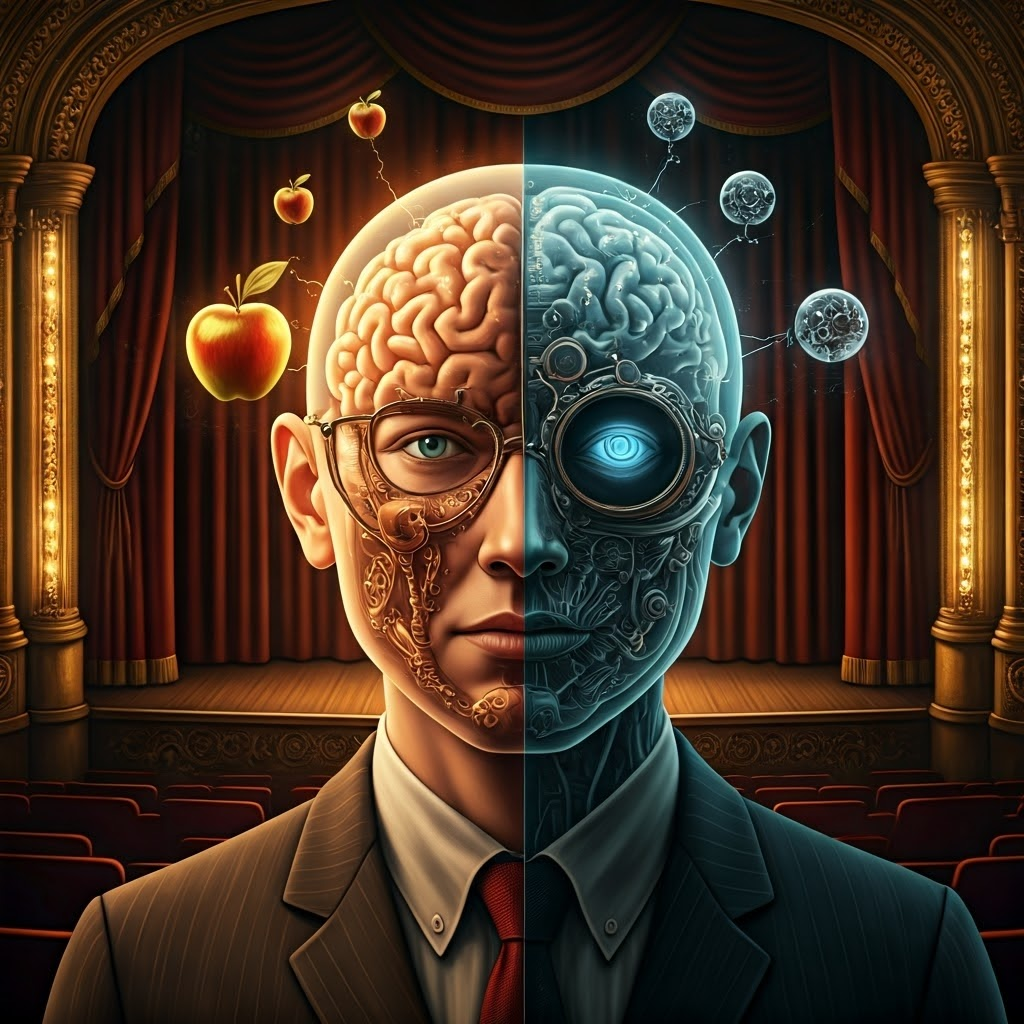
Your brain buzzes with sensory data every second. Yet those flashes of light and bursts of sound arrive as raw code, not clear pictures or melodies. Inside your skull, specialized pathways sort this code and turn it into the sights and sounds that guide your day.
Seeing and Hearing: The Brain’s First Drafts
Think of the visual ventral stream like a backstage assembly line. It starts in the occipital lobe and moves forward into the temporal lobe. This quiet worker IDs shapes, faces, and that familiar curve of a friend’s smile. Spot an apple, and the stream compares countless memories before confirming, “apple.”

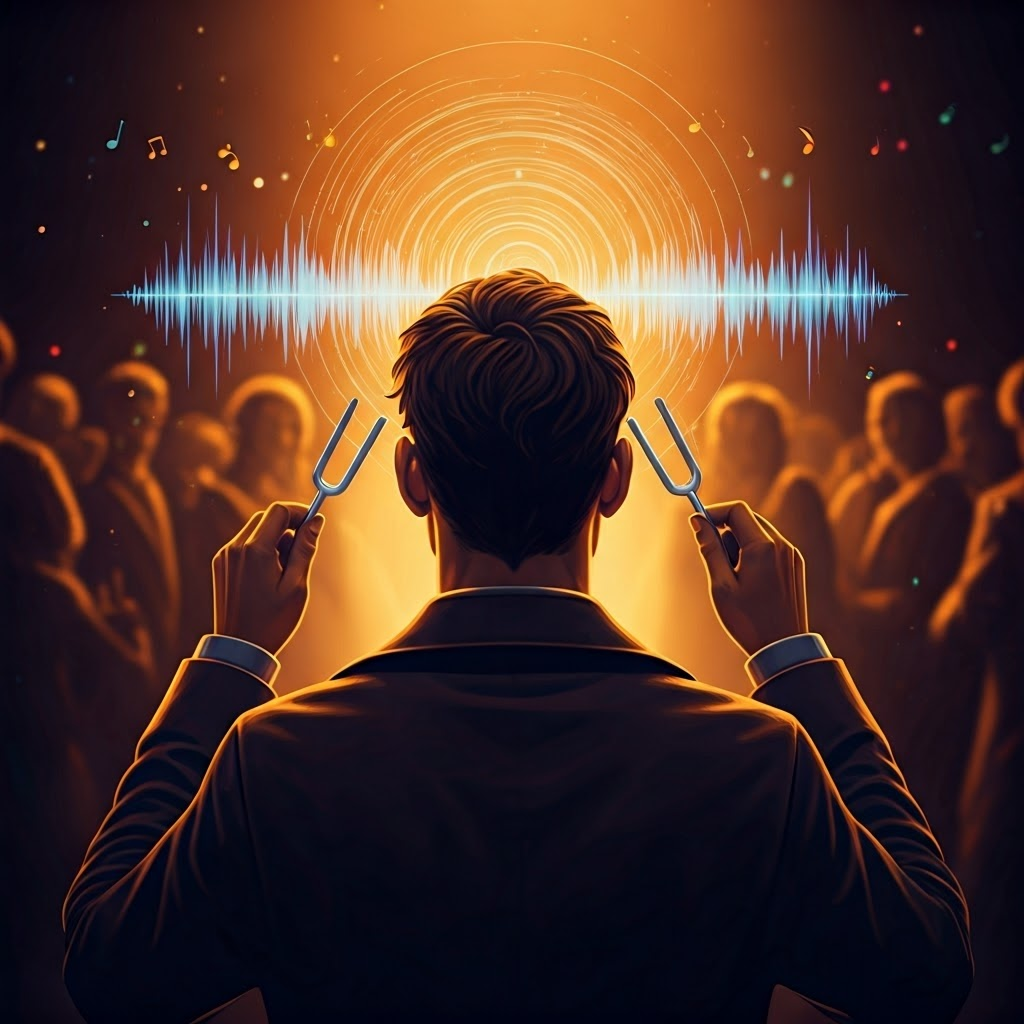
On each side of your head, the auditory cortex turns buzzing air vibrations into meaning—birdsong, a tune, or a laugh. It filters chaos so you can detect your name in a crowded room. This smart filter makes sense of life’s background noise.

Every sketch, melody, or clever concept starts with these raw sensory drafts. Clearer inputs give your imagination richer material. Picasso began with sight; Beethoven with sound. Like them, your brain depends on solid inputs to unlock fresh ideas.
Mindful Observation: Training Your Senses

Slow down and really look or listen. Mindful observation asks you to focus on leaves rustling or sunlight angling through a window. Ten focused seconds can reveal hidden details. This simple habit sharpens the ventral stream and auditory cortex, giving your creativity a boost.
Try an easy drill: study a pen or mug for a minute. Note tiny scratches and shifting colors. Then list nearby sounds—the fridge hum, street traffic, your breath. You’re not just relaxing; you’re actively training your sensory systems to deliver richer data.
Over time, close observation turns you into someone who catches what others miss. Writers hear clever phrases on trains. Artists notice a sparkle in rainwater. Inventors spot a door-hinge flaw that sparks a new device. Attention is a learnable skill that keeps offering surprises.

From Input to Imagination
Your brain never just records reality—it reimagines it. Notice a blue flash, odd squeak, or fresh bread aroma, and your mind links these cues to memories and dreams. This is where creativity lifts off.
Studies show that people who reflect on sensory details—designers, scientists, artists—generate more original ideas. Great notions hide in plain view, tucked inside daily sights and sounds. By catching them, you give your brain extra fuel to create.

Feed your imagination with your sensory playground. Practice noticing the ordinary. When a tune sticks in your head or a shadow forms a flying fish, pause. These small moments are seeds for unusual thoughts. Each sense is an open invitation to think differently—if you pay attention.
