
When Rome Fell: The World in Pieces
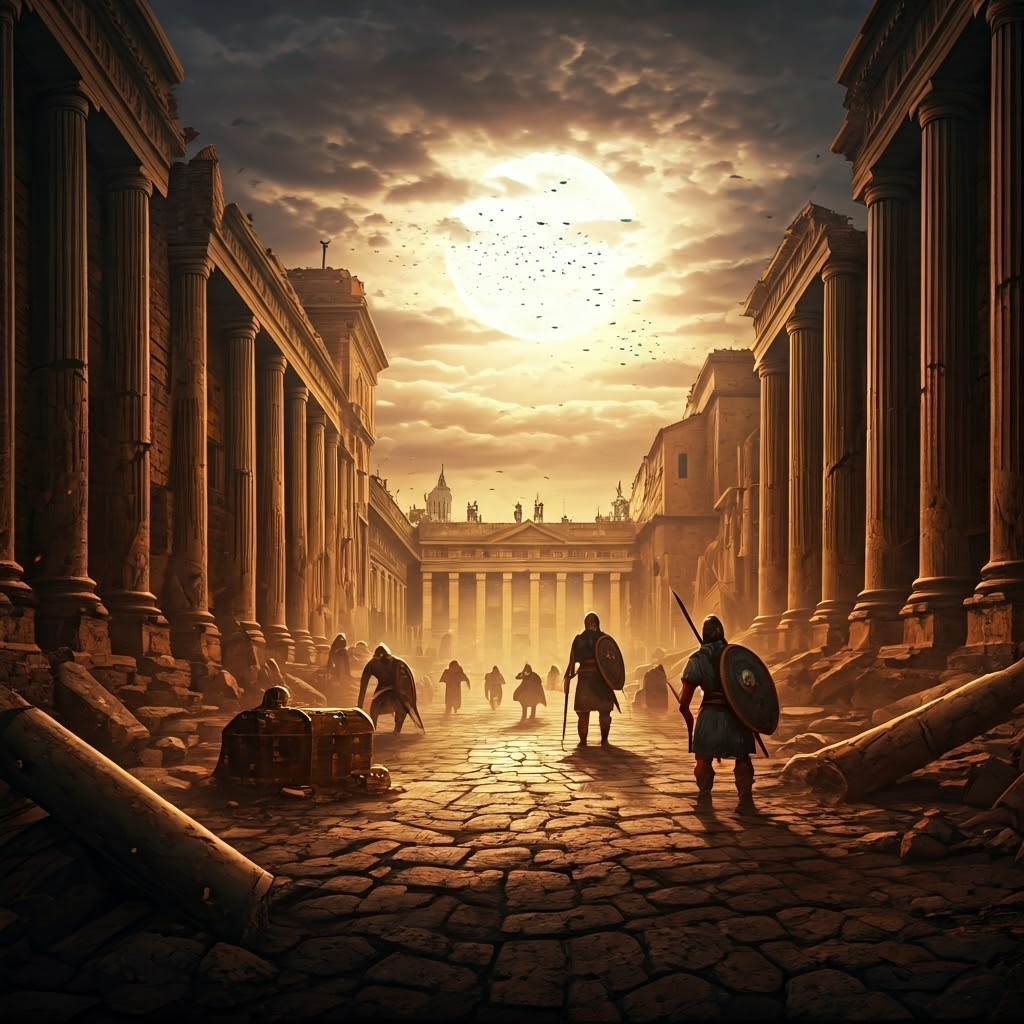
Think of Rome’s fall as a slow breakup, not one loud crash. In 410 the Visigoths shocked the world when they looted the “eternal city.” Fear spread, treasures vanished, and old safety was gone. The blow was not final, yet it split the empire wide open.
The Last Days: 410 to 476
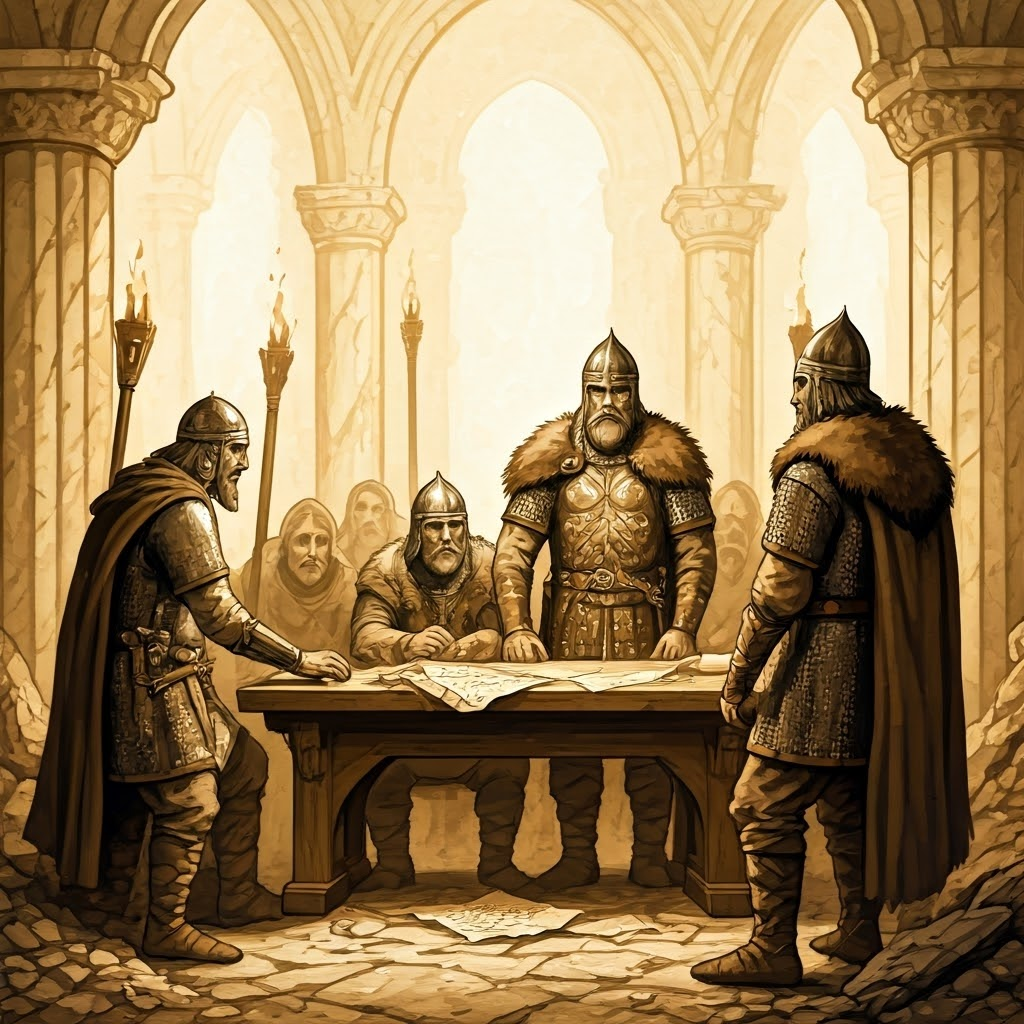
For sixty uneasy years the Western empire shuffled leaders and plans. Commanders hired Germanic allies to guard shrinking borders. By 476 a boy-emperor, Romulus Augustulus, sat on the throne as a puppet. General Odoacer told him to step aside and sent the imperial regalia east, ending Western rule without a final battle.
Many citizens did not sense an apocalypse. Soldiers drifted home, taxes stopped, walls cracked, and markets thinned. Confusion replaced certainty, yet life—though smaller—went on.
On the Move: Goths, Vandals, and Franks
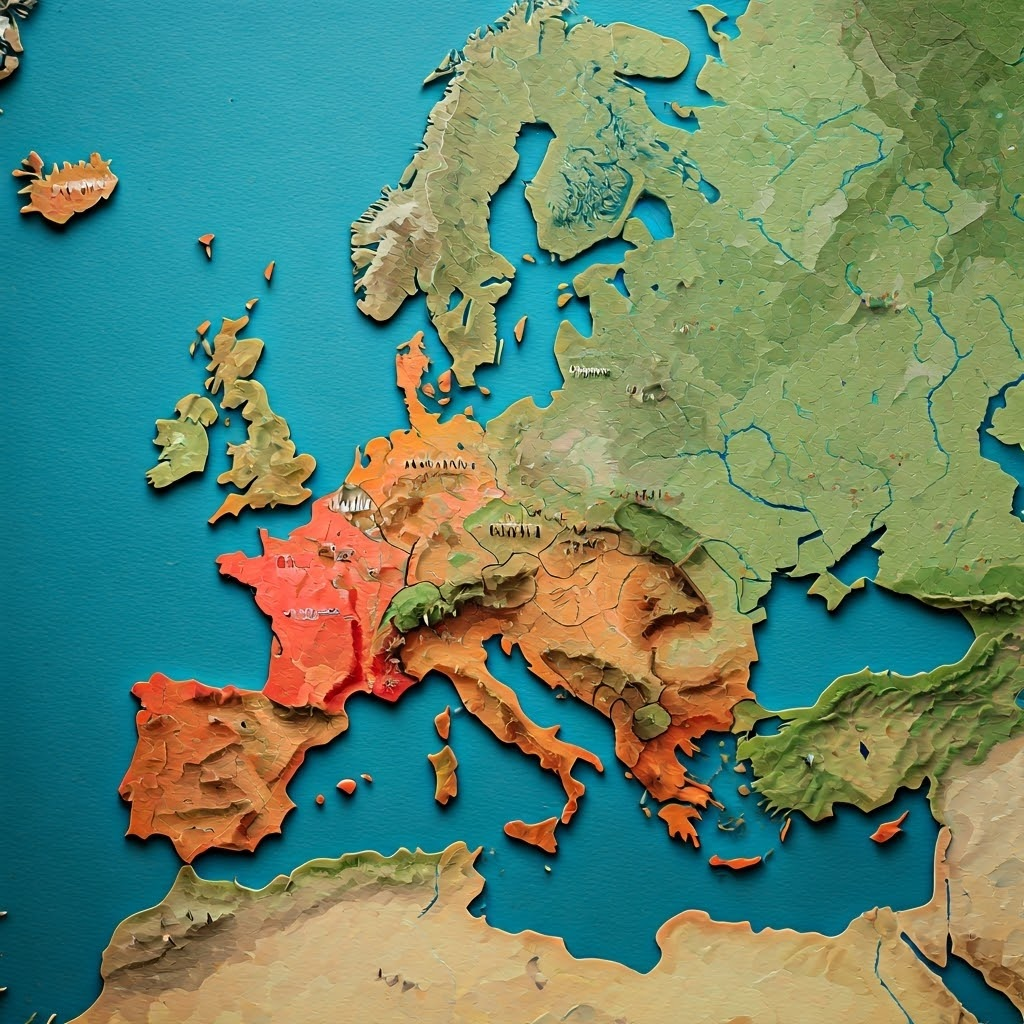
Once legionary standards vanished, the map turned into a puzzle of new names. The Goths fled pressure from the Huns, sacked Rome, then settled in Spain and southern France. They built a fresh kingdom on Roman foundations.
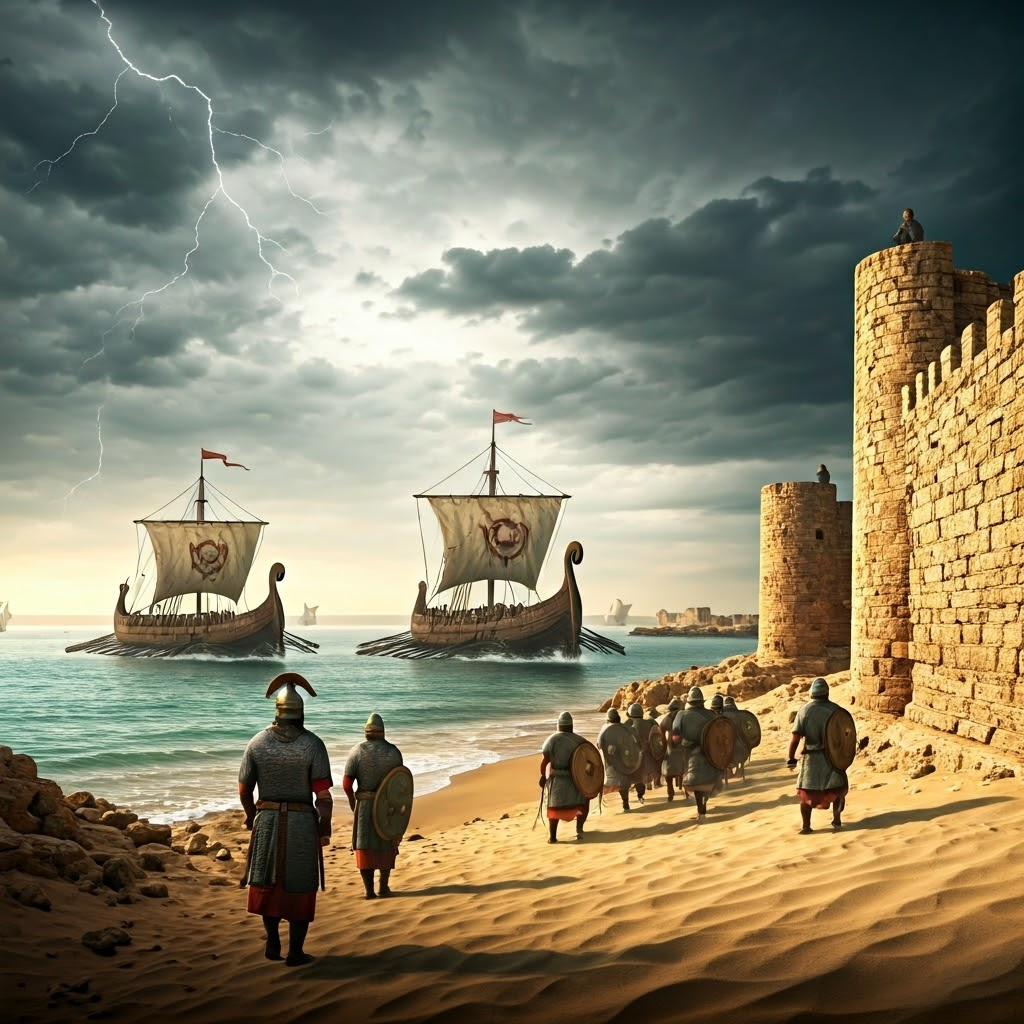
The Vandals roamed farther. They crossed Gaul and Spain, reached North Africa, and seized Carthage in 439. Their raids disrupted sea trade so deeply that “vandalism” came to mean senseless wrecking.
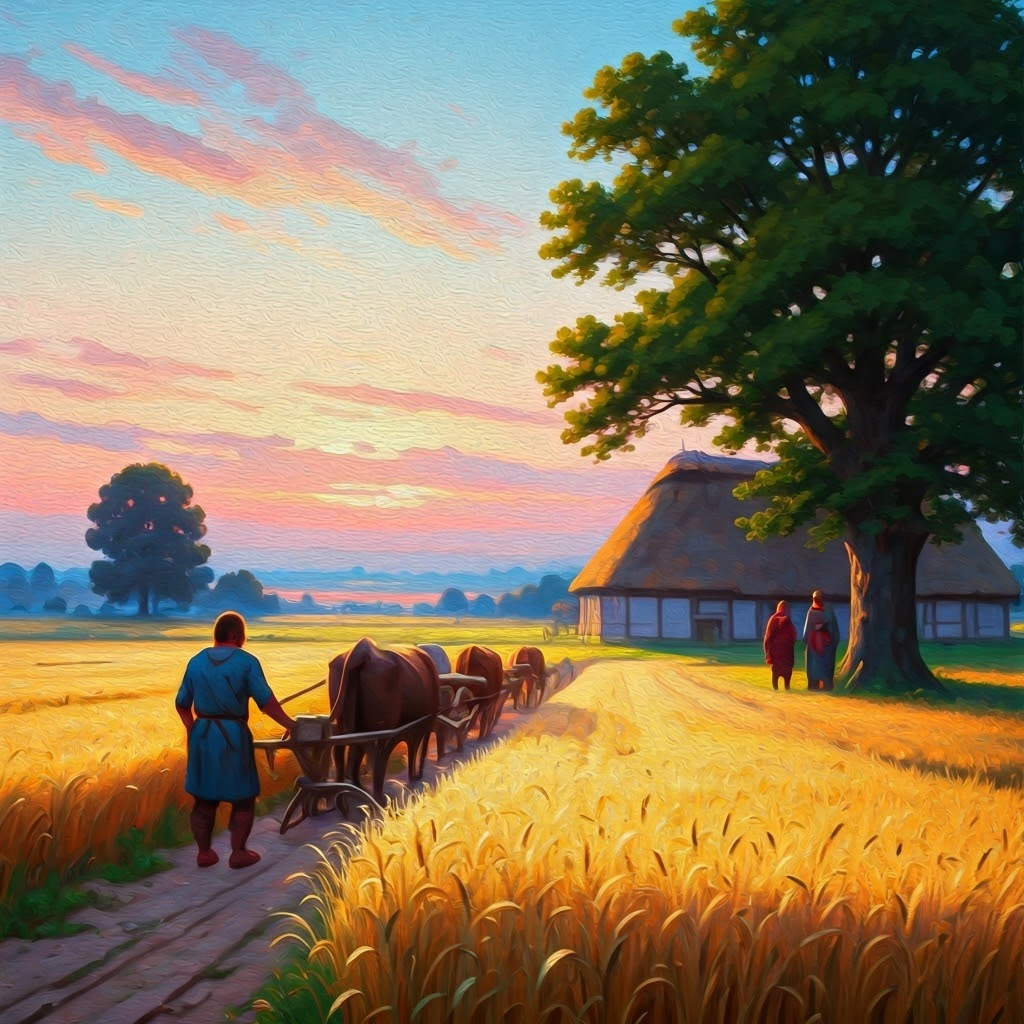
The Franks expanded slowly into northern Gaul. They mixed battle, marriage, and diplomacy. Under Clovis they laid the base for medieval France, blending Roman customs with their own traditions.
Was It Really Dark?
“Dark Ages” paints a picture of ignorance, a term popular since Edward Gibbon. Today historians prefer “late antiquity.” Cities shrank, literacy slipped outside church walls, yet the church became a new hub. Local laws evolved, and many roads, bridges, and aqueducts still served daily life.
Archaeology shows surprising continuity. Houses, pottery, and fields persisted under fresh rulers and codes. Chronicles and graffiti reveal people who felt the upheaval yet took pride in adapting. One world ended, another began, and communities carried forward the pieces to build something new.
